
Herding group
Mudi
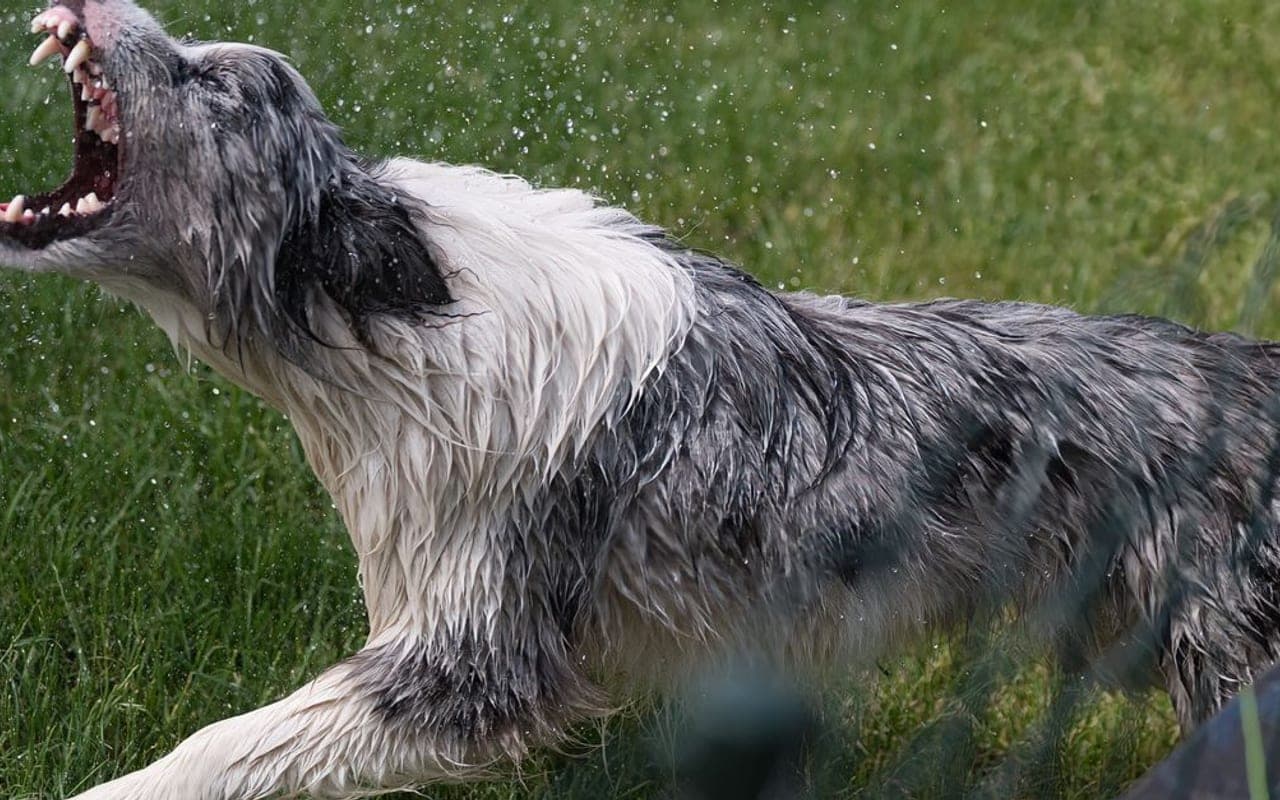
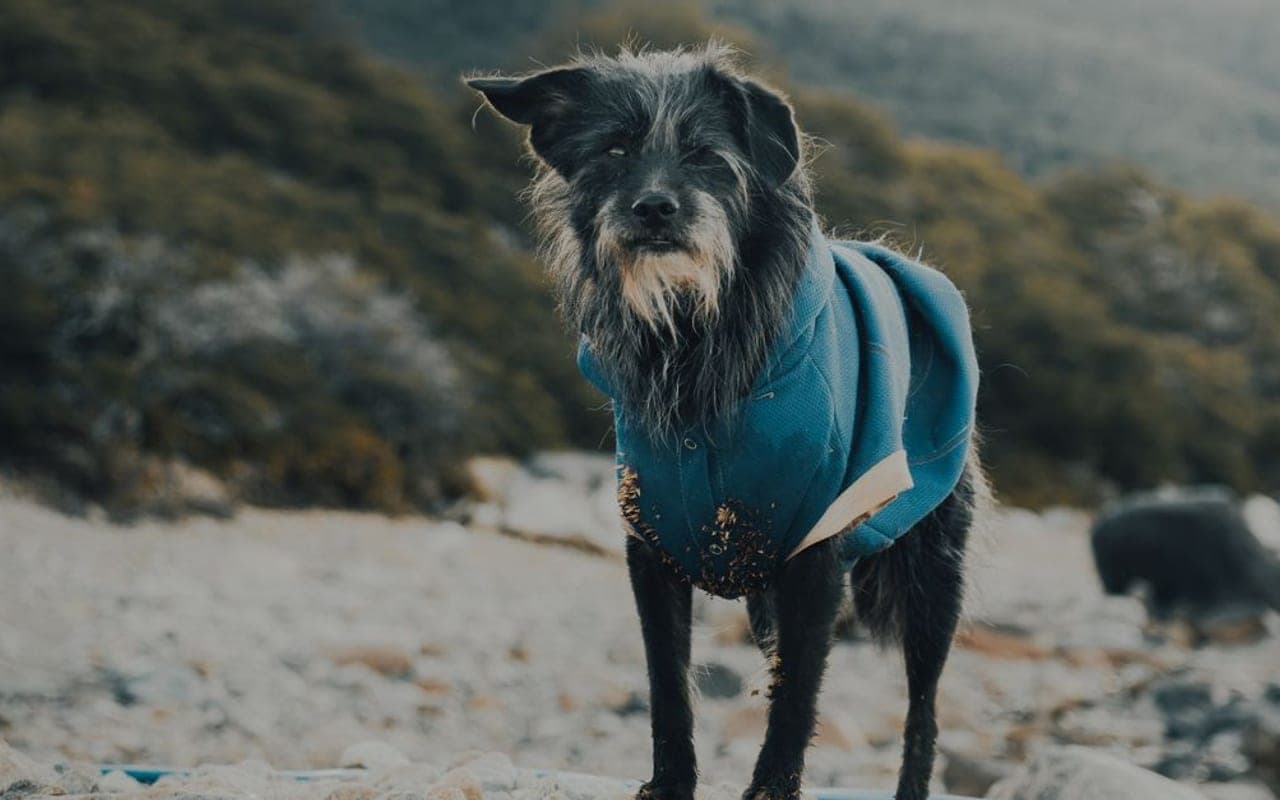
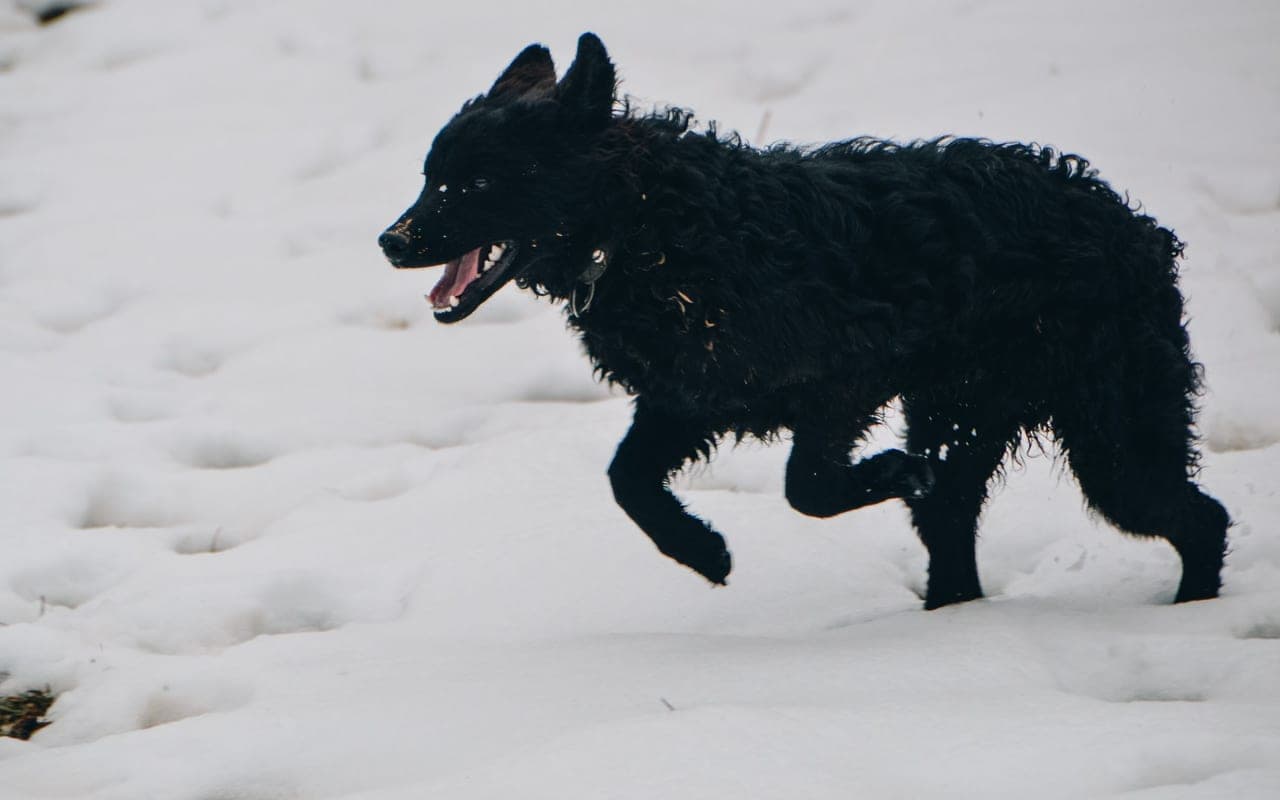
The Mudi (say 'moody') is a Hungarian farm herding dog — medium-sized, roughly 8-13 kg and 38-47 cm tall, with a distinctive wavy-to-curly coat and a wedge-shaped face — and it is one of the genuinely high-drive working breeds, not a relaxed family pet that happens to herd.
Size
18-29 lb
Lifespan
12-14 years
Exercise
20-40 minutes
Shedding
Moderate
Experience
Match to owner routine
Decision first
Is a Mudi right for you?
Start with fit before history or trivia. These are ownership signals, not guarantees about any individual dog.
Best suited for
- Households with children.
- Homes with other compatible pets.
- Apartment homes with a consistent routine.
- Owners seeking a manageable daily exercise routine.
Think carefully if
- You need a dog with almost no daily routine.
- You cannot keep up with grooming and preventive care.
- The dog will spend most days alone without support.
Conditional fit
Apartment fit depends on exercise, enrichment, noise management, and outdoor access.
Daily reality
Mudi commitment snapshot
Daily exercise
20-40 minutes
Match activity to age, health, weather, and training goals.
Coat care
Moderate
Grooming needs vary by coat, shedding, and lifestyle.
Time alone
Needs planning
Most dogs need gradual alone-time conditioning and support.
Structured facts
Mudi at a glance
The measurements and traits that most affect day-to-day life with this breed.
Group
Herding
Weight
18-29 lb
Height
15-19 in
Lifespan
12-14 years
Temperament
Loyal | Intelligent | Active
View all characteristics and methodology
Lifestyle fit
- Apartment suitability
- Likely fit
- Child friendliness
- Often good, with socialisation and supervision
- Other-pet fit
- Often compatible with careful introductions
Owner commitment
- Exercise
- 20-40 minutes
- Grooming
- Moderate
- Shedding
- Moderate
- Training
- Low
Environment and health
- Health risk
- Needs planning
Ratings combine structured breed data, visible breed fields, and editorial context. They are planning aids, not predictions for an individual dog.
Daily life
Mudi temperament and behavior
The Mudi (say 'moody') is a Hungarian farm herding dog — medium-sized, roughly 8-13 kg and 38-47 cm tall, with a distinctive wavy-to-curly coat and a wedge-shaped face — and it is one of the genuinely high-drive working breeds, not a relaxed family pet that happens to herd. The Mudi is extremely active, fast-learning and demanding of work; ratings suggesting low energy or low trainability do not describe this breed. The honest framing is the opposite of low-key. The Mudi is rare. Estimates put the world population at only 3,000-4,000 dogs, with most in Hungary and Finland and only a few hundred in North America. It received full AKC recognition in 2022, which raised demand sharply against a very limited breeding pool — a fact that affects both price and waiting lists. Temperament: intelligent, biddable, courageous enough to move stubborn cattle, intensely bonded to its person, alert, and naturally protective without being indiscriminately aggressive. It excels at herding, agility, obedience, flyball, and search-and-rescue. It is also vocal and will bark — a working trait, not a flaw to be surprised by. With its family it is affectionate and devoted; with strangers it is reserved until it decides you are safe. Who the Mudi is right for: an active owner who will train and work the dog daily and wants a quick, athletic partner. Who it is wrong for: a first-time or sedentary owner — the breed clubs explicitly warn that an unstimulated Mudi becomes barky, destructive, and demanding, and that is a predictable outcome, not bad luck.
Loyal | Intelligent | Active
Loyal
A common Mudi temperament descriptor that should be interpreted alongside training, exercise, and household fit.
Intelligent
A common Mudi temperament descriptor that should be interpreted alongside training, exercise, and household fit.
Active
A common Mudi temperament descriptor that should be interpreted alongside training, exercise, and household fit.
Owner note
Temperament labels are starting points, not guarantees. Meet the individual dog and ask about behavior history whenever possible.
Care essentials
How to care for a Mudi
What looking after one actually involves: exercise, grooming, food, training, and routine health.
ExerciseAs needed
- Lower-energy breed content with daily walks.
GroomingAs needed
- Brush 2-3 times per week.
TrainingAs needed
- Consistent, patient training works best.
NutritionAs needed
- Feed high-quality dog food appropriate for age, size, and activity level.
Veterinary CareAs needed
- Annual wellness exams, vaccinations, dental care, and parasite prevention.
Health planning
Mudi health risks and screening
Every breed has individual health variation. Use this profile for planning and discuss medical decisions with a veterinarian.
Responsible ownership
Finding a Mudi responsibly
What to ask a breeder or rescue is the same conversation for every breed, so we keep it in one place and keep it current.
Health documentation, meeting the parents or foster, contracts and return support, and the warning signs worth walking away from.
Original purpose
Mudi history
History is useful when it explains today's behavior, coat, exercise needs, and training style.
Read the breed history
The Mudi is one of Hungary's three traditional herding breeds, alongside the Puli and Pumi, and for most of its history it was not deliberately bred — it emerged on Hungarian farms in the 19th century, likely from crosses among Puli, Pumi, and German Spitz-type dogs, selected purely for working ability on cattle and sheep. It was first described as a distinct breed in the 1930s by a Hungarian museum director, but the Second World War devastated the population and the breed was reconstructed afterward from a small surviving base. It remains rare worldwide, concentrated in Hungary and Finland, and only gained American Kennel Club full recognition in 2022. That landrace, function-first history is the key to the breed today: the Mudi was shaped by what it could do on a farm, not by appearance, which is why it is healthy, hardy, intensely work-driven, and emphatically not a low-energy companion despite its modest size.
Gallery
Mudi photos
Images are cropped consistently and loaded progressively to keep the page responsive.
Lower-page context
Mudis in culture
Where the breed shows up in film, sport, work and folklore — the enjoyable part, once the practical questions are answered.
Fun facts
- The Mudi belongs to the Miscellaneous Class.
- The average lifespan of a Mudi is 12 to 14 years.
- Mudi dogs are valued for their loyal, intelligent, active nature.
Mudi FAQs
Is the Mudi a low-energy dog? The listing says energy level 1.
No — that placeholder figure is wrong, and acting on it is the single most common Mudi mistake. Every authoritative source, including the AKC and the breed clubs, describes the Mudi as a high-drive working herder needing 60-90 minutes of daily activity plus mental work. It is small, but small does not mean sedentary. An owner who buys a Mudi expecting a calm lap dog gets a frustrated, barking, destructive animal — not because the dog is faulty, but because the expectation was.
How long do Mudis live, and how healthy is the breed really?
A Mudi typically lives 12-14 years, and the breed is genuinely one of the hardier ones — a benefit of its landrace, function-first history rather than appearance breeding. The honest version: it is robust, but 'robust' is not 'risk-free.' The real concerns are idiopathic epilepsy (onset usually 6 months to 3 years), patellar luxation, and occasional hip or elbow issues and cataracts. A Mudi from CHIC-participating, health-tested parents is about as sound as a dog gets; the breed does not need padding with invented conditions.
How much does a Mudi cost, and why the wait?
Expect roughly $1,500-$3,000 from a reputable breeder, and expect a waiting list. The reason is supply, not greed: there are only an estimated 3,000-4,000 Mudis worldwide and only a few hundred in North America, and AKC recognition in 2022 sharply increased demand against that tiny pool. The hidden cost to budget for is potential lifelong epilepsy management; the upfront premium for a health-tested puppy from screened lines is small next to that.
Is the Mudi good for first-time owners or apartments?
The breed clubs explicitly say it is not a first-time-owner breed, and apartments work only with a serious activity commitment. The limiting factor is not floor space — it is the 60-90 minutes of daily work plus mental stimulation the dog requires. A Mudi that gets that can live anywhere; a Mudi that does not becomes vocal and destructive regardless of house size. If you can guarantee the work, it is rewarding; if you cannot, choose a different breed honestly.
Are Mudis good with children and other pets?
Yes with children it is raised with — it is loyal, playful, and protective of its family — but its strong herding instinct means it may try to herd running children by circling and nudging, which should be redirected early. It is naturally reserved with strangers and benefits from broad socialisation. With other pets raised alongside it, it generally does well; the working drive means small fleeing animals can trigger chase-and-herd behaviour, so introductions to cats and small pets should be managed.
Why does my Mudi bark so much?
Because it is supposed to. The Mudi was bred as a farm dog that used its voice to move stubborn livestock and to alert, so barking is a working trait, not a behaviour defect. The volume is dialled up sharply by under-stimulation: a bored or under-exercised Mudi barks far more. The fix is rarely 'train it to be quiet' alone — it is meeting the exercise and mental-work requirement first, then shaping an off-switch. Owners surprised by the barking usually skipped that requirement.
Sources
These are the published sources this page draws on. Each opens in a new tab so you can check it yourself.
American Kennel Club
Mudi — breed standard and profile(opens in a new tab)Supports: Breed standard and recognition details.
Similar breeds to consider
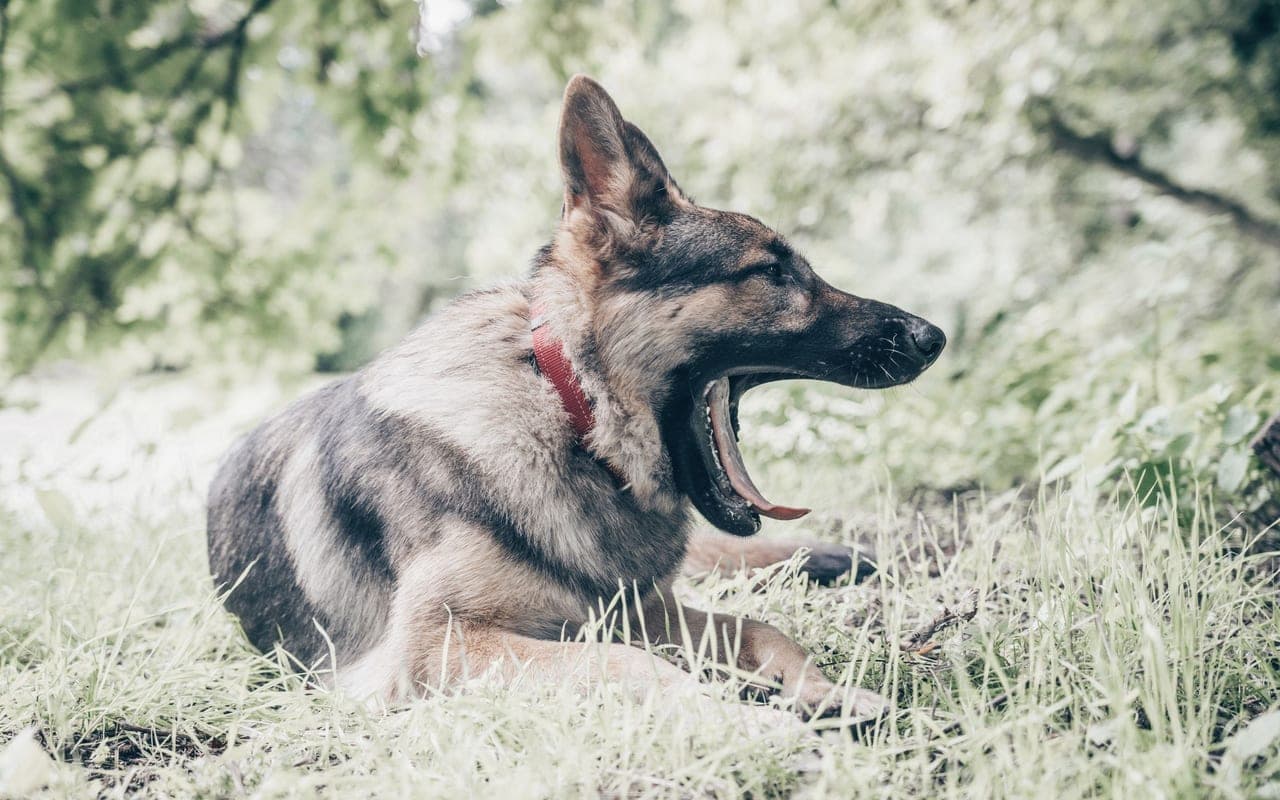
German Shepherd
Also in the Herding group, with different care and temperament tradeoffs.
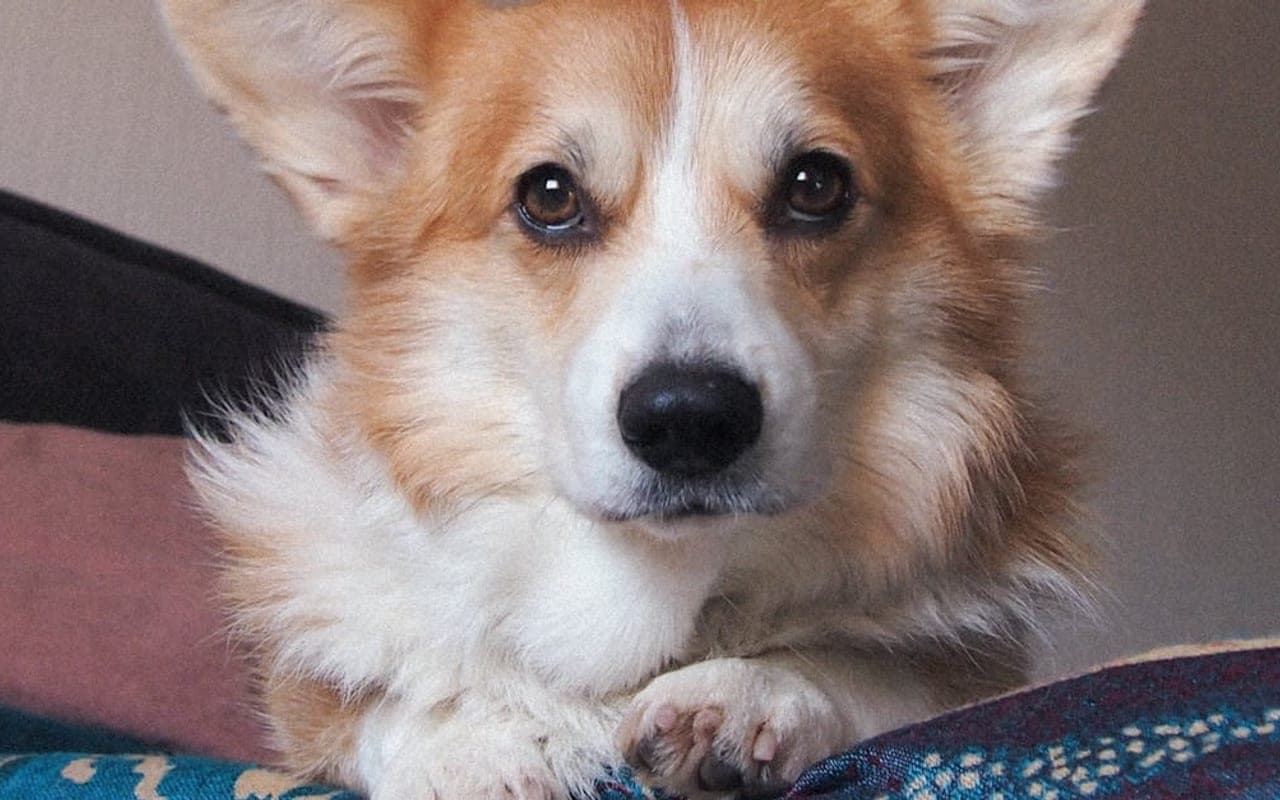
Pembroke Welsh Corgi
Also in the Herding group, with different care and temperament tradeoffs.
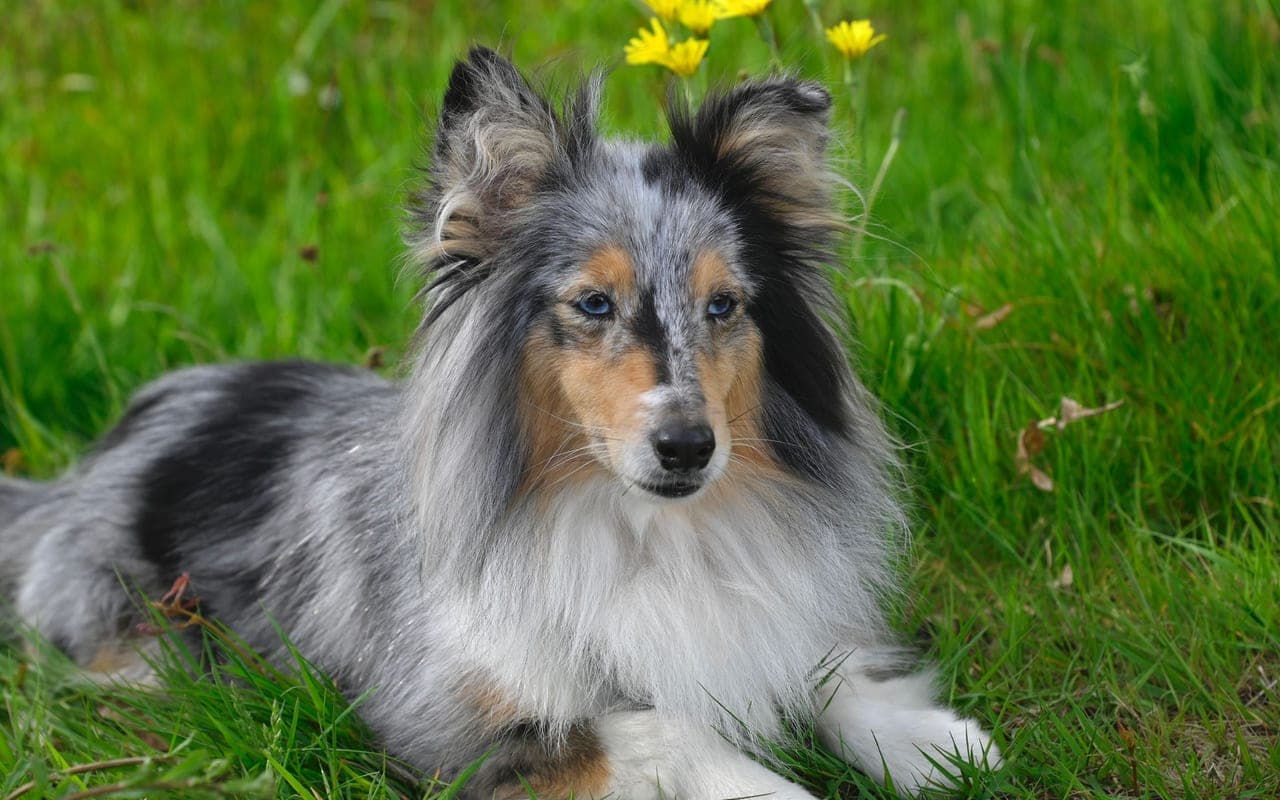
Shetland Sheepdog
Also in the Herding group, with different care and temperament tradeoffs.
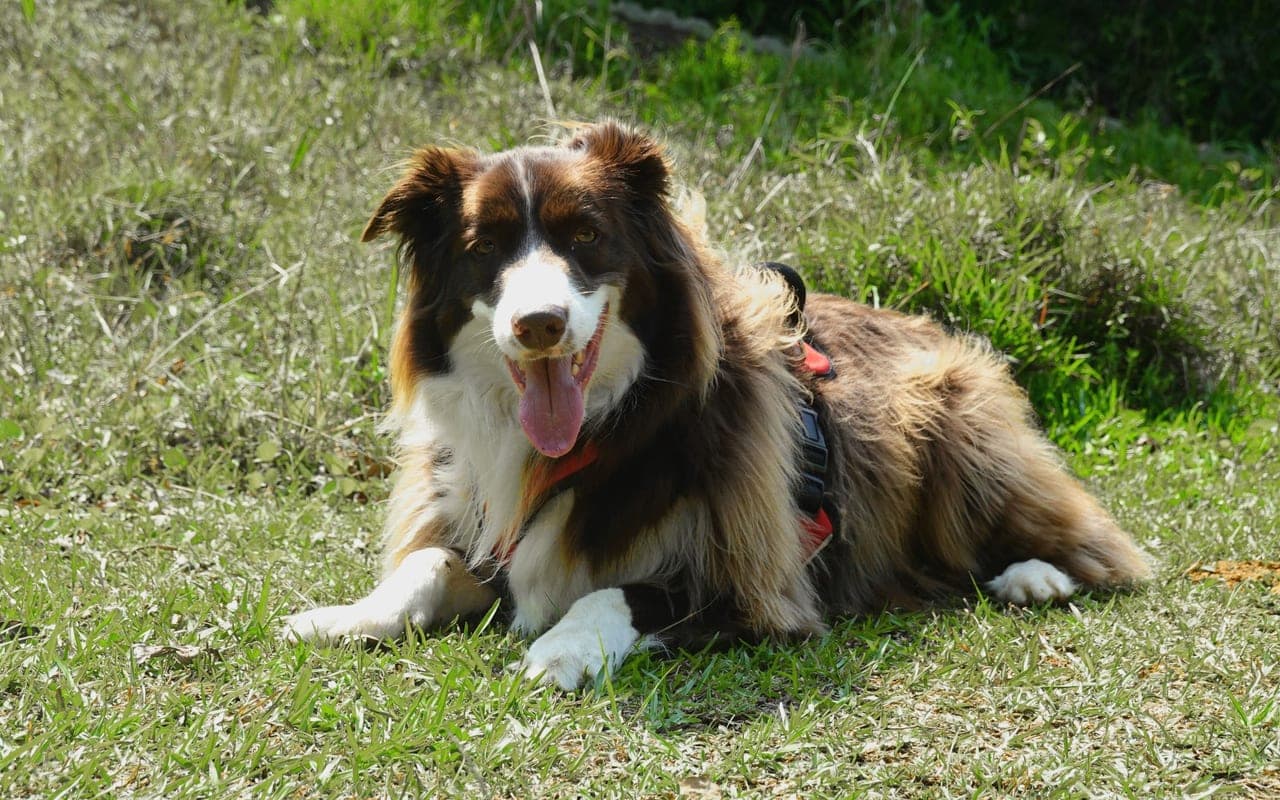
Border Collie
Also in the Herding group, with different care and temperament tradeoffs.
Explore More About Mudi
Dive deeper into everything Mudi — costs, care, and expert insights.
Large Dog Care Guide: Everything Over 50 lbs
Owning a large or giant breed dog means accepting one of biology's...
Puppy Teething & Biting: Timeline and What Actually Works
A puppy has all 28 deciduous ("baby") teeth by roughly eight weeks of age, and...
Considering a cat instead?
Browse Cats