
Sporting group
Nederlandse Kooikerhondje
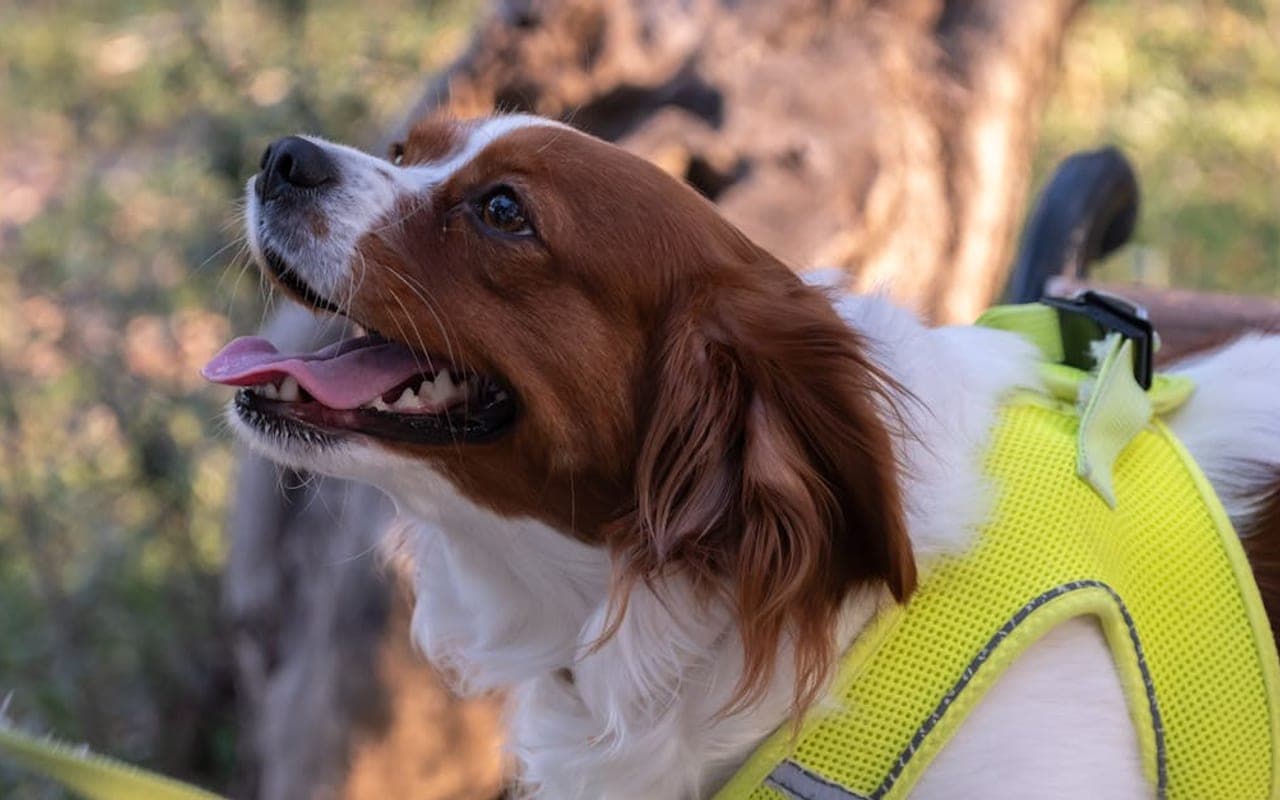
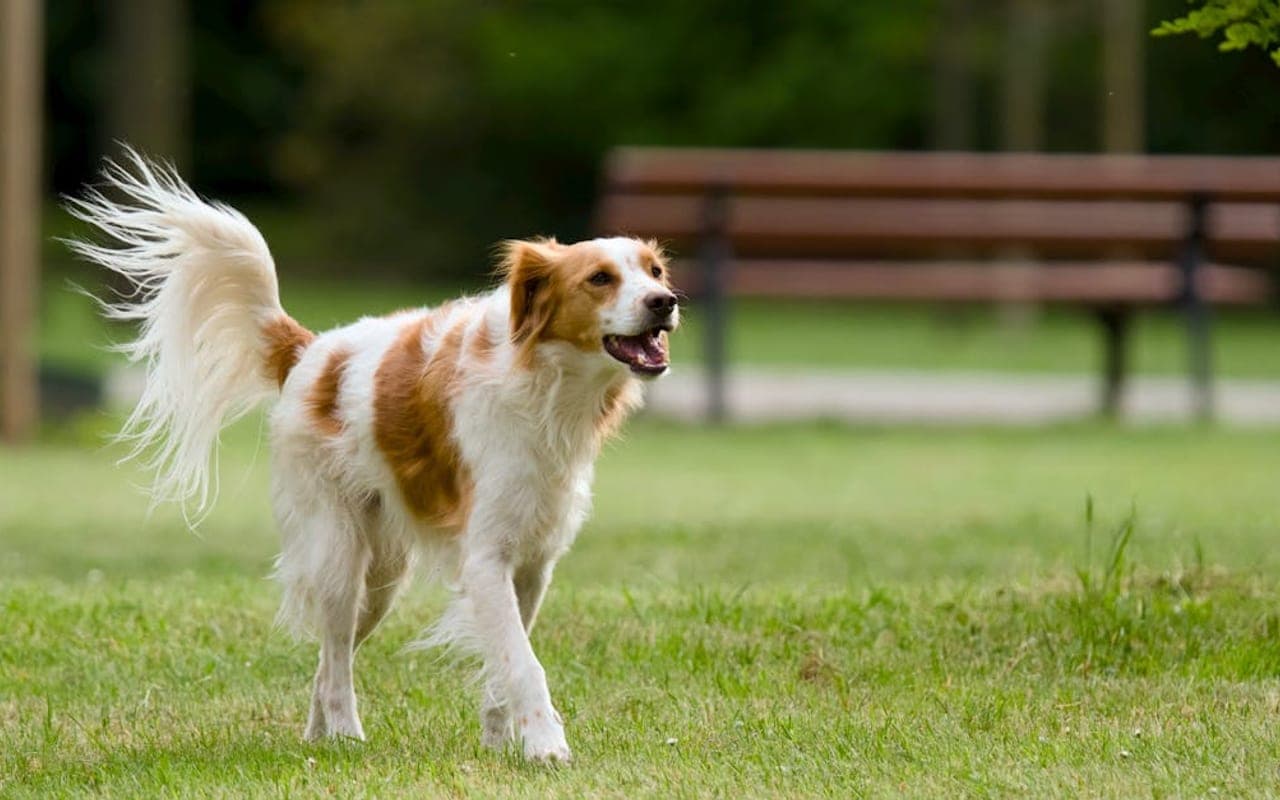
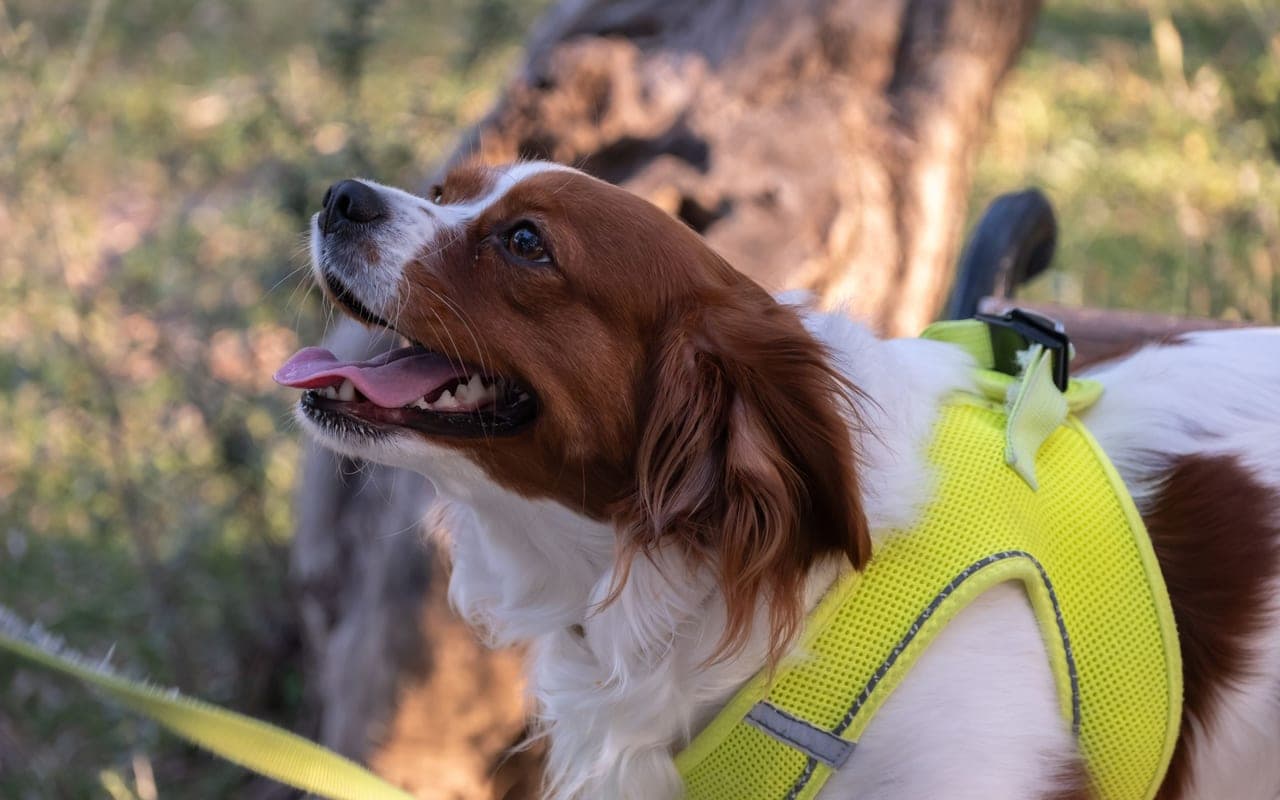
The Nederlandse Kooikerhondje (KOY-ker-hond-yuh) is a small Dutch sporting dog — roughly 14-16 inches at the shoulder and 20-30 pounds — built for a single, specific historical job: luring ducks down a curving netted channel called an eendenkooi.
Size
20-24 lb
Lifespan
12-15 years
Exercise
30-60 minutes
Shedding
Moderate
Experience
Match to owner routine
Decision first
Is a Nederlandse Kooikerhondje right for you?
Start with fit before history or trivia. These are ownership signals, not guarantees about any individual dog.
Best suited for
- Households with children.
- Homes with other compatible pets.
- Apartment homes with a consistent routine.
- Owners seeking a manageable daily exercise routine.
Think carefully if
- You need a dog with almost no daily routine.
- You cannot keep up with grooming and preventive care.
- The dog will spend most days alone without support.
Conditional fit
Apartment fit depends on exercise, enrichment, noise management, and outdoor access.
Daily reality
Nederlandse Kooikerhondje commitment snapshot
Daily exercise
30-60 minutes
Match activity to age, health, weather, and training goals.
Coat care
Moderate
Grooming needs vary by coat, shedding, and lifestyle.
Time alone
Needs planning
Most dogs need gradual alone-time conditioning and support.
Structured facts
Nederlandse Kooikerhondje at a glance
The measurements and traits that most affect day-to-day life with this breed.
Group
Sporting
Weight
20-24 lb
Height
14-16 in
Lifespan
12-15 years
Temperament
Friendly | Alert | Quick
View all characteristics and methodology
Lifestyle fit
- Apartment suitability
- Likely fit
- Child friendliness
- Often good, with socialisation and supervision
- Other-pet fit
- Often compatible with careful introductions
Owner commitment
- Exercise
- 30-60 minutes
- Grooming
- Moderate
- Shedding
- Moderate
- Training
- Low
Environment and health
- Health risk
- Needs planning
Ratings combine structured breed data, visible breed fields, and editorial context. They are planning aids, not predictions for an individual dog.
Daily life
Nederlandse Kooikerhondje temperament and behavior
The Nederlandse Kooikerhondje (KOY-ker-hond-yuh) is a small Dutch sporting dog — roughly 14-16 inches at the shoulder and 20-30 pounds — built for a single, specific historical job: luring ducks down a curving netted channel called an eendenkooi. Everything about the breed traces back to that work, and the most important thing a prospective owner can understand is that this is a sensitive, soft-tempered, environmentally aware dog, not an outgoing all-comers' family pet. People who buy it for the striking white-and-orange looks and the feathered black-tipped 'earrings' and ignore the temperament are the ones who struggle. What the decoy-dog heritage means in practice: Kooikers are intelligent and trainable but acutely sensitive to harsh handling and to tension in the home — they were bred to work quietly off subtle cues and they shut down or grow anxious under pressure or rough corrections. Many are reserved or aloof with strangers and need early, careful socialization to avoid edging toward shyness or fear. With their own family they are affectionate, lively, and devoted, generally good with children who are gentle, and content in a calm household. They are alert and will alarm-bark, but they are not a robust, bombproof dog for a chaotic environment. Who the Kooikerhondje is right for: a calm, patient owner who uses reward-based training, will commit to thorough early socialization, can give daily exercise and mental work, and — critically — will only buy from a breeder who DNA-tests for the breed's serious hereditary diseases. Who it is wrong for: someone wanting a tough, gregarious, correction-trained dog, or a buyer unwilling to verify genetic testing in a small gene pool.
Friendly | Alert | Quick
Friendly
A common Nederlandse Kooikerhondje temperament descriptor that should be interpreted alongside training, exercise, and household fit.
Alert
A common Nederlandse Kooikerhondje temperament descriptor that should be interpreted alongside training, exercise, and household fit.
Quick
A common Nederlandse Kooikerhondje temperament descriptor that should be interpreted alongside training, exercise, and household fit.
Owner note
Temperament labels are starting points, not guarantees. Meet the individual dog and ask about behavior history whenever possible.
Care essentials
How to care for a Nederlandse Kooikerhondje
What looking after one actually involves: exercise, grooming, food, training, and routine health.
ExerciseAs needed
- Moderately active breed needing 30-60 minutes of daily exercise.
GroomingAs needed
- Brush 2-3 times per week.
TrainingAs needed
- Consistent, patient training works best.
NutritionAs needed
- Feed high-quality dog food appropriate for age, size, and activity level.
Veterinary CareAs needed
- Annual wellness exams, vaccinations, dental care, and parasite prevention.
Health planning
Nederlandse Kooikerhondje health risks and screening
Every breed has individual health variation. Use this profile for planning and discuss medical decisions with a veterinarian.
Responsible ownership
Finding a Nederlandse Kooikerhondje responsibly
What to ask a breeder or rescue is the same conversation for every breed, so we keep it in one place and keep it current.
Health documentation, meeting the parents or foster, contracts and return support, and the warning signs worth walking away from.
Original purpose
Nederlandse Kooikerhondje history
History is useful when it explains today's behavior, coat, exercise needs, and training style.
Read the breed history
The Nederlandse Kooikerhondje is a centuries-old Dutch breed whose name means roughly 'little cager's dog,' developed to work the eendenkooi — a traditional Dutch duck decoy: a pond with curved, narrowing reed-screened ditches ending in a trap. The dog's job was to flash its white-and-orange coat and feathered tail along the screens, exploiting wild ducks' curiosity so they followed it deeper into the curving channel until they could be netted, a quiet, cue-driven luring task rather than a flushing or retrieving one. The breed appears in 17th-century Dutch paintings and is woven into national history. It nearly vanished by the Second World War and was rebuilt from a very small number of dogs by a Dutch baroness, Baroness van Hardenbroek van Ammerstol, beginning in the 1940s — a genuine bottleneck that explains why the breed's inherited diseases are taken so seriously and why the Dutch parent club maintains strict breeding and DNA-testing records. It was recognized by the AKC in 2018. The decoy origin directly explains the modern dog's sensitivity, intelligence, and softness.
Gallery
Nederlandse Kooikerhondje photos
Images are cropped consistently and loaded progressively to keep the page responsive.
Lower-page context
Nederlandse Kooikerhondjes in culture
Where the breed shows up in film, sport, work and folklore — the enjoyable part, once the practical questions are answered.
Fun facts
- The Nederlandse Kooikerhondje belongs to the Sporting Group.
- The average lifespan of a Nederlandse Kooikerhondje is 12 to 15 years.
- Nederlandse Kooikerhondje dogs are valued for their friendly, alert, quick nature.
Nederlandse Kooikerhondje FAQs
How long do Nederlandse Kooikerhondjes live?
A healthy Kooikerhondje from tested lines typically lives 12-15 years. The single biggest determinant of outcome in this breed is not age but genetics: a dog affected by hereditary necrotizing myelopathy rarely reaches two years, so lifespan is largely decided before you bring the puppy home. Buying only from a breeder who DNA-tests both parents for ENM and von Willebrand disease, and keeping the dog lean and well-socialized, is what protects both length and quality of life.
Are Nederlandse Kooikerhondjes good with children?
Yes with gentle children in a calm home — they are affectionate and devoted to their family. The important qualifier is the breed's sensitivity: Kooikers can be overwhelmed by loud, rough, or chaotic handling and may withdraw or become anxious rather than tolerate it. They suit considerate, school-age children better than unpredictable toddlers. Supervise interactions, teach children to approach the dog calmly, and treat early socialization as essential rather than optional for this thoughtful breed.
Are Nederlandse Kooikerhondjes easy to train?
They are intelligent and capable but require the right method, not a heavy hand. The breed was developed to work off quiet, subtle cues, so it responds well to patient reward-based training and poorly to harsh correction, which causes it to shut down or grow anxious. Short, positive, consistent sessions started in puppyhood produce a reliable, willing adult. An owner who trains with pressure or punishment will get a worse result with this breed than with almost any sturdier working dog.
What is hereditary necrotizing myelopathy and can it be avoided?
ENM is a recessive, progressive degenerative spinal-cord disease nearly specific to this breed. Affected puppies usually show hindlimb weakness and incoordination between roughly 3 and 12 months of age, the disease worsens, and it is fatal — typically before age two. It is also entirely preventable: a DNA test exists, and breeding tested carriers only to clear dogs prevents affected puppies. This is why you should only consider a puppy whose parents are DNA-tested for ENM, and should ask to see the certificates.
Why does von Willebrand testing matter before surgery in this breed?
The Kooikerhondje historically carried type III von Willebrand disease — a severe inherited deficiency of a clotting protein that can cause dangerous, even life-threatening bleeding during routine procedures like spaying, neutering, or any surgery. A DNA test has existed since around 1990 and has largely eliminated it from responsibly bred lines, but you should know your individual dog's status. If status is unknown, tell your veterinarian before any elective surgery so they can plan for the bleeding risk rather than discover it mid-procedure.
How much exercise and grooming does a Kooikerhondje need?
Plan on about an hour of daily exercise — walks plus retrieving, swimming, or dog sports — plus mental work, because this is a working breed that becomes anxious and destructive when under-stimulated. Grooming is moderate: brush the medium-length coat 2-3 times a week (more during seasonal shedding), pay attention to the feathered ears, legs, and tail to prevent mats, and check and dry the ears weekly, especially after swimming, to prevent the ear infections the breed's ear shape predisposes it to.
Sources
These are the published sources this page draws on. Each opens in a new tab so you can check it yourself.
American Kennel Club
Nederlandse Kooikerhondje — breed standard and profile(opens in a new tab)Supports: Breed standard and recognition details.
Similar breeds to consider
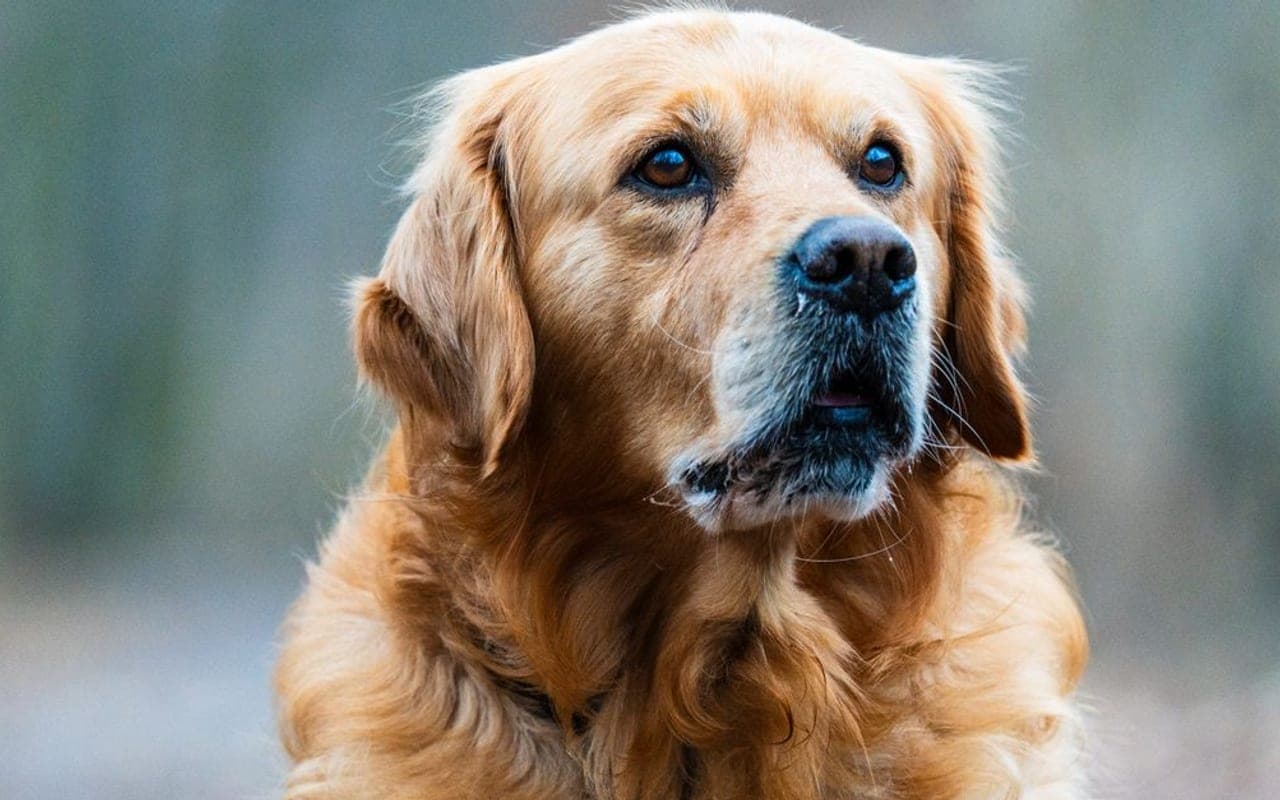
Golden Retriever
Also in the Sporting group, with different care and temperament tradeoffs.
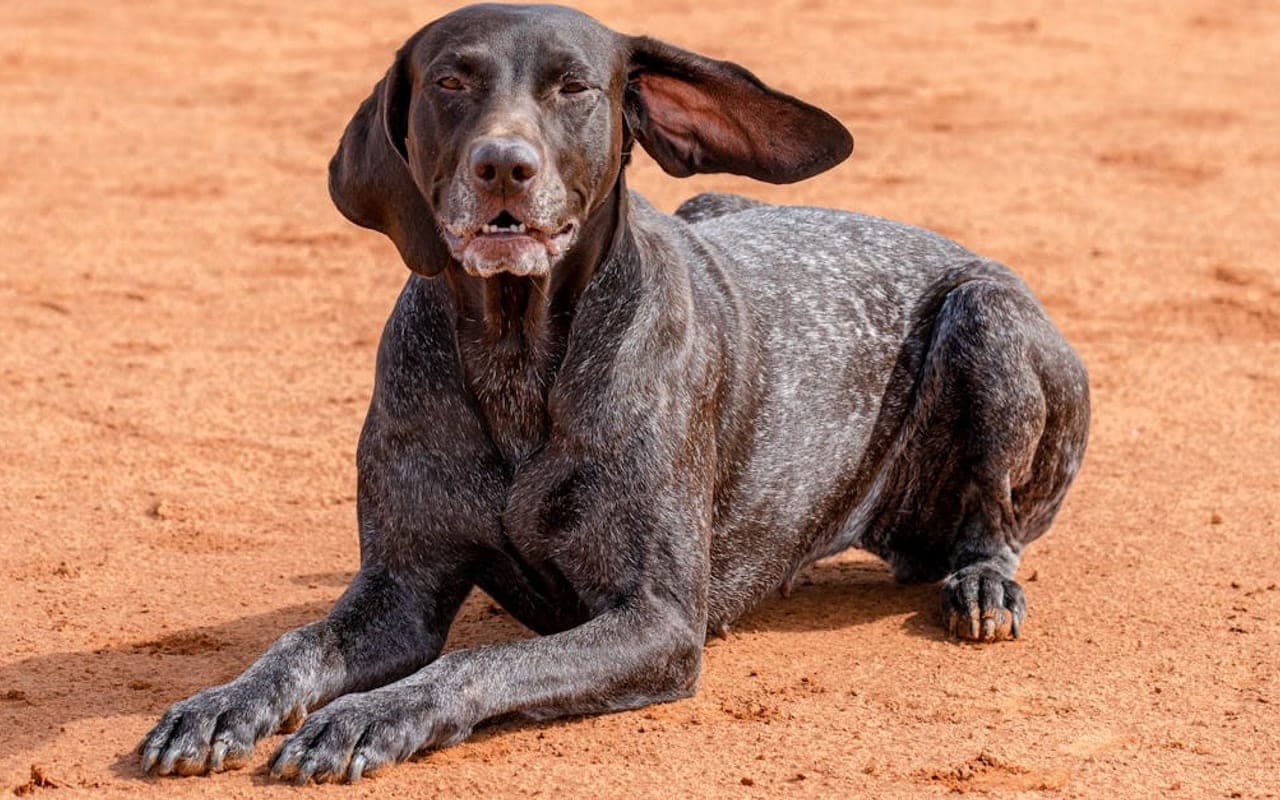
German Shorthaired Pointer
Also in the Sporting group, with different care and temperament tradeoffs.
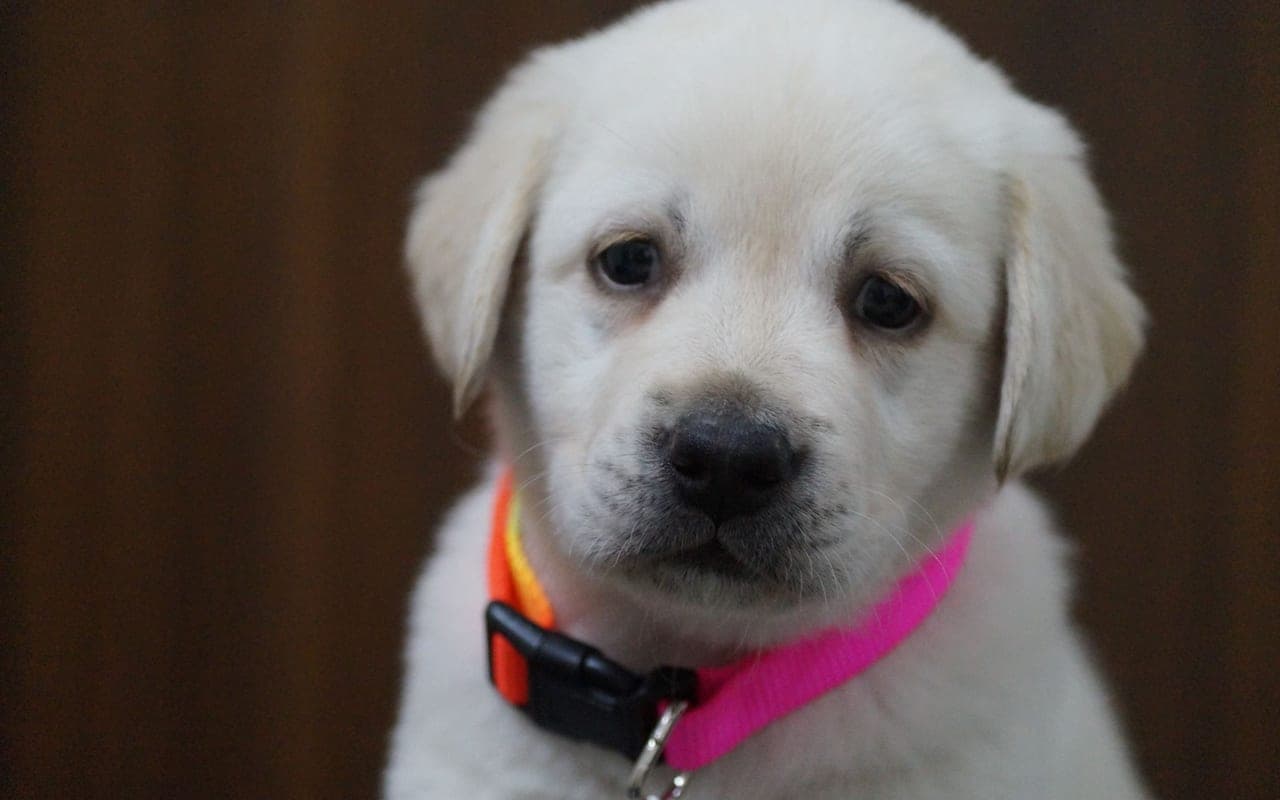
Labrador Retriever
Also in the Sporting group, with different care and temperament tradeoffs.
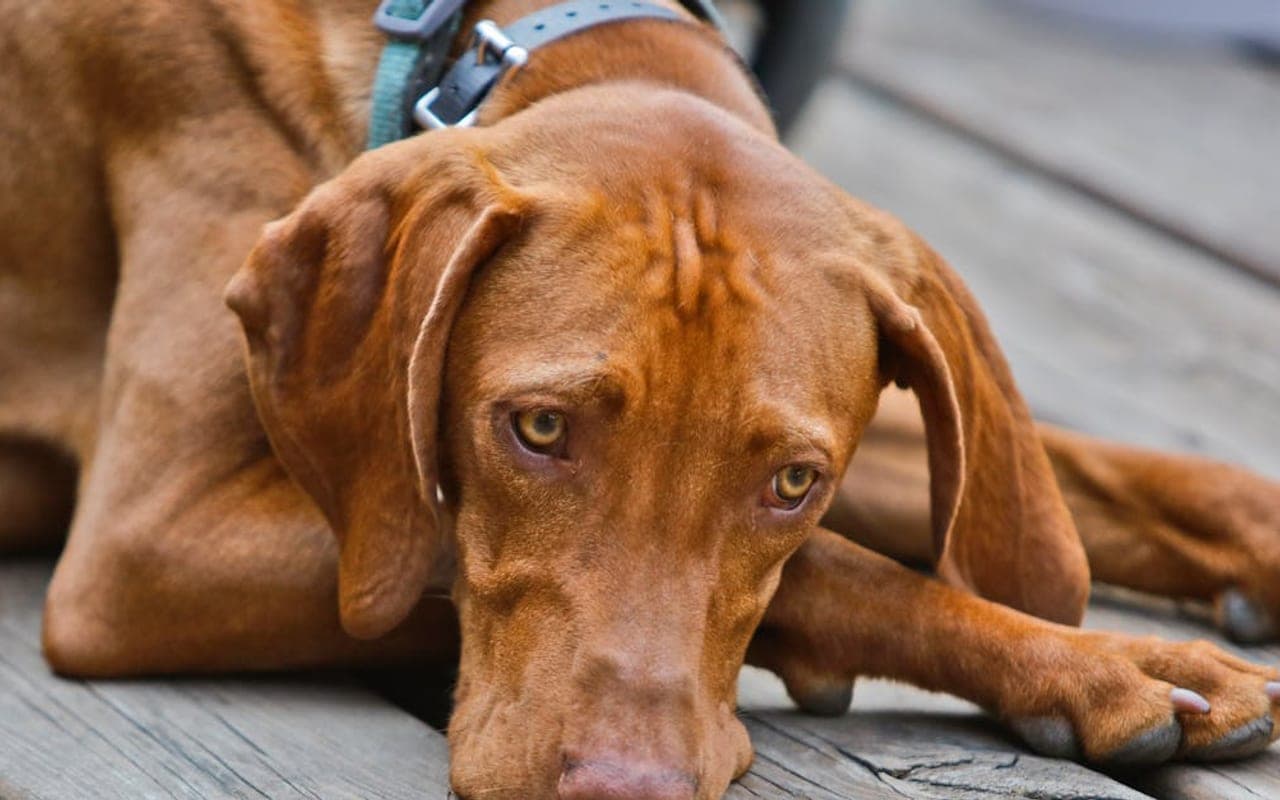
Vizsla
Also in the Sporting group, with different care and temperament tradeoffs.
Explore More About Nederlandse Kooikerhondje
Dive deeper into everything Nederlandse Kooikerhondje — costs, care, and expert insights.
Considering a cat instead?
Browse Cats