
Working group
Newfoundland
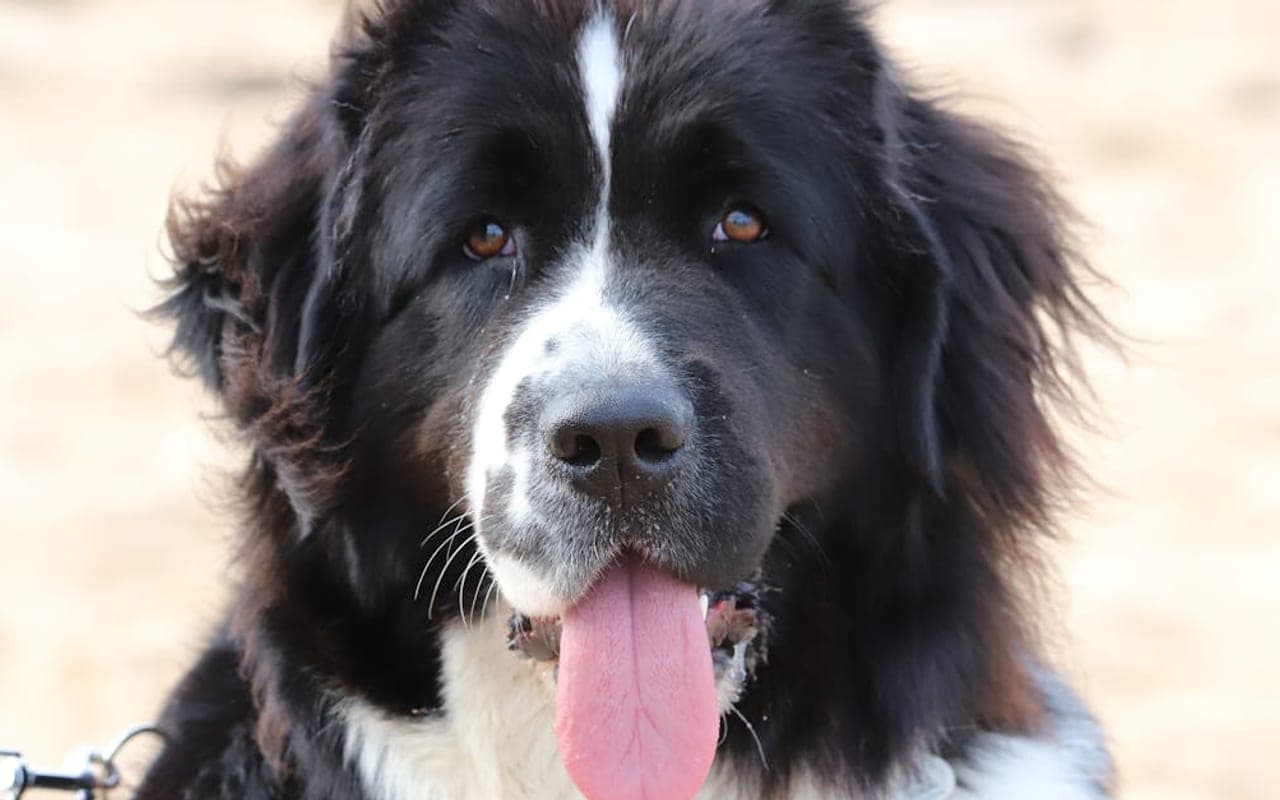
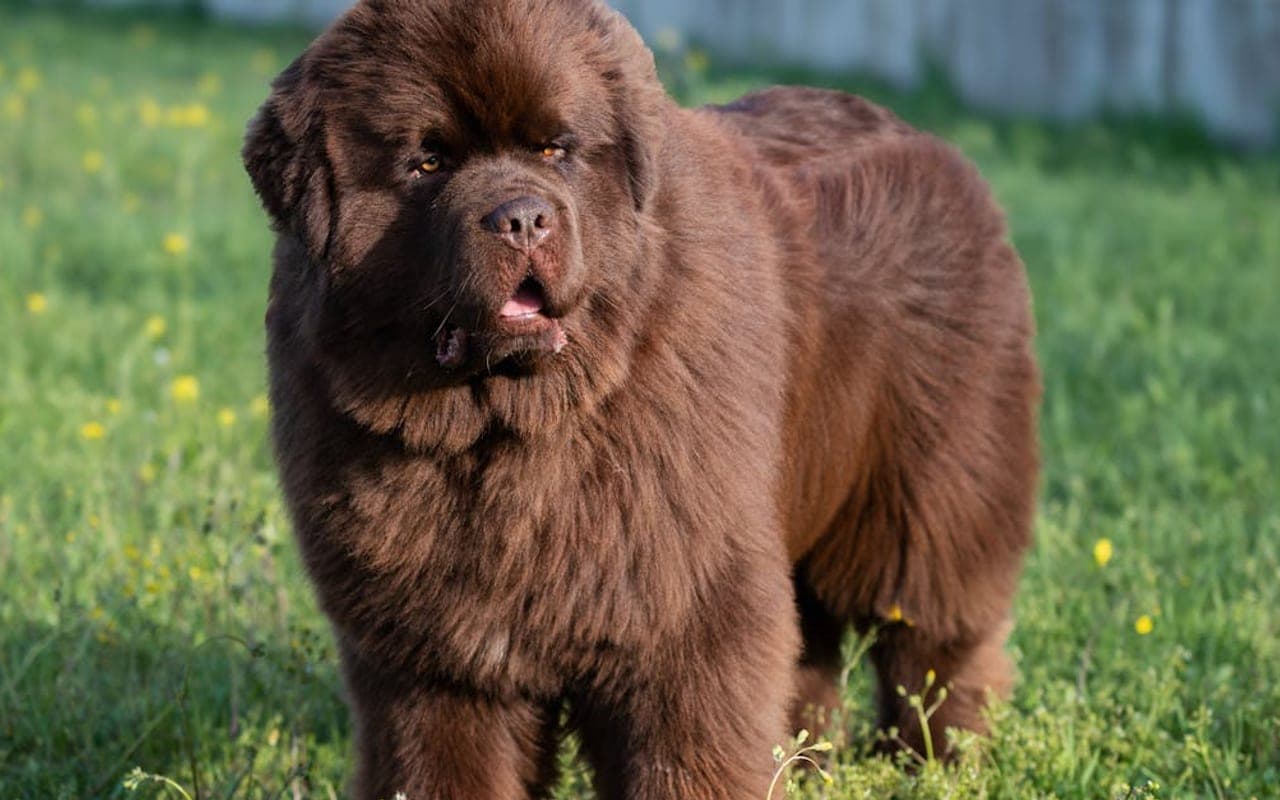
The Newfoundland is a giant working dog — 100 to 150 pounds, occasionally more — bred in coastal Canada to haul nets, pull carts, and pull drowning people out of cold water.

Size
99-150 lb
Lifespan
7-10 years
Exercise
30-60 minutes
Shedding
High
Experience
Match to owner routine
Decision first
Is a Newfoundland right for you?
Start with fit before history or trivia. These are ownership signals, not guarantees about any individual dog.
Best suited for
- Households with children.
- Homes with other compatible pets.
- Owners seeking a manageable daily exercise routine.
Think carefully if
- You need a dog with almost no daily routine.
- You want a very low-shedding home.
- The dog will spend most days alone without support.
Conditional fit
Apartment living may be difficult unless the owner can meet the breed's exercise, training, and space needs.
Daily reality
Newfoundland commitment snapshot
Daily exercise
30-60 minutes
Match activity to age, health, weather, and training goals.
Time alone
Needs planning
Most dogs need gradual alone-time conditioning and support.
Structured facts
Newfoundland at a glance
The measurements and traits that most affect day-to-day life with this breed.
Origin
Canada
Group
Working
Weight
99-150 lb
Height
25-29 in
Lifespan
7-10 years
Temperament
Sweet | patient | and devoted
View all characteristics and methodology
Lifestyle fit
- Apartment suitability
- Needs caution
- Child friendliness
- Often good, with socialisation and supervision
- Other-pet fit
- Often compatible with careful introductions
Owner commitment
- Exercise
- 30-60 minutes
- Shedding
- High
- Training
- High
Environment and health
- Health risk
- Needs planning
Ratings combine structured breed data, visible breed fields, and editorial context. They are planning aids, not predictions for an individual dog.
Daily life
Newfoundland temperament and behavior
The Newfoundland is a giant working dog — 100 to 150 pounds, occasionally more — bred in coastal Canada to haul nets, pull carts, and pull drowning people out of cold water. Everything about owning one follows from that size and that water-rescue heritage, and an honest profile has to lead with the hardest fact: this is a magnificent dog with a short life. A typical Newfoundland lives 7 to 10 years. If you want a decade-plus of dog, this is not the breed, and no amount of care reliably changes that. Temperament is the reason people accept the trade. The 'Newf' is famously gentle, patient, and devoted — the breed standard literally cites sweetness of temperament as the defining trait. They are excellent with children, low-aggression, eager to please, and trainable. They are also genuinely natural swimmers with webbed feet and a water-resistant double coat, and many retain a strong instinct to 'rescue' anyone in water whether help is wanted or not. The trade-offs scale with the dog. A Newfoundland sheds a heavy double coat year-round with two intense seasonal blows, drools, and has near-zero heat tolerance — they are built for cold water, not warm climates. They are not apartment dogs. Feeding, medicating, boarding, and vetting a 130-pound dog costs multiples of what a Labrador costs, and giant-breed orthopedic and cardiac problems are common and expensive. Their deep chest also makes them a high bloat (GDV) risk — a true surgical emergency. Who the Newfoundland is right for: a family with space, a cool climate, a giant-breed budget, and clear eyes about a 7-10 year lifespan who wants one of the most reliably gentle dogs that exists. Who it is wrong for: anyone in a hot climate, a small home, on a tight budget, or anyone who cannot emotionally accept losing a deeply loved dog young.
Sweet | patient | and devoted
Sweet
A common Newfoundland temperament descriptor that should be interpreted alongside training, exercise, and household fit.
patient
A common Newfoundland temperament descriptor that should be interpreted alongside training, exercise, and household fit.
and devoted
A common Newfoundland temperament descriptor that should be interpreted alongside training, exercise, and household fit.
Owner note
Temperament labels are starting points, not guarantees. Meet the individual dog and ask about behavior history whenever possible.
Care essentials
How to care for a Newfoundland
What looking after one actually involves: exercise, grooming, food, training, and routine health.
ExerciseAs needed
- Despite their large size, Newfoundlands have moderate exercise needs. Daily walks and supervised swimming sessions are ideal activities. Their joints should be protected, especially during the growth phase, so avoid excessive jumping or running on hard surfaces. Newfoundlands are not suited for hot climates and should exercise during cooler parts of the day if you live in a warm region.
GroomingAs needed
- Newfoundlands have a thick, water-resistant double coat that requires regular maintenance. Brush them 2-3 times weekly to prevent matting and reduce shedding, with more frequent brushing during seasonal coat blows. They should be bathed every 6-8 weeks. Ears should be checked weekly, and their heavy drooling means you'll need to keep towels handy to wipe their faces. Nails should be trimmed regularly, and teeth should be brushed frequently.
NutritionAs needed
- Newfoundlands require high-quality dog food appropriate for their age, size, and activity level. Large breed puppy formulas are recommended for growing Newfoundlands to support proper bone development. Adult dogs typically require 4-5 cups of quality dry food daily, divided into two meals. Avoid overfeeding as Newfoundlands can easily become overweight, which puts additional stress on their joints. Always provide fresh water.
Health MonitoringAs needed
- Regular veterinary check-ups are essential for Newfoundlands. The breed is predisposed to certain health issues including hip and elbow dysplasia, cardiac problems (particularly subvalvular aortic stenosis), cystinuria (a urinary tract condition), and gastric torsion (bloat). Early detection is key to managing these conditions. Also watch for signs of heat stress, as this breed does not tolerate high temperatures well.
Health planning
Newfoundland health risks and screening
Every breed has individual health variation. Use this profile for planning and discuss medical decisions with a veterinarian.
Ownership cost
How much does a Newfoundland cost?
Cost figures are structured so first-year and lifetime estimates do not conflict with the underlying line items.
| Acquisition | $1,000-$3,500 |
|---|---|
| Routine monthly | About $190/month |
| Routine annual | About $2,280/year |
| First-year estimate | $3,280-$5,780 |
| Lifetime routine estimate | $15,960-$22,800 routine costs |
Currency: USD. Region: United States. Typical ranges for this breed. Equipment, insurance, emergency veterinary care, boarding and training are NOT included: we hold no sourced figures for them, and estimating them would be a guess presented as data.
Responsible ownership
Finding a Newfoundland responsibly
What to ask a breeder or rescue is the same conversation for every breed, so we keep it in one place and keep it current.
Health documentation, meeting the parents or foster, contracts and return support, and the warning signs worth walking away from.
Original purpose
Newfoundland history
History is useful when it explains today's behavior, coat, exercise needs, and training style.
Read the breed history
The Newfoundland developed on the island of Newfoundland, off Canada's Atlantic coast, where it worked alongside fishermen from at least the 1700s. The breed's exact origins are debated but it descends from large dogs brought by European fishermen, possibly blended with native dogs and mastiff- and retriever-type ancestors. It was bred for a specific job: a powerful, cold-tolerant water dog that could haul fishing nets and lines to shore, pull loaded carts, and perform water rescues. Its webbed feet, oily water-resistant double coat, and powerful swimming stroke are all working adaptations, not show traits. The breed earned a documented reputation for saving drowning people and was famously favored by figures like Lewis and Clark and the poet Lord Byron. Recognized by the American Kennel Club in 1886, the Newfoundland today is kept overwhelmingly as a family companion, but many still compete in water-rescue and draft-work tests that mirror the breed's original purpose.
Gallery
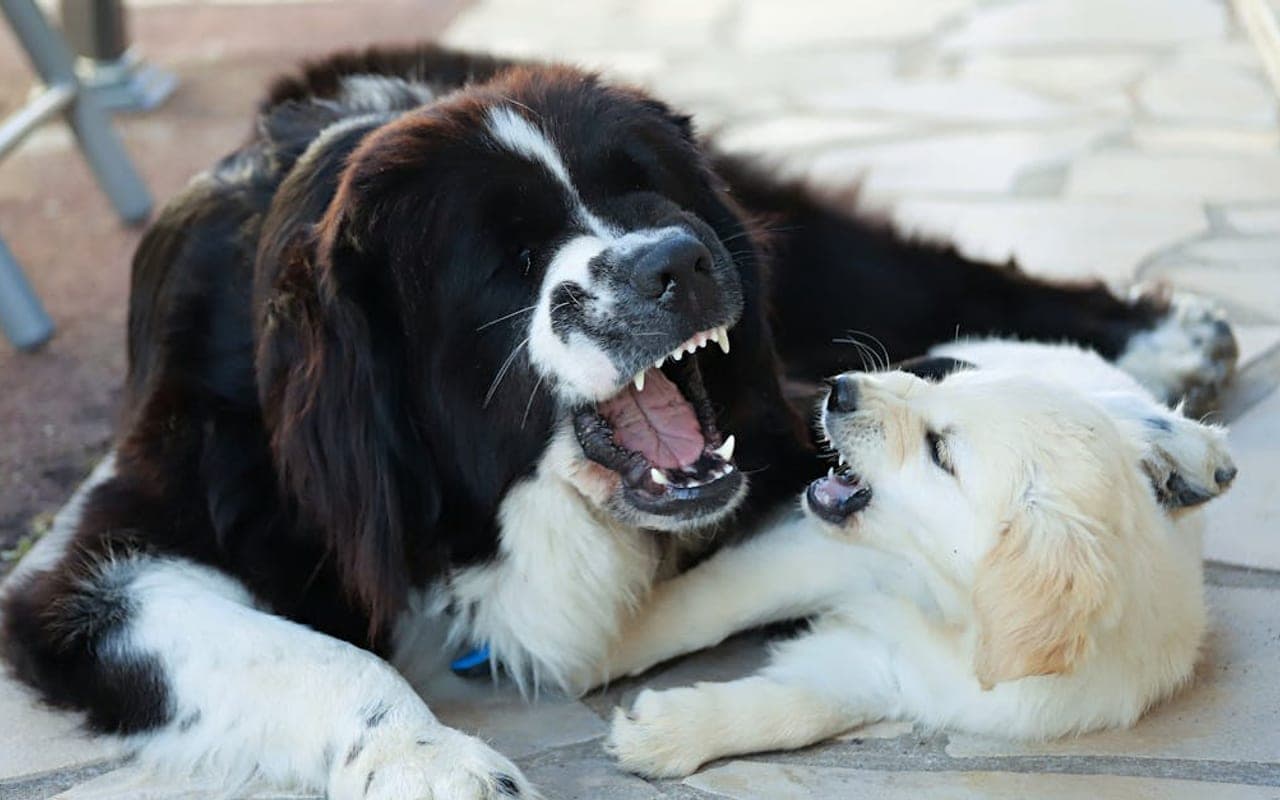
Newfoundland photos
Images are cropped consistently and loaded progressively to keep the page responsive.
Lower-page context
Newfoundlands in culture
Where the breed shows up in film, sport, work and folklore — the enjoyable part, once the practical questions are answered.
Fun facts
- Newfoundlands have water-resistant coats and webbed feet that make them exceptional swimmers.
- A Newfoundland named Seaman accompanied Lewis and Clark on their famous expedition across America.
- The breed was immortalized in J.M. Barrie's 'Peter Pan' as the Darling family's nurse dog, Nana.
- Newfoundlands are sometimes called 'nature's babysitter' because of their patience and protectiveness toward children.
- During the early 19th century, a Newfoundland named Carlo belonged to poet Lord Byron and is mentioned in some of his writings.
Newfoundland FAQs
How long do Newfoundlands live, really?
A typical Newfoundland lives 7 to 10 years, which is short even by giant-breed standards. Good breeding (cardiac, hip, elbow, and cystinuria screening), keeping the dog lean, and bloat prevention can push toward the upper end and improve quality of life, but they do not turn a Newf into a long-lived dog. Anyone considering the breed should plan emotionally and financially around roughly a decade, not the 12-15 years a medium breed gives.
Can Newfoundlands live in hot climates or apartments?
Neither is a good fit. The Newfoundland was engineered for cold North Atlantic water — a heavy double coat and giant body mean very poor heat tolerance, so hot climates require air conditioning and dawn/dusk exercise to be safe. At 100-150 pounds with heavy shedding and drooling, they are also impractical in apartments. A cool climate with a house, yard access, and space to manage coat and size is close to a requirement, not a preference.
What does a Newfoundland actually cost to own?
Plan on $2,000-$3,500 for a health-tested puppy, then giant-breed running costs that multiply everything: a Newf eats far more than a medium dog, medications and anesthesia are dosed by weight, and boarding and vet procedures cost more. Add likely orthopedic or cardiac work over the dog's life and a strong case for prophylactic gastropexy surgery. Budgeting only for the purchase price is the classic mistake that strands owners when the first big vet bill arrives.
Are Newfoundlands good with children?
Yes — gentleness with children is one of the breed's defining, deliberately bred traits, and Newfoundlands are widely regarded as one of the most patient, tolerant family dogs. The real cautions are mechanical, not temperamental: a 130-pound dog can knock down a toddler by accident, and the breed drools and sheds heavily. Supervise small children around any large dog and never leave a child to manage a Newf's size unaided.
Why is bloat such a big deal in Newfoundlands?
Deep-chested giant breeds like the Newfoundland are among the highest-risk dogs for gastric dilatation-volvulus, where the stomach fills with gas and twists, cutting off blood supply. It is fatal within hours without emergency surgery. Practical defenses: feed two or three smaller meals, avoid hard exercise around mealtimes, learn the signs (unproductive retching, hard swelling abdomen, restlessness), and ask your vet about a prophylactic gastropexy, often done at spay/neuter in this breed.
How much grooming and shedding should I expect?
Significant. The Newfoundland carries a heavy water-resistant double coat that sheds year-round and blows out heavily twice a year. Plan on brushing 3-4 times weekly and daily during seasonal coat blows to prevent matting, plus weekly ear checks and routine bathing. They also drool, so drool cloths around the house are normal. Grooming a Newf is a real recurring time and equipment commitment, not a quick weekly tidy.
Sources
These are the published sources this page draws on. Each opens in a new tab so you can check it yourself.
American Kennel Club
Newfoundland — breed standard and profile(opens in a new tab)Supports: Breed standard and recognition details.
Similar breeds to consider
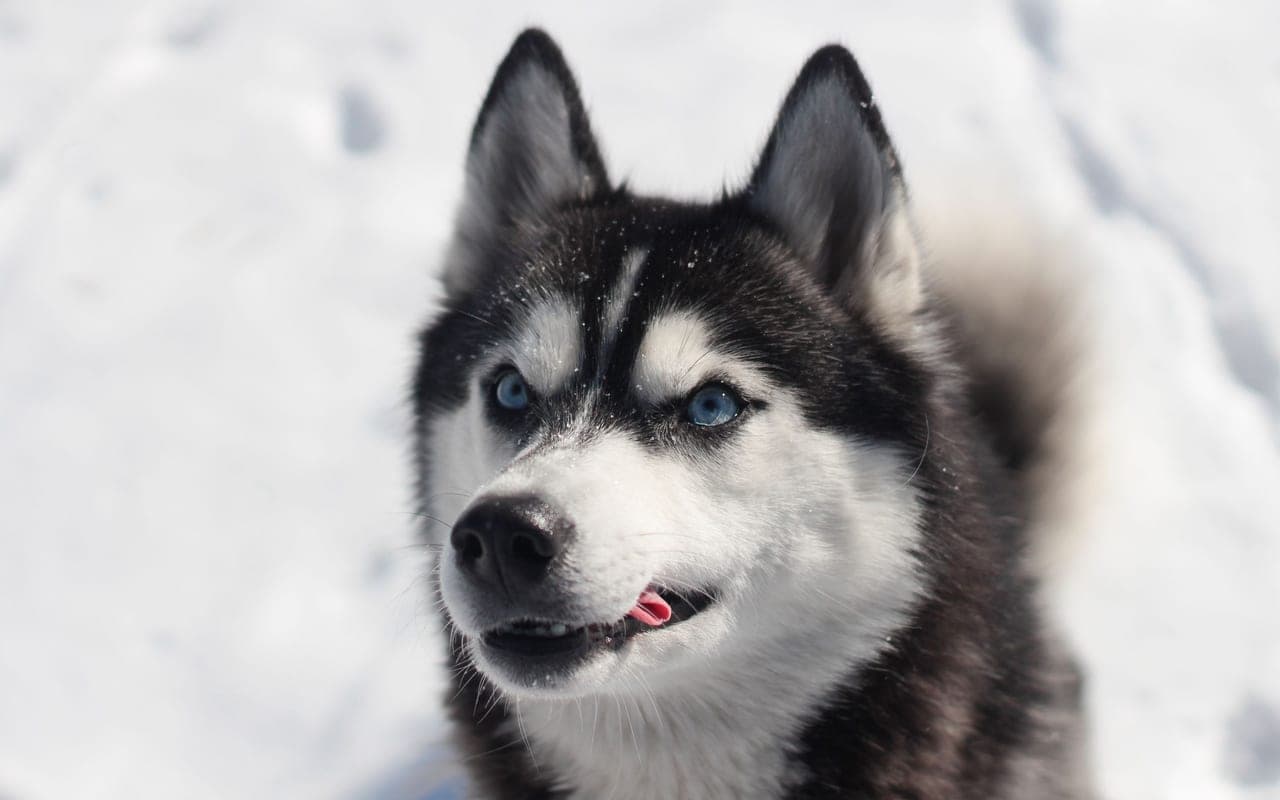
Siberian Husky
Also in the Working group, with different care and temperament tradeoffs.
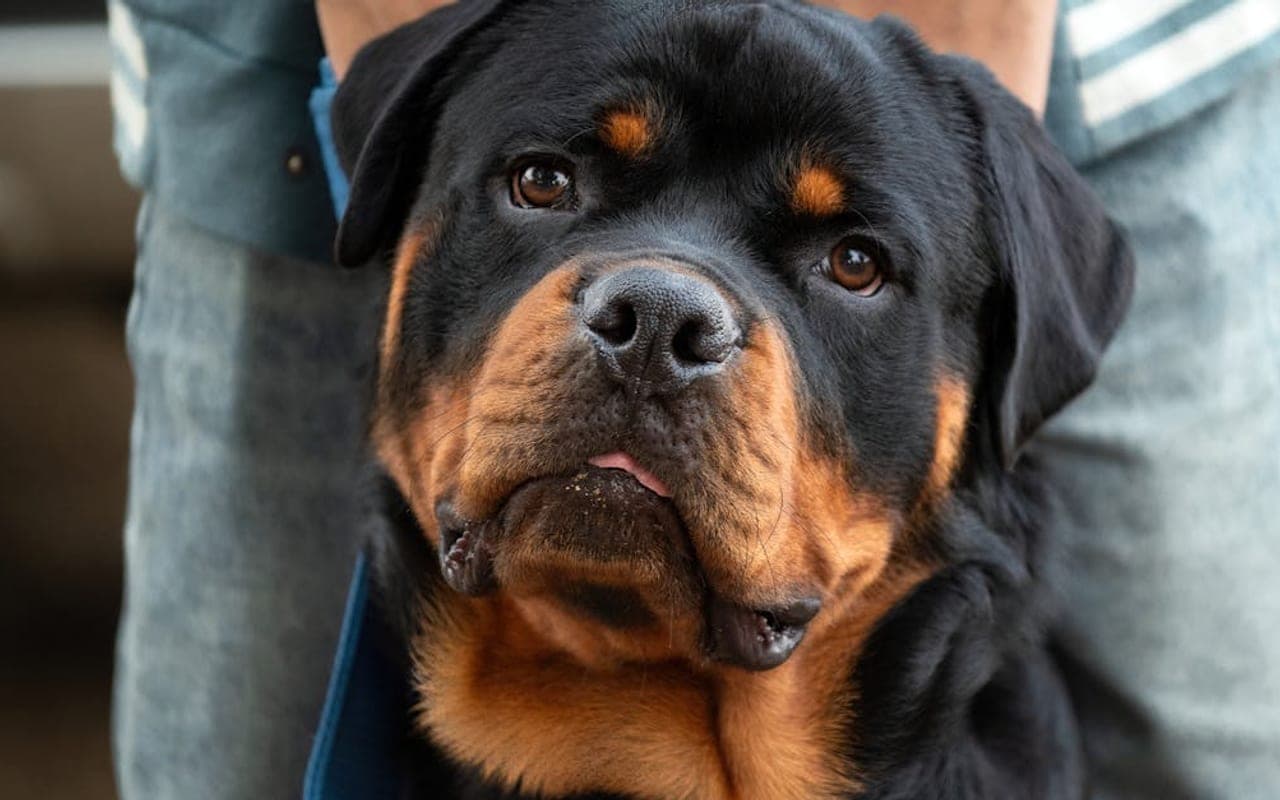
Rottweiler
Also in the Working group, with different care and temperament tradeoffs.
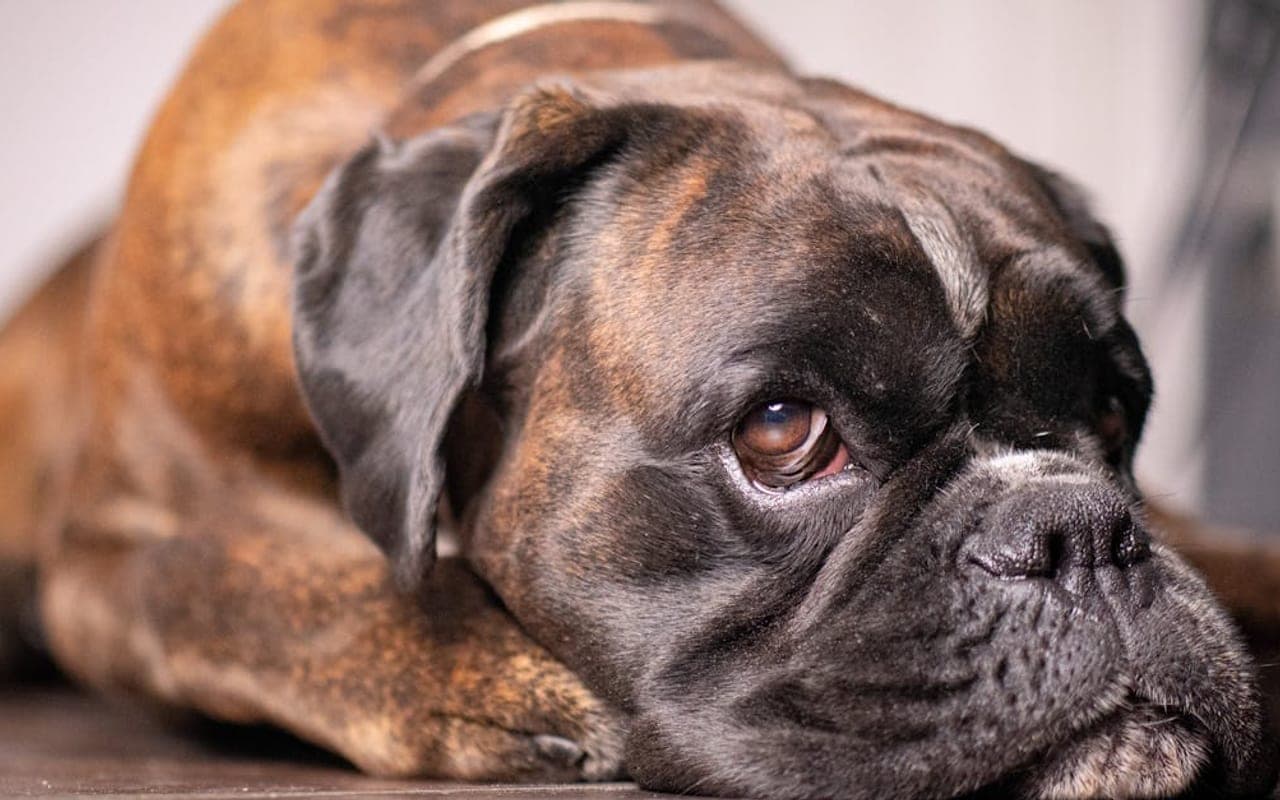
Boxer
Also in the Working group, with different care and temperament tradeoffs.

Akita
Also in the Working group, with different care and temperament tradeoffs.
Explore More About Newfoundland
Dive deeper into everything Newfoundland — costs, care, and expert insights.
How Much Does a Newfoundland Cost?
Purchase price, monthly costs, and lifetime expenses
Large Dog Care Guide: Everything Over 50 lbs
Owning a large or giant breed dog means accepting one of biology's...
Puppy Teething & Biting: Timeline and What Actually Works
A puppy has all 28 deciduous ("baby") teeth by roughly eight weeks of age, and...
Considering a cat instead?
Browse Cats