
Terrier group
Norfolk Terrier
The Norfolk Terrier is one of the smallest working terriers in the world — roughly 9-10 inches at the shoulder and 11-12 pounds — and the single fact that defines ownership is that this size is the only thing small about the dog.




Size
11-12 lb
Lifespan
12-16 years
Exercise
30-60 minutes
Shedding
Moderate
Experience
Match to owner routine
Decision first
Is a Norfolk Terrier right for you?
Start with fit before history or trivia. These are ownership signals, not guarantees about any individual dog.
Best suited for
- Households with children.
- Homes with other compatible pets.
- Apartment homes with a consistent routine.
- Owners seeking a manageable daily exercise routine.
Think carefully if
- You need a dog with almost no daily routine.
- You cannot keep up with grooming and preventive care.
- The dog will spend most days alone without support.
Conditional fit
Apartment fit depends on exercise, enrichment, noise management, and outdoor access.
Daily reality
Norfolk Terrier commitment snapshot
Daily exercise
30-60 minutes
Match activity to age, health, weather, and training goals.
Coat care
Moderate
Grooming needs vary by coat, shedding, and lifestyle.
Time alone
Needs planning
Most dogs need gradual alone-time conditioning and support.
Structured facts
Norfolk Terrier at a glance
The measurements and traits that most affect day-to-day life with this breed.
Group
Terrier
Weight
11-12 lb
Height
9-10 in
Lifespan
12-16 years
Temperament
Fearless | Alert | Fun-Loving
View all characteristics and methodology
Lifestyle fit
- Apartment suitability
- Likely fit
- Child friendliness
- Often good, with socialisation and supervision
- Other-pet fit
- Often compatible with careful introductions
Owner commitment
- Exercise
- 30-60 minutes
- Grooming
- Moderate
- Shedding
- Moderate
- Training
- Moderate
Environment and health
- Health risk
- Needs planning
Ratings combine structured breed data, visible breed fields, and editorial context. They are planning aids, not predictions for an individual dog.
Daily life
Norfolk Terrier temperament and behavior
The Norfolk Terrier is one of the smallest working terriers in the world — roughly 9-10 inches at the shoulder and 11-12 pounds — and the single fact that defines ownership is that this size is the only thing small about the dog. Inside that compact, weatherproof body is a full-strength terrier: bred to bolt foxes, kill rats in packs, and make hard decisions underground without a handler. You are not getting a lapdog that happens to be sturdy; you are getting a working earthdog that happens to fit in a tote bag. The easiest confusion is with the Norwich Terrier — same origin, same job, near-identical body. The reliable difference is the ears: Norfolk ears fold neatly forward over the skull; Norwich ears stand erect and pointed. The coat is hard, wiry, and straight, roughly two inches long, with a softer undercoat — built to shed mud and resist thorns, not to be soft. Temperament is where the Norfolk is genuinely unusual among terriers. Because they were worked in packs rather than solo, they are markedly more gregarious and dog-tolerant than a typical earthdog, and they bond hard — sometimes possessively — to their people. They make alert, vocal watchdogs, travel exceptionally well, and stay game for adventure into old age. Who the Norfolk is right for: an active owner who wants a small, portable, big-hearted dog and accepts a true terrier prey drive — meaning a securely fenced yard, leash discipline near small animals, and a household without free-roaming hamsters or rabbits. Who it is wrong for: anyone expecting a quiet, biddable toy breed, or a home where digging, chasing, and a confident independent streak would be dealbreakers. The Norfolk is small enough to forgive the prey drive — until it costs the family rabbit. Decide with that prey drive front and center.
Fearless | Alert | Fun-Loving
Fearless
A common Norfolk Terrier temperament descriptor that should be interpreted alongside training, exercise, and household fit.
Alert
A common Norfolk Terrier temperament descriptor that should be interpreted alongside training, exercise, and household fit.
Fun-Loving
A common Norfolk Terrier temperament descriptor that should be interpreted alongside training, exercise, and household fit.
Owner note
Temperament labels are starting points, not guarantees. Meet the individual dog and ask about behavior history whenever possible.
Care essentials
How to care for a Norfolk Terrier
What looking after one actually involves: exercise, grooming, food, training, and routine health.
ExerciseAs needed
- Moderately active breed needing 30-60 minutes of daily exercise.
GroomingAs needed
- Brush 2-3 times per week.
TrainingAs needed
- Consistent, patient training works best.
NutritionAs needed
- Feed high-quality dog food appropriate for age, size, and activity level.
Veterinary CareAs needed
- Annual wellness exams, vaccinations, dental care, and parasite prevention.
Health planning
Norfolk Terrier health risks and screening
Every breed has individual health variation. Use this profile for planning and discuss medical decisions with a veterinarian.
Responsible ownership
Finding a Norfolk Terrier responsibly
What to ask a breeder or rescue is the same conversation for every breed, so we keep it in one place and keep it current.
Health documentation, meeting the parents or foster, contracts and return support, and the warning signs worth walking away from.
Original purpose
Norfolk Terrier history
History is useful when it explains today's behavior, coat, exercise needs, and training style.
Read the breed history
The Norfolk Terrier comes from the working ratting and bolting terriers of East Anglia, England, in the late 19th and early 20th centuries. A small red terrier kept around the stables and farms of Norfolk and Cambridgeshire became popular with Cambridge undergraduates as a ratter and ferreting companion — earning the early nickname 'Trumpington Terrier.' These dogs were bred for function: small enough to go to ground after fox and vermin, hard-coated enough to work hedgerows in bad weather, and pack-tolerant because they were often worked alongside hounds and other terriers. For decades the drop-eared and prick-eared variants were registered as a single breed (the Norwich Terrier), with breeders disagreeing over whether the ear types should interbreed. The Kennel Club (UK) split them in 1964, and the American Kennel Club followed in 1979, recognizing the drop-eared dog as the Norfolk Terrier. That working pack history is exactly why the modern Norfolk is sociable with other dogs yet still carries a full earthdog prey drive — the job shaped the temperament.
Gallery
Norfolk Terrier photos
Images are cropped consistently and loaded progressively to keep the page responsive.
Lower-page context
Norfolk Terriers in culture
Where the breed shows up in film, sport, work and folklore — the enjoyable part, once the practical questions are answered.
Fun facts
- The Norfolk Terrier belongs to the Terrier Group.
- The average lifespan of a Norfolk Terrier is 12 to 16 years.
- Norfolk Terrier dogs are valued for their fearless, alert, fun-loving nature.
Norfolk Terrier FAQs
How long do Norfolk Terriers live?
A healthy Norfolk Terrier typically lives 12-16 years, which is excellent for any dog and normal for a small, well-bred terrier. The number that actually predicts those last years is heart health: myxomatous mitral valve disease is the breed's leading cause of death, so a Norfolk that reaches its mid-teens is usually one whose owner caught and managed a heart murmur early through annual cardiac checks rather than waiting for a cough.
Are Norfolk Terriers good with children?
Generally yes — Norfolks are sturdy for their size, playful well into adulthood, and their pack-bred sociability makes them more tolerant than most terriers. They suit active families with school-age children better than homes with toddlers, because an 11-pound dog can be injured by rough handling and a terrier will defend itself if cornered. Supervise young children, teach them not to disturb a sleeping or eating dog, and the Norfolk is a robust, willing family companion.
How much grooming does a Norfolk Terrier need?
More than its size suggests, because the hard wiry coat is hand-stripped, not clipped. Plan to strip the coat every 6-12 weeks (learn it yourself or pay roughly $50-$90 per groomer visit) and brush twice a week. Clipping is the common mistake: it is faster and cheaper but softens the coat, fades the color, and increases skin problems. Also budget weekly ear checks and 3-4 tooth-brushings a week, since small terriers are prone to dental disease.
Are Norfolk Terriers good apartment dogs?
Yes, with conditions. Their size suits an apartment and they are adaptable travelers, but they are alert, vocal watchdogs that will sound off at hallway noise, so early training to control barking matters in shared buildings. They also need 45-60 minutes of real daily exercise plus play — a Norfolk that is bored indoors will dig at carpet, chew, and bark. An exercised, trained Norfolk is an excellent small-space dog; an under-stimulated one is a noise complaint.
Do Norfolk Terriers have a strong prey drive?
Yes — this is a true working earthdog bred to kill rats and bolt fox, and that instinct is intact. Expect digging, intense interest in small fast-moving animals, and selective recall once a scent or squirrel is involved. The practical implications: a securely fenced yard (they exploit gaps), a leash near roads and wildlife, and serious caution introducing one to households with hamsters, rabbits, or guinea pigs. Many live peacefully with cats they are raised with, but the small-pet risk is real and should drive the adoption decision.
How much does a Norfolk Terrier cost?
Expect roughly $2,500-$5,000 for a well-bred Norfolk puppy from a breeder who screens for heart, knees, hips, and eyes — they are an uncommon breed with small litters, so prices run high and waitlists are long. The hidden cost is cardiac: lifelong management of mitral valve disease (medication, periodic echocardiograms) can add $500-$1,500+ per year in a senior dog. Paying for documented parental health clearances is the cheapest insurance against the breed's most expensive problem.
Sources
These are the published sources this page draws on. Each opens in a new tab so you can check it yourself.
American Kennel Club
Norfolk Terrier — breed standard and profile(opens in a new tab)Supports: Breed standard and recognition details.
Similar breeds to consider

Miniature Schnauzer
Also in the Terrier group, with different care and temperament tradeoffs.
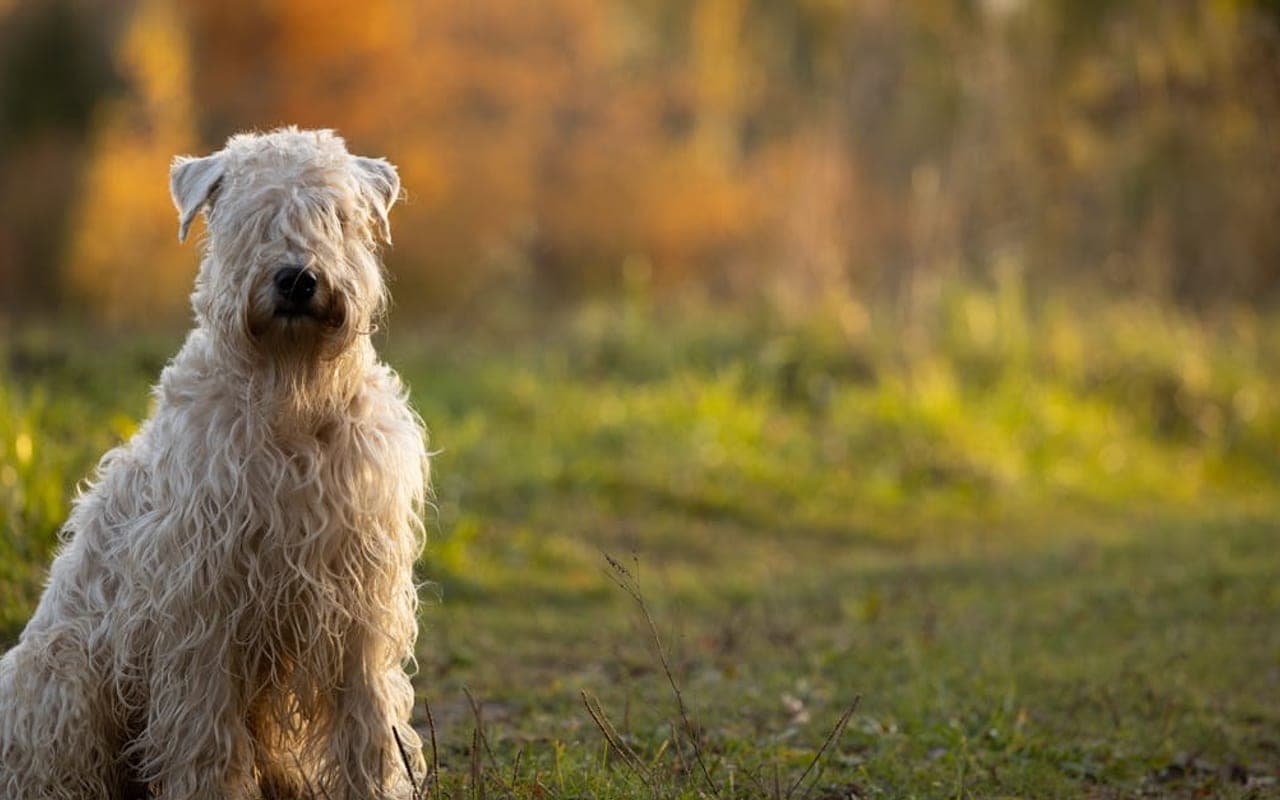
Soft Coated Wheaten Terrier
Also in the Terrier group, with different care and temperament tradeoffs.
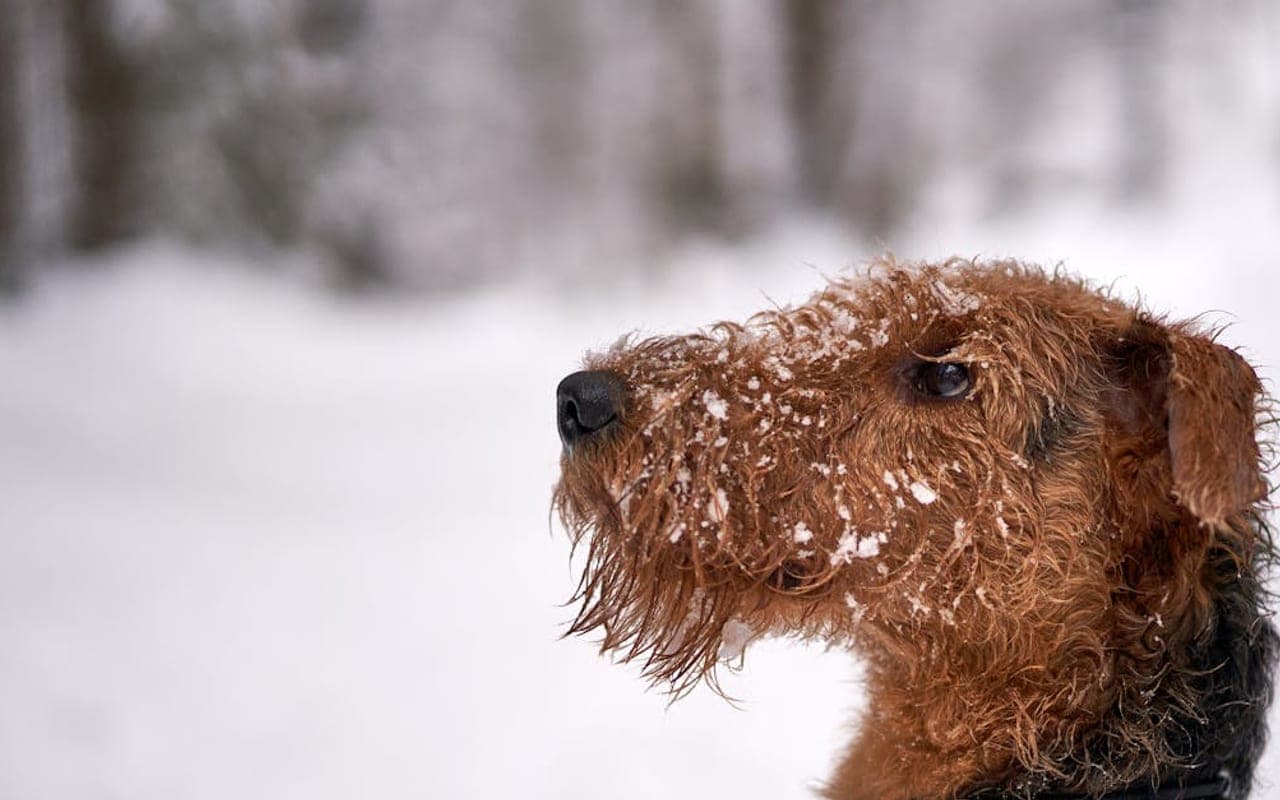
Airedale Terrier
Also in the Terrier group, with different care and temperament tradeoffs.
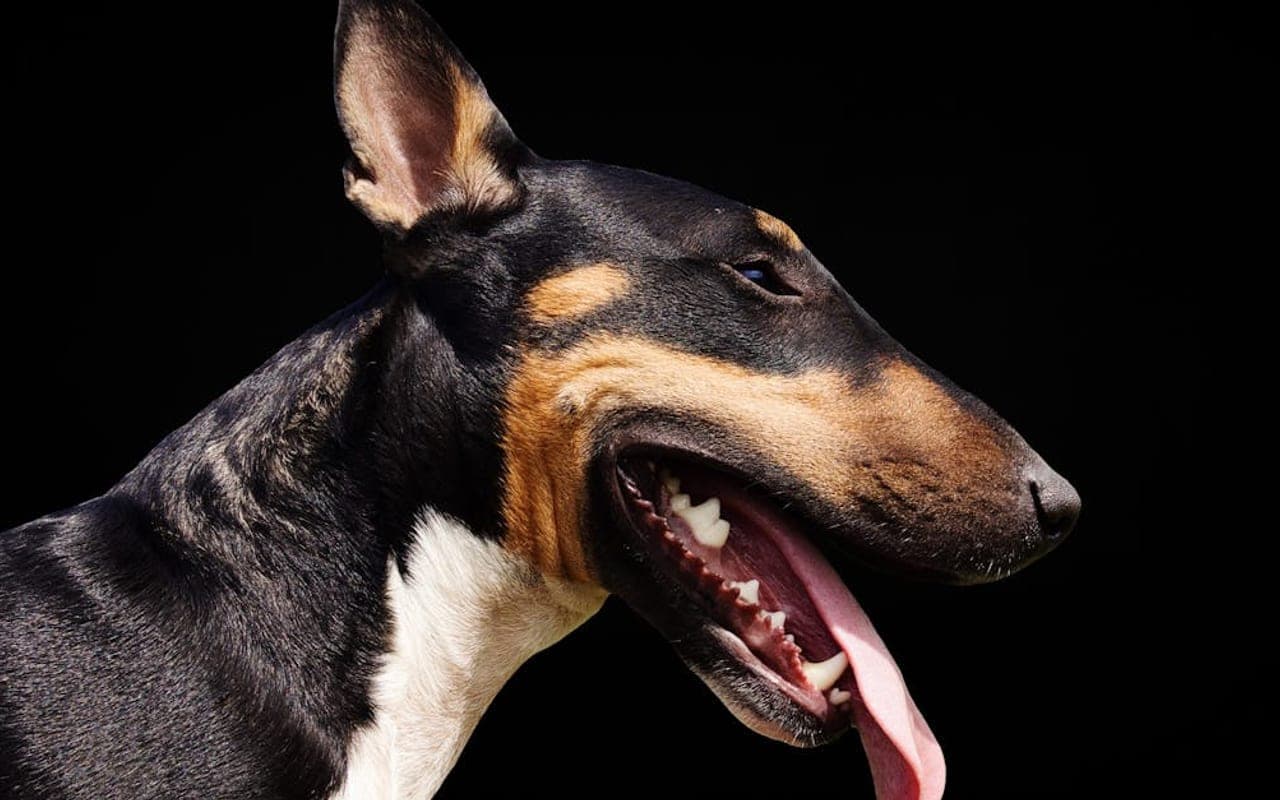
Bull Terrier
Also in the Terrier group, with different care and temperament tradeoffs.
Explore More About Norfolk Terrier
Dive deeper into everything Norfolk Terrier — costs, care, and expert insights.
Large Dog Care Guide: Everything Over 50 lbs
Owning a large or giant breed dog means accepting one of biology's...
Puppy Teething & Biting: Timeline and What Actually Works
A puppy has all 28 deciduous ("baby") teeth by roughly eight weeks of age, and...
Considering a cat instead?
Browse Cats