
Hound group
Norwegian Elkhound
The Norwegian Elkhound is a hunting spitz, not a typical hound, and that distinction explains almost everything about living with one.
Size
44-60 lb
Lifespan
12-15 years
Exercise
30-60 minutes
Shedding
Moderate
Experience
Match to owner routine
Decision first
Is a Norwegian Elkhound right for you?
Start with fit before history or trivia. These are ownership signals, not guarantees about any individual dog.
Best suited for
- Households with children.
- Homes with other compatible pets.
- Apartment homes with a consistent routine.
- Owners seeking a manageable daily exercise routine.
Think carefully if
- You need a dog with almost no daily routine.
- You cannot keep up with grooming and preventive care.
- The dog will spend most days alone without support.
Conditional fit
Apartment fit depends on exercise, enrichment, noise management, and outdoor access.
Daily reality
Norwegian Elkhound commitment snapshot
Daily exercise
30-60 minutes
Match activity to age, health, weather, and training goals.
Coat care
Moderate
Grooming needs vary by coat, shedding, and lifestyle.
Time alone
Needs planning
Most dogs need gradual alone-time conditioning and support.
Structured facts
Norwegian Elkhound at a glance
The measurements and traits that most affect day-to-day life with this breed.
Group
Hound
Weight
44-60 lb
Height
19-20 in
Lifespan
12-15 years
Temperament
Friendly | Confident | Dependable
View all characteristics and methodology
Lifestyle fit
- Apartment suitability
- Likely fit
- Child friendliness
- Often good, with socialisation and supervision
- Other-pet fit
- Often compatible with careful introductions
Owner commitment
- Exercise
- 30-60 minutes
- Grooming
- Moderate
- Shedding
- Moderate
- Training
- Moderate
Environment and health
- Health risk
- Needs planning
Ratings combine structured breed data, visible breed fields, and editorial context. They are planning aids, not predictions for an individual dog.
Daily life
Norwegian Elkhound temperament and behavior
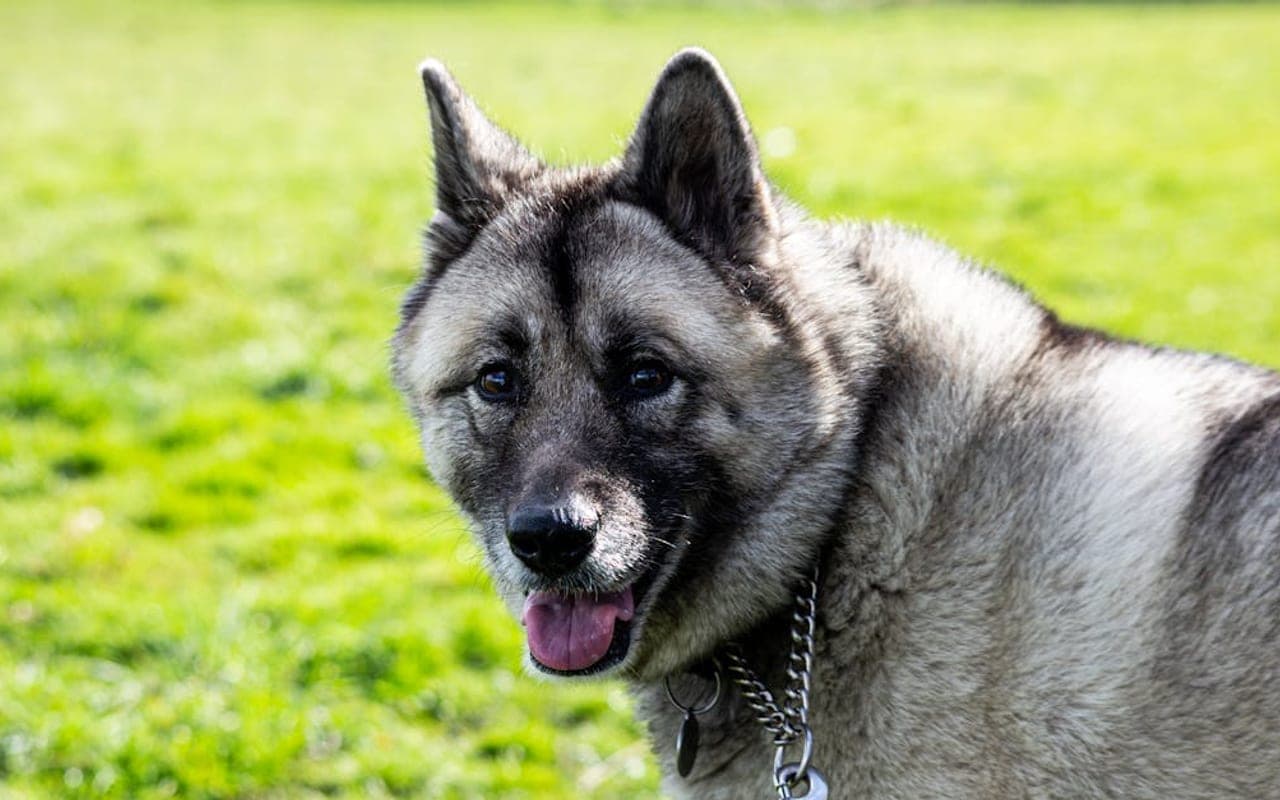
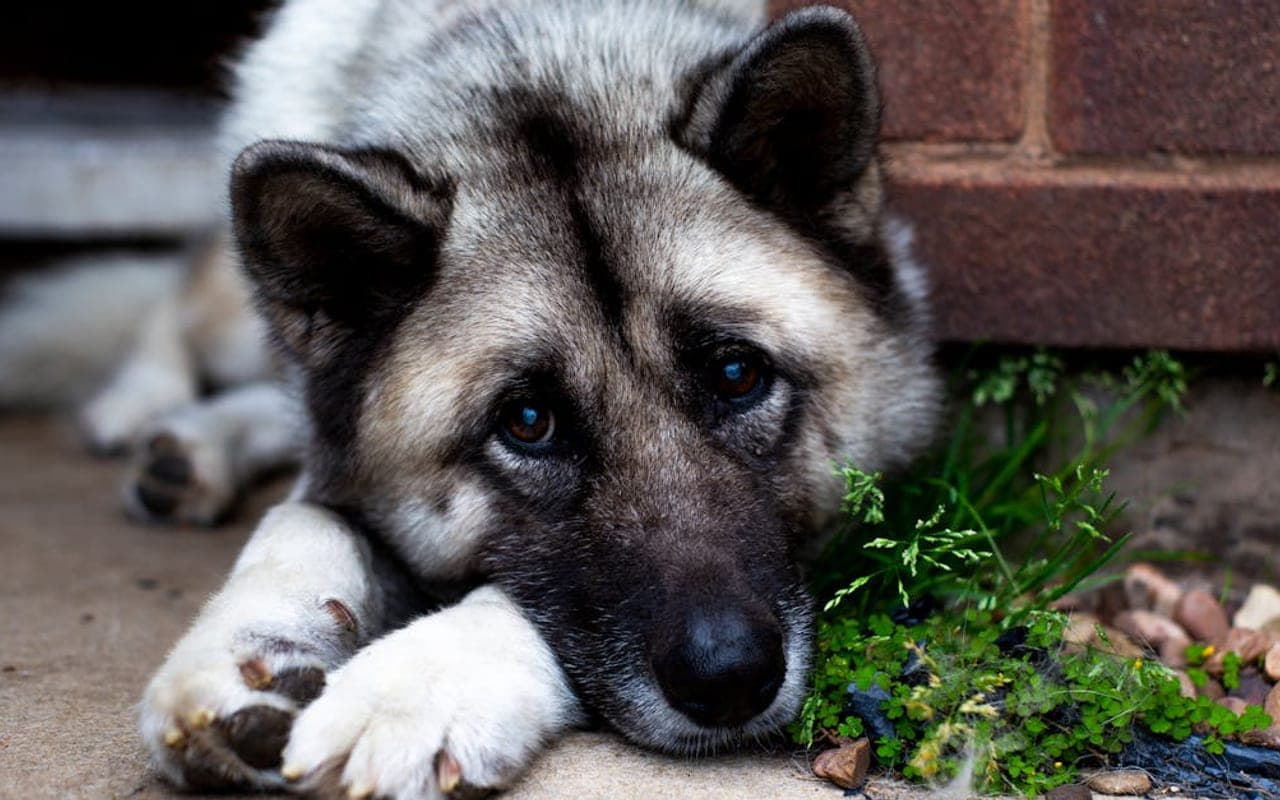
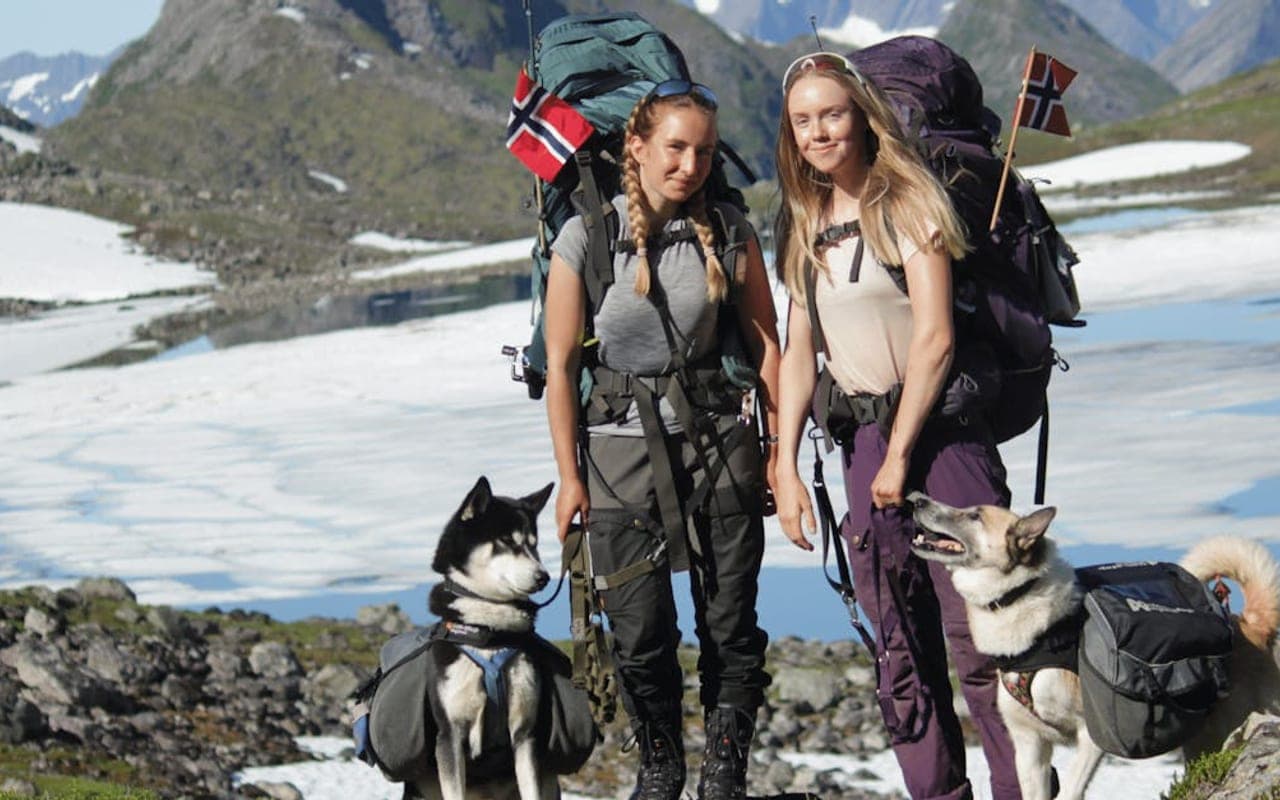
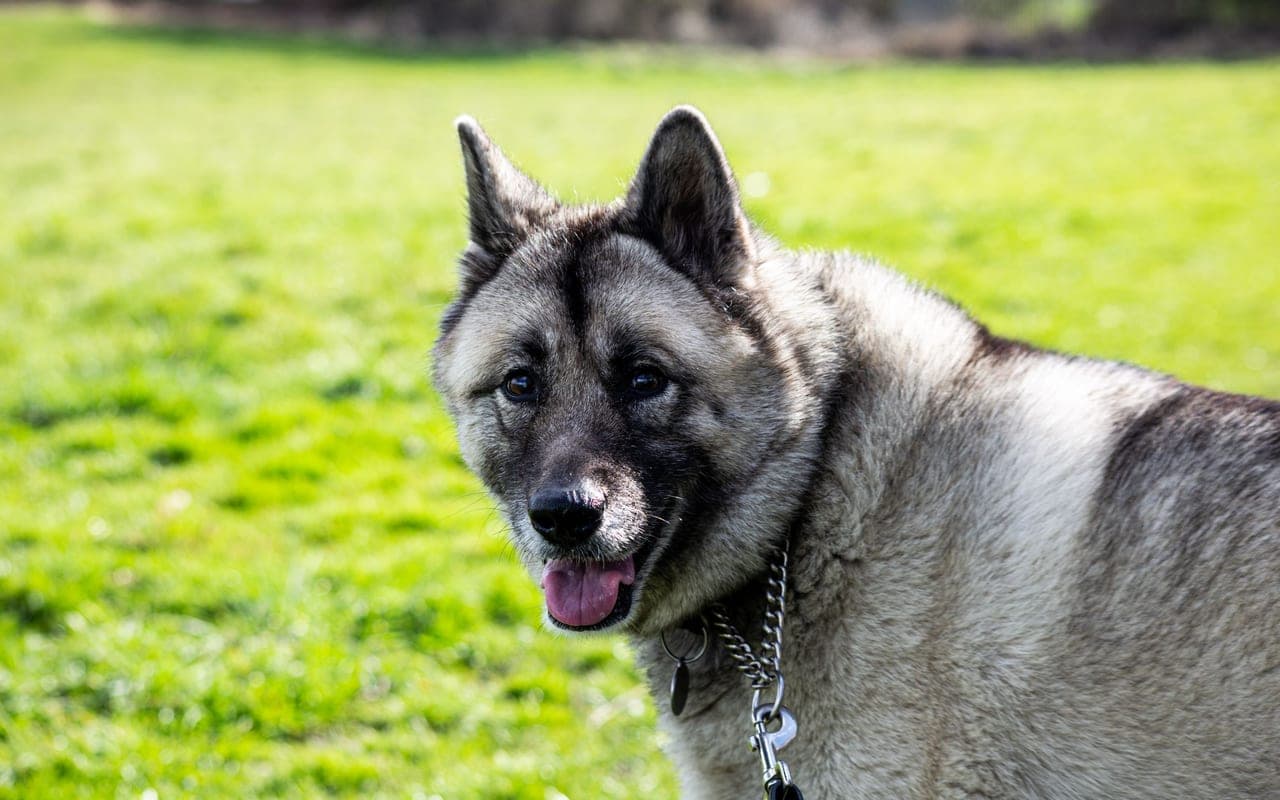
The Norwegian Elkhound is a hunting spitz, not a typical hound, and that distinction explains almost everything about living with one. It stands about 19.5-20.5 inches and weighs roughly 48-55 pounds, a compact, square, powerfully built dog with a dense silver-gray double coat and a tightly curled tail. It was bred to track and hold large game — moose ("elg"), bear — by independent decision-making and relentless voice, and that job lives on in the modern dog as a strong-willed, vocal, scent-driven companion. Temperamentally the Elkhound is friendly, confident, bold, and dependable, deeply loyal to its family while reserved with strangers until introduced. It is a robust, all-weather dog with real endurance and a hardy independence. The trade-offs are direct consequences of the hunting heritage: it is a confident barker that uses its voice freely, it can be stubborn and selectively deaf to recall when a scent takes over, and it has a serious appetite that makes obesity one of the breed's biggest practical problems. It is good with children and generally with other dogs, sturdy and tolerant, but it is not a soft, biddable, off-leash dog and never will be. The thick coat sheds heavily and demands consistent grooming. Who the Norwegian Elkhound is right for: an active owner who wants a hardy, devoted, weather-proof companion for hiking and cold-climate life, can manage barking and a stubborn streak, and will rigorously control food intake. Who it is wrong for: anyone wanting a quiet, easily-obedient, off-leash, or low-shedding dog, or an owner who free-feeds. Choose it for the durable, independent hunter it is, not for a generic family hound.
Friendly | Confident | Dependable
Friendly
A common Norwegian Elkhound temperament descriptor that should be interpreted alongside training, exercise, and household fit.
Confident
A common Norwegian Elkhound temperament descriptor that should be interpreted alongside training, exercise, and household fit.
Dependable
A common Norwegian Elkhound temperament descriptor that should be interpreted alongside training, exercise, and household fit.
Owner note
Temperament labels are starting points, not guarantees. Meet the individual dog and ask about behavior history whenever possible.
Care essentials
How to care for a Norwegian Elkhound
What looking after one actually involves: exercise, grooming, food, training, and routine health.
ExerciseAs needed
- Moderately active breed needing 30-60 minutes of daily exercise.
GroomingAs needed
- Brush 2-3 times per week.
TrainingAs needed
- Consistent, patient training works best.
NutritionAs needed
- Feed high-quality dog food appropriate for age, size, and activity level.
Veterinary CareAs needed
- Annual wellness exams, vaccinations, dental care, and parasite prevention.
Health planning
Norwegian Elkhound health risks and screening
Every breed has individual health variation. Use this profile for planning and discuss medical decisions with a veterinarian.
Responsible ownership
Finding a Norwegian Elkhound responsibly
What to ask a breeder or rescue is the same conversation for every breed, so we keep it in one place and keep it current.
Health documentation, meeting the parents or foster, contracts and return support, and the warning signs worth walking away from.
Original purpose
Norwegian Elkhound history
History is useful when it explains today's behavior, coat, exercise needs, and training style.
Read the breed history
The Norwegian Elkhound is one of Europe's oldest dog breeds, an ancient Nordic spitz whose ancestors lived alongside humans in Scandinavia for thousands of years, with archaeological remains associating elkhound-type dogs with Norse and Viking-era settlements. Its working role was big-game hunting: the dog ranged ahead, located moose or bear by scent, then held the quarry at bay with persistent barking and agile movement until the hunter arrived, a job demanding independence, endurance, cold-hardiness, and a powerful voice rather than handler-dependent obedience. That function, and the harsh Scandinavian climate, directly shaped the modern dog: the dense weatherproof double coat, the compact durable build, the strong scenting drive, the confident bark, and the self-reliant temperament are all the legacy of a dog bred to make its own decisions in the field and survive Nordic winters. It remains a national dog of Norway and is still used for hunting in its homeland.
Gallery
Norwegian Elkhound photos
Images are cropped consistently and loaded progressively to keep the page responsive.
Lower-page context
Norwegian Elkhounds in culture
Where the breed shows up in film, sport, work and folklore — the enjoyable part, once the practical questions are answered.
Fun facts
- The Norwegian Elkhound belongs to the Hound Group.
- The average lifespan of a Norwegian Elkhound is 12 to 15 years.
- Norwegian Elkhound dogs are valued for their friendly, confident, dependable nature.
Norwegian Elkhound FAQs
How long do Norwegian Elkhounds live?
Norwegian Elkhounds are a hardy, fairly long-lived breed, typically 12-15 years. Longevity depends heavily on weight management, because obesity accelerates the breed's significant hip dysplasia risk, and on catching kidney (Fanconi syndrome) and eye problems early. This is a robust working spitz without a single dominant fatal disease, so the owners whose Elkhounds reach the upper range are usually the ones who keep the dog genuinely lean and screen for hereditary issues.
Are Norwegian Elkhounds good with children?
Yes — they are sturdy, confident, and dependable, and generally do well with children, tolerating household activity better than many breeds. They bond strongly with their family and are protective in a steady rather than nervous way. The realistic cautions are the breed's strong voice (a lot of barking around active kids) and its independent streak, not its temperament with children. Normal supervision applies, and the Elkhound's durable build makes it less fragile around kids than smaller breeds.
Do Norwegian Elkhounds bark a lot?
Yes — vocalizing is a core working trait, not a behavior problem. The breed was bred to hold big game by barking persistently until the hunter arrived, so a confident, frequent voice is built in. They will announce visitors, noises, and excitement enthusiastically, which makes them good watchdogs but a real consideration in close-neighbor or apartment living. Early training and adequate exercise reduce nuisance barking, but a prospective owner should expect and accept a vocal dog with this breed.
How much exercise does a Norwegian Elkhound need?
A lot — plan on at least 60 minutes of genuine daily activity, ideally brisk walking, hiking, or hill work. They were bred for endurance over rough Scandinavian terrain and become destructive and noisy without an outlet. They excel in cold weather and snow but overheat under the dense coat, so exercise hot days in the cool hours. A key practical point: their strong scent drive means off-leash recall is unreliable, so secure areas and leashed exercise are the realistic plan.
Are Norwegian Elkhounds easy to train?
They are intelligent but independent and strong-willed, bred to make their own decisions in the field rather than wait for a handler. They learn quickly with food-motivated positive training but will ignore commands when a scent or instinct takes over, so reliable off-leash obedience is generally not realistic. Start training and socialization early, keep sessions engaging, and treat secure fencing and leashed walks as the plan rather than expecting the dog to be trained out of its hunting nature.
How much does a Norwegian Elkhound cost to own?
Purchase price from a responsible breeder is typically around $1,000-$2,000. Routine costs are moderate for a medium dog, but budget for grooming time given the heavy coat and for OFA hip screening from the breeder, since hip dysplasia is the breed's main orthopedic risk. Watch for and budget around the breed's Fanconi syndrome and glaucoma risks — early urine and eye monitoring is inexpensive relative to advanced disease — and consider early pet insurance before any signs appear.
Sources
These are the published sources this page draws on. Each opens in a new tab so you can check it yourself.
American Kennel Club
Norwegian Elkhound — breed standard and profile(opens in a new tab)Supports: Breed standard and recognition details.
Similar breeds to consider
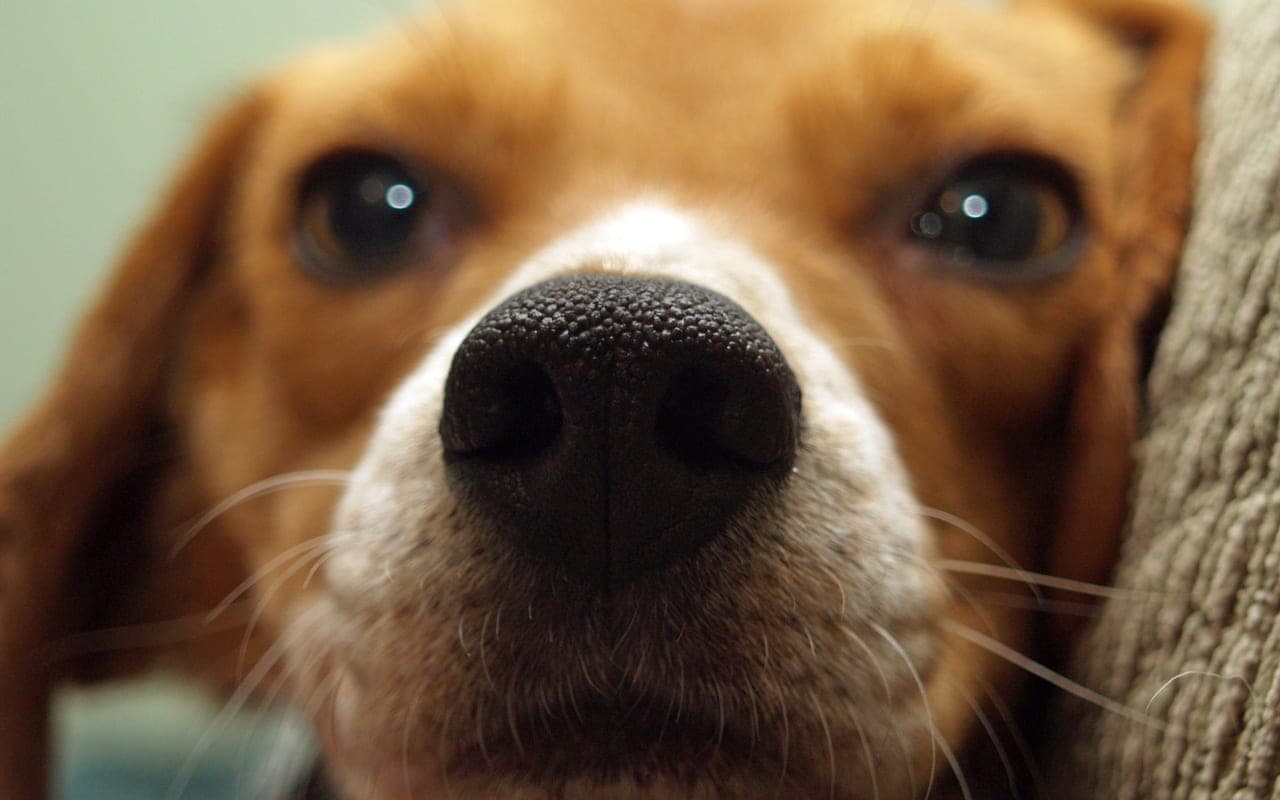
Beagle
Also in the Hound group, with different care and temperament tradeoffs.
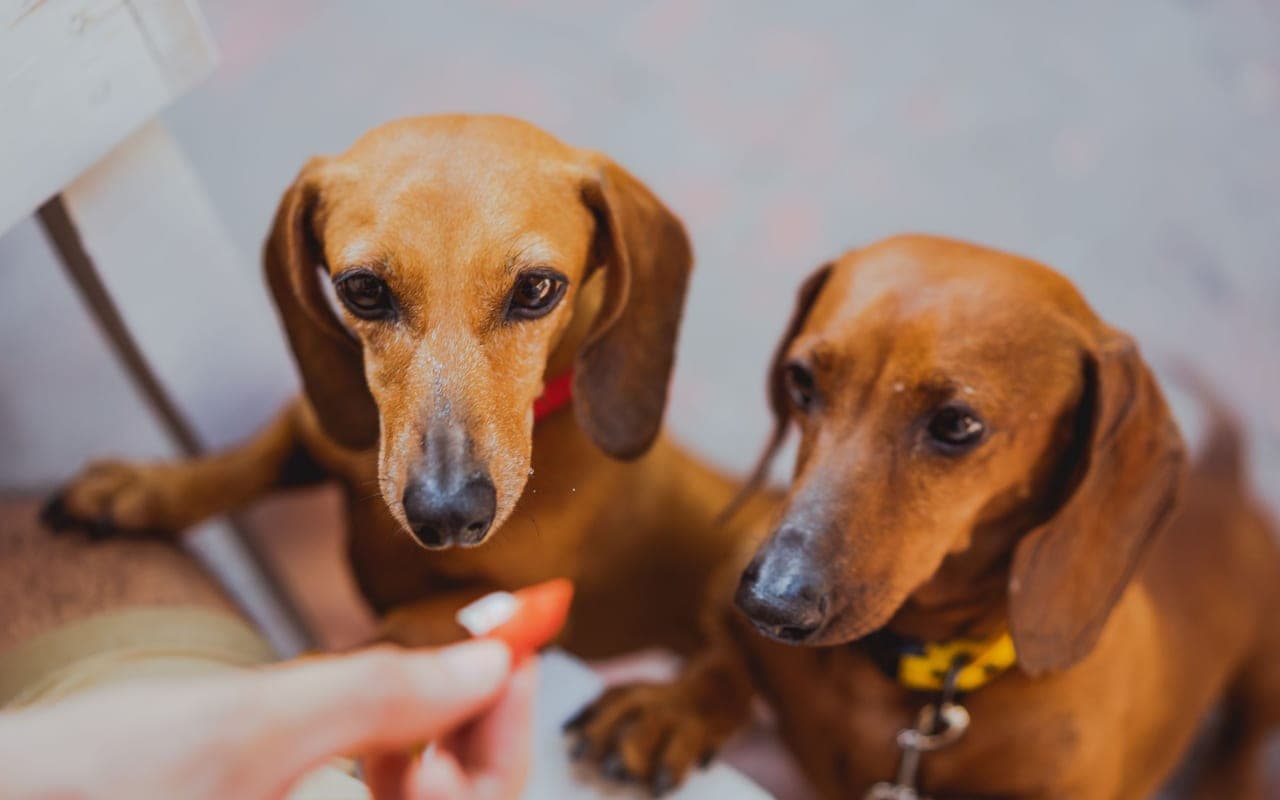
Dachshund
Also in the Hound group, with different care and temperament tradeoffs.
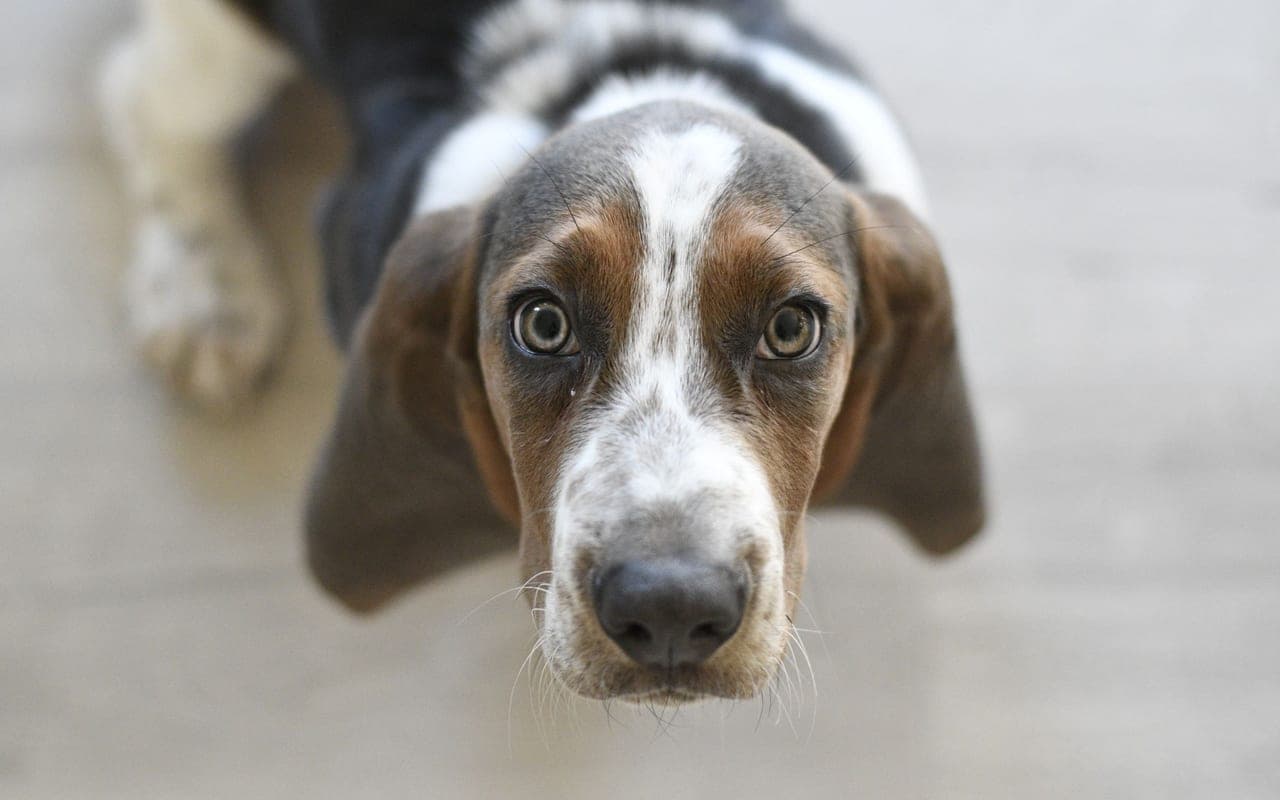
Basset Hound
Also in the Hound group, with different care and temperament tradeoffs.
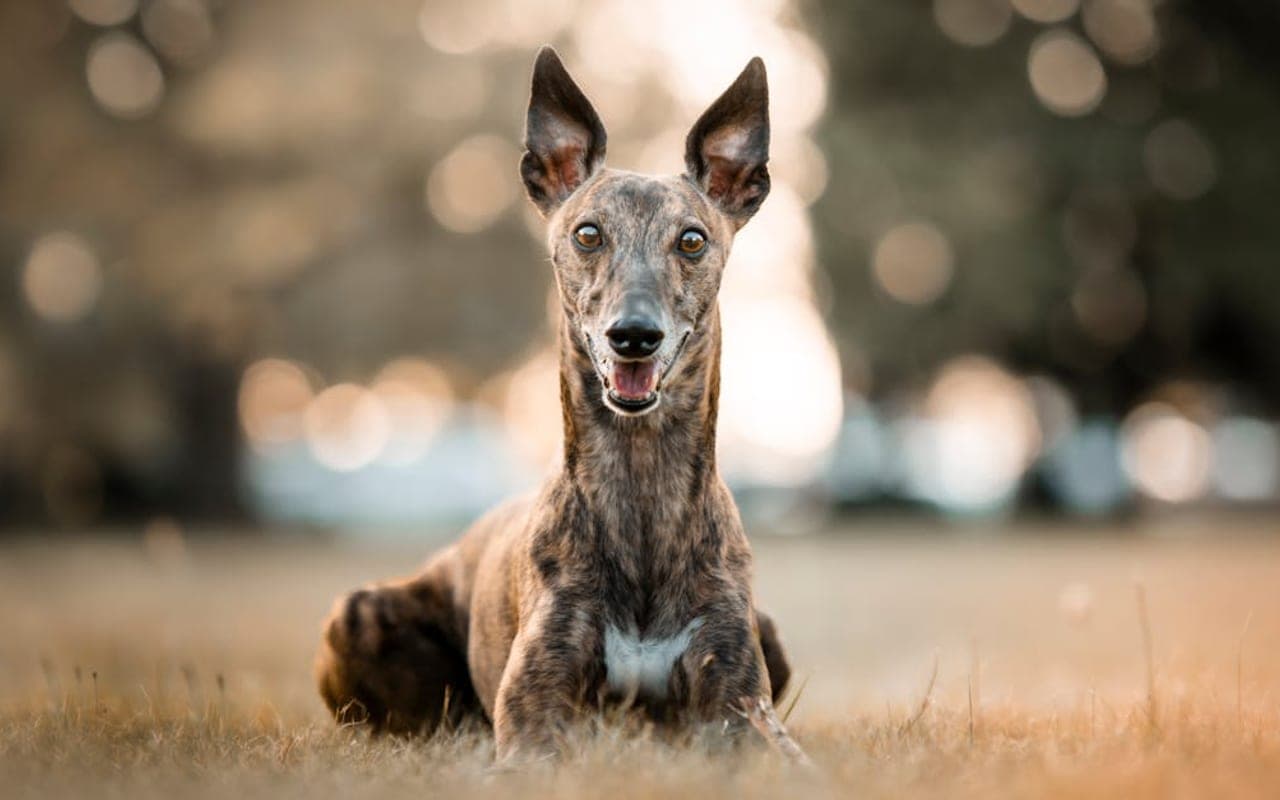
Greyhound
Also in the Hound group, with different care and temperament tradeoffs.
Explore More About Norwegian Elkhound
Dive deeper into everything Norwegian Elkhound — costs, care, and expert insights.
Large Dog Care Guide: Everything Over 50 lbs
Owning a large or giant breed dog means accepting one of biology's...
Puppy Teething & Biting: Timeline and What Actually Works
A puppy has all 28 deciduous ("baby") teeth by roughly eight weeks of age, and...
Considering a cat instead?
Browse Cats