
Non-Sporting group
Norwegian Lundehund
The Norwegian Lundehund is the world's only breed built to climb cliffs and pull puffins out of crevices — and that strange job left it with a body and a digestive system unlike any other dog.
Size
12-18 lb
Lifespan
12-15 years
Exercise
30-60 minutes
Shedding
Moderate
Experience
Match to owner routine
Decision first
Is a Norwegian Lundehund right for you?
Start with fit before history or trivia. These are ownership signals, not guarantees about any individual dog.
Best suited for
- Households with children.
- Homes with other compatible pets.
- Apartment homes with a consistent routine.
- Owners seeking a manageable daily exercise routine.
Think carefully if
- You need a dog with almost no daily routine.
- You cannot keep up with grooming and preventive care.
- The dog will spend most days alone without support.
Conditional fit
Apartment fit depends on exercise, enrichment, noise management, and outdoor access.
Daily reality
Norwegian Lundehund commitment snapshot
Daily exercise
30-60 minutes
Match activity to age, health, weather, and training goals.
Coat care
Moderate
Grooming needs vary by coat, shedding, and lifestyle.
Time alone
Needs planning
Most dogs need gradual alone-time conditioning and support.
Structured facts
Norwegian Lundehund at a glance
The measurements and traits that most affect day-to-day life with this breed.
Group
Non-Sporting
Weight
12-18 lb
Height
12-15 in
Lifespan
12-15 years
Temperament
Loyal | Energetic | Alert
View all characteristics and methodology
Lifestyle fit
- Apartment suitability
- Likely fit
- Child friendliness
- Often good, with socialisation and supervision
- Other-pet fit
- Often compatible with careful introductions
Owner commitment
- Exercise
- 30-60 minutes
- Grooming
- Moderate
- Shedding
- Moderate
- Training
- Moderate
Environment and health
- Health risk
- Needs planning
Ratings combine structured breed data, visible breed fields, and editorial context. They are planning aids, not predictions for an individual dog.
Daily life
Norwegian Lundehund temperament and behavior
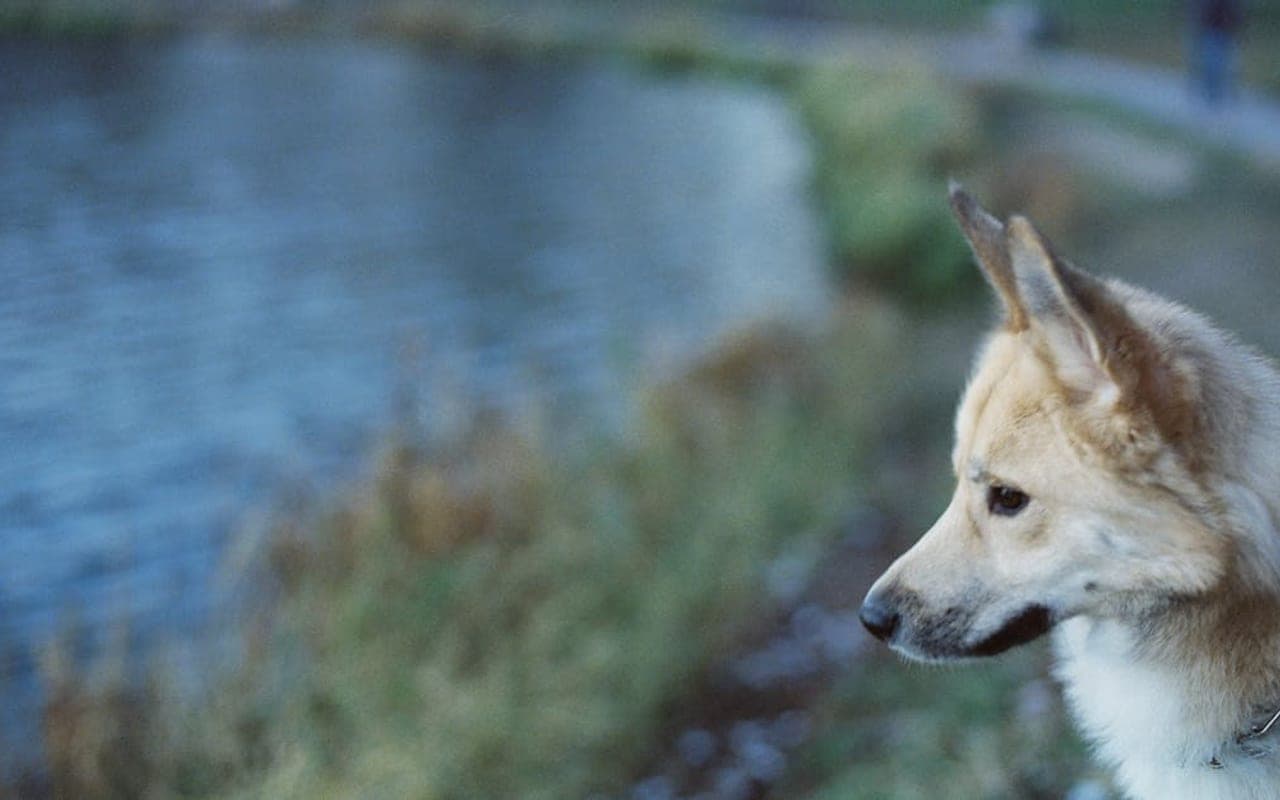
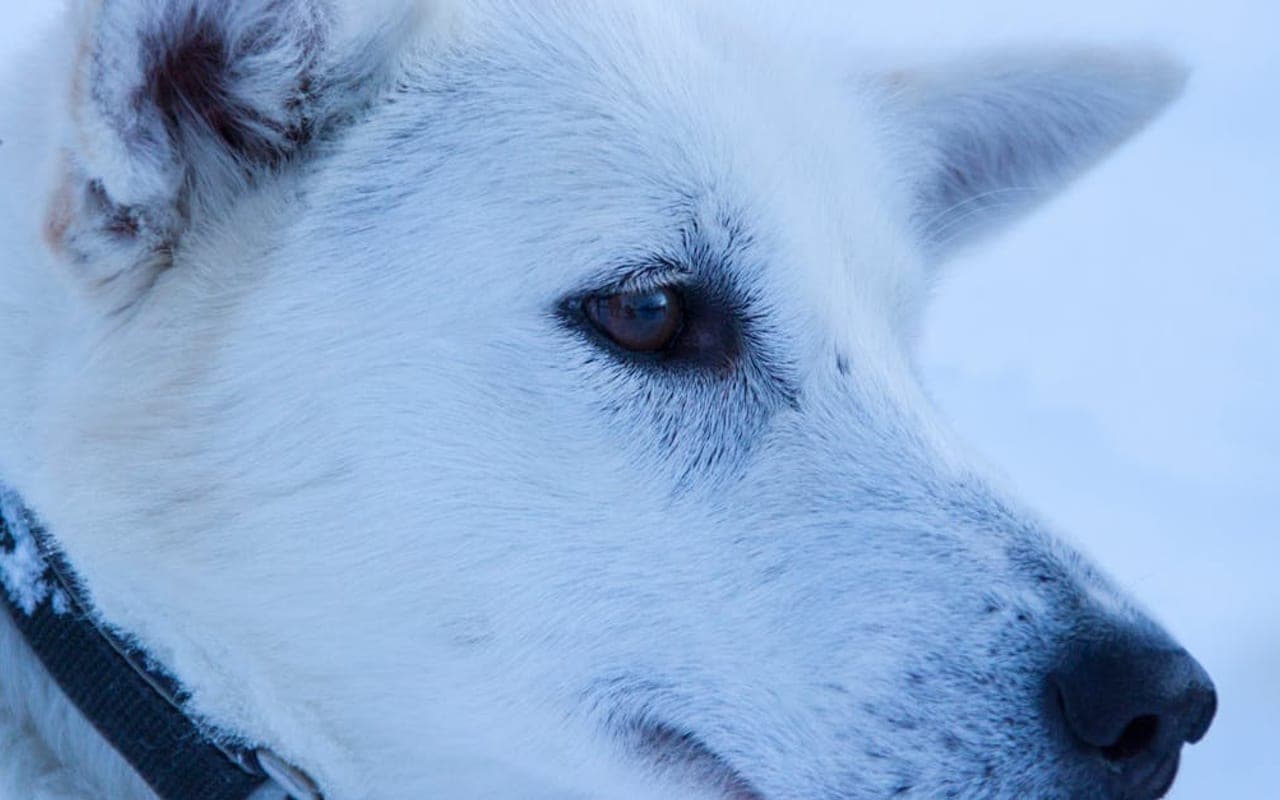
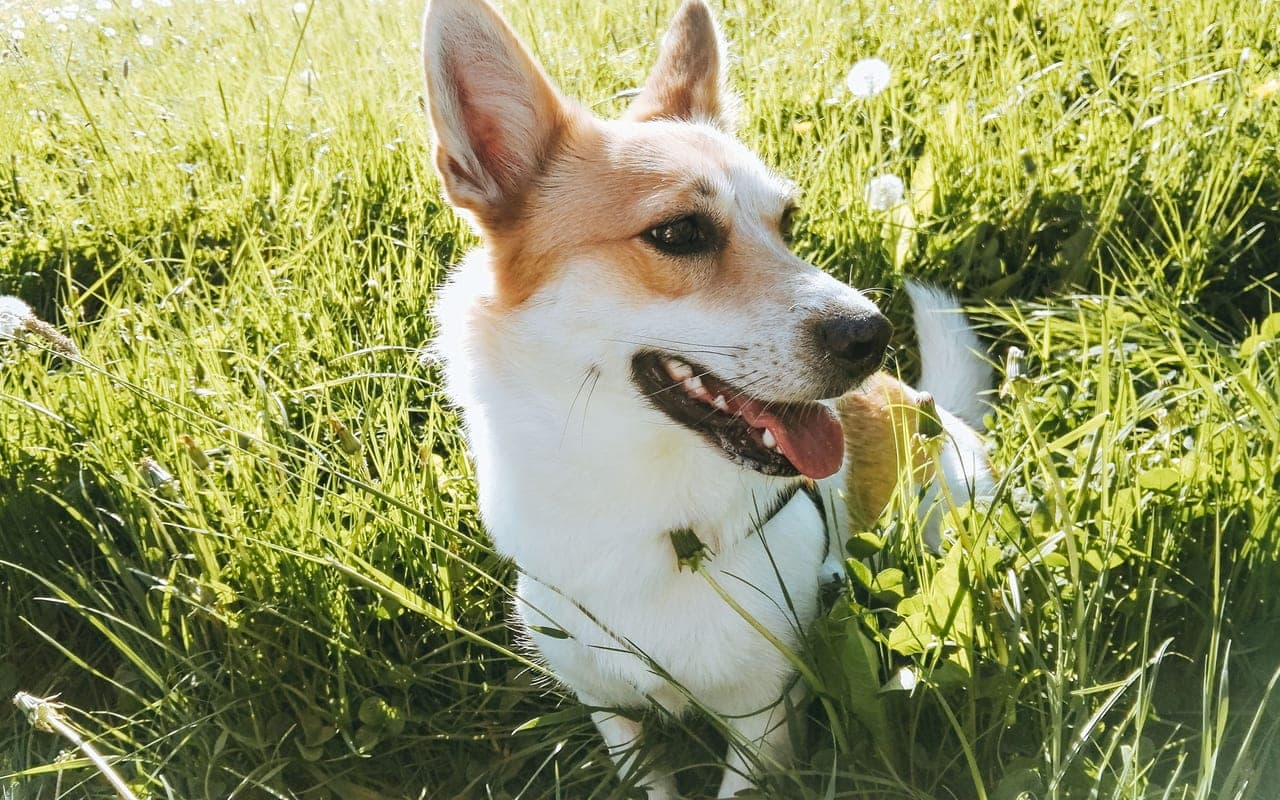
The Norwegian Lundehund is the world's only breed built to climb cliffs and pull puffins out of crevices — and that strange job left it with a body and a digestive system unlike any other dog. It is a small spitz, 12-15 pounds, that looks ordinary at a glance: triangular ears, curled tail, dense double coat. Look closer and the engineering shows. It has at least six fully formed, jointed toes on each foot (most dogs have four functional toes), extra paw pads for grip, a neck that bends back far enough for the head to touch the spine, ears it can fold shut to keep out debris and water, and shoulders flexible enough to splay the front legs flat to the sides. The result is a rotary, almost reptilian gait found in no other breed. Any honest Lundehund profile has to lead with the catch: this breed carries a near-universal, breed-defining digestive disorder called Lundehund syndrome. It is not a rare line problem — it is a foundational feature of the breed's genetics, the product of a population that crashed to roughly six dogs in the 20th century. You are not choosing whether to risk it; you are choosing how to manage it. Temperamentally the Lundehund is alert, energetic, loyal, primitive, and famously hard to housetrain — many owners never achieve fully reliable house manners. It is curious, escape-prone, and independent rather than biddable; it bonds closely but is not a soft, obedient companion dog. Who the Lundehund is right for: an experienced, patient owner fascinated by a living relic, willing to budget for lifelong gastrointestinal monitoring, low-protein-issue diets, and the real possibility of a shortened life from the syndrome. Who it is wrong for: anyone wanting an easy first dog, reliable housetraining, or a breed without a built-in chronic health cost. Go in clear-eyed or not at all.
Loyal | Energetic | Alert
Loyal
A common Norwegian Lundehund temperament descriptor that should be interpreted alongside training, exercise, and household fit.
Energetic
A common Norwegian Lundehund temperament descriptor that should be interpreted alongside training, exercise, and household fit.
Alert
A common Norwegian Lundehund temperament descriptor that should be interpreted alongside training, exercise, and household fit.
Owner note
Temperament labels are starting points, not guarantees. Meet the individual dog and ask about behavior history whenever possible.
Care essentials
How to care for a Norwegian Lundehund
What looking after one actually involves: exercise, grooming, food, training, and routine health.
ExerciseAs needed
- Moderately active breed needing 30-60 minutes of daily exercise.
GroomingAs needed
- Brush 2-3 times per week.
TrainingAs needed
- Consistent, patient training works best.
NutritionAs needed
- Feed high-quality dog food appropriate for age, size, and activity level.
Veterinary CareAs needed
- Annual wellness exams, vaccinations, dental care, and parasite prevention.
Health planning
Norwegian Lundehund health risks and screening
Every breed has individual health variation. Use this profile for planning and discuss medical decisions with a veterinarian.
Responsible ownership
Finding a Norwegian Lundehund responsibly
What to ask a breeder or rescue is the same conversation for every breed, so we keep it in one place and keep it current.
Health documentation, meeting the parents or foster, contracts and return support, and the warning signs worth walking away from.
Original purpose
Norwegian Lundehund history
History is useful when it explains today's behavior, coat, exercise needs, and training style.
Read the breed history
The Norwegian Lundehund comes from the remote, rocky island of Vaeroy off northern Norway, where for centuries it was bred for a single, highly specialized job: scaling near-vertical sea cliffs and squeezing into narrow rock crevices to retrieve live puffins ("lunde" is Norwegian for puffin). Its extra toes, splayed shoulders, foldable ears, and hyper-flexible neck are all direct adaptations to that work. Puffin hunting was an important food and trade source for island communities, and the dog was prized property. The breed's fate turned on that narrowness: when puffin harvesting declined and was eventually banned (puffins became protected), the Lundehund lost its purpose, and successive distemper outbreaks around World War II devastated the population — at its lowest point only about five or six dogs survived. The modern breed was rebuilt from that tiny remnant, which is why its gene pool is exceptionally small and the breed-wide digestive disorder is so prevalent. It remains one of the rarest dog breeds in the world.
Gallery
Norwegian Lundehund photos
Images are cropped consistently and loaded progressively to keep the page responsive.
Lower-page context
Norwegian Lundehunds in culture
Where the breed shows up in film, sport, work and folklore — the enjoyable part, once the practical questions are answered.
Fun facts
- The Norwegian Lundehund belongs to the Non-Sporting Group.
- The average lifespan of a Norwegian Lundehund is 12 to 15 years.
- Norwegian Lundehund dogs are valued for their loyal, energetic, alert nature.
Norwegian Lundehund FAQs
What is Lundehund syndrome and can I avoid it?
Lundehund syndrome is a protein-losing enteropathy — the dog's malformed gut leaks protein, causing diarrhea, weight loss, a swollen belly, and limb swelling, usually appearing between 2.5 and 10 years of age. You largely cannot avoid it: the breed was rebuilt from about six dogs, so the genetics are near-universal across the population. The realistic goal is management, not prevention — early diet changes, B12 supplementation, and regular albumin bloodwork. Anyone buying this breed should budget for it as a near-certainty, not a risk.
How long do Norwegian Lundehunds live?
Estimates of 12-15 years are commonly published, but they are optimistic for any individual because Lundehund syndrome materially shortens many dogs' lives. A Lundehund whose gut disease is caught early and managed well can reach that range; one with severe protein loss often does not. In practice, lifespan in this breed is less about age tables and more about how aggressively the digestive disorder is monitored and managed from the first symptoms.
Are Norwegian Lundehunds hard to housetrain?
Yes — notably so, and this is one of the most reported owner frustrations. The Lundehund is a primitive, independent breed, and many owners never achieve fully reliable indoor reliability even with consistent effort. Crate training, rigid schedules, and patience improve results, but you should plan for a longer process and the realistic possibility of occasional lifelong accidents. If reliable housetraining is non-negotiable for your household, this is an honest reason to choose a different breed.
Are Norwegian Lundehunds good with children?
Generally yes with their family — they are loyal, energetic, and alert, and bond closely with their people. They can be reserved or wary with strangers and have a primitive, independent streak, so they are not as openly tolerant as a Labrador. Supervise interactions with young children, give the dog space to retreat, and keep play calm. The bigger ownership consideration is rarely temperament; it is the lifelong digestive-health commitment the breed requires.
How much does a Norwegian Lundehund cost to own?
Purchase price is high simply because the breed is so rare and litters are small, but the meaningful cost is medical. Plan for lifelong gut monitoring: periodic bloodwork (albumin/protein panels), specialized or prescription diets, B12 supplementation, and vet visits for flare-ups — realistically hundreds of dollars a year on the low end and substantially more during active disease. Treat Lundehund syndrome management as a fixed ownership cost, the same way you would budget food, not as an unexpected emergency.
Why does the Norwegian Lundehund have six toes?
The extra toes are a working adaptation, not a defect. The breed was developed to climb steep sea cliffs and wedge into narrow rock crevices to catch puffins, and at least six fully jointed, muscled toes per foot — plus extra paw pads — gave it the grip and stability to do that on wet rock. The same job produced its foldable ears and a neck flexible enough to bend back to the spine. The toes are healthy and functional; the breed's real health concern is its gut, not its feet.
Sources
These are the published sources this page draws on. Each opens in a new tab so you can check it yourself.
American Kennel Club
Norwegian Lundehund — breed standard and profile(opens in a new tab)Supports: Breed standard and recognition details.
Similar breeds to consider
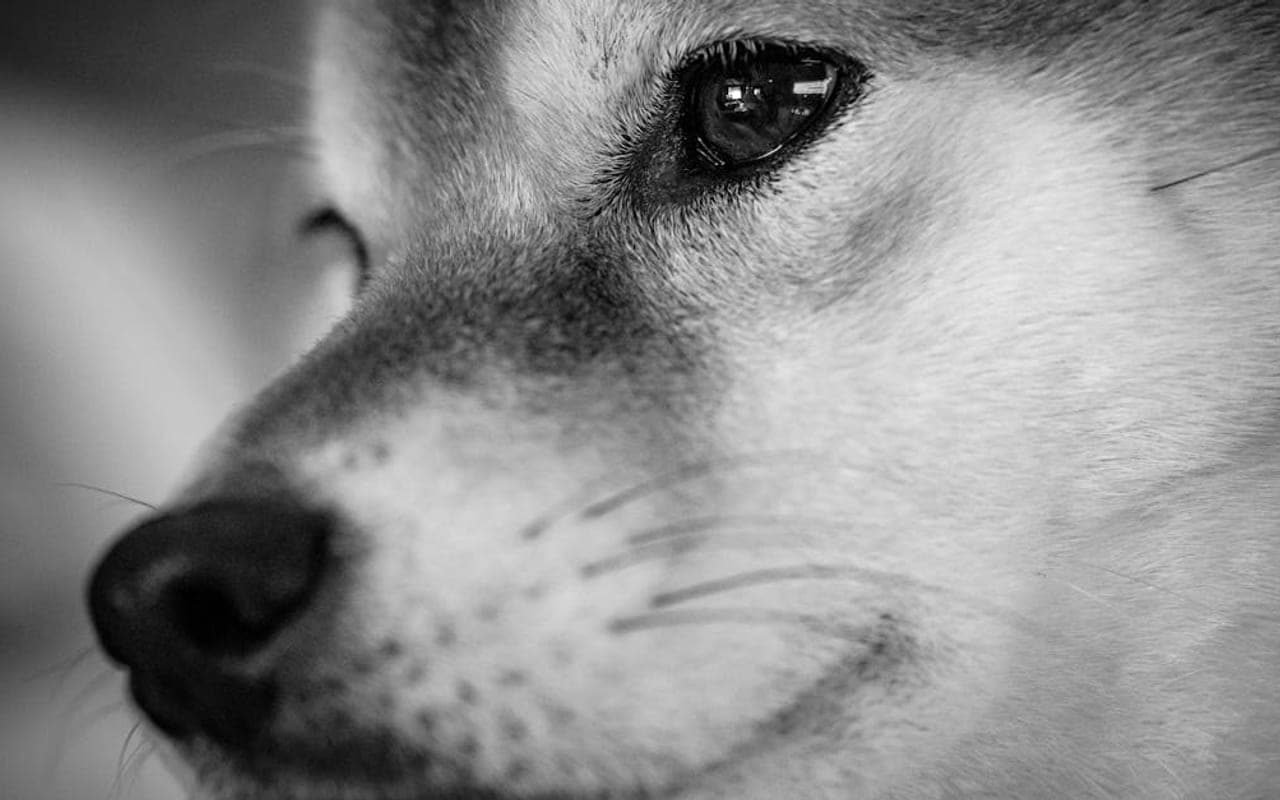
Shiba Inu
Also in the Non-Sporting group, with different care and temperament tradeoffs.
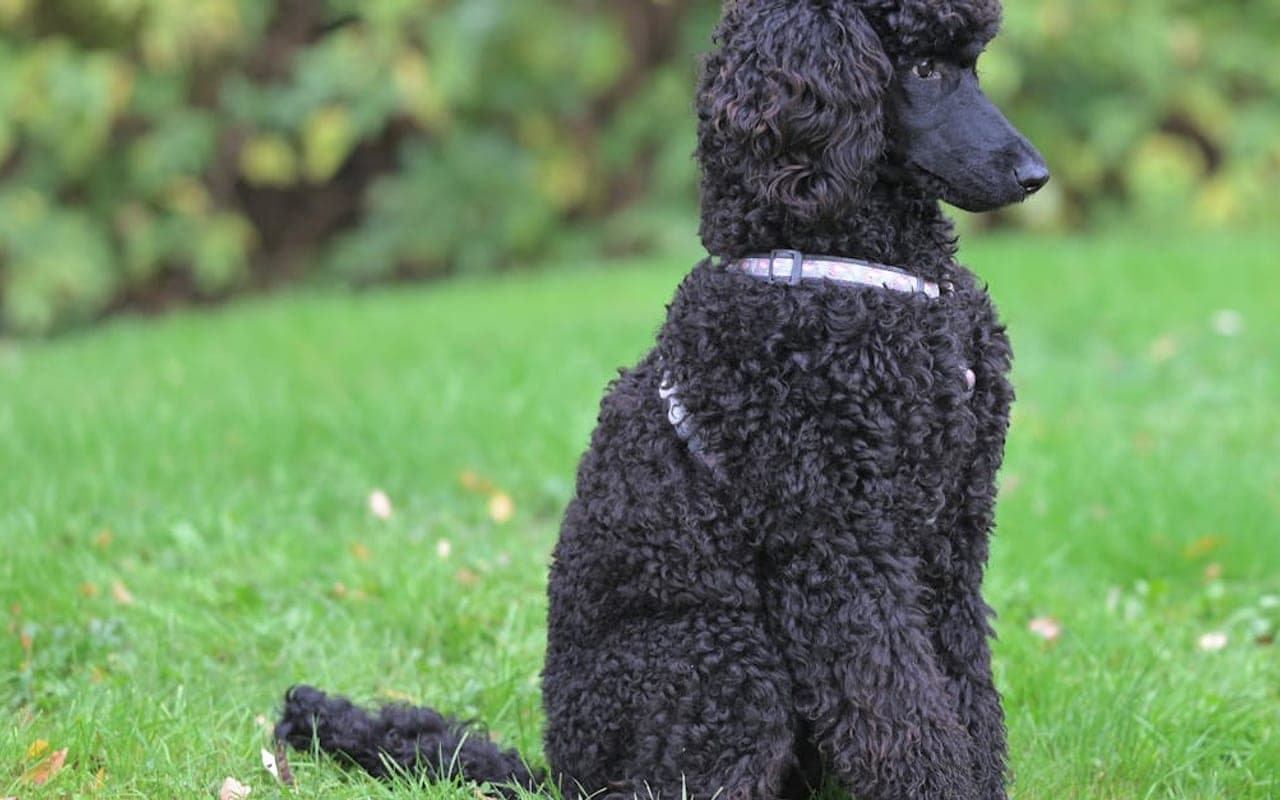
Poodle
Also in the Non-Sporting group, with different care and temperament tradeoffs.
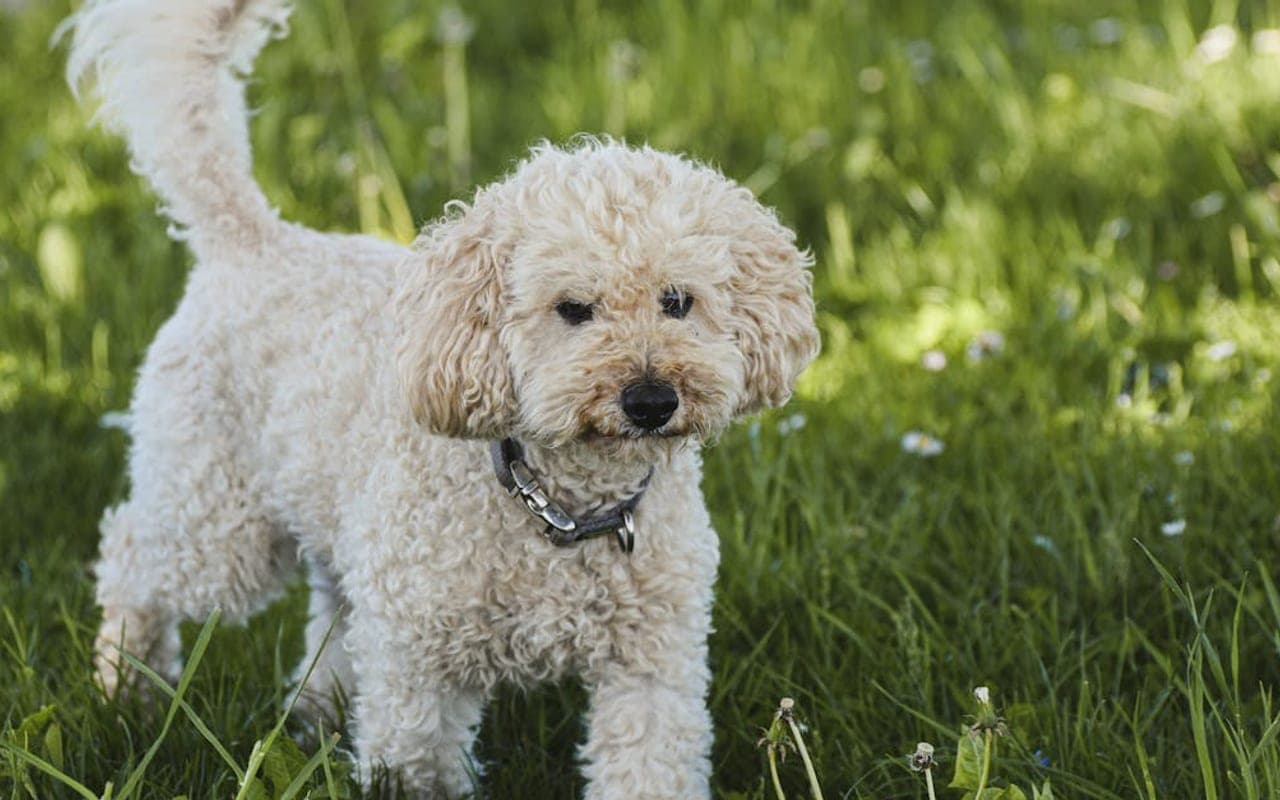
Poodle (Miniature)
Also in the Non-Sporting group, with different care and temperament tradeoffs.
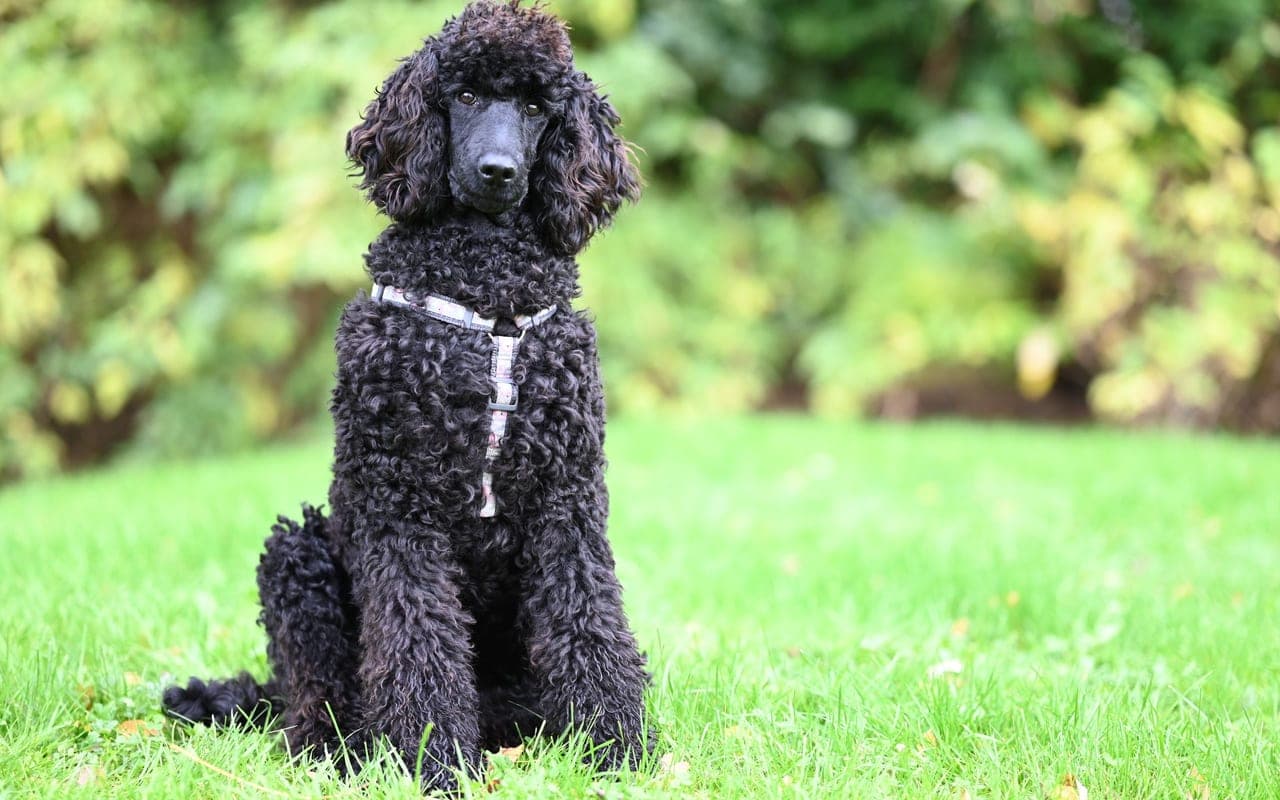
Poodle (Standard)
Also in the Non-Sporting group, with different care and temperament tradeoffs.
Explore More About Norwegian Lundehund
Dive deeper into everything Norwegian Lundehund — costs, care, and expert insights.
Considering a cat instead?
Browse Cats