
Terrier group
Norwich Terrier
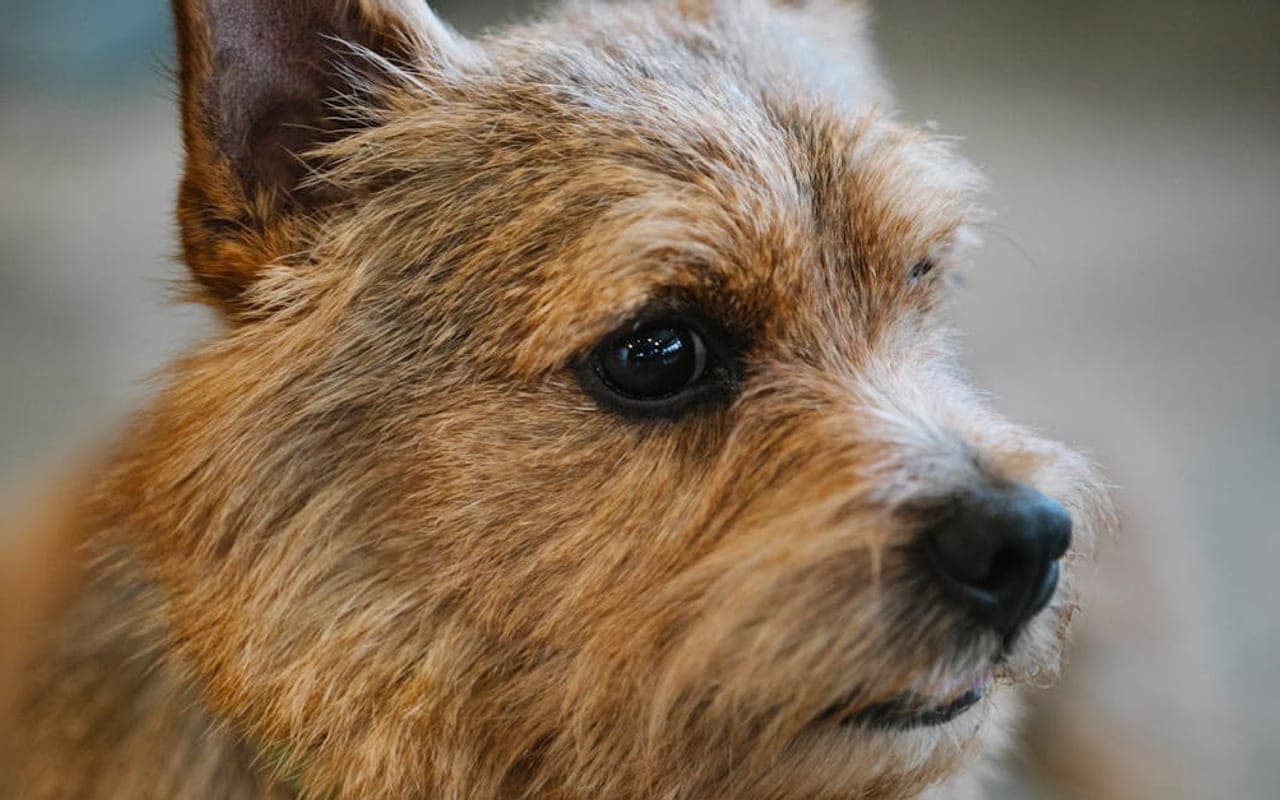
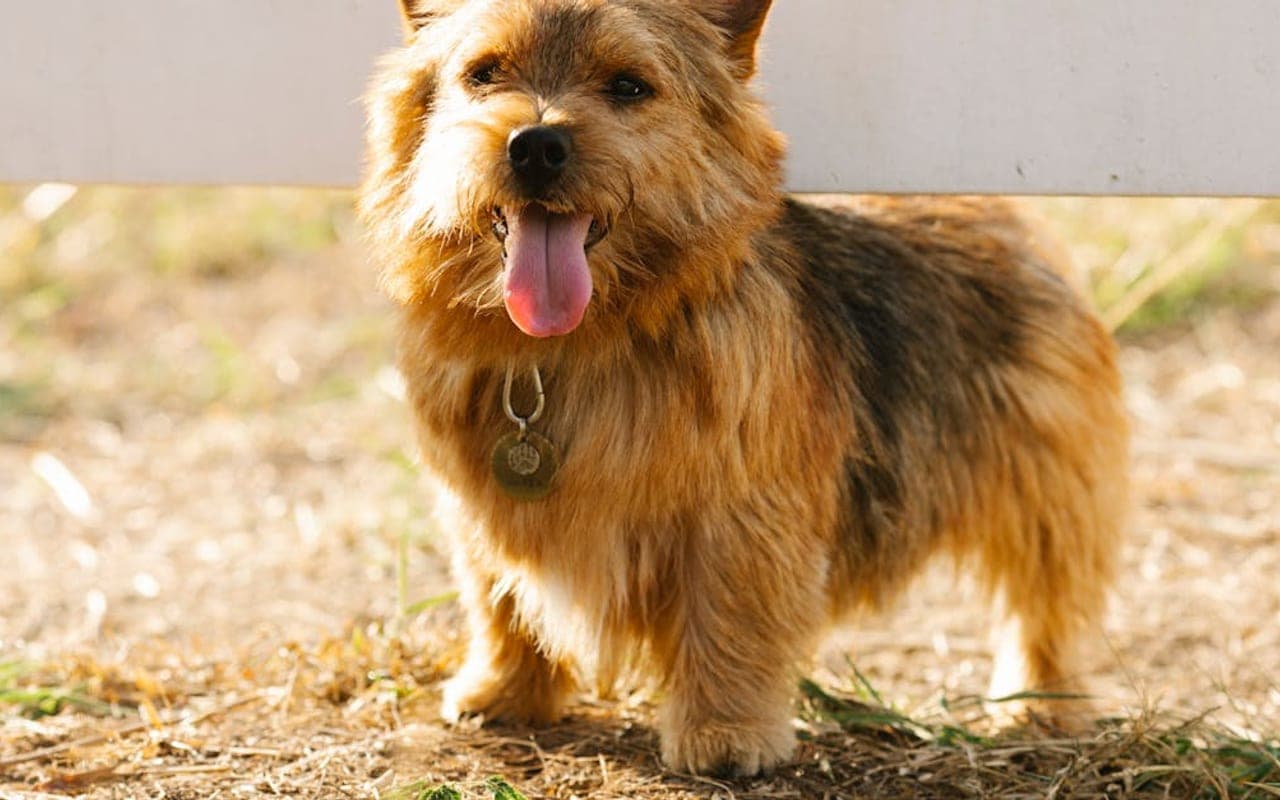
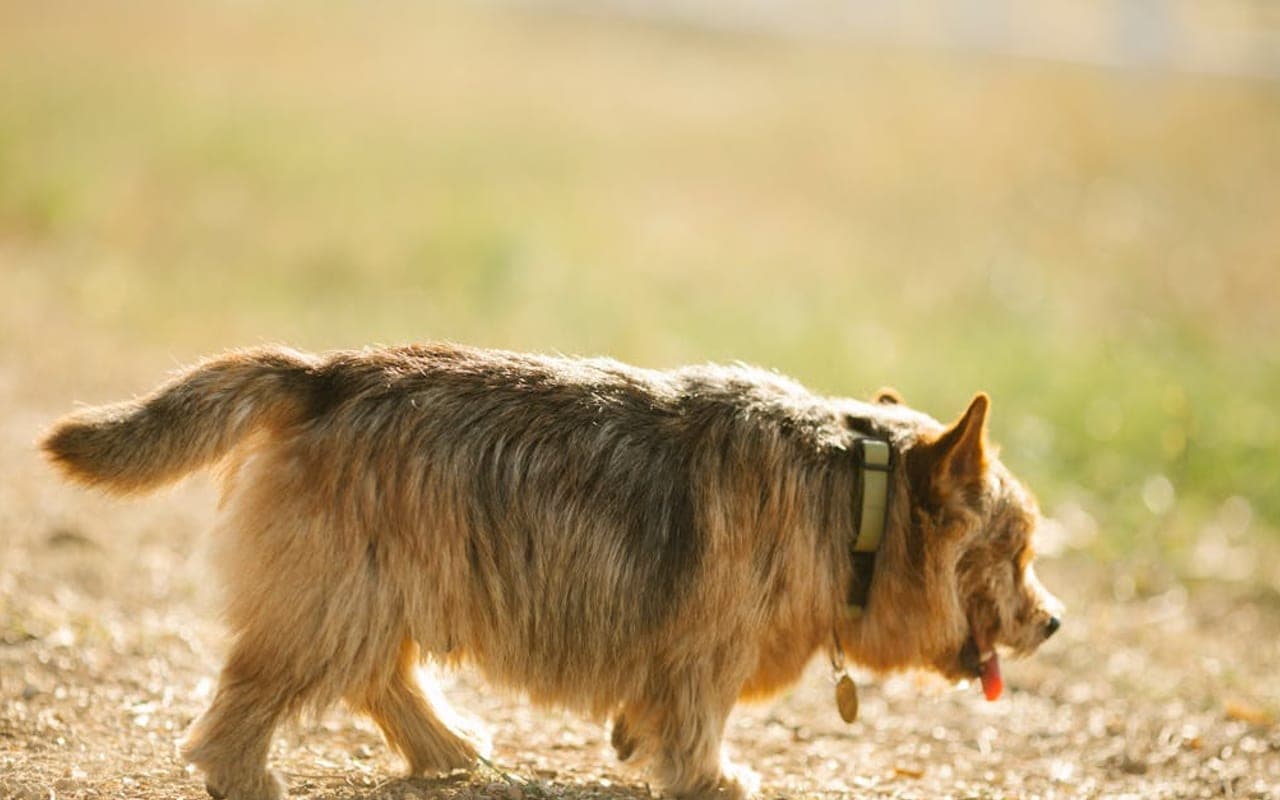
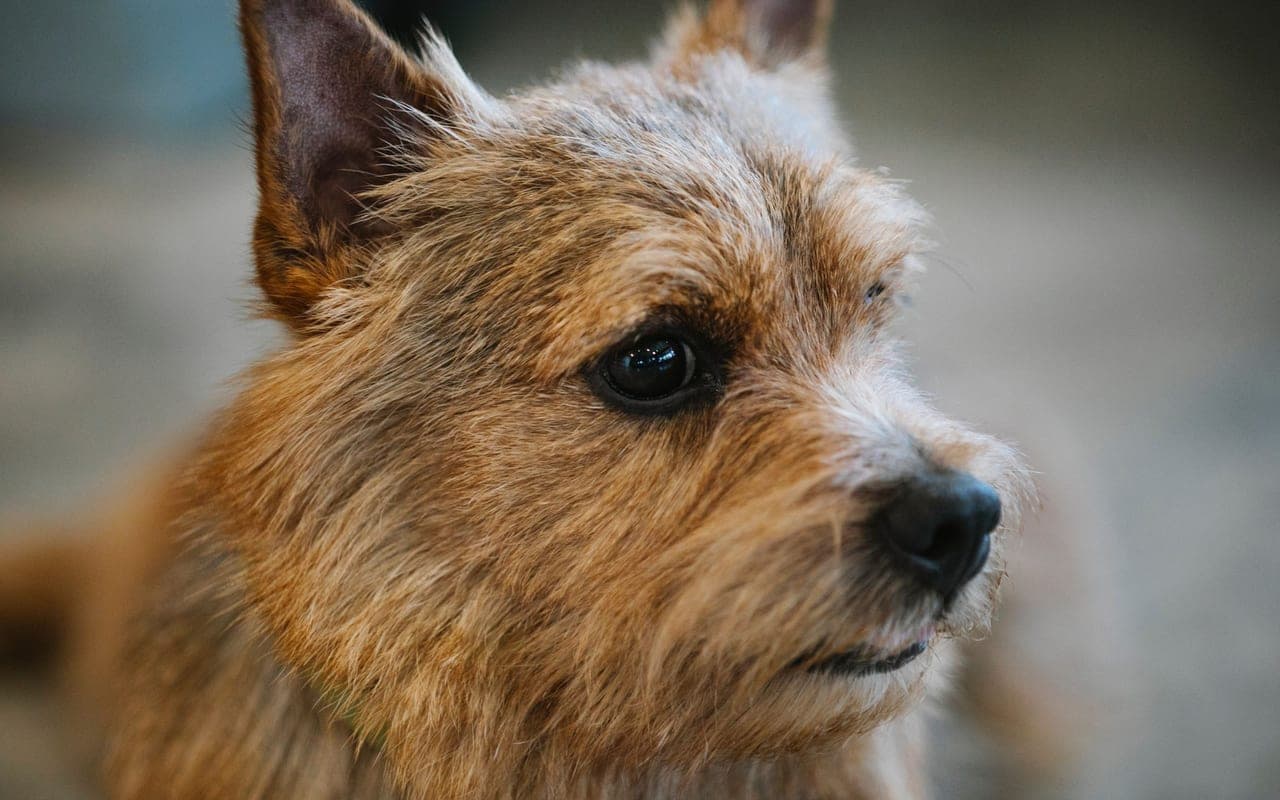
The Norwich Terrier is one of the smallest working terriers — around 10 inches tall and roughly 11-12 pounds — a stocky, hard-coated little dog with prick ears that distinguish it from its drop-eared near-twin, the Norfolk Terrier.
Size
10-12 lb
Lifespan
12-15 years
Exercise
30-60 minutes
Shedding
Moderate
Experience
Match to owner routine
Decision first
Is a Norwich Terrier right for you?
Start with fit before history or trivia. These are ownership signals, not guarantees about any individual dog.
Best suited for
- Households with children.
- Homes with other compatible pets.
- Apartment homes with a consistent routine.
- Owners seeking a manageable daily exercise routine.
Think carefully if
- You need a dog with almost no daily routine.
- You cannot keep up with grooming and preventive care.
- The dog will spend most days alone without support.
Conditional fit
Apartment fit depends on exercise, enrichment, noise management, and outdoor access.
Daily reality
Norwich Terrier commitment snapshot
Daily exercise
30-60 minutes
Match activity to age, health, weather, and training goals.
Coat care
Moderate
Grooming needs vary by coat, shedding, and lifestyle.
Time alone
Needs planning
Most dogs need gradual alone-time conditioning and support.
Structured facts
Norwich Terrier at a glance
The measurements and traits that most affect day-to-day life with this breed.
Group
Terrier
Weight
10-12 lb
Height
9-10 in
Lifespan
12-15 years
Temperament
Affectionate | Alert | Curious
View all characteristics and methodology
Lifestyle fit
- Apartment suitability
- Likely fit
- Child friendliness
- Often good, with socialisation and supervision
- Other-pet fit
- Often compatible with careful introductions
Owner commitment
- Exercise
- 30-60 minutes
- Grooming
- Moderate
- Shedding
- Moderate
- Training
- Moderate
Environment and health
- Health risk
- Needs planning
Ratings combine structured breed data, visible breed fields, and editorial context. They are planning aids, not predictions for an individual dog.
Daily life
Norwich Terrier temperament and behavior
The Norwich Terrier is one of the smallest working terriers — around 10 inches tall and roughly 11-12 pounds — a stocky, hard-coated little dog with prick ears that distinguish it from its drop-eared near-twin, the Norfolk Terrier. It looks like a soft companion lapdog and is sold as one, but the wiring underneath is a fearless ratting earth dog. Norwich are confident, busy, sometimes bossy, and they bond hard to their people, equally happy to play fetch for an hour or sleep in your lap afterward. They are one of the more biddable and people-oriented terriers, which makes them a popular choice — but they are still a terrier, with the prey drive, the digging instinct, and the bark to prove it. The practical headline for this breed is health, not behavior. The Norwich Terrier has a recognized, serious breed-specific problem with breathing — Upper Airway Syndrome (UAS) — that the breed's own parent club has flagged as a research priority because there is no screening test for it. Any honest Norwich profile has to lead with that, because it is the single biggest hidden cost and decision factor in the breed, not coat or exercise. Day to day, the Norwich is manageable: 30-60 minutes of daily exercise plus play and training suits it, and it adapts well to apartments and to families with older children. It is alert and will bark at arrivals, but it is not typically a chronic nuisance barker like some terriers if exercised. Who the Norwich is right for: an owner who wants a sturdy, affectionate, adaptable small companion with terrier spark, and who will buy from a CHIC-screened breeder and accept the breed's airway and cost realities. Who it is wrong for: bargain buyers (the breed is expensive and litters are small), anyone who cannot tolerate a dog that may need airway management, and households with free-roaming small pets. Decide on the airway risk and the price, not the cute face.
Affectionate | Alert | Curious
Affectionate
A common Norwich Terrier temperament descriptor that should be interpreted alongside training, exercise, and household fit.
Alert
A common Norwich Terrier temperament descriptor that should be interpreted alongside training, exercise, and household fit.
Curious
A common Norwich Terrier temperament descriptor that should be interpreted alongside training, exercise, and household fit.
Owner note
Temperament labels are starting points, not guarantees. Meet the individual dog and ask about behavior history whenever possible.
Care essentials
How to care for a Norwich Terrier
What looking after one actually involves: exercise, grooming, food, training, and routine health.
ExerciseAs needed
- Moderately active breed needing 30-60 minutes of daily exercise.
GroomingAs needed
- Brush 2-3 times per week.
TrainingAs needed
- Consistent, patient training works best.
NutritionAs needed
- Feed high-quality dog food appropriate for age, size, and activity level.
Veterinary CareAs needed
- Annual wellness exams, vaccinations, dental care, and parasite prevention.
Health planning
Norwich Terrier health risks and screening
Every breed has individual health variation. Use this profile for planning and discuss medical decisions with a veterinarian.
Responsible ownership
Finding a Norwich Terrier responsibly
What to ask a breeder or rescue is the same conversation for every breed, so we keep it in one place and keep it current.
Health documentation, meeting the parents or foster, contracts and return support, and the warning signs worth walking away from.
Original purpose
Norwich Terrier history
History is useful when it explains today's behavior, coat, exercise needs, and training style.
Read the breed history
The Norwich Terrier originated in East Anglia, England, in the late 1800s and early 1900s, bred from small working ratting terriers kept by farmers and, famously, popular as ratters and mascots among Cambridge University students (the breed was once nicknamed the 'Trumpington Terrier' after a Cambridge street). It was developed to bolt and kill vermin, hunt rats around stables and barns, and work in packs alongside larger hunting hounds — jobs that demanded a tough, fearless, compact earth dog with a weatherproof coat. The Norwich and the Norfolk Terrier were a single breed for decades, registered together and distinguished only by ear carriage (prick ears for the Norwich, drop ears for the Norfolk); they were formally separated into two breeds in the 1960s in the UK and 1979 in the US. The Norwich Terrier Club of America is the AKC parent club and runs the breed's CHIC health program, including an active research committee on the breed's airway problems. The Norwich's modern character — bold, busy, people-bonded, and prey-driven — is a direct inheritance of its ratting and pack-hunting past.
Gallery
Norwich Terrier photos
Images are cropped consistently and loaded progressively to keep the page responsive.
Lower-page context
Norwich Terriers in culture
Where the breed shows up in film, sport, work and folklore — the enjoyable part, once the practical questions are answered.
Fun facts
- The Norwich Terrier belongs to the Terrier Group.
- The average lifespan of a Norwich Terrier is 12 to 15 years.
- Norwich Terrier dogs are valued for their affectionate, alert, curious nature.
Norwich Terrier FAQs
What is the biggest health concern in Norwich Terriers?
Breathing. The Norwich Terrier has a recognized breed-specific problem called Upper Airway Syndrome (UAS) — a spectrum of upper-airway abnormalities that make it hard for the dog to breathe normally — and there is no screening test for it, which is why the breed's own parent club runs a dedicated research committee on it. It is the single biggest hidden cost and decision factor in the breed: ask any breeder directly about airway health in their lines, keep the dog lean, and treat new breathing noise as a vet matter, not a quirk.
How much does a Norwich Terrier cost?
Norwich Terriers are among the more expensive purebred dogs because litters are naturally small (often 1-3 puppies, frequently born by cesarean) and demand outstrips supply — expect a high four-figure purchase price from a reputable CHIC-screened breeder. The larger hidden cost is health: airway disease may require specialist assessment or surgery running into the thousands. Paying for a well-screened puppy from airway-conscious lines is the cheapest insurance available in this breed; a suspiciously cheap Norwich is a warning, not a bargain.
How long do Norwich Terriers live?
A healthy Norwich Terrier typically lives 12-15 years, which is long for the breed. The two conditions most likely to affect that span and quality of life are the breed's airway syndrome and epilepsy — and notably, neither has a screening test, so longevity depends heavily on buying from a breeder who tracks and discusses these problems honestly in their lines, plus lifelong weight management and prompt attention to breathing changes.
Are Norwich Terriers good apartment dogs?
Yes, generally — they are small, adaptable, people-bonded, and content with 30-60 minutes of daily exercise plus play, and they are not typically chronic nuisance barkers if exercised. The one caveat is the airway issue: an airway-compromised Norwich tolerates heat and exertion poorly, so a hot top-floor flat without climate control is a poor fit. A healthy, exercised Norwich in a temperature-controlled apartment is an excellent match.
Are Norwich Terriers good with children and other pets?
With children, yes — they are sturdy, affectionate, and tolerant, best suited to families with older kids who respect a small dog. With other dogs they are generally sociable, having been bred to work in packs. With small pets, no: the Norwich retains a genuine ratting prey drive and should never be trusted off-leash around, or housed with, free-roaming rabbits, rodents, or birds. Supervise all small-pet interactions and never assume coexistence.
How much grooming does a Norwich Terrier need?
Moderate and skilled. The hard wiry coat is hand-stripped every 8-12 weeks to maintain its weatherproof texture and color — a learned technique or a recurring groomer cost — with a weekly brush in between. Clipping is easier but softens the coat and fades the color. Actual shedding is low, which is the trade-off for the stripping labor. Budget for the stripping schedule as a real, recurring cost of owning the breed.
Sources
These are the published sources this page draws on. Each opens in a new tab so you can check it yourself.
American Kennel Club
Norwich Terrier — breed standard and profile(opens in a new tab)Supports: Breed standard and recognition details.
Similar breeds to consider

Miniature Schnauzer
Also in the Terrier group, with different care and temperament tradeoffs.
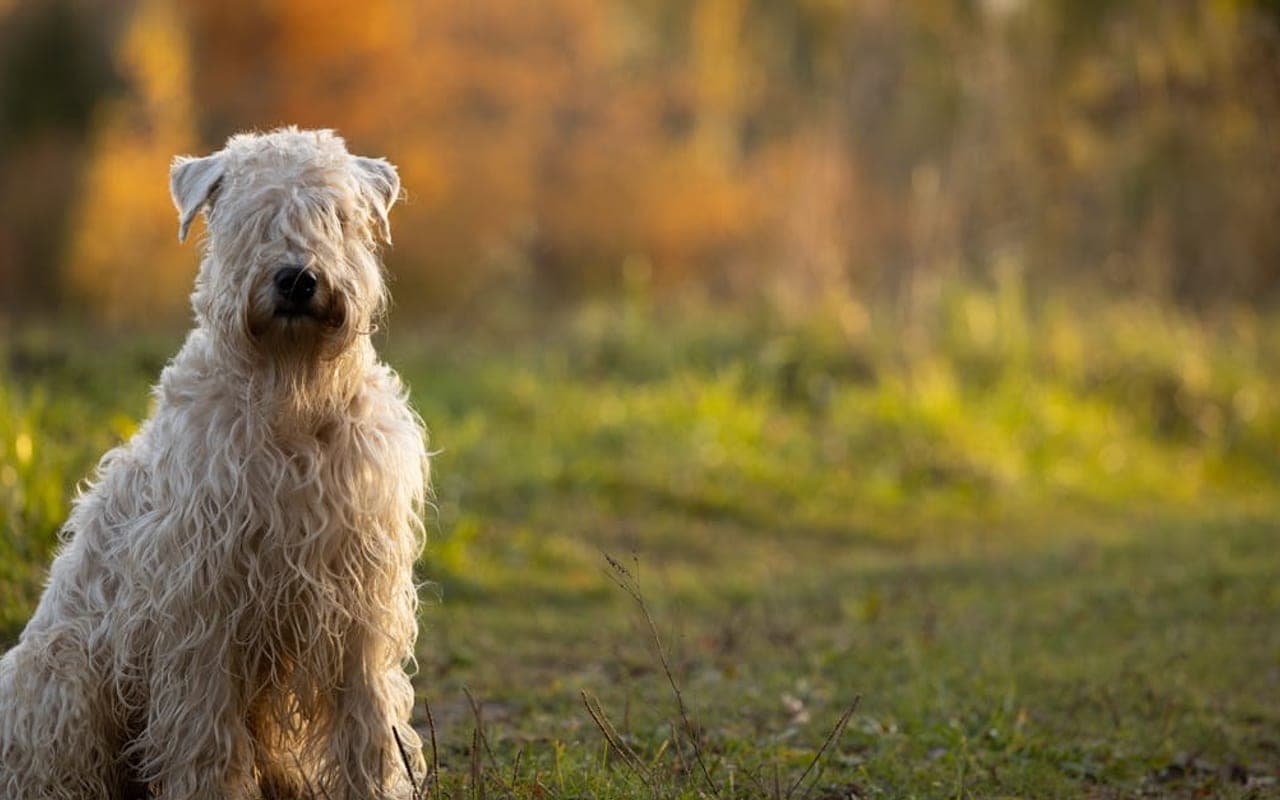
Soft Coated Wheaten Terrier
Also in the Terrier group, with different care and temperament tradeoffs.
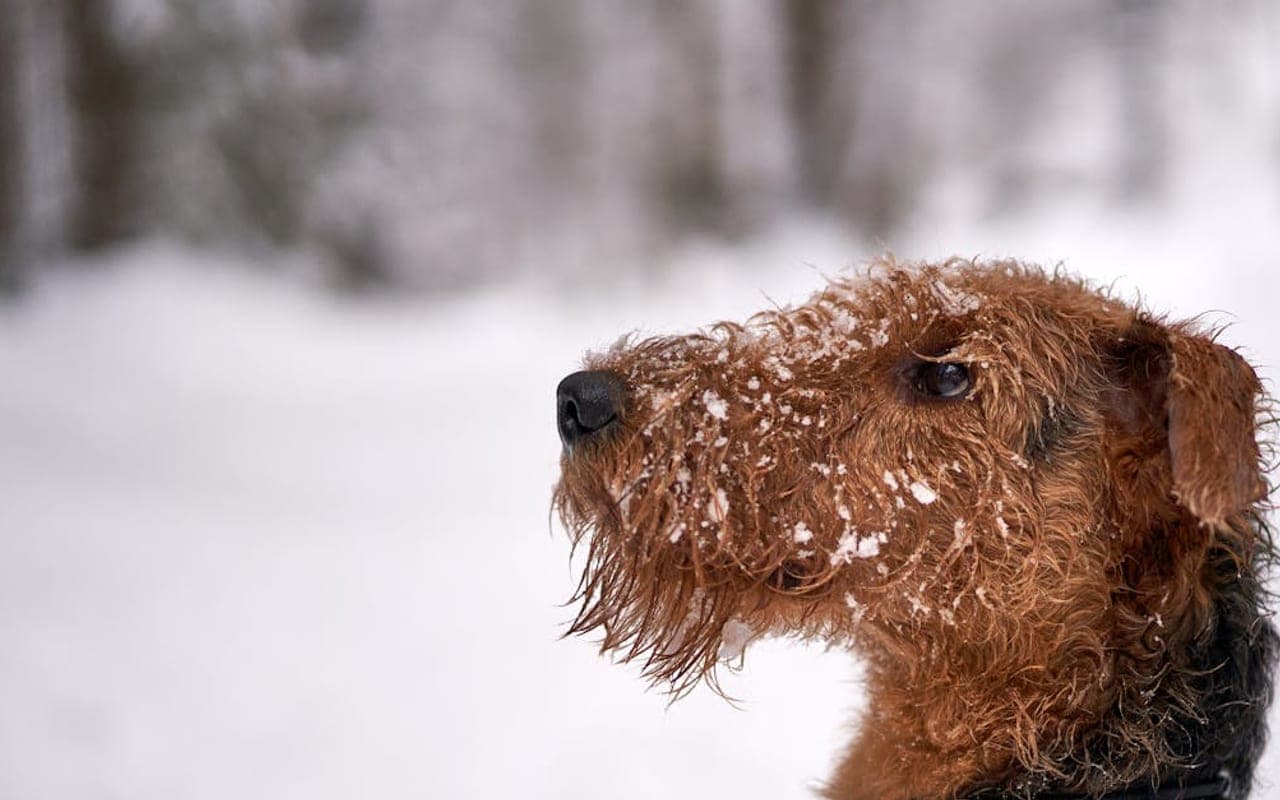
Airedale Terrier
Also in the Terrier group, with different care and temperament tradeoffs.
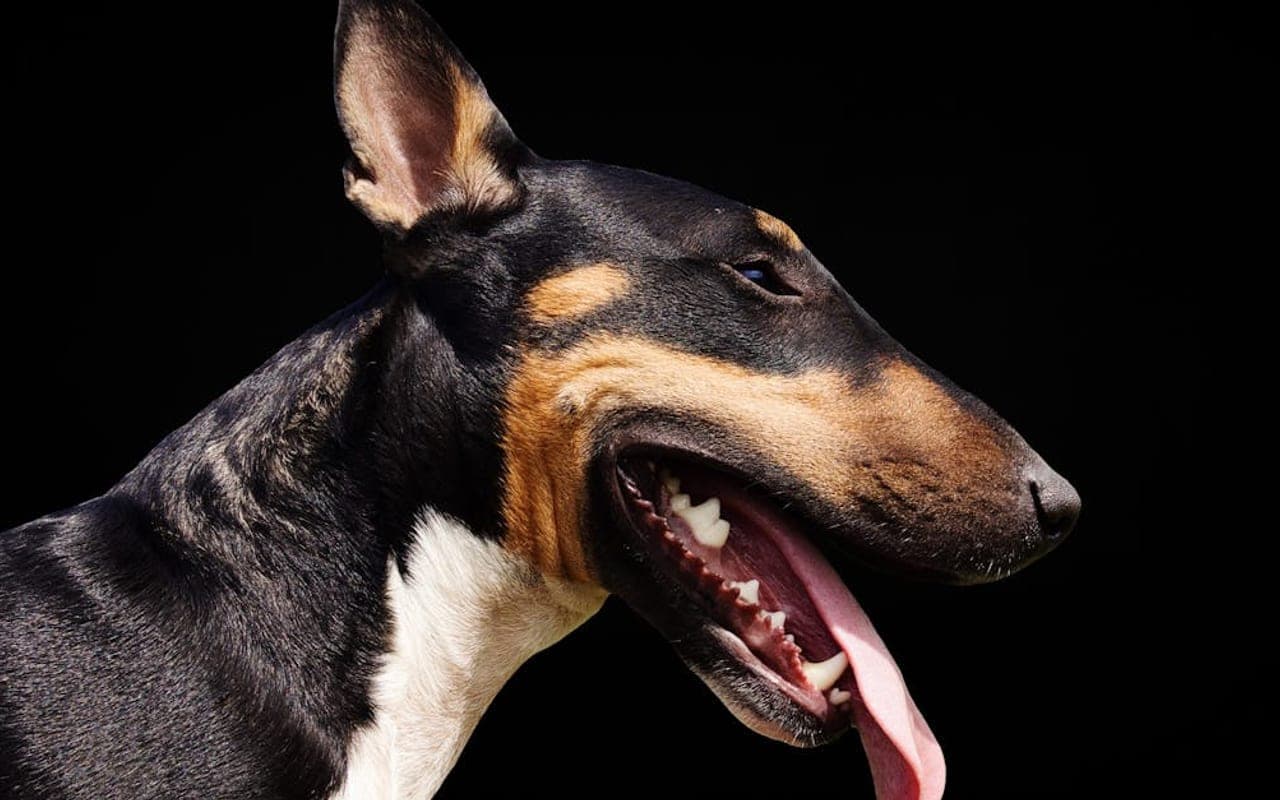
Bull Terrier
Also in the Terrier group, with different care and temperament tradeoffs.
Explore More About Norwich Terrier
Dive deeper into everything Norwich Terrier — costs, care, and expert insights.
Considering a cat instead?
Browse Cats