
Sporting group
Nova Scotia Duck Tolling Retriever
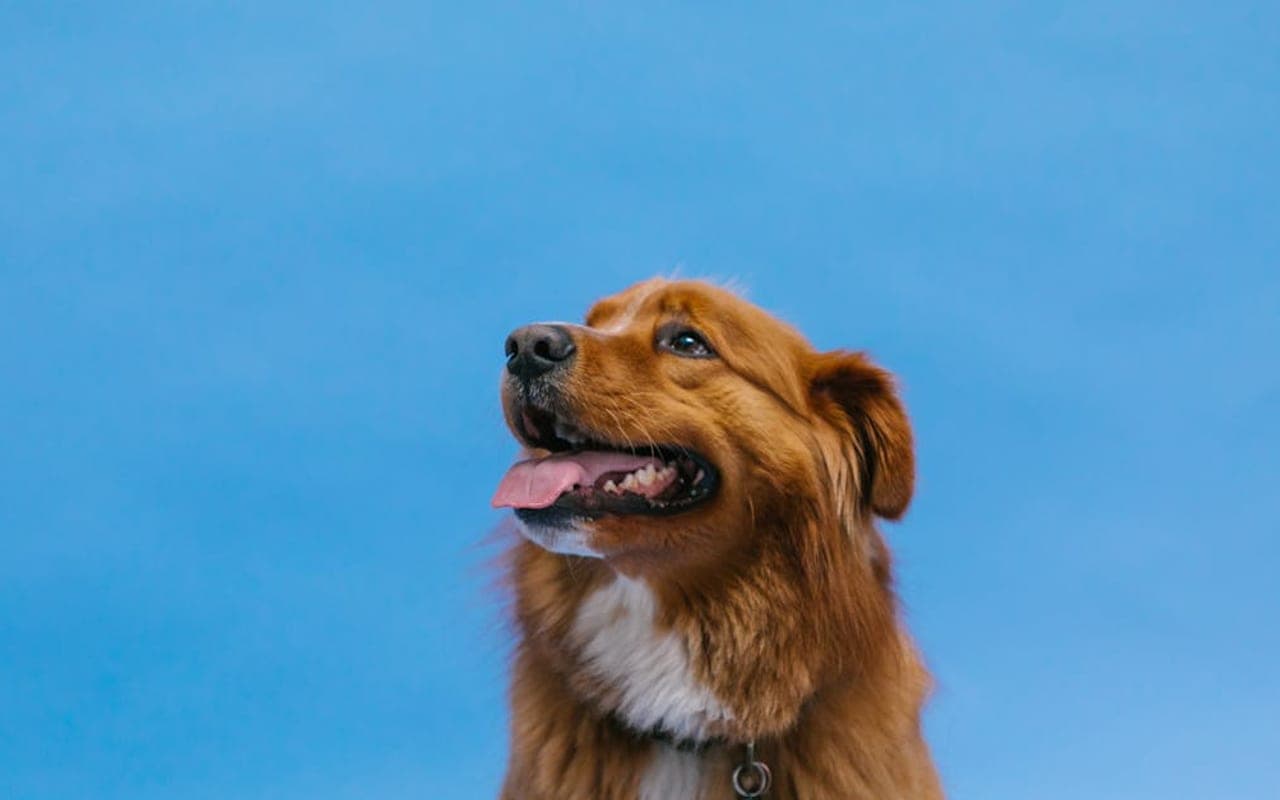
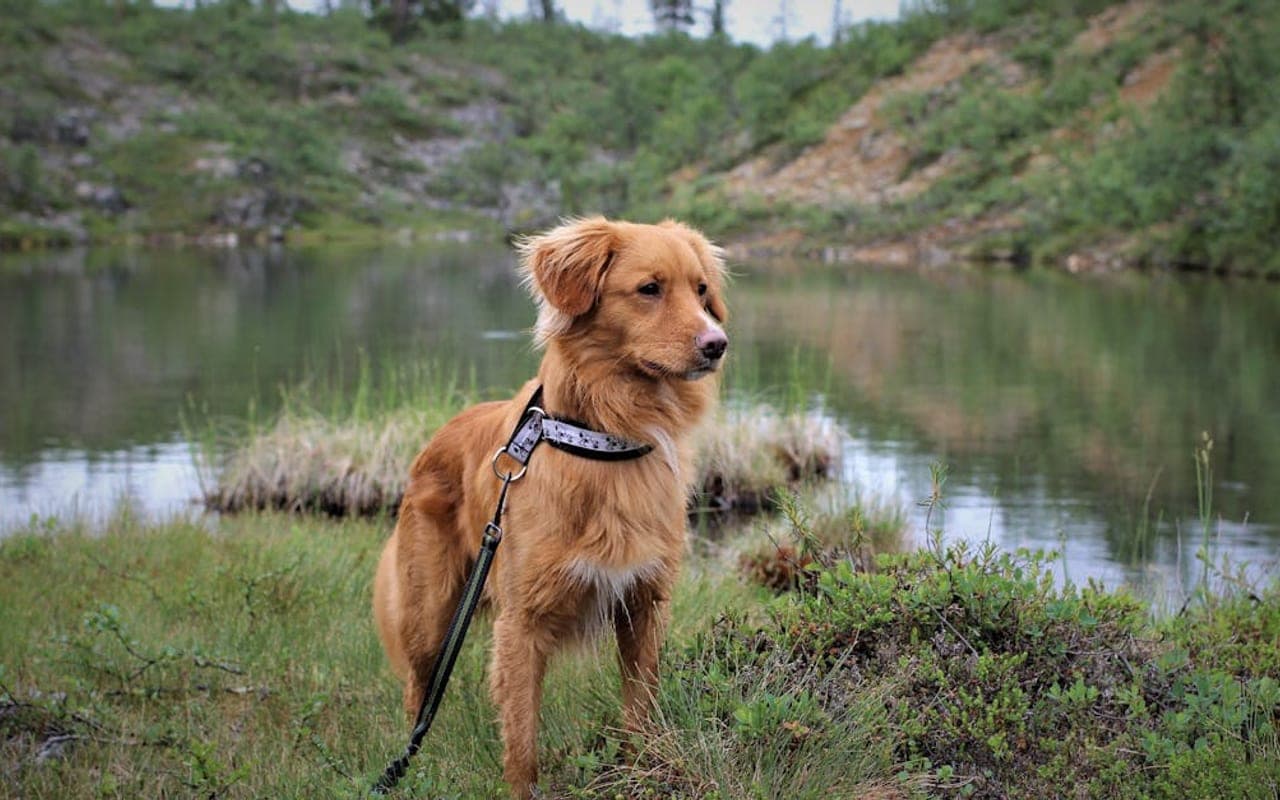
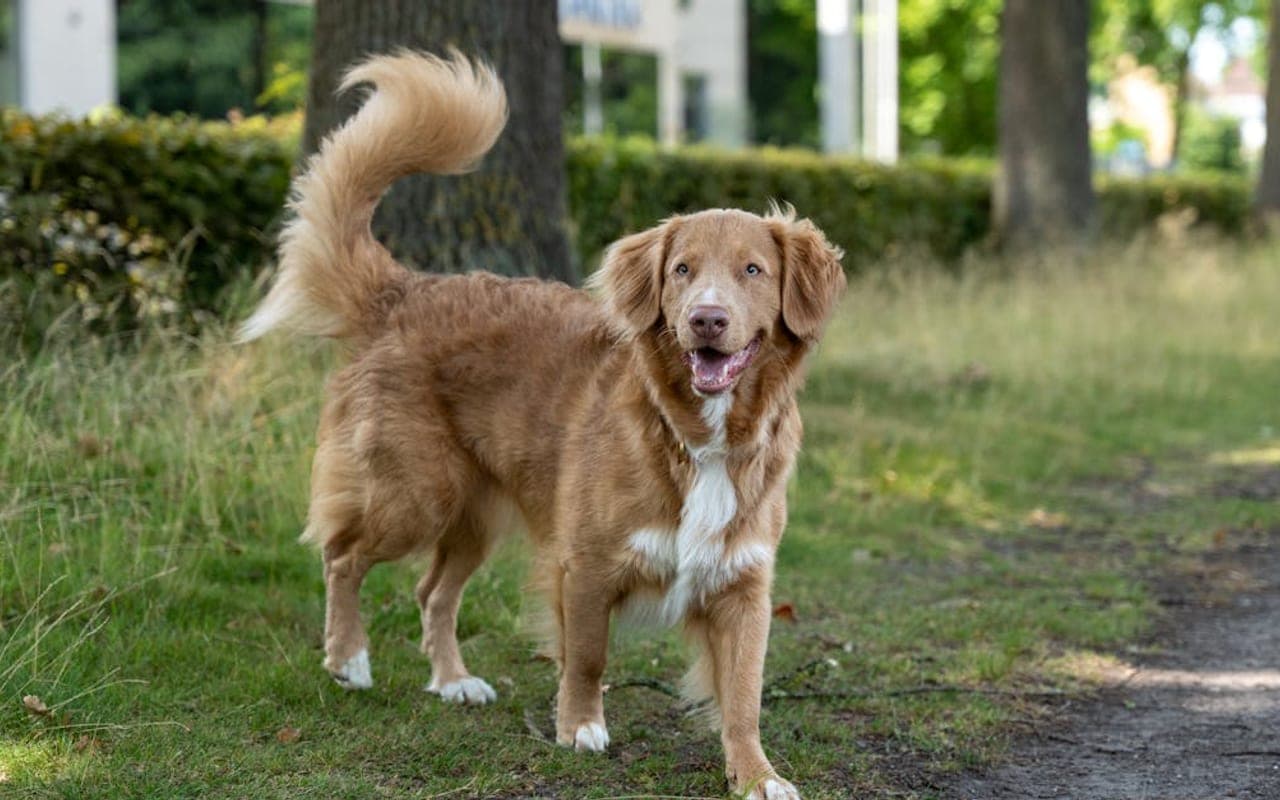
The Nova Scotia Duck Tolling Retriever is the smallest of the AKC retrievers — a 17-21 inch, 35-50 pound red gundog bred for one strange job: luring (tolling) ducks within gun range by playing along the shoreline, then retrieving the birds once shot.

Size
35-51 lb
Lifespan
12-14 years
Exercise
20-40 minutes
Shedding
Moderate
Experience
Match to owner routine
Decision first
Is a Nova Scotia Duck Tolling Retriever right for you?
Start with fit before history or trivia. These are ownership signals, not guarantees about any individual dog.
Best suited for
- Households with children.
- Homes with other compatible pets.
- Apartment homes with a consistent routine.
- Owners seeking a manageable daily exercise routine.
Think carefully if
- You need a dog with almost no daily routine.
- You cannot keep up with grooming and preventive care.
- The dog will spend most days alone without support.
Conditional fit
Apartment fit depends on exercise, enrichment, noise management, and outdoor access.
Daily reality
Nova Scotia Duck Tolling Retriever commitment snapshot
Daily exercise
20-40 minutes
Match activity to age, health, weather, and training goals.
Coat care
Moderate
Grooming needs vary by coat, shedding, and lifestyle.
Time alone
Needs planning
Most dogs need gradual alone-time conditioning and support.
Structured facts
Nova Scotia Duck Tolling Retriever at a glance
The measurements and traits that most affect day-to-day life with this breed.
Group
Sporting
Weight
35-51 lb
Height
17-21 in
Lifespan
12-14 years
Temperament
Affectionate | Intelligent | Outgoing
View all characteristics and methodology
Lifestyle fit
- Apartment suitability
- Likely fit
- Child friendliness
- Often good, with socialisation and supervision
- Other-pet fit
- Often compatible with careful introductions
Owner commitment
- Exercise
- 20-40 minutes
- Grooming
- Moderate
- Shedding
- Moderate
- Training
- Moderate
Environment and health
- Health risk
- Needs planning
Ratings combine structured breed data, visible breed fields, and editorial context. They are planning aids, not predictions for an individual dog.
Daily life
Nova Scotia Duck Tolling Retriever temperament and behavior
The Nova Scotia Duck Tolling Retriever is the smallest of the AKC retrievers — a 17-21 inch, 35-50 pound red gundog bred for one strange job: luring (tolling) ducks within gun range by playing along the shoreline, then retrieving the birds once shot. That job description is the whole buying decision. You are not getting a smaller, calmer Golden; you are getting a high-drive working spaniel-retriever hybrid in a compact body, and the marketing word 'medium energy' badly undersells what this dog needs. Physically the Toller is built for cold water: a water-repellent double coat in shades of crimson to copper, usually with white markings on the chest, feet, face, or tail tip, plus webbed feet and a heavily feathered tail. The coat sheds seasonally and needs a thorough weekly brush, more during the spring and autumn blow. Temperament is the dividing line between owners who love this breed and owners who rehome it. Tollers are intensely intelligent, intensely birdy, and intensely bonded to their people — and they have a famous, piercing 'Toller scream' of excitement that thin-walled apartments and close neighbors will not forgive. They are reserved with strangers (not shy, not aggressive — watchful), often one-family dogs, and can be sensitive to harsh training, shutting down rather than fighting back. They are excellent with children they are raised with and generally good with other dogs. Who the Toller is right for: an active owner who hunts, does dock diving, agility, flyball, or runs daily, wants a velcro dog, and will train with positive methods. Who it is wrong for: a first-time owner wanting a low-maintenance family pet, anyone in a noise-sensitive home, or anyone who thinks 'small retriever' means 'less work.' This is the most work per pound of any retriever — decide on that, not on the photos.
Affectionate | Intelligent | Outgoing
Affectionate
A common Nova Scotia Duck Tolling Retriever temperament descriptor that should be interpreted alongside training, exercise, and household fit.
Intelligent
A common Nova Scotia Duck Tolling Retriever temperament descriptor that should be interpreted alongside training, exercise, and household fit.
Outgoing
A common Nova Scotia Duck Tolling Retriever temperament descriptor that should be interpreted alongside training, exercise, and household fit.
Owner note
Temperament labels are starting points, not guarantees. Meet the individual dog and ask about behavior history whenever possible.
Care essentials
How to care for a Nova Scotia Duck Tolling Retriever
What looking after one actually involves: exercise, grooming, food, training, and routine health.
ExerciseAs needed
- Lower-energy breed content with daily walks.
GroomingAs needed
- Brush 2-3 times per week.
TrainingAs needed
- Consistent, patient training works best.
NutritionAs needed
- Feed high-quality dog food appropriate for age, size, and activity level.
Veterinary CareAs needed
- Annual wellness exams, vaccinations, dental care, and parasite prevention.
Health planning
Nova Scotia Duck Tolling Retriever health risks and screening
Every breed has individual health variation. Use this profile for planning and discuss medical decisions with a veterinarian.
Responsible ownership
Finding a Nova Scotia Duck Tolling Retriever responsibly
What to ask a breeder or rescue is the same conversation for every breed, so we keep it in one place and keep it current.
Health documentation, meeting the parents or foster, contracts and return support, and the warning signs worth walking away from.
Original purpose
Nova Scotia Duck Tolling Retriever history
History is useful when it explains today's behavior, coat, exercise needs, and training style.
Read the breed history
The breed was developed in the early 19th century in Yarmouth County, Nova Scotia, Canada — specifically the Little River district, which is why the dog was long called the Little River Duck Dog or Yarmouth Toller. Hunters bred a dog to mimic the behavior of a fox playing at the water's edge, which curiously draws ducks closer out of curiosity; the dog 'tolls' the birds into range, then retrieves them after the shot. Spaniel, retriever, setter, and likely some farm-collie blood went into the working type. The Canadian Kennel Club recognized the breed in 1945 and standardized the name to Nova Scotia Duck Tolling Retriever. It remained rare and regional for decades and was not granted full AKC recognition until 2003, entering the Sporting Group. That short, closed history matters to owners: the modern gene pool traces to a small founder population, which is the direct reason this breed carries a higher load of inherited autoimmune and eye disease than larger, more outbred retrievers.
Gallery
Nova Scotia Duck Tolling Retriever photos
Images are cropped consistently and loaded progressively to keep the page responsive.
Lower-page context
Nova Scotia Duck Tolling Retrievers in culture
Where the breed shows up in film, sport, work and folklore — the enjoyable part, once the practical questions are answered.
Fun facts
- The Nova Scotia Duck Tolling Retriever belongs to the Sporting Group.
- The average lifespan of a Nova Scotia Duck Tolling Retriever is 12 to 14 years.
- Nova Scotia Duck Tolling Retriever dogs are valued for their affectionate, intelligent, outgoing nature.
Nova Scotia Duck Tolling Retriever FAQs
How long do Nova Scotia Duck Tolling Retrievers live?
A well-bred Toller from health-tested lines typically lives 12-14 years. The realistic limiter is not old age but the breed's autoimmune load — Addison's disease, immune-mediated rheumatic disease, and thyroiditis can shorten or complicate life if a dog comes from untested parents. Lifespan in this breed correlates strongly with breeder DNA and health screening, so the parents' health clearances tell you more than the breed-average number does.
Is the Nova Scotia Duck Tolling Retriever a good first dog?
Usually no. Tollers are intelligent and trainable but they are high-drive, noise-prone, and emotionally sensitive — a combination that overwhelms many first-time owners. They need 60-90 minutes of structured exercise and brain work daily and they shut down under harsh handling. A first-time owner who is genuinely athletic, home a lot, and committed to positive training can succeed, but the casual 'small friendly retriever' buyer almost always struggles.
What is the Toller scream and can I stop it?
The 'Toller scream' is a high-pitched, intense vocalization the breed makes when excited or anticipating something — especially before retrieving or play. It is normal, instinctive behavior, not a training failure, and you cannot fully eliminate it. You can reduce its frequency by meeting exercise and mental needs and not over-arousing the dog, but if you live in an apartment or have close neighbors, treat this as a serious, breed-defining consideration before buying.
How much grooming does a Nova Scotia Duck Tolling Retriever need?
Moderate. The weather-resistant double coat needs a thorough 10-15 minute brush twice a week, increasing to daily for 2-3 weeks during the heavy spring and autumn shed. Never shave the coat — it insulates and protects against water. Because Tollers love swimming, the breed-specific grooming task most owners forget is drying and checking the ears after every swim to prevent recurring ear infections.
How much does a Nova Scotia Duck Tolling Retriever cost?
Expect roughly $1,500-$3,000 for a puppy from a breeder who DNA-tests for PRA-cord1 and Collie Eye Anomaly and screens hips and elbows. The hidden cost is medical: lifelong Addison's disease management runs $50-$150 per month plus periodic bloodwork, and an undiagnosed Addisonian crisis can mean a $2,000-$4,000 emergency. Paying more for a fully health-tested litter is the cheapest insurance you can buy in this narrow-gene-pool breed.
Sources
These are the published sources this page draws on. Each opens in a new tab so you can check it yourself.
American Kennel Club
Nova Scotia Duck Tolling Retriever — breed standard and profile(opens in a new tab)Supports: Breed standard and recognition details.
Similar breeds to consider
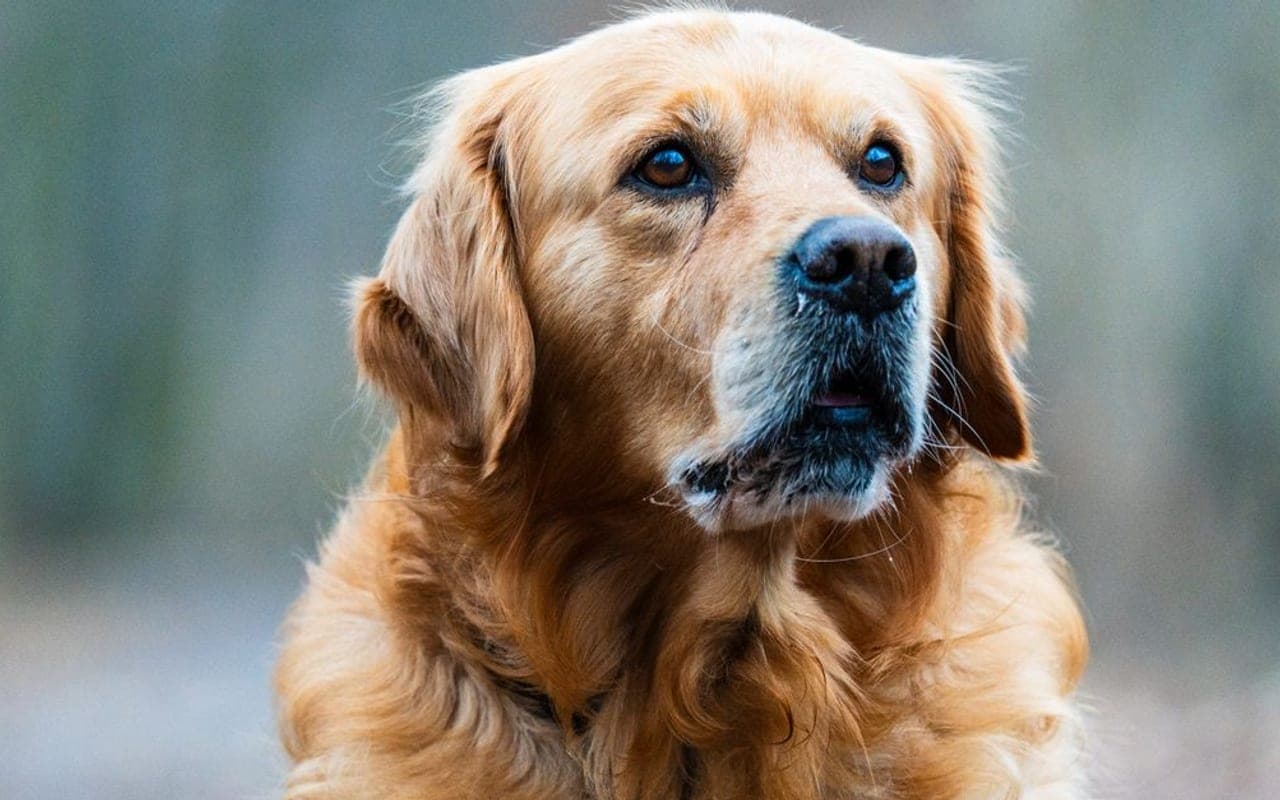
Golden Retriever
Also in the Sporting group, with different care and temperament tradeoffs.
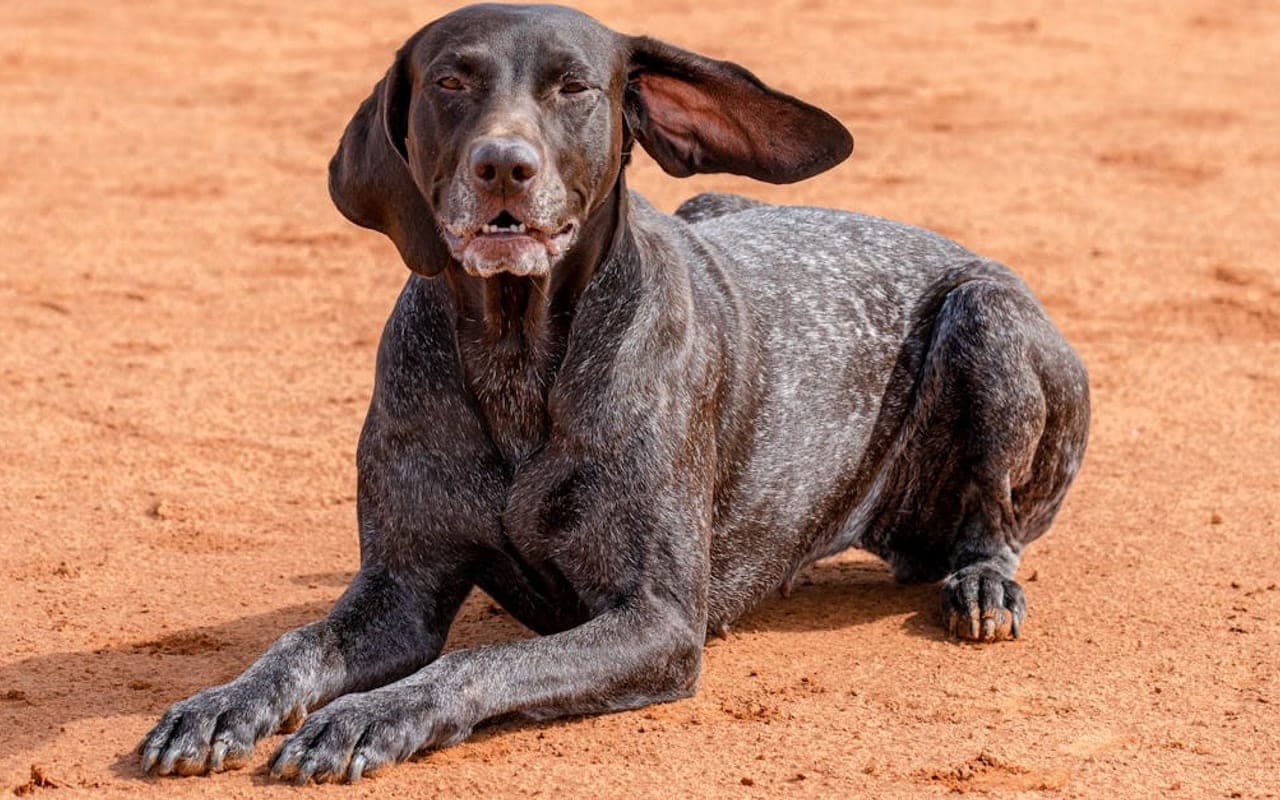
German Shorthaired Pointer
Also in the Sporting group, with different care and temperament tradeoffs.

Labrador Retriever
Also in the Sporting group, with different care and temperament tradeoffs.

Vizsla
Also in the Sporting group, with different care and temperament tradeoffs.
Explore More About Nova Scotia Duck Tolling Retriever
Dive deeper into everything Nova Scotia Duck Tolling Retriever — costs, care, and expert insights.
Large Dog Care Guide: Everything Over 50 lbs
Owning a large or giant breed dog means accepting one of biology's...
Puppy Teething & Biting: Timeline and What Actually Works
A puppy has all 28 deciduous ("baby") teeth by roughly eight weeks of age, and...
Considering a cat instead?
Browse Cats