
Herding group
Old English Sheepdog
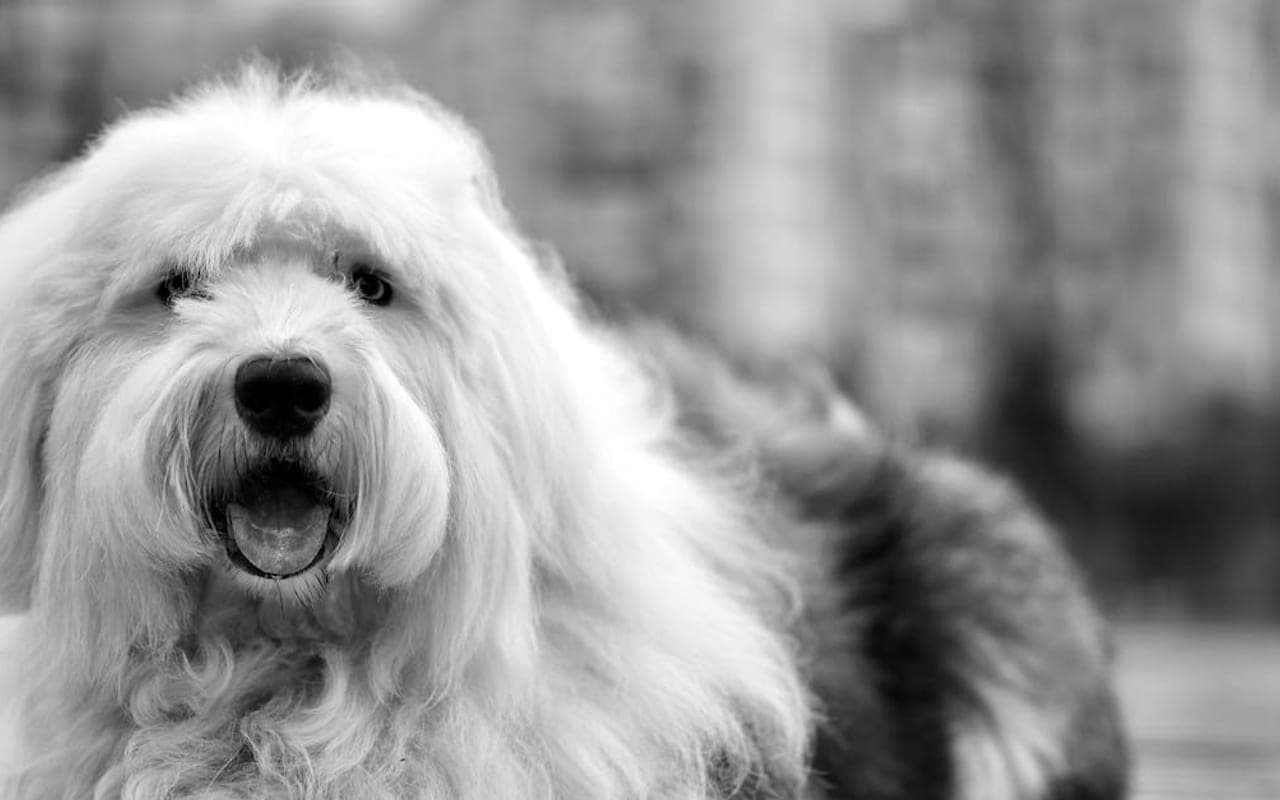
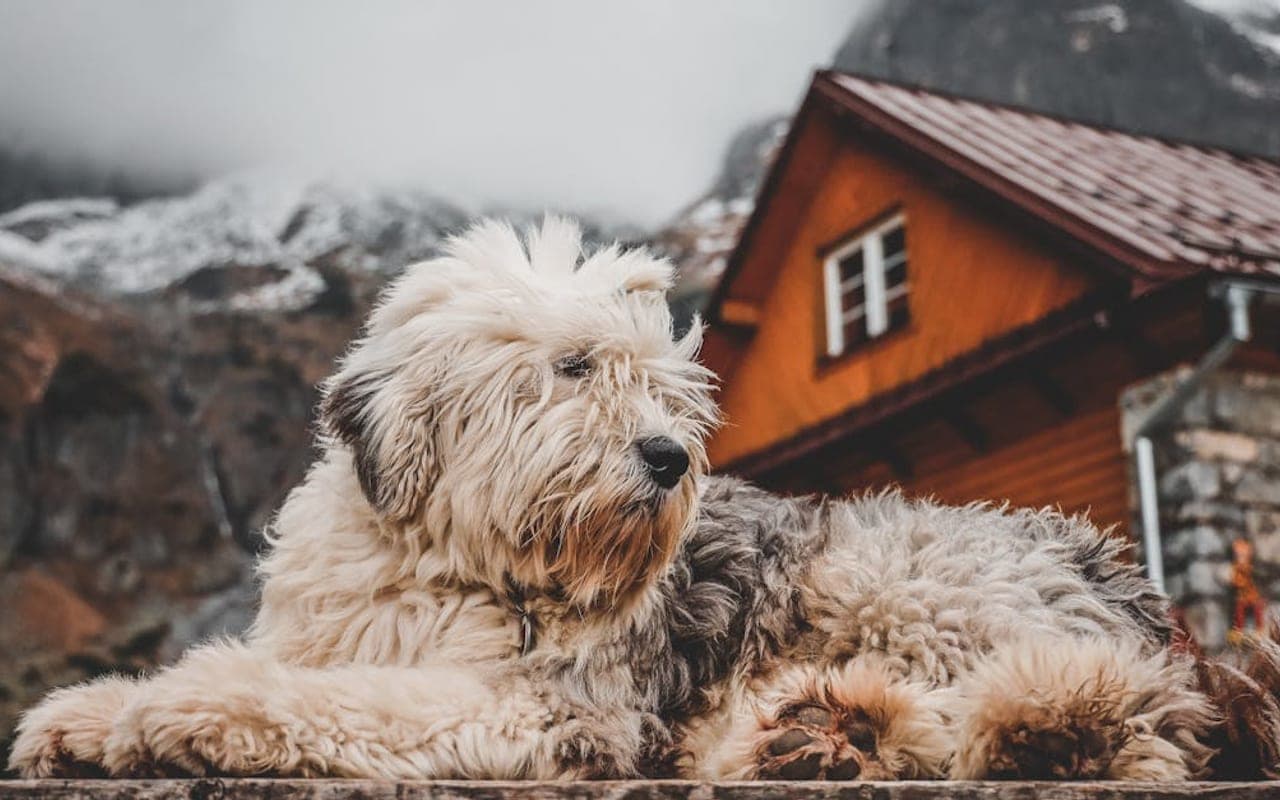
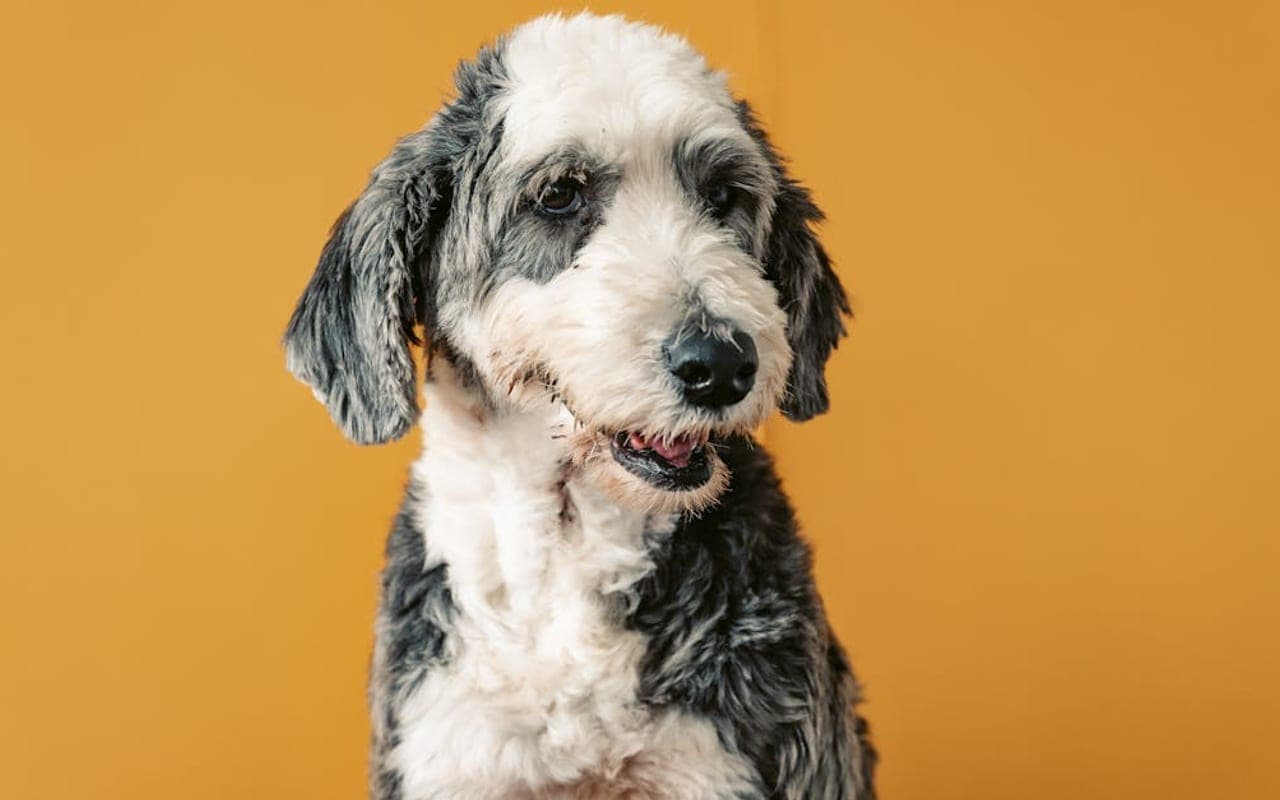
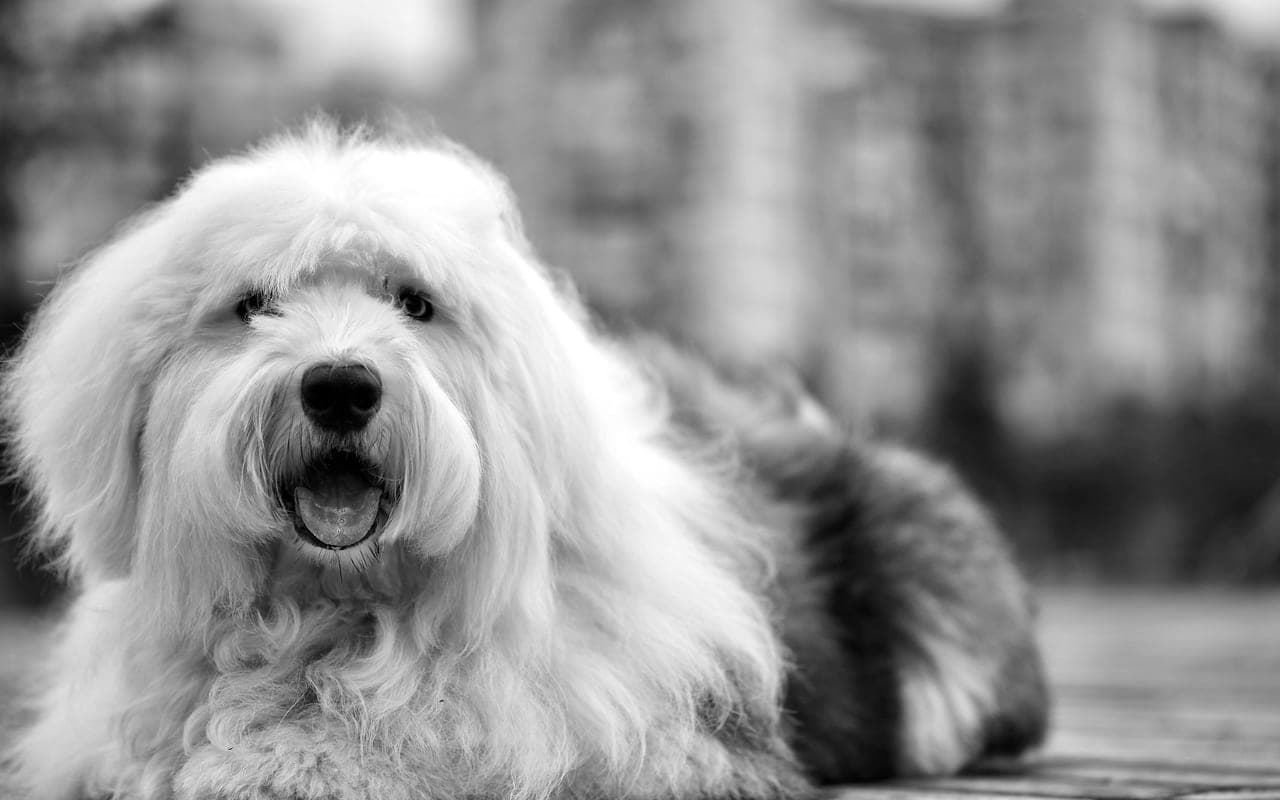
The Old English Sheepdog is a large (60-100+ pounds, 21-22+ inches), powerful herding drover behind the famous shaggy coat — and that coat is the single biggest reason people regret buying one.
Size
60-100 lb
Lifespan
10-12 years
Exercise
30-60 minutes
Shedding
Moderate
Experience
Match to owner routine
Decision first
Is a Old English Sheepdog right for you?
Start with fit before history or trivia. These are ownership signals, not guarantees about any individual dog.
Best suited for
- Households with children.
- Homes with other compatible pets.
- Apartment homes with a consistent routine.
- Owners seeking a manageable daily exercise routine.
Think carefully if
- You need a dog with almost no daily routine.
- You cannot keep up with grooming and preventive care.
- The dog will spend most days alone without support.
Conditional fit
Apartment fit depends on exercise, enrichment, noise management, and outdoor access.
Daily reality
Old English Sheepdog commitment snapshot
Daily exercise
30-60 minutes
Match activity to age, health, weather, and training goals.
Coat care
Moderate
Grooming needs vary by coat, shedding, and lifestyle.
Time alone
Needs planning
Most dogs need gradual alone-time conditioning and support.
Structured facts
Old English Sheepdog at a glance
The measurements and traits that most affect day-to-day life with this breed.
Group
Herding
Weight
60-100 lb
Height
21-24 in
Lifespan
10-12 years
Temperament
Adaptable | Gentle | Smart
View all characteristics and methodology
Lifestyle fit
- Apartment suitability
- Likely fit
- Child friendliness
- Often good, with socialisation and supervision
- Other-pet fit
- Often compatible with careful introductions
Owner commitment
- Exercise
- 30-60 minutes
- Grooming
- Moderate
- Shedding
- Moderate
- Training
- Moderate
Environment and health
- Health risk
- Needs planning
Ratings combine structured breed data, visible breed fields, and editorial context. They are planning aids, not predictions for an individual dog.
Daily life
Old English Sheepdog temperament and behavior
The Old English Sheepdog is a large (60-100+ pounds, 21-22+ inches), powerful herding drover behind the famous shaggy coat — and that coat is the single biggest reason people regret buying one. This is not a decorative shaggy dog; it is a strong, agile, intelligent working breed developed to drive cattle and sheep to market, and it carries the energy, the herding instinct, and the grooming burden of that job. Expect a profuse double coat that, kept long, requires hours of brushing every week and will pelt into a painful felted mat if neglected for even a couple of weeks. Most owners realize within a year that a short "kennel clip" every 6-8 weeks is the only sustainable choice — and the dog is just as wonderful clipped. Expect heavy seasonal shedding, a tendency to herd children and other pets by bumping or nudging, and a loud, distinctive ringing bark. Temperament is the breed's redemption: well-bred OES are friendly, gentle, adaptable, and good-humored, genuinely good with children, and steadier than most herding breeds. They are smart but can be willful, so training needs consistency and early socialization. Exercise needs are real but moderate — this is an athletic dog, not a hyper one, but a bored, under-exercised OES becomes destructive and noisy. Who the OES is right for: an active household with the time and budget for serious professional grooming (or commitment to a short clip), space for a big dog, and tolerance for shedding and herding behavior. Who it is wrong for: anyone who wants the look without the grooming reality, owners short on exercise time, neat-freaks, or first-time owners unprepared for a strong, willful 80-pound dog.
Adaptable | Gentle | Smart
Adaptable
A common Old English Sheepdog temperament descriptor that should be interpreted alongside training, exercise, and household fit.
Gentle
A common Old English Sheepdog temperament descriptor that should be interpreted alongside training, exercise, and household fit.
Smart
A common Old English Sheepdog temperament descriptor that should be interpreted alongside training, exercise, and household fit.
Owner note
Temperament labels are starting points, not guarantees. Meet the individual dog and ask about behavior history whenever possible.
Care essentials
How to care for a Old English Sheepdog
What looking after one actually involves: exercise, grooming, food, training, and routine health.
ExerciseAs needed
- Moderately active breed needing 30-60 minutes of daily exercise.
GroomingAs needed
- Brush 2-3 times per week.
TrainingAs needed
- Consistent, patient training works best.
NutritionAs needed
- Feed high-quality dog food appropriate for age, size, and activity level.
Veterinary CareAs needed
- Annual wellness exams, vaccinations, dental care, and parasite prevention.
Health planning
Old English Sheepdog health risks and screening
Every breed has individual health variation. Use this profile for planning and discuss medical decisions with a veterinarian.
Responsible ownership
Finding a Old English Sheepdog responsibly
What to ask a breeder or rescue is the same conversation for every breed, so we keep it in one place and keep it current.
Health documentation, meeting the parents or foster, contracts and return support, and the warning signs worth walking away from.
Original purpose
Old English Sheepdog history
History is useful when it explains today's behavior, coat, exercise needs, and training style.
Read the breed history
The Old English Sheepdog was developed in the west of England in the 18th and 19th centuries as a drover's dog — bred to drive cattle and sheep to market over long distances rather than to gather and hold flocks like a Border Collie. The breed's nickname, the "Bobtail," comes from the historical practice of docking the tail, reportedly to identify working drovers' dogs that were tax-exempt. It was built for stamina, weather resistance, and an even, biddable temperament suited to moving stock through towns and roads. The Old English Sheepdog was recognized by the American Kennel Club in 1888 and later became a fixture of advertising and film, which fueled demand that, as with many fashionable breeds, sometimes outpaced responsible breeding. The drover heritage explains the modern dog: the herding instinct (bumping and nudging), the protective coat, the stamina, and the steady, people-oriented temperament are all working inheritances.
Gallery
Old English Sheepdog photos
Images are cropped consistently and loaded progressively to keep the page responsive.
Lower-page context
Old English Sheepdogs in culture
Where the breed shows up in film, sport, work and folklore — the enjoyable part, once the practical questions are answered.
Fun facts
- The Old English Sheepdog belongs to the Herding Group.
- The average lifespan of a Old English Sheepdog is 10 to 12 years.
- Old English Sheepdog dogs are valued for their adaptable, gentle, smart nature.
Old English Sheepdog FAQs
How much grooming does an Old English Sheepdog really need?
More than almost anyone expects. A full coat requires several hours of line-brushing to the skin every single week or it mats into a painful felted pelt within 2-3 weeks that often must be shaved off. The realistic, humane choice for most pet homes is a short kennel clip professionally maintained every 6-8 weeks at roughly $90-$150+ per visit. Budget that money and time before you buy — under-grooming an OES is a genuine welfare problem, not a cosmetic one.
How long do Old English Sheepdogs live?
Typically 10-12 years, which is normal for a large breed but shorter than many owners hope for given the dog's playful nature. Lifespan is most often limited by orthopedic disease (hip and elbow dysplasia and the arthritis that follows), immune-mediated blood disorders, certain cancers, and bloat. The practical levers are buying from a breeder who screens hips, elbows, eyes, and runs the breed's available DNA tests, keeping the dog lean from puppyhood through old age, and knowing the emergency signs of bloat cold so it is treated within the narrow window that survival actually depends on.
Are Old English Sheepdogs good with children?
Yes — a well-bred, well-socialized OES is one of the more genuinely child-friendly large breeds: gentle, patient, tolerant, and steady. The one caveat is herding instinct: the dog may try to bump, nudge, or circle running children to "move" them, which can knock over a toddler. Supervise, redirect the herding with training and exercise, and the breed is an excellent family dog. Its size alone means young children should always be supervised around it.
Do you have to shave an Old English Sheepdog in summer?
You can keep it in a short clip year-round, but never shave it down to the skin. The dense double coat insulates against heat as well as cold, and shaving to bare skin removes that protection, risks sunburn, and can damage how the coat regrows. Keep at least a half-inch in a kennel clip, exercise in the cool parts of the day, provide shade and water, and watch closely for overheating — heat is a real risk for this breed.
Are Old English Sheepdogs hyperactive or hard to train?
Neither, with context. They are athletic and need about an hour of daily exercise and mental work, but they are calmer and steadier than most herding breeds — not hyper. They are intelligent but can be independent and willful, so training succeeds with early socialization, consistency, and positive methods rather than repetition or force. An under-exercised, under-trained OES becomes destructive and noisy, so the workload is real even though the temperament is easygoing.
Sources
These are the published sources this page draws on. Each opens in a new tab so you can check it yourself.
American Kennel Club
Old English Sheepdog — breed standard and profile(opens in a new tab)Supports: Breed standard and recognition details.
Similar breeds to consider
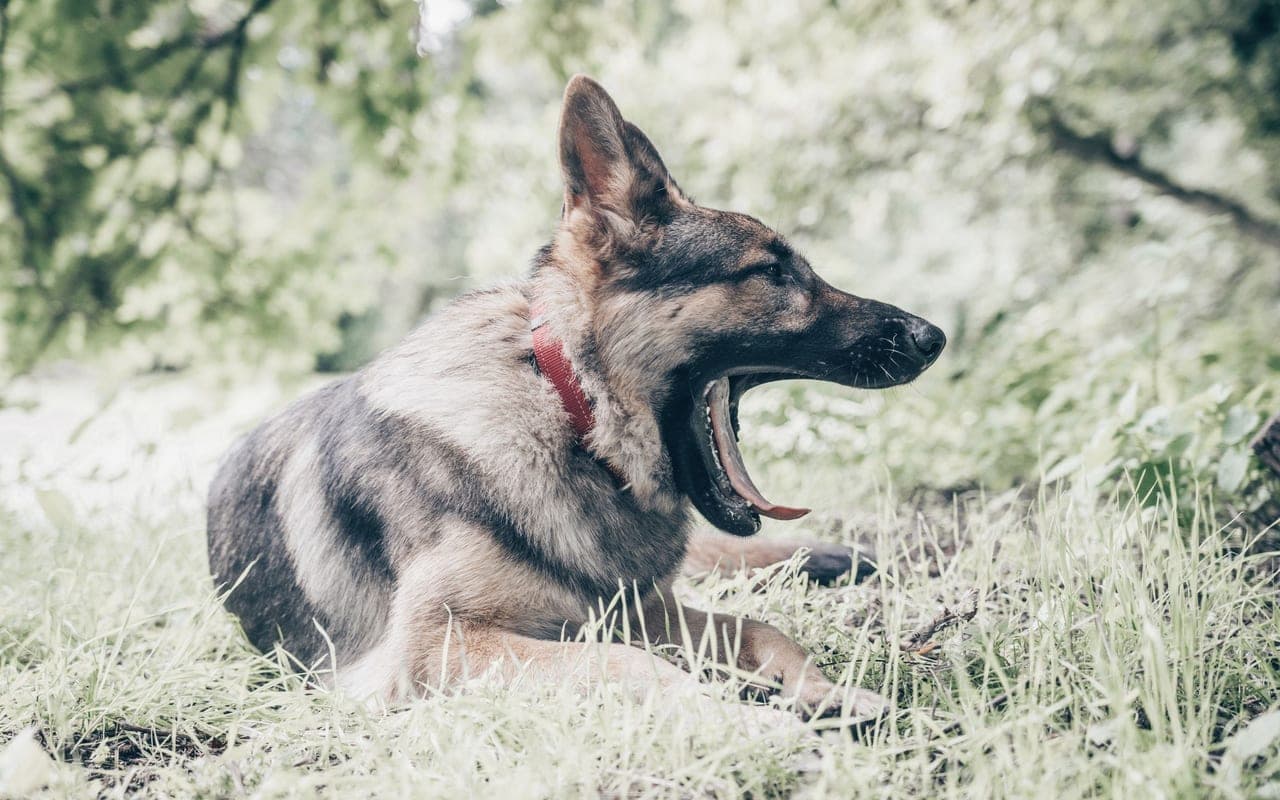
German Shepherd
Also in the Herding group, with different care and temperament tradeoffs.
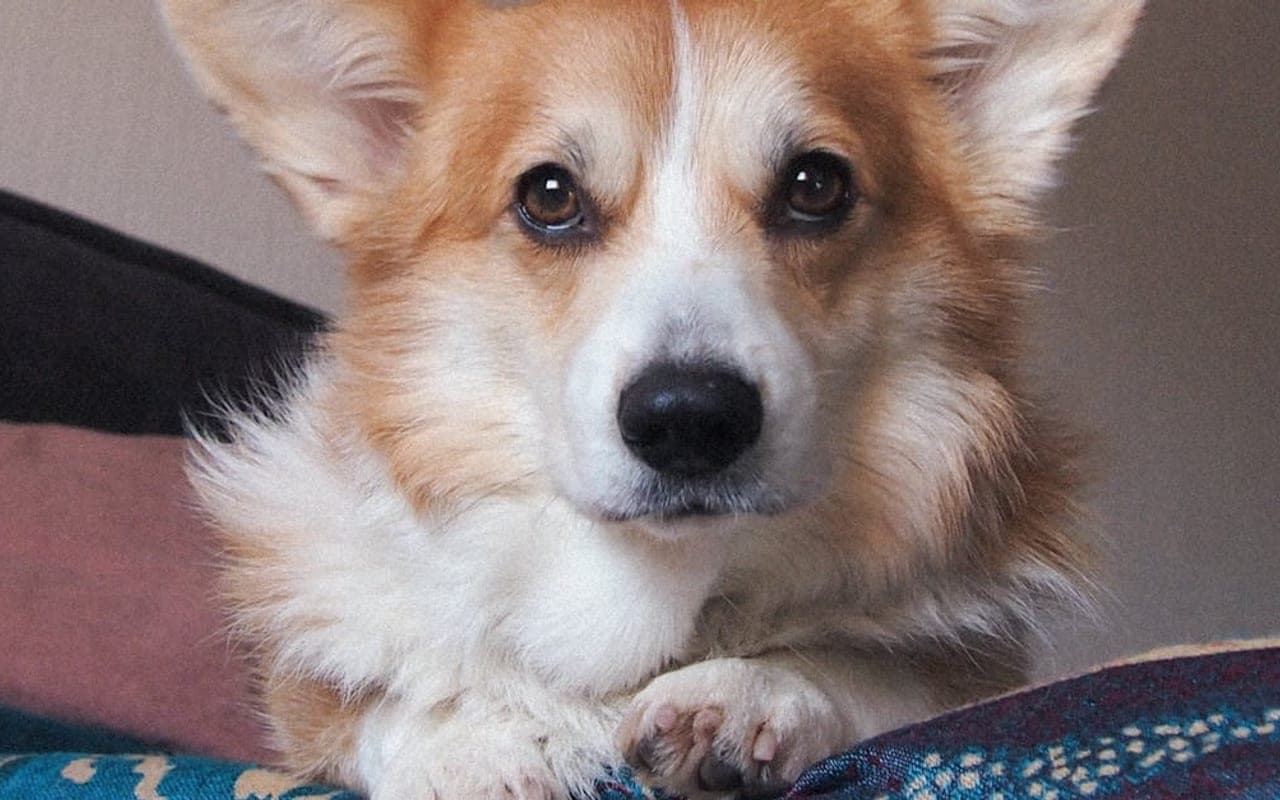
Pembroke Welsh Corgi
Also in the Herding group, with different care and temperament tradeoffs.
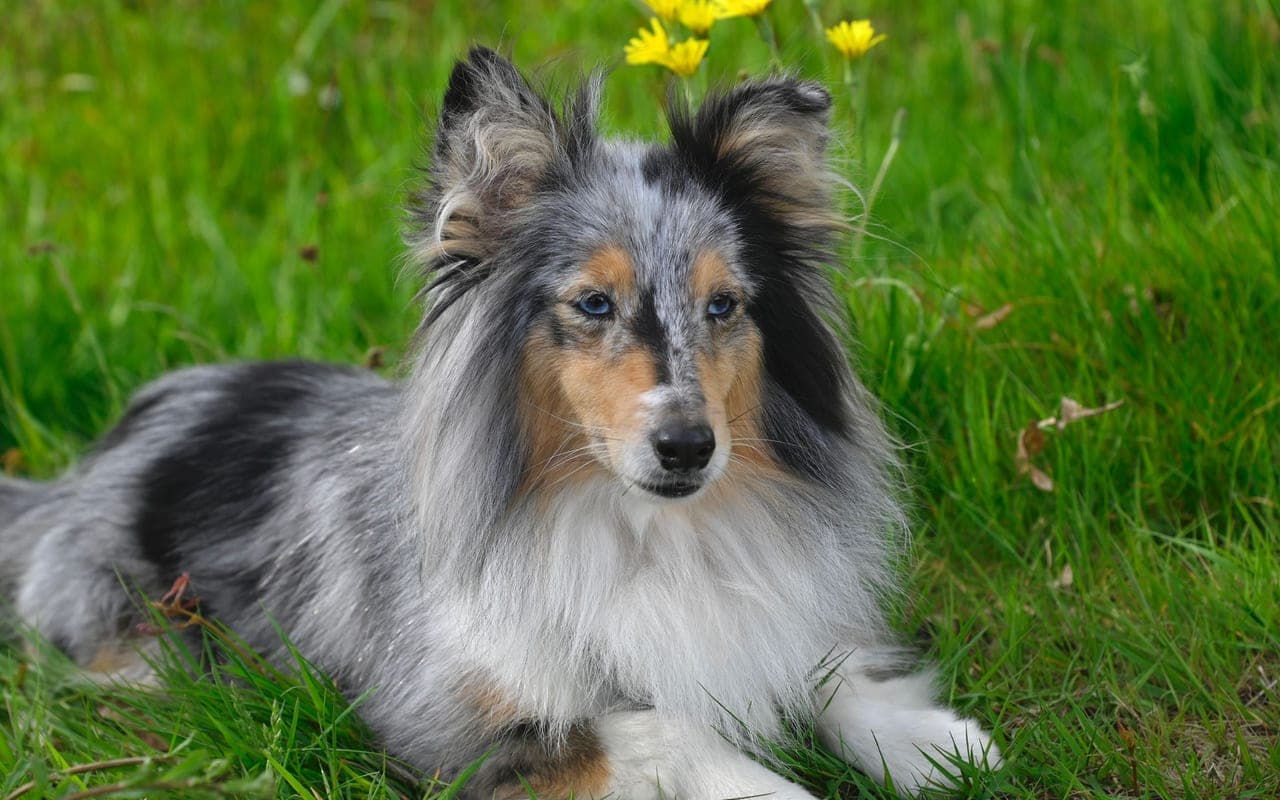
Shetland Sheepdog
Also in the Herding group, with different care and temperament tradeoffs.
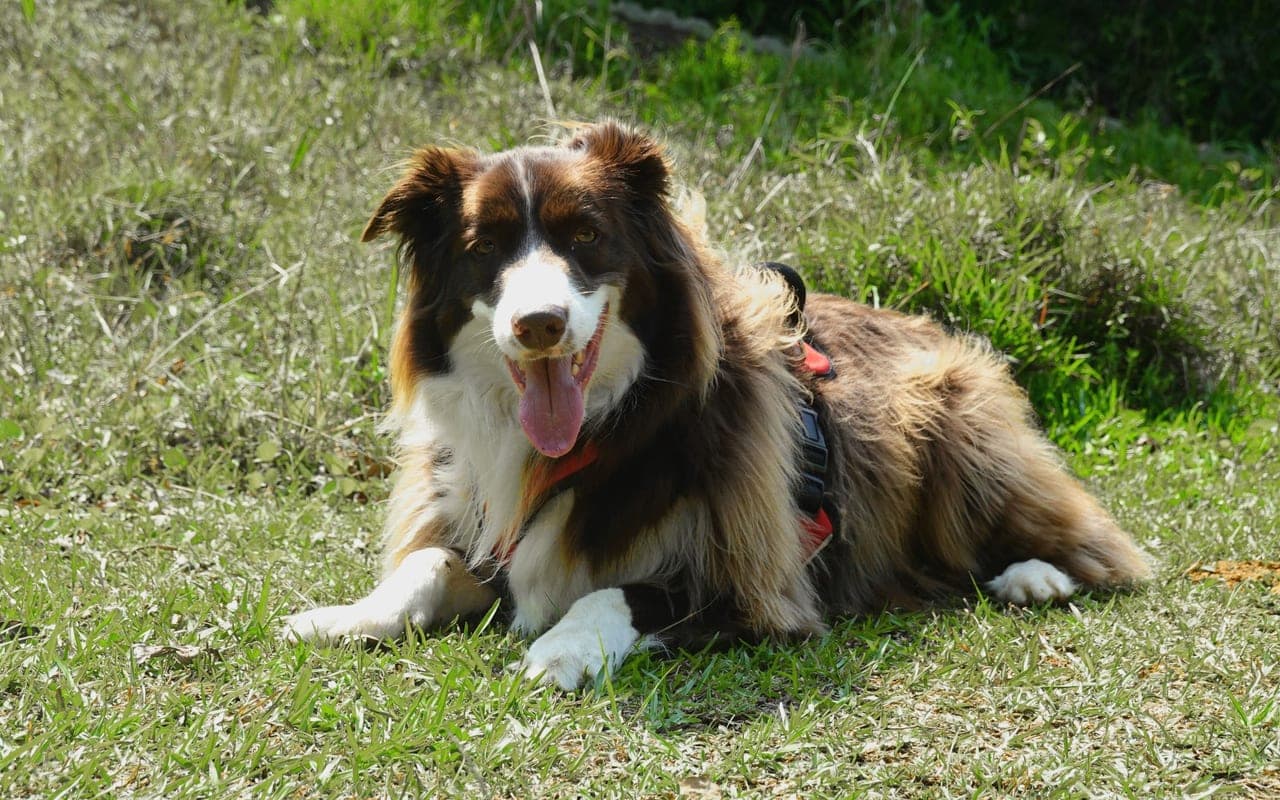
Border Collie
Also in the Herding group, with different care and temperament tradeoffs.
Explore More About Old English Sheepdog
Dive deeper into everything Old English Sheepdog — costs, care, and expert insights.
Considering a cat instead?
Browse Cats