
Hound group
Otterhound
The Otterhound is one of the rarest dog breeds on earth — fewer than 1,000 are thought to exist worldwide — and that scarcity, plus its size and needs, is the headline any honest profile has to lead with.
Size
65-115 lb
Lifespan
10-13 years
Exercise
30-60 minutes
Shedding
Moderate
Experience
Match to owner routine
Decision first
Is a Otterhound right for you?
Start with fit before history or trivia. These are ownership signals, not guarantees about any individual dog.
Best suited for
- Households with children.
- Homes with other compatible pets.
- Owners seeking a manageable daily exercise routine.
Think carefully if
- You need a dog with almost no daily routine.
- You cannot keep up with grooming and preventive care.
- The dog will spend most days alone without support.
Conditional fit
Apartment living may be difficult unless the owner can meet the breed's exercise, training, and space needs.
Daily reality
Otterhound commitment snapshot
Daily exercise
30-60 minutes
Match activity to age, health, weather, and training goals.
Coat care
Moderate
Grooming needs vary by coat, shedding, and lifestyle.
Time alone
Needs planning
Most dogs need gradual alone-time conditioning and support.
Structured facts
Otterhound at a glance
The measurements and traits that most affect day-to-day life with this breed.
Group
Hound
Weight
65-115 lb
Height
23-27 in
Lifespan
10-13 years
Temperament
Even-Tempered | Amiable | Boisterous
View all characteristics and methodology
Lifestyle fit
- Apartment suitability
- Needs caution
- Child friendliness
- Often good, with socialisation and supervision
- Other-pet fit
- Often compatible with careful introductions
Owner commitment
- Exercise
- 30-60 minutes
- Grooming
- Moderate
- Shedding
- Moderate
- Training
- Moderate
Environment and health
- Health risk
- Needs planning
Ratings combine structured breed data, visible breed fields, and editorial context. They are planning aids, not predictions for an individual dog.
Daily life
Otterhound temperament and behavior
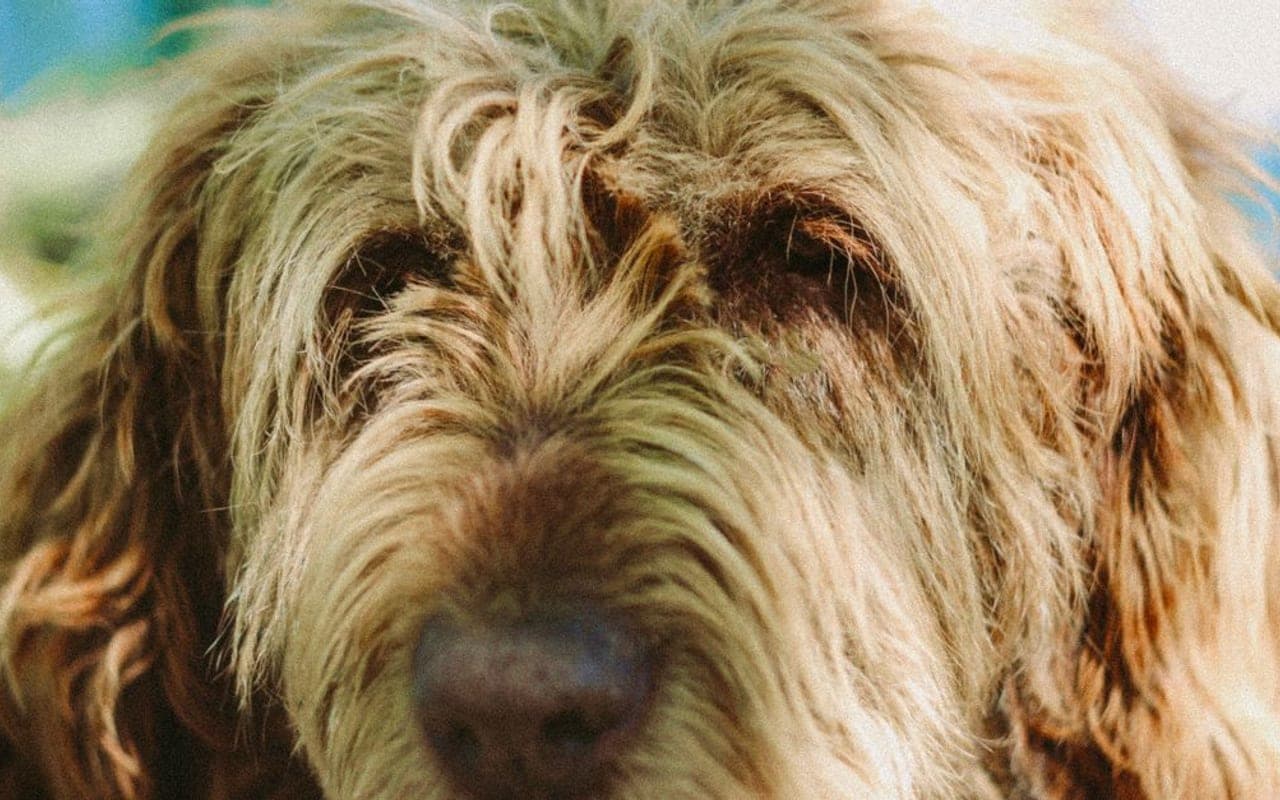
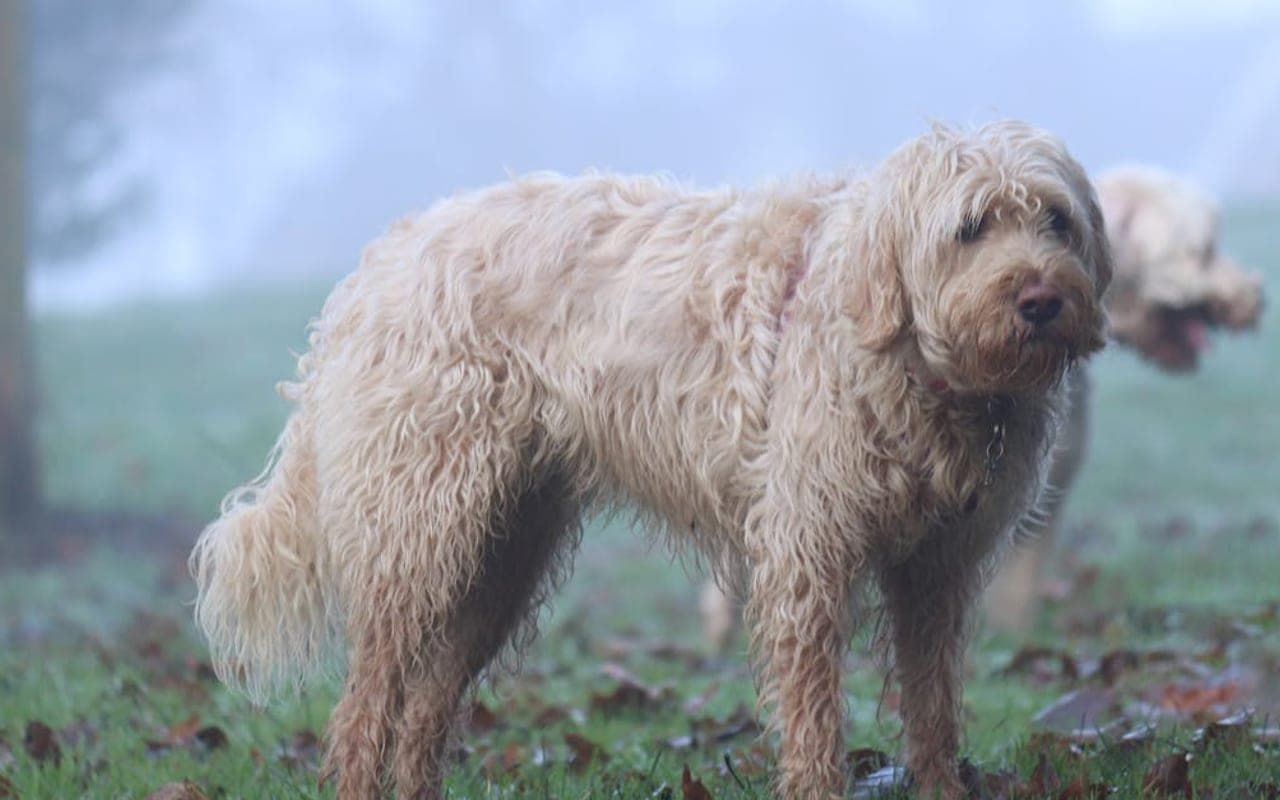
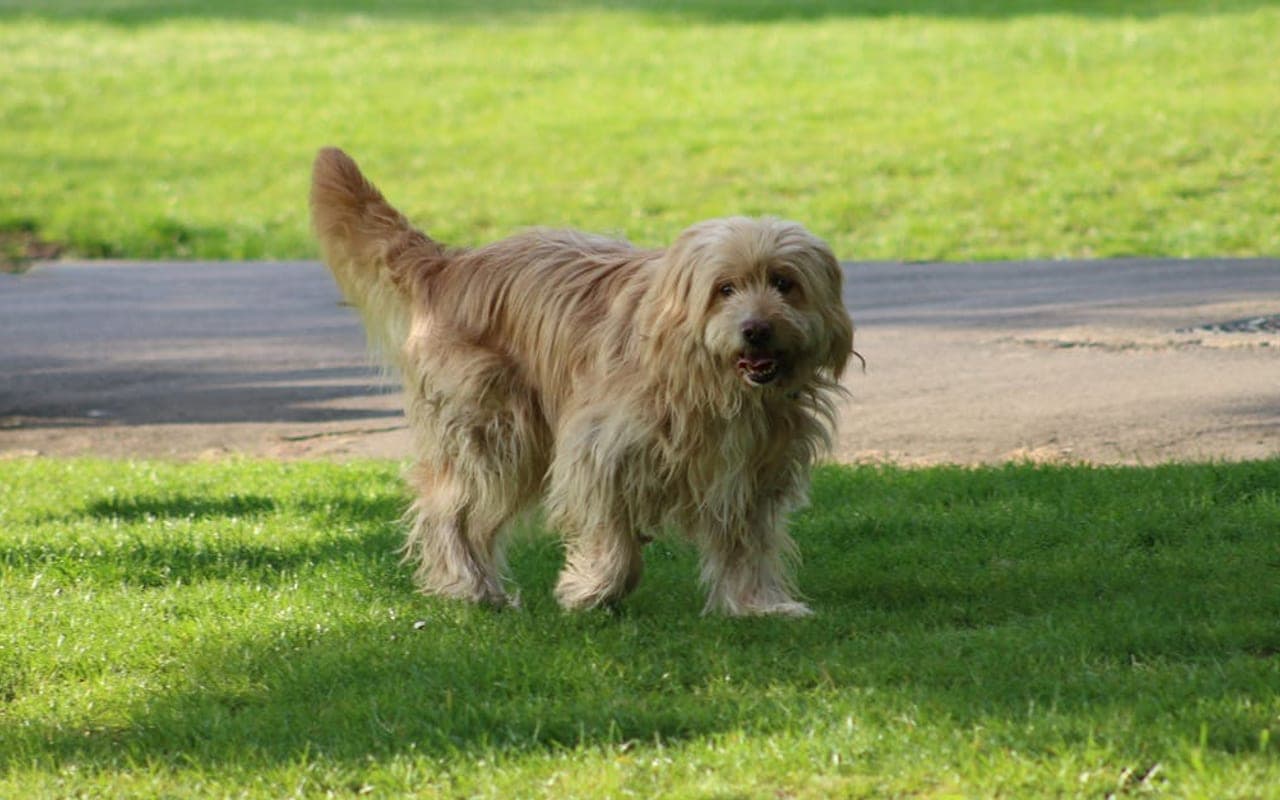
The Otterhound is one of the rarest dog breeds on earth — fewer than 1,000 are thought to exist worldwide — and that scarcity, plus its size and needs, is the headline any honest profile has to lead with. This is a large, shaggy, scenthound bred in medieval England to hunt otters in cold rivers, and almost everything about it traces back to that job: a 65-115 lb dog with a rough, oily, weatherproof double coat, fully webbed feet, a deep chest for all-day swimming, and a nose so powerful it could follow a 'wash' (an underwater scent trail) hours old. Temperament is genuinely lovable: even-tempered, amiable, boisterous, and affectionate with family and other dogs. But the Otterhound is a pack scenthound, not a companion breed dressed up as one. It is loud — the deep bay carries for a long distance and will not endear you to close neighbors. It is independent and slow to housetrain. Off-leash recall near an interesting scent is unreliable for life; the nose overrides training. It needs a securely fenced yard (it can climb and dig) and 60-90 minutes of real exercise daily, ideally including swimming. Who the Otterhound is right for: an experienced, active owner with a fenced rural or suburban property, tolerance for noise, mess (the coat traps water and mud, and they drool), and the patience to special-source a puppy from a tiny gene pool — often a multi-year wait. Who it is wrong for: apartment dwellers, first-time owners, anyone wanting a biddable off-leash dog, the house-proud, or anyone expecting a quiet dog. The Otterhound rewards the right home enormously and frustrates the wrong one daily — be honest about which you are before you join a waitlist.
Even-Tempered | Amiable | Boisterous
Even-Tempered
A common Otterhound temperament descriptor that should be interpreted alongside training, exercise, and household fit.
Amiable
A common Otterhound temperament descriptor that should be interpreted alongside training, exercise, and household fit.
Boisterous
A common Otterhound temperament descriptor that should be interpreted alongside training, exercise, and household fit.
Owner note
Temperament labels are starting points, not guarantees. Meet the individual dog and ask about behavior history whenever possible.
Care essentials
How to care for a Otterhound
What looking after one actually involves: exercise, grooming, food, training, and routine health.
ExerciseAs needed
- Moderately active breed needing 30-60 minutes of daily exercise.
GroomingAs needed
- Brush 2-3 times per week.
TrainingAs needed
- Consistent, patient training works best.
NutritionAs needed
- Feed high-quality dog food appropriate for age, size, and activity level.
Veterinary CareAs needed
- Annual wellness exams, vaccinations, dental care, and parasite prevention.
Health planning
Otterhound health risks and screening
Every breed has individual health variation. Use this profile for planning and discuss medical decisions with a veterinarian.
Responsible ownership
Finding a Otterhound responsibly
What to ask a breeder or rescue is the same conversation for every breed, so we keep it in one place and keep it current.
Health documentation, meeting the parents or foster, contracts and return support, and the warning signs worth walking away from.
Original purpose
Otterhound history
History is useful when it explains today's behavior, coat, exercise needs, and training style.
Read the breed history
The Otterhound was developed in medieval England specifically to hunt otters, which in earlier centuries were considered pests that depleted fish stocks in rivers used for food. Packs of Otterhounds, worked by huntsmen on foot, would follow an otter's underwater scent trail along riverbanks — a task demanding a weatherproof coat, webbed feet, swimming stamina, and an exceptional nose. The breed is old, with references to otter-hunting hounds going back to at least the 12th century, and English monarchs from King John onward kept them. Otter hunting was a popular field sport into the 20th century. When the otter became a protected species in the United Kingdom in 1978, the breed's working purpose vanished almost overnight, and numbers collapsed. The Otterhound never had a large companion following to fall back on, which is why it remains one of the most endangered native dog breeds in the UK and is classed as vulnerable. Its survival now depends on a small, committed community of breeders working from a very limited gene pool.
Gallery
Otterhound photos
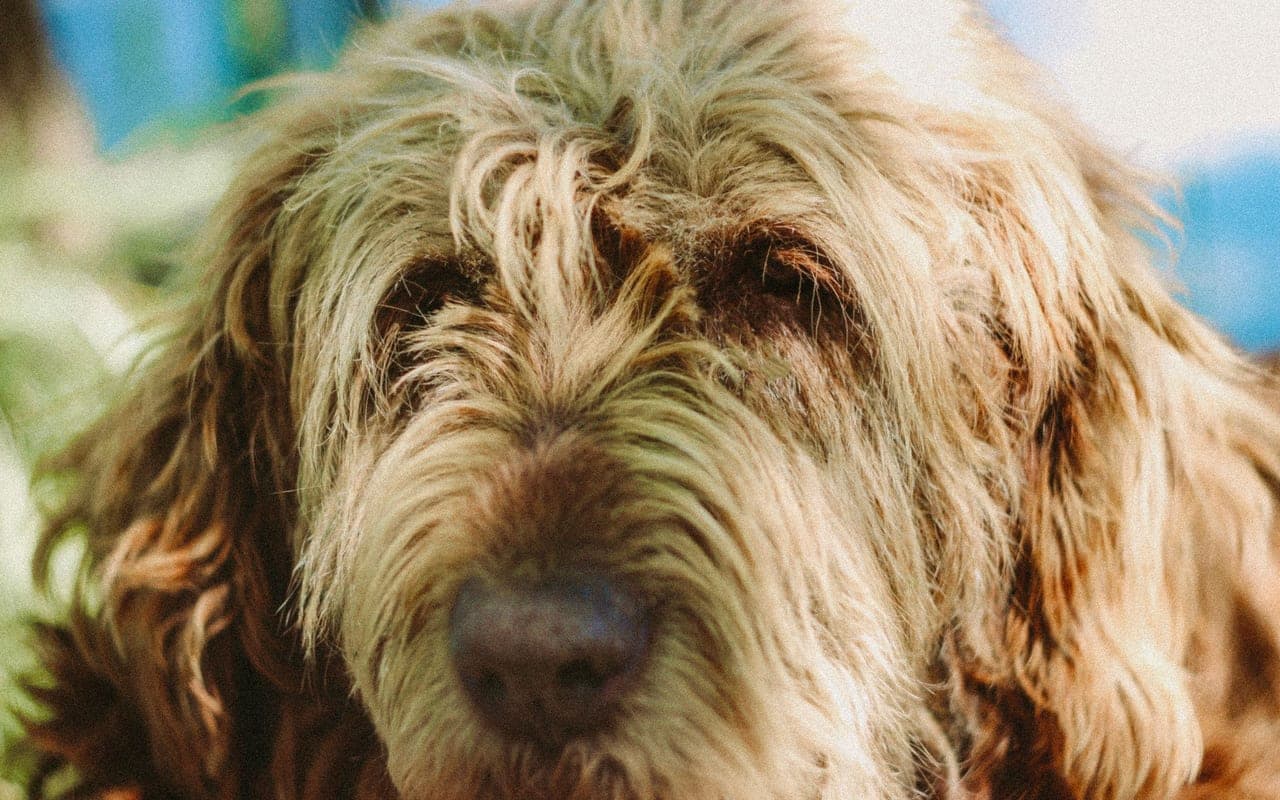
Images are cropped consistently and loaded progressively to keep the page responsive.
Lower-page context
Otterhounds in culture
Where the breed shows up in film, sport, work and folklore — the enjoyable part, once the practical questions are answered.
Fun facts
- The Otterhound belongs to the Hound Group.
- The average lifespan of a Otterhound is 10 to 13 years.
- Otterhound dogs are valued for their even-tempered, amiable, boisterous nature.
Otterhound FAQs
How long do Otterhounds live, and what usually limits it?
An Otterhound typically lives 10-13 years. The factors that most often shorten that are hip arthritis worsened by excess weight, and bloat (GDV), which can kill a healthy dog in under an hour without emergency surgery. Lifespan in this breed is heavily influenced by keeping the dog lean and by buying from health-screened parents — a heavy, unscreened Otterhound has a meaningfully harder and shorter old age than a lean, well-bred one.
Why is the Otterhound so hard to find, and what does that mean for buyers?
Otter hunting was banned in the UK in 1978, the breed's only job disappeared, and it never had a pet following to sustain numbers — fewer than 1,000 exist worldwide today. Practically, that means waitlists of one to several years, very limited choice of breeder, a small gene pool, and you should expect to travel and to ask directly for hip and Glanzmann thrombasthenia screening paperwork. Treat any 'available now, no questions' Otterhound puppy as a red flag.
Is the Otterhound a good family dog?
Yes, temperamentally — they are even-tempered, amiable, boisterous, and generally good with children and other dogs. The caveats are practical, not behavioral: their size and bounce can knock over toddlers, they are loud baying hounds, and they need 60-90 minutes of daily exercise plus a securely fenced yard. They suit an active family with space and noise tolerance, not a quiet apartment household.
Can an Otterhound be let off-leash?
Realistically, no — not in unsecured areas. The Otterhound was bred to lock onto a scent trail and follow it for miles, and that drive overrides recall training for life. Even a well-trained adult will ignore you when it hits an interesting scent. Plan for on-lead walks, a securely fenced yard (they climb and dig), and off-lead freedom only in fully enclosed spaces. This is a permanent management requirement, not a training failure.
How much grooming and mess should I budget for?
Plan on 20-30 minutes of thorough brushing 1-2 times a week to control matting behind the ears, in the beard, and on the legs, plus a bath every 2-3 months. Do not shave the coat — it is functional weatherproofing. The hidden cost most owners underestimate is the wet, muddy, drippy beard after every drink and every swim, plus general drool — this is not a clean breed, and a house-proud owner will be frustrated by it daily.
Do Otterhounds really need to swim?
They do not strictly need water, but swimming is the single best exercise for the breed: it satisfies the strong instinctive drive, burns their considerable stamina, and is low-impact on hip joints that are already at elevated dysplasia risk. If you have safe water access, 30-45 minutes of swimming substitutes well for a long walk. Always rinse and dry the ears afterward, since the heavy hairy ears trap moisture and the breed is prone to chronic ear infections.
Sources
These are the published sources this page draws on. Each opens in a new tab so you can check it yourself.
American Kennel Club
Otterhound — breed standard and profile(opens in a new tab)Supports: Breed standard and recognition details.
Similar breeds to consider
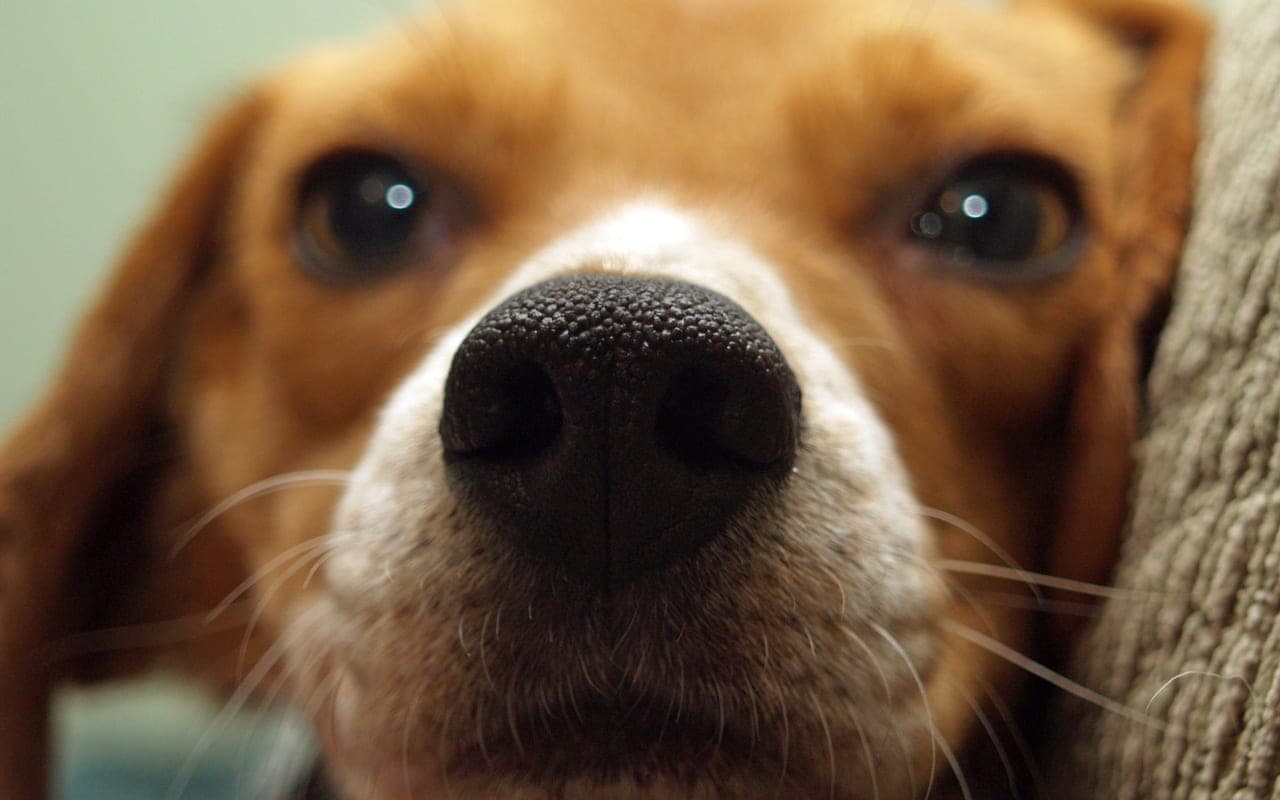
Beagle
Also in the Hound group, with different care and temperament tradeoffs.
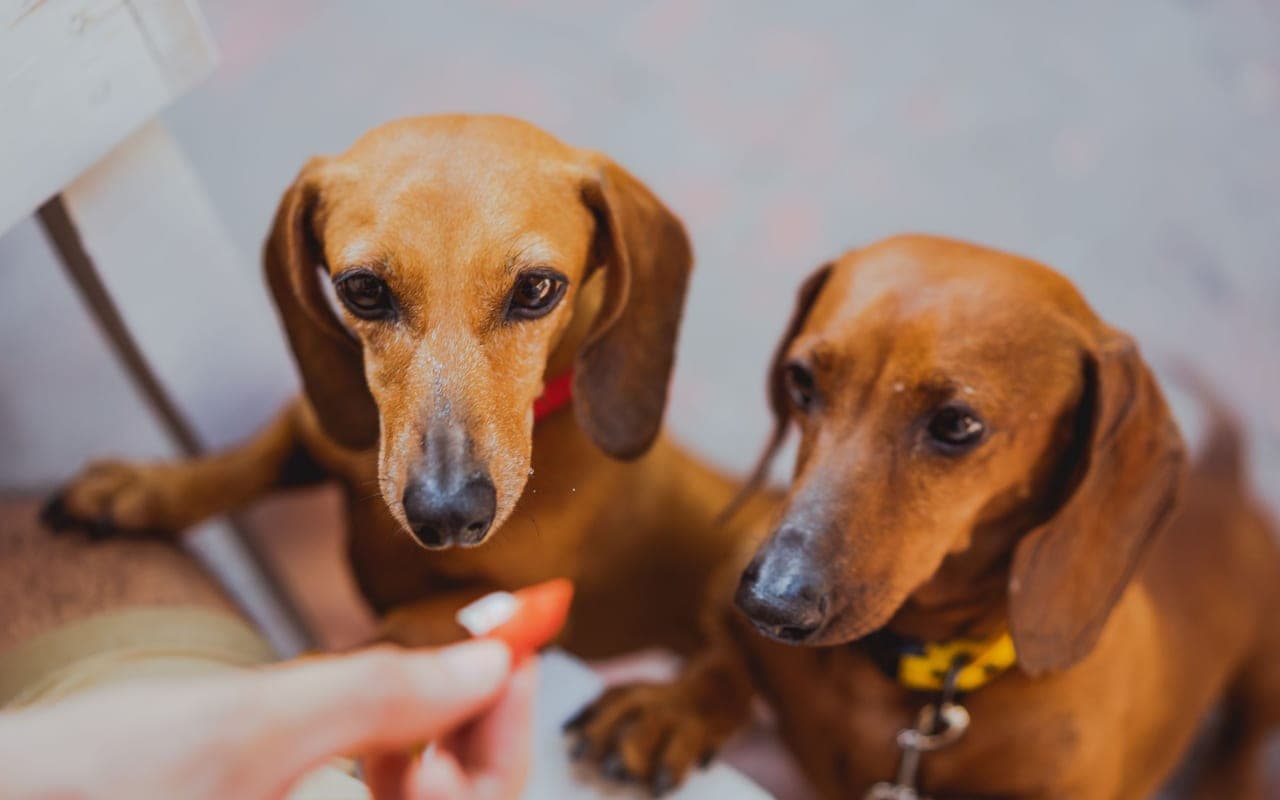
Dachshund
Also in the Hound group, with different care and temperament tradeoffs.
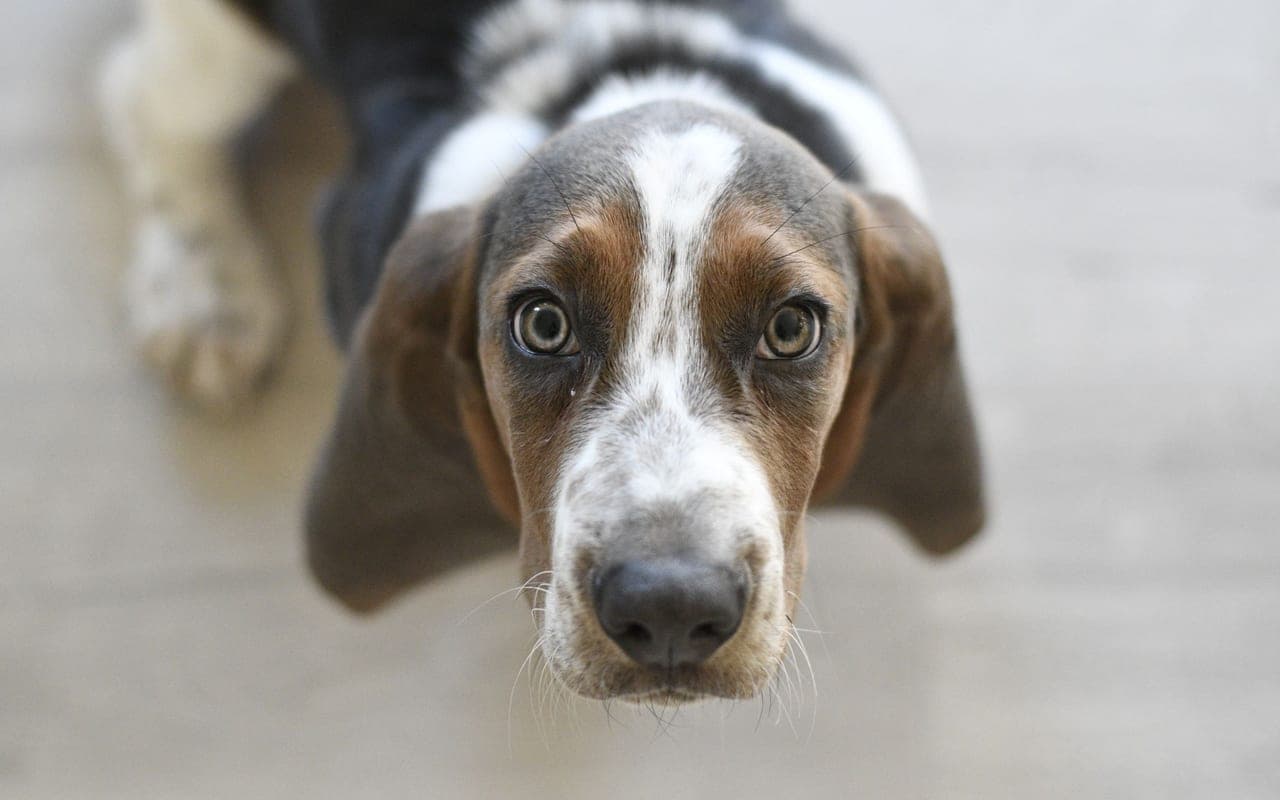
Basset Hound
Also in the Hound group, with different care and temperament tradeoffs.
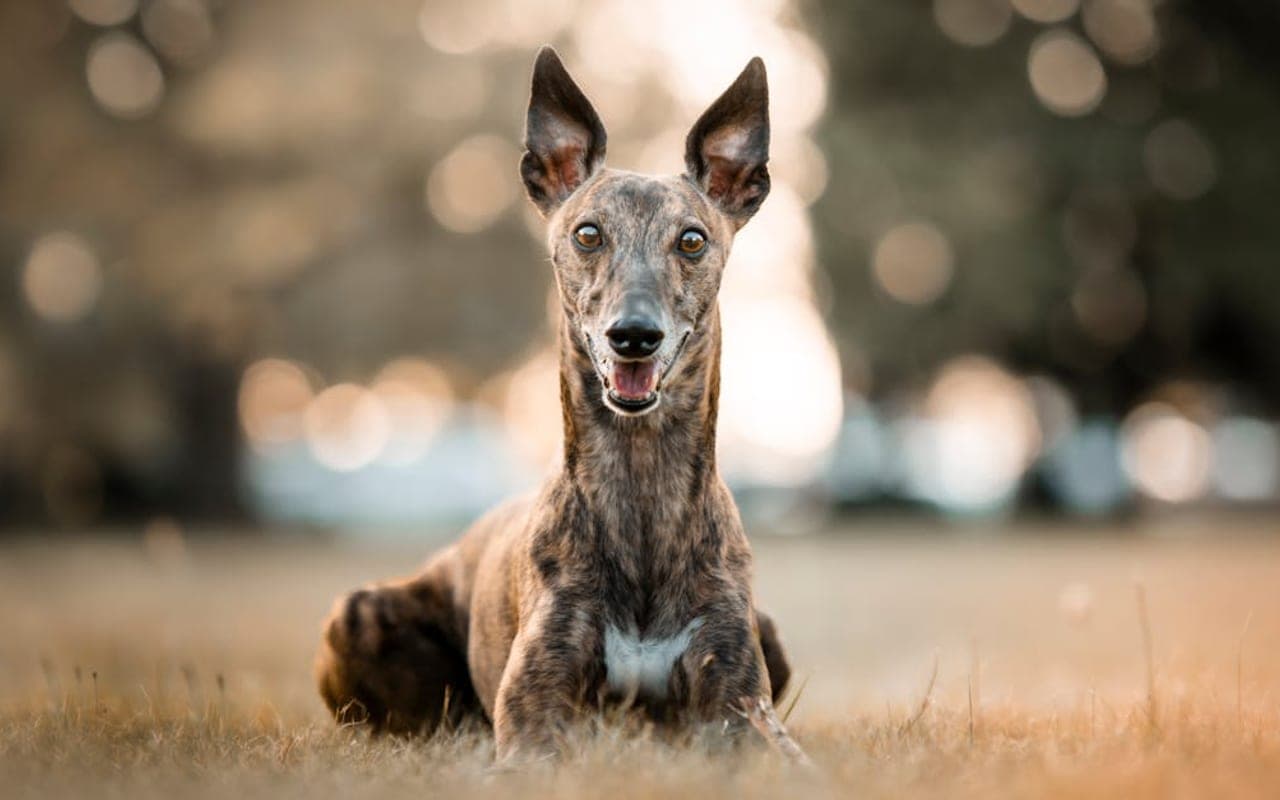
Greyhound
Also in the Hound group, with different care and temperament tradeoffs.
Explore More About Otterhound
Dive deeper into everything Otterhound — costs, care, and expert insights.
Large Dog Care Guide: Everything Over 50 lbs
Owning a large or giant breed dog means accepting one of biology's...
Puppy Teething & Biting: Timeline and What Actually Works
A puppy has all 28 deciduous ("baby") teeth by roughly eight weeks of age, and...
Considering a cat instead?
Browse Cats