
Toy group
Papillon
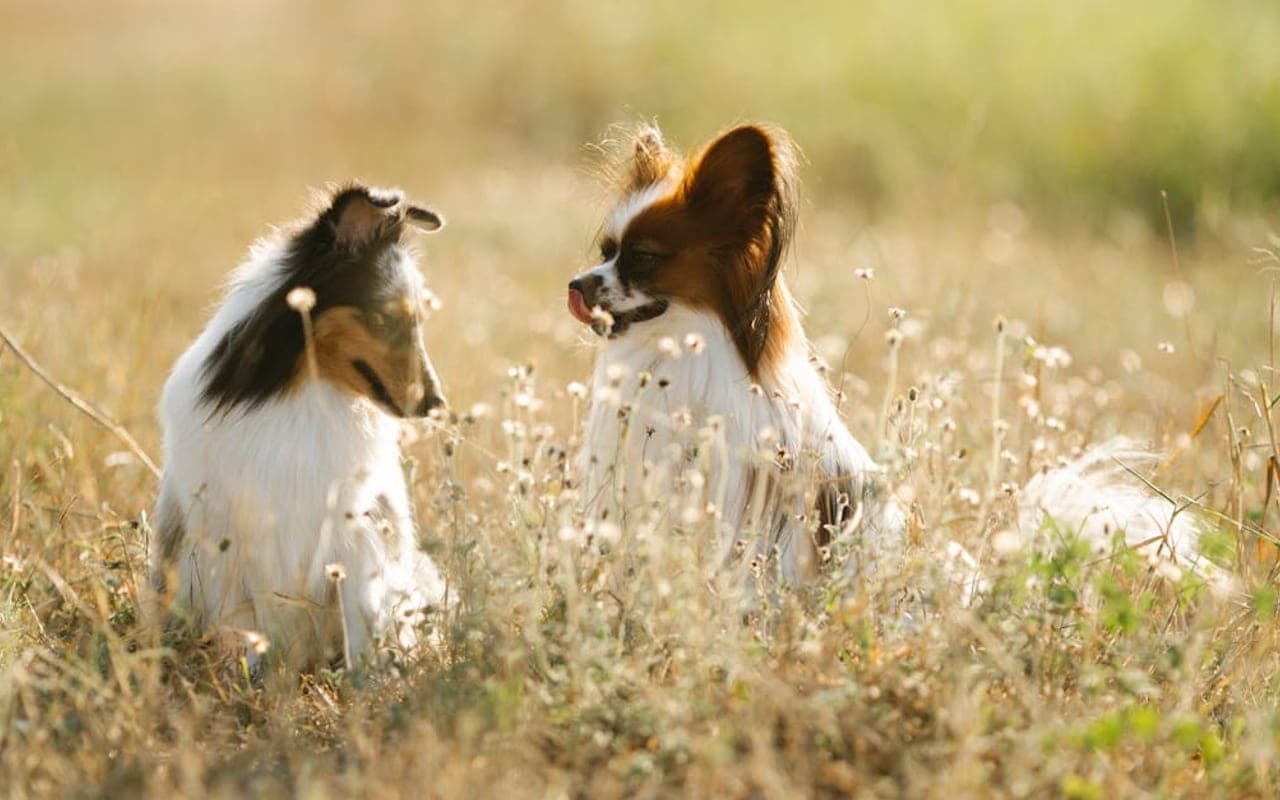
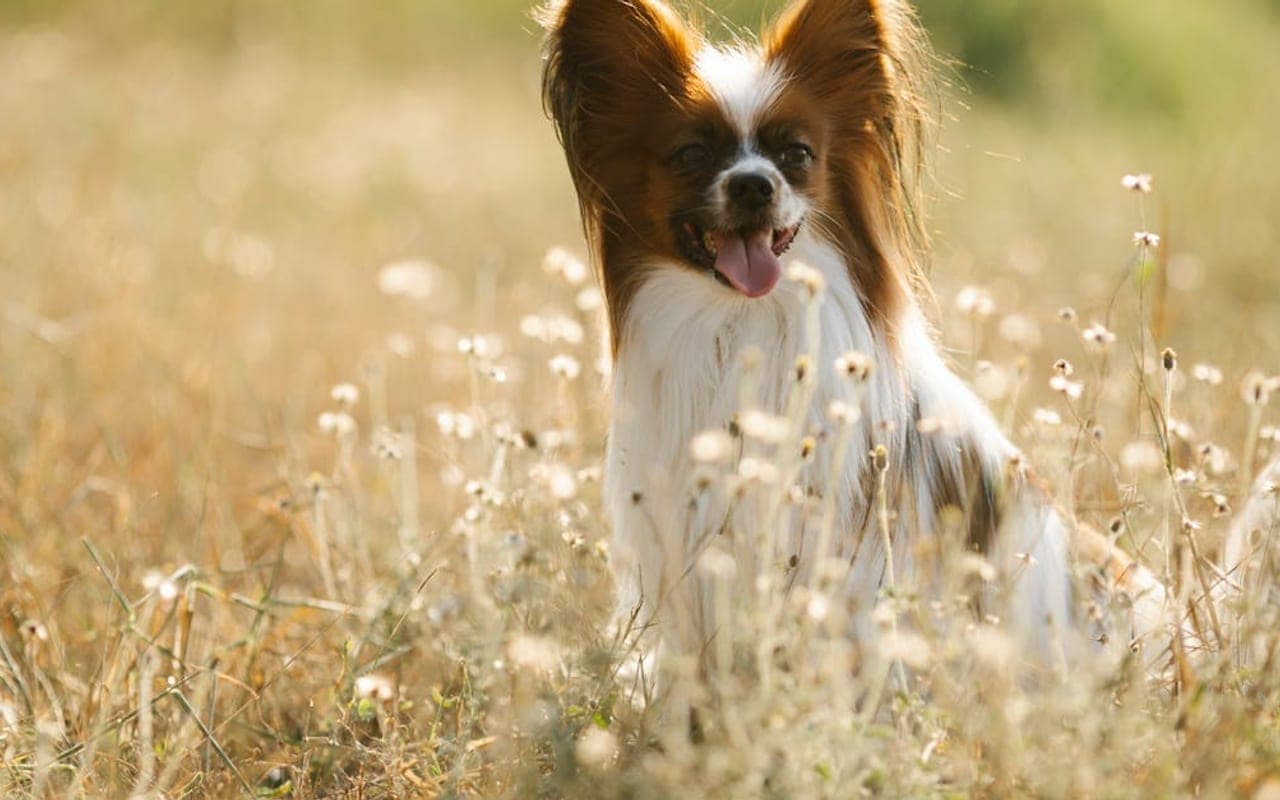
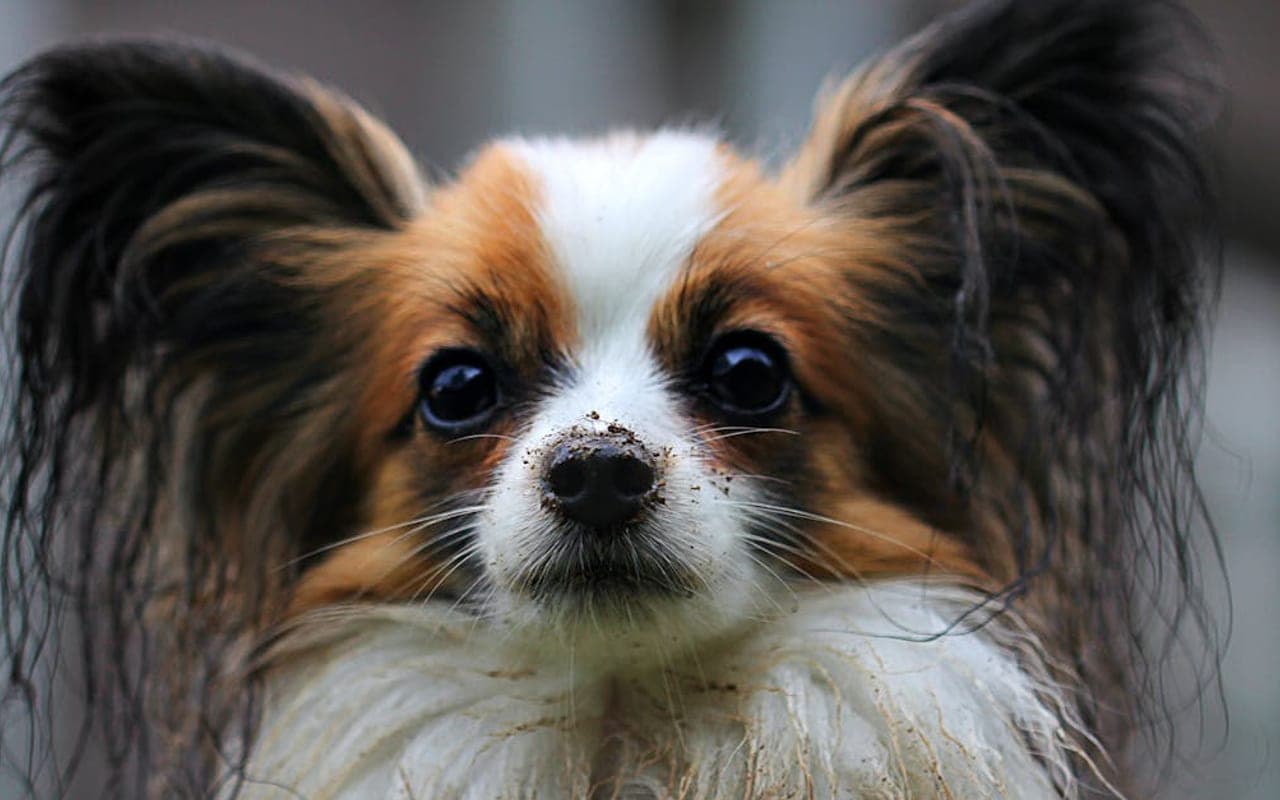
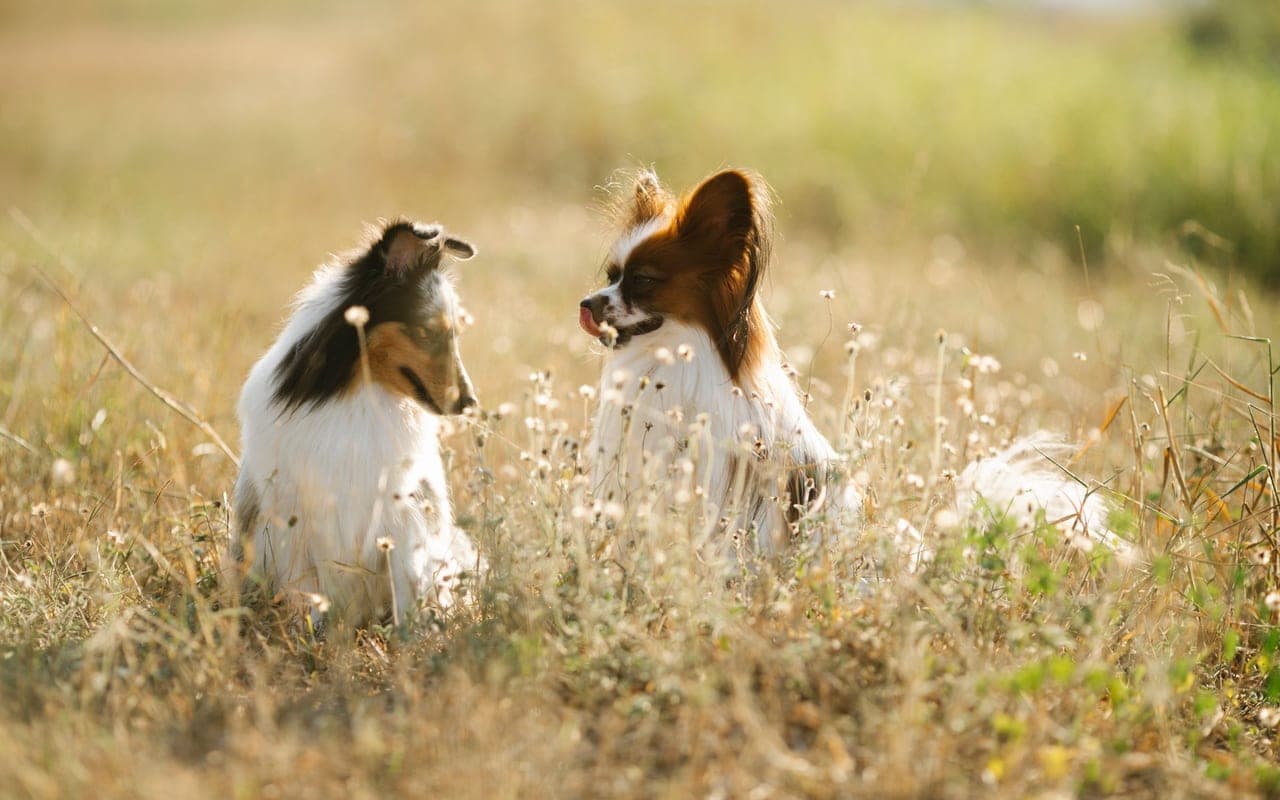
The Papillon is a fine-boned toy dog of 5-10 lb standing 8-11 inches at the shoulder, named for the large, fringed, butterfly-shaped ears ('papillon' is French for butterfly).
Size
5-10 lb
Lifespan
14-16 years
Exercise
30-60 minutes
Shedding
Moderate
Experience
Match to owner routine
Decision first
Is a Papillon right for you?
Start with fit before history or trivia. These are ownership signals, not guarantees about any individual dog.
Best suited for
- Apartment homes with a consistent routine.
- Owners seeking a manageable daily exercise routine.
Think carefully if
- You need a dog with almost no daily routine.
- You cannot keep up with grooming and preventive care.
- The dog will spend most days alone without support.
Conditional fit
Apartment fit depends on exercise, enrichment, noise management, and outdoor access.
Daily reality
Papillon commitment snapshot
Daily exercise
30-60 minutes
Match activity to age, health, weather, and training goals.
Coat care
Moderate
Grooming needs vary by coat, shedding, and lifestyle.
Time alone
Needs planning
Most dogs need gradual alone-time conditioning and support.
Structured facts
Papillon at a glance
The measurements and traits that most affect day-to-day life with this breed.
Group
Toy
Weight
5-10 lb
Height
8-11 in
Lifespan
14-16 years
Temperament
Friendly | Alert | Happy
View all characteristics and methodology
Lifestyle fit
- Apartment suitability
- Likely fit
Owner commitment
- Exercise
- 30-60 minutes
- Grooming
- Moderate
- Shedding
- Moderate
- Training
- Low
Environment and health
- Health risk
- Needs planning
Ratings combine structured breed data, visible breed fields, and editorial context. They are planning aids, not predictions for an individual dog.
Daily life
Papillon temperament and behavior
The Papillon is a fine-boned toy dog of 5-10 lb standing 8-11 inches at the shoulder, named for the large, fringed, butterfly-shaped ears ('papillon' is French for butterfly). The drop-eared variety, where the ears hang instead of standing, is called the Phalène. The single most useful thing to know about this breed is that it is the wrong dog to choose on looks: the Papillon is, by most working measures, the smartest toy breed alive — consistently a top performer at the highest levels of agility and obedience — and that brain in a 6 lb body is the breed's whole story. This is not a decorative lap dog. It is a bright, busy, athletic, intensely trainable terrier-of-the-toy-world that will train you if you don't train it. Under-stimulated Papillons become barky, demanding, and obsessive. Well-engaged, they are confident, cheerful, affectionate, and far hardier than their porcelain looks suggest — they tolerate cold and heat well and happily out-walk their size. Who the Papillon is right for: an owner who wants a clever, interactive small dog and will give it daily training, trick work, or dog sport — not just a cushion; someone diligent about toy-dog dentistry; and a home without rough toddlers or large bouncy dogs, because the real risk to a Papillon is physical trauma, not temperament. Who it is wrong for: anyone wanting a placid, low-engagement lap ornament, or a household where a 6 lb dog will be stepped on, jumped on, or dropped. Choose this breed for the brain and protect the body, and you have one of the most rewarding small dogs there is. Choose it for the ears and ignore the brain and you get a neurotic, noisy little dog.
Friendly | Alert | Happy
Friendly
A common Papillon temperament descriptor that should be interpreted alongside training, exercise, and household fit.
Alert
A common Papillon temperament descriptor that should be interpreted alongside training, exercise, and household fit.
Happy
A common Papillon temperament descriptor that should be interpreted alongside training, exercise, and household fit.
Owner note
Temperament labels are starting points, not guarantees. Meet the individual dog and ask about behavior history whenever possible.
Care essentials
How to care for a Papillon
What looking after one actually involves: exercise, grooming, food, training, and routine health.
ExerciseAs needed
- Moderately active breed needing 30-60 minutes of daily exercise.
GroomingAs needed
- Brush 2-3 times per week.
TrainingAs needed
- Consistent, patient training works best.
NutritionAs needed
- Feed high-quality dog food appropriate for age, size, and activity level.
Veterinary CareAs needed
- Annual wellness exams, vaccinations, dental care, and parasite prevention.
Health planning
Papillon health risks and screening
Every breed has individual health variation. Use this profile for planning and discuss medical decisions with a veterinarian.
Responsible ownership
Finding a Papillon responsibly
What to ask a breeder or rescue is the same conversation for every breed, so we keep it in one place and keep it current.
Health documentation, meeting the parents or foster, contracts and return support, and the warning signs worth walking away from.
Original purpose
Papillon history
History is useful when it explains today's behavior, coat, exercise needs, and training style.
Read the breed history
The Papillon is one of the oldest toy breeds in Europe, descended from the dwarf or 'continental toy' spaniels that appear repeatedly in Italian, Spanish, and French paintings from the 16th century onward — small spaniels favored as companions in the courts of France and Spain. For most of its history the breed was the drop-eared Phalène ('moth'); the erect, butterfly-eared variety that gives the breed its modern name and identity emerged later and became dominant by the late 19th and early 20th centuries. The two ear types are still bred together and considered the same breed. The Papillon was developed purely as a companion of the aristocracy rather than for any working function, which is unusual — yet the same alertness and quickness that made it a good ratter-by-accident in great houses underlies the extraordinary trainability that makes the modern Papillon a dominant competitor in agility and obedience. Understanding that it is a companion breed with a working dog's mind explains why it needs engagement, not just cuddling.
Gallery
Papillon photos
Images are cropped consistently and loaded progressively to keep the page responsive.
Lower-page context
Papillons in culture
Where the breed shows up in film, sport, work and folklore — the enjoyable part, once the practical questions are answered.
Fun facts
- The Papillon belongs to the Toy Group.
- The average lifespan of a Papillon is 14 to 16 years.
- Papillon dogs are valued for their friendly, alert, happy nature.
Papillon FAQs
Are Papillons easy to train?
Exceptionally — the Papillon is widely regarded as the most trainable toy breed and routinely competes at the top of agility and obedience. The honest flip side is that this intelligence is a requirement, not a bonus: a Papillon that is not given training, tricks, or a job will use that brain to develop barking, guarding, and demanding behaviors. You are not choosing whether to train this dog, only whether the training is structured by you or invented by the dog.
How long do Papillons live?
Papillons are long-lived, typically 14-16 years and often longer, which is excellent even for a toy breed. The biggest threats to that lifespan are not disease but preventable trauma — being stepped on, dropped, or injured by a larger dog — followed by the systemic effects of untreated dental disease. Owners who protect the dog physically and stay on top of dentistry routinely see Papillons into their mid-to-late teens.
Are Papillons good with children?
They can be, with older, calm children, but they are a poor match for toddlers. At 5-10 lb the Papillon's main health risk is physical trauma, and rough handling, being stepped on, or being dropped causes serious injury. They are sociable and playful with children who understand how to handle a small dog gently, but homes with very young or boisterous children should weigh that risk seriously and supervise every interaction.
How much does it cost to keep a Papillon healthy?
The recurring cost most owners underestimate is dental: veterinary cleanings under anesthesia commonly run $400-$900 and may be needed roughly annually in this small-jawed breed, on top of at-home brushing. Budget also for the possibility of luxating patella surgery ($1,500-$3,000 per knee) and for harness/ramp gear to prevent trauma. Routine care is otherwise modest given the small size and easy coat.
Do Papillons bark a lot?
They can be very vocal, and whether they are is largely in your hands. A Papillon that is mentally exercised — daily training, trick work, puzzles — is a relatively quiet, settled dog. A Papillon that is left under-stimulated channels its considerable intelligence into alarm barking, demand barking, and reactivity. The barking is best treated as a symptom of unmet mental needs rather than a fixed trait of the breed.
Are Papillons hardy or fragile dogs?
Both, and the distinction matters. Constitutionally the Papillon is robust — it tolerates cold and heat, enjoys real exercise, and is healthier than many toy breeds. Structurally it is fragile only against impact: its small bones, delicate trachea, and sometimes-open fontanelle make falls and crush injuries the dominant danger. Treat it like the athletic, sturdy dog it is, but protect it from heights, large dogs, and being underfoot.
Sources
These are the published sources this page draws on. Each opens in a new tab so you can check it yourself.
American Kennel Club
Papillon — breed standard and profile(opens in a new tab)Supports: Breed standard and recognition details.
Similar breeds to consider
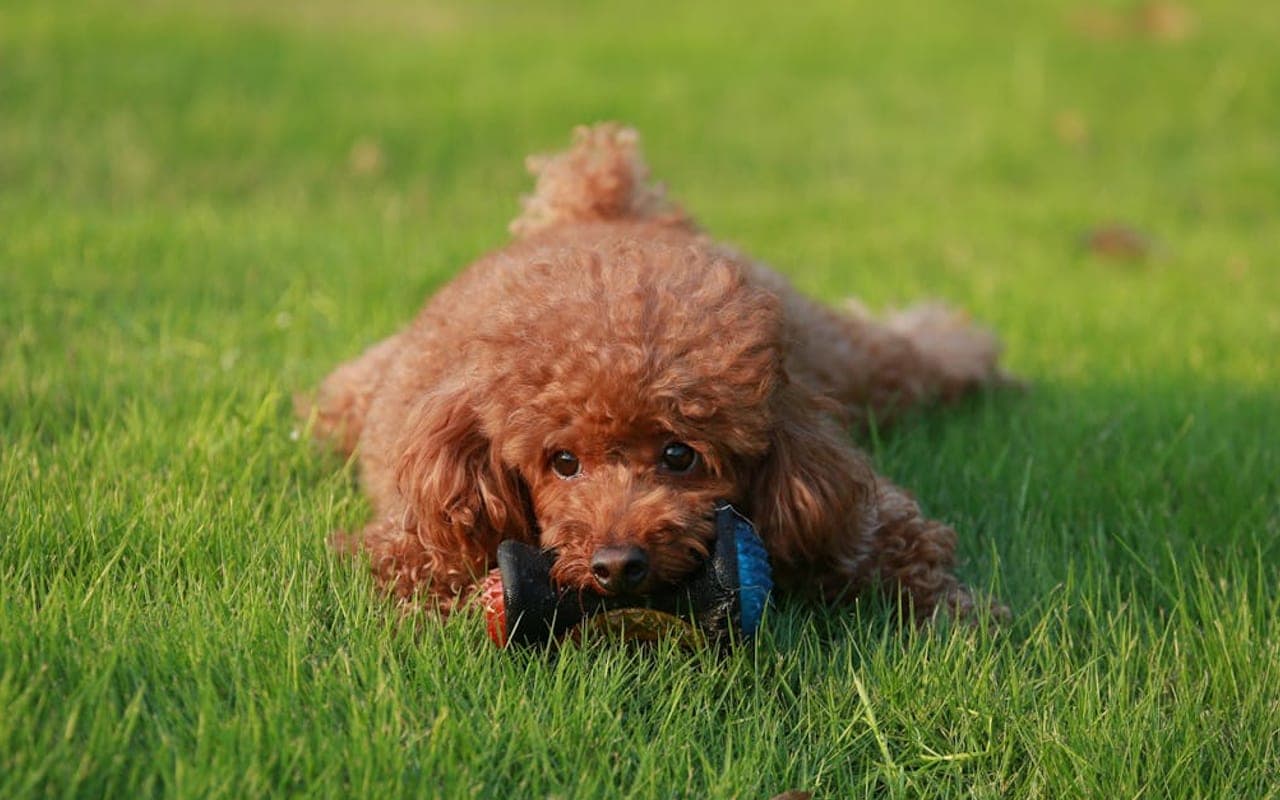
Poodle (Toy)
Also in the Toy group, with different care and temperament tradeoffs.
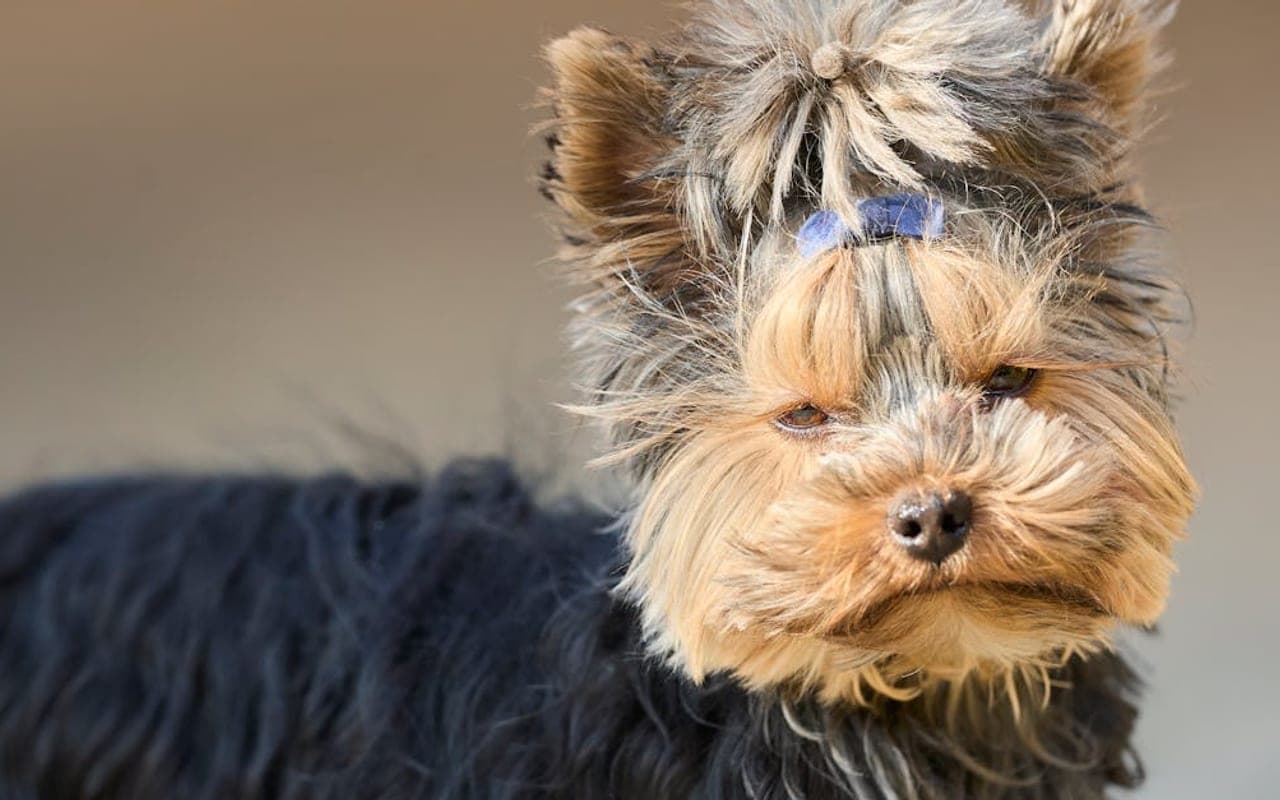
Yorkshire Terrier
Also in the Toy group, with different care and temperament tradeoffs.
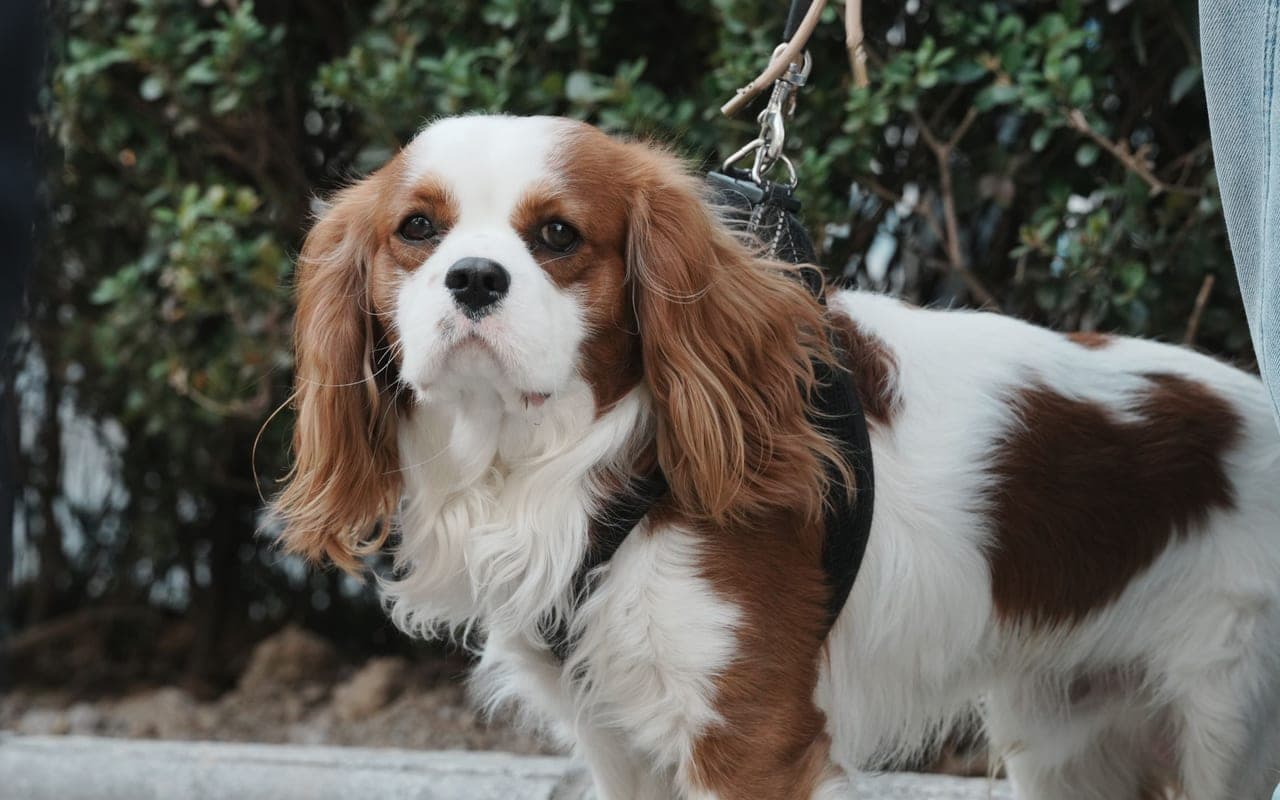
Cavalier King Charles Spaniel
Also in the Toy group, with different care and temperament tradeoffs.
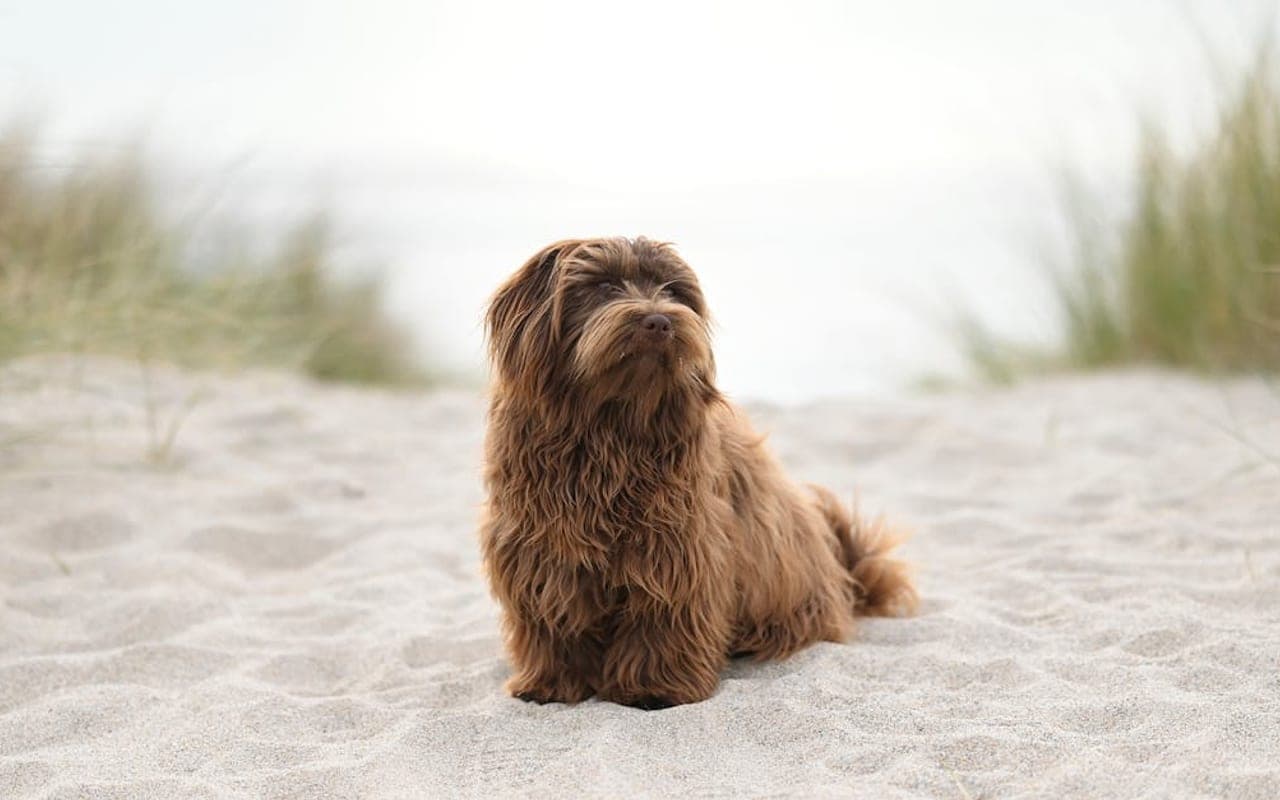
Havanese
Also in the Toy group, with different care and temperament tradeoffs.
Explore More About Papillon
Dive deeper into everything Papillon — costs, care, and expert insights.
Considering a cat instead?
Browse Cats