
Terrier group
Parson Russell Terrier
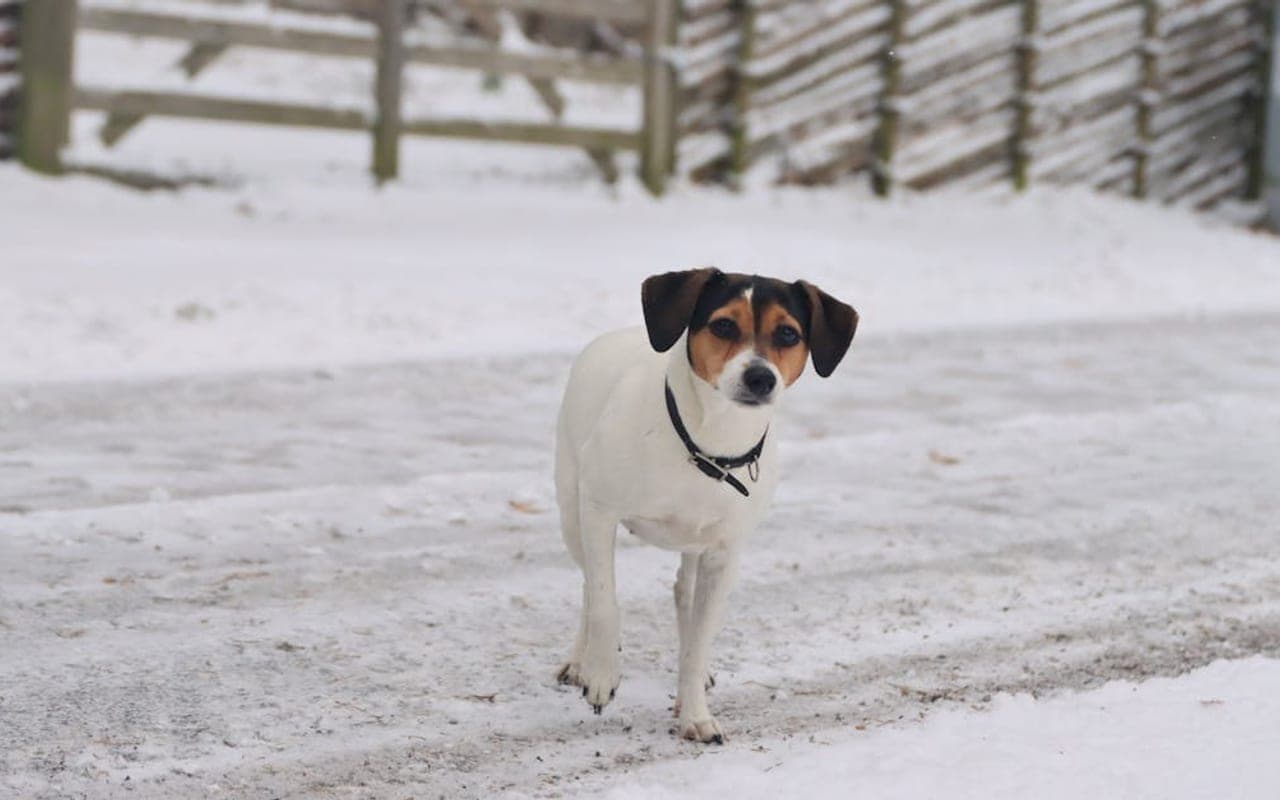
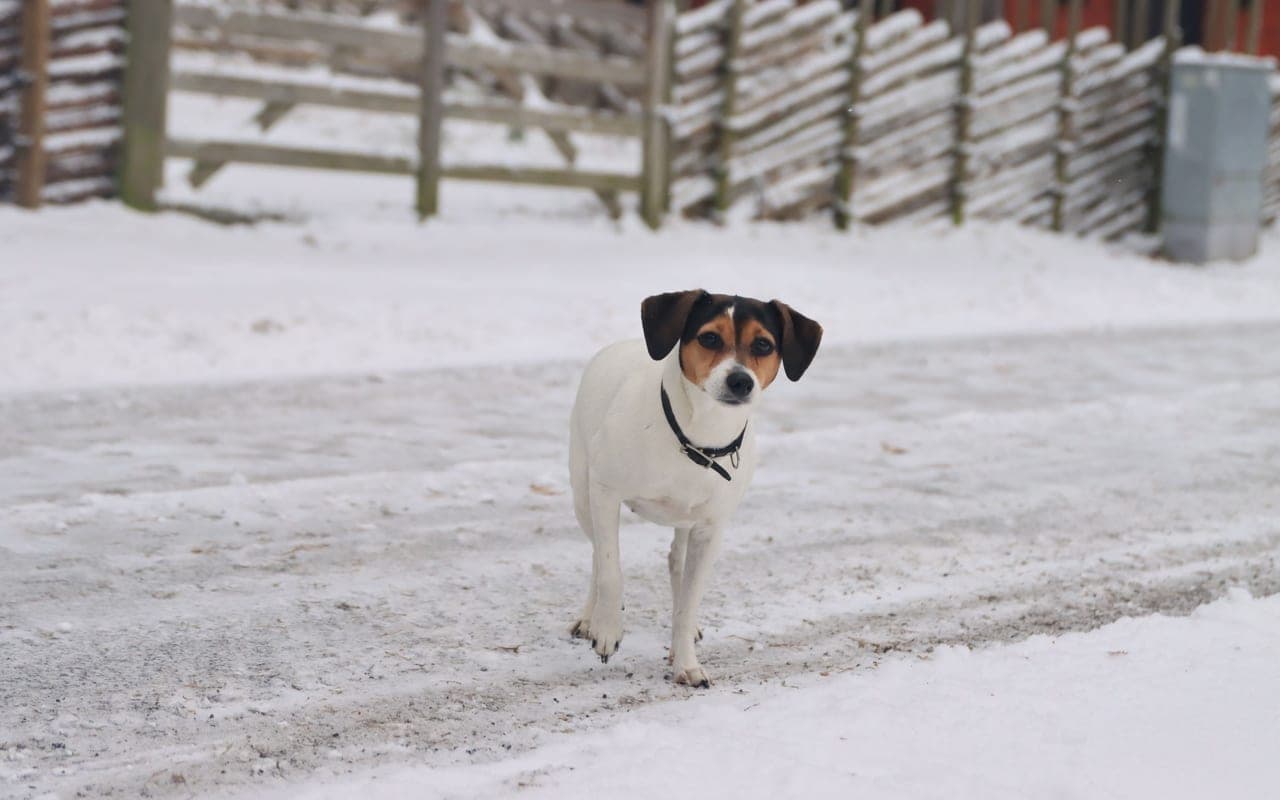
The Parson Russell Terrier is the taller, squarer, AKC-recognized fox-working terrier descended from the dogs bred by Reverend John Russell in 19th-century England — and it is one of the most frequently mismatched breeds in the toy-and-small-dog market because its size says 'easy pet' while its wiring says 'hard-driving hunting machine.


Size
13-18 lb
Lifespan
13-15 years
Exercise
20-40 minutes
Shedding
Moderate
Experience
Match to owner routine
Decision first
Is a Parson Russell Terrier right for you?
Start with fit before history or trivia. These are ownership signals, not guarantees about any individual dog.
Best suited for
- Households with children.
- Homes with other compatible pets.
- Apartment homes with a consistent routine.
- Owners seeking a manageable daily exercise routine.
Think carefully if
- You need a dog with almost no daily routine.
- You cannot keep up with grooming and preventive care.
- The dog will spend most days alone without support.
Conditional fit
Apartment fit depends on exercise, enrichment, noise management, and outdoor access.
Daily reality
Parson Russell Terrier commitment snapshot
Daily exercise
20-40 minutes
Match activity to age, health, weather, and training goals.
Coat care
Moderate
Grooming needs vary by coat, shedding, and lifestyle.
Time alone
Needs planning
Most dogs need gradual alone-time conditioning and support.
Structured facts
Parson Russell Terrier at a glance
The measurements and traits that most affect day-to-day life with this breed.
Group
Terrier
Weight
13-18 lb
Height
12-15 in
Lifespan
13-15 years
Temperament
Friendly | Clever | Athletic
View all characteristics and methodology
Lifestyle fit
- Apartment suitability
- Likely fit
- Child friendliness
- Often good, with socialisation and supervision
- Other-pet fit
- Often compatible with careful introductions
Owner commitment
- Exercise
- 20-40 minutes
- Grooming
- Moderate
- Shedding
- Moderate
- Training
- Moderate
Environment and health
- Health risk
- Needs planning
Ratings combine structured breed data, visible breed fields, and editorial context. They are planning aids, not predictions for an individual dog.
Daily life
Parson Russell Terrier temperament and behavior
The Parson Russell Terrier is the taller, squarer, AKC-recognized fox-working terrier descended from the dogs bred by Reverend John Russell in 19th-century England — and it is one of the most frequently mismatched breeds in the toy-and-small-dog market because its size says 'easy pet' while its wiring says 'hard-driving hunting machine.' This is not a scaled-down companion. It is a purpose-built earthdog bred to run with horses and hounds, go to ground, and confront a fox in its den, and that combination of stamina, courage, and independence is fully intact in the modern dog. Physically the Parson stands about 12-15 inches and weighs roughly 13-17 pounds, built square and balanced for both speed above ground and flexibility below it. The coat comes in smooth, broken, or rough varieties, predominantly white with black, tan, or tricolor markings — the white was deliberately bred so hunters could distinguish dog from fox. Grooming needs are modest; the breed's real cost is in exercise and stimulation. Temperament is bold, clever, energetic, friendly, and relentlessly busy. Parsons are affectionate and people-oriented but also independent problem-solvers with strong opinions, intense prey drive, and a notorious capacity to dig, climb, escape, and bark when under-stimulated. They are athletic far beyond their size and tireless. Who the Parson Russell Terrier is right for: an active, experienced owner or family with a securely fenced space, time for 1-2 hours of daily exercise plus training and enrichment, and tolerance for a high-energy, vocal, prey-driven dog. Who it is wrong for: sedentary or low-time households, owners wanting a calm small lap dog, homes with small pets the dog will hunt, and apartment dwellers without a serious activity plan. Buy the engine, not the size.
Friendly | Clever | Athletic
Friendly
A common Parson Russell Terrier temperament descriptor that should be interpreted alongside training, exercise, and household fit.
Clever
A common Parson Russell Terrier temperament descriptor that should be interpreted alongside training, exercise, and household fit.
Athletic
A common Parson Russell Terrier temperament descriptor that should be interpreted alongside training, exercise, and household fit.
Owner note
Temperament labels are starting points, not guarantees. Meet the individual dog and ask about behavior history whenever possible.
Care essentials
How to care for a Parson Russell Terrier
What looking after one actually involves: exercise, grooming, food, training, and routine health.
ExerciseAs needed
- Lower-energy breed content with daily walks.
GroomingAs needed
- Brush 2-3 times per week.
TrainingAs needed
- Consistent, patient training works best.
NutritionAs needed
- Feed high-quality dog food appropriate for age, size, and activity level.
Veterinary CareAs needed
- Annual wellness exams, vaccinations, dental care, and parasite prevention.
Health planning
Parson Russell Terrier health risks and screening
Every breed has individual health variation. Use this profile for planning and discuss medical decisions with a veterinarian.
Responsible ownership
Finding a Parson Russell Terrier responsibly
What to ask a breeder or rescue is the same conversation for every breed, so we keep it in one place and keep it current.
Health documentation, meeting the parents or foster, contracts and return support, and the warning signs worth walking away from.
Original purpose
Parson Russell Terrier history
History is useful when it explains today's behavior, coat, exercise needs, and training style.
Read the breed history
The Parson Russell Terrier traces directly to the working fox terriers bred by the Reverend John Russell in Devon, England, in the 1800s. Russell wanted a terrier with the legs and stamina to keep up with mounted foxhunters and hounds across country, the courage to go to ground and bolt or confront a fox, and a predominantly white coat so it could be told apart from the fox underground. His line became the foundation for several modern Russell-type terriers. Over time the longer-legged, squarer, taller conformation type was distinguished from the shorter-legged working strains; this taller type was standardized and recognized as the Parson Russell Terrier, gaining full AKC recognition in the early 2000s (the breed was admitted to the AKC in 2001, with the name 'Parson Russell Terrier' adopted in 2003). Its origin as a horseback-following, fox-bolting earthdog explains the modern dog's stamina, drive, independence, and instinct to dig and pursue.
Gallery
Parson Russell Terrier photos
Images are cropped consistently and loaded progressively to keep the page responsive.
Lower-page context
Parson Russell Terriers in culture
Where the breed shows up in film, sport, work and folklore — the enjoyable part, once the practical questions are answered.
Fun facts
- The Parson Russell Terrier belongs to the Terrier Group.
- The average lifespan of a Parson Russell Terrier is 13 to 15 years.
- Parson Russell Terrier dogs are valued for their friendly, clever, athletic nature.
Parson Russell Terrier FAQs
How long do Parson Russell Terriers live?
A healthy Parson Russell Terrier typically lives 13-15 years, which is long even for a small dog. The inherited problems most likely to shorten or worsen that span are neurological (spinocerebellar ataxia and late-onset ataxia) and ocular (primary lens luxation). All three are DNA-testable, so the single biggest lever on lifespan and quality of life is buying from a breeder who tests for SCA, LOA, and PLL and breeds away from them. After that, keeping the dog lean and active does the rest.
Are Parson Russell Terriers good with children?
They can be good with active older children but are often a poor match for toddlers. Parsons are playful, sturdy, and energetic enough to keep up with energetic kids, but they are also bold, mouthy when excited, and intolerant of rough handling, grabbing, or being cornered — and their high prey drive can be triggered by sudden running and squealing. With school-age children taught to handle the dog respectfully and with supervision, the breed does well; in homes with very young children it frequently is not the right choice.
How much exercise does a Parson Russell Terrier need?
One to two hours of real daily exercise plus mental work — this is the defining fact of owning the breed. It was bred to run with horses and hounds and go to ground after fox, so a couple of short walks will not touch its needs. Long walks combined with safe off-leash running, fetch, and dog sports like agility, flyball, barn hunt, or earthdog channel the drive productively. An under-exercised Parson becomes a destructive, barking, escape-artist digger; the energy will come out somewhere, and you choose where by how you exercise it.
Are Parson Russell Terriers easy to train?
They are highly intelligent and capable, but independent, opinionated, and easily bored — they learn fast and then decide whether your request is worth their time. They excel at training that engages their drive (agility, scent work, trick training) and resist dull, repetitive obedience. Positive, varied, motivating, consistent training started young works; harsh or boring methods produce a selectively deaf dog. Recall is a special challenge because prey drive overrides commands, so off-leash reliability near roads or wildlife should never be assumed.
Do Parson Russell Terriers do well in apartments?
It is difficult and usually not advisable without an exceptional commitment. The breed's defining trait is a high-stamina hunting drive that needs 1-2 hours of vigorous daily exercise plus mental enrichment, and apartment life removes the yard buffer while making every outing a deliberate, lengthy effort. They are also vocal, which apartment neighbors notice. A very dedicated owner who reliably delivers heavy daily exercise and training can make it work, but for most apartment households the realistic result is a frustrated, noisy, destructive dog.
Are Parson Russell Terriers good with other pets?
Cautiously and with management. The Parson was bred to hunt and confront prey, so its drive toward small mammals — rabbits, rodents, and sometimes cats — is strong and instinctive, not a training failure. Many live peacefully with cats they are raised with, but small caged pets are generally at risk and unsupervised access is unwise. Dog-to-dog tension can also occur, particularly with same-sex dogs. Honest planning, careful introductions, and ongoing supervision matter more here than the optimistic assumption that the dog will simply learn to ignore prey.
Sources
These are the published sources this page draws on. Each opens in a new tab so you can check it yourself.
American Kennel Club
Parson Russell Terrier — breed standard and profile(opens in a new tab)Supports: Breed standard and recognition details.
Similar breeds to consider

Miniature Schnauzer
Also in the Terrier group, with different care and temperament tradeoffs.
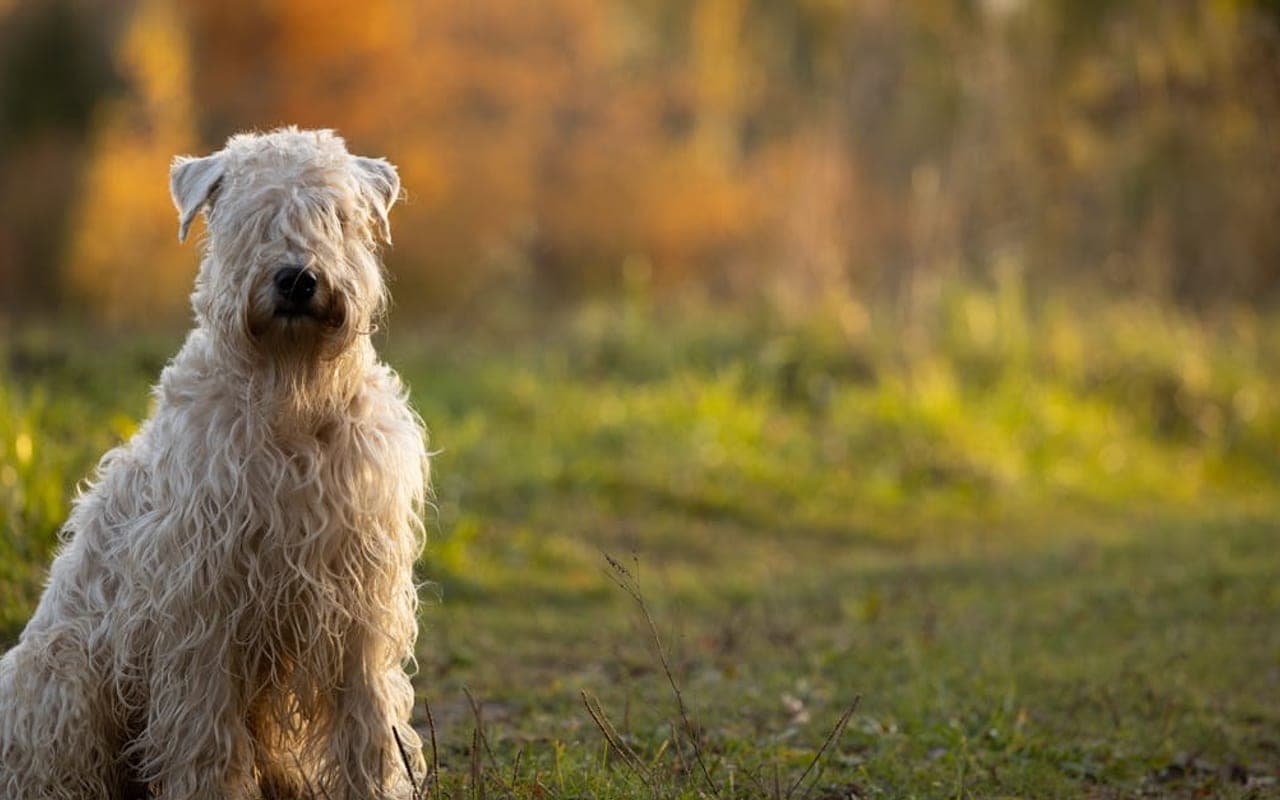
Soft Coated Wheaten Terrier
Also in the Terrier group, with different care and temperament tradeoffs.
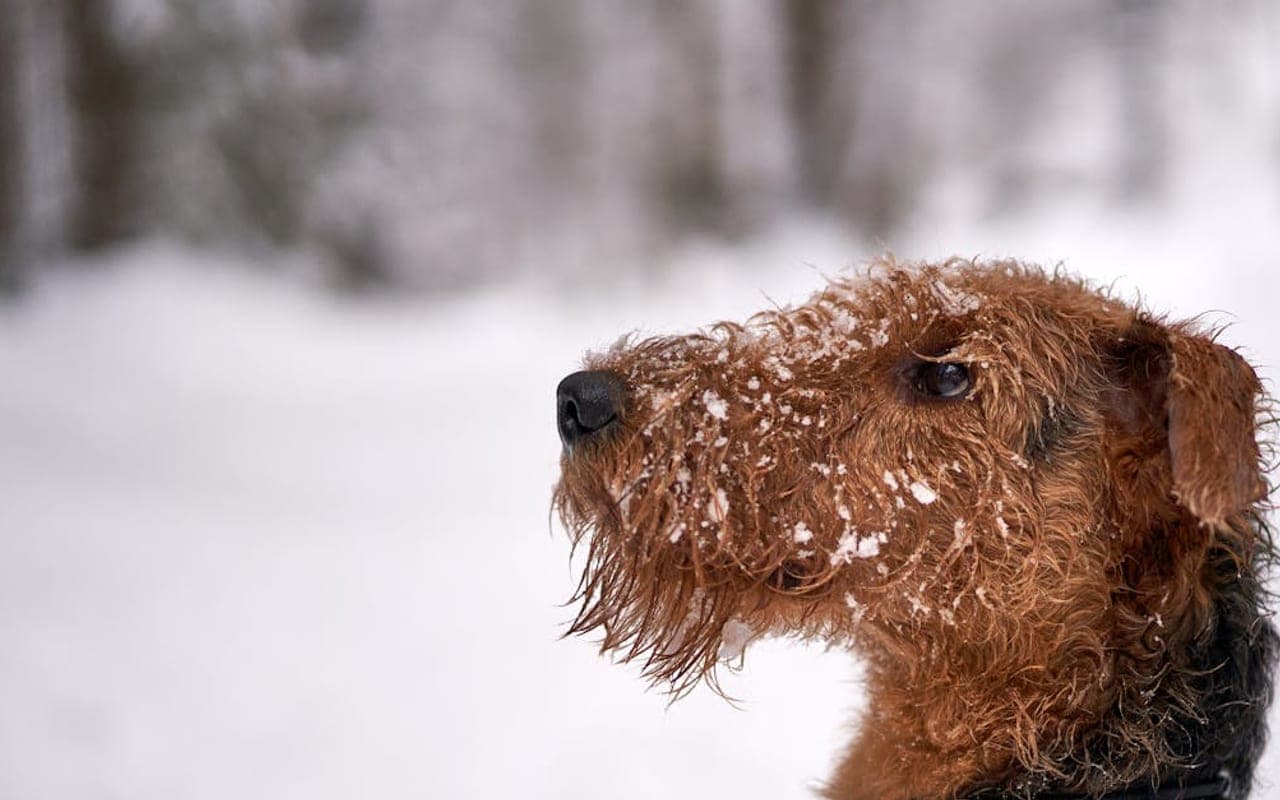
Airedale Terrier
Also in the Terrier group, with different care and temperament tradeoffs.
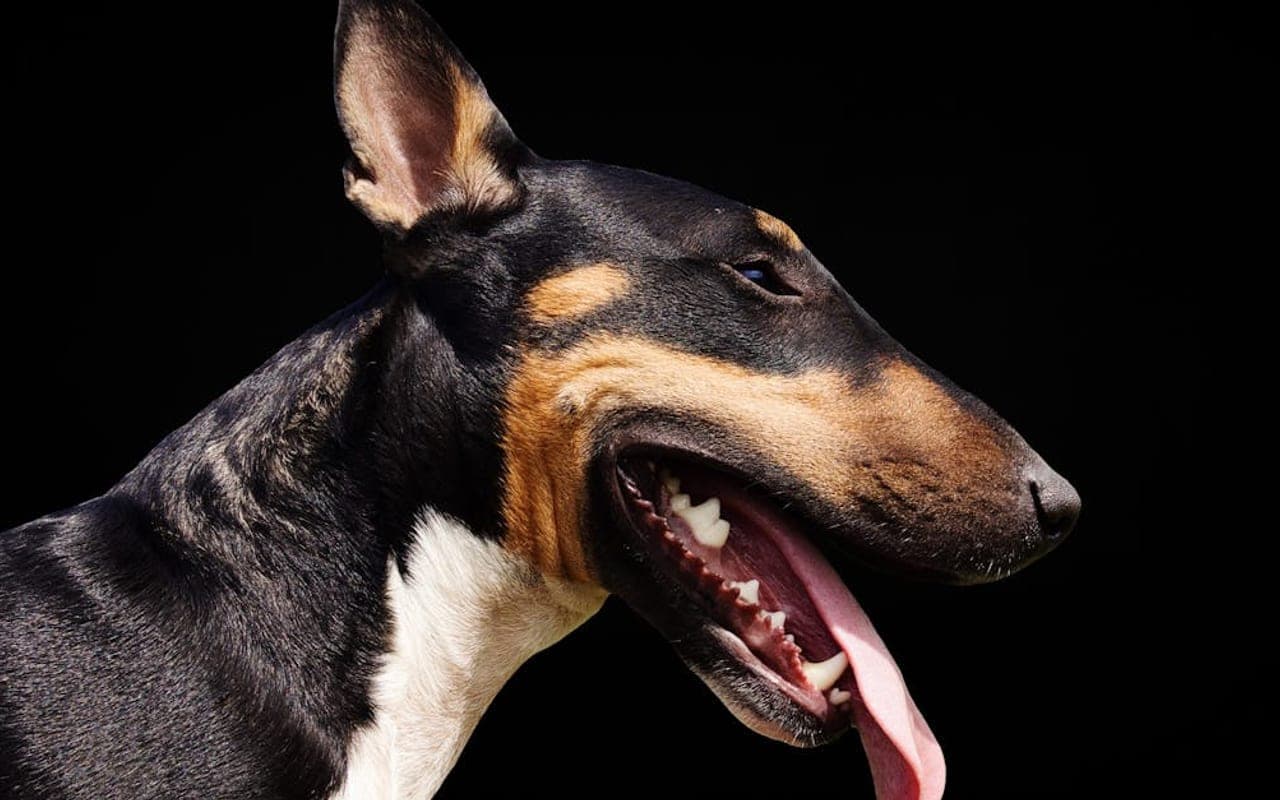
Bull Terrier
Also in the Terrier group, with different care and temperament tradeoffs.
Explore More About Parson Russell Terrier
Dive deeper into everything Parson Russell Terrier — costs, care, and expert insights.
Considering a cat instead?
Browse Cats