
Toy group
Pekingese
The Pekingese is a brachycephalic toy dog, and that flat face is the single most important thing to understand before you buy one — it shapes the breed's health, its costs, and its daily limits.
Size
7-14 lb
Lifespan
12-14 years
Exercise
30-60 minutes
Shedding
Moderate
Experience
Match to owner routine
Decision first
Is a Pekingese right for you?
Start with fit before history or trivia. These are ownership signals, not guarantees about any individual dog.
Best suited for
- Households with children.
- Homes with other compatible pets.
- Apartment homes with a consistent routine.
- Owners seeking a manageable daily exercise routine.
Think carefully if
- You need a dog with almost no daily routine.
- You cannot keep up with grooming and preventive care.
- The dog will spend most days alone without support.
Conditional fit
Apartment fit depends on exercise, enrichment, noise management, and outdoor access.
Daily reality
Pekingese commitment snapshot
Daily exercise
30-60 minutes
Match activity to age, health, weather, and training goals.
Coat care
Moderate
Grooming needs vary by coat, shedding, and lifestyle.
Time alone
Needs planning
Most dogs need gradual alone-time conditioning and support.
Structured facts
Pekingese at a glance
The measurements and traits that most affect day-to-day life with this breed.
Group
Toy
Weight
7-14 lb
Height
6-9 in
Lifespan
12-14 years
Temperament
Affectionate | Loyal | Regal in Manner
View all characteristics and methodology
Lifestyle fit
- Apartment suitability
- Likely fit
- Child friendliness
- Often good, with socialisation and supervision
- Other-pet fit
- Often compatible with careful introductions
Owner commitment
- Exercise
- 30-60 minutes
- Grooming
- Moderate
- Shedding
- Moderate
- Training
- Moderate
Environment and health
- Health risk
- Needs planning
Ratings combine structured breed data, visible breed fields, and editorial context. They are planning aids, not predictions for an individual dog.
Daily life
Pekingese temperament and behavior
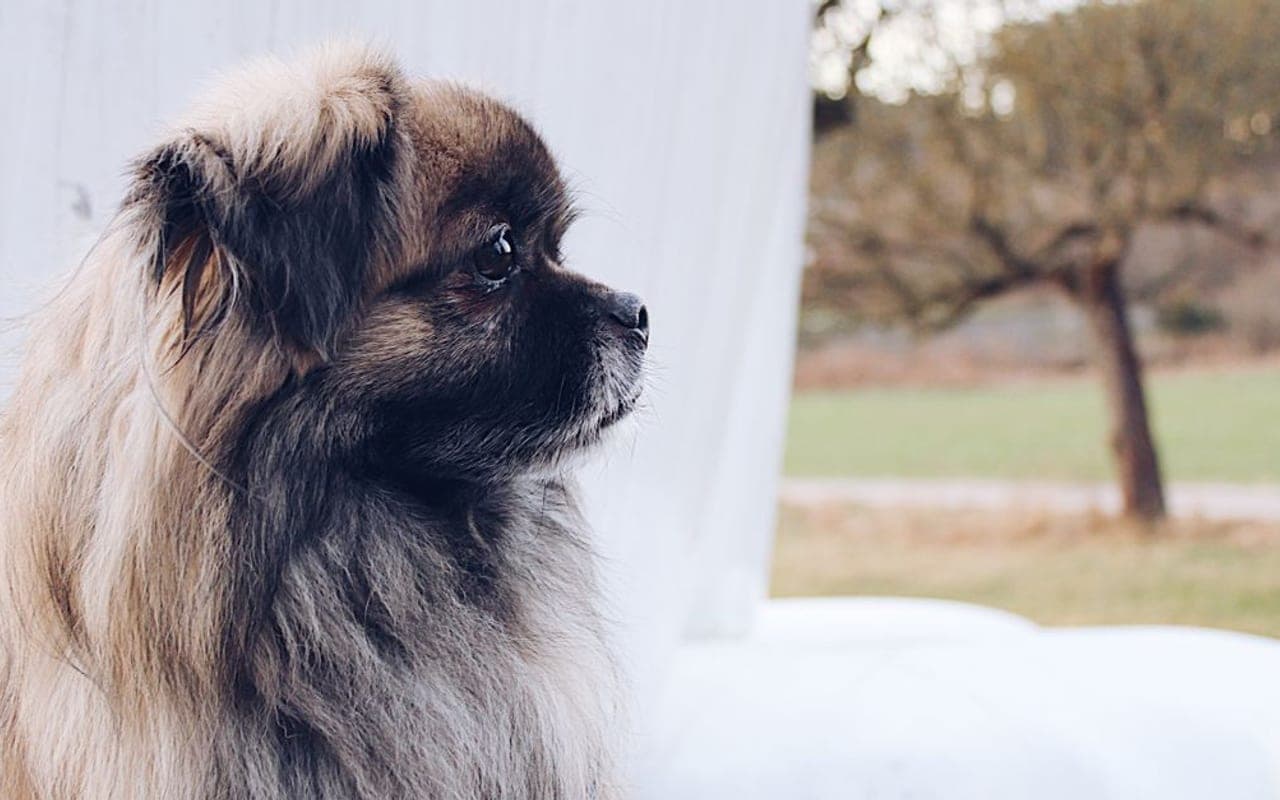
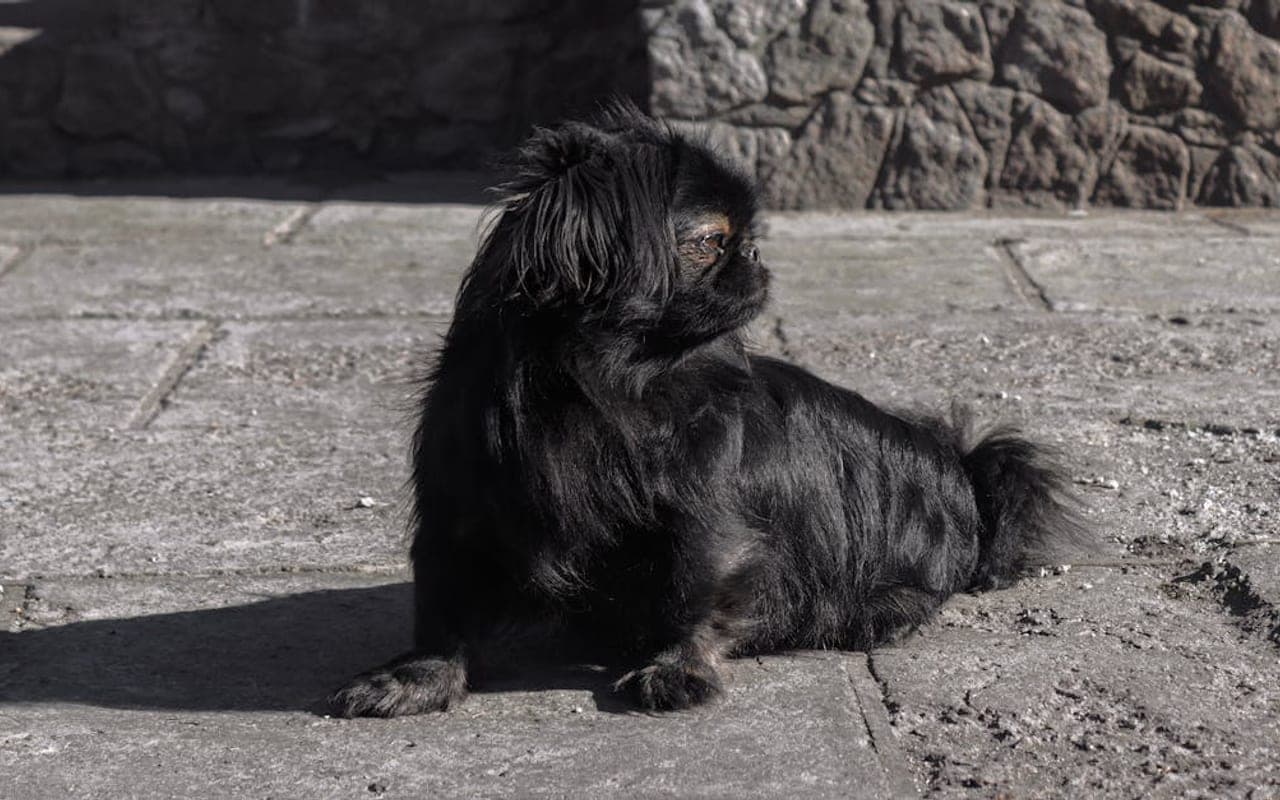
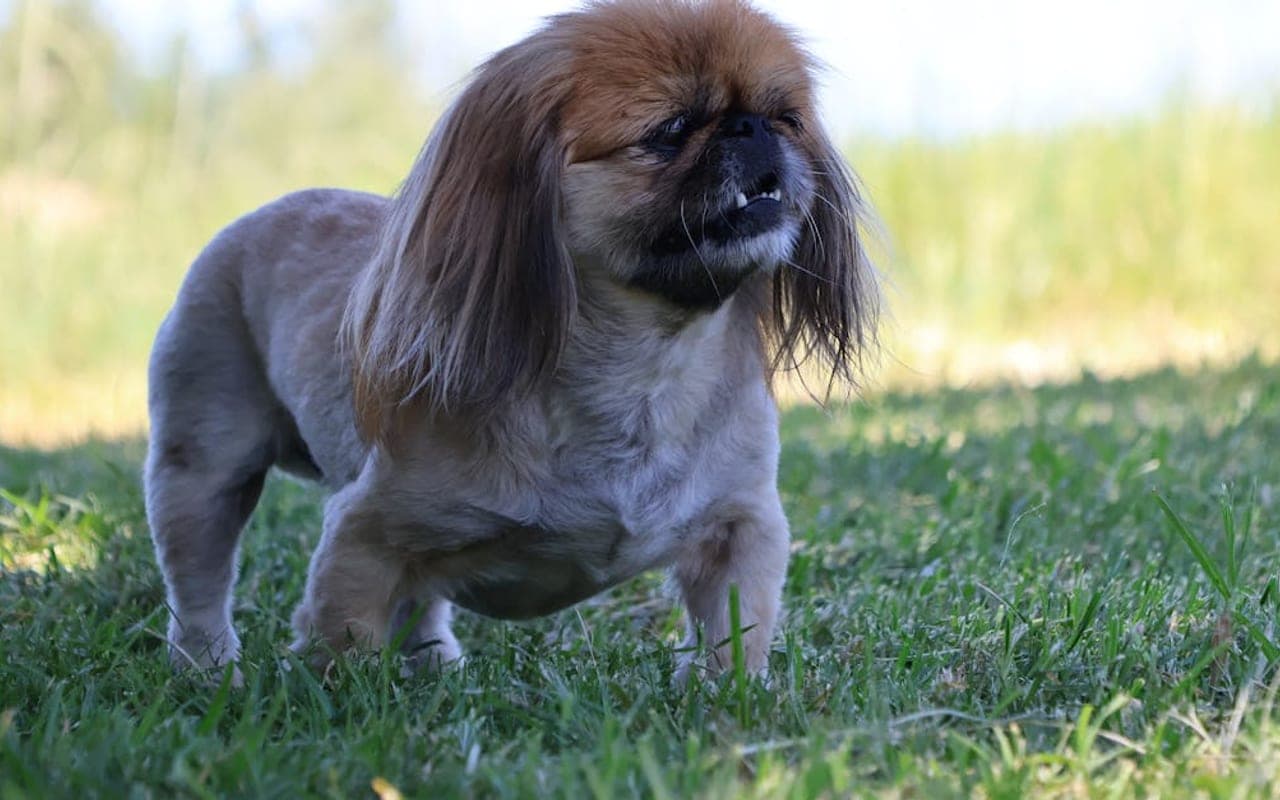
The Pekingese is a brachycephalic toy dog, and that flat face is the single most important thing to understand before you buy one — it shapes the breed's health, its costs, and its daily limits. A Peke is a compact, heavily coated dog standing about 6-9 inches tall and weighing up to roughly 14 pounds, built low and stocky with a famous lion-like mane, a wide flat skull, large prominent eyes, and a rolling gait. The look is the appeal and also the liability. Temperamentally the Pekingese is confident, dignified, opinionated, and deeply loyal to its chosen people. Bred for centuries as a companion to Chinese royalty, it behaves like it expects to be treated accordingly: affectionate on its own terms, independent, stubborn about training, and a surprisingly serious little watchdog. They tolerate respectful children but will not accept rough handling and are a poor match for households with boisterous toddlers. The defining trade-off is medical. The flat face means brachycephalic obstructive airway syndrome, real heat intolerance, and breathing that is normal for the breed but compromised compared with a longer-muzzled dog. The prominent eyes are vulnerable to injury and ulceration. The long back and dense coat add disc and grooming demands. None of this is rare; it is the breed. Who the Pekingese is right for: a calm, indoor, climate-controlled household that wants a devoted, low-exercise companion and accepts the breathing, eye, and grooming realities — and the vet bills — that come with the face. Who it is wrong for: anyone in a hot climate without air conditioning, anyone wanting a jogging or hiking dog, families with very young rough children, or owners unwilling to fund brachycephalic and eye care. Buy the dog knowing what the face costs.
Affectionate | Loyal | Regal in Manner
Affectionate
A common Pekingese temperament descriptor that should be interpreted alongside training, exercise, and household fit.
Loyal
A common Pekingese temperament descriptor that should be interpreted alongside training, exercise, and household fit.
Regal in Manner
A common Pekingese temperament descriptor that should be interpreted alongside training, exercise, and household fit.
Owner note
Temperament labels are starting points, not guarantees. Meet the individual dog and ask about behavior history whenever possible.
Care essentials
How to care for a Pekingese
What looking after one actually involves: exercise, grooming, food, training, and routine health.
ExerciseAs needed
- Moderately active breed needing 30-60 minutes of daily exercise.
GroomingAs needed
- Brush 2-3 times per week.
TrainingAs needed
- Consistent, patient training works best.
NutritionAs needed
- Feed high-quality dog food appropriate for age, size, and activity level.
Veterinary CareAs needed
- Annual wellness exams, vaccinations, dental care, and parasite prevention.
Health planning
Pekingese health risks and screening
Every breed has individual health variation. Use this profile for planning and discuss medical decisions with a veterinarian.
Responsible ownership
Finding a Pekingese responsibly
What to ask a breeder or rescue is the same conversation for every breed, so we keep it in one place and keep it current.
Health documentation, meeting the parents or foster, contracts and return support, and the warning signs worth walking away from.
Original purpose
Pekingese history
History is useful when it explains today's behavior, coat, exercise needs, and training style.
Read the breed history
The Pekingese is one of the oldest companion breeds, developed in ancient China as a lap and sleeve dog for the imperial court, where it was associated with Buddhist symbolism (the "lion dog") and kept exclusively by royalty for centuries. Commoners were forbidden to own them, and the dogs were bred purely for companionship, ornamental appearance, and the small size and lion-like coat prized by the court rather than for any working function. The breed entered the West in the 19th century after British forces took dogs from the imperial palace in Peking (Beijing) during the Second Opium War in 1860, with several brought to England and presented in aristocratic circles. That entirely companion-oriented history explains the modern dog directly: the Pekingese was selected for devotion, dignity, independence, and an ornamental flat-faced, heavily coated body — traits that produce both its prized temperament and its well-known health constraints today.
Gallery
Pekingese photos
Images are cropped consistently and loaded progressively to keep the page responsive.
Lower-page context
Pekingeses in culture
Where the breed shows up in film, sport, work and folklore — the enjoyable part, once the practical questions are answered.
Fun facts
- The Pekingese belongs to the Toy Group.
- The average lifespan of a Pekingese is 12 to 14 years.
- Pekingese dogs are valued for their affectionate, loyal, regal in manner nature.
Pekingese FAQs
How long do Pekingese live?
A Pekingese typically lives 12-14 years, and many reach the upper end with good weight control, climate management, and dental and eye care. Lifespan is less limited by a single fatal disease than by the cumulative management of brachycephalic breathing, eye injuries, and back problems. The owners whose Pekes live longest are the ones who keep the dog lean, cool, and out of situations that stress its airway and eyes.
Are Pekingese good with children?
They tolerate respectful, gentle older children but are a poor match for toddlers and rough handling. The Pekingese is dignified and will not accept being grabbed, squeezed, or carried roughly, and may snap if cornered. Equally important, the prominent eyes are easily injured by a poking or grabbing child, which is a genuine medical risk in this breed. Best suited to calm, adult-centered or older-child households with supervised, respectful interaction.
How much exercise does a Pekingese need?
Very little — about 20-30 minutes of gentle activity a day, in cool conditions only. Pekes are companion dogs, not athletes, and their brachycephalic airway means strenuous exercise or heat can trigger breathing distress or heatstroke. A few short, slow walks plus indoor play is ideal. Skip walks entirely in hot or humid weather and exercise only in early morning or evening. Overexertion is a safety issue for this breed, not just a fitness one.
Can Pekingese tolerate hot weather?
No, and this is one of the most important things to know before getting one. Because of the flat face and compromised airway, a Pekingese cannot cool itself efficiently and is at real risk of fatal heatstroke in warm or humid conditions. Air conditioning, shade, water, cool-hour walks, and never leaving the dog in a warm car or yard are non-negotiable. If you live somewhere hot without reliable climate control, this is the wrong breed.
Are Pekingese hard to groom?
Yes, they are high-maintenance. The dense double coat mats quickly and needs thorough brushing at least 3-4 times a week, with many owners opting for a professional shorter clip to keep it manageable. Add several-times-weekly cleaning and drying of the facial skin folds to prevent dermatitis, daily eye checks, routine dental care, and keeping the rear clean. Grooming a Pekingese is a real ongoing time and cost commitment, not an occasional task.
How much does a Pekingese cost to own?
Purchase price from a responsible breeder is typically around $1,000-$3,000. The recurring cost that surprises owners is medical: brachycephalic airway surgery can run $1,500-$4,000+, corneal ulcer or eye-injury treatment several hundred to a few thousand dollars, and IVDD care can be very expensive. Routine grooming (if professionally done), dental cleanings, and climate-related care add up. Pet insurance purchased early, before any airway or eye signs appear, is worth strong consideration for this breed.
Sources
These are the published sources this page draws on. Each opens in a new tab so you can check it yourself.
American Kennel Club
Pekingese — breed standard and profile(opens in a new tab)Supports: Breed standard and recognition details.
Similar breeds to consider
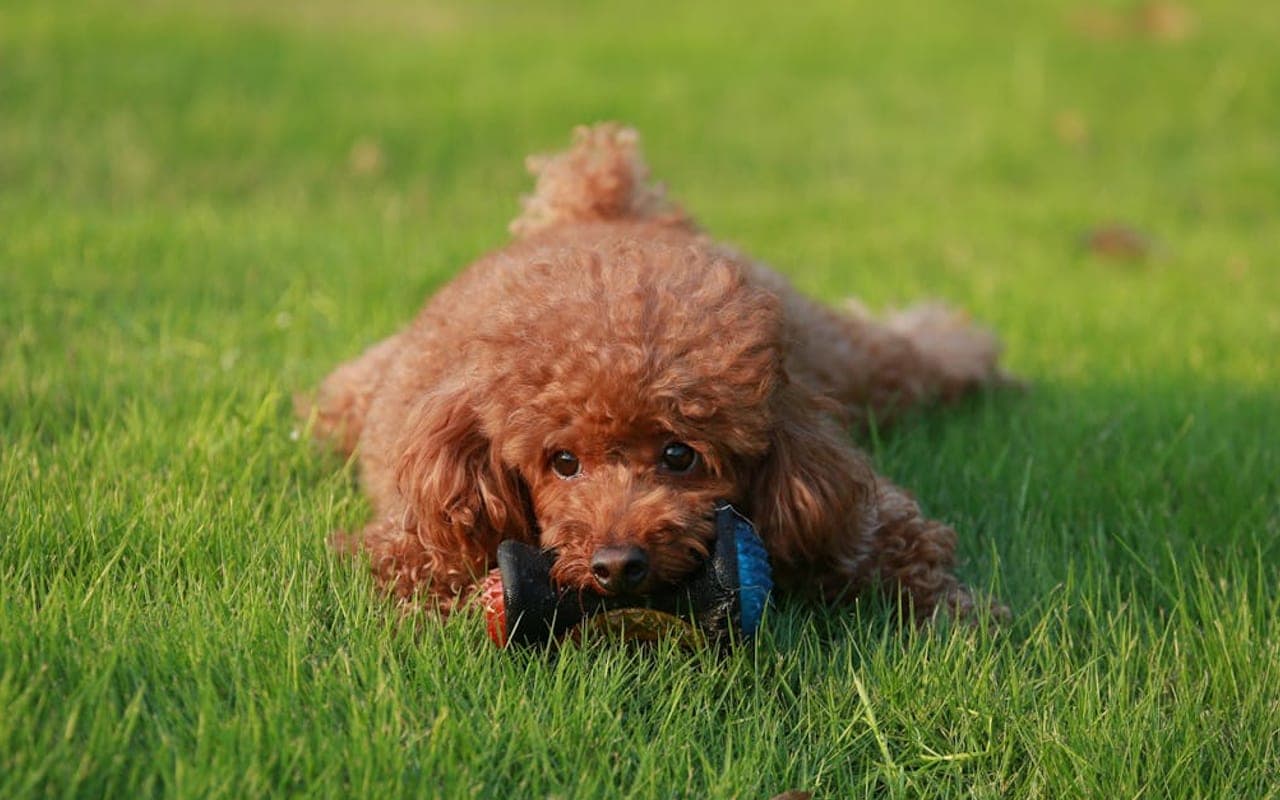
Poodle (Toy)
Also in the Toy group, with different care and temperament tradeoffs.
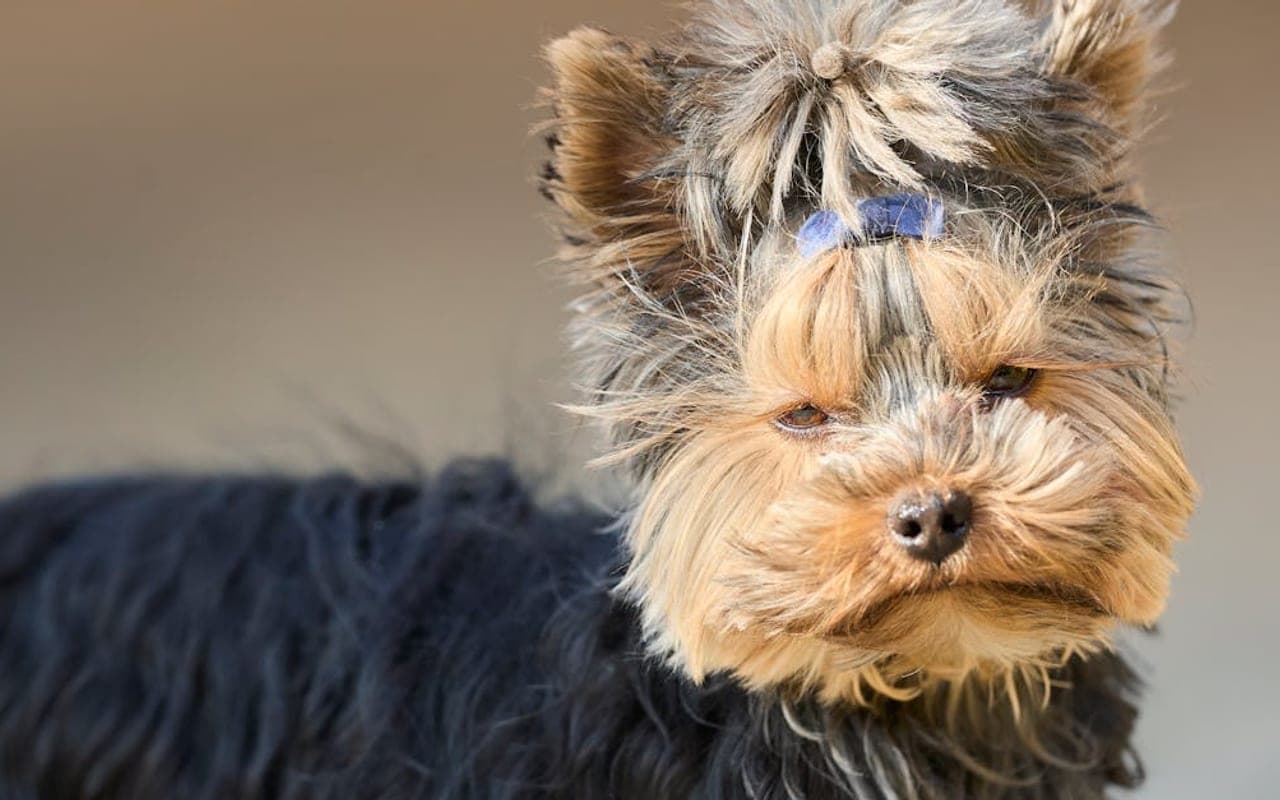
Yorkshire Terrier
Also in the Toy group, with different care and temperament tradeoffs.
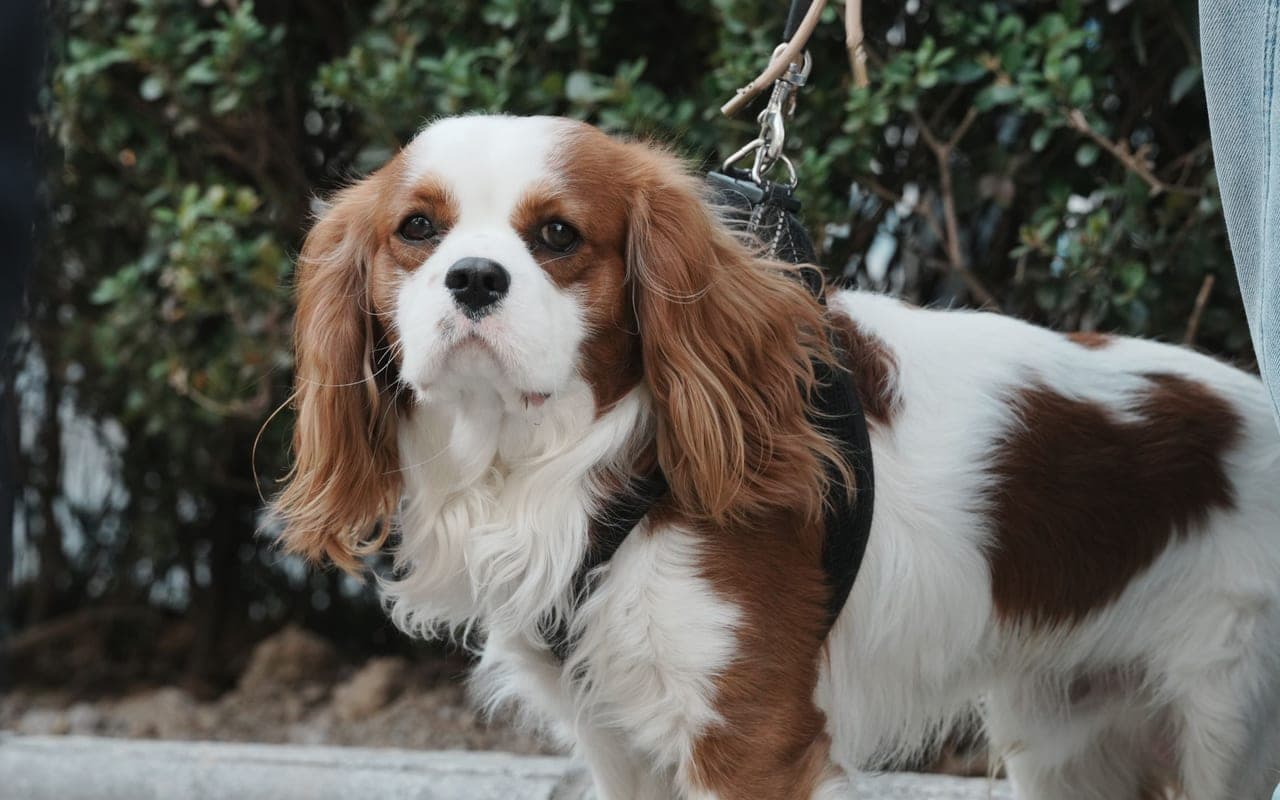
Cavalier King Charles Spaniel
Also in the Toy group, with different care and temperament tradeoffs.
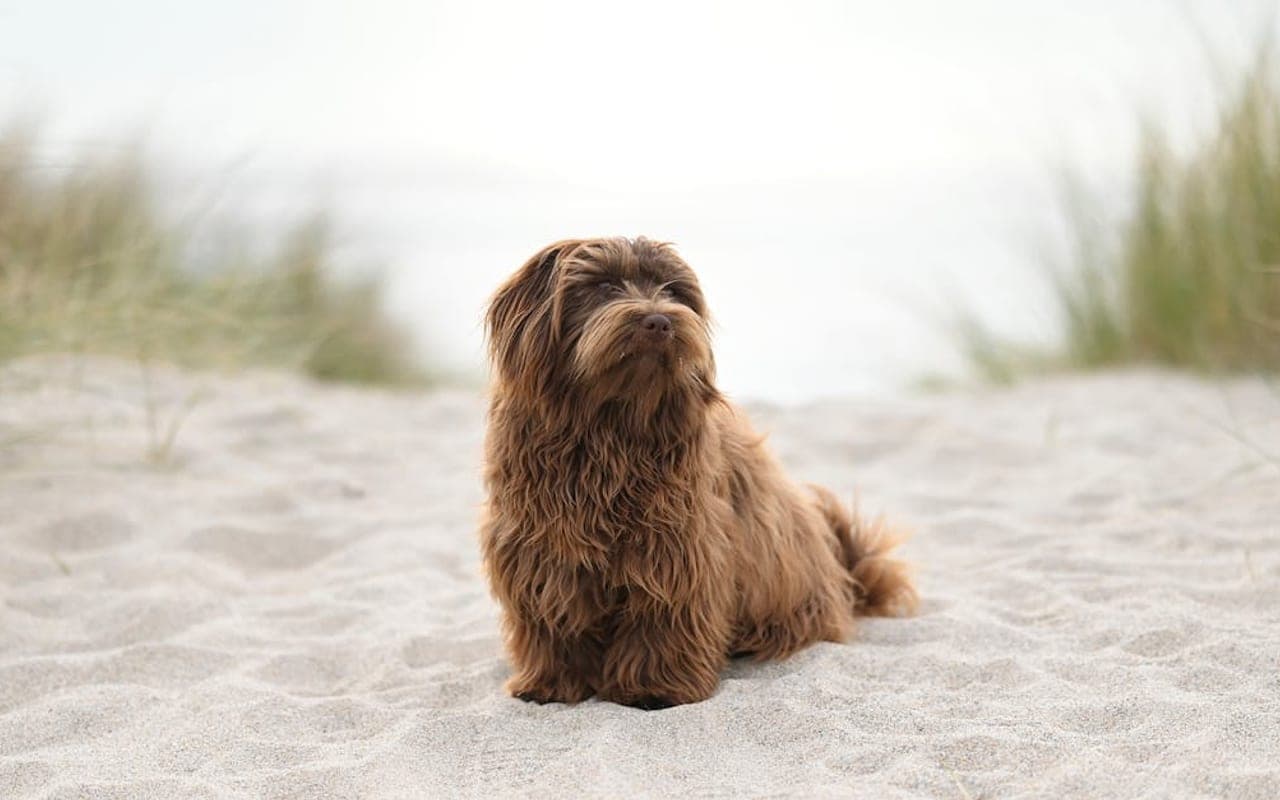
Havanese
Also in the Toy group, with different care and temperament tradeoffs.
Explore More About Pekingese
Dive deeper into everything Pekingese — costs, care, and expert insights.
Large Dog Care Guide: Everything Over 50 lbs
Owning a large or giant breed dog means accepting one of biology's...
Puppy Teething & Biting: Timeline and What Actually Works
A puppy has all 28 deciduous ("baby") teeth by roughly eight weeks of age, and...
Considering a cat instead?
Browse Cats