
Foundation Stock Service group
Perro de Presa Canario
The Perro de Presa Canario is a 90-130 lb molosser from the Canary Islands, and the single most important thing to understand before you get one is that this is a guarding breed with a low, deep bark and a wary disposition toward strangers — not a softened family mastiff.
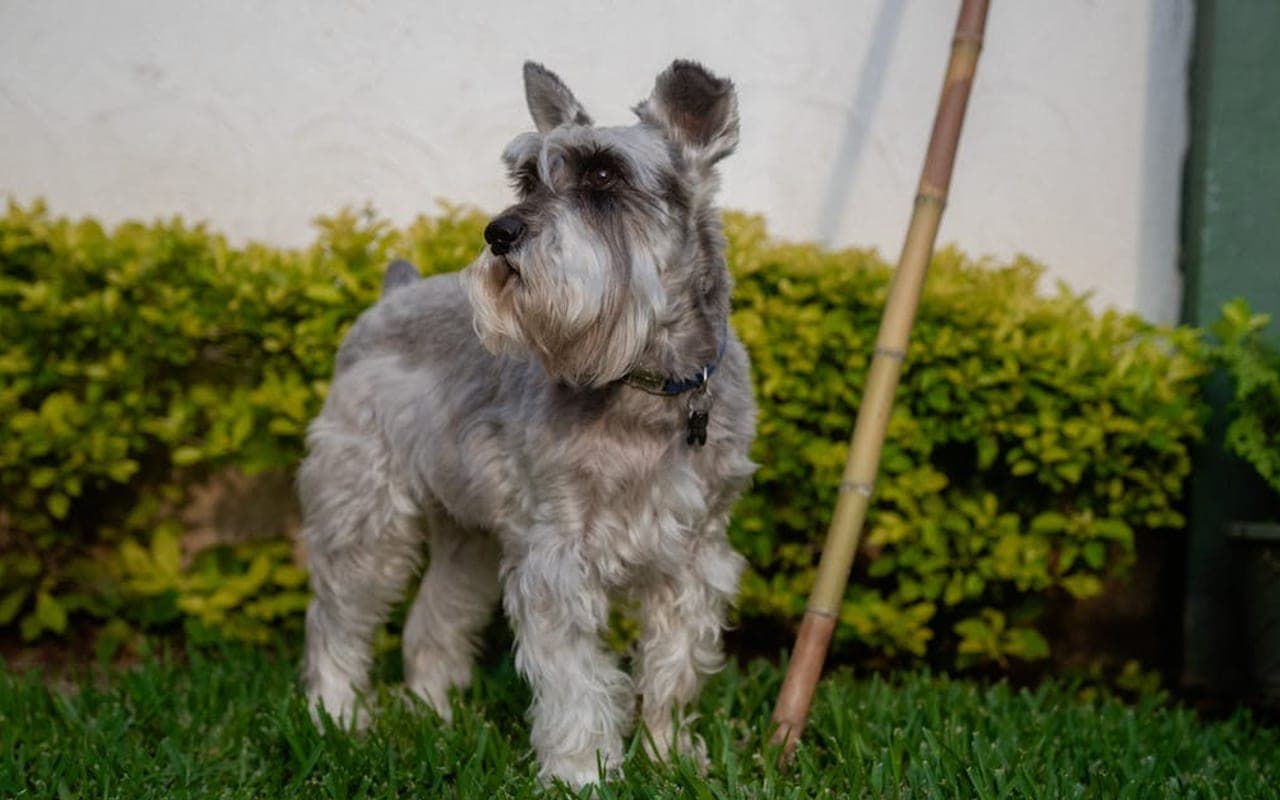



Size
88-126 lb
Lifespan
9-11 years
Exercise
30-60 minutes
Shedding
Moderate
Experience
Match to owner routine
Decision first
Is a Perro de Presa Canario right for you?
Start with fit before history or trivia. These are ownership signals, not guarantees about any individual dog.
Best suited for
- Households with children.
- Homes with other compatible pets.
- Apartment homes with a consistent routine.
- Owners seeking a manageable daily exercise routine.
Think carefully if
- You need a dog with almost no daily routine.
- You cannot keep up with grooming and preventive care.
- The dog will spend most days alone without support.
Conditional fit
Apartment fit depends on exercise, enrichment, noise management, and outdoor access.
Daily reality
Perro de Presa Canario commitment snapshot
Daily exercise
30-60 minutes
Match activity to age, health, weather, and training goals.
Coat care
Moderate
Grooming needs vary by coat, shedding, and lifestyle.
Time alone
Needs planning
Most dogs need gradual alone-time conditioning and support.
Structured facts
Perro de Presa Canario at a glance
The measurements and traits that most affect day-to-day life with this breed.
Group
Foundation Stock Service
Weight
88-126 lb
Height
22-26 in
Lifespan
9-11 years
Temperament
Confident | Calm | Strong-Willed
View all characteristics and methodology
Lifestyle fit
- Apartment suitability
- Likely fit
- Child friendliness
- Often good, with socialisation and supervision
- Other-pet fit
- Often compatible with careful introductions
Owner commitment
- Exercise
- 30-60 minutes
- Grooming
- Moderate
- Shedding
- Moderate
- Training
- Moderate
Environment and health
- Health risk
- Needs planning
Ratings combine structured breed data, visible breed fields, and editorial context. They are planning aids, not predictions for an individual dog.
Daily life
Perro de Presa Canario temperament and behavior
The Perro de Presa Canario is a 90-130 lb molosser from the Canary Islands, and the single most important thing to understand before you get one is that this is a guarding breed with a low, deep bark and a wary disposition toward strangers — not a softened family mastiff. The standard describes a balanced, self-confident temperament that is obedient and docile with its own family but suspicious of outsiders. That suspicion is a feature of the breed, not a training failure, and it is the reason the Presa is not a breed you grow into casually. Physically this is a rectilinear, black-masked dog: heavy bone, broad skull, a vigilant stance, and serious muscle mass on a frame that historically worked cattle and guarded property in the Canaries. A male can stand 24-26 inches and outweigh many adult humans. That mass is the whole risk-and-reward calculation: a confident, well-socialized Presa is calm and steady, but an under-socialized or under-managed one is a large, powerful animal that defaults to suspicion. Who the Presa is right for: an experienced owner who will commit to structured socialization from 8 weeks, who has secure fencing, who can absorb the legal and insurance reality (some jurisdictions restrict or ban the breed, and homeowner policies frequently exclude it), and who wants a watchful guardian rather than a dog park regular. Who it is wrong for: first-time owners, homes with constant stranger traffic, anyone who cannot guarantee daily handling and containment. The lifespan is short for the commitment — roughly 9-11 years — and the orthopedic and cardiac risks below are real, not theoretical. Decide with the temperament and the screening data in front of you, not the photo.
Confident | Calm | Strong-Willed
Confident
A common Perro de Presa Canario temperament descriptor that should be interpreted alongside training, exercise, and household fit.
Calm
A common Perro de Presa Canario temperament descriptor that should be interpreted alongside training, exercise, and household fit.
Strong-Willed
A common Perro de Presa Canario temperament descriptor that should be interpreted alongside training, exercise, and household fit.
Owner note
Temperament labels are starting points, not guarantees. Meet the individual dog and ask about behavior history whenever possible.
Care essentials
How to care for a Perro de Presa Canario
What looking after one actually involves: exercise, grooming, food, training, and routine health.
ExerciseAs needed
- Moderately active breed needing 30-60 minutes of daily exercise.
GroomingAs needed
- Brush 2-3 times per week.
TrainingAs needed
- Consistent, patient training works best.
NutritionAs needed
- Feed high-quality dog food appropriate for age, size, and activity level.
Veterinary CareAs needed
- Annual wellness exams, vaccinations, dental care, and parasite prevention.
Health planning
Perro de Presa Canario health risks and screening
Every breed has individual health variation. Use this profile for planning and discuss medical decisions with a veterinarian.
Responsible ownership
Finding a Perro de Presa Canario responsibly
What to ask a breeder or rescue is the same conversation for every breed, so we keep it in one place and keep it current.
Health documentation, meeting the parents or foster, contracts and return support, and the warning signs worth walking away from.
Original purpose
Perro de Presa Canario history
History is useful when it explains today's behavior, coat, exercise needs, and training style.
Read the breed history
The Presa Canario takes its name from the Spanish 'perro de presa' (catch or gripping dog) and the Canary Islands, where it was developed to guard farms, drive and hold cattle, and serve as an all-purpose property dog. It descends from regional Iberian working dogs crossed with mastiff-type and bulldog-type stock that arrived with traders and settlers. By the mid-20th century the breed had nearly disappeared as its working roles faded and dog-fighting bans removed another (darker) reason it had been kept. A dedicated recovery program beginning in the 1970s rebuilt the breed from surviving island stock, and the Presa was named the official animal of Gran Canaria. It entered the AKC Foundation Stock Service as breeders worked toward fuller recognition. That recent, narrow recovery is relevant to buyers: the gene pool was rebuilt from a small base, which is part of why orthopedic and cardiac screening of breeding stock matters as much as temperament evaluation.
Gallery
Perro de Presa Canario photos
Images are cropped consistently and loaded progressively to keep the page responsive.
Lower-page context
Perro de Presa Canarios in culture
Where the breed shows up in film, sport, work and folklore — the enjoyable part, once the practical questions are answered.
Fun facts
- The Perro de Presa Canario belongs to the Foundation Stock Service.
- The average lifespan of a Perro de Presa Canario is 9 to 11 years.
- Perro de Presa Canario dogs are valued for their confident, calm, strong-willed nature.
Perro de Presa Canario FAQs
How long do Perro de Presa Canario dogs live?
Expect roughly 9 to 11 years, which is short for the level of commitment the breed demands. Lifespan in giant guarding molossers is driven less by 'good care' platitudes and more by two specific things: keeping the dog lean its entire life to protect at-risk hips and elbows, and buying from a breeder who cardiac-screens for DCM. Obesity and an unscreened heart are the two levers that turn a 10-year dog into a 7-year one.
Are Perro de Presa Canario dogs good with children?
A well-bred, thoroughly socialized Presa raised with a family can be steady and tolerant with its own children, but this is a 100+ lb guarding breed with a naturally suspicious streak toward outsiders, so it is not a low-supervision choice. Never leave one unsupervised with young children or visiting kids, teach children not to provoke or corner the dog, and understand that the breed's size alone means an accidental knock-down is a real injury. Temperament-tested parents matter more here than in almost any other breed.
How much exercise does a Perro de Presa Canario need?
Less than its athletic build implies — about 45 to 60 minutes daily of structured walking plus controlled play and mental work. The Presa is a calm-in-the-house guardian, not an endurance athlete, and over-exercising a young one on hard surfaces before 18 months risks the joints it is already predisposed to. The bigger 'exercise' for this breed is structured socialization, which is a training need, not a fitness one.
Is the Perro de Presa Canario legal where I live, and will insurance cover it?
Check before you commit, not after. The Presa Canario is restricted or banned in some U.S. municipalities, several countries, and many rental agreements, and a large share of homeowner and renter insurance policies either exclude the breed outright or raise premiums and require a liability rider. This is a real, recurring hidden cost: budget for breed-specific liability coverage and confirm local ordinances and your landlord's policy in writing before bringing a puppy home.
Is the Presa Canario a good first dog?
No. This is the clearest single answer in the breed: a powerful guarding molosser with a wary default and a short socialization window is the wrong place to learn dog ownership. First-time owners consistently underestimate the structured-socialization workload, the containment requirements, and the legal/insurance exposure. The Presa rewards an experienced owner with a calm, devoted guardian, but it punishes inexperience and inconsistency more severely than nearly any other breed.
How much does a Perro de Presa Canario cost to own?
A well-bred puppy from health-tested, temperament-evaluated parents typically runs $1,500-$3,000+, but the purchase price is the smallest number. The recurring costs that actually matter: large-breed food and preventives, professional guarding-breed socialization classes, breed-specific liability insurance (often required and not cheap), and the realistic possibility of orthopedic care — hip or elbow surgery in a dog this size can run $4,000-$7,000 per joint. Budget for screening upfront; it is far cheaper than treating dysplasia later.
Sources
These are the published sources this page draws on. Each opens in a new tab so you can check it yourself.
American Kennel Club
Perro de Presa Canario — breed standard and profile(opens in a new tab)Supports: Breed standard and recognition details.
Similar breeds to consider

Jagdterrier
Also in the Foundation Stock Service group, with different care and temperament tradeoffs.
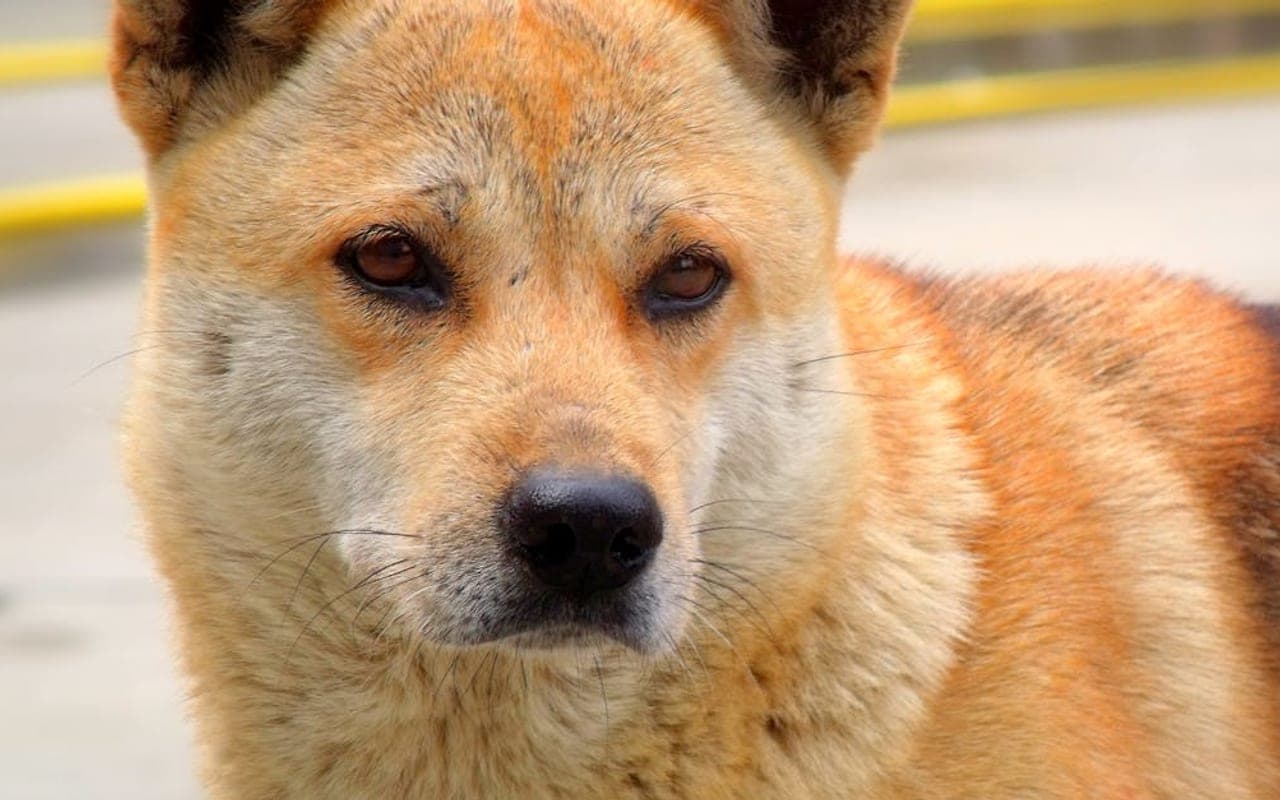
Jindo
Also in the Foundation Stock Service group, with different care and temperament tradeoffs.
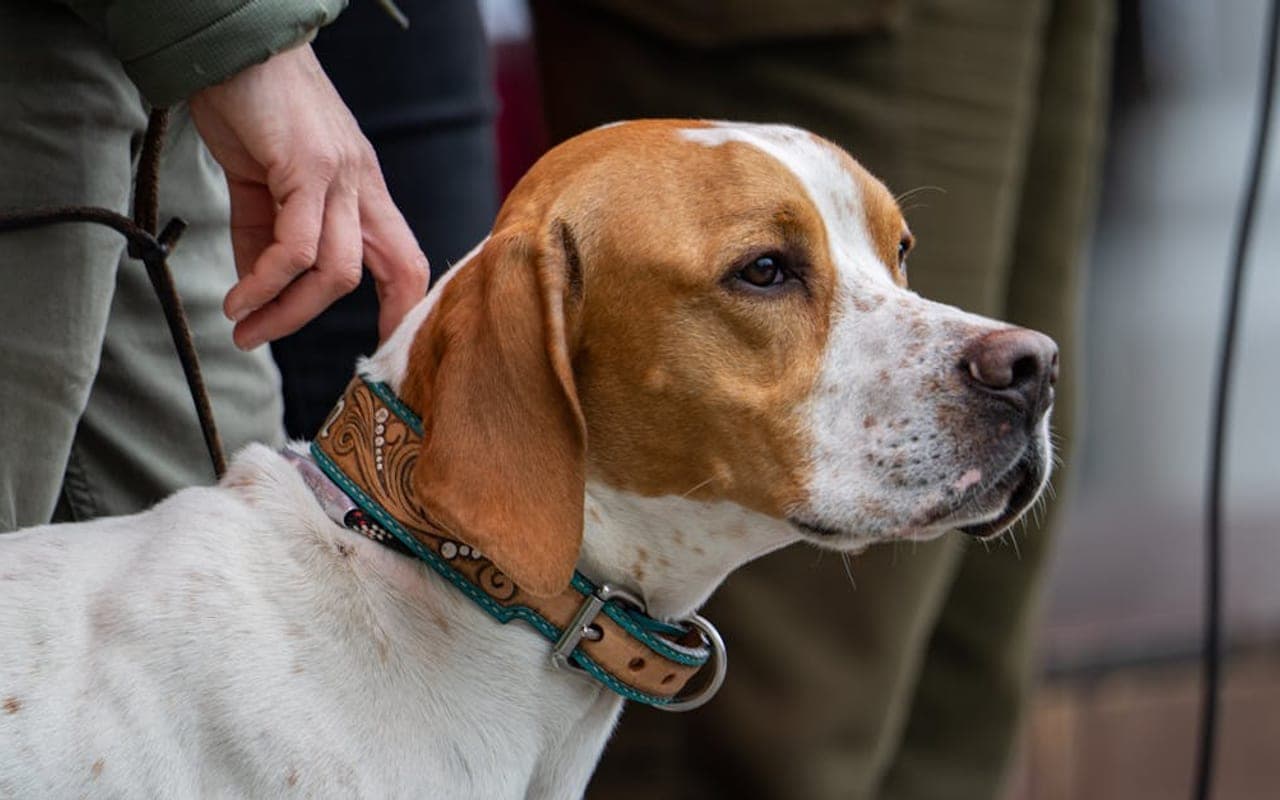
Portuguese Pointer
Also in the Foundation Stock Service group, with different care and temperament tradeoffs.
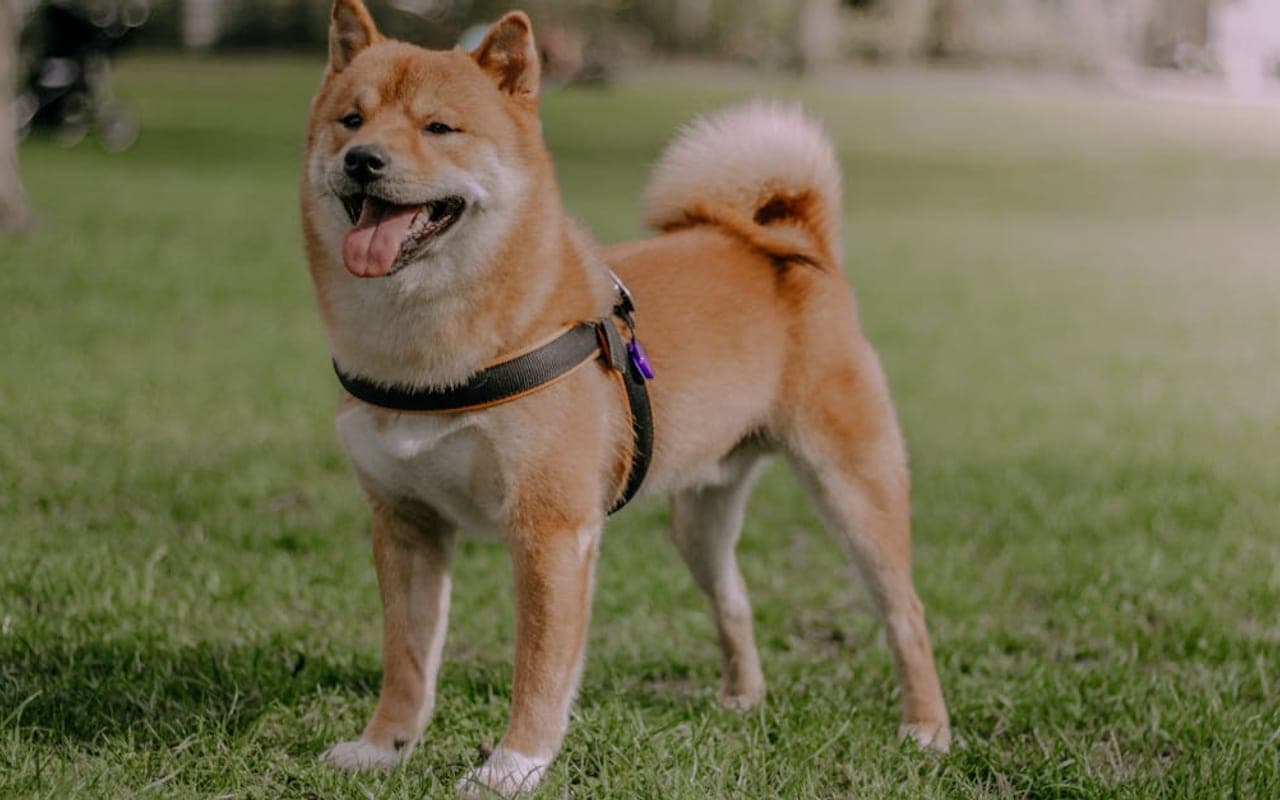
Kishu Ken
Also in the Foundation Stock Service group, with different care and temperament tradeoffs.
Explore More About Perro de Presa Canario
Dive deeper into everything Perro de Presa Canario — costs, care, and expert insights.
Perro de Presa Canario Care Guide
The Perro de Presa Canario — also called the Presa Canario, Dogo...
Considering a cat instead?
Browse Cats