
Miscellaneous Class group
Peruvian Inca Orchid
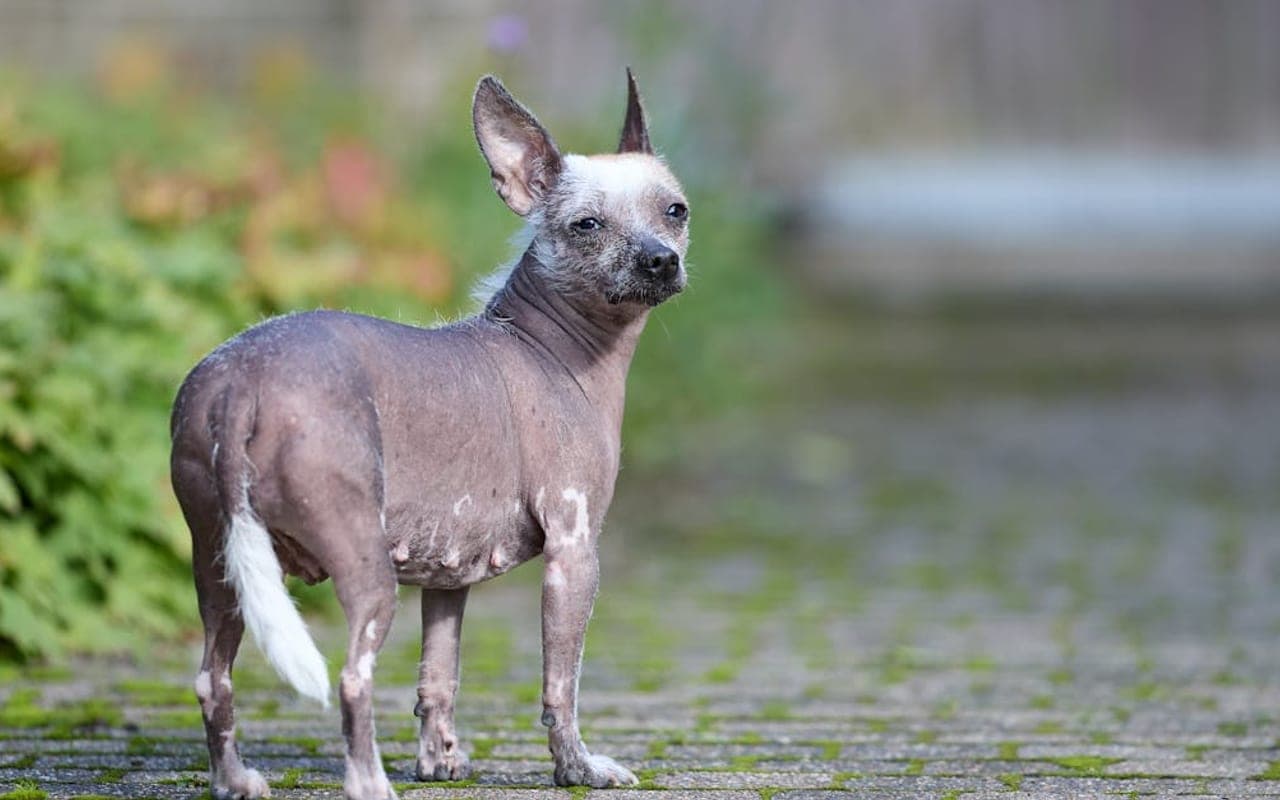
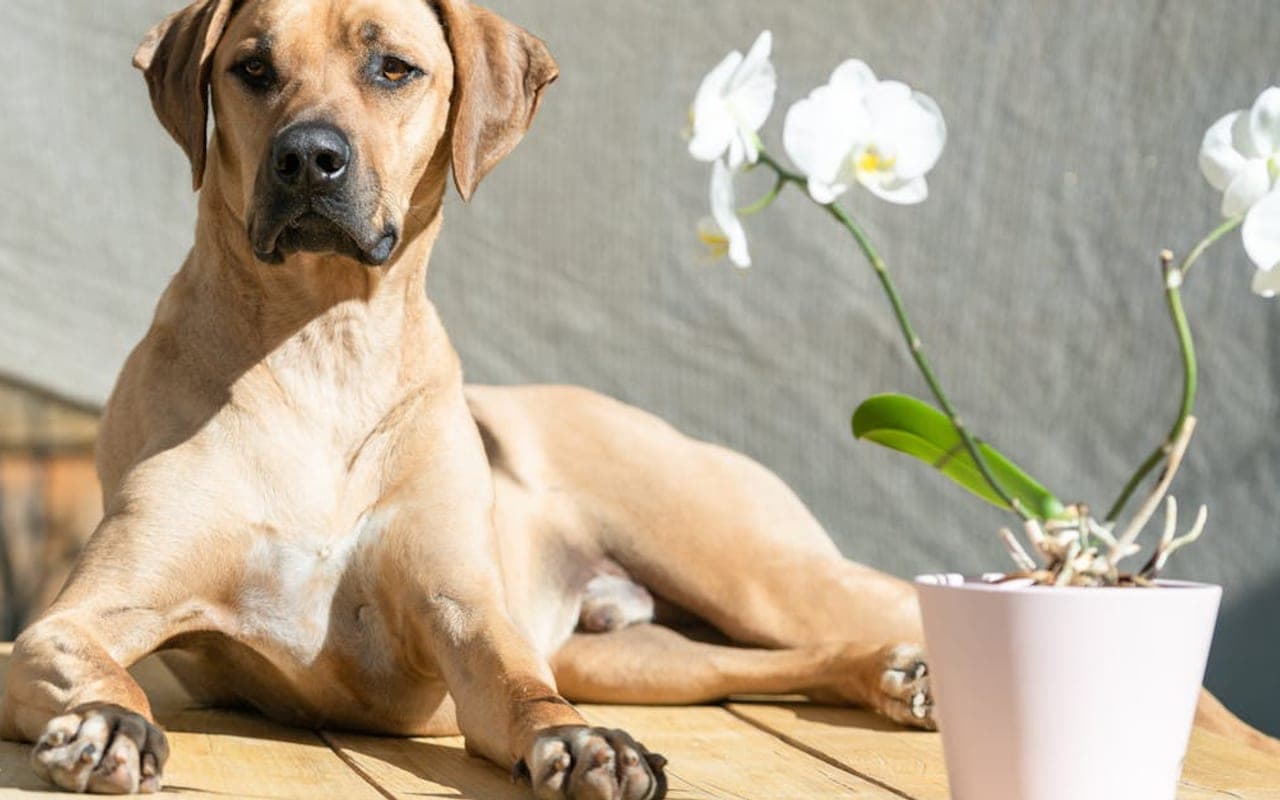
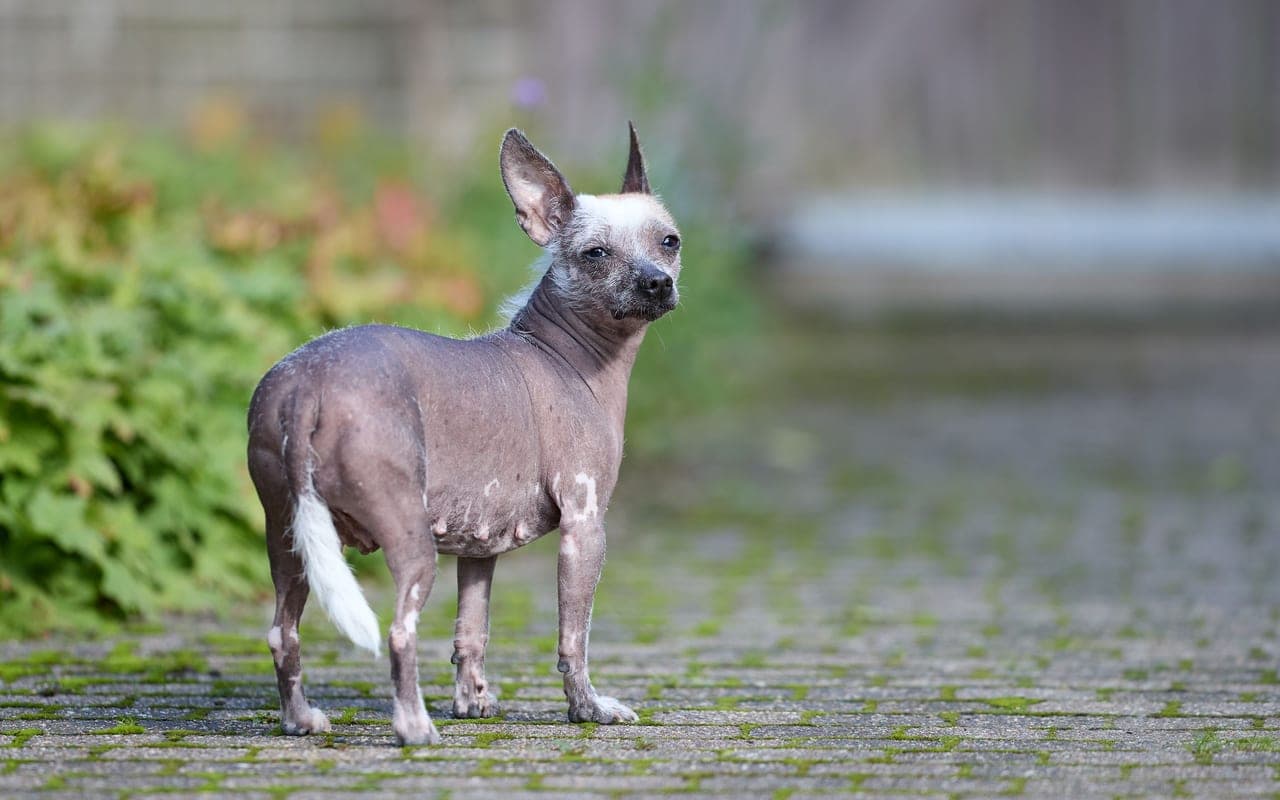
The Peruvian Inca Orchid is an ancient Peruvian sighthound that comes in two coats — hairless and coated (powderpuff) — and the hairless variety is the entire reason this breed needs an honest, practitioner-written profile.
Size
9-55 lb
Lifespan
12-14 years
Exercise
30-60 minutes
Shedding
Moderate
Experience
Match to owner routine
Decision first
Is a Peruvian Inca Orchid right for you?
Start with fit before history or trivia. These are ownership signals, not guarantees about any individual dog.
Best suited for
- Households with children.
- Homes with other compatible pets.
- Apartment homes with a consistent routine.
- Owners seeking a manageable daily exercise routine.
Think carefully if
- You need a dog with almost no daily routine.
- You cannot keep up with grooming and preventive care.
- The dog will spend most days alone without support.
Conditional fit
Apartment fit depends on exercise, enrichment, noise management, and outdoor access.
Daily reality
Peruvian Inca Orchid commitment snapshot
Daily exercise
30-60 minutes
Match activity to age, health, weather, and training goals.
Coat care
Moderate
Grooming needs vary by coat, shedding, and lifestyle.
Time alone
Needs planning
Most dogs need gradual alone-time conditioning and support.
Structured facts
Peruvian Inca Orchid at a glance
The measurements and traits that most affect day-to-day life with this breed.
Group
Miscellaneous Class
Weight
9-55 lb
Height
10-26 in
Lifespan
12-14 years
Temperament
Affectionate | Loyal | Noble
View all characteristics and methodology
Lifestyle fit
- Apartment suitability
- Likely fit
- Child friendliness
- Often good, with socialisation and supervision
- Other-pet fit
- Often compatible with careful introductions
Owner commitment
- Exercise
- 30-60 minutes
- Grooming
- Moderate
- Shedding
- Moderate
- Training
- Moderate
Environment and health
- Health risk
- Needs planning
Ratings combine structured breed data, visible breed fields, and editorial context. They are planning aids, not predictions for an individual dog.
Daily life
Peruvian Inca Orchid temperament and behavior
The Peruvian Inca Orchid is an ancient Peruvian sighthound that comes in two coats — hairless and coated (powderpuff) — and the hairless variety is the entire reason this breed needs an honest, practitioner-written profile. The hairlessness is caused by a dominant gene that is also linked to incomplete dentition: most hairless PIOs are genetically missing premolars and molars, and that is normal for the variety, not a defect to be alarmed by. But the same naked skin that makes the breed striking is also the breed's biggest day-to-day care job. Structurally the PIO is a true sighthound — think Whippet or small Greyhound: deep chest, tucked abdomen, fine bone, and the same speed and sight-driven prey drive. It comes in three sizes (small ~10 inches up to large ~26 inches and roughly 9-50 lb across the range), and hairless and coated puppies can appear in the same litter. Skin in the hairless variety can be solid or mottled with unpigmented patches; those depigmented areas burn the fastest. Temperament is the classic sighthound mix: noble, affectionate, and velcro-close with its own people, but genuinely wary of strangers and a capable, alert watchdog. Puppies are calm and curious; adults get lively, fast, and reactive to fast-moving small animals. Recall is a lifelong project because a sighthound that locks onto prey will not hear you. Who the PIO is right for: an owner who will treat the skin as a daily regimen (sunscreen, moisturizer, sun avoidance at midday), who has a securely fenced space because off-leash recall is unreliable, and who wants a quiet, devoted indoor companion that runs hard in short bursts. Who it is wrong for: anyone expecting a 'low-maintenance' dog because it 'doesn't shed,' or anyone who can't commit to sun and skin management year-round.
Affectionate | Loyal | Noble
Affectionate
A common Peruvian Inca Orchid temperament descriptor that should be interpreted alongside training, exercise, and household fit.
Loyal
A common Peruvian Inca Orchid temperament descriptor that should be interpreted alongside training, exercise, and household fit.
Noble
A common Peruvian Inca Orchid temperament descriptor that should be interpreted alongside training, exercise, and household fit.
Owner note
Temperament labels are starting points, not guarantees. Meet the individual dog and ask about behavior history whenever possible.
Care essentials
How to care for a Peruvian Inca Orchid
What looking after one actually involves: exercise, grooming, food, training, and routine health.
ExerciseAs needed
- Moderately active breed needing 30-60 minutes of daily exercise.
GroomingAs needed
- Brush 2-3 times per week.
TrainingAs needed
- Consistent, patient training works best.
NutritionAs needed
- Feed high-quality dog food appropriate for age, size, and activity level.
Veterinary CareAs needed
- Annual wellness exams, vaccinations, dental care, and parasite prevention.
Health planning
Peruvian Inca Orchid health risks and screening
Every breed has individual health variation. Use this profile for planning and discuss medical decisions with a veterinarian.
Responsible ownership
Finding a Peruvian Inca Orchid responsibly
What to ask a breeder or rescue is the same conversation for every breed, so we keep it in one place and keep it current.
Health documentation, meeting the parents or foster, contracts and return support, and the warning signs worth walking away from.
Original purpose
Peruvian Inca Orchid history
History is useful when it explains today's behavior, coat, exercise needs, and training style.
Read the breed history
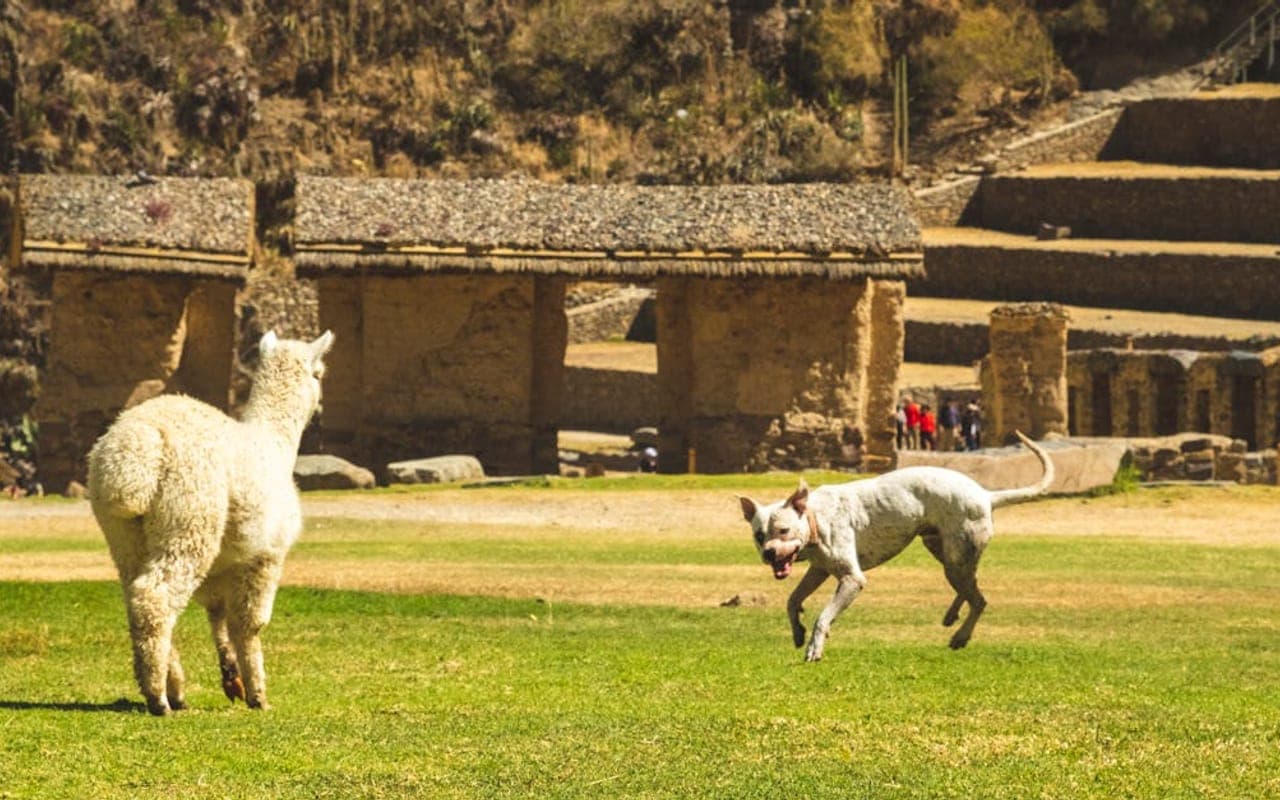
The Peruvian Inca Orchid is one of the oldest dog types in the Americas, with hairless dogs depicted on pre-Inca pottery from coastal Peruvian cultures more than a thousand years ago. Folklore holds the dogs were kept indoors by day and only let out by moonlight — a romantic gloss on the practical fact that hairless skin burns in equatorial sun. The breed was valued as a companion and, by tradition, for the warmth its bare skin radiated against the body. It survived in rural Peru and was formally protected by Peruvian government decree in 2001, which required pre-Hispanic archaeological sites to keep examples of the breed. It later entered the AKC's developmental classes as breeders worked toward full recognition. For owners, the relevant history is genetic: the hairless trait and the linked missing-teeth trait are ancient and intrinsic to the breed — they are heritage, not a modern breeding mistake.
Gallery
Peruvian Inca Orchid photos
Images are cropped consistently and loaded progressively to keep the page responsive.
Lower-page context
Peruvian Inca Orchids in culture
Where the breed shows up in film, sport, work and folklore — the enjoyable part, once the practical questions are answered.
Fun facts
- The Peruvian Inca Orchid belongs to the Miscellaneous Class.
- The average lifespan of a Peruvian Inca Orchid is 12 to 14 years.
- Peruvian Inca Orchid dogs are valued for their affectionate, loyal, noble nature.
Peruvian Inca Orchid FAQs
Do Peruvian Inca Orchids really need sunscreen?
Yes — for the hairless variety this is a genuine medical requirement, not pampering. Bare PIO skin, especially the unpigmented patches, burns within a normal walk in strong sun, and the damage is cumulative toward long-term skin-cancer risk. Apply a dog-safe sunscreen to exposed skin before midday outings, walk early or late in summer, and provide shade. The coated (powderpuff) variety has none of this need, which is a real consideration when choosing a puppy from a mixed litter.
Why is my hairless Peruvian Inca Orchid missing teeth?
Because the gene that makes the breed hairless is genetically linked to incomplete dentition — most hairless PIOs are simply born without a full set of premolars and molars. This is normal and expected for the variety, not a sign of neglect or disease, and the dog can still eat and chew. What it does mean: brush the teeth they have several times a week and keep up annual dental checks, since the remaining teeth on a reduced arcade are more prone to crowding and plaque.
How much grooming does a Peruvian Inca Orchid need?
It depends entirely on the coat type, and the difference is large. A coated PIO needs only a weekly brush and is genuinely low-maintenance. A hairless PIO has no fur to groom but instead needs a real skin regimen: sunscreen before sun exposure, periodic moisturizing to prevent dryness and acne, occasional gentle bathing, and a weekly skin check for new lumps or non-healing spots. 'Hairless' does not mean 'no maintenance' — it shifts the work from coat to skin.
Are Peruvian Inca Orchids good off-leash?
Generally no, and this is a defining sighthound caution. The PIO is a true sight-driven hound with strong prey drive; once it locks onto a fast-moving small animal it will run and will not respond to recall until the chase ends. Plan for a securely fenced area or a long line for free running, and treat reliable off-leash recall as something most owners never fully achieve in this breed rather than a training failure.
Are Peruvian Inca Orchids good with children and other pets?
With their own family they are affectionate and devoted, and they can do well with children who are taught to handle a fine-boned, somewhat sensitive dog gently — the thin build and (in the hairless variety) bare skin mean rough handling causes real injury. Around small pets, the sighthound prey drive is the limiting factor: a PIO raised with a cat may accept it, but most cannot reliably ignore small fast-moving animals, so supervision and management are ongoing, not a phase.
How long do Peruvian Inca Orchids live and what drives that?
Typically 12 to 14 years. For this breed, lifespan is driven less by generic 'good care' and more by two specific things: disciplined sun and skin management in the hairless variety (preventing cumulative UV damage and catching skin lesions early), and buying from a breeder who screens for epilepsy and, in the larger size, hip dysplasia. A PIO whose skin is protected and whose teeth are maintained generally lives a full, healthy life — the breed is hardy when its known vulnerabilities are managed.
Sources
These are the published sources this page draws on. Each opens in a new tab so you can check it yourself.
American Kennel Club
Peruvian Inca Orchid — breed standard and profile(opens in a new tab)Supports: Breed standard and recognition details.
Similar breeds to consider
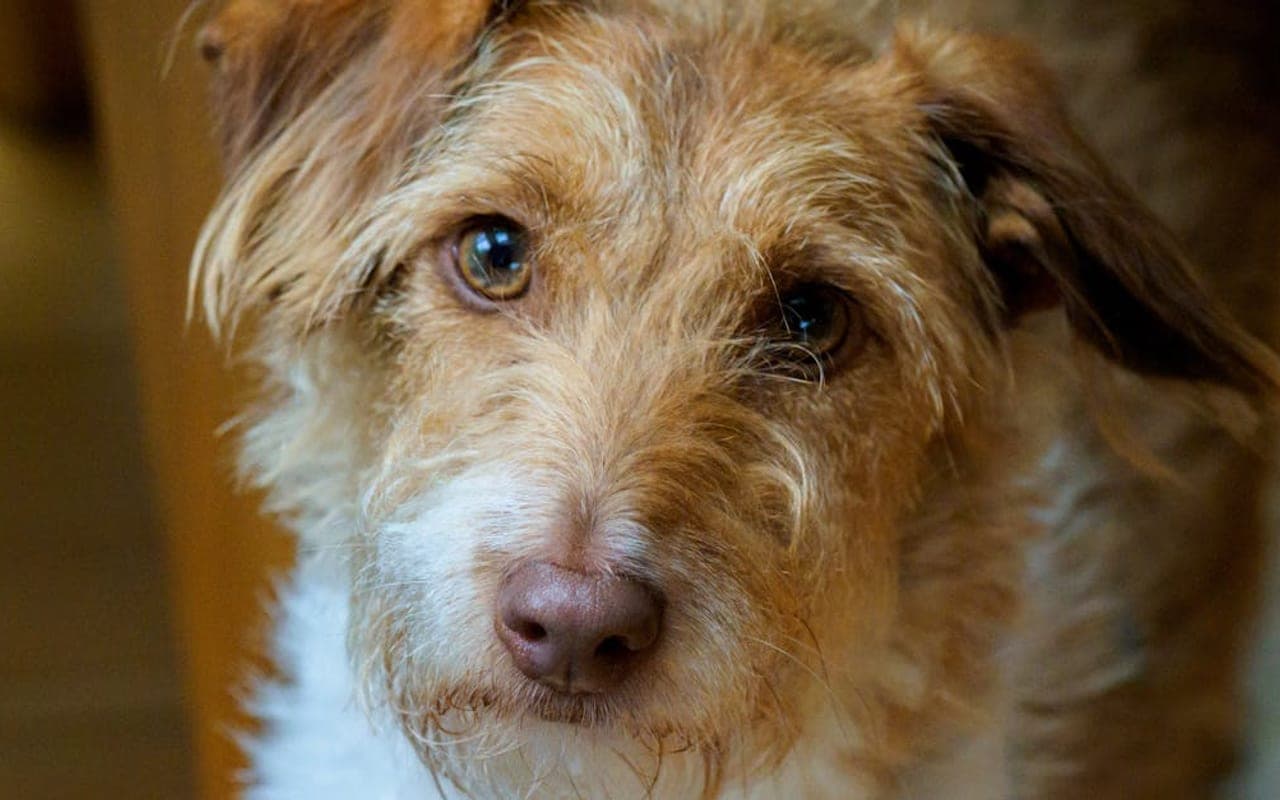
Portuguese Podengo
Also in the Miscellaneous Class group, with different care and temperament tradeoffs.
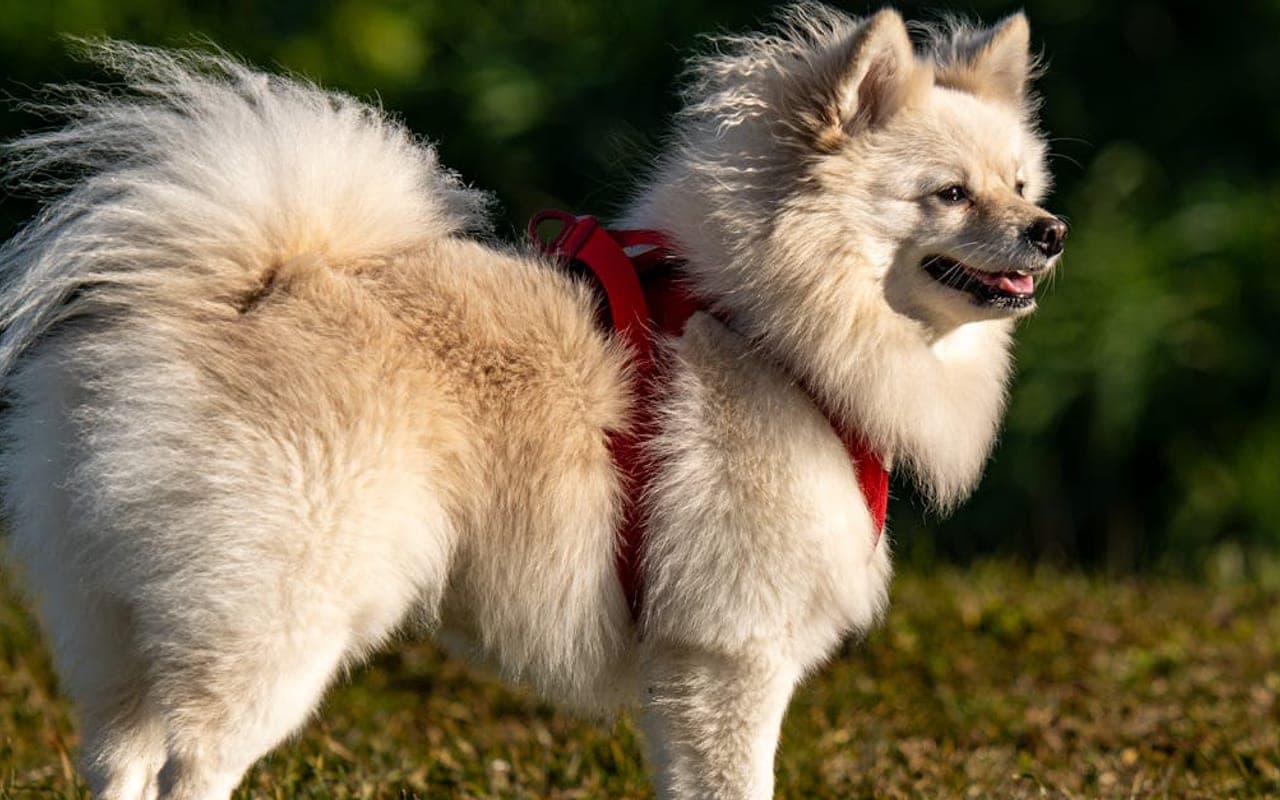
German Spitz
Also in the Miscellaneous Class group, with different care and temperament tradeoffs.
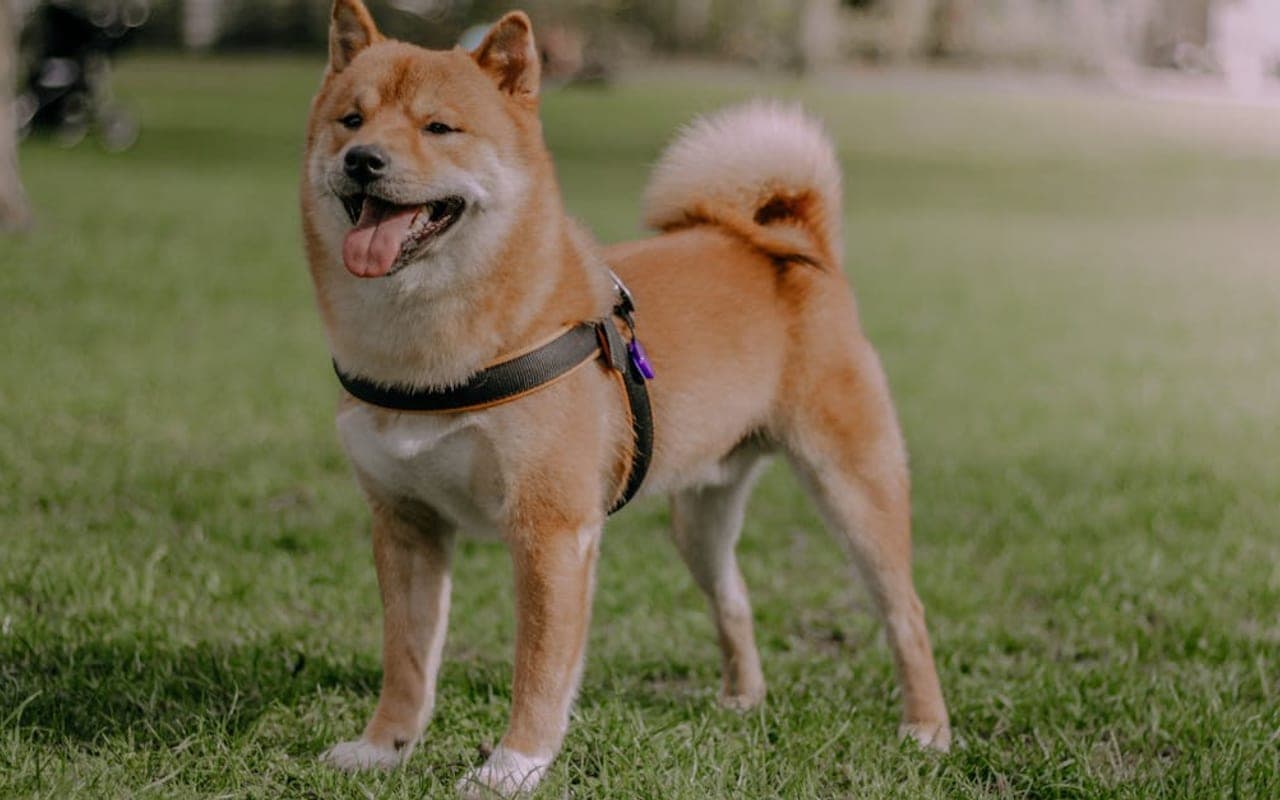
Kai Ken
Also in the Miscellaneous Class group, with different care and temperament tradeoffs.
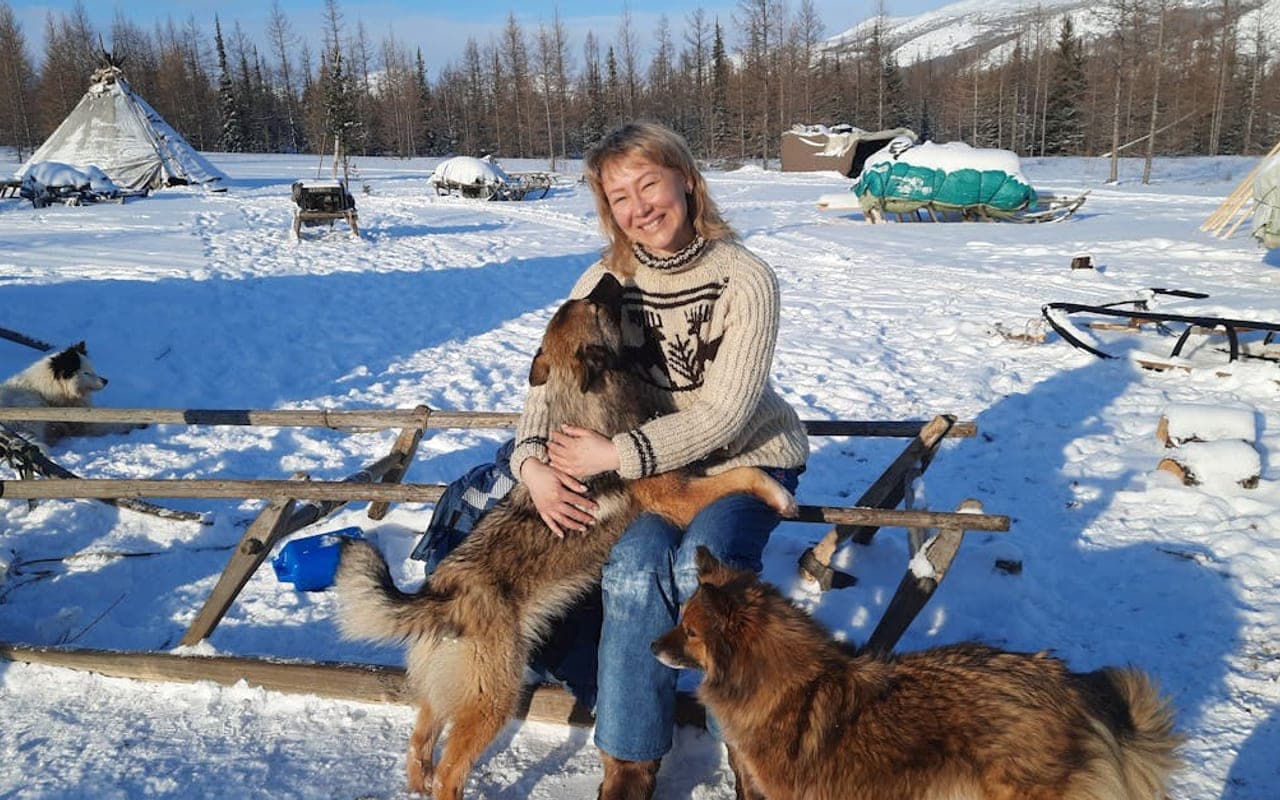
Yakutian Laika
Also in the Miscellaneous Class group, with different care and temperament tradeoffs.
Explore More About Peruvian Inca Orchid
Dive deeper into everything Peruvian Inca Orchid — costs, care, and expert insights.
Large Dog Care Guide: Everything Over 50 lbs
Owning a large or giant breed dog means accepting one of biology's...
Puppy Teething & Biting: Timeline and What Actually Works
A puppy has all 28 deciduous ("baby") teeth by roughly eight weeks of age, and...
Considering a cat instead?
Browse Cats