
Hound group
Plott
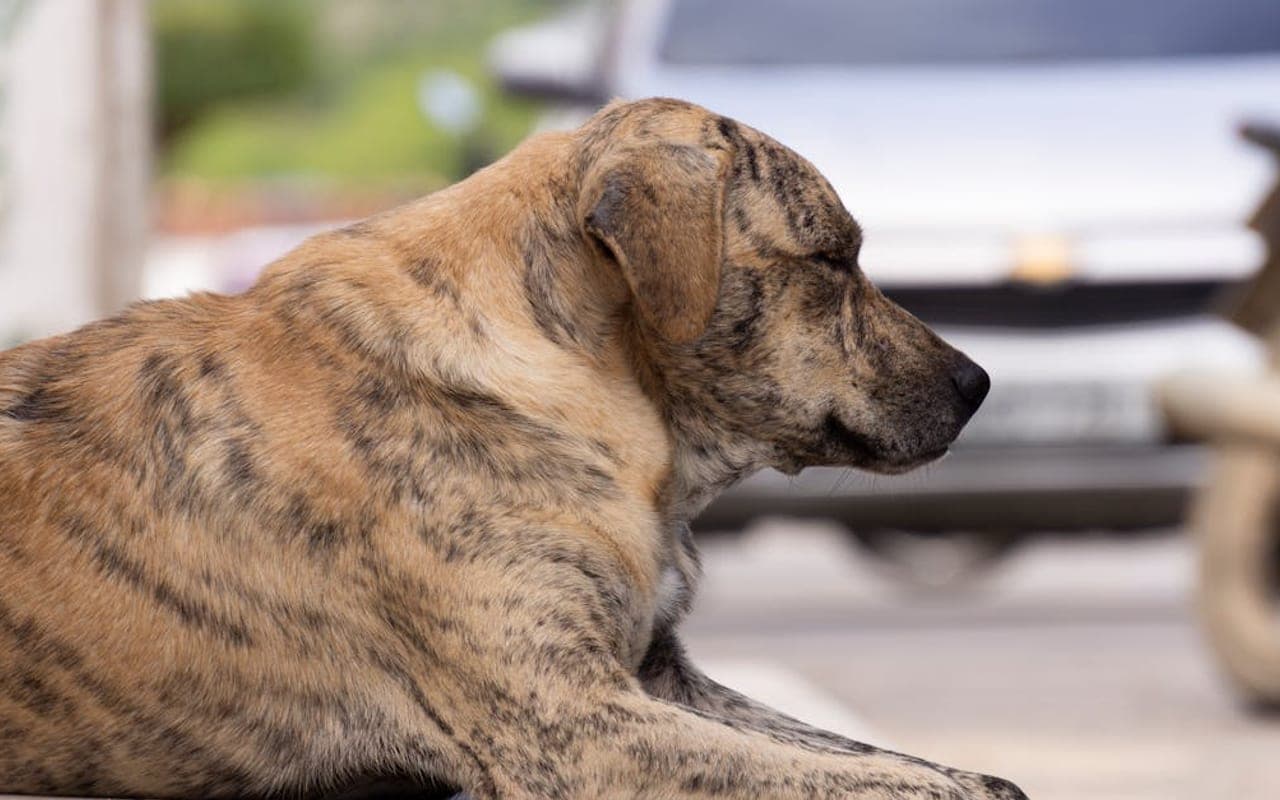
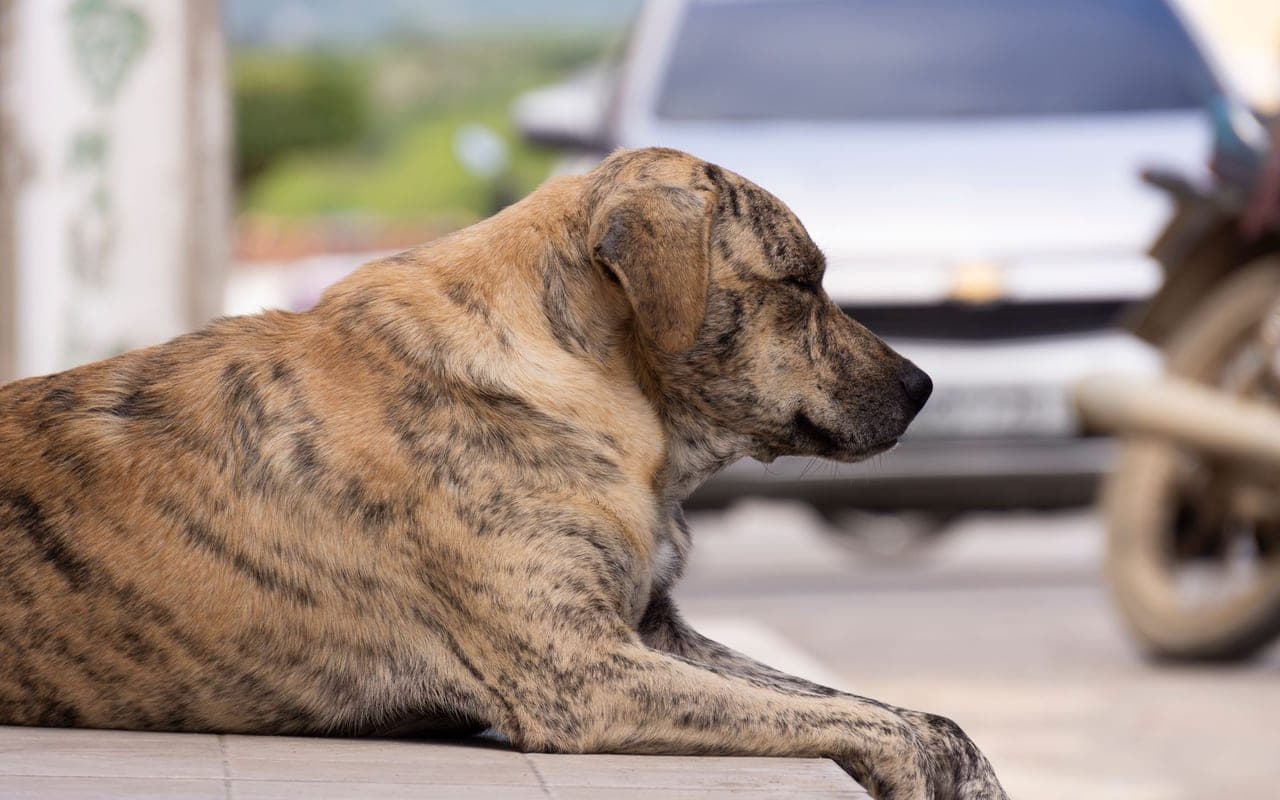
The Plott is North Carolina's state dog and the only American coonhound that did not descend from foxhounds — it traces to Hanoverian-type scenthounds the Plott family brought from Germany in 1750 and bred for generations to bay and hold big game, especially bear and wild boar.
Size
40-60 lb
Lifespan
12-14 years
Exercise
30-60 minutes
Shedding
Moderate
Experience
Match to owner routine
Decision first
Is a Plott right for you?
Start with fit before history or trivia. These are ownership signals, not guarantees about any individual dog.
Best suited for
- Households with children.
- Homes with other compatible pets.
- Owners seeking a manageable daily exercise routine.
Think carefully if
- You need a dog with almost no daily routine.
- You cannot keep up with grooming and preventive care.
- The dog will spend most days alone without support.
Conditional fit
Apartment living may be difficult unless the owner can meet the breed's exercise, training, and space needs.
Daily reality
Plott commitment snapshot
Daily exercise
30-60 minutes
Match activity to age, health, weather, and training goals.
Coat care
Moderate
Grooming needs vary by coat, shedding, and lifestyle.
Time alone
Needs planning
Most dogs need gradual alone-time conditioning and support.
Structured facts
Plott at a glance
The measurements and traits that most affect day-to-day life with this breed.
Group
Hound
Weight
40-60 lb
Height
20-25 in
Lifespan
12-14 years
View all characteristics and methodology
Lifestyle fit
- Apartment suitability
- Needs caution
- Child friendliness
- Often good, with socialisation and supervision
- Other-pet fit
- Often compatible with careful introductions
Owner commitment
- Exercise
- 30-60 minutes
- Grooming
- Moderate
- Shedding
- Moderate
Environment and health
- Health risk
- Needs planning
Ratings combine structured breed data, visible breed fields, and editorial context. They are planning aids, not predictions for an individual dog.
Daily life
Plott temperament and behavior
The Plott is North Carolina's state dog and the only American coonhound that did not descend from foxhounds — it traces to Hanoverian-type scenthounds the Plott family brought from Germany in 1750 and bred for generations to bay and hold big game, especially bear and wild boar. That heritage, not its handsome brindle coat, is what you are actually adopting. The Plott is a 18-27 kg (40-60 lb) medium-large hound with a deep, ringing voice, relentless stamina, a powerful nose, and the gritty, tenacious drive of a dog built to corner a bear and not back down. In the home that translates into a specific profile. Plotts are loyal, affectionate, and people-oriented with their family — genuinely warm dogs — but they are vocal (the bay carries for a long way and neighbors will hear it), high-stamina, scent-driven, and so prone to following their nose that off-lead reliability in unfenced space is poor. They are intelligent but independent-minded, bred to make decisions on a hunt away from the handler, which reads as 'stubborn' to owners expecting Border Collie compliance. The breed is, on the whole, a hardy working dog with a short hereditary disease list — but it carries two structural risks every owner must respect: as a deep-chested dog it is at real risk of bloat (GDV), and as a floppy-eared hound it is prone to ear infections that, untreated, become a recurring cost. Who the Plott is right for: an active owner with a securely fenced yard who wants a devoted, athletic, characterful hound and can tolerate a loud dog. Who it is wrong for: apartment dwellers with noise-sensitive neighbors, owners wanting off-lead freedom in open country, and anyone unwilling to manage the bloat and ear-care realities.
Owner note
Temperament labels are starting points, not guarantees. Meet the individual dog and ask about behavior history whenever possible.
Care essentials
How to care for a Plott
What looking after one actually involves: exercise, grooming, food, training, and routine health.
NutritionAs needed
- Feed high-quality dog food appropriate for age and size.
Health planning
Plott health risks and screening
Every breed has individual health variation. Use this profile for planning and discuss medical decisions with a veterinarian.
Responsible ownership
Finding a Plott responsibly
What to ask a breeder or rescue is the same conversation for every breed, so we keep it in one place and keep it current.
Health documentation, meeting the parents or foster, contracts and return support, and the warning signs worth walking away from.
Original purpose
Plott history
History is useful when it explains today's behavior, coat, exercise needs, and training style.
Read the breed history
The Plott is unique among American hounds for having no foxhound ancestry. In 1750 a teenage German immigrant, Johannes Plott, sailed to North Carolina with a few Hanoverian-type scenthounds bred in Germany to track wounded big game. The Plott family settled in the North Carolina mountains and, over roughly 200 years and many generations, kept the line largely closed and bred strictly for function: courage, nose, stamina, and the grit to bay and hold bear and wild boar in rough Appalachian terrain. The dogs were working stock long before they were a registered breed — the United Kennel Club recognized the Plott in 1946 and the AKC in 2006, placing it in the Hound Group. North Carolina named the Plott its official state dog in 1989, and the breed remains primarily a serious big-game and tracking hound rather than a show or companion creation.
Gallery
Plott photos
Images are cropped consistently and loaded progressively to keep the page responsive.
Lower-page context
Plotts in culture
Where the breed shows up in film, sport, work and folklore — the enjoyable part, once the practical questions are answered.
Fun facts
- With proper care, this breed can live 12 to 14 years.
Plott FAQs
How long do Plott Hounds live?
A healthy Plott typically lives 12-14 years, which is solid for a medium-large working hound and reflects that this is a hardy breed with a short hereditary disease list. The events that cut a Plott's life short are usually not slow genetic decline but acute or preventable: an untreated bloat episode, or joint disease and obesity in an under-exercised dog. A lean, well-exercised Plott on measured meals with routine ear care generally reaches the top of that range.
Are Plott Hounds loud, and can they live in an apartment?
They are loud. The Plott was bred to bay so a hunter could find it from a long distance, and that deep, carrying voice does not switch off in a living room — it fires at scents, sounds, and excitement. An under-exercised Plott is louder still. They can physically tolerate apartment life only with serious daily exercise, but the noise alone makes them a poor apartment choice with close neighbors. They are far better suited to a house with a securely fenced yard.
Are Plott Hounds easy to train?
They are intelligent but independent. The Plott was bred to track and corner big game while making its own decisions far from the handler, so it is not naturally compliant the way a herding breed is — owners often read this as stubbornness. They respond well to consistent, patient, reward-based training started early, but recall in open ground is genuinely unreliable because a strong scent overrides everything. Plan for a securely fenced yard and lead walks rather than off-lead obedience in unfenced country.
How much exercise does a Plott Hound need?
A lot — this is a stamina-built big-game hound, not a moderate-energy pet. Budget 60-90 minutes of real daily activity: long walks or hikes, securely fenced running, and scent or tracking games that engage the nose and brain. Under-exercised Plotts bay excessively, dig, escape, and become destructive, which is a leading reason they enter rescue. If you cannot reliably give that time most days for over a decade, this is the wrong breed for your household.
Why do Plott Hounds get ear infections so often?
Their long, hanging ears are the cause. The ear flap seals warm, moist air against the canal, and trapped moisture and wax create an ideal environment for bacterial and yeast infections — so for a Plott, ear infections are a predictable recurring care item, not bad luck. Weekly checks, a vet-approved cleaner, drying the ears after swimming or rain, and treating head-shaking or odor early keep it a minor cost. Ignored, otitis becomes chronic, painful, and expensive to resolve.
Are Plott Hounds good family dogs?
Yes, for the right home. Plotts are loyal, affectionate, and strongly people-oriented, and they are typically good with children they are raised with and bond closely to their family. The honest caveats are the working-dog ones: high prey drive toward small animals, a loud carrying voice, strong exercise needs, and poor off-lead recall. In an active household with a secure yard they are devoted, characterful companions; in a quiet, low-activity, or apartment home they are usually a mismatch.
Sources
These are the published sources this page draws on. Each opens in a new tab so you can check it yourself.
American Kennel Club
Plott — breed standard and profile(opens in a new tab)Supports: Breed standard and recognition details.
Similar breeds to consider
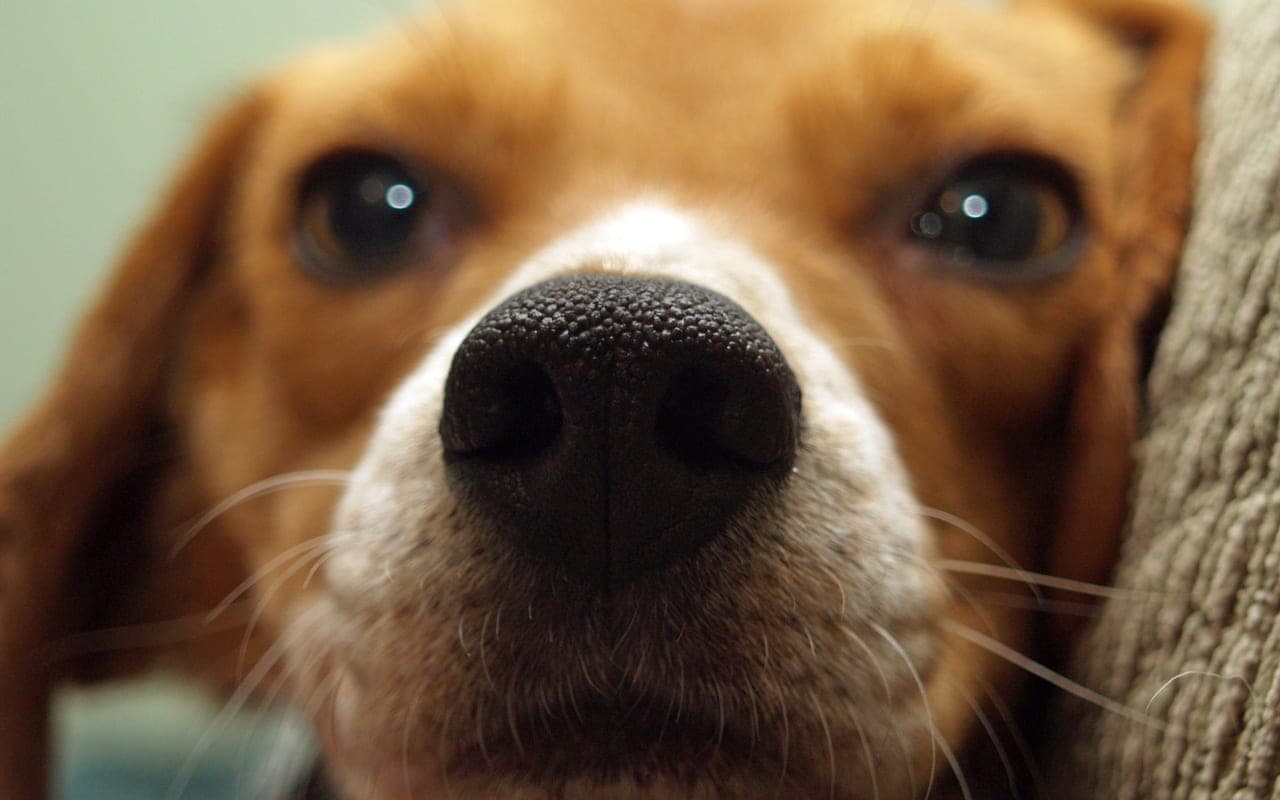
Beagle
Also in the Hound group, with different care and temperament tradeoffs.
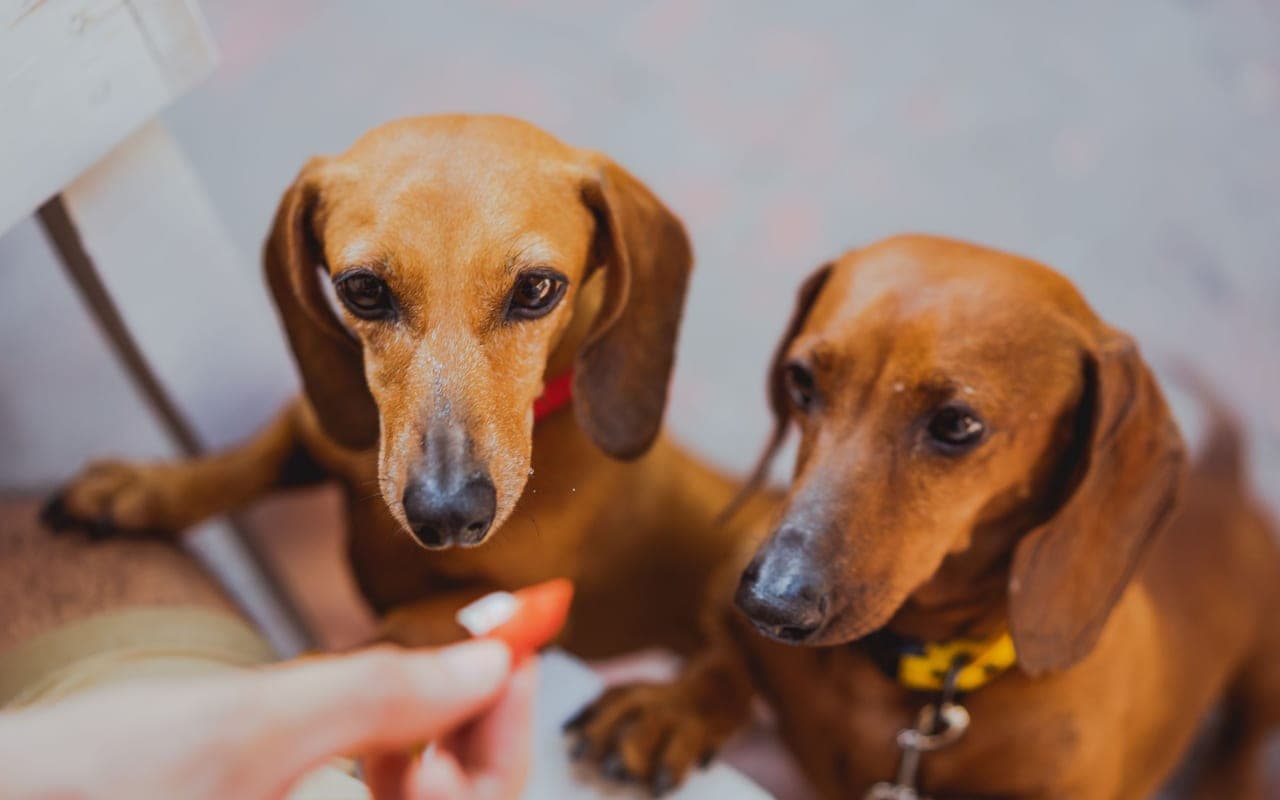
Dachshund
Also in the Hound group, with different care and temperament tradeoffs.
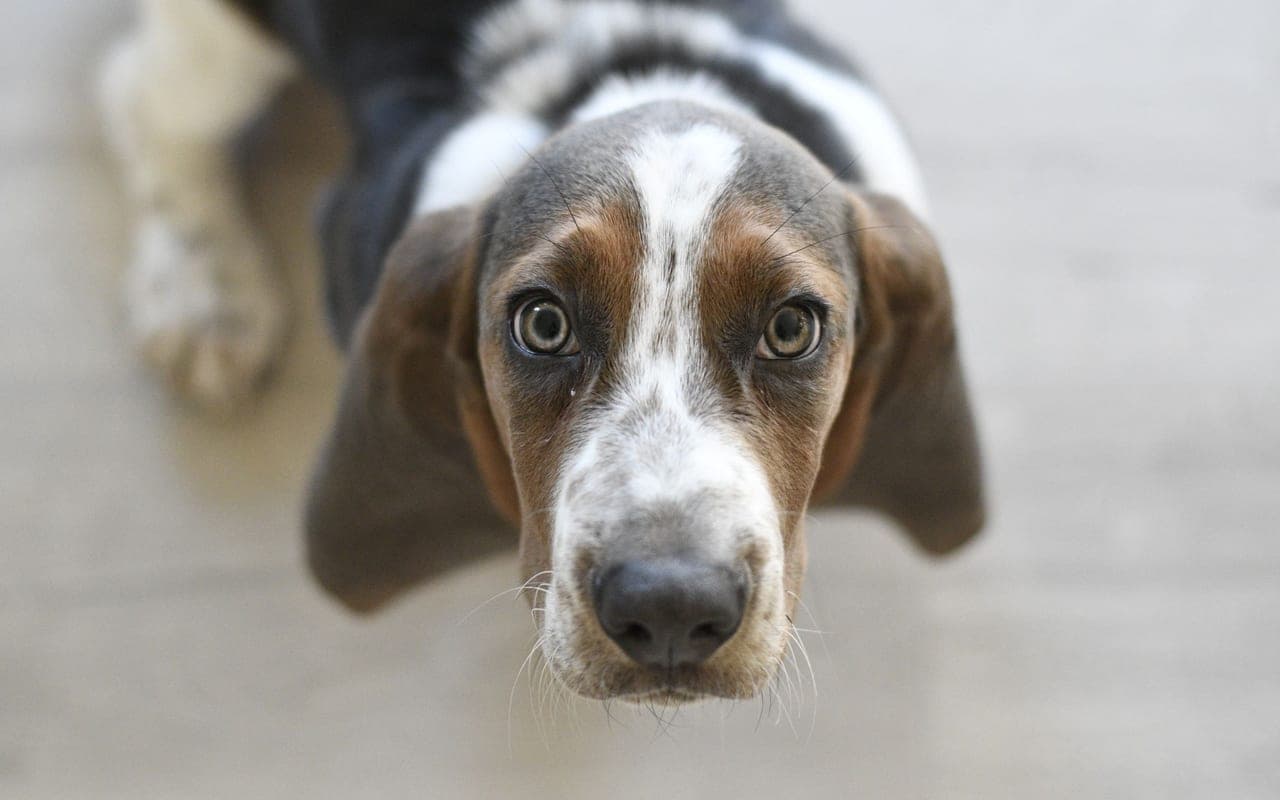
Basset Hound
Also in the Hound group, with different care and temperament tradeoffs.
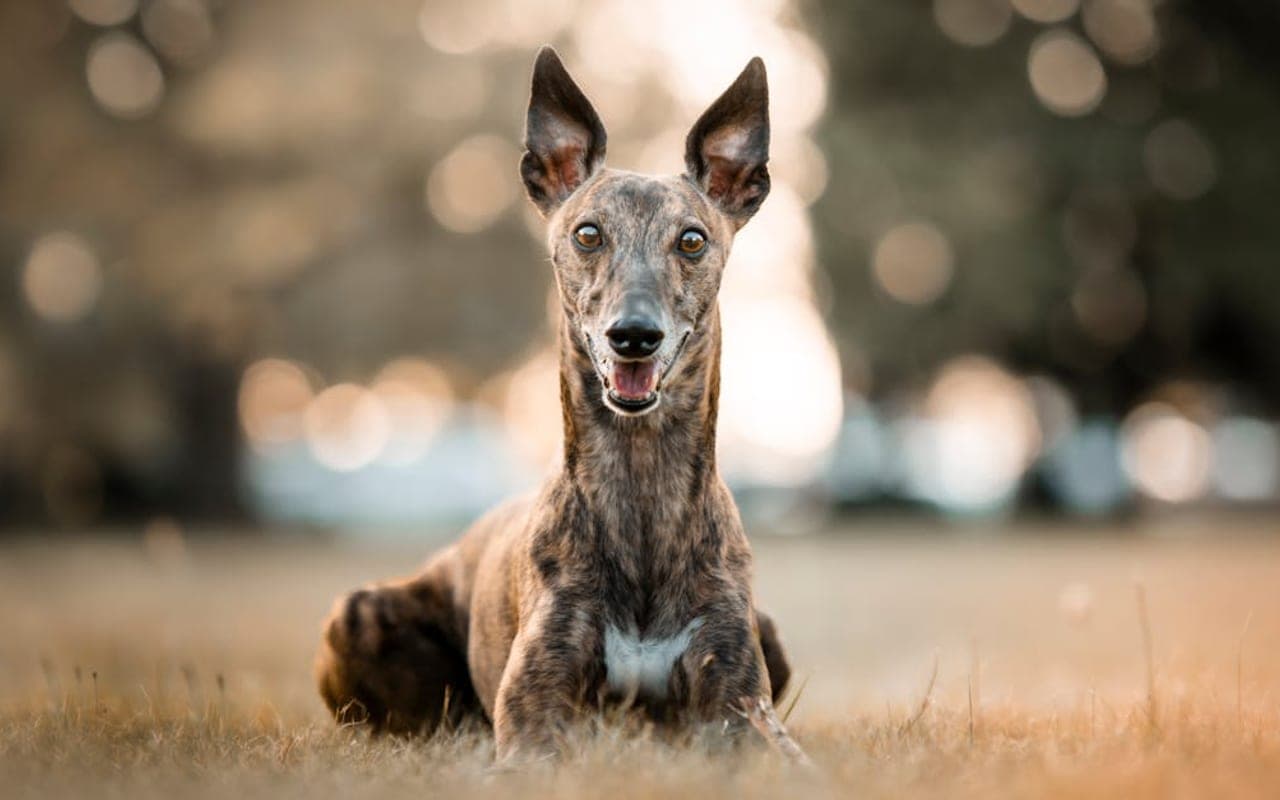
Greyhound
Also in the Hound group, with different care and temperament tradeoffs.
Explore More About Plott
Dive deeper into everything Plott — costs, care, and expert insights.
Large Dog Care Guide: Everything Over 50 lbs
Owning a large or giant breed dog means accepting one of biology's...
Puppy Teething & Biting: Timeline and What Actually Works
A puppy has all 28 deciduous ("baby") teeth by roughly eight weeks of age, and...
Considering a cat instead?
Browse Cats