
Herding group
Polish Lowland Sheepdog
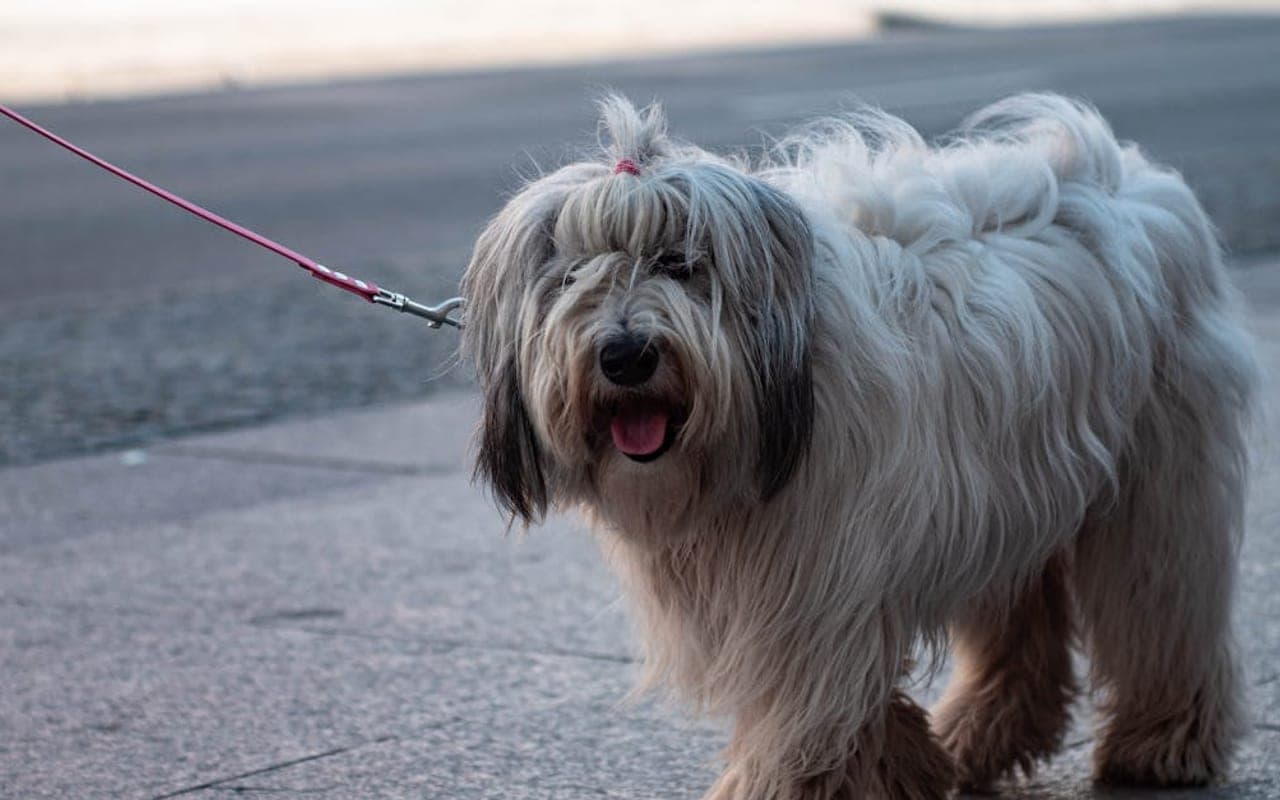
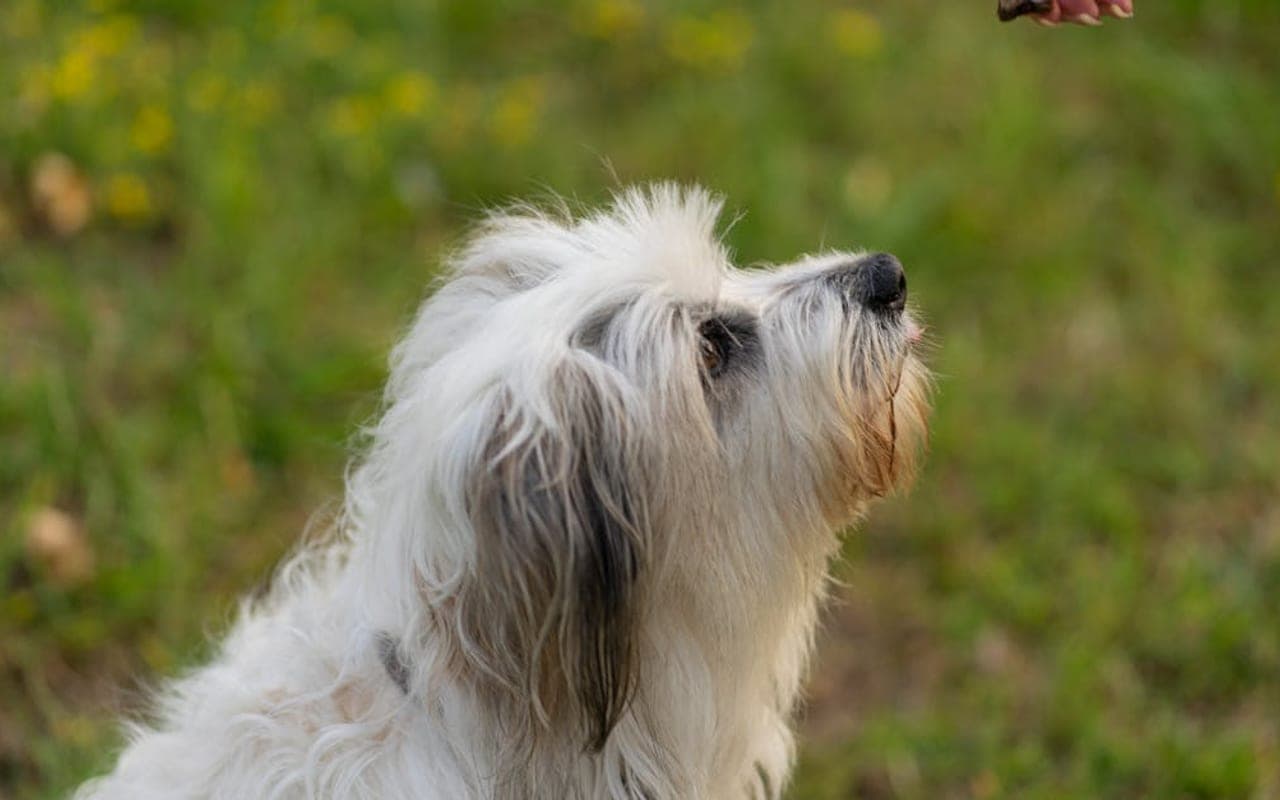
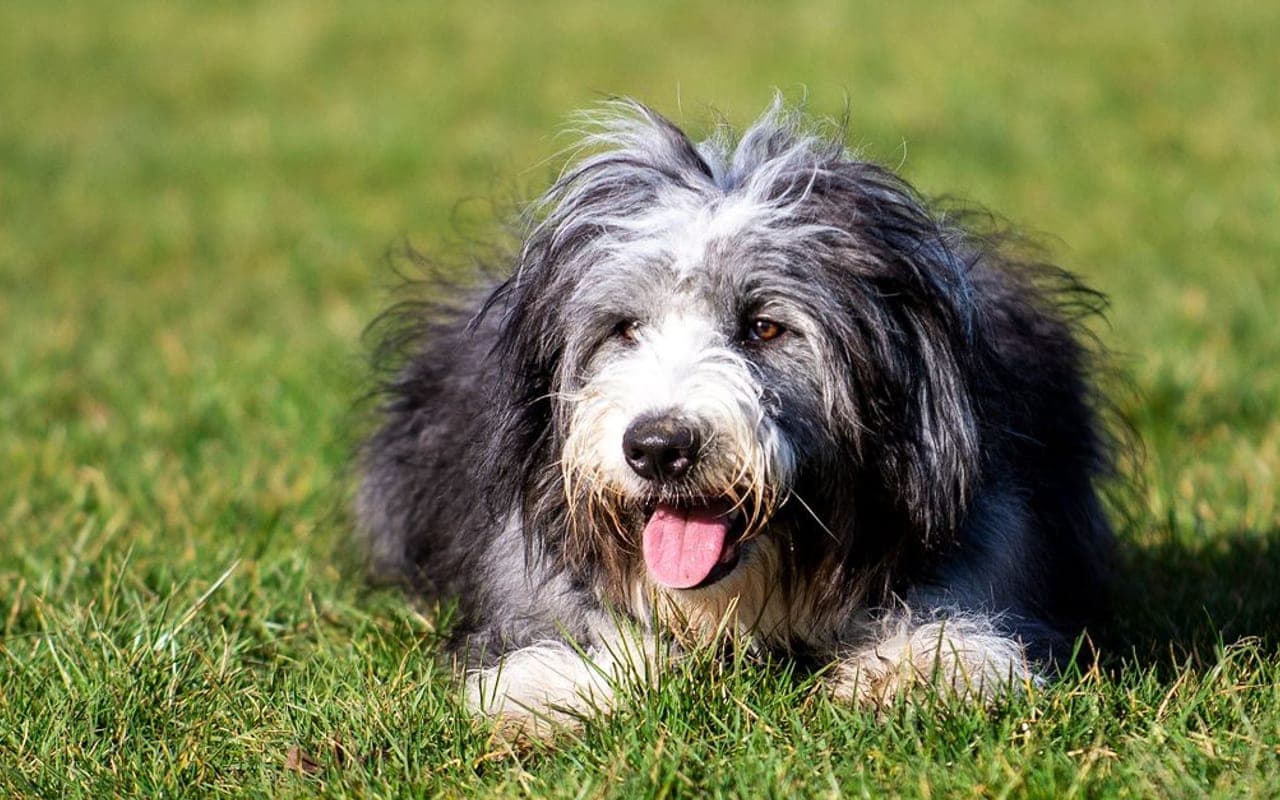
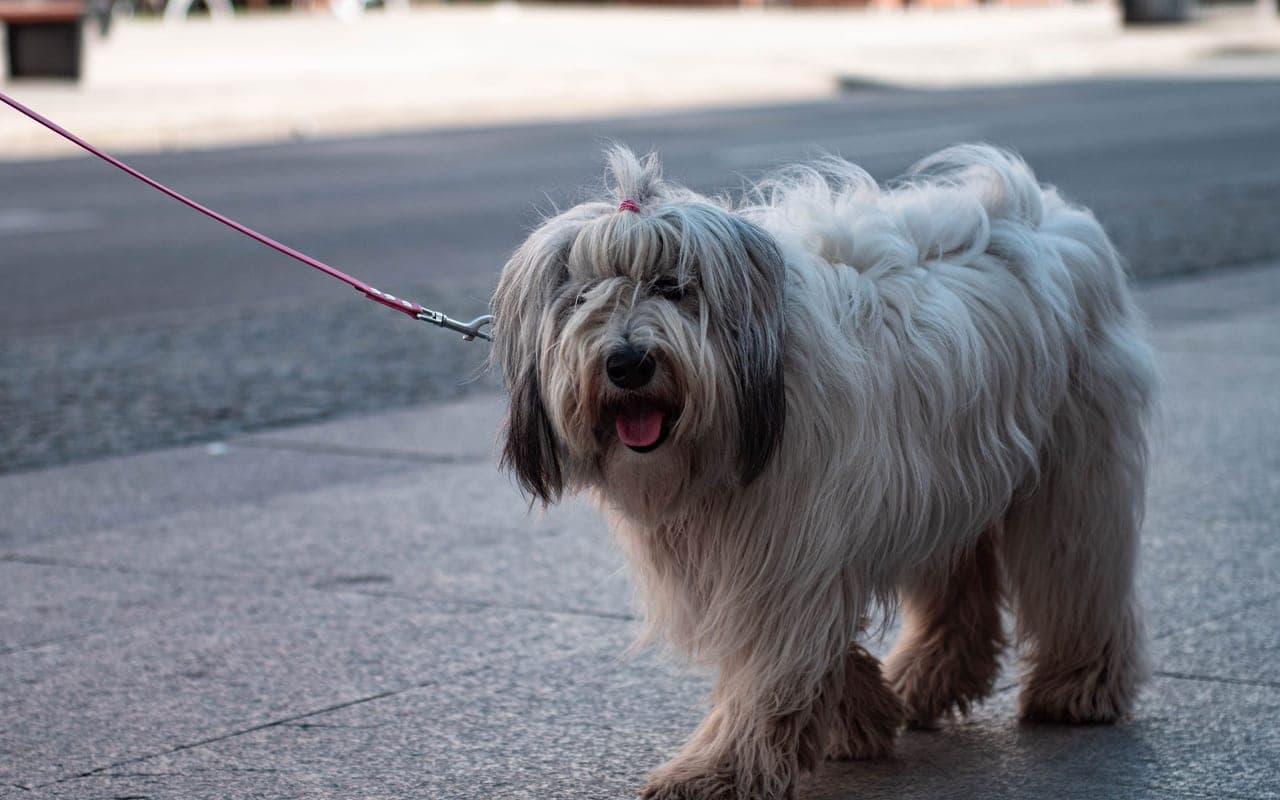
The Polish Lowland Sheepdog — PON, from the Polish Polski Owczarek Nizinny — is a medium-sized shaggy herding dog, roughly 17 to 20 inches at the shoulder and 30 to 50 pounds, built compact, muscular, and rectangular under a thick double coat that famously hangs over the eyes.
Size
30-50 lb
Lifespan
12-14 years
Exercise
30-60 minutes
Shedding
Moderate
Experience
Match to owner routine
Decision first
Is a Polish Lowland Sheepdog right for you?
Start with fit before history or trivia. These are ownership signals, not guarantees about any individual dog.
Best suited for
- Households with children.
- Homes with other compatible pets.
- Apartment homes with a consistent routine.
- Owners seeking a manageable daily exercise routine.
Think carefully if
- You need a dog with almost no daily routine.
- You cannot keep up with grooming and preventive care.
- The dog will spend most days alone without support.
Conditional fit
Apartment fit depends on exercise, enrichment, noise management, and outdoor access.
Daily reality
Polish Lowland Sheepdog commitment snapshot
Daily exercise
30-60 minutes
Match activity to age, health, weather, and training goals.
Coat care
Moderate
Grooming needs vary by coat, shedding, and lifestyle.
Time alone
Needs planning
Most dogs need gradual alone-time conditioning and support.
Structured facts
Polish Lowland Sheepdog at a glance
The measurements and traits that most affect day-to-day life with this breed.
Group
Herding
Weight
30-50 lb
Height
17-20 in
Lifespan
12-14 years
Temperament
Confident | Clever | Lively
View all characteristics and methodology
Lifestyle fit
- Apartment suitability
- Likely fit
- Child friendliness
- Often good, with socialisation and supervision
- Other-pet fit
- Often compatible with careful introductions
Owner commitment
- Exercise
- 30-60 minutes
- Grooming
- Moderate
- Shedding
- Moderate
- Training
- Moderate
Environment and health
- Health risk
- Needs planning
Ratings combine structured breed data, visible breed fields, and editorial context. They are planning aids, not predictions for an individual dog.
Daily life
Polish Lowland Sheepdog temperament and behavior
The Polish Lowland Sheepdog — PON, from the Polish Polski Owczarek Nizinny — is a medium-sized shaggy herding dog, roughly 17 to 20 inches at the shoulder and 30 to 50 pounds, built compact, muscular, and rectangular under a thick double coat that famously hangs over the eyes. It is not a giant breed and not a couch breed; it is a working sheepdog with a sharp, independent, problem-solving brain and a long memory, and that brain is the single most important thing to understand before buying one. The PON is clever, confident, and deliberately a little stubborn — traits that made it valuable working flocks unsupervised on Polish lowlands for centuries. In a home, that translates to a dog that learns fast but negotiates, that needs a reason to comply, and that gets bored and destructive without daily mental work. It is also a natural watchdog: reserved with strangers, alert, and vocal. Owners who want a friendly-to-everyone, biddable dog often find the PON's discernment and independence frustrating. The coat is the second major commitment. That double coat — long and shaggy on top, soft and dense beneath — mats readily and needs serious, consistent grooming for the life of the dog. It is low-shedding, which again misleads buyers into expecting low effort; the opposite is true. PONs are loyal, affectionate with their family, generally good with children they are raised with, and adaptable in size to many homes including apartments — provided the exercise and mental needs are met. They bond hard and do not thrive ignored. Who the PON is right for: an experienced, active owner who wants an intelligent working companion, will commit to real grooming and daily mental engagement, and values a discerning watchdog over an everybody's-friend dog. Who it is wrong for: first-time owners wanting an easy dog, anyone unwilling to brush a matting coat several times a week, and households that cannot give a herding brain a job.
Confident | Clever | Lively
Confident
A common Polish Lowland Sheepdog temperament descriptor that should be interpreted alongside training, exercise, and household fit.
Clever
A common Polish Lowland Sheepdog temperament descriptor that should be interpreted alongside training, exercise, and household fit.
Lively
A common Polish Lowland Sheepdog temperament descriptor that should be interpreted alongside training, exercise, and household fit.
Owner note
Temperament labels are starting points, not guarantees. Meet the individual dog and ask about behavior history whenever possible.
Care essentials
How to care for a Polish Lowland Sheepdog
What looking after one actually involves: exercise, grooming, food, training, and routine health.
ExerciseAs needed
- Moderately active breed needing 30-60 minutes of daily exercise.
GroomingAs needed
- Brush 2-3 times per week.
TrainingAs needed
- Consistent, patient training works best.
NutritionAs needed
- Feed high-quality dog food appropriate for age, size, and activity level.
Veterinary CareAs needed
- Annual wellness exams, vaccinations, dental care, and parasite prevention.
Health planning
Polish Lowland Sheepdog health risks and screening
Every breed has individual health variation. Use this profile for planning and discuss medical decisions with a veterinarian.
Responsible ownership
Finding a Polish Lowland Sheepdog responsibly
What to ask a breeder or rescue is the same conversation for every breed, so we keep it in one place and keep it current.
Health documentation, meeting the parents or foster, contracts and return support, and the warning signs worth walking away from.
Original purpose
Polish Lowland Sheepdog history
History is useful when it explains today's behavior, coat, exercise needs, and training style.
Read the breed history
The Polish Lowland Sheepdog descends from corded herding dogs of the Polish plains, with roots traced to Asian herding breeds brought to Poland centuries ago and refined into a compact, weatherproof flock dog. For generations it worked the lowlands of Poland driving and guarding sheep, prized for intelligence, independence, and an extraordinary memory. The breed was nearly wiped out in World War II; a Polish veterinarian, Dr. Danuta Hryniewicz, is widely credited with rebuilding it from a small number of surviving dogs in the mid-20th century, including a foundational dog named Smok. That bottleneck explains both the breed's relatively small gene pool and why inherited conditions such as hip dysplasia, PRA, and hypothyroidism are tracked closely by breed clubs and registries today. The PON remains a recognized herding breed and a popular, watchful companion in Poland and internationally.
Gallery
Polish Lowland Sheepdog photos
Images are cropped consistently and loaded progressively to keep the page responsive.
Lower-page context
Polish Lowland Sheepdogs in culture
Where the breed shows up in film, sport, work and folklore — the enjoyable part, once the practical questions are answered.
Fun facts
- The Polish Lowland Sheepdog belongs to the Herding Group.
- The average lifespan of a Polish Lowland Sheepdog is 12 to 14 years.
- Polish Lowland Sheepdog dogs are valued for their confident, clever, lively nature.
Polish Lowland Sheepdog FAQs
How long do Polish Lowland Sheepdogs live?
A healthy PON typically lives 12 to 14 years. Lifespan is most affected by weight and by which inherited conditions a dog carries: hip dysplasia and hypothyroidism are manageable and not usually life-shortening when treated, but neuronal ceroid lipofuscinosis is fatal and shortens life dramatically in affected dogs. The strongest controllable lever is keeping the dog lean to protect its hips over a long working life.
Are Polish Lowland Sheepdogs good for first-time owners?
Usually not the easiest first dog. The PON is intelligent and trainable but independent, stubborn, and discerning — it negotiates rather than blindly complies, and it needs daily mental work or it becomes destructive and vocal. Experienced owners who enjoy training a thinking dog find it rewarding; first-timers wanting an easygoing, eager-to-please pet often underestimate the mental-stimulation and grooming commitment and struggle.
How much grooming does a Polish Lowland Sheepdog need?
A lot, and it is the cost most buyers underestimate. The double coat mats quickly, so brush thoroughly to the skin 3 to 4 times a week, 15 to 20 minutes per session, plus a professional groom roughly every 6 to 8 weeks if you do not fully maintain it yourself. The coat is low-shedding, which misleads people into expecting low effort — a neglected PON coat pelts and has to be shaved short.
Are Polish Lowland Sheepdogs good with children and other pets?
Generally yes with family children they are raised with — they are loyal and affectionate with their own people. Two herding-breed caveats: they may herd or nip at running children and pets (trainable but real), and they are reserved and watchful with strangers, so early, broad socialization is important. Supervise interactions with young children and introduce new pets gradually rather than assuming instant acceptance.
How much exercise does a Polish Lowland Sheepdog need?
Plan 60 to 90 minutes of daily exercise plus dedicated mental work. This is a working herding breed: walks alone do not satisfy it. Combine physical activity (brisk walks, off-leash running in a safe area, fetch) with problem-solving — obedience, scent work, trick training, or herding-style activities. An under-exercised, mentally bored PON is the one that develops the breed's worst behavior: destructiveness, excessive barking, and stubborn non-compliance.
What inherited conditions should a PON breeder test for?
At minimum, hips (radiographic/OFA evaluation given the breed's notable hip dysplasia rate), eyes (ophthalmic exam plus the rcd4 PRA DNA test), thyroid status, and the NCL genetic test, since neuronal ceroid lipofuscinosis is fatal and DNA-testable. Patent ductus arteriosus is a congenital heart defect worth a puppy cardiac check. Ask to see written clearances rather than verbal assurances — the breed's WWII genetic bottleneck makes screening genuinely important here.
Sources
These are the published sources this page draws on. Each opens in a new tab so you can check it yourself.
American Kennel Club
Polish Lowland Sheepdog — breed standard and profile(opens in a new tab)Supports: Breed standard and recognition details.
Similar breeds to consider
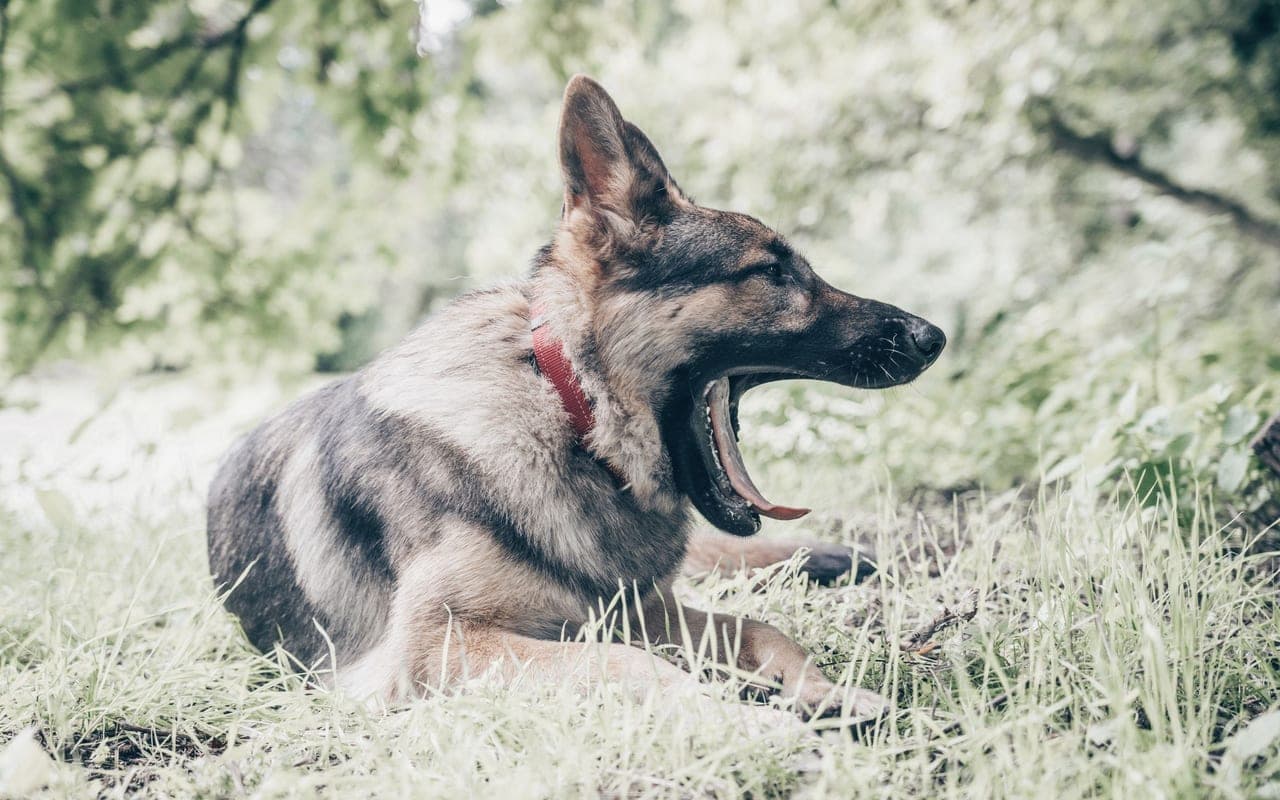
German Shepherd
Also in the Herding group, with different care and temperament tradeoffs.
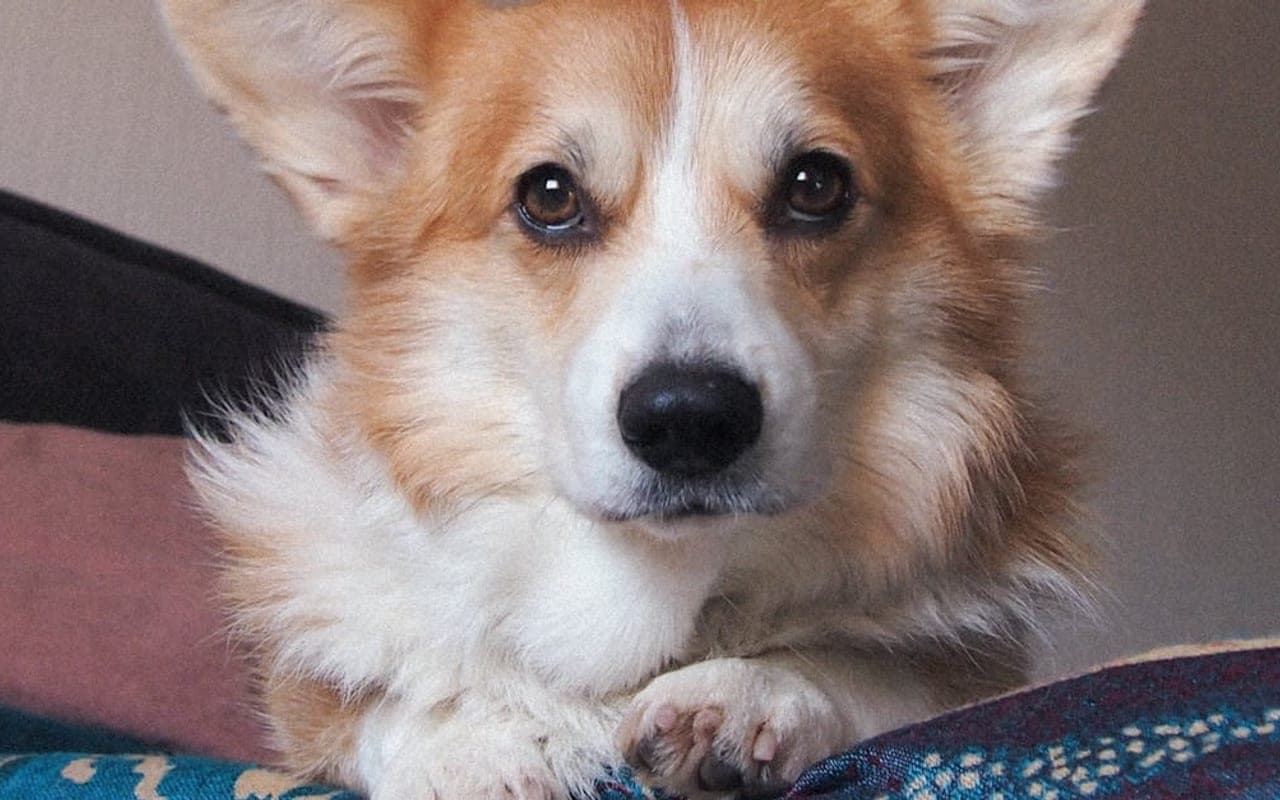
Pembroke Welsh Corgi
Also in the Herding group, with different care and temperament tradeoffs.
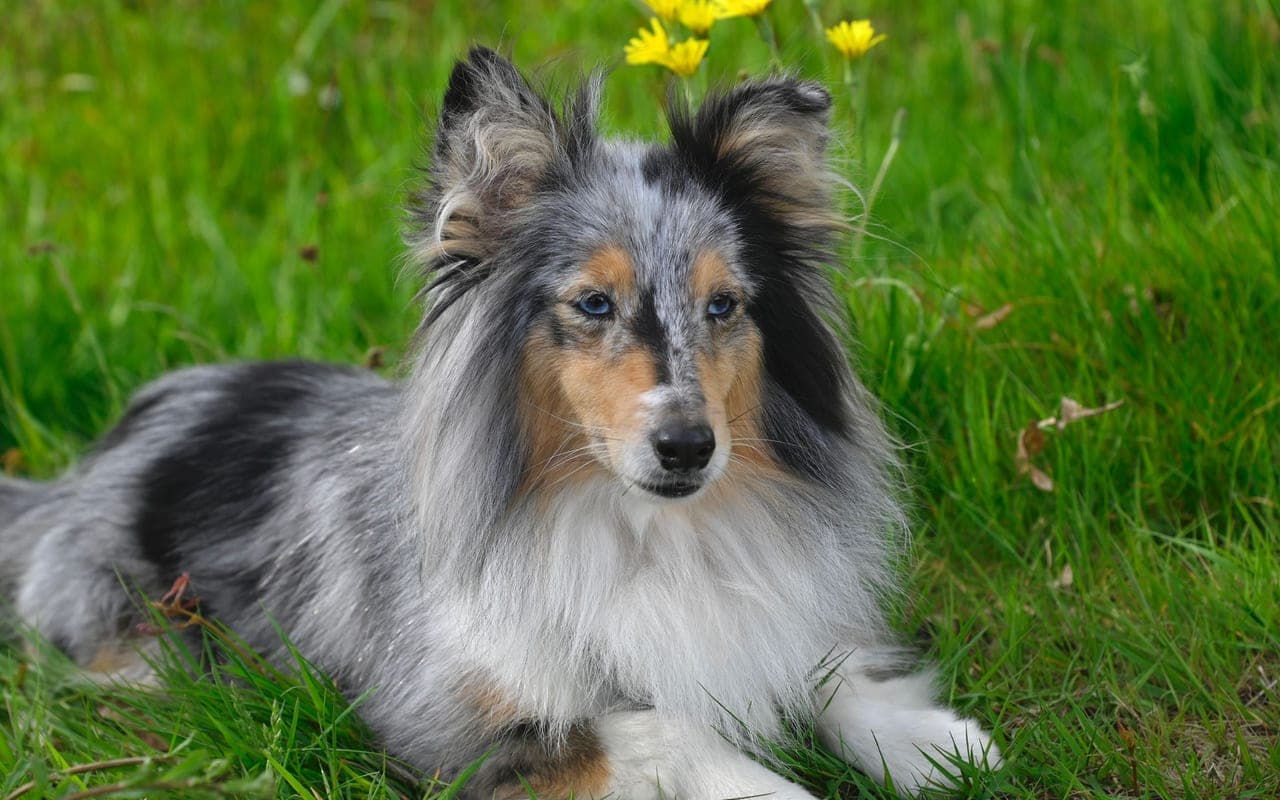
Shetland Sheepdog
Also in the Herding group, with different care and temperament tradeoffs.
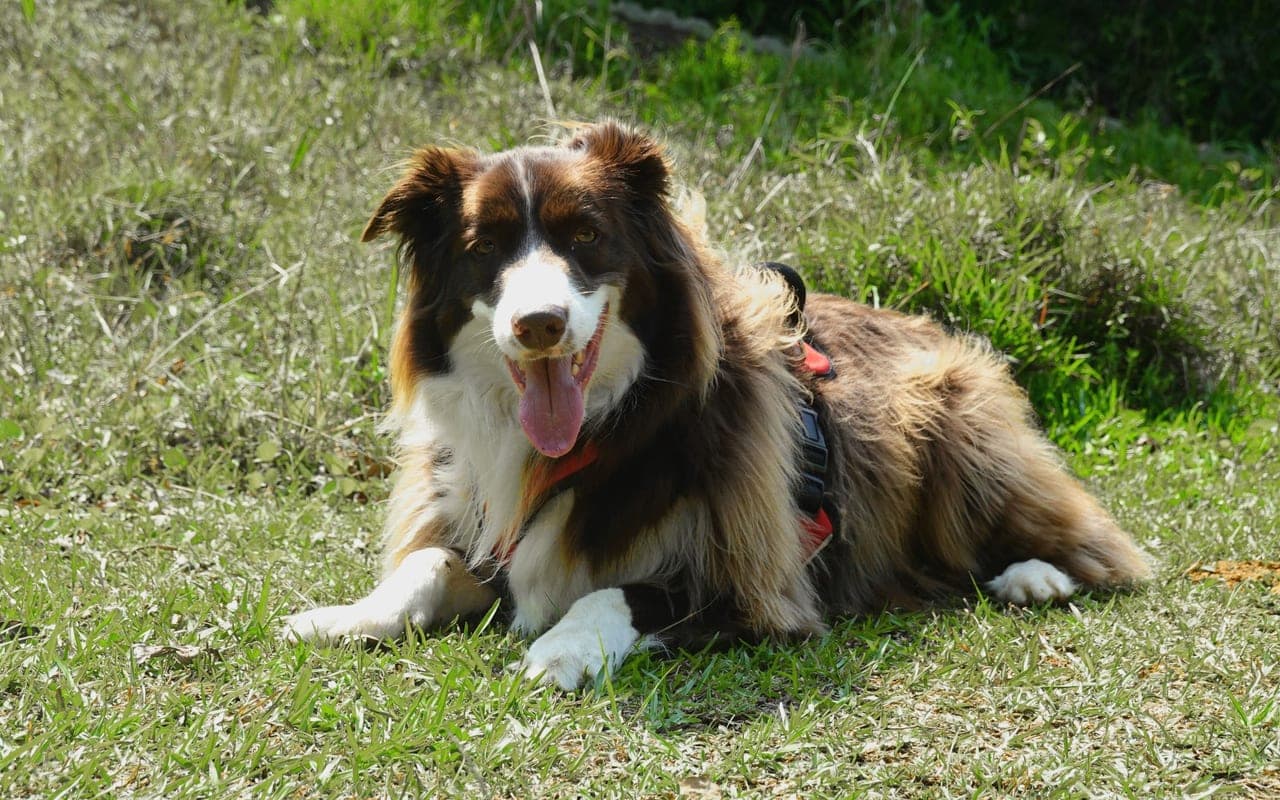
Border Collie
Also in the Herding group, with different care and temperament tradeoffs.
Explore More About Polish Lowland Sheepdog
Dive deeper into everything Polish Lowland Sheepdog — costs, care, and expert insights.
Large Dog Care Guide: Everything Over 50 lbs
Owning a large or giant breed dog means accepting one of biology's...
Puppy Teething & Biting: Timeline and What Actually Works
A puppy has all 28 deciduous ("baby") teeth by roughly eight weeks of age, and...
Considering a cat instead?
Browse Cats