
Foundation Stock Service group
Porcelaine
The Porcelaine, also called the Chien de Franche-Comté, is widely considered the oldest French scenthound — and it is, first and last, a pack-hunting hound.
Size
55-62 lb
Lifespan
12-13 years
Exercise
30-60 minutes
Shedding
Moderate
Experience
Match to owner routine
Decision first
Is a Porcelaine right for you?
Start with fit before history or trivia. These are ownership signals, not guarantees about any individual dog.
Best suited for
- Households with children.
- Homes with other compatible pets.
- Apartment homes with a consistent routine.
- Owners seeking a manageable daily exercise routine.
Think carefully if
- You need a dog with almost no daily routine.
- You cannot keep up with grooming and preventive care.
- The dog will spend most days alone without support.
Conditional fit
Apartment fit depends on exercise, enrichment, noise management, and outdoor access.
Daily reality
Porcelaine commitment snapshot
Daily exercise
30-60 minutes
Match activity to age, health, weather, and training goals.
Coat care
Moderate
Grooming needs vary by coat, shedding, and lifestyle.
Time alone
Needs planning
Most dogs need gradual alone-time conditioning and support.
Structured facts
Porcelaine at a glance
The measurements and traits that most affect day-to-day life with this breed.
Group
Foundation Stock Service
Weight
55-62 lb
Height
21-24 in
Lifespan
12-13 years
Temperament
Independent | Energetic | Powerful
View all characteristics and methodology
Lifestyle fit
- Apartment suitability
- Likely fit
- Child friendliness
- Often good, with socialisation and supervision
- Other-pet fit
- Often compatible with careful introductions
Owner commitment
- Exercise
- 30-60 minutes
- Grooming
- Moderate
- Shedding
- Moderate
- Training
- Moderate
Environment and health
- Health risk
- Needs planning
Ratings combine structured breed data, visible breed fields, and editorial context. They are planning aids, not predictions for an individual dog.
Daily life
Porcelaine temperament and behavior
The Porcelaine, also called the Chien de Franche-Comté, is widely considered the oldest French scenthound — and it is, first and last, a pack-hunting hound. The name comes from the breed's distinctive fine, glossy white coat with orange or lemon markings that gives it an almost porcelain sheen. Records place the breed in France and Switzerland as far back as the 1700s; it nearly vanished during the upheaval of the French Revolution and was rebuilt by dedicated breeders afterward. What matters for an owner is the function behind the elegant looks. This is an athletic, high-stamina hunting dog developed to work boar and deer in a pack, driven by an exceptional nose and the endurance to use it all day. In a home that translates to a dog that needs serious daily exercise, has a powerful prey and scent drive, and is independent rather than naturally obedient — typical hound traits, not flaws, but decisive ones. Temperament away from the hunt is gentle, amiable, and affectionate; this is not an aggressive breed and it generally bonds well with its people. But the energy and nose do not switch off because the dog is a pet. An under-exercised Porcelaine with no scent outlet will roam, follow its nose over a fence, vocalize, and find its own entertainment. Who the Porcelaine is right for: an active owner — ideally with a hunting, scent-sport, or serious endurance-exercise lifestyle — who has a securely fenced area and accepts a hound's independent nature. Who it is wrong for: apartment owners, sedentary households, off-leash optimists in unfenced areas, or anyone expecting a biddable companion dog. The breed is also rare, tracked by the AKC's Foundation Stock Service, so sourcing requires patience. Match the dog to an active, secure, hound-aware home or pass.
Independent | Energetic | Powerful
Independent
A common Porcelaine temperament descriptor that should be interpreted alongside training, exercise, and household fit.
Energetic
A common Porcelaine temperament descriptor that should be interpreted alongside training, exercise, and household fit.
Powerful
A common Porcelaine temperament descriptor that should be interpreted alongside training, exercise, and household fit.
Owner note
Temperament labels are starting points, not guarantees. Meet the individual dog and ask about behavior history whenever possible.
Care essentials
How to care for a Porcelaine
What looking after one actually involves: exercise, grooming, food, training, and routine health.
ExerciseAs needed
- Moderately active breed needing 30-60 minutes of daily exercise.
GroomingAs needed
- Brush 2-3 times per week.
TrainingAs needed
- Consistent, patient training works best.
NutritionAs needed
- Feed high-quality dog food appropriate for age, size, and activity level.
Veterinary CareAs needed
- Annual wellness exams, vaccinations, dental care, and parasite prevention.
Health planning
Porcelaine health risks and screening
Every breed has individual health variation. Use this profile for planning and discuss medical decisions with a veterinarian.
Responsible ownership
Finding a Porcelaine responsibly
What to ask a breeder or rescue is the same conversation for every breed, so we keep it in one place and keep it current.
Health documentation, meeting the parents or foster, contracts and return support, and the warning signs worth walking away from.
Original purpose
Porcelaine history
History is useful when it explains today's behavior, coat, exercise needs, and training style.
Read the breed history
The Porcelaine is generally regarded as the oldest of the French scenthounds. Documentation places the breed in France and the neighboring regions of Switzerland as far back as the 1700s, where it was prized as a pack hound for hunting larger game such as wild boar and deer, relying on a keen nose and the stamina to work long days. The breed nearly went extinct during the disruption of the French Revolution, when the aristocratic hunting culture that maintained such packs collapsed; it survived only because devoted breeders afterward reconstructed it from the remaining stock. Its modern name refers to the breed's hallmark feature — a very fine, glossy, predominantly white coat with orange markings that gives an almost porcelain-like appearance — and the older regional name, Chien de Franche-Comté, ties it to its area of origin in eastern France. The Porcelaine remains an uncommon breed internationally; in the United States it is tracked through the American Kennel Club's Foundation Stock Service rather than holding full recognition, and it is still used and valued as a working hunting hound in parts of Europe.
Gallery
Porcelaine photos
Images are cropped consistently and loaded progressively to keep the page responsive.
Lower-page context
Porcelaines in culture
Where the breed shows up in film, sport, work and folklore — the enjoyable part, once the practical questions are answered.
Fun facts
- The Porcelaine belongs to the Foundation Stock Service.
- The average lifespan of a Porcelaine is 12 to 13 years.
- Porcelaine dogs are valued for their independent, energetic, powerful nature.
Porcelaine FAQs
Is the Porcelaine a healthy breed?
Relatively, and it is fair to say so plainly rather than pad a risk list. The Porcelaine is an athletic working hound without a long documented inherited-disease roster — though that partly reflects how rare and under-studied the breed is, not a guarantee. The genuine, practical concerns are hip dysplasia, the floppy-ear infection risk shared by French scent hounds, and deep-chest bloat risk. Health in this breed is mostly managed through exercise, lean condition, ear care, sensible feeding, and buying from a breeder who hip-screens — not through treating many active diseases.
How much exercise does a Porcelaine need?
A lot, and consistently. Plan on at least an hour of vigorous daily exercise plus access to a securely fenced area to run, because this is a pack-hunting scenthound bred for all-day endurance. Walks alone rarely satisfy it; it needs to run and ideally to use its nose through scent games or tracking. An under-exercised Porcelaine reliably becomes vocal, restless, and destructive. If your lifestyle cannot reliably deliver that level of physical and scent exercise, this is the wrong breed regardless of how appealing the coat is.
Can a Porcelaine be let off-leash?
Only in a securely fenced area, and even then with awareness. As a scenthound with a powerful nose and prey drive, a Porcelaine that catches an interesting trail will follow it and is prone to roaming far from its handler, ignoring recall in the moment. This is not a training failure so much as a hard-wired hound trait. Off-leash freedom in open, unfenced country is a realistic way to lose the dog. Secure fencing and long-line work for scent training are the safe approaches; treat reliable off-leash recall as the exception, not the plan.
Are Porcelaines good with families and other dogs?
Generally yes on temperament. Away from the hunt the Porcelaine is gentle, amiable, and affectionate, not an aggressive breed, and as a pack-bred hound it typically gets along well with other dogs. The real caveats are practical: its high energy and scent drive mean it is better suited to active families with secure outdoor space than to quiet or apartment households, and its prey drive warrants caution and supervision around small pets. It bonds with its people but retains the independence typical of working hounds.
Why does my Porcelaine keep getting ear infections?
Because the breed's long, pendulous ears physically restrict airflow and trap moisture, dirt, and wax against the ear canal — an inherent consequence of the conformation, not bad luck. It is one of the most common issues in French scent hounds and one of the most preventable. The practical management is a weekly check and gentle cleaning, plus drying and inspecting the ears after any wet, muddy, or brushy field work. Persistent head-shaking, odor, or discharge means a vet visit rather than continued home cleaning, since established infections need treatment.
Is the Porcelaine prone to bloat?
It sits in the at-risk group because it is a deep-chested breed, and bloat (gastric dilatation-volvulus) is life-threatening — the stomach distends with gas and can twist. The sensible, evidence-aligned management is to feed smaller, more frequent measured meals rather than one large bowl and to avoid hard exercise immediately before and after eating. Owners should know the emergency signs cold: a swollen, hard abdomen, unproductive retching, drooling, and distress. That combination is a same-hour veterinary emergency in any deep-chested breed, including this one — minutes matter.
Sources
These are the published sources this page draws on. Each opens in a new tab so you can check it yourself.
American Kennel Club
Porcelaine — breed standard and profile(opens in a new tab)Supports: Breed standard and recognition details.
Similar breeds to consider
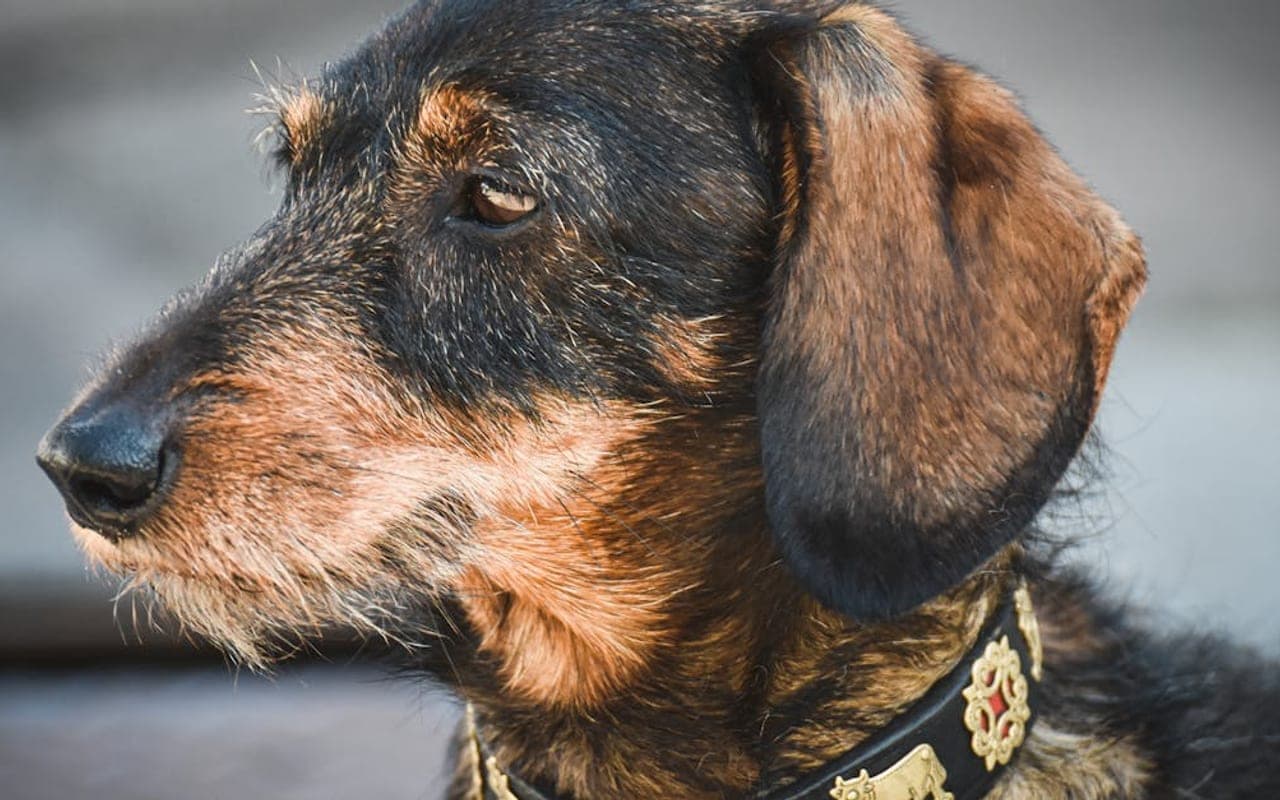
Jagdterrier
Also in the Foundation Stock Service group, with different care and temperament tradeoffs.

Jindo
Also in the Foundation Stock Service group, with different care and temperament tradeoffs.
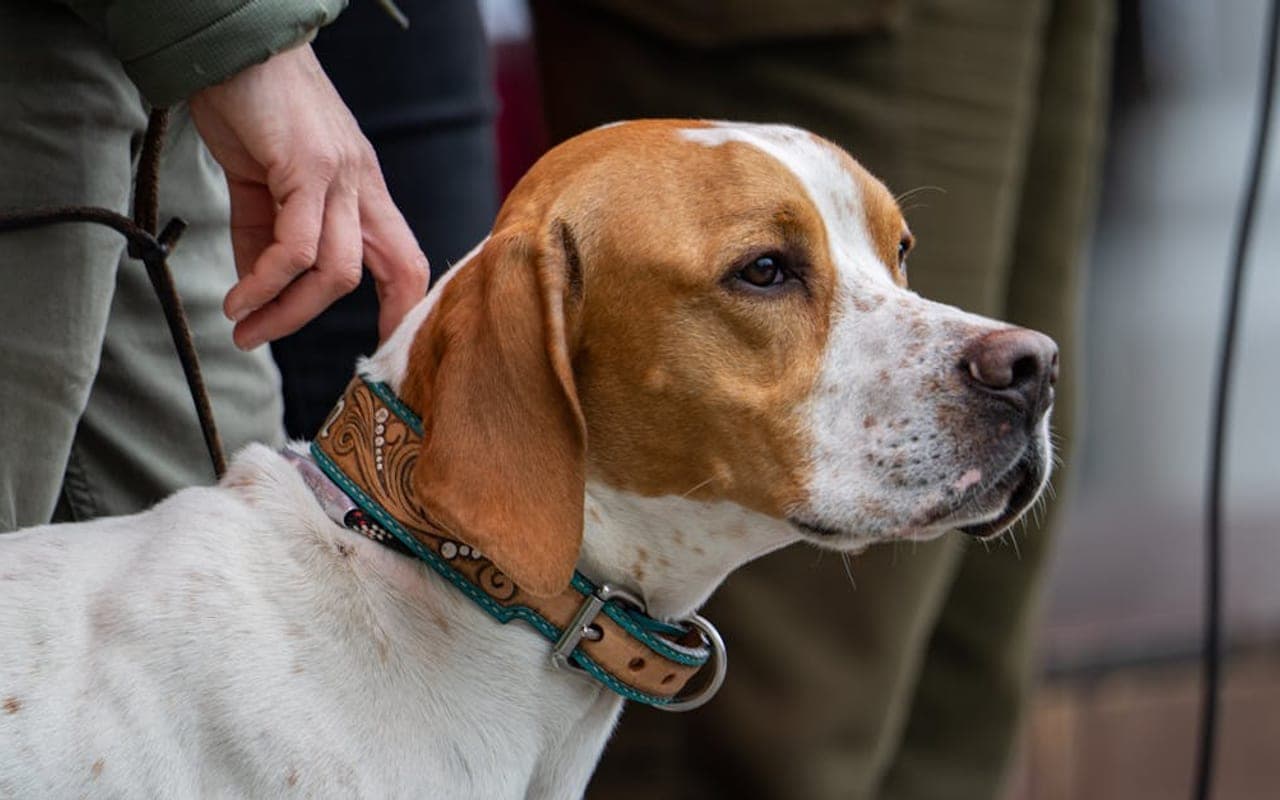
Portuguese Pointer
Also in the Foundation Stock Service group, with different care and temperament tradeoffs.
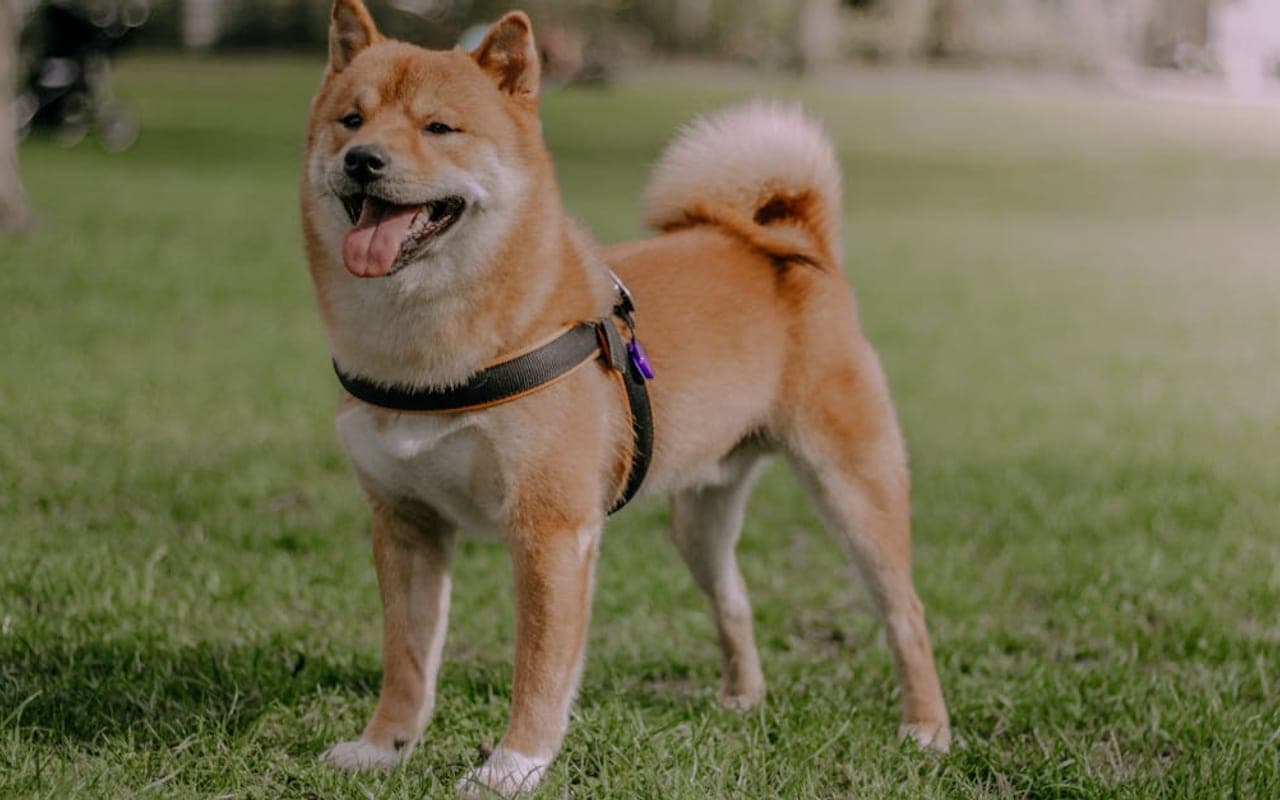
Kishu Ken
Also in the Foundation Stock Service group, with different care and temperament tradeoffs.
Explore More About Porcelaine
Dive deeper into everything Porcelaine — costs, care, and expert insights.
Large Dog Care Guide: Everything Over 50 lbs
Owning a large or giant breed dog means accepting one of biology's...
Puppy Teething & Biting: Timeline and What Actually Works
A puppy has all 28 deciduous ("baby") teeth by roughly eight weeks of age, and...
Considering a cat instead?
Browse Cats