
Foundation Stock Service group
Portuguese Sheepdog
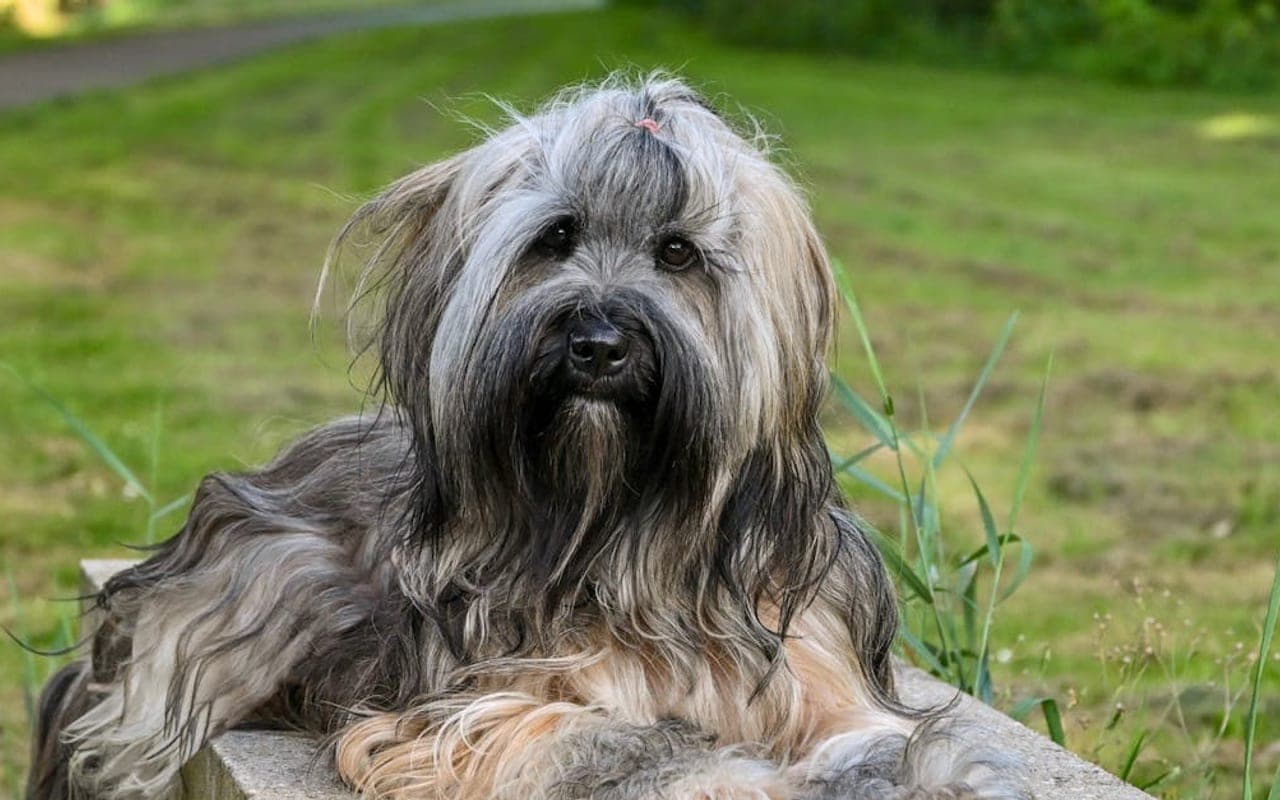
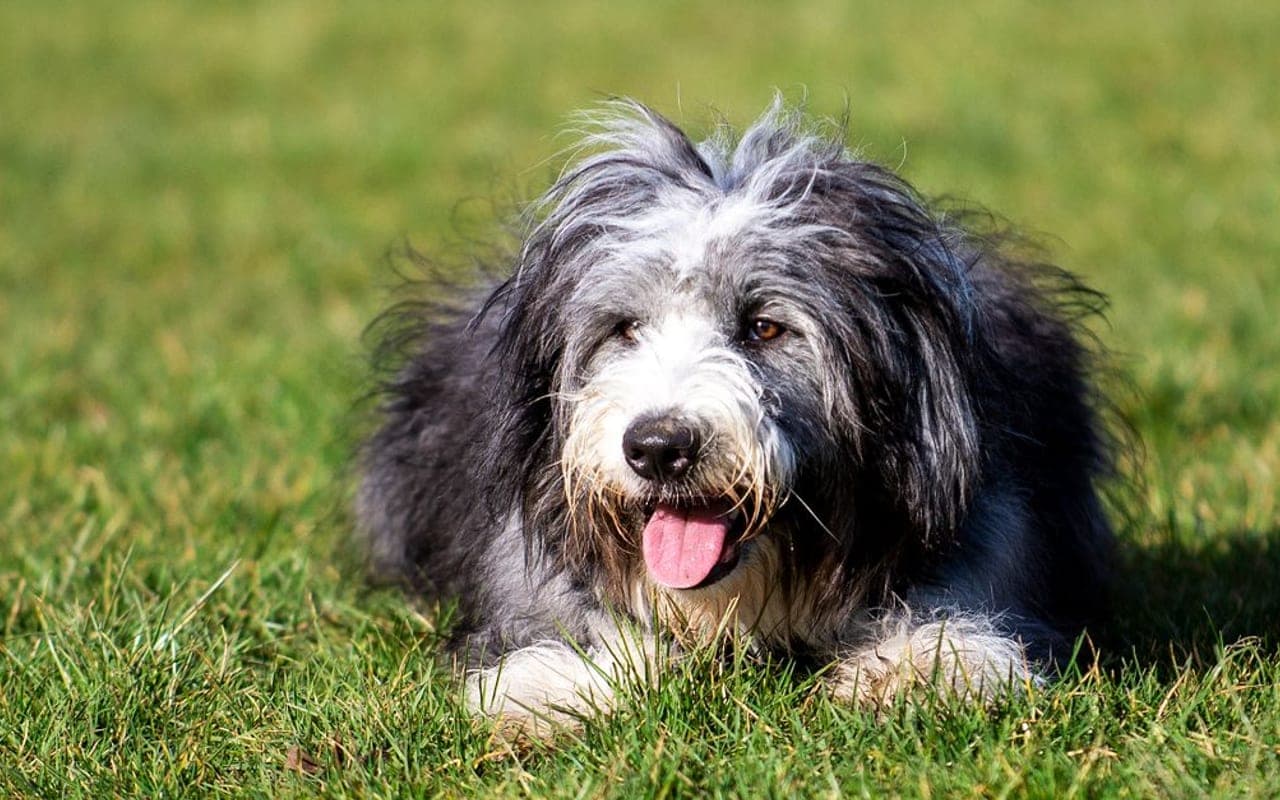
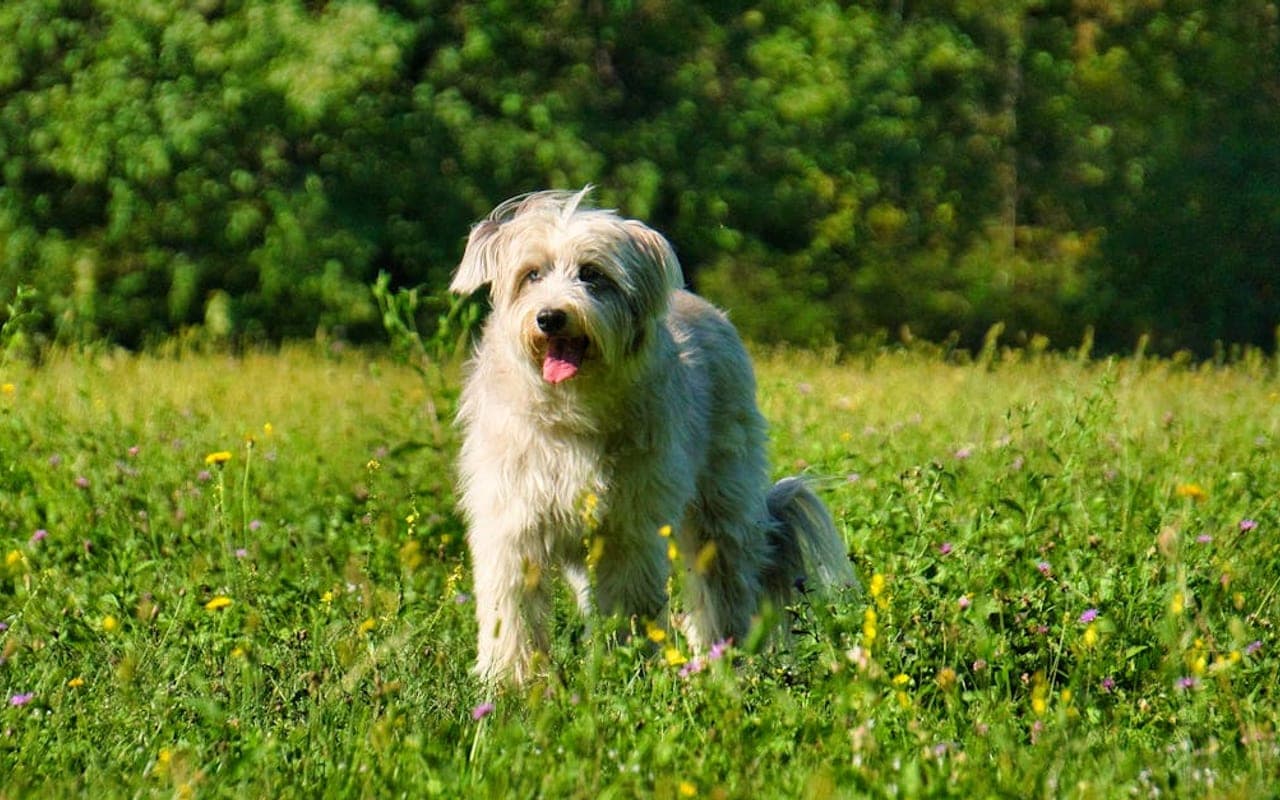
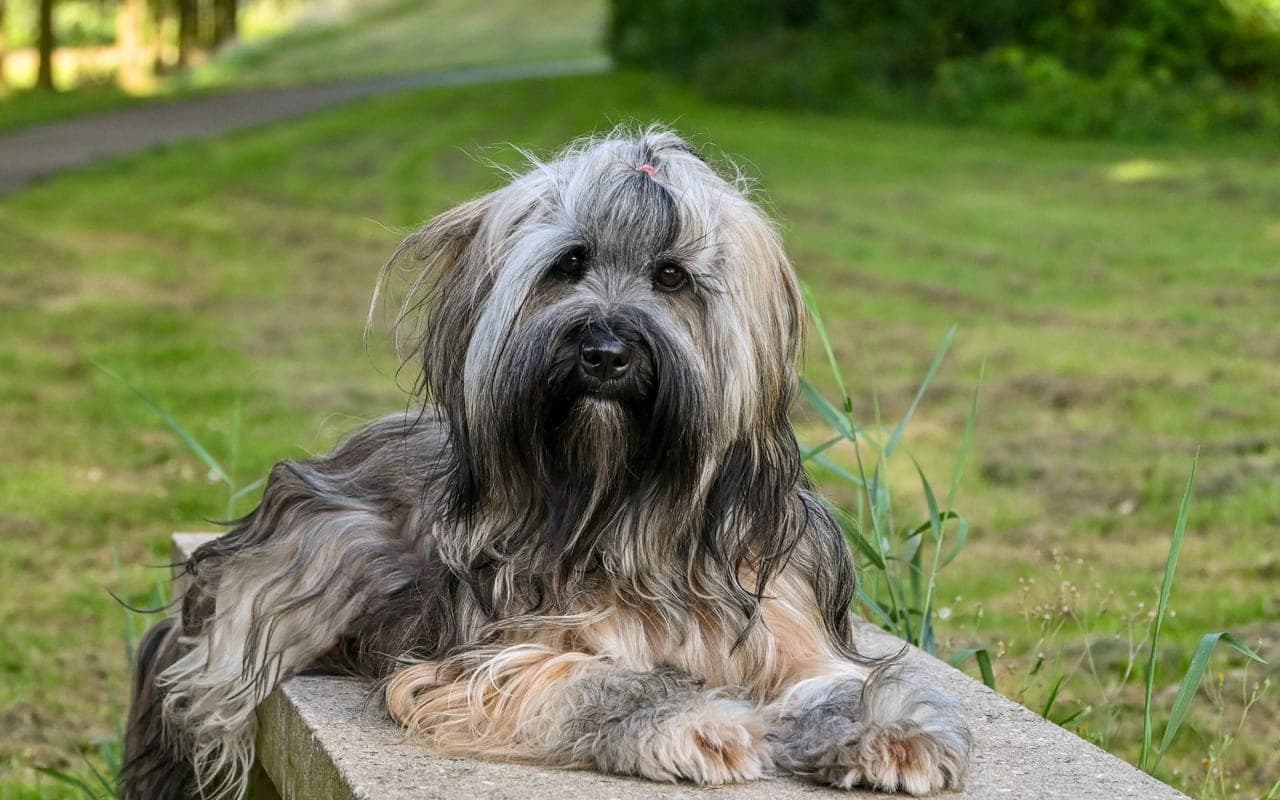
The Portuguese Sheepdog — Cão da Serra de Aires in its homeland — is a rustic medium herding dog that Portuguese shepherds nicknamed the 'monkey dog' for its expressive, almost simian face under a long goat-textured coat.
Size
37-60 lb
Lifespan
12-13 years
Exercise
30-60 minutes
Shedding
Moderate
Experience
Match to owner routine
Decision first
Is a Portuguese Sheepdog right for you?
Start with fit before history or trivia. These are ownership signals, not guarantees about any individual dog.
Best suited for
- Households with children.
- Homes with other compatible pets.
- Apartment homes with a consistent routine.
- Owners seeking a manageable daily exercise routine.
Think carefully if
- You need a dog with almost no daily routine.
- You cannot keep up with grooming and preventive care.
- The dog will spend most days alone without support.
Conditional fit
Apartment fit depends on exercise, enrichment, noise management, and outdoor access.
Daily reality
Portuguese Sheepdog commitment snapshot
Daily exercise
30-60 minutes
Match activity to age, health, weather, and training goals.
Coat care
Moderate
Grooming needs vary by coat, shedding, and lifestyle.
Time alone
Needs planning
Most dogs need gradual alone-time conditioning and support.
Structured facts
Portuguese Sheepdog at a glance
The measurements and traits that most affect day-to-day life with this breed.
Group
Foundation Stock Service
Weight
37-60 lb
Height
17-22 in
Lifespan
12-13 years
Temperament
Intelligent | Devoted | Lively
View all characteristics and methodology
Lifestyle fit
- Apartment suitability
- Likely fit
- Child friendliness
- Often good, with socialisation and supervision
- Other-pet fit
- Often compatible with careful introductions
Owner commitment
- Exercise
- 30-60 minutes
- Grooming
- Moderate
- Shedding
- Moderate
- Training
- Moderate
Environment and health
- Health risk
- Needs planning
Ratings combine structured breed data, visible breed fields, and editorial context. They are planning aids, not predictions for an individual dog.
Daily life
Portuguese Sheepdog temperament and behavior
The Portuguese Sheepdog — Cão da Serra de Aires in its homeland — is a rustic medium herding dog that Portuguese shepherds nicknamed the 'monkey dog' for its expressive, almost simian face under a long goat-textured coat. Adults stand roughly 16-22 inches and weigh around 37-60 lb, light-boned and remarkably agile, with a distinctive single coat (no undercoat) forming a long beard, moustache, and eyebrows. That single coat is a meaningful practical detail: it changes how the dog handles weather and how you groom it. What you are choosing is a hard-wired working herder, not a decorative shaggy dog. The breed was developed to manage sheep and cattle across the Serra de Aires region, and it kept those instincts almost intact: it is exceptionally intelligent, intensely devoted to its people, lively to the point of restless, and a natural watchdog that is wary of strangers and vigilant at night. With its family it is affectionate and deeply bonded — sometimes to the point of separation distress when isolated. The trade-off to understand up front is energy and attachment. This dog is happy and biddable when it has a job and its person; it becomes vocal, anxious, and destructive when under-stimulated or left alone for long stretches. It is good with children and animals it is raised with, but its herding drive and alertness mean it is a busy, opinionated companion, not a placid one. Who the Portuguese Sheepdog is right for: an active, present owner who wants a brilliant, devoted partner for herding, agility, hiking, or sport, and who can give it daily work and company. Who it is wrong for: anyone who is away all day, wants a quiet low-drive pet, or expects the shaggy coat to be wash-and-wear. Match its need for a job and your time honestly.
Intelligent | Devoted | Lively
Intelligent
A common Portuguese Sheepdog temperament descriptor that should be interpreted alongside training, exercise, and household fit.
Devoted
A common Portuguese Sheepdog temperament descriptor that should be interpreted alongside training, exercise, and household fit.
Lively
A common Portuguese Sheepdog temperament descriptor that should be interpreted alongside training, exercise, and household fit.
Owner note
Temperament labels are starting points, not guarantees. Meet the individual dog and ask about behavior history whenever possible.
Care essentials
How to care for a Portuguese Sheepdog
What looking after one actually involves: exercise, grooming, food, training, and routine health.
ExerciseAs needed
- Moderately active breed needing 30-60 minutes of daily exercise.
GroomingAs needed
- Brush 2-3 times per week.
TrainingAs needed
- Consistent, patient training works best.
NutritionAs needed
- Feed high-quality dog food appropriate for age, size, and activity level.
Veterinary CareAs needed
- Annual wellness exams, vaccinations, dental care, and parasite prevention.
Health planning
Portuguese Sheepdog health risks and screening
Every breed has individual health variation. Use this profile for planning and discuss medical decisions with a veterinarian.
Responsible ownership
Finding a Portuguese Sheepdog responsibly
What to ask a breeder or rescue is the same conversation for every breed, so we keep it in one place and keep it current.
Health documentation, meeting the parents or foster, contracts and return support, and the warning signs worth walking away from.
Original purpose
Portuguese Sheepdog history
History is useful when it explains today's behavior, coat, exercise needs, and training style.
Read the breed history
The Portuguese Sheepdog comes from the Serra de Aires region of southern Portugal, where it worked as an all-purpose herding and droving dog for sheep, goats, cattle, and pigs. It is widely thought to descend from herding stock of Pyrenean or Catalan type brought to Portugal in the early 20th century and adapted to local conditions, taking its modern form as a hardy, agile working dog rather than a show creation. Its Portuguese nickname, cão macaco — 'monkey dog' — comes from the breed's mobile, expressive face framed by the long beard and brows. Like many regional working breeds, the Cão da Serra de Aires nearly disappeared in the mid-20th century as traditional pastoral farming declined, and it was preserved through dedicated breed-club effort focused on its working ability. For owners, that preservation history explains the dog in front of them: a breed kept for function carries strong, intact herding drive, sharp intelligence, and deep handler attachment — qualities that make it a superb partner for an active owner and a poor fit for a sedentary or absent one.
Gallery
Portuguese Sheepdog photos
Images are cropped consistently and loaded progressively to keep the page responsive.
Lower-page context
Portuguese Sheepdogs in culture
Where the breed shows up in film, sport, work and folklore — the enjoyable part, once the practical questions are answered.
Fun facts
- The Portuguese Sheepdog belongs to the Foundation Stock Service.
- The average lifespan of a Portuguese Sheepdog is 12 to 13 years.
- Portuguese Sheepdog dogs are valued for their intelligent, devoted, lively nature.
Portuguese Sheepdog FAQs
How long do Portuguese Sheepdog dogs live?
A healthy Cão da Serra de Aires typically lives around 12-13 years, and well-managed individuals from sound lines often reach the upper end. There is no single dominant killer condition in the breed, so longevity is driven by controllable factors: keeping the dog lean to protect the hips and elbows, screening parents for hip disease and PRA, and meeting its mental and exercise needs so it stays a sound, active dog into older age rather than a stiff, under-worked one.
Are Portuguese Sheepdogs good with children?
Yes, with children they are raised alongside and with realistic management. The breed is affectionate, devoted, and lively, and bonds closely with its family. The honest caveats are herding drive and alertness: some individuals may circle or nip at running children (normal herding behaviour, not aggression) and the breed is naturally wary of strangers and vocal. Early socialisation, training to redirect herding, and supervised play make it a devoted family dog rather than an over-managing one.
Can a Portuguese Sheepdog be left alone during the workday?
Not comfortably — this is one of the breed's defining limitations. The Cão da Serra de Aires bonds intensely to its people and is prone to separation-related distress, which shows up as barking, destruction, and anxiety when it is isolated for long periods. You can reduce this with gradual independence training from puppyhood, enrichment, and a midday break, but a household that is empty all day is a genuine mismatch, not a problem you can fully train away.
How much exercise and stimulation does the breed need?
Plan 60-90 minutes of daily physical activity plus real mental work — this is a highly intelligent working herder, and its brain tires before its body. Herding, agility, obedience, scent games, and trick training all suit it. Leash walks alone will not satisfy it; an under-stimulated Portuguese Sheepdog becomes restless, vocal, and destructive. The practical rule is that mental engagement is not optional enrichment for this breed, it is core daily care.
What is the Portuguese Sheepdog's coat like to maintain?
Distinctive and moderately demanding. The long, goat-textured coat has no undercoat, so it does not blow seasonally but does mat at friction points — behind the ears, in the armpits, on the hindquarters. Brush thoroughly 2-3 times a week down to the skin and keep the hair trimmed back from the eyes for vision and to limit eye irritation. The single coat also gives less insulation than a double coat, so factor that into cold and hot weather exposure.
Is the Portuguese Sheepdog a healthy breed?
Generally yes, but with a clear screening priority. The main concerns are hip and elbow dysplasia and inherited eye disease — the breed is notably more predisposed to progressive retinal atrophy than many, and a genetic test for it exists. Cataracts, eyelid defects, patellar luxation, and bloat susceptibility are also recorded. Because PRA and hip status are testable, the meaningful safeguard before buying is documented PRA-clear and hip-scored parents, not the breed's overall reputation for hardiness.
Sources
These are the published sources this page draws on. Each opens in a new tab so you can check it yourself.
American Kennel Club
Portuguese Sheepdog — breed standard and profile(opens in a new tab)Supports: Breed standard and recognition details.
Similar breeds to consider
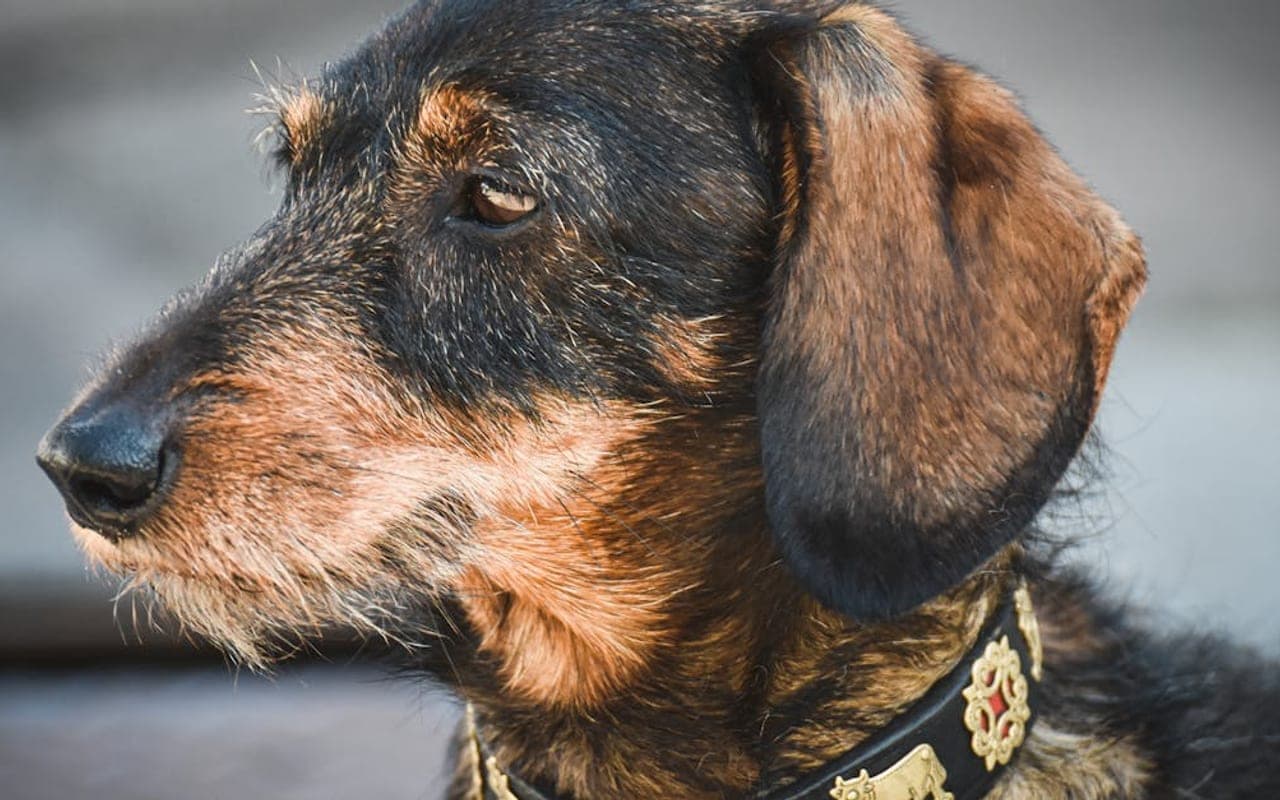
Jagdterrier
Also in the Foundation Stock Service group, with different care and temperament tradeoffs.

Jindo
Also in the Foundation Stock Service group, with different care and temperament tradeoffs.
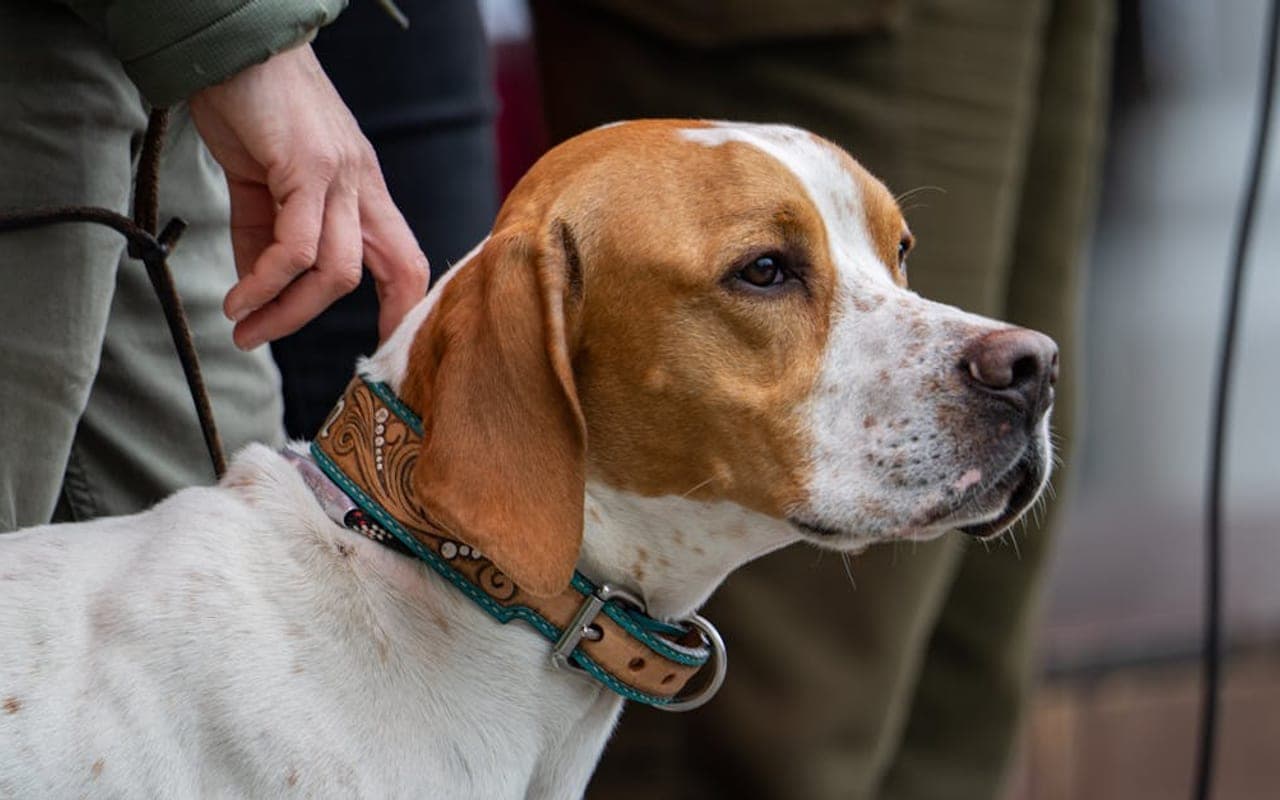
Portuguese Pointer
Also in the Foundation Stock Service group, with different care and temperament tradeoffs.
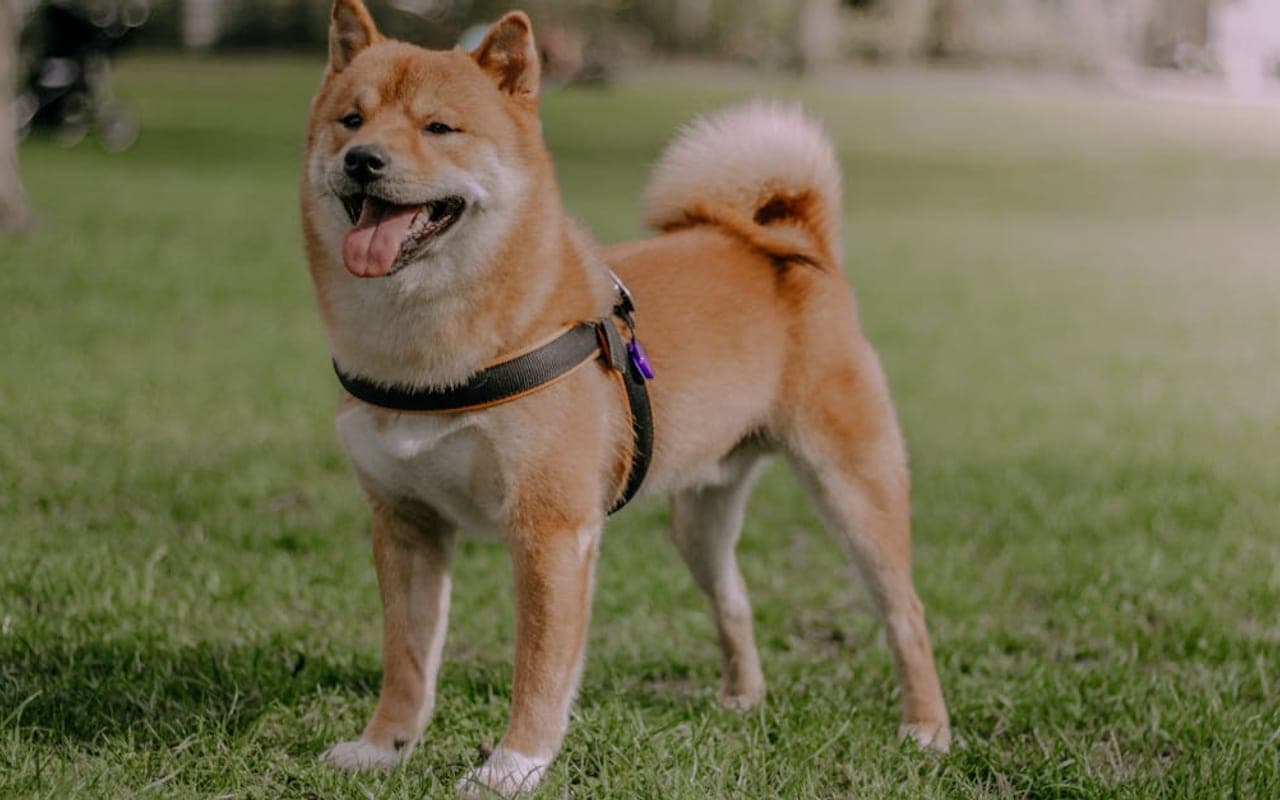
Kishu Ken
Also in the Foundation Stock Service group, with different care and temperament tradeoffs.
Explore More About Portuguese Sheepdog
Dive deeper into everything Portuguese Sheepdog — costs, care, and expert insights.
Large Dog Care Guide: Everything Over 50 lbs
Owning a large or giant breed dog means accepting one of biology's...
Puppy Teething & Biting: Timeline and What Actually Works
A puppy has all 28 deciduous ("baby") teeth by roughly eight weeks of age, and...
Considering a cat instead?
Browse Cats