
Toy group
Pug
The Pug is one of the most charming companion dogs alive — a 6-8 kg lapdog with a clownish, affectionate, food-motivated personality that bonds intensely to its people.
Size
14-18 lb
Lifespan
11-13 years
Exercise
30-60 minutes
Shedding
Moderate
Experience
Match to owner routine
Decision first
Is a Pug right for you?
Start with fit before history or trivia. These are ownership signals, not guarantees about any individual dog.
Best suited for
- Households with children.
- Homes with other compatible pets.
- Apartment homes with a consistent routine.
- Owners seeking a manageable daily exercise routine.
Think carefully if
- You need a dog with almost no daily routine.
- You cannot keep up with grooming and preventive care.
- The dog will spend most days alone without support.
Conditional fit
Apartment fit depends on exercise, enrichment, noise management, and outdoor access.
Daily reality
Pug commitment snapshot
Daily exercise
30-60 minutes
Match activity to age, health, weather, and training goals.
Coat care
Moderate
Grooming needs vary by coat, shedding, and lifestyle.
Time alone
Needs planning
Most dogs need gradual alone-time conditioning and support.
Structured facts
Pug at a glance
The measurements and traits that most affect day-to-day life with this breed.
Group
Toy
Weight
14-18 lb
Height
10-13 in
Lifespan
11-13 years
Temperament
Charming | Mischievous | Loving
View all characteristics and methodology
Lifestyle fit
- Apartment suitability
- Likely fit
- Child friendliness
- Often good, with socialisation and supervision
- Other-pet fit
- Often compatible with careful introductions
Owner commitment
- Exercise
- 30-60 minutes
- Grooming
- Moderate
- Shedding
- Moderate
- Training
- Moderate
Environment and health
- Health risk
- Needs planning
Ratings combine structured breed data, visible breed fields, and editorial context. They are planning aids, not predictions for an individual dog.
Daily life
Pug temperament and behavior
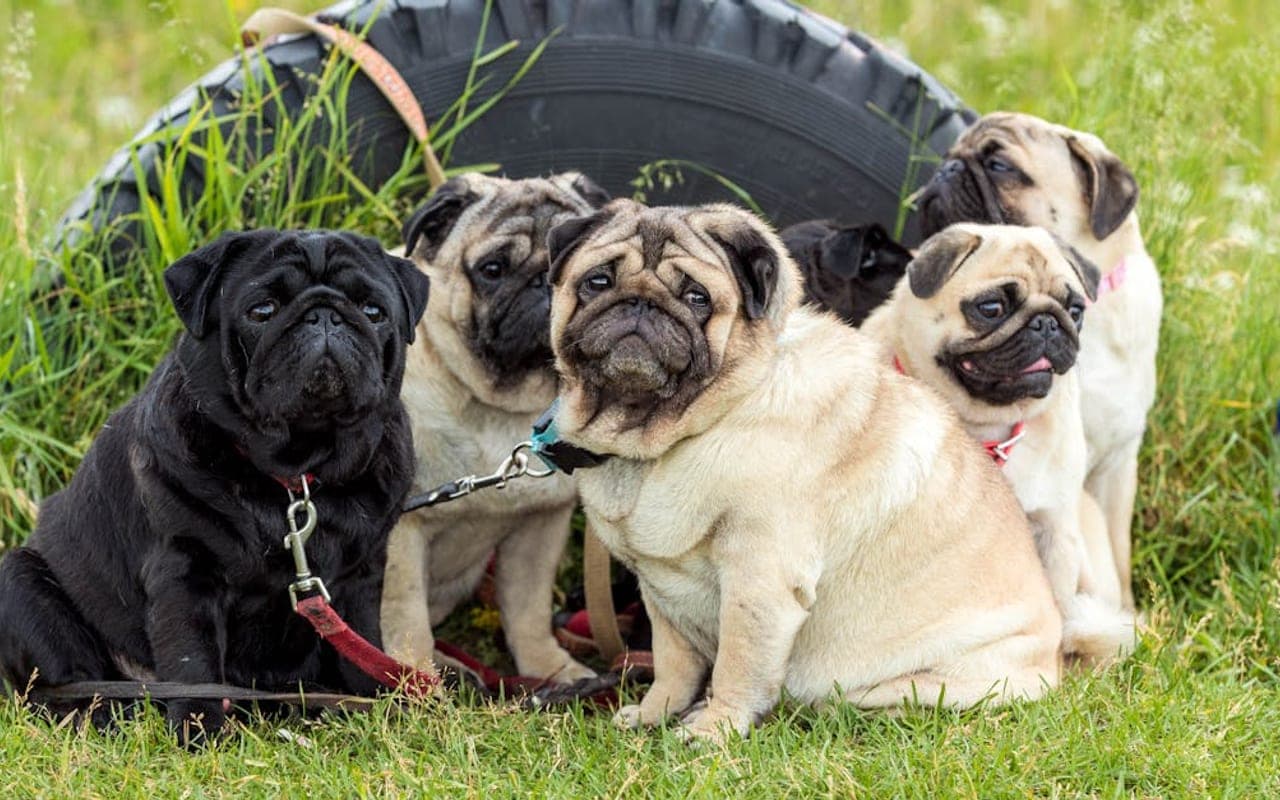
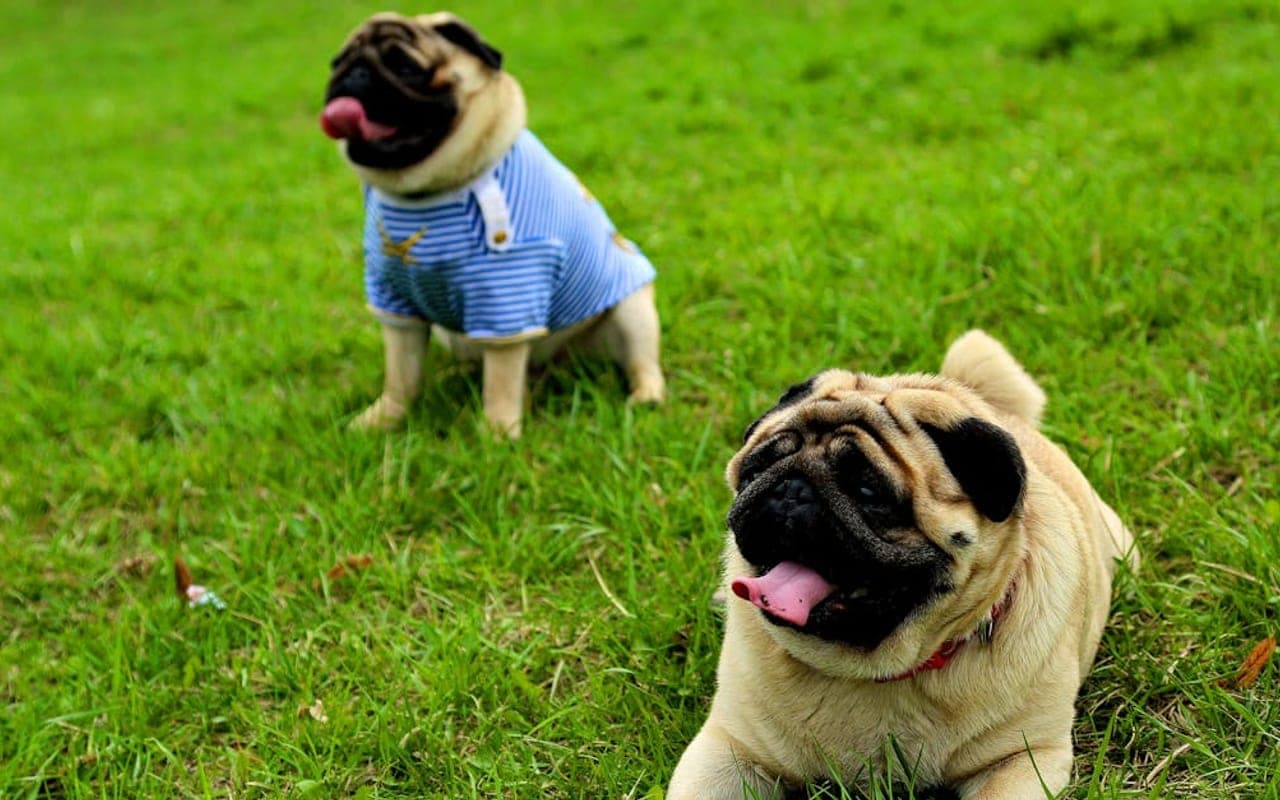
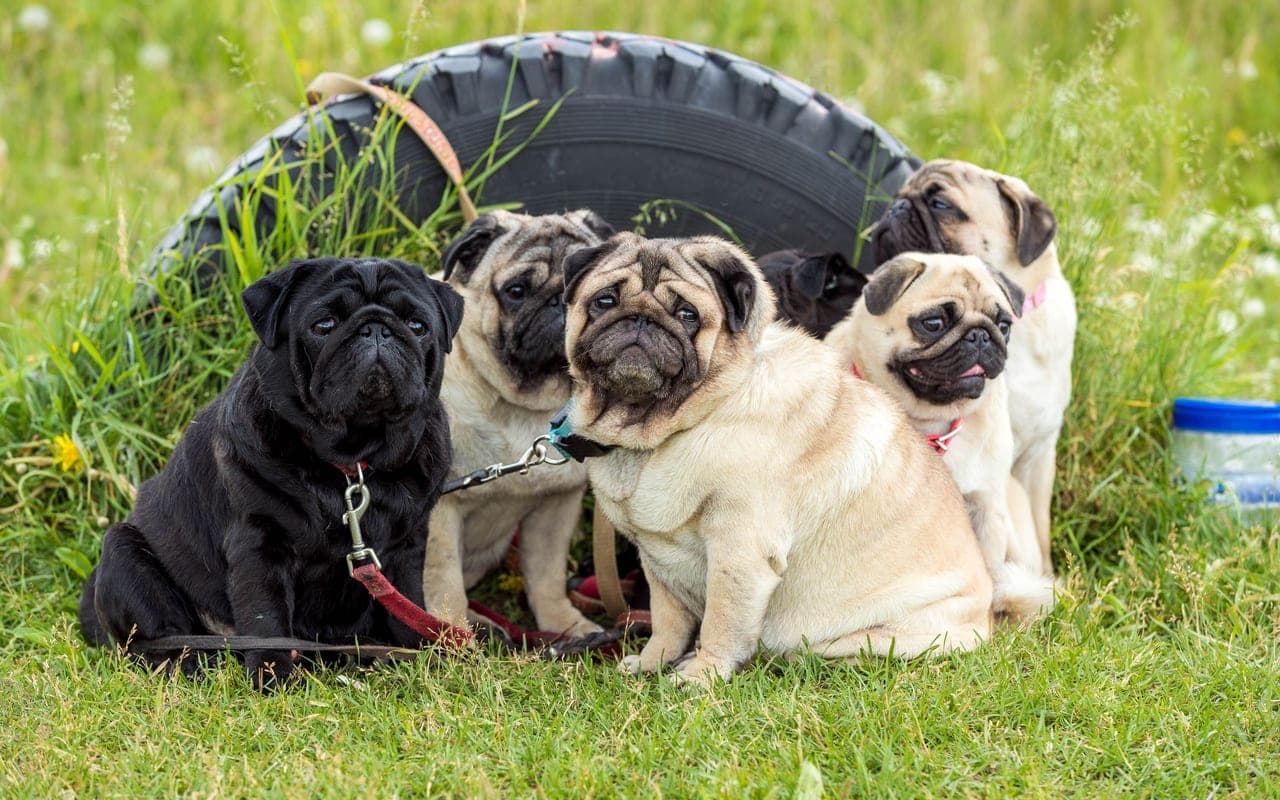
The Pug is one of the most charming companion dogs alive — a 6-8 kg lapdog with a clownish, affectionate, food-motivated personality that bonds intensely to its people. It is also one of the most medically compromised breeds in common ownership, and any honest Pug profile has to lead with that, not the wrinkles. The flat face that makes the Pug adorable is a deformed skull: shortened muzzle, narrowed nostrils, an oversized soft palate, and a windpipe that is often too small. The clinical name is brachycephalic obstructive airway syndrome (BOAS), and a large majority of Pugs are affected to some degree. The snorting and snoring that owners find cute is, medically, a dog struggling to breathe. This is the central decision, not a footnote: when you buy a Pug you are accepting a dog that may not be able to exercise hard, cannot cool itself efficiently, is at real risk of heatstroke on a warm day, may need airway surgery costing $1,500-$4,000, and will likely have a lifetime of breathing-related vet management. Choosing a Pug from a breeder selecting for more open nostrils and longer muzzle, or accepting that you are taking on a higher-needs dog, is the responsible framing. Physically the Pug is small, compact and heavy-boned for its size, with a tightly curled tail, deep facial wrinkles, and large, prominent eyes that sit dangerously exposed. The short coat sheds heavily year-round despite its length. Lifespan is typically 13-15 years when airway and weight are well managed. Temperament is the breed's genuine strength: even-tempered, sociable, good with children and other pets, low-prey-drive, and content with a moderate, cool-weather lifestyle. The Pug is right for an owner who wants a devoted indoor companion, will keep it lean, will manage heat exposure carefully, and accepts the BOAS reality with eyes open. It is wrong for active outdoor households, hot climates without climate control, anyone on a tight vet budget, or anyone who believes the snoring is just a quirk.
Charming | Mischievous | Loving
Charming
A common Pug temperament descriptor that should be interpreted alongside training, exercise, and household fit.
Mischievous
A common Pug temperament descriptor that should be interpreted alongside training, exercise, and household fit.
Loving
A common Pug temperament descriptor that should be interpreted alongside training, exercise, and household fit.
Owner note
Temperament labels are starting points, not guarantees. Meet the individual dog and ask about behavior history whenever possible.
Care essentials
How to care for a Pug
What looking after one actually involves: exercise, grooming, food, training, and routine health.
ExerciseAs needed
- Moderately active breed needing 30-60 minutes of daily exercise.
GroomingAs needed
- Brush 2-3 times per week.
TrainingAs needed
- Consistent, patient training works best.
NutritionAs needed
- Feed high-quality dog food appropriate for age, size, and activity level.
Veterinary CareAs needed
- Annual wellness exams, vaccinations, dental care, and parasite prevention.
Health planning
Pug health risks and screening
Every breed has individual health variation. Use this profile for planning and discuss medical decisions with a veterinarian.
Responsible ownership
Finding a Pug responsibly
What to ask a breeder or rescue is the same conversation for every breed, so we keep it in one place and keep it current.
Health documentation, meeting the parents or foster, contracts and return support, and the warning signs worth walking away from.
Original purpose
Pug history
History is useful when it explains today's behavior, coat, exercise needs, and training style.
Read the breed history
The Pug is an ancient breed, developed in China well over two thousand years ago as a prized companion of emperors and Buddhist monasteries, where flat-faced 'lo-sze' dogs were valued lapdogs of the imperial court. Dutch traders brought Pugs to Europe in the 16th and 17th centuries, where the breed became a favourite of European royalty — most famously as the companion that reportedly saved the life of William, Prince of Orange, and later as a fixture of the House of Orange and of Queen Victoria, whose patronage drove the breed's 19th-century popularity in Britain. The American Kennel Club recognized the Pug in 1885. Over the last century selective breeding progressively shortened the muzzle and flattened the face for the fashionable 'cute' look, which is also precisely how the modern breed's severe airway problems were created — a clear example of aesthetic selection producing built-in health cost.
Gallery
Pug photos
Images are cropped consistently and loaded progressively to keep the page responsive.
Lower-page context
Pugs in culture
Where the breed shows up in film, sport, work and folklore — the enjoyable part, once the practical questions are answered.
Fun facts
- The Pug belongs to the Toy Group.
- The average lifespan of a Pug is 13 to 15 years.
- Pug dogs are valued for their charming, mischievous, loving nature.
Pug FAQs
Do Pugs have serious breathing problems?
Yes — this is the most important fact about the breed. The flat face means narrowed nostrils, an overlong soft palate and a small windpipe, so a large majority of Pugs have brachycephalic obstructive airway syndrome (BOAS) to some degree. The snoring and snorting owners find cute is a dog struggling to breathe. Many need airway surgery costing $1,500-$4,000, and lifelong breathing management is normal. Anyone buying a Pug should treat this as the central decision, not a quirk.
How much exercise can a Pug safely have?
Only short, gentle activity — roughly 20-30 minutes total per day, in cool conditions, broken into easy sessions. Because of BOAS, a Pug cannot cool itself by panting and cannot exert hard without respiratory distress. Hard play, hot weather, or a midday summer walk can cause fatal heatstroke within minutes. If a Pug is panting heavily, gagging, or its tongue goes wide and flat, stop immediately and cool it down — that is an emergency, not tiredness.
Why is weight control so critical for a Pug specifically?
Pugs are relentless eaters and gain weight very easily, and every excess pound directly worsens the airway obstruction they already have, plus their joint disease and heat intolerance. In most breeds obesity is a general health risk; in a Pug it actively compounds the disease that defines the breed. Keep the dog lean enough to feel ribs with light pressure, feed two measured meals, and ignore the begging — this is the single highest-leverage thing an owner controls.
How long do Pugs live and what are the ongoing costs?
Pugs typically live 13-15 years when airway and weight are well managed. Budget realistically: BOAS surgery runs $1,500-$4,000, eye injuries and corneal ulcers can need urgent (and repeat) treatment, and skin-fold and ear care are lifelong. Pet insurance is worth pricing early, because brachycephalic breeds generate above-average claims. A Pug is an affordable dog to buy and an expensive dog to keep healthy.
Are Pugs good family and apartment dogs?
Temperament-wise, yes — Pugs are even-tempered, sociable, low-prey-drive, rarely destructive, good with children and other pets, and genuinely suited to apartment life because they need little exercise and bark less than most toy breeds. The caveats are medical, not behavioural: the home must be climate-controlled (no hot rooms or unconditioned summers), the dog must be kept lean to protect its airway, and the owner must accept the breathing reality rather than treat the snoring as a charming quirk. As a calm, devoted indoor companion for the right, heat-aware, budget-prepared owner, the Pug genuinely excels — the problems are physical, not personality.
Sources
These are the published sources this page draws on. Each opens in a new tab so you can check it yourself.
American Kennel Club
Pug — breed standard and profile(opens in a new tab)Supports: Breed standard and recognition details.
Similar breeds to consider
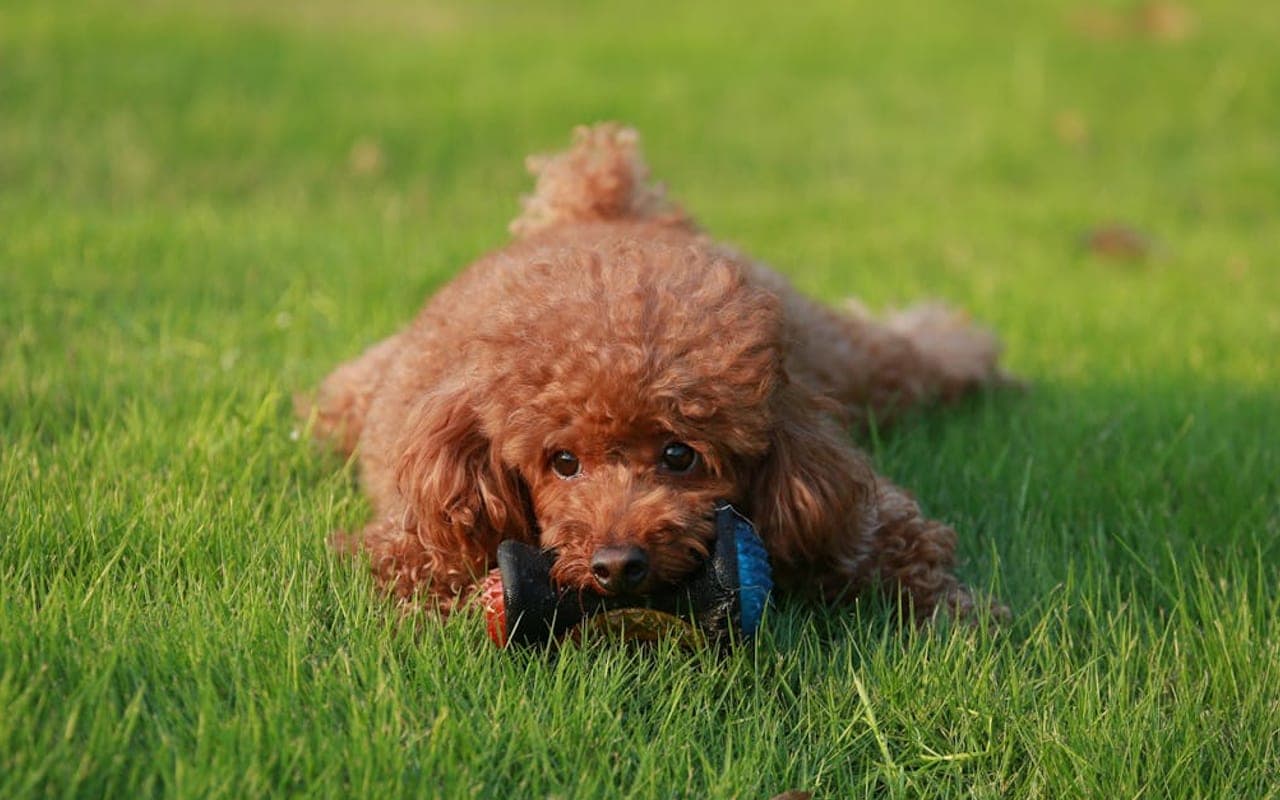
Poodle (Toy)
Also in the Toy group, with different care and temperament tradeoffs.
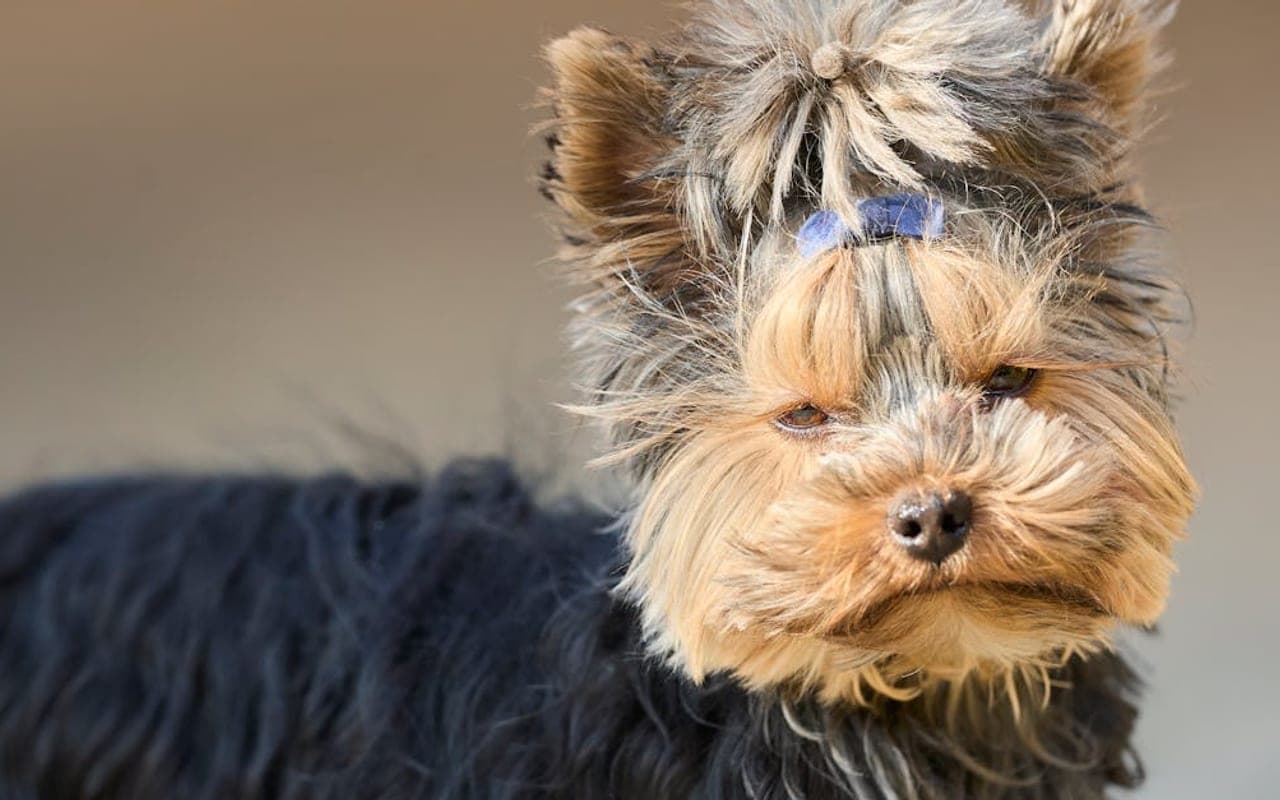
Yorkshire Terrier
Also in the Toy group, with different care and temperament tradeoffs.
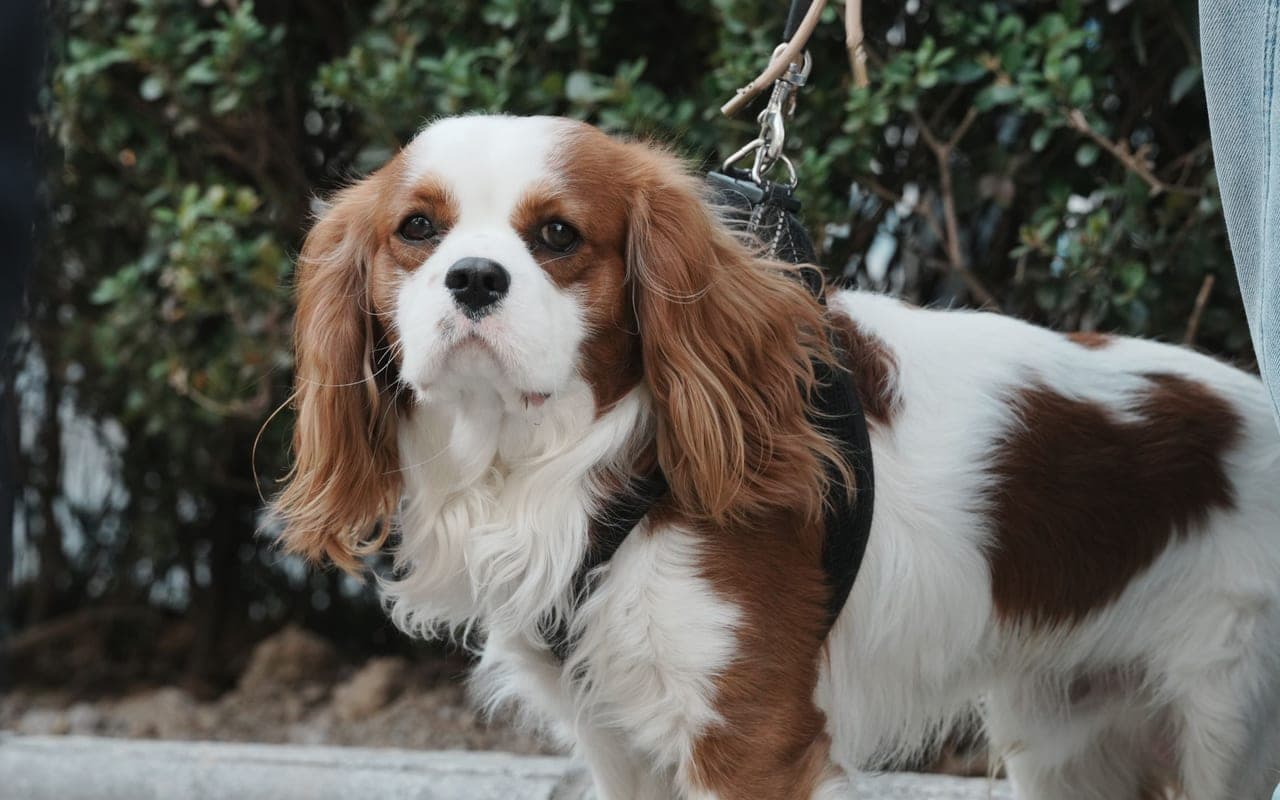
Cavalier King Charles Spaniel
Also in the Toy group, with different care and temperament tradeoffs.
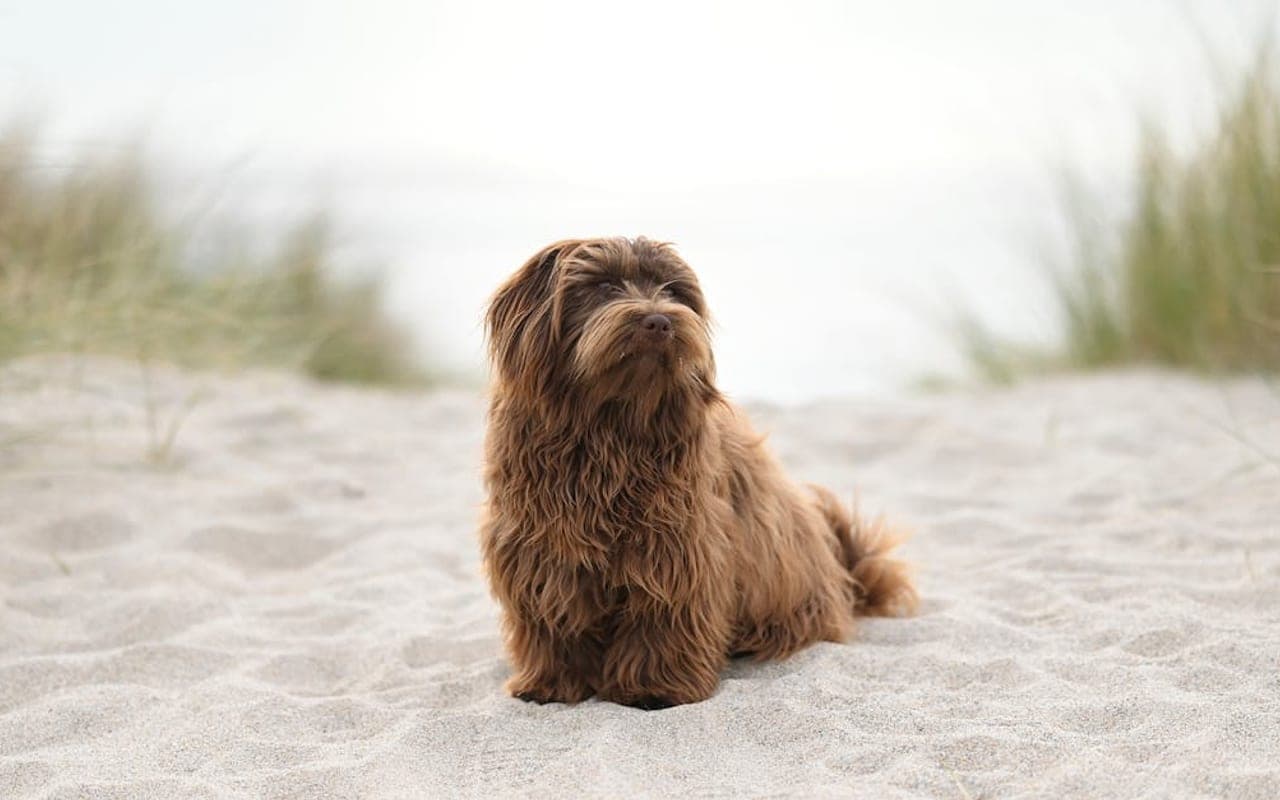
Havanese
Also in the Toy group, with different care and temperament tradeoffs.
Explore More About Pug
Dive deeper into everything Pug — costs, care, and expert insights.
Pug Care Guide: Health, Weight and Heat Management
The median Pug in UK primary veterinary care weighs 8.95 kg. The American Kennel Club standard...
How to Start a Dog Breeding Business
Most guides to this business will tell you how to register an LLC. None of the six ranking guides...
Best Dog Breeds for Apartment Living: Top 15 Ranked
The best apartment dogs aren't the smallest — they're the calmest. Six breeds that thrive in...
Brachycephalic Syndrome in Dogs: What Flat-Faced Breed Owners Must Know
If your flat-faced dog snores, snorts, or overheats easily, brachycephalic syndrome may be the...
Considering a cat instead?
Browse Cats