
Herding group
Puli
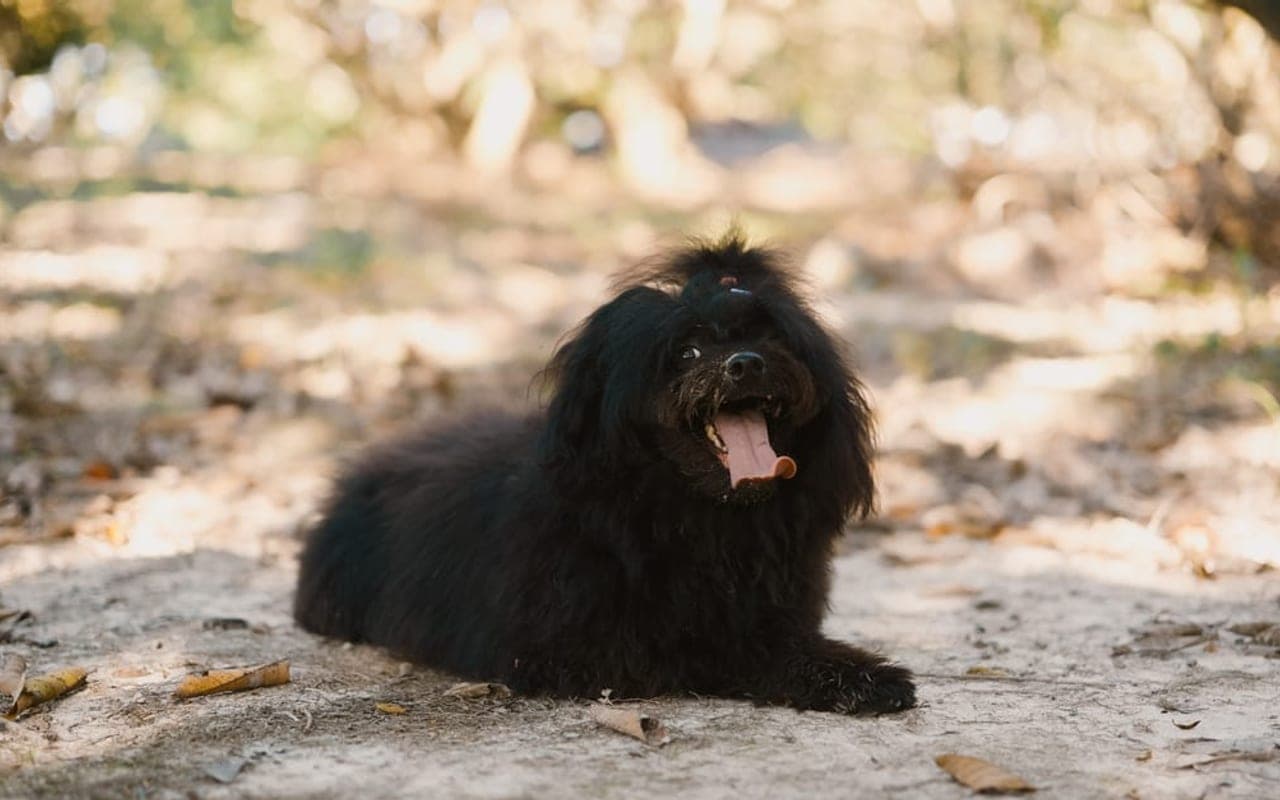
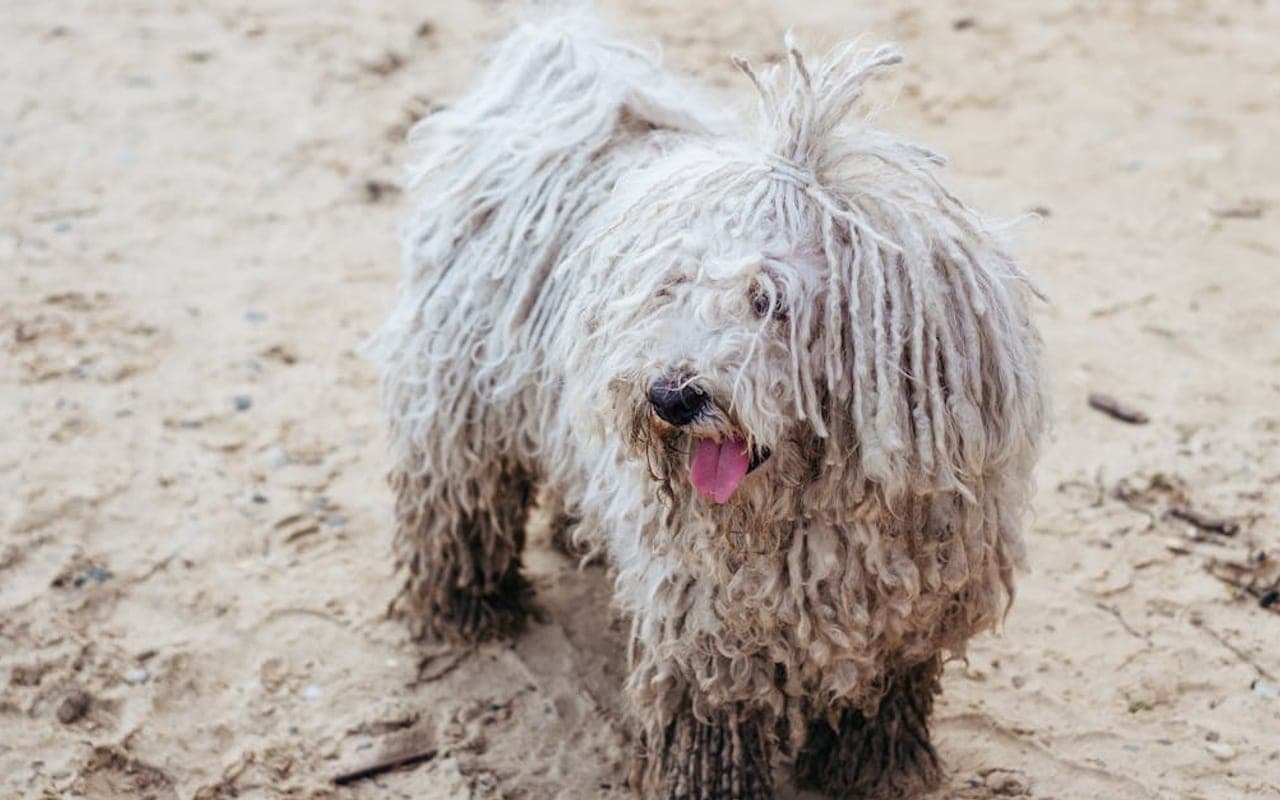
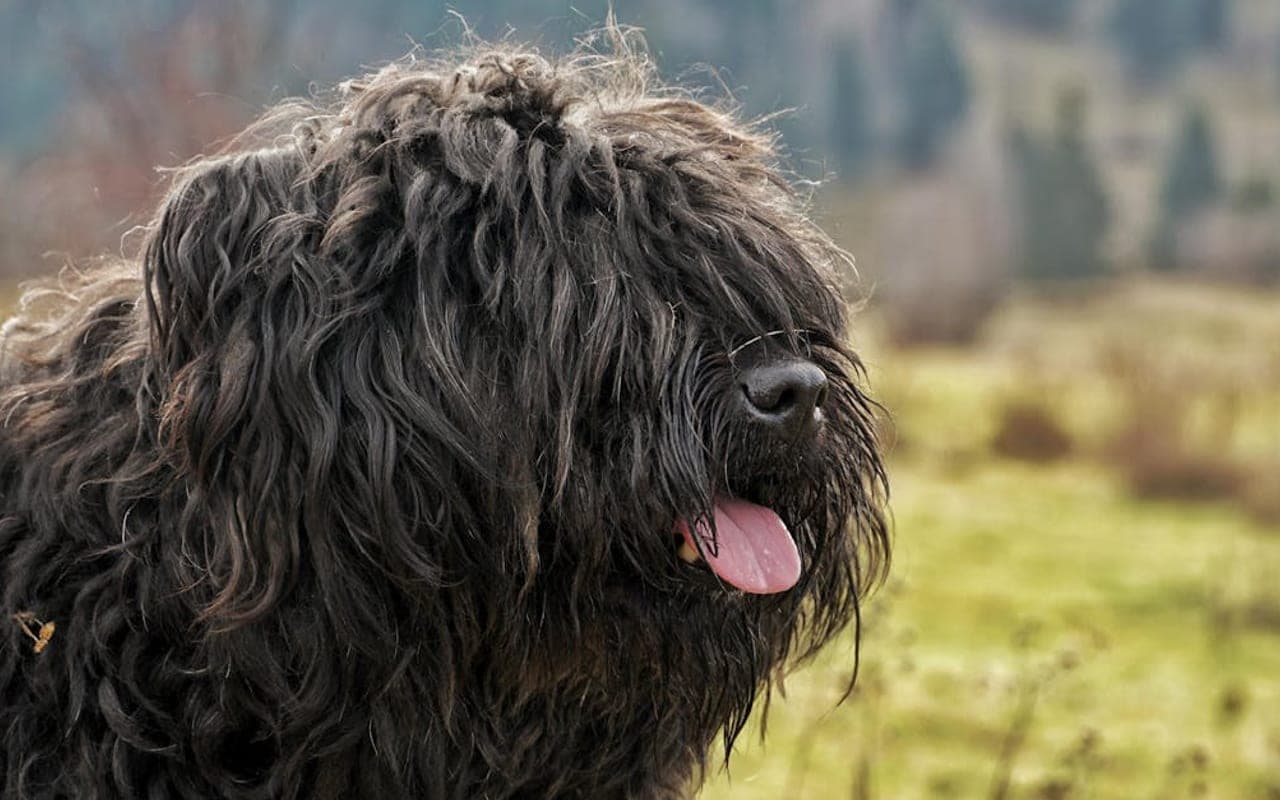
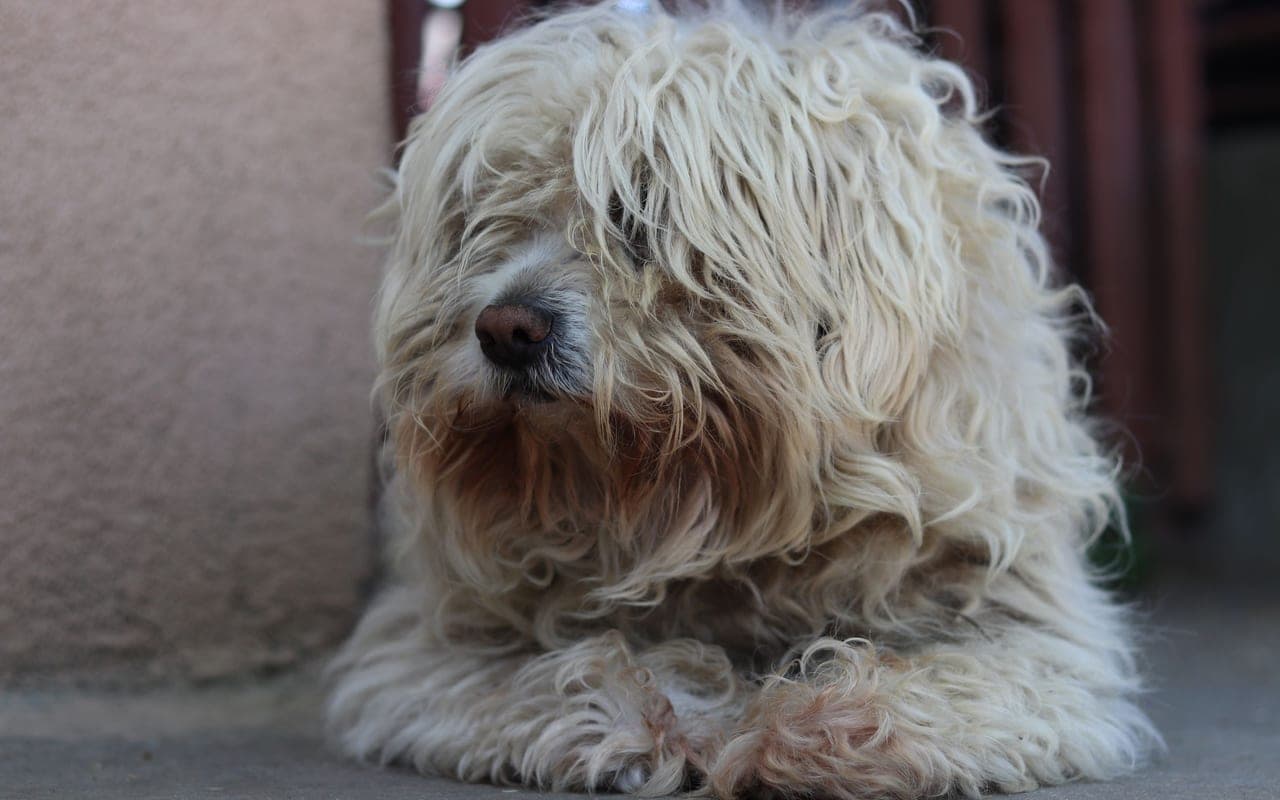
The Puli is the Hungarian herding dog with the dreadlocks — a compact but powerful 16-17 inch, roughly 25-35 pound working dog whose entire coat naturally forms dense, wooly, weatherproof cords from head to tail.
Size
22-33 lb
Lifespan
10-15 years
Exercise
30-60 minutes
Shedding
Moderate
Experience
Match to owner routine
Decision first
Is a Puli right for you?
Start with fit before history or trivia. These are ownership signals, not guarantees about any individual dog.
Best suited for
- Households with children.
- Homes with other compatible pets.
- Apartment homes with a consistent routine.
- Owners seeking a manageable daily exercise routine.
Think carefully if
- You need a dog with almost no daily routine.
- You cannot keep up with grooming and preventive care.
- The dog will spend most days alone without support.
Conditional fit
Apartment fit depends on exercise, enrichment, noise management, and outdoor access.
Daily reality
Puli commitment snapshot
Daily exercise
30-60 minutes
Match activity to age, health, weather, and training goals.
Coat care
Low
Grooming needs vary by coat, shedding, and lifestyle.
Time alone
Needs planning
Most dogs need gradual alone-time conditioning and support.
Structured facts
Puli at a glance
The measurements and traits that most affect day-to-day life with this breed.
Group
Herding
Weight
22-33 lb
Height
14-18 in
Lifespan
10-15 years
Temperament
Loyal | Smart | Home-Loving
View all characteristics and methodology
Lifestyle fit
- Apartment suitability
- Likely fit
- Child friendliness
- Often good, with socialisation and supervision
- Other-pet fit
- Often compatible with careful introductions
Owner commitment
- Exercise
- 30-60 minutes
- Grooming
- Low
- Shedding
- Moderate
- Training
- Moderate
Environment and health
- Health risk
- Needs planning
Ratings combine structured breed data, visible breed fields, and editorial context. They are planning aids, not predictions for an individual dog.
Daily life
Puli temperament and behavior
The Puli is the Hungarian herding dog with the dreadlocks — a compact but powerful 16-17 inch, roughly 25-35 pound working dog whose entire coat naturally forms dense, wooly, weatherproof cords from head to tail. (Plural: Pulik.) Under the cords is an agile, springy, athletic dog often called 'the acrobat of the dog world,' bred to control flocks of sheep by leaping over their backs and turning them with bursts of speed and a loud, decisive voice. The decision is driven by three things owners underestimate: the coat, the energy, and the intensity. The corded coat is genuinely low-shedding but enormously labor-intensive — it must be hand-separated into cords for life, and it never truly stops being a maintenance commitment. The temperament is loyal, smart, home-loving, and devoted, but also high-energy, vocal, suspicious of strangers, and headstrong. This is a sharp, fast-learning herding dog that needs a job and bonds intensely to its family while staying aloof with outsiders. Who the Puli is right for: an active owner who wants a smart, low-shed, watchful companion for agility, herding, obedience, or an athletic outdoor life, who will commit hours to coat care for the dog's whole life, and who appreciates a vocal, devoted, opinionated dog. Who it is wrong for: anyone wanting a low-maintenance coat, a quiet dog, an instantly friendly social dog, a sedentary household, or an inexperienced owner expecting easy biddability. The breed is uncommon, so plan on a breed-club waitlist — choose the Puli for the working brain and bond, with eyes open about the cords.
Loyal | Smart | Home-Loving
Loyal
A common Puli temperament descriptor that should be interpreted alongside training, exercise, and household fit.
Smart
A common Puli temperament descriptor that should be interpreted alongside training, exercise, and household fit.
Home-Loving
A common Puli temperament descriptor that should be interpreted alongside training, exercise, and household fit.
Owner note
Temperament labels are starting points, not guarantees. Meet the individual dog and ask about behavior history whenever possible.
Care essentials
How to care for a Puli
What looking after one actually involves: exercise, grooming, food, training, and routine health.
ExerciseAs needed
- Moderately active breed needing 30-60 minutes of daily exercise.
GroomingAs needed
- Weekly brushing is sufficient.
TrainingAs needed
- Consistent, patient training works best.
NutritionAs needed
- Feed high-quality dog food appropriate for age, size, and activity level.
Veterinary CareAs needed
- Annual wellness exams, vaccinations, dental care, and parasite prevention.
Health planning
Puli health risks and screening
Every breed has individual health variation. Use this profile for planning and discuss medical decisions with a veterinarian.
Responsible ownership
Finding a Puli responsibly
What to ask a breeder or rescue is the same conversation for every breed, so we keep it in one place and keep it current.
Health documentation, meeting the parents or foster, contracts and return support, and the warning signs worth walking away from.
Original purpose
Puli history
History is useful when it explains today's behavior, coat, exercise needs, and training style.
Read the breed history
The Puli is an ancient Hungarian herding breed brought to the Carpathian Basin by the Magyars over a thousand years ago and used for centuries by Hungarian shepherds to drive and gather sheep. Its job shaped everything about it: the dense corded coat insulated and protected the dog against weather and predators while working exposed on the plains, and its remarkable agility and willingness to leap over the flock made it an effective, fast turning sheep mover. The Puli typically worked alongside the larger livestock-guardian Komondor, with the Puli driving and the Komondor guarding. By the early 20th century Hungarian breeders formally standardized the breed, and it was later exported worldwide. It is recognized in the American Kennel Club Herding Group and remains relatively uncommon outside dedicated breed and sport circles, so acquiring one typically means contacting the parent club and joining a waitlist.
Gallery
Puli photos
Images are cropped consistently and loaded progressively to keep the page responsive.
Lower-page context
Pulis in culture
Where the breed shows up in film, sport, work and folklore — the enjoyable part, once the practical questions are answered.
Fun facts
- The Puli belongs to the Herding Group.
- The average lifespan of a Puli is 10 to 15 years.
- Puli dogs are valued for their loyal, smart, home-loving nature.
Puli FAQs
How long do Puli dogs live?
Typically 10 to 15 years, a wide range in which the upper end is realistic for a fit dog from screened lines. The main quality-of-life risks are hip dysplasia, inherited eye disease, and late-onset degenerative myelopathy rather than early-fatal illness, so the biggest levers are sourcing from hip- and eye-tested DM-DNA-screened parents, keeping the dog lean (hard to judge under cords, so weigh monthly), and maintaining the coat so skin stays healthy. A lean, well-screened, well-groomed Puli commonly reaches its early-to-mid teens.
Are Puli dogs good with children?
Yes with their own family's children, whom they are devoted and playful with, though they are a herding breed and may try to gather and circle running kids or nip at heels in excitement. The bigger caveat is their natural wariness of strangers, including unfamiliar visiting children, which makes early socialization important. Supervise young children, redirect herding-nipping into appropriate games early, and teach kids not to startle a dog whose vision is partly obscured by cords over the eyes.
How much grooming does a Puli need?
A great deal of time, even though it sheds very little. The corded coat must be hand-separated into individual cords for the dog's entire life — start weekly as cords form around 6-10 months, then maintain every few weeks — so cords do not fuse into painful skin-level mats. It is not brushed; it is separated, and it dries extremely slowly, so bathing is a multi-hour commitment. Owners unwilling to do this should plan to keep the coat clipped short instead. Low cash cost, high lifelong time cost.
How much exercise does a Puli need?
At least 60 minutes of real daily activity plus mental work. The Puli is an agile, high-energy herding dog — 'the acrobat of the dog world' — and a leisurely walk will not satisfy it. Agility, herding, obedience, fetch, and hiking all fit its athletic, problem-solving nature. An under-exercised, under-stimulated Puli becomes a persistent barker and an inventive escape artist, so the exercise and the mental job are both requirements, not extras.
Are Puli dogs easy to train?
They are highly intelligent and learn quickly, but they are also headstrong, independent, and naturally suspicious of strangers, so they are not effortlessly biddable. They respond well to consistent, upbeat, reward-based training and need early, broad socialization to keep their watchfulness from tipping into reactivity or over-protectiveness. Bored or under-led, a smart Puli will train itself in ways you will not like. Train the brain, socialize early, and give it a job.
Does the Puli's coat make it hypoallergenic?
No dog is truly hypoallergenic, but the corded coat sheds minimally, so many allergy-prone owners tolerate a Puli better than a typical shedding breed. The trade-off is unavoidable and direct: that low-shed coat demands lifelong, labor-intensive cord maintenance and very slow drying. If you are choosing the breed for allergies, commit to the cord care — a neglected corded coat traps moisture, dander, and debris against the skin, causing infection and undermining the exact benefit you were seeking.
Sources
These are the published sources this page draws on. Each opens in a new tab so you can check it yourself.
American Kennel Club
Puli — breed standard and profile(opens in a new tab)Supports: Breed standard and recognition details.
Similar breeds to consider
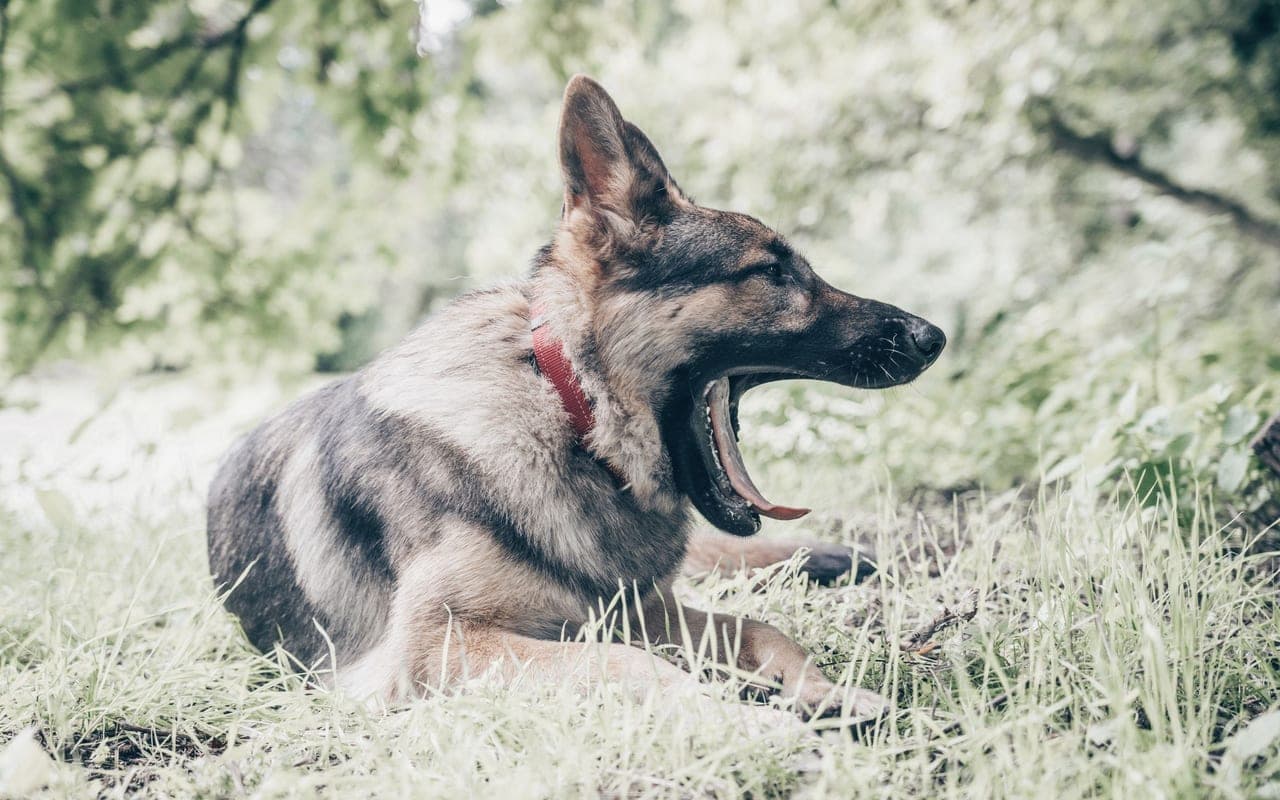
German Shepherd
Also in the Herding group, with different care and temperament tradeoffs.
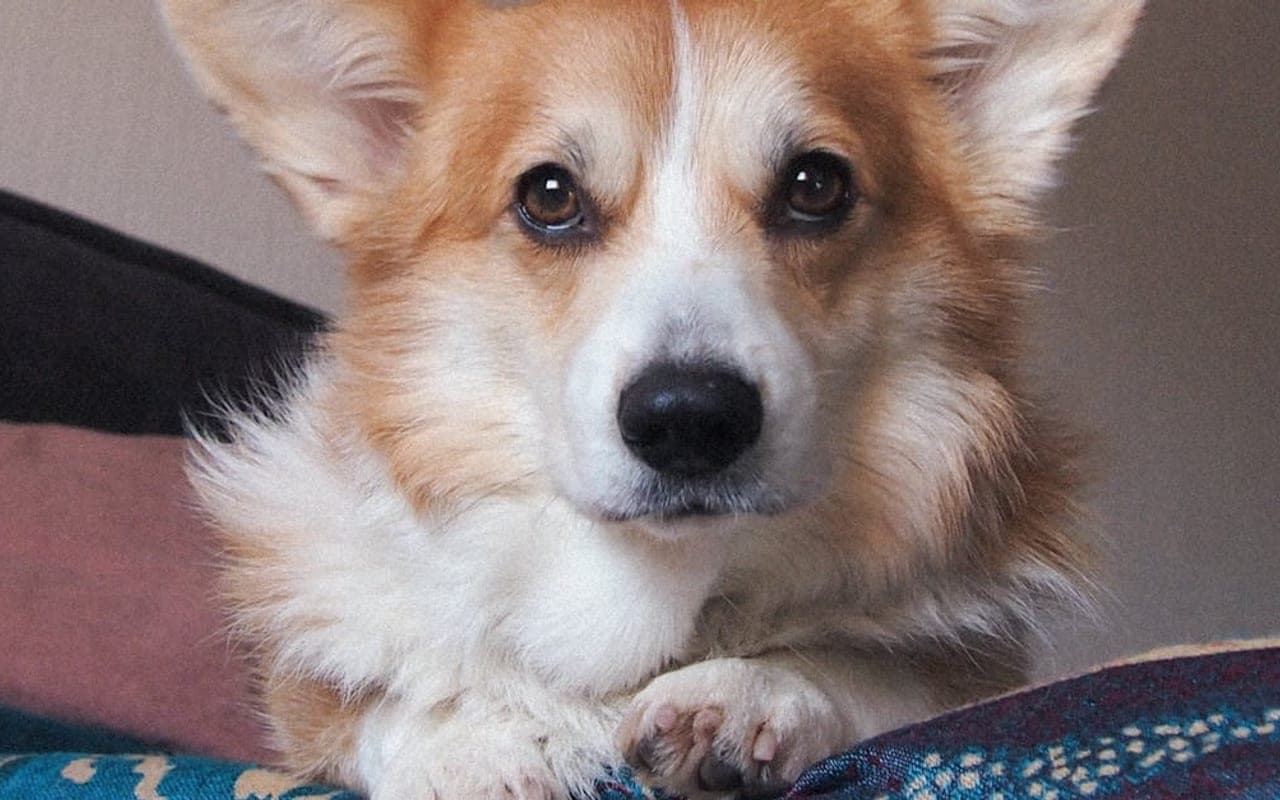
Pembroke Welsh Corgi
Also in the Herding group, with different care and temperament tradeoffs.
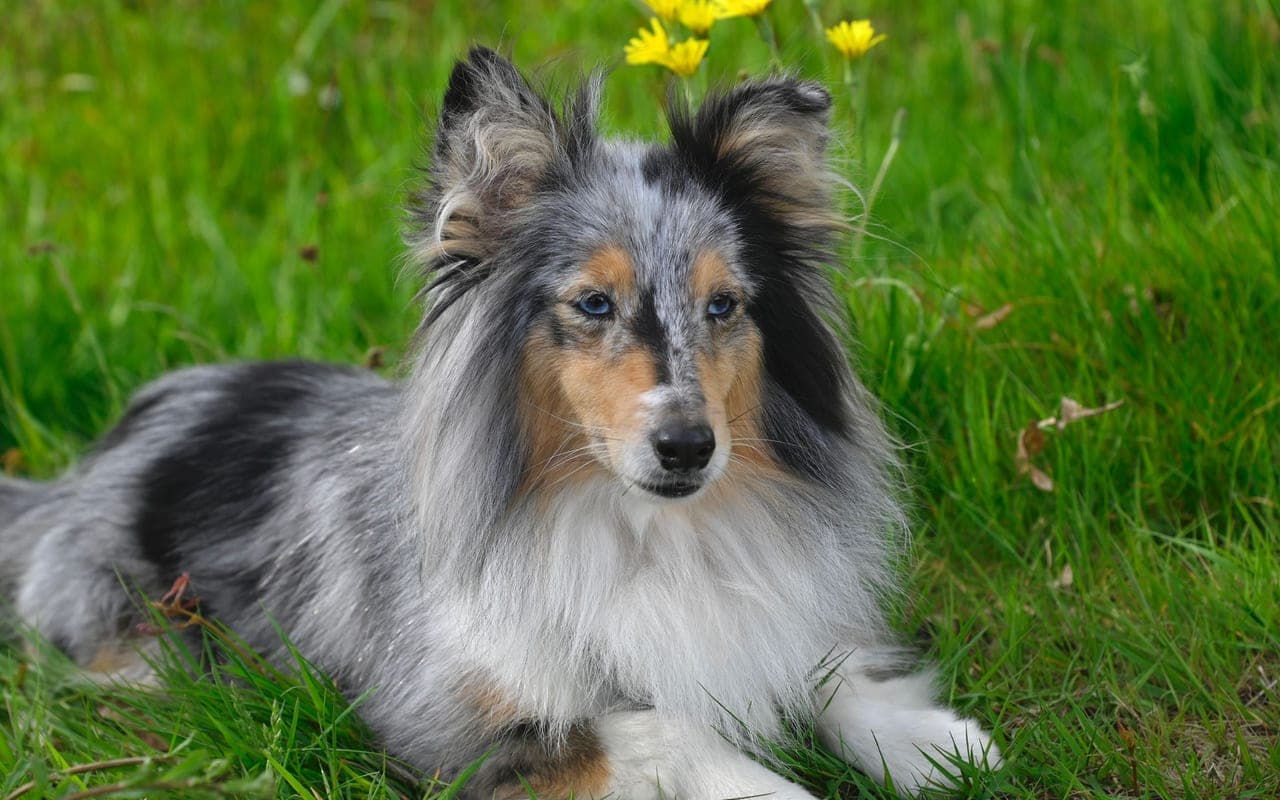
Shetland Sheepdog
Also in the Herding group, with different care and temperament tradeoffs.
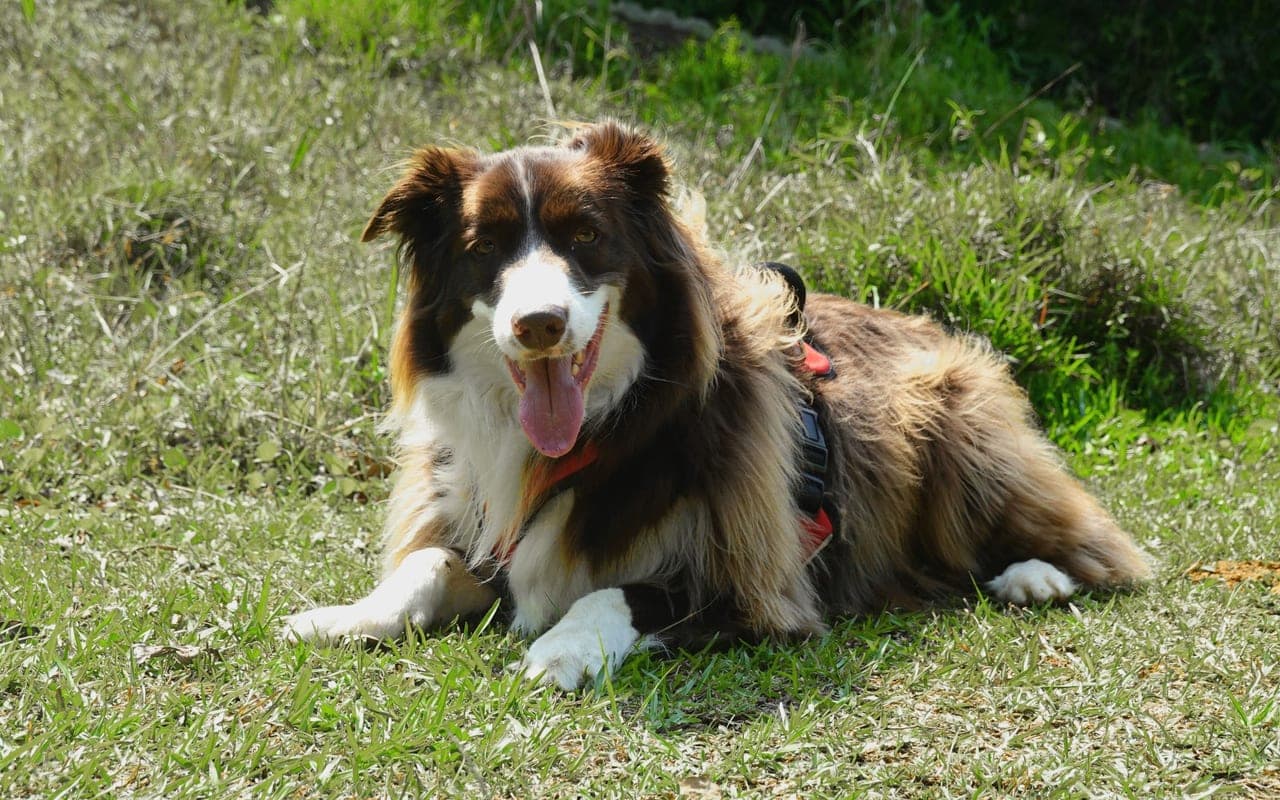
Border Collie
Also in the Herding group, with different care and temperament tradeoffs.
Explore More About Puli
Dive deeper into everything Puli — costs, care, and expert insights.
Considering a cat instead?
Browse Cats