
Herding group
Pumi
The Pumi (POO-mee; plural Pumik) is a compact Hungarian herding dog — about 15-18.
Size
18-33 lb
Lifespan
12-13 years
Exercise
30-60 minutes
Shedding
Moderate
Experience
Match to owner routine
Decision first
Is a Pumi right for you?
Start with fit before history or trivia. These are ownership signals, not guarantees about any individual dog.
Best suited for
- Households with children.
- Homes with other compatible pets.
- Owners seeking a manageable daily exercise routine.
Think carefully if
- You need a dog with almost no daily routine.
- You cannot keep up with grooming and preventive care.
- The dog will spend most days alone without support.
Conditional fit
Apartment living may be difficult unless the owner can meet the breed's exercise, training, and space needs.
Daily reality
Pumi commitment snapshot
Daily exercise
30-60 minutes
Match activity to age, health, weather, and training goals.
Coat care
Moderate
Grooming needs vary by coat, shedding, and lifestyle.
Time alone
Needs planning
Most dogs need gradual alone-time conditioning and support.
Structured facts
Pumi at a glance
The measurements and traits that most affect day-to-day life with this breed.
Group
Herding
Weight
18-33 lb
Height
15-19 in
Lifespan
12-13 years
Temperament
Energetic | Lively | Ready to Work
View all characteristics and methodology
Lifestyle fit
- Apartment suitability
- Needs caution
- Child friendliness
- Often good, with socialisation and supervision
- Other-pet fit
- Often compatible with careful introductions
Owner commitment
- Exercise
- 30-60 minutes
- Grooming
- Moderate
- Shedding
- Moderate
- Training
- Moderate
Environment and health
- Health risk
- Needs planning
Ratings combine structured breed data, visible breed fields, and editorial context. They are planning aids, not predictions for an individual dog.
Daily life
Pumi temperament and behavior
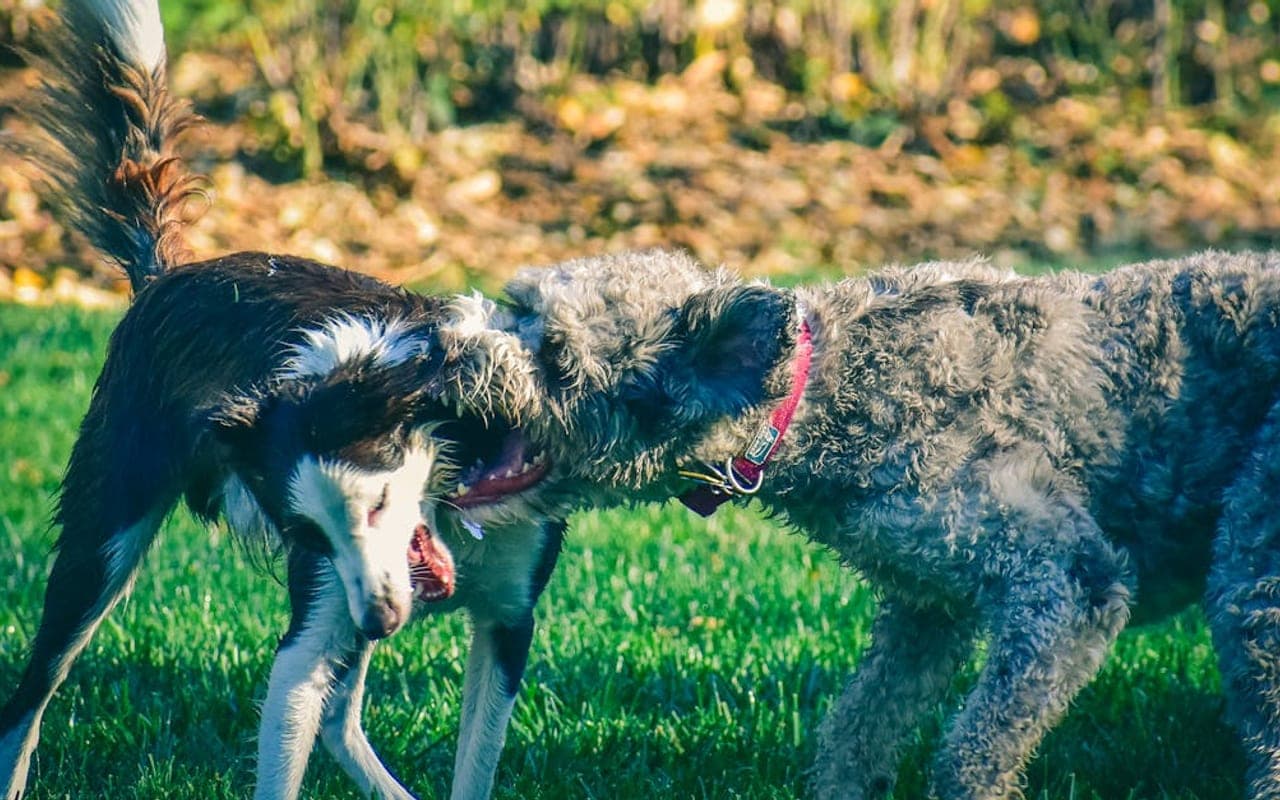
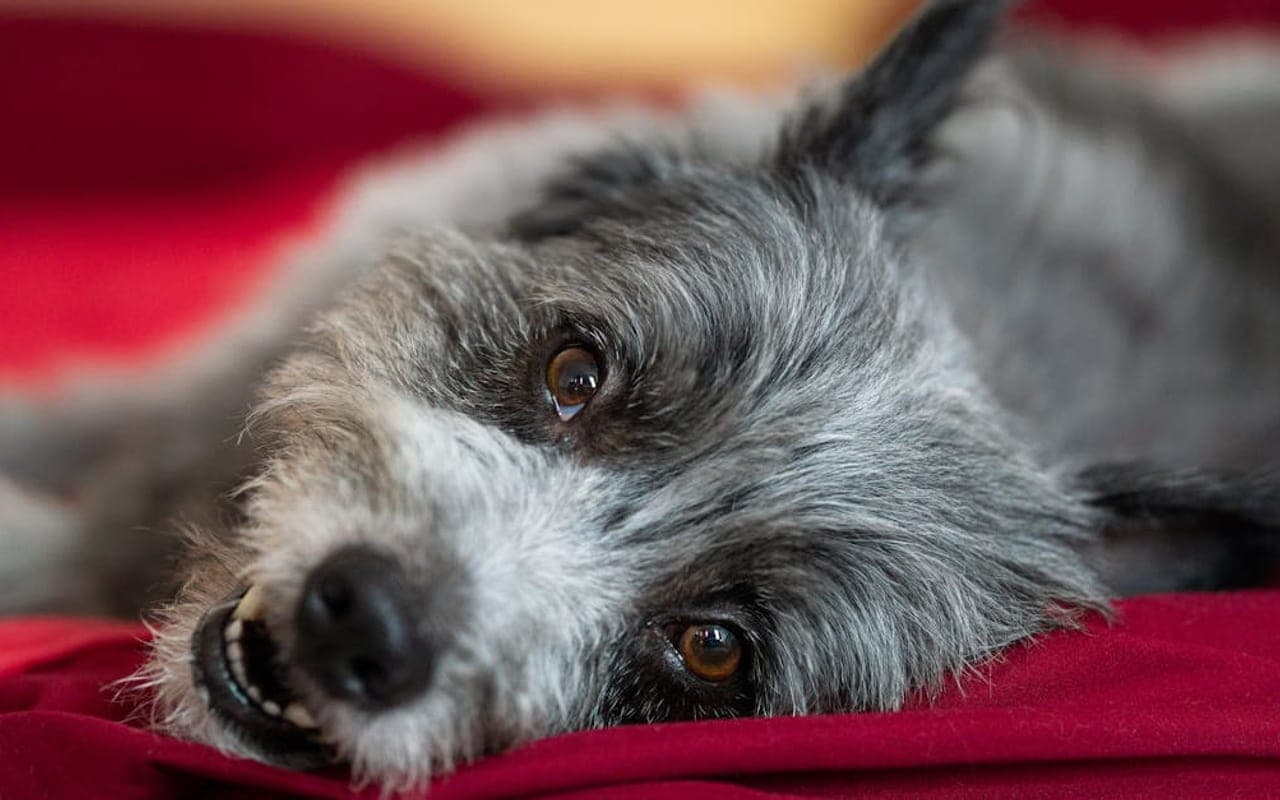
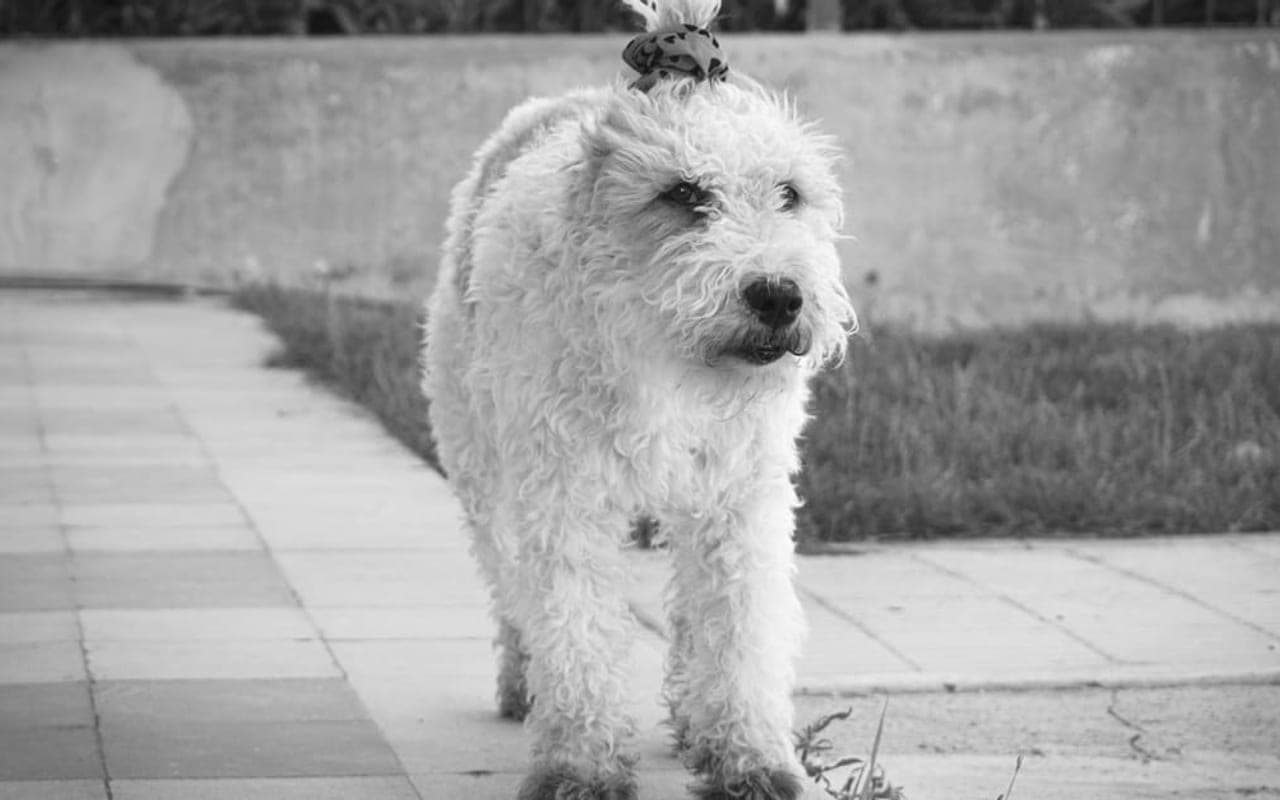
The Pumi (POO-mee; plural Pumik) is a compact Hungarian herding dog — about 15-18.5 inches at the shoulder and 18-33 pounds — built to move flocks at speed along narrow roads between pastures in western Hungary. The corkscrew-curled coat and whimsical, semi-erect ears make it look like a teddy bear, and that mismatch between appearance and wiring is the central thing a prospective owner must get right. This is a high-drive, vocal, intensely active stock dog in a small, cute package, not a low-maintenance companion. What the herding heritage means in daily life: the Pumi is quick-moving, reactive, and a notorious barker — it was bred to use its voice to move livestock and it readily applies that voice to motion, noise, and excitement, which makes it a poor fit for noise-sensitive housing without dedicated training. It is highly intelligent and trainable but needs a job; an under-stimulated Pumi invents work — herding the children, chasing cyclists, patrolling the fence while barking. Pumik are typically devoted and lively with their own family, can be reserved with strangers, and need early socialization to keep that reserve from becoming reactivity. Who the Pumi is right for: an active, engaged owner who wants a trainable partner for dog sports, hiking, or actual stockwork, will manage the barking proactively, and will buy from a breeder who DNA-tests for the breed's two well-documented genetic diseases. Who it is wrong for: someone wanting a calm, quiet, low-exercise apartment dog who looks the part of a fluffy companion — that buyer and this breed are mismatched in every dimension that matters.
Energetic | Lively | Ready to Work
Energetic
A common Pumi temperament descriptor that should be interpreted alongside training, exercise, and household fit.
Lively
A common Pumi temperament descriptor that should be interpreted alongside training, exercise, and household fit.
Ready to Work
A common Pumi temperament descriptor that should be interpreted alongside training, exercise, and household fit.
Owner note
Temperament labels are starting points, not guarantees. Meet the individual dog and ask about behavior history whenever possible.
Care essentials
How to care for a Pumi
What looking after one actually involves: exercise, grooming, food, training, and routine health.
ExerciseAs needed
- Moderately active breed needing 30-60 minutes of daily exercise.
GroomingAs needed
- Brush 2-3 times per week.
TrainingAs needed
- Consistent, patient training works best.
NutritionAs needed
- Feed high-quality dog food appropriate for age, size, and activity level.
Veterinary CareAs needed
- Annual wellness exams, vaccinations, dental care, and parasite prevention.
Health planning
Pumi health risks and screening
Every breed has individual health variation. Use this profile for planning and discuss medical decisions with a veterinarian.
Responsible ownership
Finding a Pumi responsibly
What to ask a breeder or rescue is the same conversation for every breed, so we keep it in one place and keep it current.
Health documentation, meeting the parents or foster, contracts and return support, and the warning signs worth walking away from.
Original purpose
Pumi history
History is useful when it explains today's behavior, coat, exercise needs, and training style.
Read the breed history
The Pumi was developed in Hungary, emerging roughly in the 17th-18th centuries when local Hungarian herding dogs (the Puli type) were crossed with imported German and French herding and terrier-type dogs arriving with traded livestock. The result was a distinct, lighter, more terrier-influenced herding breed used as a versatile farm dog in western Hungary — driving and gathering cattle, sheep, and pigs along narrow lanes, controlling vermin, and guarding the farmstead. Its working style is a close-moving, vocal, fast 'header-drover' that uses voice and quick footwork to control stock in tight spaces, which directly explains the modern dog's noise, drive, and reactivity. The Pumi was recognized as a breed distinct from the Puli in Hungary in the mid-20th century, and by the AKC in 2016. It remains relatively rare outside Hungary and Scandinavia, with a small enough population that breed-club DNA testing for its known genetic diseases is taken seriously by responsible breeders.
Gallery
Pumi photos
Images are cropped consistently and loaded progressively to keep the page responsive.
Lower-page context
Pumis in culture
Where the breed shows up in film, sport, work and folklore — the enjoyable part, once the practical questions are answered.
Fun facts
- The Pumi belongs to the Herding Group.
- The average lifespan of a Pumi is 12 to 13 years.
- Pumi dogs are valued for their energetic, lively, ready to work nature.
Pumi FAQs
How long do Pumik live?
A Pumi typically lives 12-13 years. The conditions most likely to shape that — degenerative myelopathy and primary lens luxation — are both genetic and both DNA-testable, so the most important lifespan decision happens at purchase: choose a breeder who DNA-tests both parents for DM and PLL. Beyond genetics, keeping the dog lean protects the hips and knees, and the breed's strong exercise and mental-stimulation needs mean an engaged owner generally gets a healthier, better-behaved dog into old age.
Do Pumik bark a lot?
Yes — heavily, by design. The Pumi was bred to herd livestock using its voice, so barking at motion, noise, and excitement is hardwired, not a training failure. It is the single most common reason Pumik are rehomed and the main reason the breed is a poor fit for noise-sensitive apartments without serious work. The barking is manageable with an early, well-trained 'quiet' cue, ample mental stimulation, and not letting boredom rehearse it — but expecting a naturally quiet dog from this breed is the wrong expectation.
Are Pumik good with children?
Generally yes with their own family's children when well-socialized, as they are devoted, playful, and energetic. The herding instinct is the thing to manage: a Pumi may try to control running children by circling, nipping at heels, or barking, which is herding behavior, not aggression, but still needs redirecting. Supervise interactions, teach the dog an alternative to herding, and socialize early. The breed suits an active family that will engage the dog far better than a sedentary household.
How much grooming does a Pumi's coat need?
More than its small size suggests. The curly double coat sheds little but is not wash-and-go: it needs working through roughly every 3-4 weeks, plus wetting and finger-shaping to keep the correct corkscrew curl, and many owners use a groomer experienced with the coat. Clipping it short is possible but changes the texture and look. Budget the time or the grooming cost honestly before buying — an unmaintained Pumi coat mats and loses its defining character.
How much exercise does a Pumi need?
Plan on at least an hour of vigorous daily exercise plus significant mental work — training, dog sports, scent games, hiking, or actual stockwork. This is a high-drive herding breed; physical exercise without mental engagement does not satisfy it, and an under-worked Pumi redirects that energy into barking, fence-patrolling, reactivity, and herding the household. They excel at agility, herding trials, and obedience, and a job for the brain is not optional for keeping this breed balanced.
What DNA tests should a Pumi breeder have done?
Ask specifically for DNA test results on both parents for degenerative myelopathy (DM) and primary lens luxation (PLL) — both occur in the Pumi at meaningful carrier frequencies and both are preventable through informed breeding. Also ask for OFA or PennHIP hip evaluations and elbow screening. Because the breed is relatively rare with a small gene pool, request to see the actual certificates rather than accept verbal assurances; there are fewer litters, so verifying the testing genuinely matters.
Sources
These are the published sources this page draws on. Each opens in a new tab so you can check it yourself.
American Kennel Club
Pumi — breed standard and profile(opens in a new tab)Supports: Breed standard and recognition details.
Similar breeds to consider
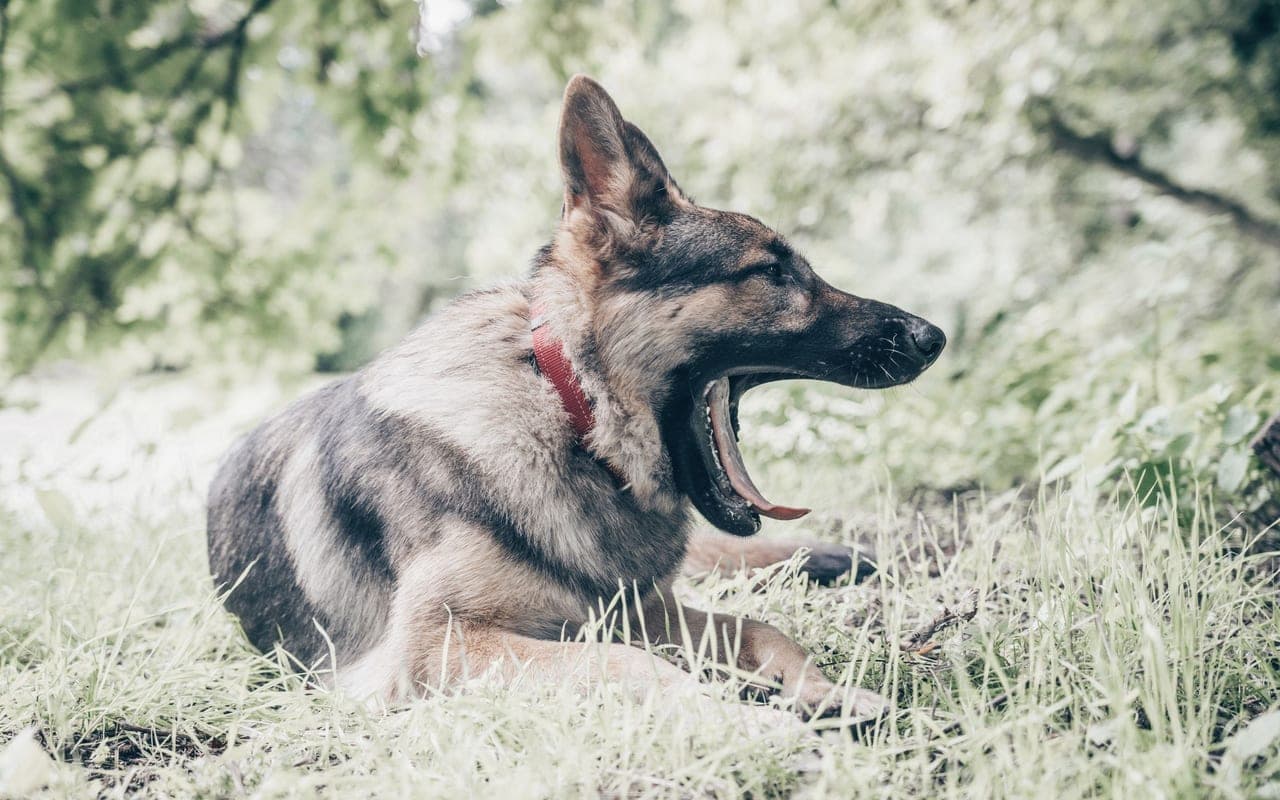
German Shepherd
Also in the Herding group, with different care and temperament tradeoffs.
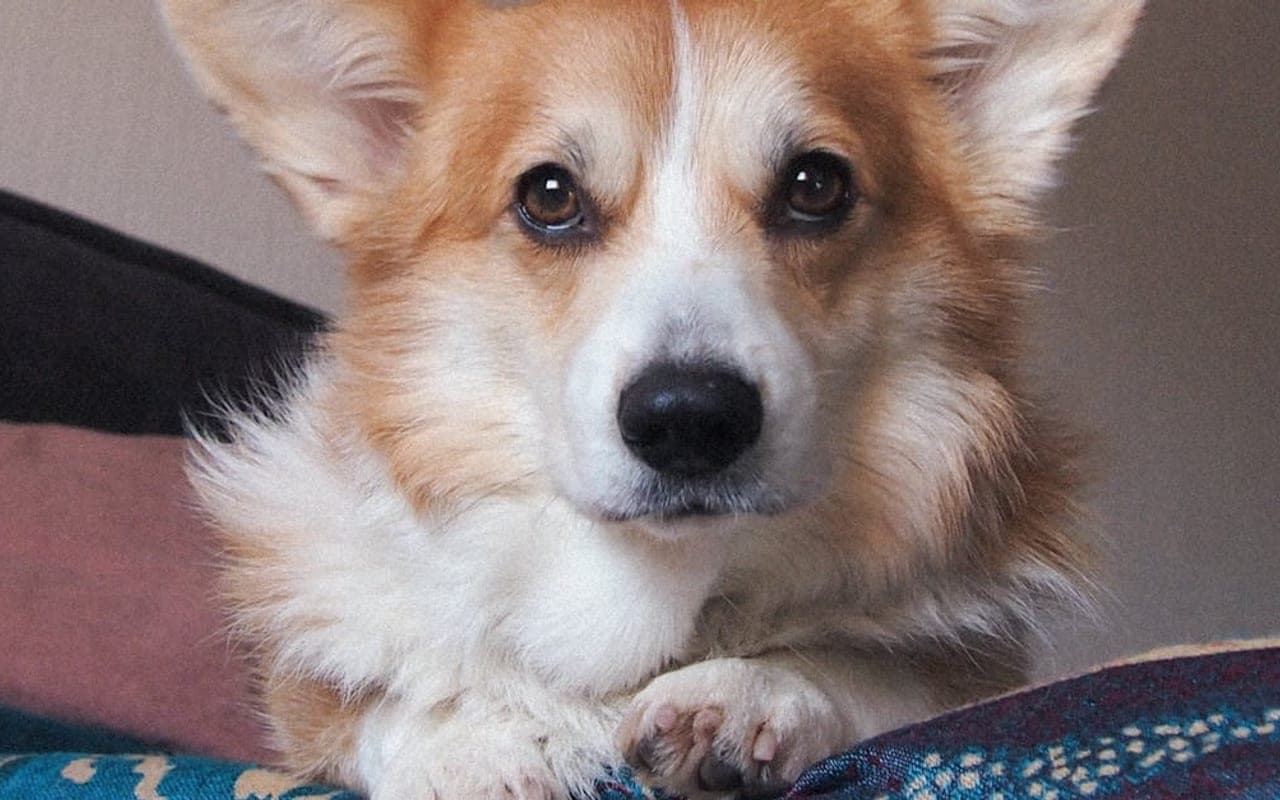
Pembroke Welsh Corgi
Also in the Herding group, with different care and temperament tradeoffs.
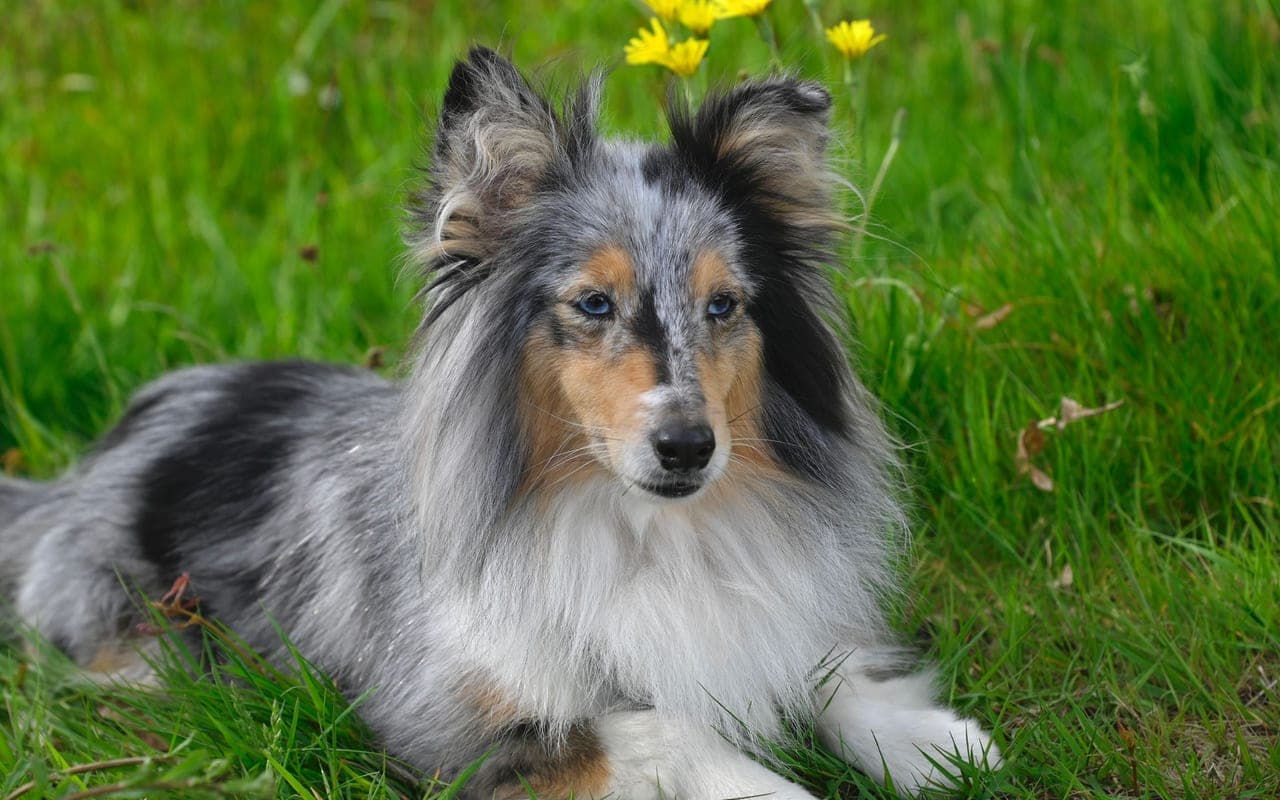
Shetland Sheepdog
Also in the Herding group, with different care and temperament tradeoffs.
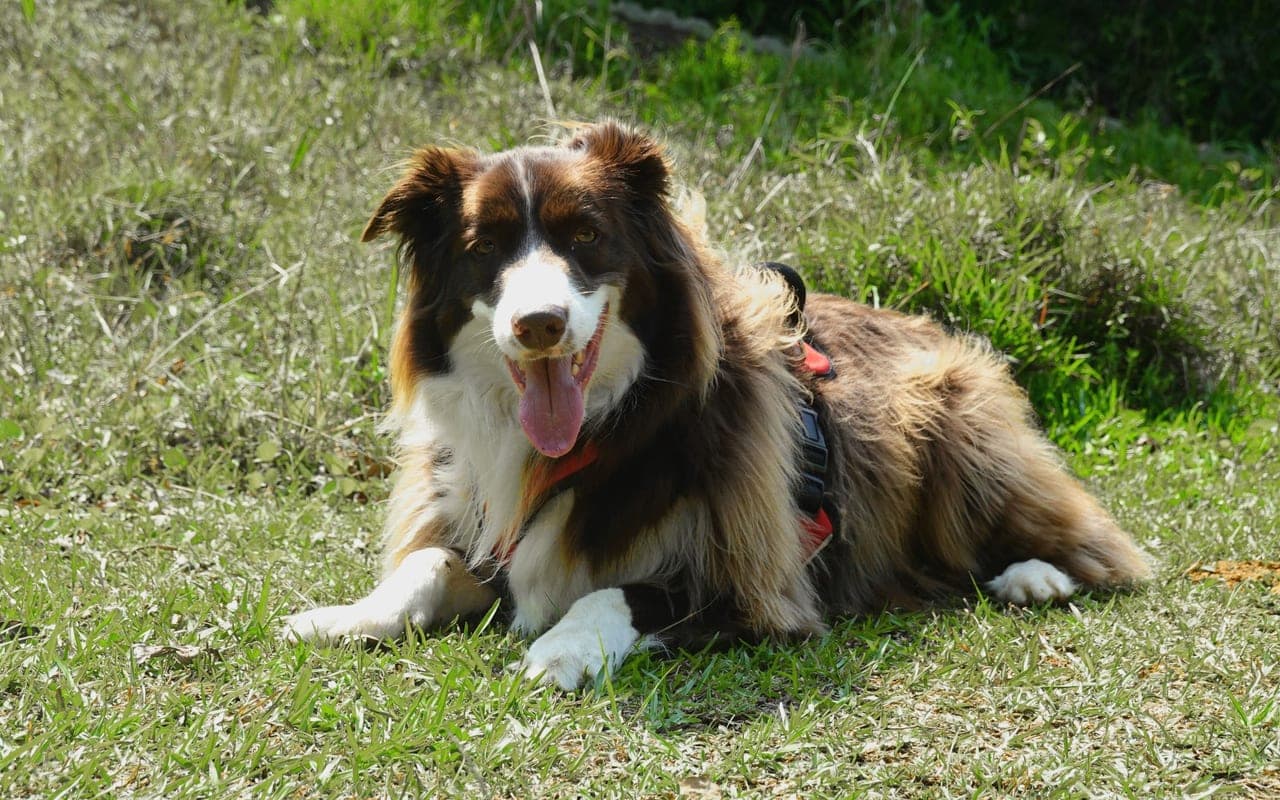
Border Collie
Also in the Herding group, with different care and temperament tradeoffs.
Explore More About Pumi
Dive deeper into everything Pumi — costs, care, and expert insights.
Large Dog Care Guide: Everything Over 50 lbs
Owning a large or giant breed dog means accepting one of biology's...
Puppy Teething & Biting: Timeline and What Actually Works
A puppy has all 28 deciduous ("baby") teeth by roughly eight weeks of age, and...
Considering a cat instead?
Browse Cats