
Herding group
Pyrenean Shepherd
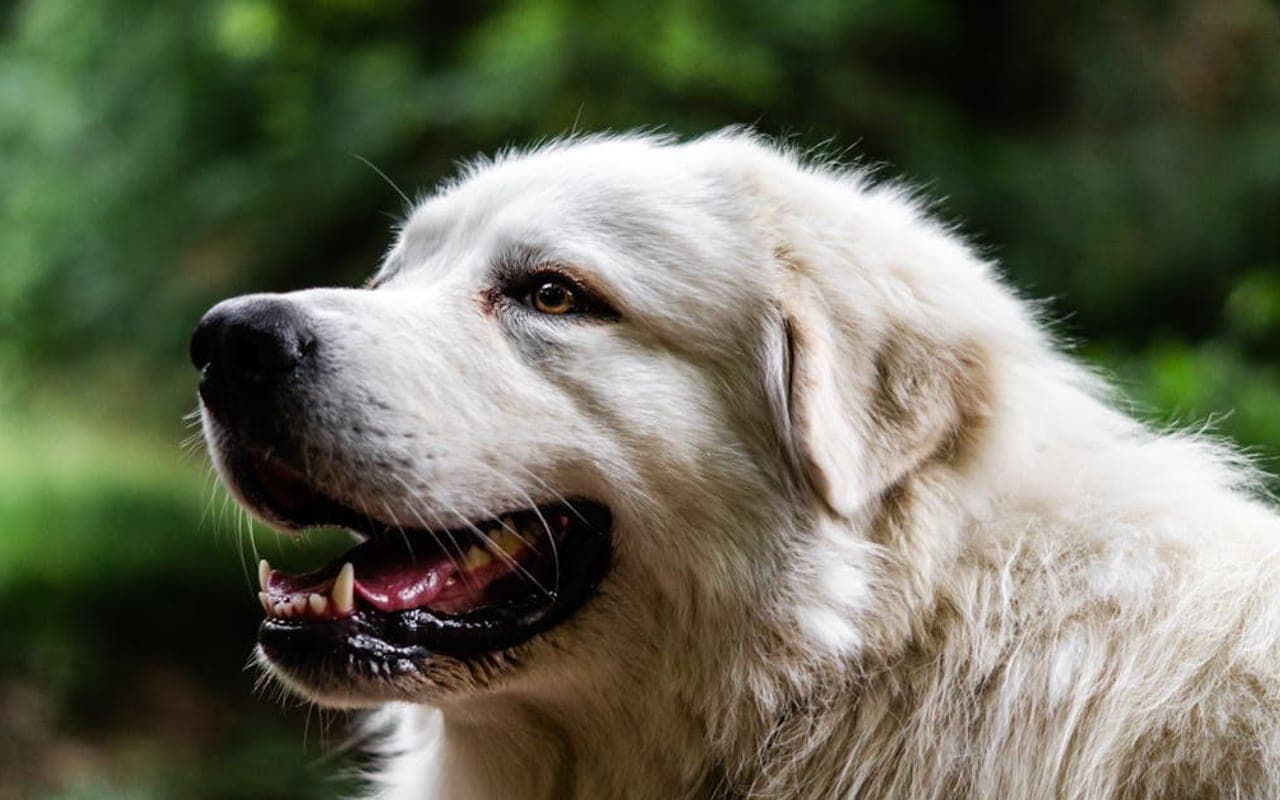
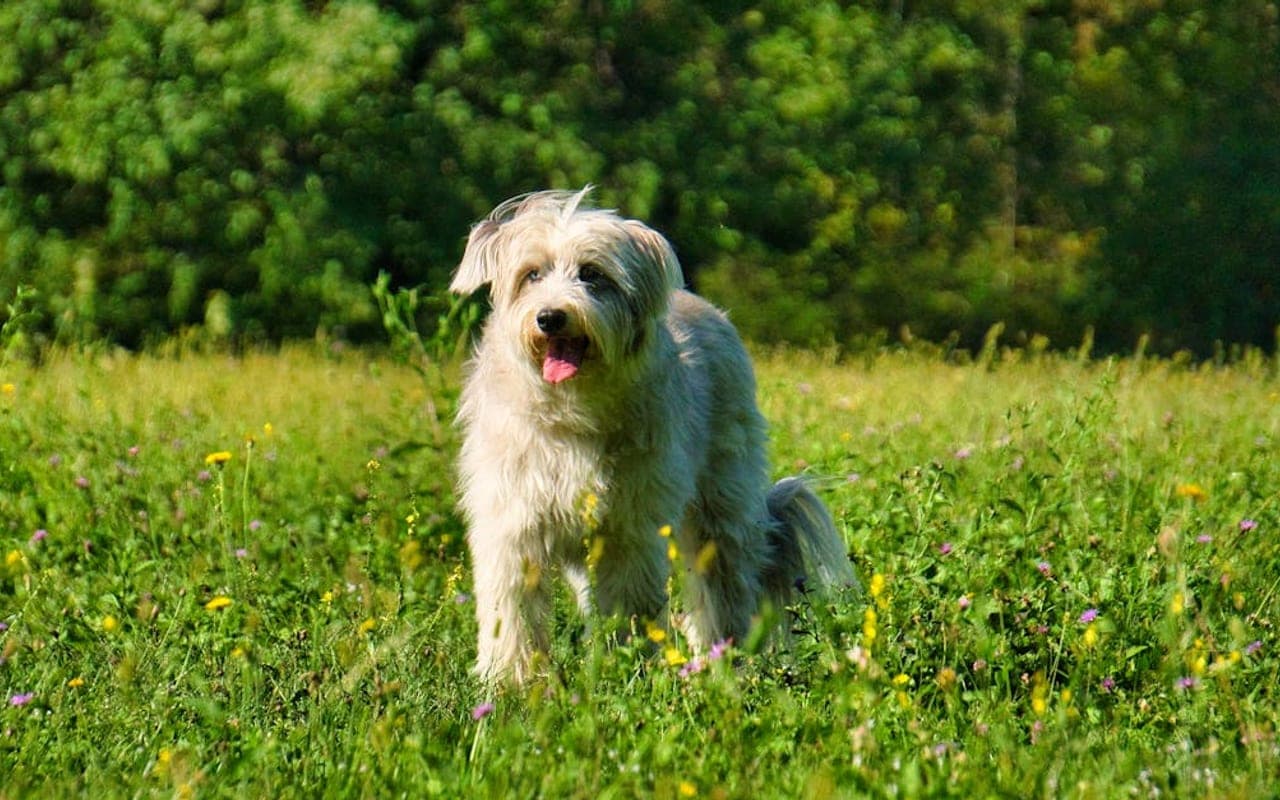
The Pyrenean Shepherd is a small, lean, wiry herding dog — roughly 15 to 21 inches tall and just 15 to 30 pounds — built for nonstop motion across mountain terrain.
Size
15-30 lb
Lifespan
12-15 years
Exercise
30-60 minutes
Shedding
Moderate
Experience
Match to owner routine
Decision first
Is a Pyrenean Shepherd right for you?
Start with fit before history or trivia. These are ownership signals, not guarantees about any individual dog.
Best suited for
- Households with children.
- Homes with other compatible pets.
- Apartment homes with a consistent routine.
- Owners seeking a manageable daily exercise routine.
Think carefully if
- You need a dog with almost no daily routine.
- You cannot keep up with grooming and preventive care.
- The dog will spend most days alone without support.
Conditional fit
Apartment fit depends on exercise, enrichment, noise management, and outdoor access.
Daily reality
Pyrenean Shepherd commitment snapshot
Daily exercise
30-60 minutes
Match activity to age, health, weather, and training goals.
Coat care
Moderate
Grooming needs vary by coat, shedding, and lifestyle.
Time alone
Needs planning
Most dogs need gradual alone-time conditioning and support.
Structured facts
Pyrenean Shepherd at a glance
The measurements and traits that most affect day-to-day life with this breed.
Group
Herding
Weight
15-30 lb
Height
15-21 in
Lifespan
12-15 years
Temperament
Affectionate | Active | Enthusiastic
View all characteristics and methodology
Lifestyle fit
- Apartment suitability
- Likely fit
- Child friendliness
- Often good, with socialisation and supervision
- Other-pet fit
- Often compatible with careful introductions
Owner commitment
- Exercise
- 30-60 minutes
- Grooming
- Moderate
- Shedding
- Moderate
- Training
- Moderate
Environment and health
- Health risk
- Needs planning
Ratings combine structured breed data, visible breed fields, and editorial context. They are planning aids, not predictions for an individual dog.
Daily life
Pyrenean Shepherd temperament and behavior
The Pyrenean Shepherd is a small, lean, wiry herding dog — roughly 15 to 21 inches tall and just 15 to 30 pounds — built for nonstop motion across mountain terrain. It comes in two coat varieties: the rough-faced (harsh, windswept facial furnishings) and the smooth-faced (short face, finer coat), in many colors. Do not let the small size or the charming face mislead you: this is one of the most intense, high-drive working herders in existence, packed into a compact frame. This breed's defining trait is relentless mental and physical energy paired with a sharp, sensitive, opinionated mind. The 'Pyr Shep' was bred to work sheep all day, making independent decisions, and that wiring produces a dog that is whip-smart, mischievous, fast, and easily bored into trouble. Under-stimulated Pyr Sheps invent jobs: herding children and pets, nipping moving heels, barking, and obsessive activity. This is not a flaw to correct out — it is the breed running with nothing to do. Temperament is intensely bonded and affectionate with its own person, but characteristically wary or aloof with strangers and quick to react to novelty; it can be a nervy, suspicious dog without heavy early socialization. It is brilliant at dog sports — agility, obedience, herding, flyball — where its speed and trainability shine. Who the Pyr Shep is right for: an active, experienced owner who wants a canine athlete and will commit daily to physical exercise plus real mental work and ongoing socialization, ideally through dog sports or actual herding. Who it is wrong for: anyone wanting a low-key apartment companion, a calm first dog, a dog that tolerates being left idle, or a breed that is naturally friendly to all strangers. The intelligence and athleticism are exceptional; the energy and sensitivity are non-negotiable.
Affectionate | Active | Enthusiastic
Affectionate
A common Pyrenean Shepherd temperament descriptor that should be interpreted alongside training, exercise, and household fit.
Active
A common Pyrenean Shepherd temperament descriptor that should be interpreted alongside training, exercise, and household fit.
Enthusiastic
A common Pyrenean Shepherd temperament descriptor that should be interpreted alongside training, exercise, and household fit.
Owner note
Temperament labels are starting points, not guarantees. Meet the individual dog and ask about behavior history whenever possible.
Care essentials
How to care for a Pyrenean Shepherd
What looking after one actually involves: exercise, grooming, food, training, and routine health.
ExerciseAs needed
- Moderately active breed needing 30-60 minutes of daily exercise.
GroomingAs needed
- Brush 2-3 times per week.
TrainingAs needed
- Consistent, patient training works best.
NutritionAs needed
- Feed high-quality dog food appropriate for age, size, and activity level.
Veterinary CareAs needed
- Annual wellness exams, vaccinations, dental care, and parasite prevention.
Health planning
Pyrenean Shepherd health risks and screening
Every breed has individual health variation. Use this profile for planning and discuss medical decisions with a veterinarian.
Responsible ownership
Finding a Pyrenean Shepherd responsibly
What to ask a breeder or rescue is the same conversation for every breed, so we keep it in one place and keep it current.
Health documentation, meeting the parents or foster, contracts and return support, and the warning signs worth walking away from.
Original purpose
Pyrenean Shepherd history
History is useful when it explains today's behavior, coat, exercise needs, and training style.
Read the breed history
The Pyrenean Shepherd is the ancient herding dog of the Pyrenees mountains of southern France, where for centuries it worked sheep alongside the much larger Great Pyrenees livestock-guardian: the big white dog protected the flock from predators while the small, fast Pyr Shep moved and controlled it. It is considered one of the oldest herding breeds in Europe and was historically a peasant working dog rather than a show animal, which kept its drive and hardiness intact. The breed gained wider recognition after World War I, when many served as couriers, search dogs, and watchdogs in the French military and were noted for intelligence and courage. The AKC fully recognized it in 2009. For an owner, this herding heritage is the entire explanation for the modern dog: the stamina, the independent problem-solving, the heel-nipping, the wariness of outsiders, and the need for a real job are not quirks — they are the breed doing exactly what it was shaped over centuries to do.
Gallery
Pyrenean Shepherd photos
Images are cropped consistently and loaded progressively to keep the page responsive.
Lower-page context
Pyrenean Shepherds in culture
Where the breed shows up in film, sport, work and folklore — the enjoyable part, once the practical questions are answered.
Fun facts
- The Pyrenean Shepherd belongs to the Herding Group.
- The average lifespan of a Pyrenean Shepherd is 12 to 15 years.
- Pyrenean Shepherd dogs are valued for their affectionate, active, enthusiastic nature.
Pyrenean Shepherd FAQs
How long do Pyrenean Shepherds live?
A healthy Pyrenean Shepherd typically lives 12 to 15 years and is, for a working breed, notably hardy and long-lived thanks to its peasant-working origins and a relatively unspoiled gene pool. The conditions most likely to affect that span are screenable: hip dysplasia, patellar luxation, inherited eye disease, and the congenital heart defect PDA. None of these usually shortens life dramatically when a dog comes from health-tested parents and is kept fit and lean rather than allowed to run itself into joint injury.
Are Pyrenean Shepherds good with children?
Yes with their own family's children when well-socialized and given an outlet, but with two real caveats. First, the herding instinct is strong: many Pyr Sheps will try to control running children by circling and nipping at heels, which needs active training and supervision rather than tolerance. Second, the breed is naturally wary of strangers and sensitive to chaos, so it suits a calmer, structured household over an unpredictable one. They bond intensely with their people but are not an indiscriminately friendly 'kid's dog' by default.
How much exercise does a Pyrenean Shepherd need?
A great deal — at least 60 to 90 minutes of vigorous activity daily plus structured mental work like training, herding, or a dog sport. Critically, physical exercise alone is not enough: this is one of the most mentally driven small herders alive, and a dog that is run but never made to think is still destructive and noisy. Owners who give it a real job describe a brilliant, biddable partner; those who only walk it describe a barking, nipping problem. The mental workload is the actual requirement.
Are Pyrenean Shepherds good for first-time dog owners?
Usually not. They are intelligent and physically easy to keep, but the combination of relentless drive, sensitivity to harsh handling, strong herding/nipping instinct, and natural wariness of strangers demands an experienced owner who can provide daily mental work and consistent, positive structure. First-time owners often under-stimulate the dog and then try to correct the resulting barking and nipping, which makes a sensitive Pyr Shep worse. An active owner committed to dog sports or herding will thrive with one; an unprepared one typically ends up overwhelmed.
What is the difference between rough-faced and smooth-faced Pyrenean Shepherds?
They are coat varieties of the same breed, not separate breeds. The rough-faced has harsh, longer, windswept facial furnishings and a coarser body coat (sometimes lightly corded), needing weekly brushing and occasional separating of the furnishings. The smooth-faced has a short face, a finer body coat, and a slightly longer muzzle, and is even lower-maintenance to groom; it also tends to run slightly larger. Temperament, energy, and drive are essentially the same between the two — choose on grooming preference and availability, not on expecting a calmer dog from either coat.
Sources
These are the published sources this page draws on. Each opens in a new tab so you can check it yourself.
American Kennel Club
Pyrenean Shepherd — breed standard and profile(opens in a new tab)Supports: Breed standard and recognition details.
Similar breeds to consider
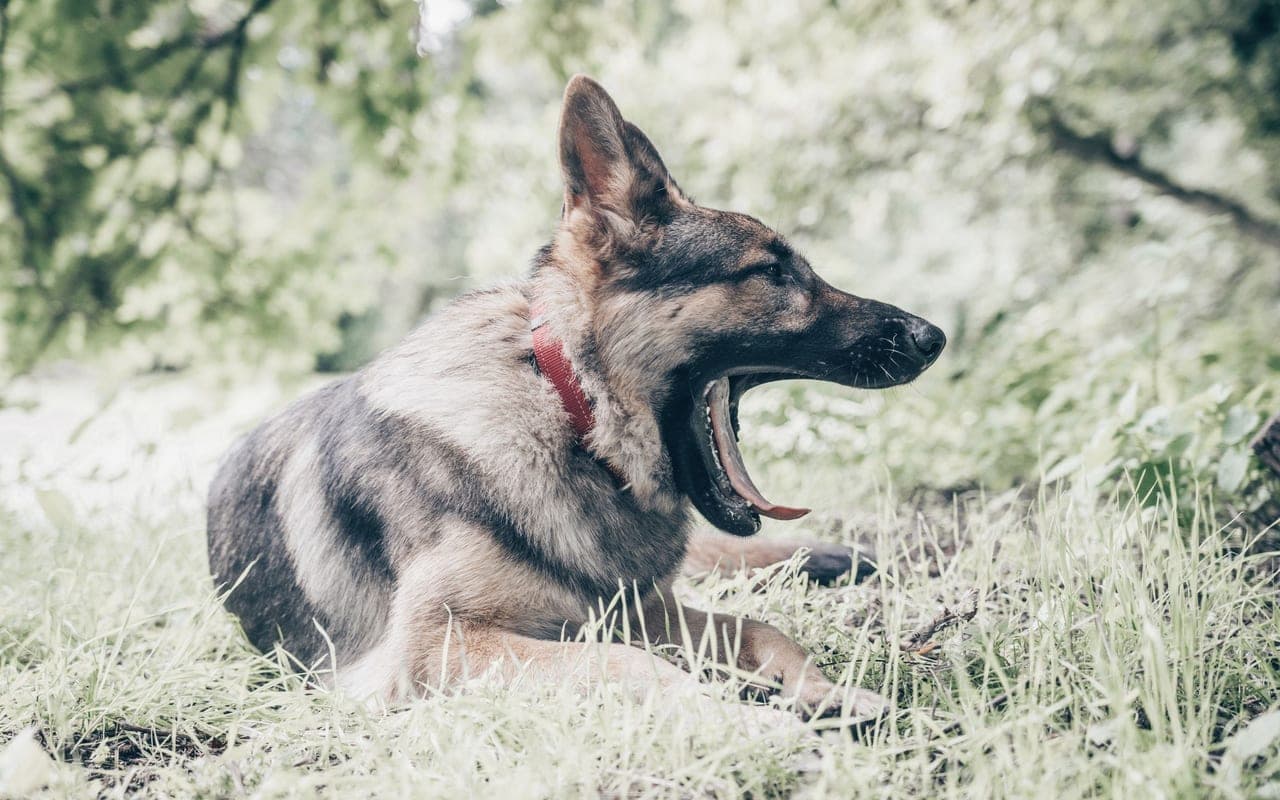
German Shepherd
Also in the Herding group, with different care and temperament tradeoffs.
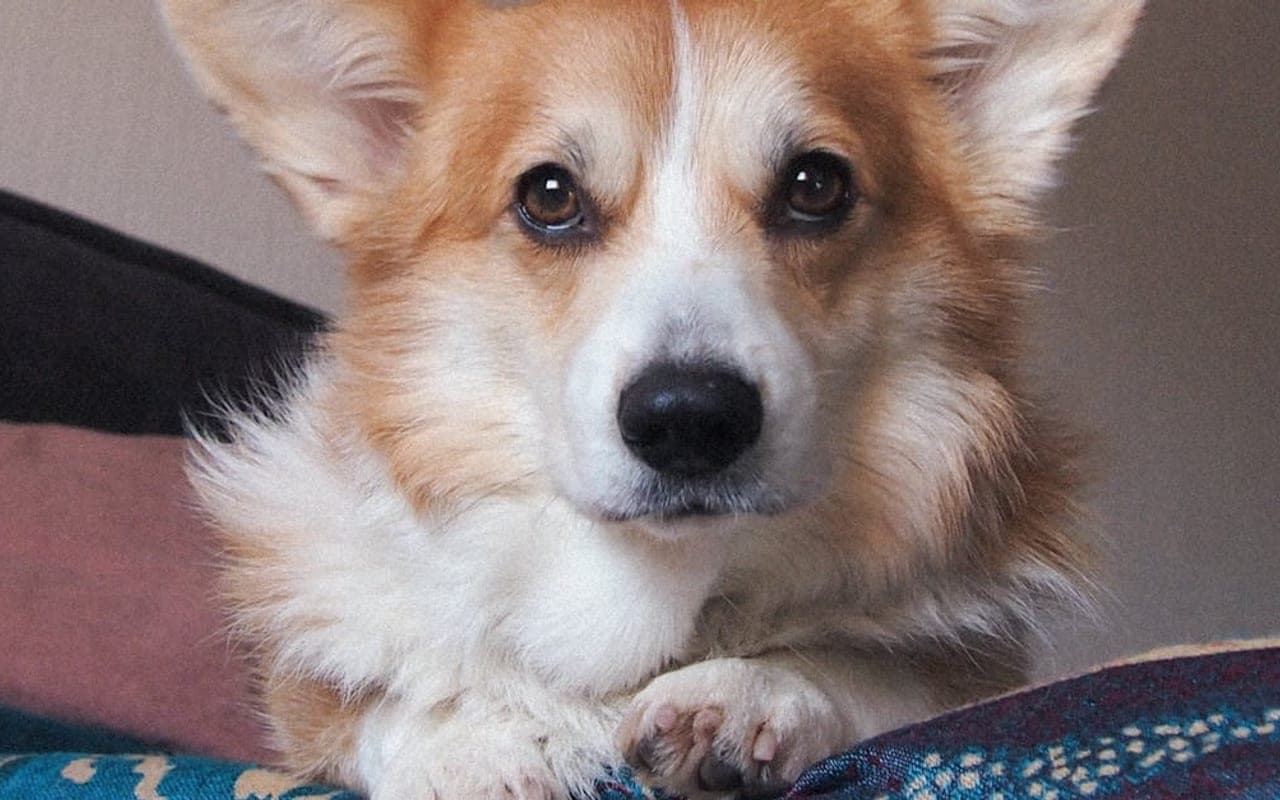
Pembroke Welsh Corgi
Also in the Herding group, with different care and temperament tradeoffs.
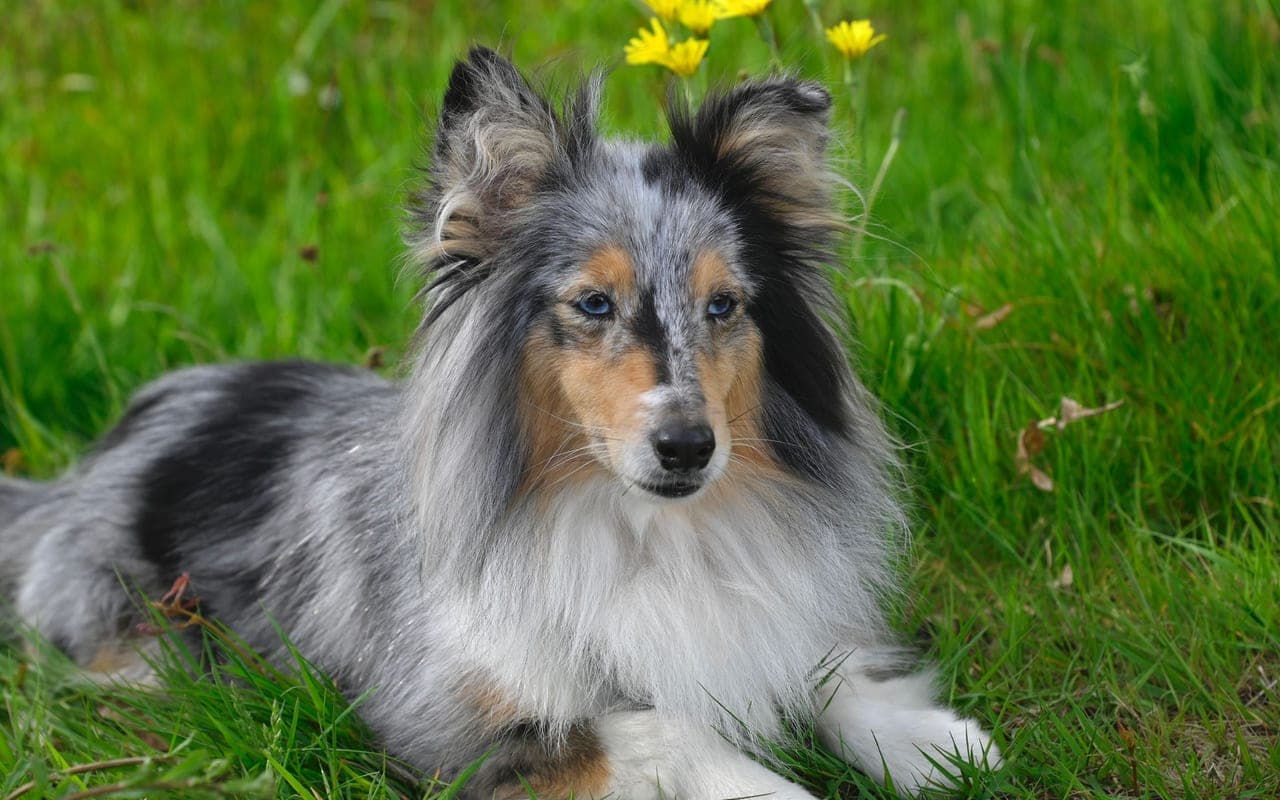
Shetland Sheepdog
Also in the Herding group, with different care and temperament tradeoffs.
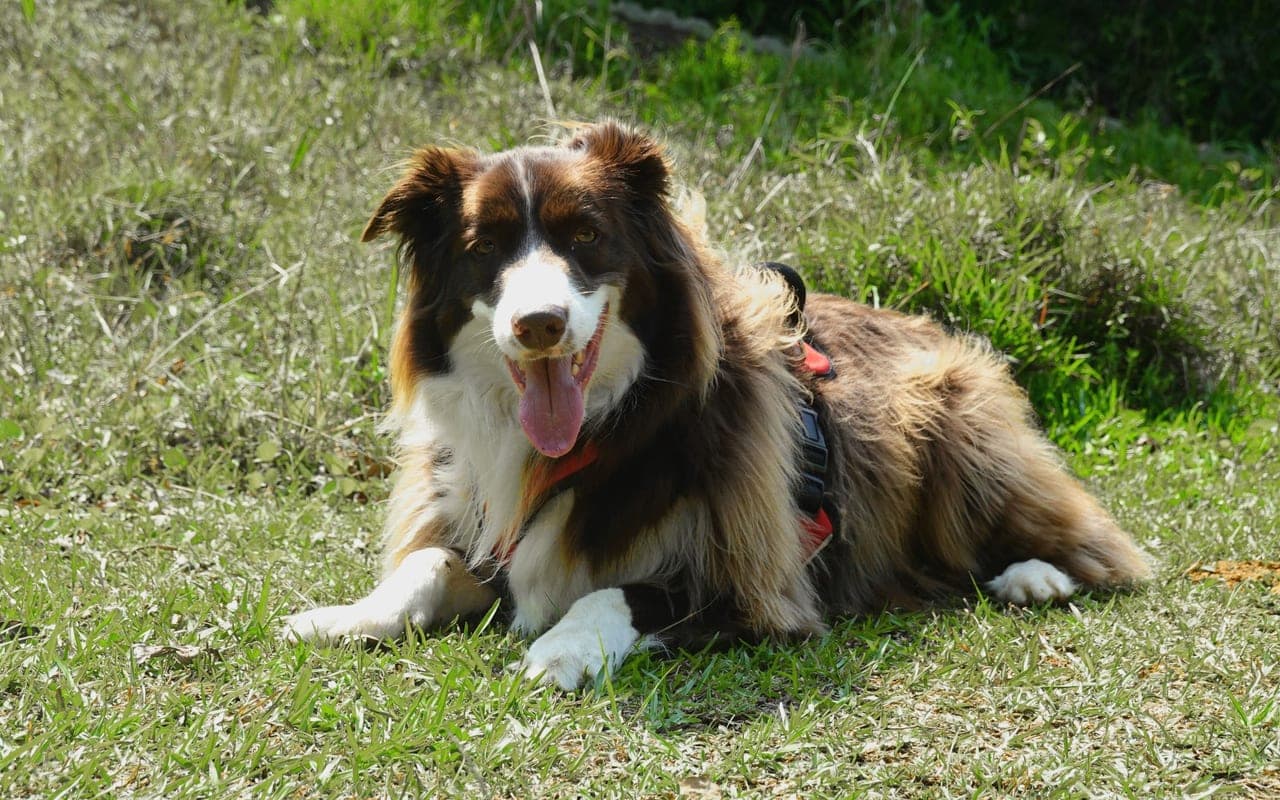
Border Collie
Also in the Herding group, with different care and temperament tradeoffs.
Explore More About Pyrenean Shepherd
Dive deeper into everything Pyrenean Shepherd — costs, care, and expert insights.
Large Dog Care Guide: Everything Over 50 lbs
Owning a large or giant breed dog means accepting one of biology's...
Puppy Teething & Biting: Timeline and What Actually Works
A puppy has all 28 deciduous ("baby") teeth by roughly eight weeks of age, and...
Considering a cat instead?
Browse Cats