
Foundation Stock Service group
Rafeiro do Alentejo
The Rafeiro do Alentejo is a large-to-giant Portuguese livestock guardian from the Alentejo plains — adults commonly run 35-60 kg, occasionally more — bred to move with flocks and cattle across open country and to confront wolves and thieves, especially at night.
Size
77-132 lb
Lifespan
12-14 years
Exercise
30-60 minutes
Shedding
Moderate
Experience
Match to owner routine
Decision first
Is a Rafeiro do Alentejo right for you?
Start with fit before history or trivia. These are ownership signals, not guarantees about any individual dog.
Best suited for
- Households with children.
- Homes with other compatible pets.
- Apartment homes with a consistent routine.
- Owners seeking a manageable daily exercise routine.
Think carefully if
- You need a dog with almost no daily routine.
- You cannot keep up with grooming and preventive care.
- The dog will spend most days alone without support.
Conditional fit
Apartment fit depends on exercise, enrichment, noise management, and outdoor access.
Daily reality
Rafeiro do Alentejo commitment snapshot
Daily exercise
30-60 minutes
Match activity to age, health, weather, and training goals.
Coat care
Moderate
Grooming needs vary by coat, shedding, and lifestyle.
Time alone
Needs planning
Most dogs need gradual alone-time conditioning and support.
Structured facts
Rafeiro do Alentejo at a glance
The measurements and traits that most affect day-to-day life with this breed.
Group
Foundation Stock Service
Weight
77-132 lb
Height
25-29 in
Lifespan
12-14 years
Temperament
Confident | Calm | Powerful
View all characteristics and methodology
Lifestyle fit
- Apartment suitability
- Likely fit
- Child friendliness
- Often good, with socialisation and supervision
- Other-pet fit
- Often compatible with careful introductions
Owner commitment
- Exercise
- 30-60 minutes
- Grooming
- Moderate
- Shedding
- Moderate
- Training
- Moderate
Environment and health
- Health risk
- Needs planning
Ratings combine structured breed data, visible breed fields, and editorial context. They are planning aids, not predictions for an individual dog.
Daily life
Rafeiro do Alentejo temperament and behavior
The Rafeiro do Alentejo is a large-to-giant Portuguese livestock guardian from the Alentejo plains — adults commonly run 35-60 kg, occasionally more — bred to move with flocks and cattle across open country and to confront wolves and thieves, especially at night. Any honest profile leads with what that means in a home: this is a powerful, deep-chested, territorially serious dog that works on its own judgment, not a calm large companion that happens to bark. Temperament is the defining decision point. The Rafeiro is calm, sober and slow-moving day to day, devoted and steady with its own family, and famously vigilant at night — historically it slept by day and patrolled by dark, and that rhythm still shows. It is reserved-to-suspicious with strangers and serious about defending its territory and the people and animals entrusted to it. Prey drive is low (a guardian protects stock, it doesn't chase it), but the protective drive is real and must be channelled by socialization and secure containment, not suppressed. The coat is short or medium, thick and dense, weather-resistant, in black, wolf-grey, fawn or yellow, with or without brindling, always with white markings (or white with coloured patches). It is rustic and low-fuss but sheds. The trade-off you are accepting: a guardian bred for independent decision-making is not a biddable dog. It is intelligent but not eager-to-please, it makes its own calls about threats, and it needs an owner who manages it through environment and relationship rather than obedience drills. Who the Rafeiro do Alentejo is right for: an experienced owner with rural or large-property space, a securely fenced perimeter, neighbours who can tolerate a night-barking guardian, and the budget for giant-breed care. Who it is wrong for: suburban apartment life, first-time owners, people who want an obedient social dog, and anyone who cannot manage a 50 kg dog that decides who is and isn't welcome.
Confident | Calm | Powerful
Confident
A common Rafeiro do Alentejo temperament descriptor that should be interpreted alongside training, exercise, and household fit.
Calm
A common Rafeiro do Alentejo temperament descriptor that should be interpreted alongside training, exercise, and household fit.
Powerful
A common Rafeiro do Alentejo temperament descriptor that should be interpreted alongside training, exercise, and household fit.
Owner note
Temperament labels are starting points, not guarantees. Meet the individual dog and ask about behavior history whenever possible.
Care essentials
How to care for a Rafeiro do Alentejo
What looking after one actually involves: exercise, grooming, food, training, and routine health.
ExerciseAs needed
- Moderately active breed needing 30-60 minutes of daily exercise.
GroomingAs needed
- Brush 2-3 times per week.
TrainingAs needed
- Consistent, patient training works best.
NutritionAs needed
- Feed high-quality dog food appropriate for age, size, and activity level.
Veterinary CareAs needed
- Annual wellness exams, vaccinations, dental care, and parasite prevention.
Health planning
Rafeiro do Alentejo health risks and screening
Every breed has individual health variation. Use this profile for planning and discuss medical decisions with a veterinarian.
Responsible ownership
Finding a Rafeiro do Alentejo responsibly
What to ask a breeder or rescue is the same conversation for every breed, so we keep it in one place and keep it current.
Health documentation, meeting the parents or foster, contracts and return support, and the warning signs worth walking away from.
Original purpose
Rafeiro do Alentejo history
History is useful when it explains today's behavior, coat, exercise needs, and training style.
Read the breed history
The Rafeiro do Alentejo takes its name from the Alentejo region of southern Portugal, where it worked the great estates and transhumant herds — guarding sheep and cattle on open plains and defending property against wolves and thieves. Early on it was also used in packs for big-game hunting, a role that faded as that hunting declined, leaving the livestock-and-estate guardian function that defines the modern dog. Its working pattern shaped its temperament: a dog that rested by day and patrolled and confronted threats at night, which is why night vigilance and territorial barking remain breed-typical rather than trainable quirks. Numbers fell with the decline of traditional pastoralism, and the breed was stabilized to a written standard in the 20th century (FCI standard No. 96); it is maintained as a rare guardian breed and is recorded in the AKC Foundation Stock Service. For owners that origin explains the package directly: low prey drive, high territorial drive, independence and a nocturnal-leaning vigilance are deliberate guardian traits, not behavioural problems.
Gallery
Rafeiro do Alentejo photos
Images are cropped consistently and loaded progressively to keep the page responsive.
Lower-page context
Rafeiro do Alentejos in culture
Where the breed shows up in film, sport, work and folklore — the enjoyable part, once the practical questions are answered.
Fun facts
- The Rafeiro do Alentejo belongs to the Foundation Stock Service.
- The average lifespan of a Rafeiro do Alentejo is 12 to 14 years.
- Rafeiro do Alentejo dogs are valued for their confident, calm, powerful nature.
Rafeiro do Alentejo FAQs
How long do Rafeiro do Alentejo dogs live?
Typically 12-14 years, which is notably good for a dog of this size — many giant breeds average only 8-10 years. The levers that matter for reaching the upper end are keeping the dog lean from puppyhood to protect the joints, and preventing bloat through meal management and a gastropexy. A lean, gastropexied Rafeiro from hip-screened parents has a meaningfully better outlook than its size alone would suggest.
Are Rafeiro do Alentejo dogs good with children and other pets?
With their own family they are steady and devoted, and low prey drive means they generally coexist well with livestock and household animals they are raised with. The real cautions are size and guardian instinct: a 50 kg dog can knock a small child over unintentionally, and the breed is protective and wary of outsiders, so visiting children and unfamiliar dogs need careful management. Early, broad socialization is essential — this is a guardian, not a naturally social breed.
How much exercise does a Rafeiro do Alentejo need?
Less than its size implies. Daily moderate walks plus room to patrol a property satisfy an adult; this is a calm, sober guardian, not an endurance dog. Critically, do not over-exercise a puppy — forced running, stairs and jumping before 14-18 months damages developing joints in a large breed. A secure territory and a stable routine matter more to this dog's wellbeing than mileage.
How much does it cost to own a Rafeiro do Alentejo?
Plan well beyond purchase price. A 35-60 kg dog eats accordingly, and giant-breed-specific costs add up: a prophylactic gastropexy is roughly $400-$800 (cheaper bundled with spay/neuter), emergency bloat surgery runs $2,500-$6,000+, and lifelong arthritis management for a large dog is recurring. Medication and anesthesia are dosed by weight, so everything costs more. Hip- and elbow-screened parents are the cheapest insurance against the largest bills.
Does the Rafeiro do Alentejo bark a lot at night?
Yes — and that is the breed working, not a flaw. The Rafeiro was developed as a nocturnal property and livestock guardian; vigilance and territorial barking after dark are deeply wired traits, not just under-training. You can shape and reduce it with socialization, secure boundaries and management, but you should not buy this breed expecting a quiet night dog in a noise-sensitive setting. Choose accordingly and consider the neighbours before you commit.
Is the Rafeiro do Alentejo a good first dog?
Generally no. The combination of giant size, an independent guardian mindset that makes its own threat decisions, serious territorial and night barking, mandatory secure containment, and giant-breed medical costs is a lot for a first-time owner to manage well. It suits an experienced owner with rural or large-property space who wants a calm, protective presence and is prepared to manage the dog through environment and relationship rather than quick obedience.
Sources
These are the published sources this page draws on. Each opens in a new tab so you can check it yourself.
American Kennel Club
Rafeiro do Alentejo — breed standard and profile(opens in a new tab)Supports: Breed standard and recognition details.
Similar breeds to consider
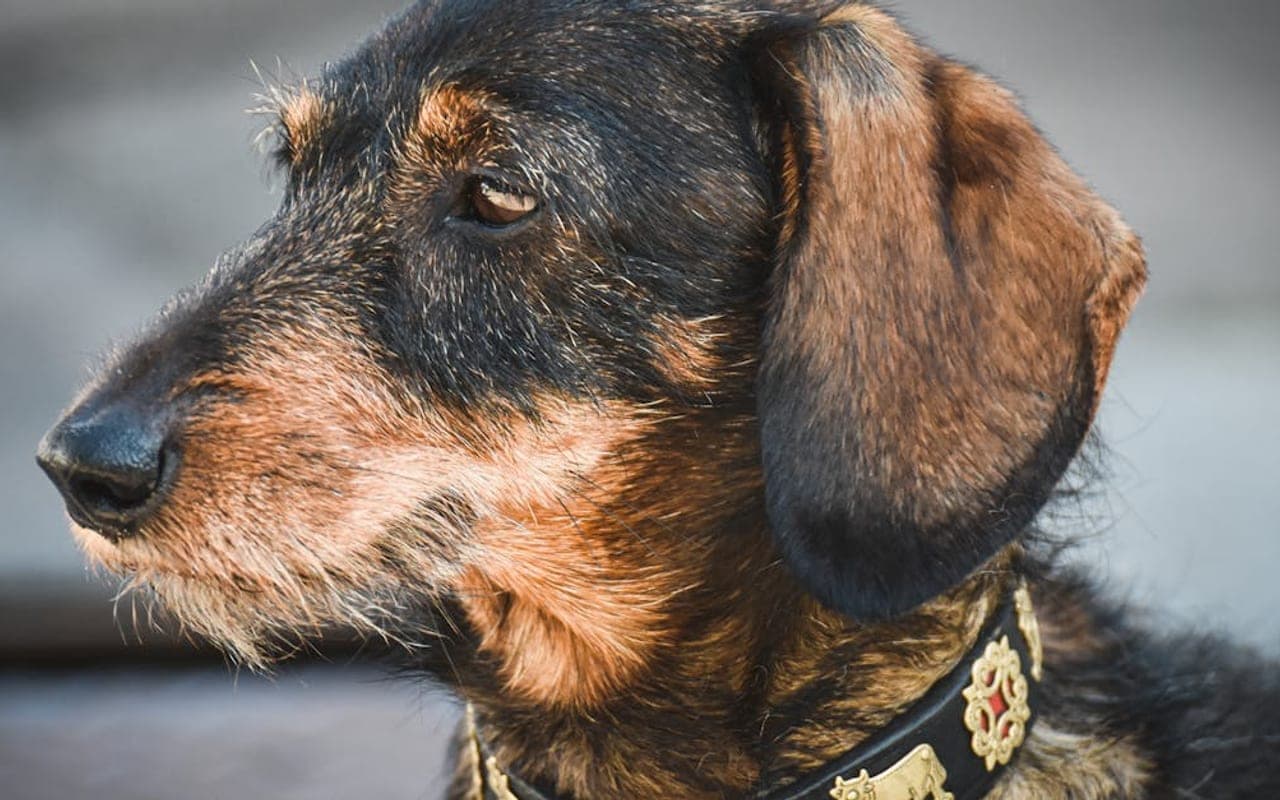
Jagdterrier
Also in the Foundation Stock Service group, with different care and temperament tradeoffs.
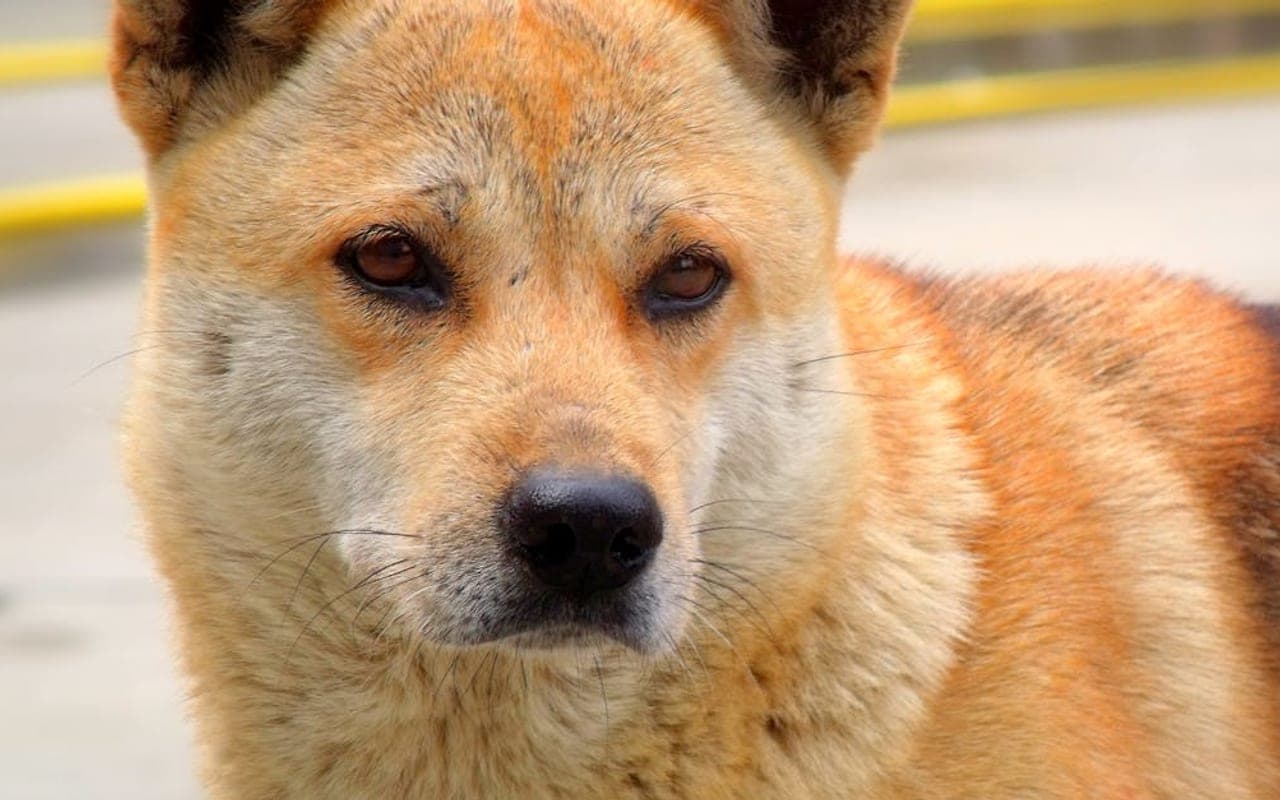
Jindo
Also in the Foundation Stock Service group, with different care and temperament tradeoffs.
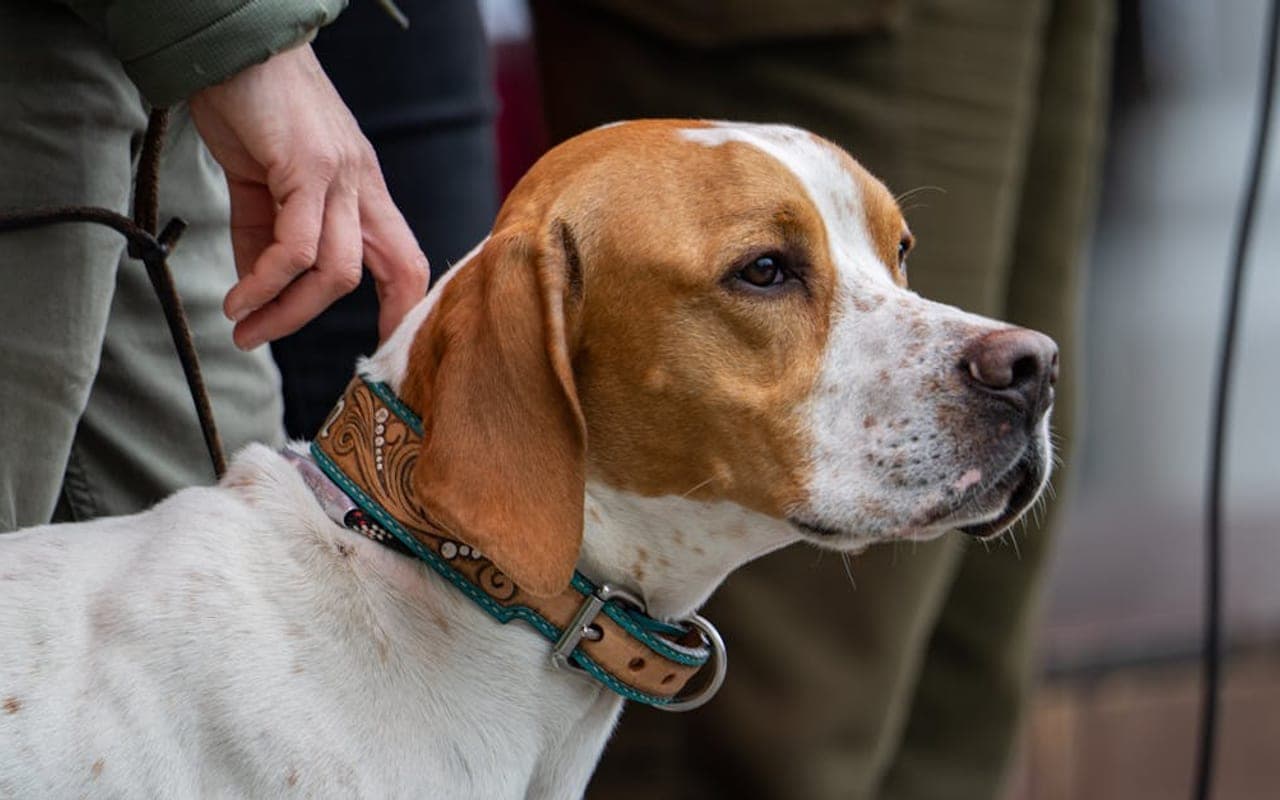
Portuguese Pointer
Also in the Foundation Stock Service group, with different care and temperament tradeoffs.
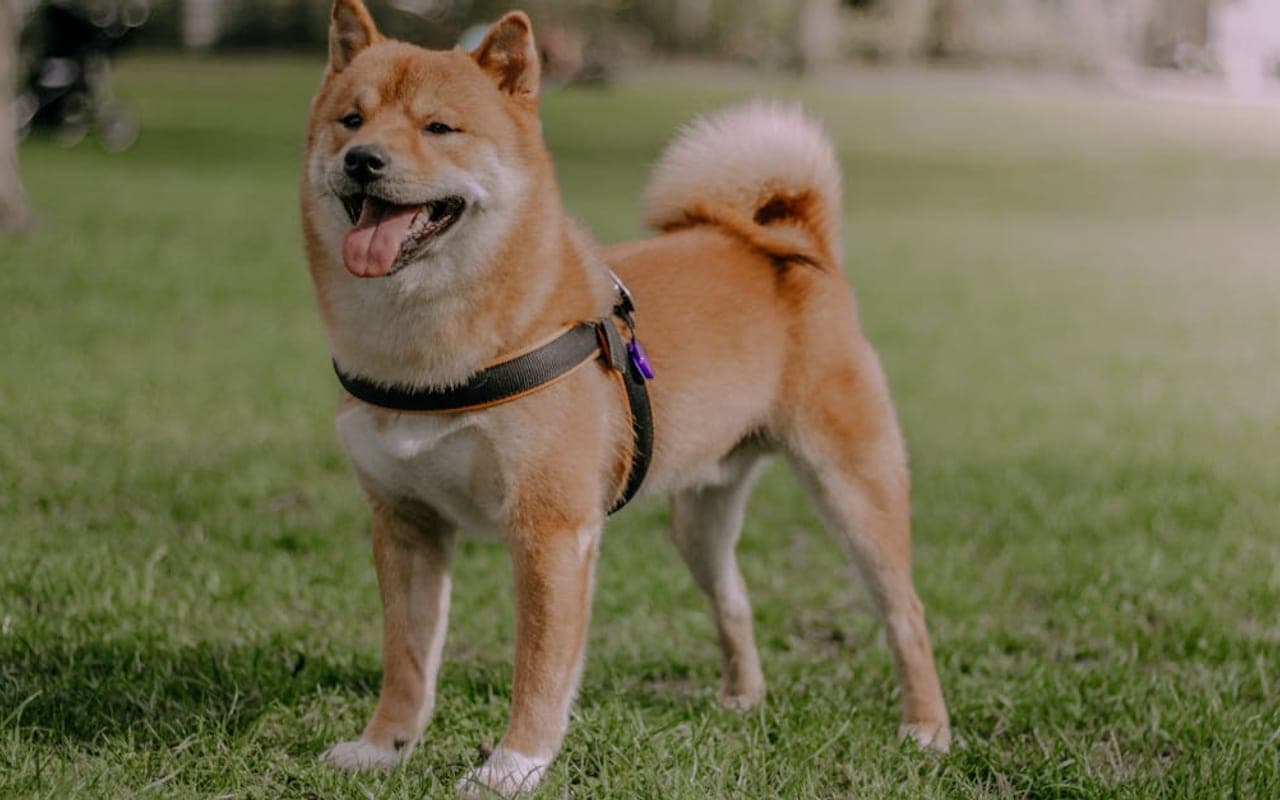
Kishu Ken
Also in the Foundation Stock Service group, with different care and temperament tradeoffs.
Explore More About Rafeiro do Alentejo
Dive deeper into everything Rafeiro do Alentejo — costs, care, and expert insights.
Considering a cat instead?
Browse Cats