
Terrier group
Rat Terrier
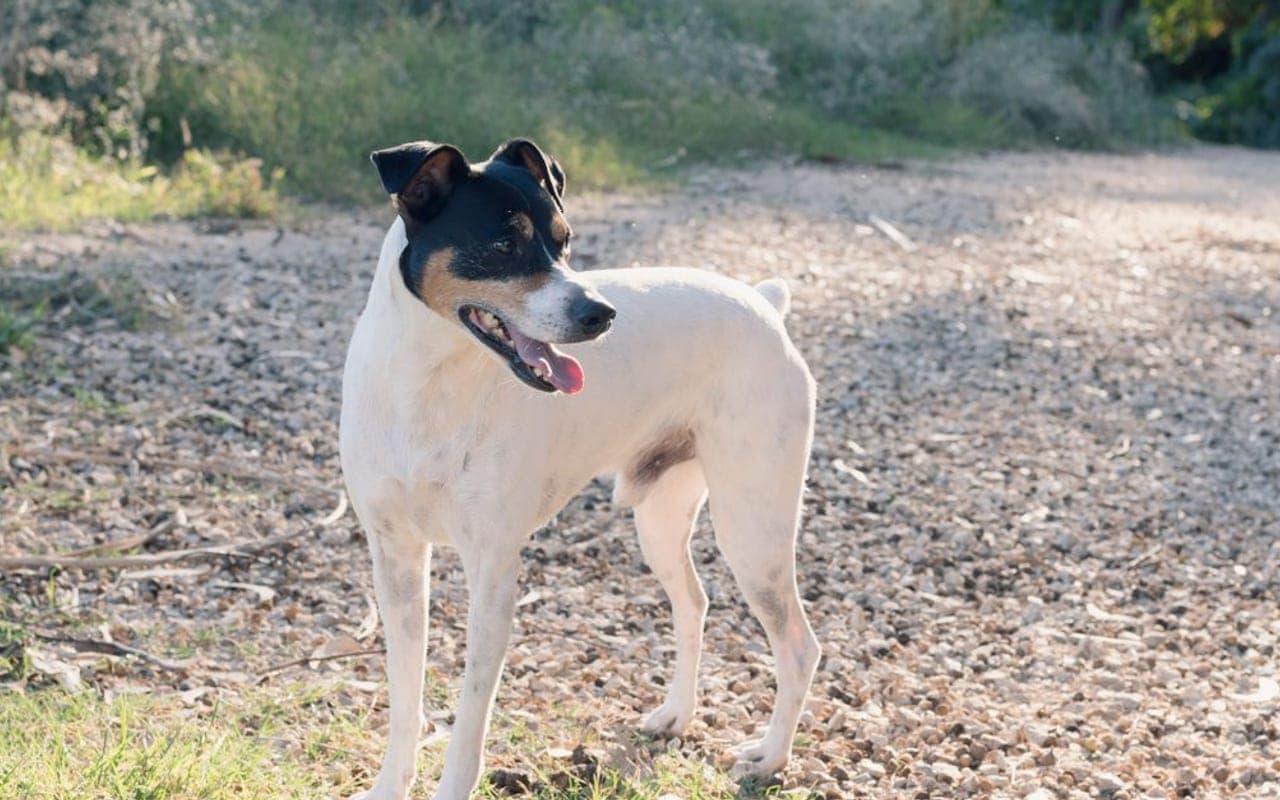
The Rat Terrier is an American working farm dog — a compact, smooth-coated terrier bred to clear vermin from barns and farmsteads and to hunt small game.



Size
10-24 lb
Lifespan
12-18 years
Exercise
30-60 minutes
Shedding
Moderate
Experience
Match to owner routine
Decision first
Is a Rat Terrier right for you?
Start with fit before history or trivia. These are ownership signals, not guarantees about any individual dog.
Best suited for
- Households with children.
- Homes with other compatible pets.
- Apartment homes with a consistent routine.
- Owners seeking a manageable daily exercise routine.
Think carefully if
- You need a dog with almost no daily routine.
- You cannot keep up with grooming and preventive care.
- The dog will spend most days alone without support.
Conditional fit
Apartment fit depends on exercise, enrichment, noise management, and outdoor access.
Daily reality
Rat Terrier commitment snapshot
Daily exercise
30-60 minutes
Match activity to age, health, weather, and training goals.
Coat care
Moderate
Grooming needs vary by coat, shedding, and lifestyle.
Time alone
Needs planning
Most dogs need gradual alone-time conditioning and support.
Structured facts
Rat Terrier at a glance
The measurements and traits that most affect day-to-day life with this breed.
Group
Terrier
Weight
10-24 lb
Height
10-18 in
Lifespan
12-18 years
Temperament
Friendly | Inquisitive | Lovable
View all characteristics and methodology
Lifestyle fit
- Apartment suitability
- Likely fit
- Child friendliness
- Often good, with socialisation and supervision
- Other-pet fit
- Often compatible with careful introductions
Owner commitment
- Exercise
- 30-60 minutes
- Grooming
- Moderate
- Shedding
- Moderate
- Training
- Moderate
Environment and health
- Health risk
- Needs planning
Ratings combine structured breed data, visible breed fields, and editorial context. They are planning aids, not predictions for an individual dog.
Daily life
Rat Terrier temperament and behavior
The Rat Terrier is an American working farm dog — a compact, smooth-coated terrier bred to clear vermin from barns and farmsteads and to hunt small game. It comes in two AKC size divisions: Miniature (10-13 inches at the shoulder) and Standard (over 13 up to 18 inches), generally weighing 10-25 pounds depending on size. The buying decision hinges on understanding that 'small and low-grooming' does not mean 'low-energy lapdog' — this is a tireless, intelligent, high-prey-drive terrier in a small package. Physically the Rat Terrier is efficient and athletic: a short, dense, glossy single coat in a wide range of pied (white-with-color) patterns, a muscular compact body, and a quick, ground-covering gait built for a long working day. The coat is genuinely easy — a weekly brush — but it offers little cold protection, so northern owners should plan a coat in winter. Temperament is the part new owners underestimate. Rat Terriers are smart, alert, affectionate, and intensely bonded to their families — often described as having a sense of humor — but they are also driven, vocal, and strongly prey-motivated. They will chase cats, squirrels, and small pets, dig with enthusiasm, and alert-bark at activity. They are usually good with children and family dogs they are raised with, and can be reserved with strangers. Who the Rat Terrier is right for: an active owner who wants a clever, trainable, low-grooming companion, will provide daily exercise and mental work, and can manage a strong prey drive and a secure yard. Who it is wrong for: a household with free-roaming small pets the dog won't accept, an owner expecting a quiet low-energy dog because it is small, or anyone who won't fence and supervise a determined digger and chaser.
Friendly | Inquisitive | Lovable
Friendly
A common Rat Terrier temperament descriptor that should be interpreted alongside training, exercise, and household fit.
Inquisitive
A common Rat Terrier temperament descriptor that should be interpreted alongside training, exercise, and household fit.
Lovable
A common Rat Terrier temperament descriptor that should be interpreted alongside training, exercise, and household fit.
Owner note
Temperament labels are starting points, not guarantees. Meet the individual dog and ask about behavior history whenever possible.
Care essentials
How to care for a Rat Terrier
What looking after one actually involves: exercise, grooming, food, training, and routine health.
ExerciseAs needed
- Moderately active breed needing 30-60 minutes of daily exercise.
GroomingAs needed
- Brush 2-3 times per week.
TrainingAs needed
- Consistent, patient training works best.
NutritionAs needed
- Feed high-quality dog food appropriate for age, size, and activity level.
Veterinary CareAs needed
- Annual wellness exams, vaccinations, dental care, and parasite prevention.
Health planning
Rat Terrier health risks and screening
Every breed has individual health variation. Use this profile for planning and discuss medical decisions with a veterinarian.
Responsible ownership
Finding a Rat Terrier responsibly
What to ask a breeder or rescue is the same conversation for every breed, so we keep it in one place and keep it current.
Health documentation, meeting the parents or foster, contracts and return support, and the warning signs worth walking away from.
Original purpose
Rat Terrier history
History is useful when it explains today's behavior, coat, exercise needs, and training style.
Read the breed history
The Rat Terrier is a genuinely American breed, developed by working farmers in the 19th and early 20th centuries from imported terriers — including the Manchester Terrier, Smooth Fox Terrier, and old feist-type ratting dogs — later infused with Whippet, Beagle, and Italian Greyhound blood for speed and scenting. The job was vermin control: clearing rats and other pests from barns, granaries, and farmsteads, and hunting small game. The name is popularly credited to President Theodore Roosevelt, who is said to have owned and championed the type. Once one of the most common farm dogs in the United States, the breed declined with mid-century agricultural mechanization and the rise of chemical pest control, surviving largely with rural breeders before a dedicated revival. The AKC fully recognized the Rat Terrier in 2013, placing it in the Terrier Group. That mixed working ancestry is why the modern dog combines terrier tenacity with sighthound speed and a still-strong prey drive.
Gallery
Rat Terrier photos
Images are cropped consistently and loaded progressively to keep the page responsive.
Lower-page context
Rat Terriers in culture
Where the breed shows up in film, sport, work and folklore — the enjoyable part, once the practical questions are answered.
Fun facts
- The Rat Terrier belongs to the Terrier Group.
- The average lifespan of a Rat Terrier is 12 to 18 years.
- Rat Terrier dogs are valued for their friendly, inquisitive, lovable nature.
Rat Terrier FAQs
How long do Rat Terriers live?
Rat Terriers are a long-lived breed, typically reaching 13-18 years, which is exceptional even among small dogs. The realistic limiters are hereditary eye disease (primary lens luxation, PRA), dental disease, and weight-related joint problems rather than early systemic illness. Buying from a breeder who DNA-tests for PLL and PRA and keeping the dog lean with good dental care are the levers that most determine whether you get the upper end of that range.
Are Rat Terriers good apartment dogs?
They can be, with honest effort. Their compact size suits an apartment, but their working-terrier energy and tendency to alert-bark do not suit a passive owner. A Rat Terrier needs 45-60 minutes of daily exercise plus mental work to be a calm housemate; without it, the barking and destructive digging that frustrate apartment neighbors appear quickly. Size makes them apartment-capable; exercise commitment makes them apartment-suitable.
Are Rat Terriers good with cats and small pets?
Cautiously, and only with management. Rat Terriers were bred specifically to kill vermin and retain a strong prey drive, so they may chase or harm cats, rabbits, hamsters, and birds — especially unfamiliar ones or small caged pets. A Rat Terrier raised with a specific cat from puppyhood often coexists with that cat, but free-roaming small pets are a genuine risk. Plan separation and supervision rather than assuming the dog will adjust.
How much grooming does a Rat Terrier need?
Very little — this is one of the lowest-grooming breeds. The short, single coat needs only a 5-minute brush once a week and an occasional bath; it sheds modestly year-round. The two breed-specific care notes most owners miss are that the thin coat offers little cold protection, so a dog coat is needed in winter, and that the compact muzzle makes routine dental care an important ongoing task.
How much does a Rat Terrier cost?
Expect roughly $800-$2,000 for a puppy from a breeder who DNA-tests for primary lens luxation and PRA and screens for patellar luxation and cardiac issues. The hidden recurring cost is dental: this breed's crowded muzzle often needs professional cleanings that run $300-$800 each, sometimes annually, and untreated dental disease shortens an otherwise very long-lived dog and seeds infection that strains the heart and kidneys. Paying more for a health-tested litter removes the breed's worst hereditary eye risks, and emergency surgery for an untested primary lens luxation can itself run $2,000-$4,000 per eye — far more than the price difference between a tested and an untested puppy, which makes the tested litter the cheaper choice over the dog's long life even before counting the avoided pain and blindness.
Sources
These are the published sources this page draws on. Each opens in a new tab so you can check it yourself.
American Kennel Club
Rat Terrier — breed standard and profile(opens in a new tab)Supports: Breed standard and recognition details.
Similar breeds to consider

Miniature Schnauzer
Also in the Terrier group, with different care and temperament tradeoffs.
Soft Coated Wheaten Terrier
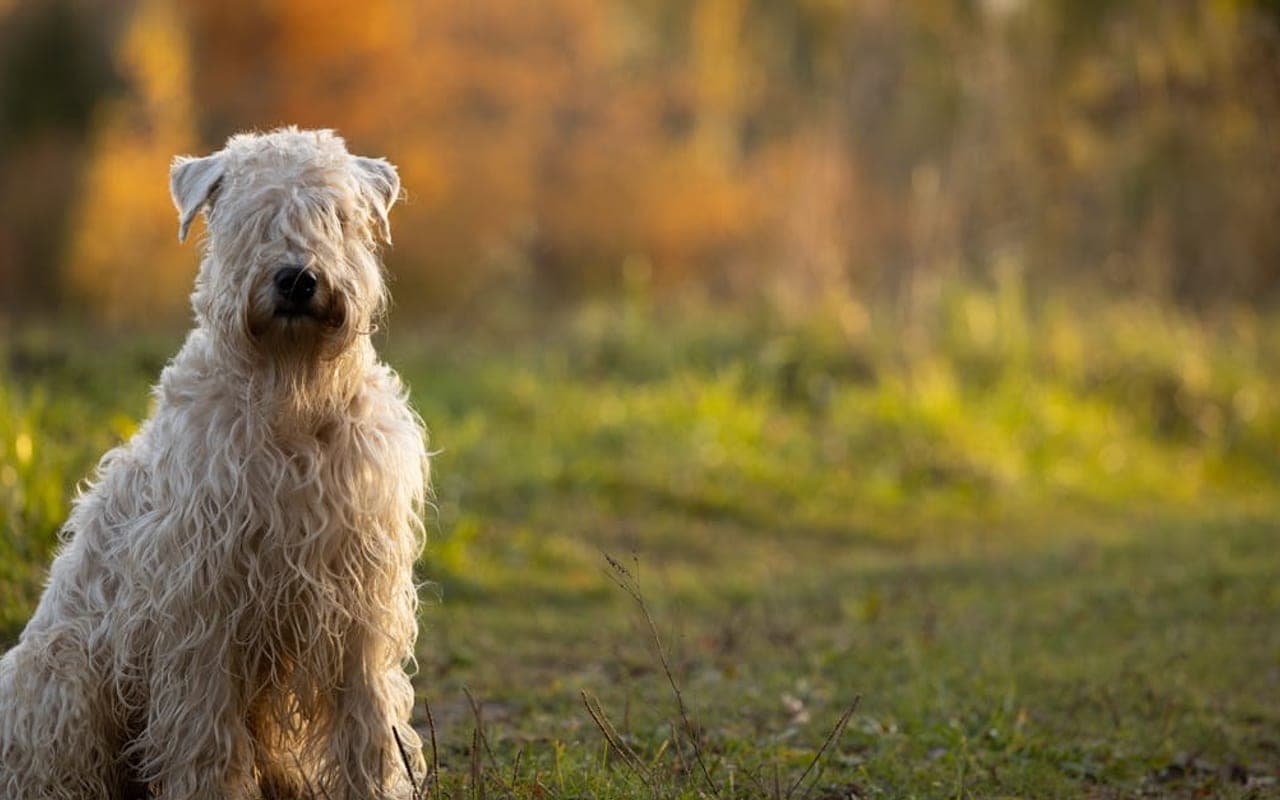
Also in the Terrier group, with different care and temperament tradeoffs.

Airedale Terrier
Also in the Terrier group, with different care and temperament tradeoffs.
Bull Terrier
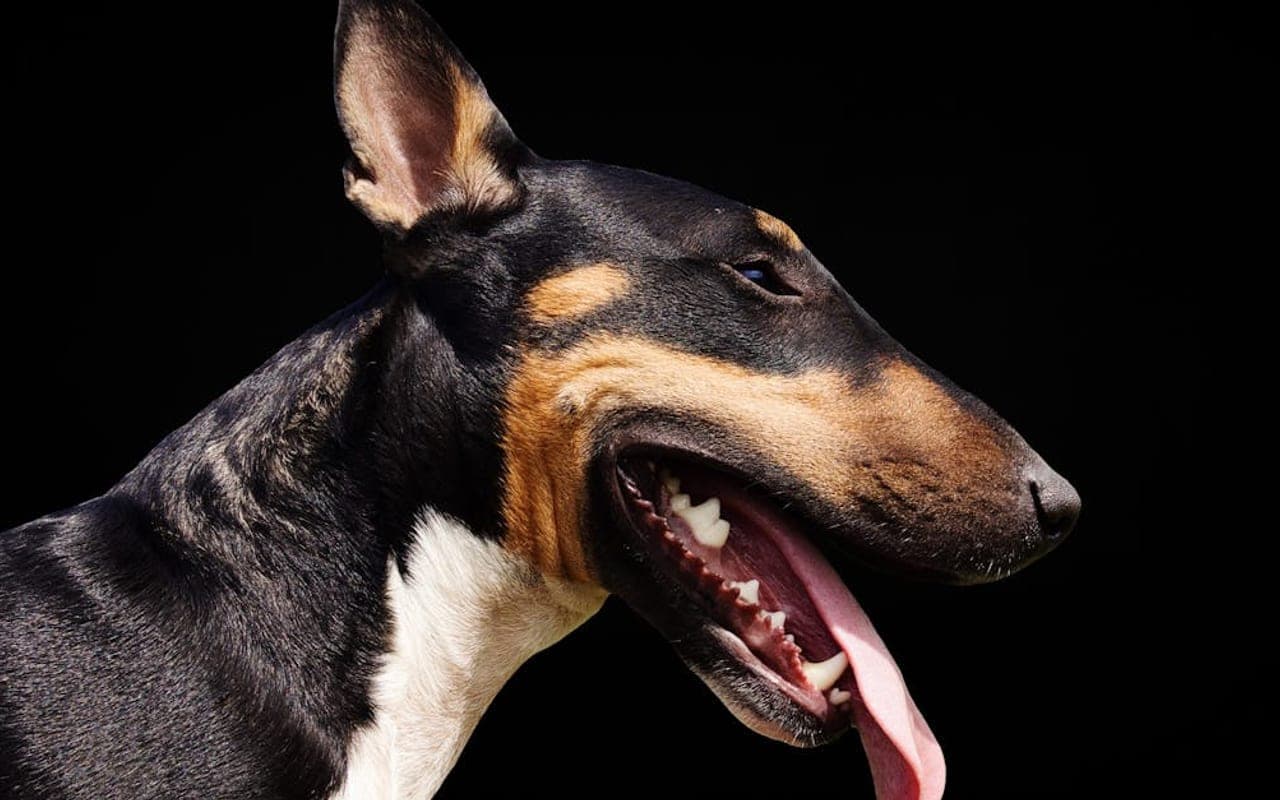
Also in the Terrier group, with different care and temperament tradeoffs.
Explore More About Rat Terrier
Dive deeper into everything Rat Terrier — costs, care, and expert insights.
Considering a cat instead?
Browse Cats