
Hound group
Redbone Coonhound
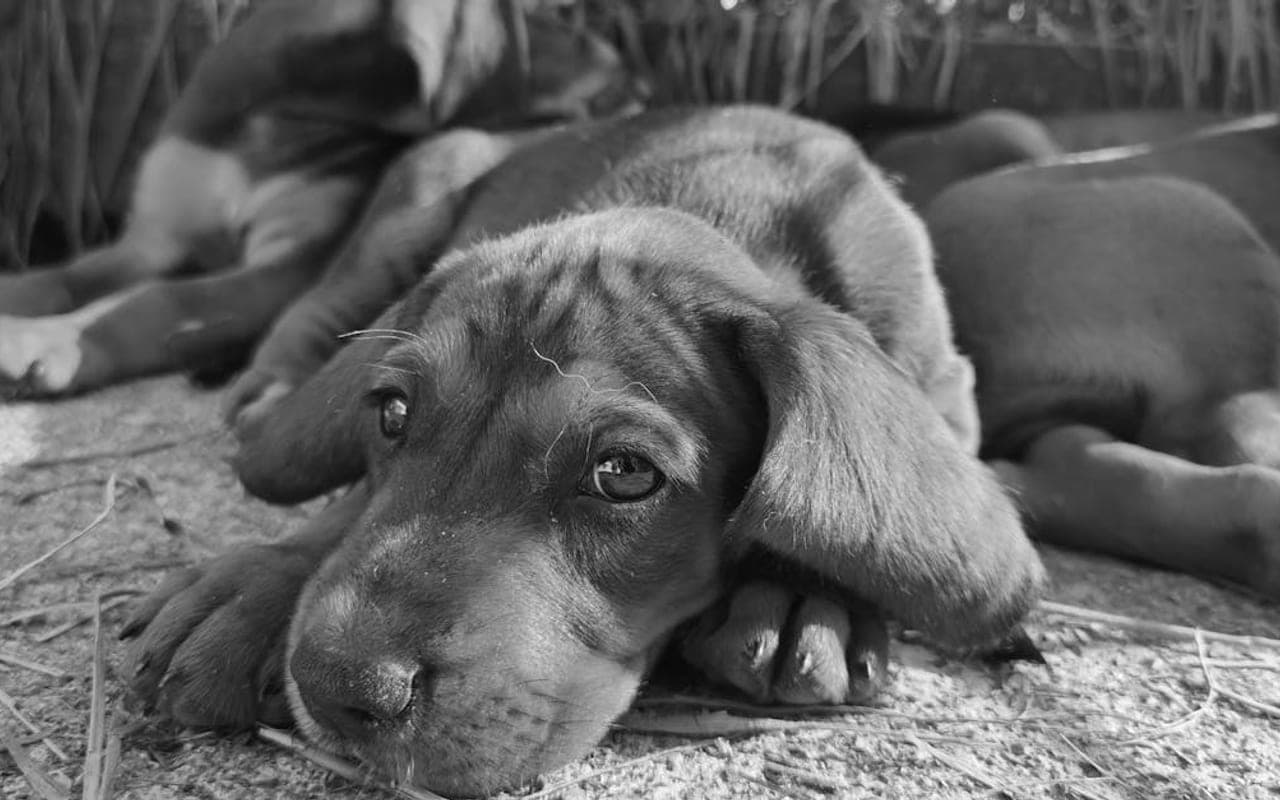
The Redbone Coonhound is a medium-to-large American scenthound — typically 20 to 32 kg and 53 to 69 cm at the shoulder — with a solid mahogany-red coat, long pendulous ears, and a deep chest built for stamina over rough country.


Size
44-71 lb
Lifespan
12-15 years
Exercise
30-60 minutes
Shedding
Moderate
Experience
Match to owner routine
Decision first
Is a Redbone Coonhound right for you?
Start with fit before history or trivia. These are ownership signals, not guarantees about any individual dog.
Best suited for
- Households with children.
- Homes with other compatible pets.
- Apartment homes with a consistent routine.
- Owners seeking a manageable daily exercise routine.
Think carefully if
- You need a dog with almost no daily routine.
- You cannot keep up with grooming and preventive care.
- The dog will spend most days alone without support.
Conditional fit
Apartment fit depends on exercise, enrichment, noise management, and outdoor access.
Daily reality
Redbone Coonhound commitment snapshot
Daily exercise
30-60 minutes
Match activity to age, health, weather, and training goals.
Coat care
Moderate
Grooming needs vary by coat, shedding, and lifestyle.
Time alone
Needs planning
Most dogs need gradual alone-time conditioning and support.
Structured facts
Redbone Coonhound at a glance
The measurements and traits that most affect day-to-day life with this breed.
Group
Hound
Weight
44-71 lb
Height
21-27 in
Lifespan
12-15 years
Temperament
Even-Tempered | Amiable | Eager to Please
View all characteristics and methodology
Lifestyle fit
- Apartment suitability
- Likely fit
- Child friendliness
- Often good, with socialisation and supervision
- Other-pet fit
- Often compatible with careful introductions
Owner commitment
- Exercise
- 30-60 minutes
- Grooming
- Moderate
- Shedding
- Moderate
- Training
- Moderate
Environment and health
- Health risk
- Needs planning
Ratings combine structured breed data, visible breed fields, and editorial context. They are planning aids, not predictions for an individual dog.
Daily life
Redbone Coonhound temperament and behavior
The Redbone Coonhound is a medium-to-large American scenthound — typically 20 to 32 kg and 53 to 69 cm at the shoulder — with a solid mahogany-red coat, long pendulous ears, and a deep chest built for stamina over rough country. It was developed in the American South to tree raccoons and trail larger game, and it is, first and last, a working nose attached to a tireless body. Understanding that is the difference between an owner who is happy with this dog and one who is overwhelmed by it. In the home a well-exercised Redbone is genuinely even-tempered, mellow, affectionate, and good-natured — the breed's devotees describe a kind, almost soft expression and a companionable nature. But the off-switch only works after the dog has been worked. The two traits that define daily life with a Redbone are the nose and the voice: once a Redbone locks onto a scent it can become functionally deaf to recall and will follow the trail, and the breed has a loud, carrying bay it was selected to use. Neither is a behavior problem to be trained away; both are the job the breed was built for. The Redbone is right for an active owner or hunting household that can deliver 60 to 90 minutes of real daily exercise, has a securely fenced yard (a scent over the fence line is an escape plan), can tolerate or buffer a loud hound voice, and will always walk this dog on lead or in enclosed space. It is also genuinely good with children and other dogs when raised with them. It is the wrong dog for an apartment with thin walls, an owner expecting reliable off-lead recall, or anyone who wants a low-exercise companion — an under-worked Redbone bays, escapes, and chews. Decide on the exercise, fencing, and noise realities first; the affectionate temperament is real but it is the reward for meeting the breed's needs, not a default.
Even-Tempered | Amiable | Eager to Please
Even-Tempered
A common Redbone Coonhound temperament descriptor that should be interpreted alongside training, exercise, and household fit.
Amiable
A common Redbone Coonhound temperament descriptor that should be interpreted alongside training, exercise, and household fit.
Eager to Please
A common Redbone Coonhound temperament descriptor that should be interpreted alongside training, exercise, and household fit.
Owner note
Temperament labels are starting points, not guarantees. Meet the individual dog and ask about behavior history whenever possible.
Care essentials
How to care for a Redbone Coonhound
What looking after one actually involves: exercise, grooming, food, training, and routine health.
ExerciseAs needed
- Moderately active breed needing 30-60 minutes of daily exercise.
GroomingAs needed
- Brush 2-3 times per week.
TrainingAs needed
- Consistent, patient training works best.
NutritionAs needed
- Feed high-quality dog food appropriate for age, size, and activity level.
Veterinary CareAs needed
- Annual wellness exams, vaccinations, dental care, and parasite prevention.
Health planning
Redbone Coonhound health risks and screening
Every breed has individual health variation. Use this profile for planning and discuss medical decisions with a veterinarian.
Responsible ownership
Finding a Redbone Coonhound responsibly
What to ask a breeder or rescue is the same conversation for every breed, so we keep it in one place and keep it current.
Health documentation, meeting the parents or foster, contracts and return support, and the warning signs worth walking away from.
Original purpose
Redbone Coonhound history
History is useful when it explains today's behavior, coat, exercise needs, and training style.
Read the breed history
The Redbone Coonhound is an American breed developed in the southern United States, with foundation stock tracing to red foxhounds and Irish-bred red hounds brought by settlers in the late 18th and 19th centuries, refined in states such as Georgia and Tennessee. Breeders selected deliberately for a solid red dog with the nose, voice, stamina, and water-and-rough-terrain ability to tree raccoons and trail larger game such as bear and cougar over punishing country. The breed is named for its distinctive solid mahogany-red coat and, by some accounts, for early breeder Peter Redbone. It was recognized by the United Kennel Club early in the 20th century and by the American Kennel Club in 2009. Its working development as a versatile, hot-and-cold-nosed, hard-driving hunting hound directly explains the modern dog's powerful prey and scent drive, loud carrying bay, deep-chested stamina build, and the easy-going temperament it shows once its very real exercise needs are met.
Gallery
Redbone Coonhound photos
Images are cropped consistently and loaded progressively to keep the page responsive.
Lower-page context
Redbone Coonhounds in culture
Where the breed shows up in film, sport, work and folklore — the enjoyable part, once the practical questions are answered.
Fun facts
- The Redbone Coonhound belongs to the Hound Group.
- The average lifespan of a Redbone Coonhound is 12 to 15 years.
- Redbone Coonhound dogs are valued for their even-tempered, amiable, eager to please nature.
Redbone Coonhound FAQs
How long do Redbone Coonhound dogs live?
A healthy Redbone Coonhound typically lives 12 to 15 years, a solid span for a medium-to-large breed. The factors most under your control are weight and joint care for hip health, vigilant ear hygiene to prevent chronic infection, and bloat-aware feeding. A lean, well-exercised Redbone with a sensible feeding routine reliably reaches the upper end of that range; an overweight, under-exercised one does not.
Are Redbone Coonhounds good with children and other dogs?
Yes — this is one of the breed's genuine strengths. Redbones are even-tempered, mellow, and affectionate at home and are typically good with children and with other dogs, especially when raised together, reflecting their pack-hunting background. The realistic cautions are size and exuberance around small toddlers and a strong prey drive toward small running animals. Supervise young children and introduce cats and small pets carefully.
How much exercise does a Redbone Coonhound need?
Plan on 60 to 90 minutes of real daily activity — long walks, running, or scent and trailing games. This is a stamina-bred working hound, not a low-energy companion: an under-exercised Redbone bays excessively, escapes, digs, and chews. Mental scent work counts toward the total. Without meeting this need, most of the breed's reported behavior problems appear, so honest assessment of your available time is essential before choosing one.
Are Redbone Coonhounds loud, and can they live in an apartment?
They are loud — the breed was selected to bay on a trail with a carrying voice, and that vocalization is instinctive, not a trainable flaw. They can technically adapt to apartment life only with exceptional daily exercise and noise-tolerant neighbors, but it is a poor default fit: the combination of a loud hound voice and high exercise needs makes a house with a securely fenced yard far more realistic for both dog and owner.
Why is recall so hard with a Redbone Coonhound?
Because the breed was deliberately bred to lock onto a scent and follow it independently, often for hours, ignoring distractions including its handler's voice. This is a feature of the working hound, not disobedience. Practically, you should not rely on off-lead voice recall against an active scent — use secure fencing, a long line in open areas, and on-lead walking near roads and wildlife. Train recall, but never trust it absolutely on a fresh trail.
What is the most dangerous health issue in a Redbone Coonhound?
Gastric dilatation-volvulus, or bloat. As a deep-chested breed the Redbone is at elevated risk for this rapidly fatal emergency where the stomach distends and twists. Learn the signs — a swelling abdomen, unproductive retching, restlessness, and drooling — and treat them as an immediate emergency vet visit. Feeding multiple smaller meals and avoiding hard exercise around mealtimes are the practical preventive steps every owner should adopt.
Sources
These are the published sources this page draws on. Each opens in a new tab so you can check it yourself.
American Kennel Club
Redbone Coonhound — breed standard and profile(opens in a new tab)Supports: Breed standard and recognition details.
Similar breeds to consider
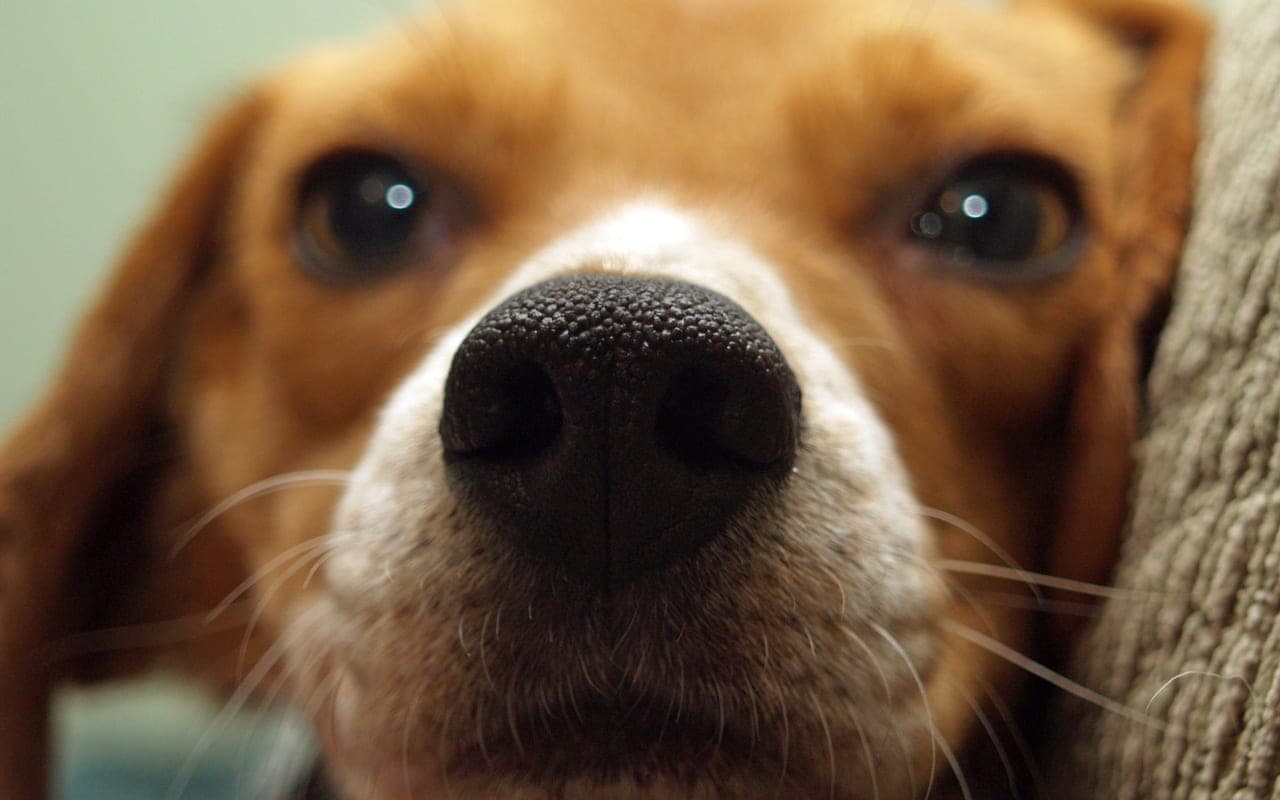
Beagle
Also in the Hound group, with different care and temperament tradeoffs.

Dachshund
Also in the Hound group, with different care and temperament tradeoffs.
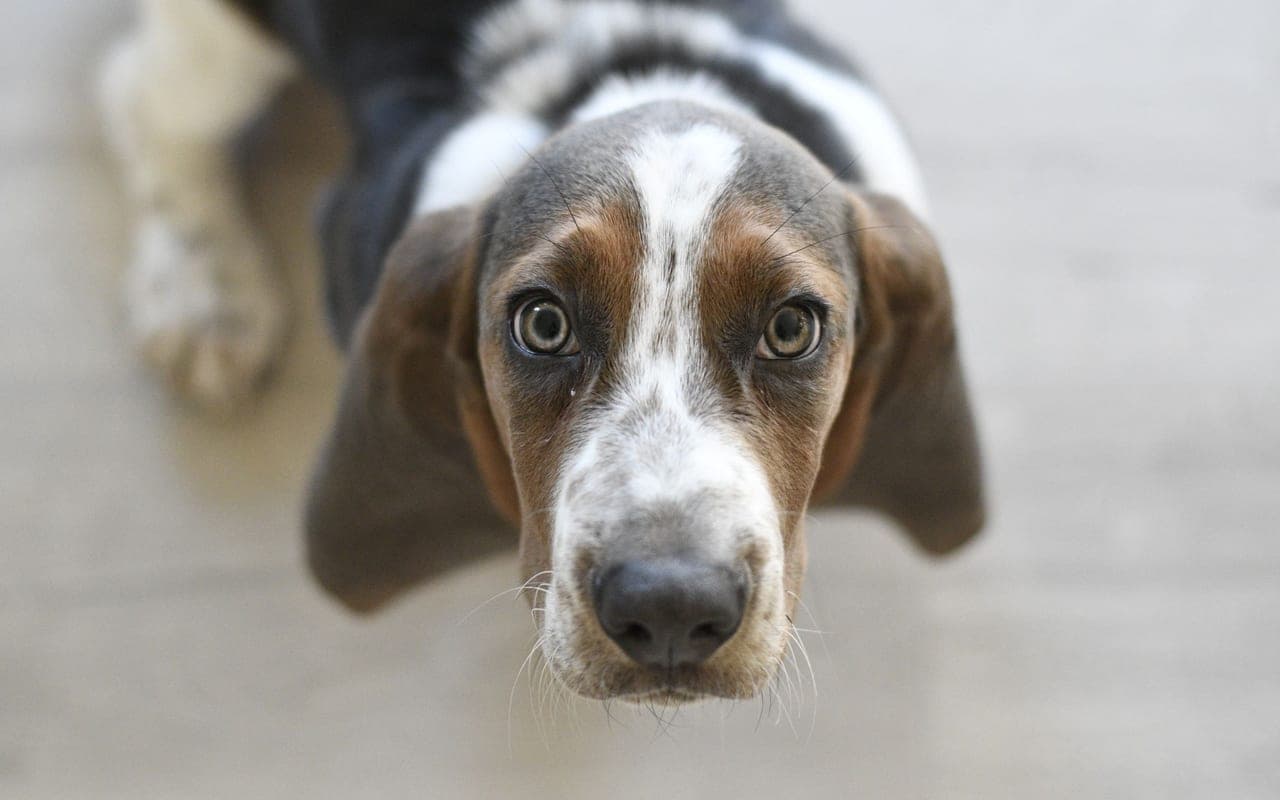
Basset Hound
Also in the Hound group, with different care and temperament tradeoffs.

Greyhound
Also in the Hound group, with different care and temperament tradeoffs.
Explore More About Redbone Coonhound
Dive deeper into everything Redbone Coonhound — costs, care, and expert insights.
Considering a cat instead?
Browse Cats