
Terrier group
Russell Terrier
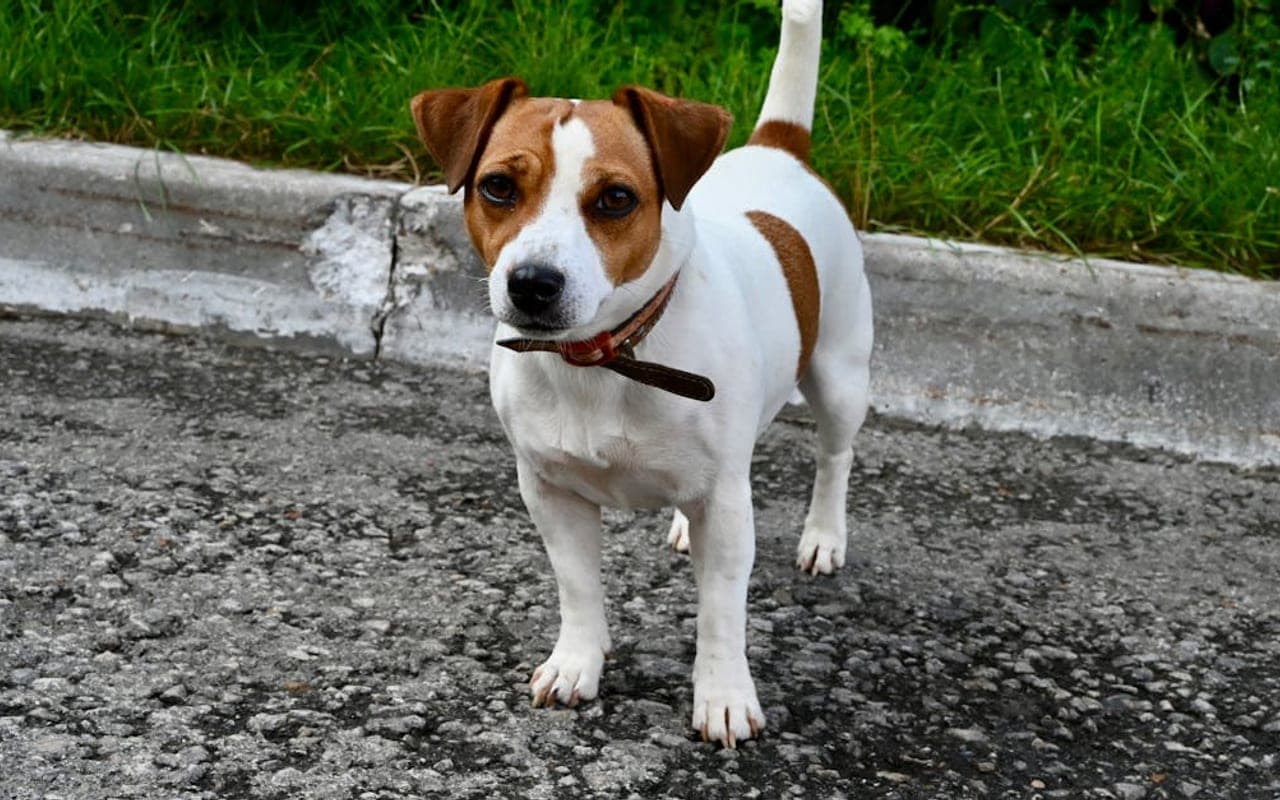
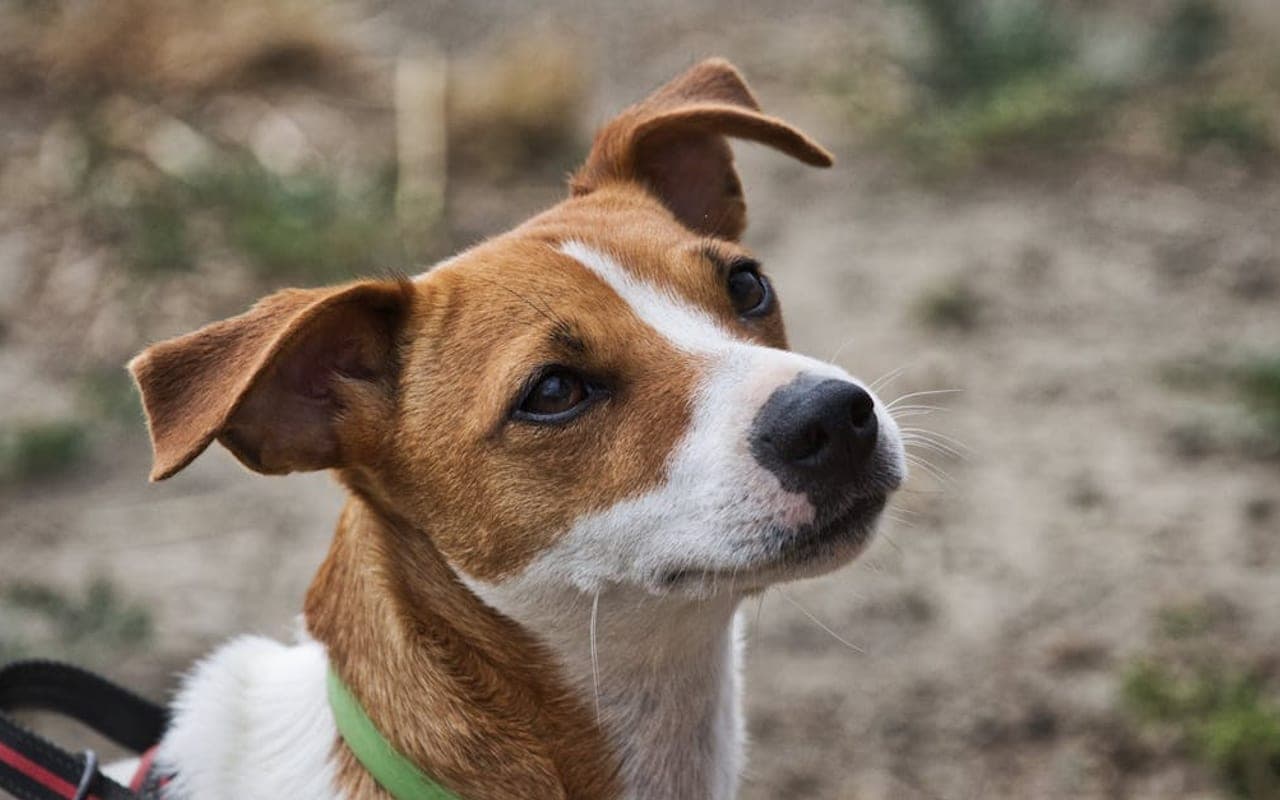
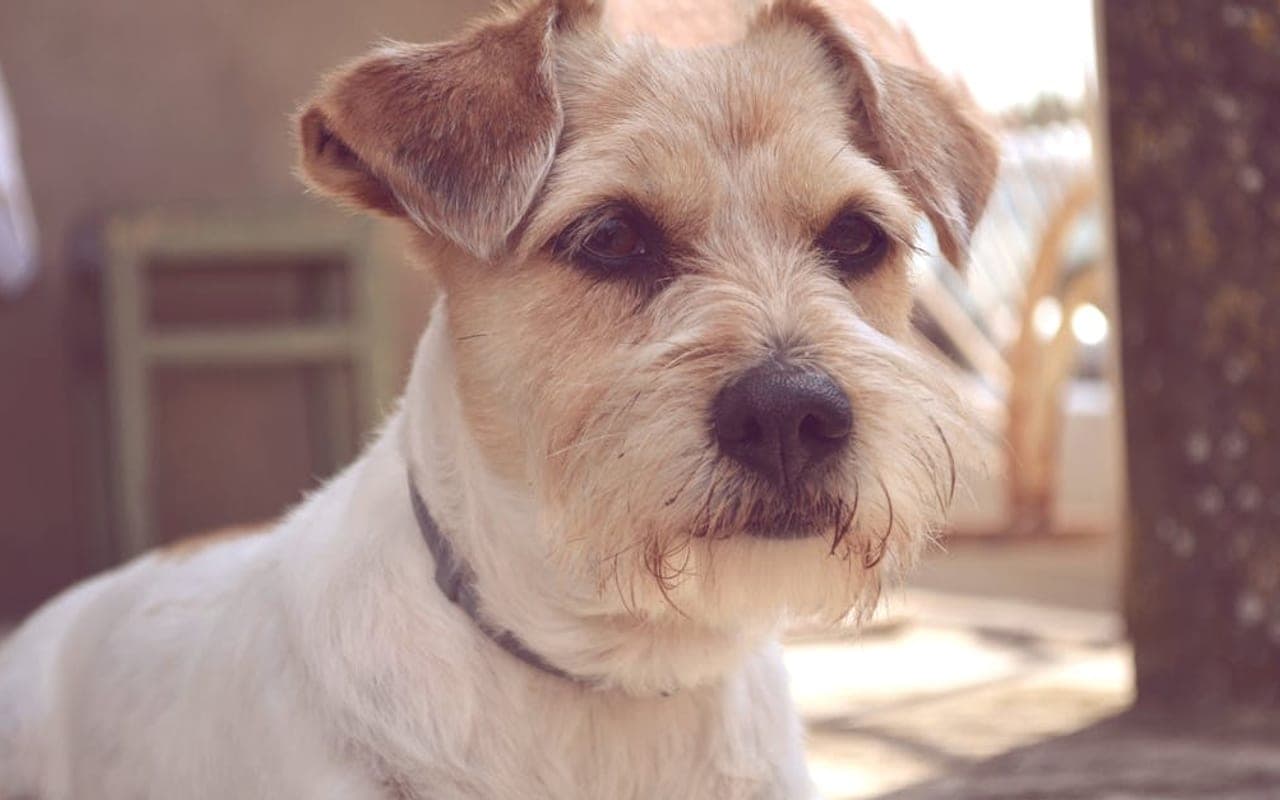
The Russell Terrier is a small, working-bred fox terrier whose body is compact and rectangular and whose energy is anything but small, and the first thing a buyer should sort out is that this is a distinct breed from the taller, squarer Parson Russell Terrier and from the broad-typed pet 'Jack Russell.
Size
9-18 lb
Lifespan
12-14 years
Exercise
20-40 minutes
Shedding
Moderate
Experience
Match to owner routine
Decision first
Is a Russell Terrier right for you?
Start with fit before history or trivia. These are ownership signals, not guarantees about any individual dog.
Best suited for
- Households with children.
- Homes with other compatible pets.
- Apartment homes with a consistent routine.
- Owners seeking a manageable daily exercise routine.
Think carefully if
- You need a dog with almost no daily routine.
- You cannot keep up with grooming and preventive care.
- The dog will spend most days alone without support.
Conditional fit
Apartment fit depends on exercise, enrichment, noise management, and outdoor access.
Daily reality
Russell Terrier commitment snapshot
Daily exercise
20-40 minutes
Match activity to age, health, weather, and training goals.
Coat care
Moderate
Grooming needs vary by coat, shedding, and lifestyle.
Time alone
Needs planning
Most dogs need gradual alone-time conditioning and support.
Structured facts
Russell Terrier at a glance
The measurements and traits that most affect day-to-day life with this breed.
Group
Terrier
Weight
9-18 lb
Height
10-12 in
Lifespan
12-14 years
Temperament
Alert | Inquisitive | Lively
View all characteristics and methodology
Lifestyle fit
- Apartment suitability
- Likely fit
- Child friendliness
- Often good, with socialisation and supervision
- Other-pet fit
- Often compatible with careful introductions
Owner commitment
- Exercise
- 20-40 minutes
- Grooming
- Moderate
- Shedding
- Moderate
- Training
- Moderate
Environment and health
- Health risk
- Needs planning
Ratings combine structured breed data, visible breed fields, and editorial context. They are planning aids, not predictions for an individual dog.
Daily life
Russell Terrier temperament and behavior
The Russell Terrier is a small, working-bred fox terrier whose body is compact and rectangular and whose energy is anything but small, and the first thing a buyer should sort out is that this is a distinct breed from the taller, squarer Parson Russell Terrier and from the broad-typed pet 'Jack Russell.' Standing 10-12 inches and weighing roughly 9-15 pounds, the Russell Terrier is built low and longer-than-tall, with a smooth, broken, or rough white-dominant coat marked in tan or black. It was bred to go to ground after fox — small enough to follow quarry into a burrow, gritty enough to face it there — and that genetic job description still drives the dog in a suburban living room. Temperament: alert, inquisitive, lively, bold, and relentlessly busy. Russells are highly intelligent and trainable but independent and self-directed, with a strong prey drive, a tendency to dig, and a big-dog attitude in a small frame. They bond closely with their people, are typically good with respectful children, but are often not cat- or small-pet-safe and can be scrappy with other dogs. Who the Russell Terrier is right for: an active, engaged owner who wants a clever, athletic, comedic companion and will provide structured exercise, training, and a job (earthdog, agility, flyball, trick training). Who it is wrong for: sedentary households, homes with small caged pets or free-roaming cats, owners who want a calm lapdog, or anyone who assumes small means low-effort. This is a big working terrier compressed into a small package — match the lifestyle to the engine, not the size.
Alert | Inquisitive | Lively
Alert
A common Russell Terrier temperament descriptor that should be interpreted alongside training, exercise, and household fit.
Inquisitive
A common Russell Terrier temperament descriptor that should be interpreted alongside training, exercise, and household fit.
Lively
A common Russell Terrier temperament descriptor that should be interpreted alongside training, exercise, and household fit.
Owner note
Temperament labels are starting points, not guarantees. Meet the individual dog and ask about behavior history whenever possible.
Care essentials
How to care for a Russell Terrier
What looking after one actually involves: exercise, grooming, food, training, and routine health.
ExerciseAs needed
- Lower-energy breed content with daily walks.
GroomingAs needed
- Brush 2-3 times per week.
TrainingAs needed
- Consistent, patient training works best.
NutritionAs needed
- Feed high-quality dog food appropriate for age, size, and activity level.
Veterinary CareAs needed
- Annual wellness exams, vaccinations, dental care, and parasite prevention.
Health planning
Russell Terrier health risks and screening
Every breed has individual health variation. Use this profile for planning and discuss medical decisions with a veterinarian.
Responsible ownership
Finding a Russell Terrier responsibly
What to ask a breeder or rescue is the same conversation for every breed, so we keep it in one place and keep it current.
Health documentation, meeting the parents or foster, contracts and return support, and the warning signs worth walking away from.
Original purpose
Russell Terrier history
History is useful when it explains today's behavior, coat, exercise needs, and training style.
Read the breed history
The Russell Terrier traces to the working fox terriers developed in 19th-century England by the Reverend John 'Jack' Russell, a hunting parson who bred small, gritty, predominantly white terriers to bolt and pursue fox to ground while remaining identifiable against the quarry in the field. From that common working stock several distinct types emerged: the taller, squarer dog standardized as the Parson Russell Terrier, the variable working pet known broadly as the Jack Russell Terrier, and the shorter, longer-than-tall dog refined and standardized — with notable development in Australia — as the Russell Terrier. The Russell Terrier was recognized as its own breed by major registries in the 21st century. Its purpose was always functional earthwork, not companionship, which is why even pet-bred Russells retain the high drive, digging instinct, and independence of a working earth dog — generations of selection for a dog that would willingly face quarry alone underground do not switch off because the dog now lives on a couch.
Gallery
Russell Terrier photos
Images are cropped consistently and loaded progressively to keep the page responsive.
Lower-page context
Russell Terriers in culture
Where the breed shows up in film, sport, work and folklore — the enjoyable part, once the practical questions are answered.
Fun facts
- The Russell Terrier belongs to the Terrier Group.
- The average lifespan of a Russell Terrier is 12 to 14 years.
- Russell Terrier dogs are valued for their alert, inquisitive, lively nature.
Russell Terrier FAQs
Is the Russell Terrier the same as a Jack Russell?
No — they share an origin but are now distinct. The Russell Terrier is the shorter, longer-than-tall dog standardized partly in Australia and recognized by major registries this century; the Parson Russell Terrier is the taller, squarer relative; and 'Jack Russell Terrier' usually refers to the variable working/pet type. They differ in proportions and registration, though all retain high drive. When researching health or buying, make sure the breeder's paperwork matches the specific breed you intend to own.
How much exercise does a Russell Terrier need?
Far more than its size suggests — plan on 45-60+ minutes of vigorous daily exercise plus separate mental work like training, puzzle feeding, or earthdog and agility games. This is a working fox terrier; a sedate walk does not satisfy it. Under-exercised, under-stimulated Russells dig, bark, escape, and become destructive, which is almost always unmet drive rather than a temperament defect. Budget real daily time and a job for the dog, not just a backyard.
Are Russell Terriers good with cats and other pets?
Often not, and this is a decisive trade-off. The breed was developed to hunt and kill small quarry underground, so prey drive toward cats, rabbits, rodents, and similar small pets is strong and instinctive, not a training failure. Some Russells raised with cats coexist, but it cannot be assumed, and small caged pets are generally at real risk. If you have cats or small animals, weigh this honestly before choosing the breed — management is lifelong, not a phase.
How long do Russell Terriers live?
Typically 12 to 14 years, robust for a small working terrier. Lifespan and quality of life are most affected by managing patellar and hip joint issues early (they compound over more than a decade), protecting eyes against primary lens luxation, and keeping the dog lean and well-exercised. Buying from a breeder who DNA-tests for PLL and screens hearing and eyes, then maintaining weight and activity, is what turns the typical span into a comfortable one.
Are Russell Terriers easy to train?
They are very intelligent but independent and self-directed, so they learn fast yet often choose not to comply, which makes them rewarding but not 'easy.' Use short, upbeat, reward-based sessions, start in puppyhood, and prioritize a rock-solid recall because the prey drive will override a half-trained one. Harsh methods backfire with terriers. Channeling the brain into a sport or job (agility, earthdog, trick training) produces a far better-behaved dog than obedience drills alone.
What is primary lens luxation and why does it matter for this breed?
Primary lens luxation is an inherited weakening of the fibers holding the eye's lens in place; the lens slips, causing pain and often acute glaucoma that can permanently blind the eye within a day or two. Russell-type terriers are among the most over-represented breeds, with onset usually at 3-8 years. It matters because it is both an emergency (sudden eye pain or cloudiness needs same-day care) and largely preventable — there is a DNA test, so buy only from PLL-tested parents.
Sources
These are the published sources this page draws on. Each opens in a new tab so you can check it yourself.
American Kennel Club
Russell Terrier — breed standard and profile(opens in a new tab)Supports: Breed standard and recognition details.
Similar breeds to consider

Miniature Schnauzer
Also in the Terrier group, with different care and temperament tradeoffs.
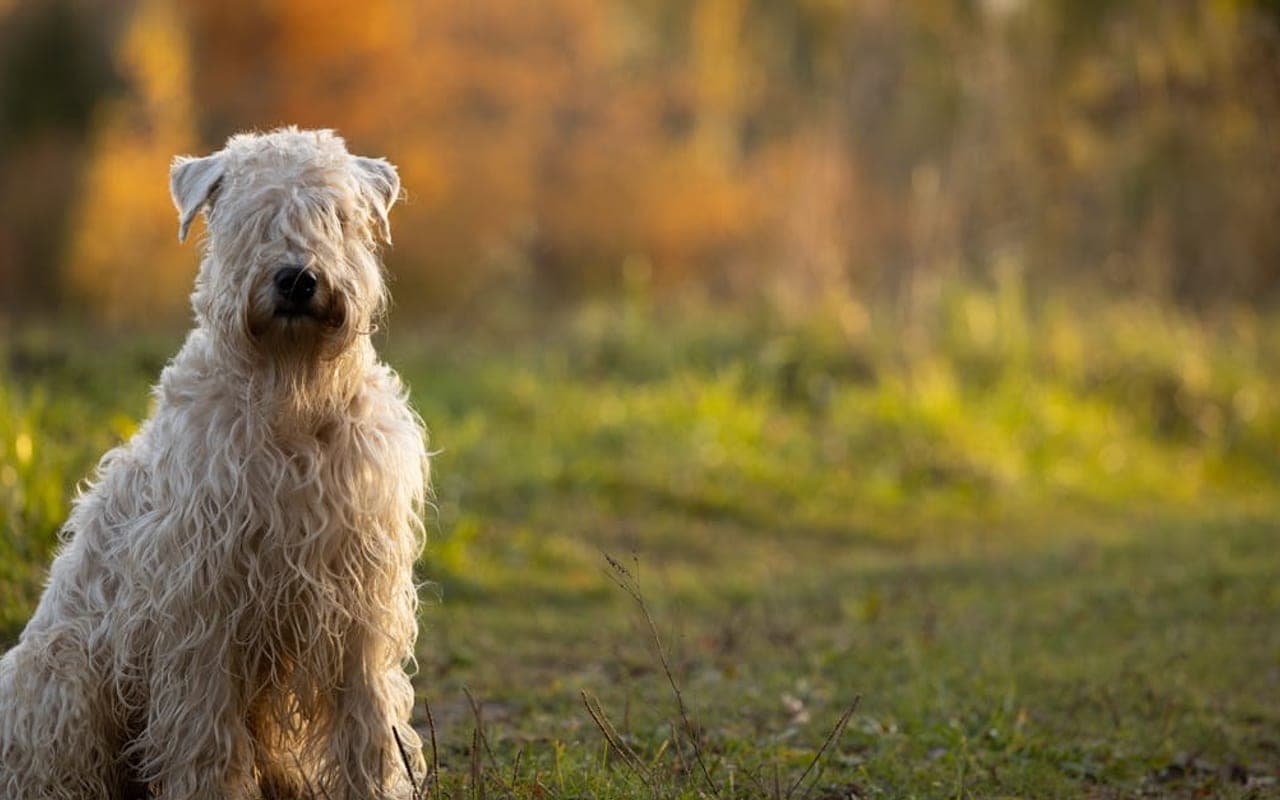
Soft Coated Wheaten Terrier
Also in the Terrier group, with different care and temperament tradeoffs.
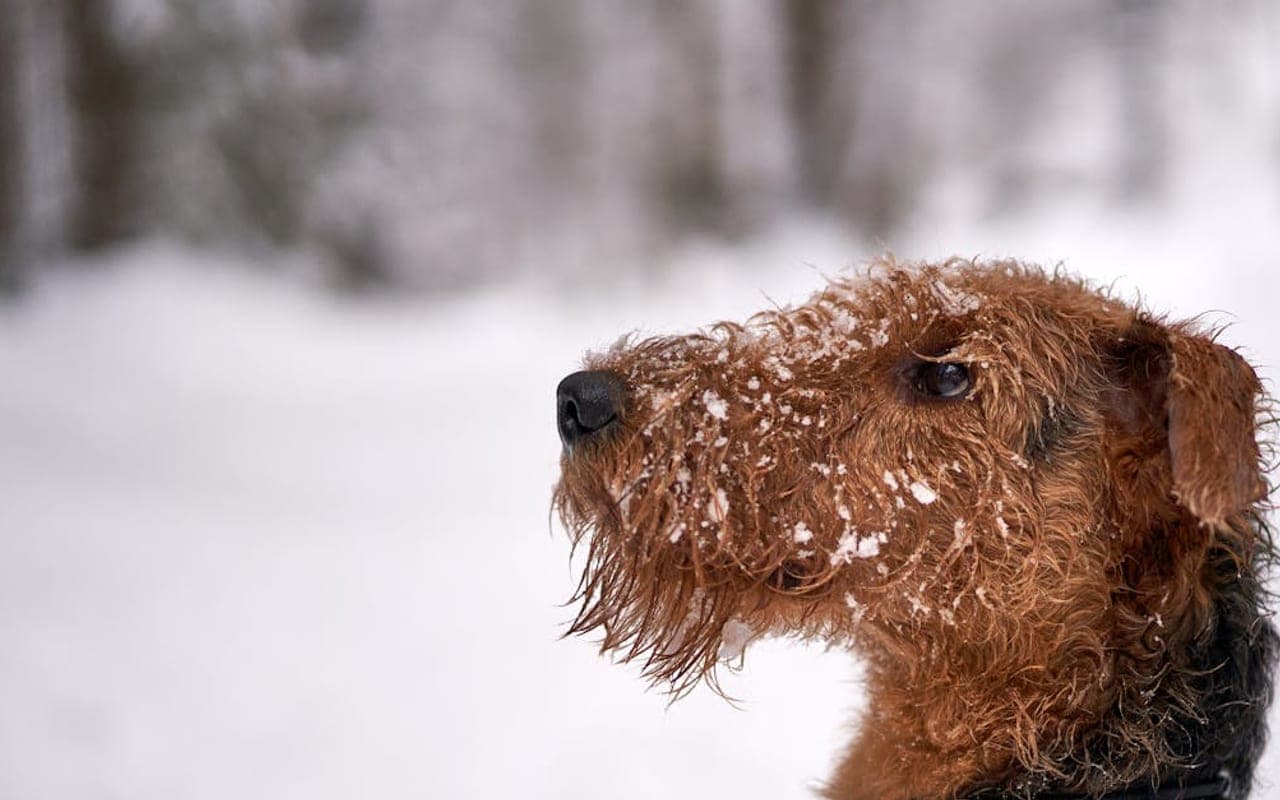
Airedale Terrier
Also in the Terrier group, with different care and temperament tradeoffs.
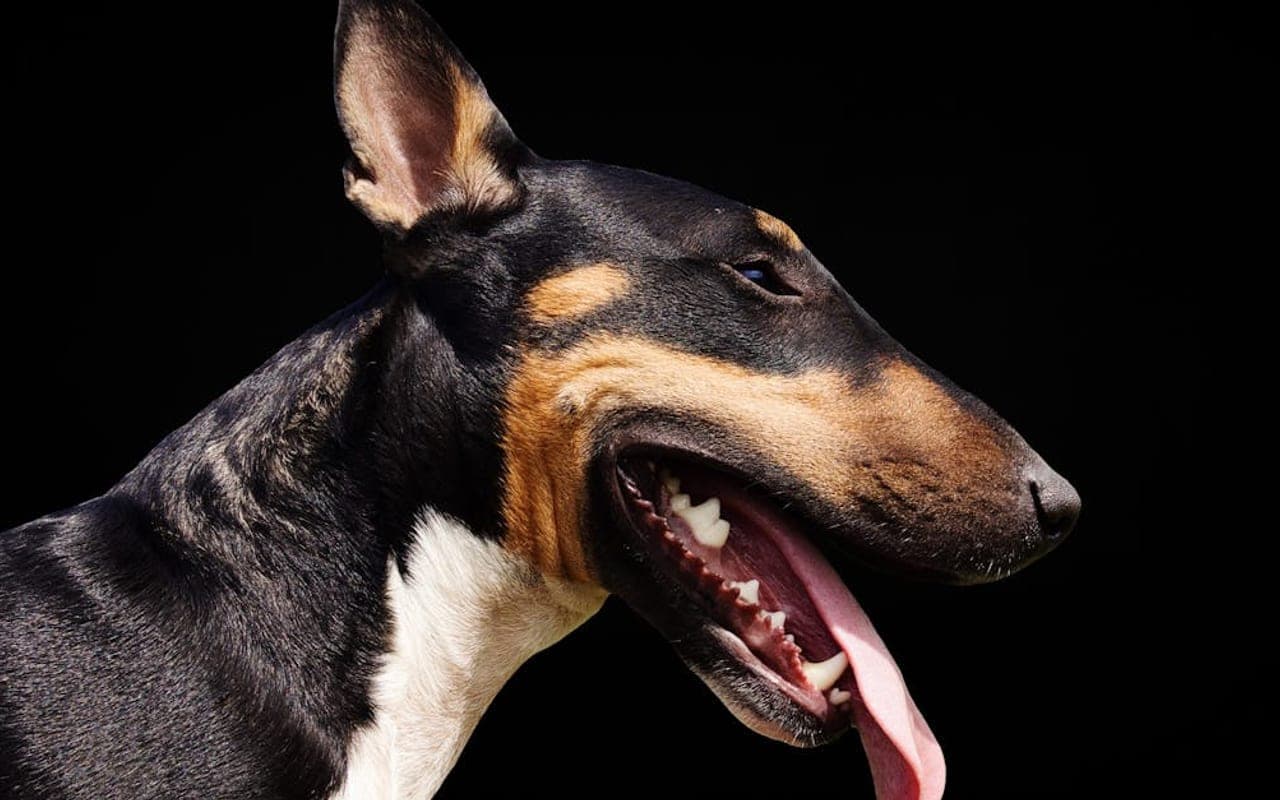
Bull Terrier
Also in the Terrier group, with different care and temperament tradeoffs.
Explore More About Russell Terrier
Dive deeper into everything Russell Terrier — costs, care, and expert insights.
Large Dog Care Guide: Everything Over 50 lbs
Owning a large or giant breed dog means accepting one of biology's...
Puppy Teething & Biting: Timeline and What Actually Works
A puppy has all 28 deciduous ("baby") teeth by roughly eight weeks of age, and...
Considering a cat instead?
Browse Cats