
Toy group
Russian Toy
The Russian Toy is one of the smallest dogs in the world — the FCI standard caps weight at 3 kg (about 6.
Size
2-7 lb
Lifespan
12-14 years
Exercise
30-60 minutes
Shedding
Moderate
Experience
Match to owner routine
Decision first
Is a Russian Toy right for you?
Start with fit before history or trivia. These are ownership signals, not guarantees about any individual dog.
Best suited for
- Households with children.
- Homes with other compatible pets.
- Apartment homes with a consistent routine.
- Owners seeking a manageable daily exercise routine.
Think carefully if
- You need a dog with almost no daily routine.
- You cannot keep up with grooming and preventive care.
- The dog will spend most days alone without support.
Conditional fit
Apartment fit depends on exercise, enrichment, noise management, and outdoor access.
Daily reality
Russian Toy commitment snapshot
Daily exercise
30-60 minutes
Match activity to age, health, weather, and training goals.
Coat care
Moderate
Grooming needs vary by coat, shedding, and lifestyle.
Time alone
Needs planning
Most dogs need gradual alone-time conditioning and support.
Structured facts
Russian Toy at a glance
The measurements and traits that most affect day-to-day life with this breed.
Group
Toy
Weight
2-7 lb
Height
8-11 in
Lifespan
12-14 years
Temperament
Loyal | Smart | Charming
View all characteristics and methodology
Lifestyle fit
- Apartment suitability
- Likely fit
- Child friendliness
- Often good, with socialisation and supervision
- Other-pet fit
- Often compatible with careful introductions
Owner commitment
- Exercise
- 30-60 minutes
- Grooming
- Moderate
- Shedding
- Moderate
- Training
- Moderate
Environment and health
- Health risk
- Needs planning
Ratings combine structured breed data, visible breed fields, and editorial context. They are planning aids, not predictions for an individual dog.
Daily life
Russian Toy temperament and behavior
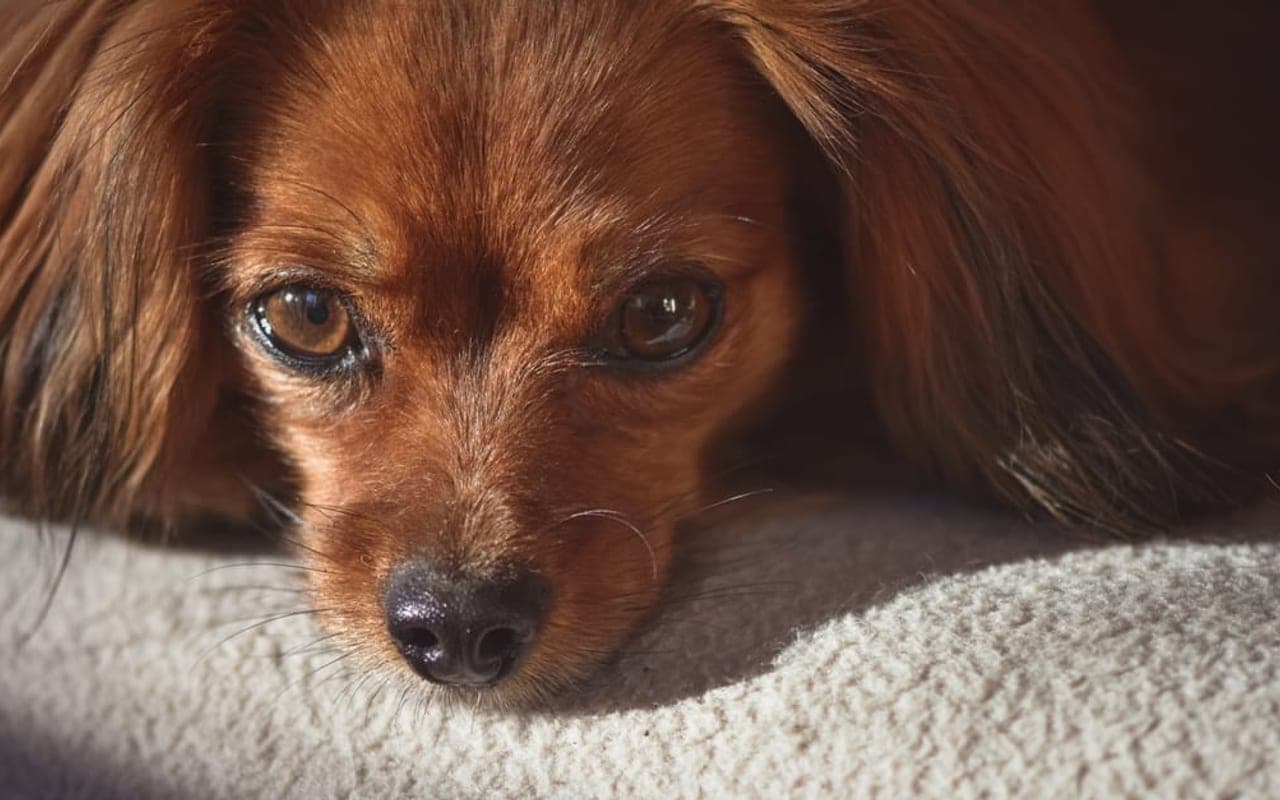
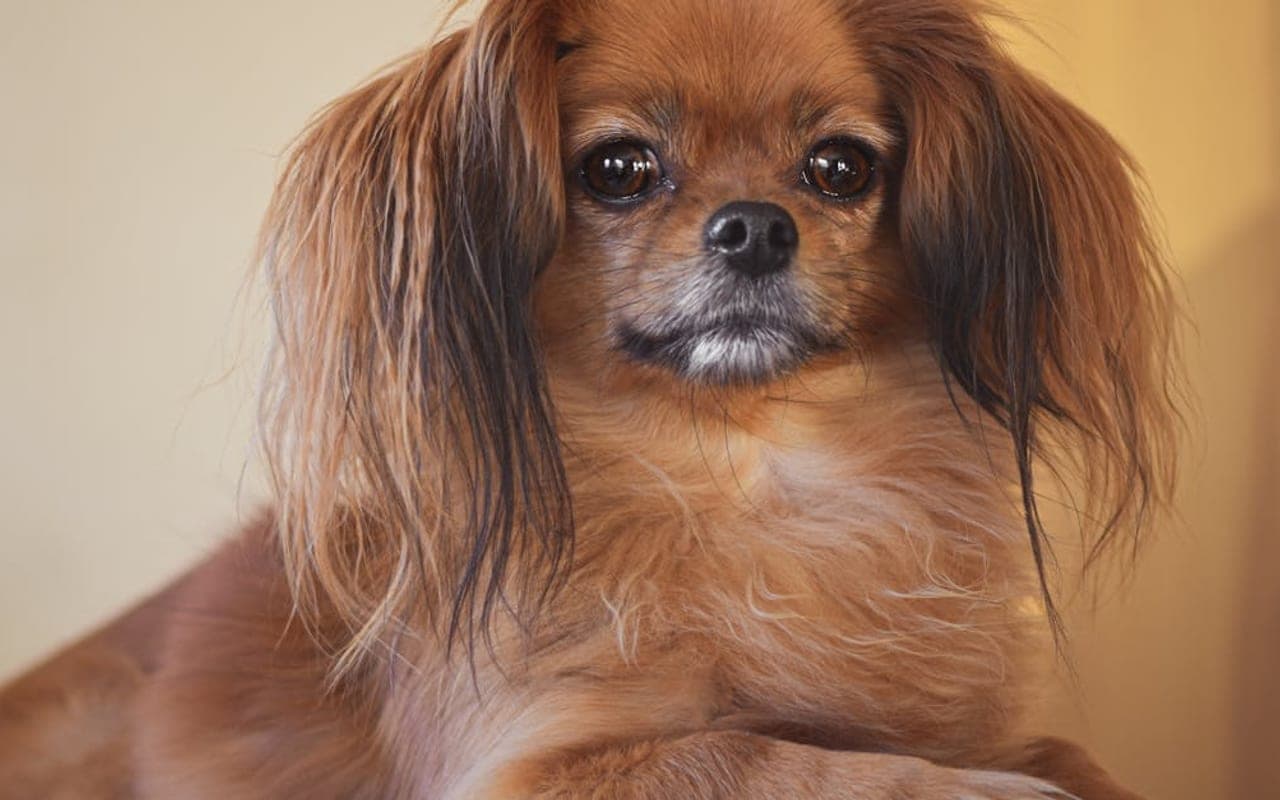
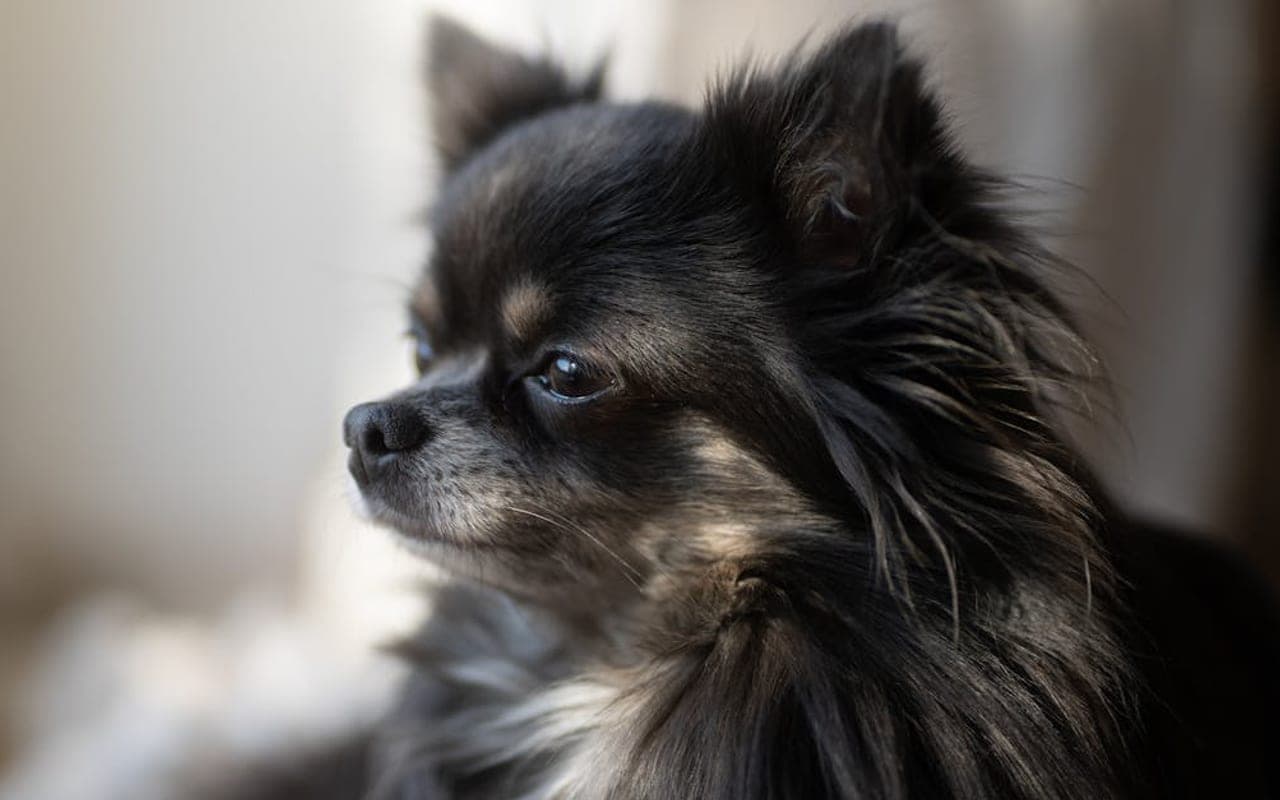
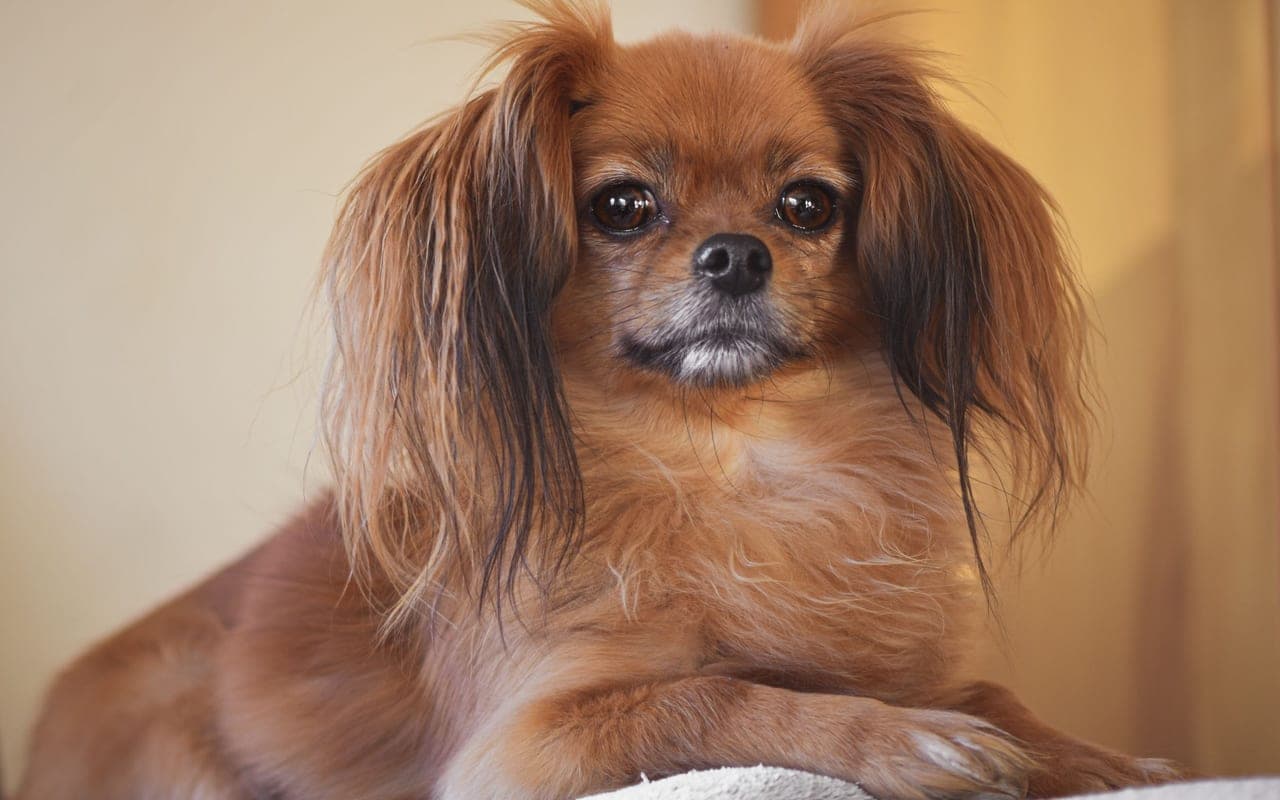
The Russian Toy is one of the smallest dogs in the world — the FCI standard caps weight at 3 kg (about 6.5 lb), with most adults 1.5-3 kg and standing roughly 22-27 cm at the shoulder. That extreme smallness is the entire ownership story: it makes the breed portable, apartment-perfect and devoted, and it also makes it physically fragile in ways larger toy breeds are not. Any honest profile has to frame this dog as a delicate companion first and a 'small dog' second. There are two coat varieties: smooth (sleek, close, almost terrier-tidy) and long (a fringed ruff on the chest plus feathering on the ears, legs and tail that does not fully come in until around three years old). Owners report the smooth coats run slightly more terrier-bold and the long coats slightly softer, but both share an outsized, lively, people-focused personality in a tiny frame. Temperament is the breed's draw. Russian Toys are intelligent, cheerful, athletic for their size, and intensely bonded to their household — they want to be with their person, not in another room, and they will tell you when they feel neglected. They are typically reserved rather than aggressive with strangers, alert without being yappy if socialized, and they are neither cowardly nor sharp by standard. The trade-off you must accept: this is a dog you manage like fine glass. Jumping off a sofa, a child handling it roughly, a misjudged step, or a closing door can cause a fracture in a 1.5 kg dog. Dental crowding in the tiny jaw is near-universal and needs lifelong attention. None of this makes it a bad pet — it makes it a specific commitment. Who the Russian Toy is right for: an attentive adult or older-children household that wants a portable, affectionate, low-shedding companion and will dog-proof for fragility. Who it is wrong for: homes with toddlers or large boisterous dogs, owners who want a robust off-lead adventure dog, or anyone who will skip the dental care this breed cannot do without.
Loyal | Smart | Charming
Loyal
A common Russian Toy temperament descriptor that should be interpreted alongside training, exercise, and household fit.
Smart
A common Russian Toy temperament descriptor that should be interpreted alongside training, exercise, and household fit.
Charming
A common Russian Toy temperament descriptor that should be interpreted alongside training, exercise, and household fit.
Owner note
Temperament labels are starting points, not guarantees. Meet the individual dog and ask about behavior history whenever possible.
Care essentials
How to care for a Russian Toy
What looking after one actually involves: exercise, grooming, food, training, and routine health.
ExerciseAs needed
- Moderately active breed needing 30-60 minutes of daily exercise.
GroomingAs needed
- Brush 2-3 times per week.
TrainingAs needed
- Consistent, patient training works best.
NutritionAs needed
- Feed high-quality dog food appropriate for age, size, and activity level.
Veterinary CareAs needed
- Annual wellness exams, vaccinations, dental care, and parasite prevention.
Health planning
Russian Toy health risks and screening
Every breed has individual health variation. Use this profile for planning and discuss medical decisions with a veterinarian.
Responsible ownership
Finding a Russian Toy responsibly
What to ask a breeder or rescue is the same conversation for every breed, so we keep it in one place and keep it current.
Health documentation, meeting the parents or foster, contracts and return support, and the warning signs worth walking away from.
Original purpose
Russian Toy history
History is useful when it explains today's behavior, coat, exercise needs, and training style.
Read the breed history
The Russian Toy descends from the English Toy Terrier (Black and Tan), which was popular among the Russian aristocracy from the 18th and 19th centuries — small companion terriers kept by the nobility. Imports and the social upheaval of the Russian Revolution nearly erased the population, and by the mid-20th century Soviet breeders rebuilt the breed largely from the remaining smooth-coated dogs, working with a very small gene pool. The long-coated variety arose within the program in the late 1950s, reportedly traced to a single long-haired male, and was bred forward as part of the same breed. Long isolated behind the Iron Curtain and known as the Russkiy Toy or Moscow Toy Terrier, it was standardized by Soviet cynological organizations, gained FCI recognition in 2006, and entered the AKC Toy Group in 2022. For owners that history explains both the extreme refinement of the dog and the importance of buying from health-minded lines: a breed rebuilt from few founders carries the orthopedic and dental tendencies of its toy-terrier ancestry.
Gallery
Russian Toy photos
Images are cropped consistently and loaded progressively to keep the page responsive.
Lower-page context
Russian Toys in culture
Where the breed shows up in film, sport, work and folklore — the enjoyable part, once the practical questions are answered.
Fun facts
- The Russian Toy belongs to the Miscellaneous Class.
- The average lifespan of a Russian Toy is 12 to 14 years.
- Russian Toy dogs are valued for their loyal, smart, charming nature.
Russian Toy FAQs
How long do Russian Toys live?
Typically 12-14 years, and well-cared-for individuals often reach the mid-to-high teens. The biggest threats to a Russian Toy reaching old age are not chronic disease but preventable injury — a fracture from a fall or a closing door — and untreated dental disease, which drives chronic infection. An owner who fracture-proofs the home and stays on top of dental care is doing more for this dog's lifespan than almost anything else.
Are Russian Toys good with children?
Better with calm older children than with toddlers. The issue is fragility, not temperament: a 1.5-3 kg dog is easily injured by being dropped, squeezed or fallen on, and a frightened tiny dog may snap defensively. In a household of gentle, dog-aware older kids the Russian Toy is an affectionate, playful companion. With very young children the injury risk to the dog (and the defensive-bite risk to the child) makes it a poor match unless interactions are always supervised.
How much exercise does a Russian Toy need?
Modest. One or two short daily walks plus indoor play with toys meets the need for this small but athletic dog. They enjoy activity and can be surprisingly agile, but they self-limit and should not be route-marched. The greater risk is over-restriction leading to boredom and weight gain — even a 2 kg dog gets fat if overfed and idle, which then loads fragile joints. Mental engagement matters as much as the walk.
How much grooming does a Russian Toy need?
Low for both varieties. The smooth coat needs only a weekly wipe or soft-brush; the long coat needs brushing 2-3 times a week to keep the ear and leg feathering tangle-free, and the long coat is not fully grown in until about three years old. Both are light shedders. The grooming task owners underestimate is dental: brushing the teeth several times a week is non-negotiable in this breed and is the highest-value 'grooming' you will do.
How much does a Russian Toy cost to own?
Purchase price varies, but the recurring cost that defines this breed is dental: expect periodic professional cleanings under anesthesia (commonly $400-$1,000+ each, more with extractions) across the dog's life because the crowded toy-jaw all but guarantees periodontal disease. Add the risk cost of fracture repair — surgical fixation of a tiny limb can run $1,500-$3,000+. Choosing a breeder who screens for patella and eye disease reduces the most expensive surprises.
Are Russian Toys fragile, and what does that mean day to day?
Yes, genuinely. At 1.5-3 kg the skeleton breaks from ordinary household events — jumping off a couch, a misstep, a slammed door, being dropped. Day to day it means using furniture ramps, discouraging jumping, carrying the dog with two hands, being conscious of where it is underfoot, and not letting small children pick it up. This is not over-caution; foreleg and patella injuries are the breed's most common reasons for emergency vet visits.
Sources
These are the published sources this page draws on. Each opens in a new tab so you can check it yourself.
American Kennel Club
Russian Toy — breed standard and profile(opens in a new tab)Supports: Breed standard and recognition details.
Similar breeds to consider
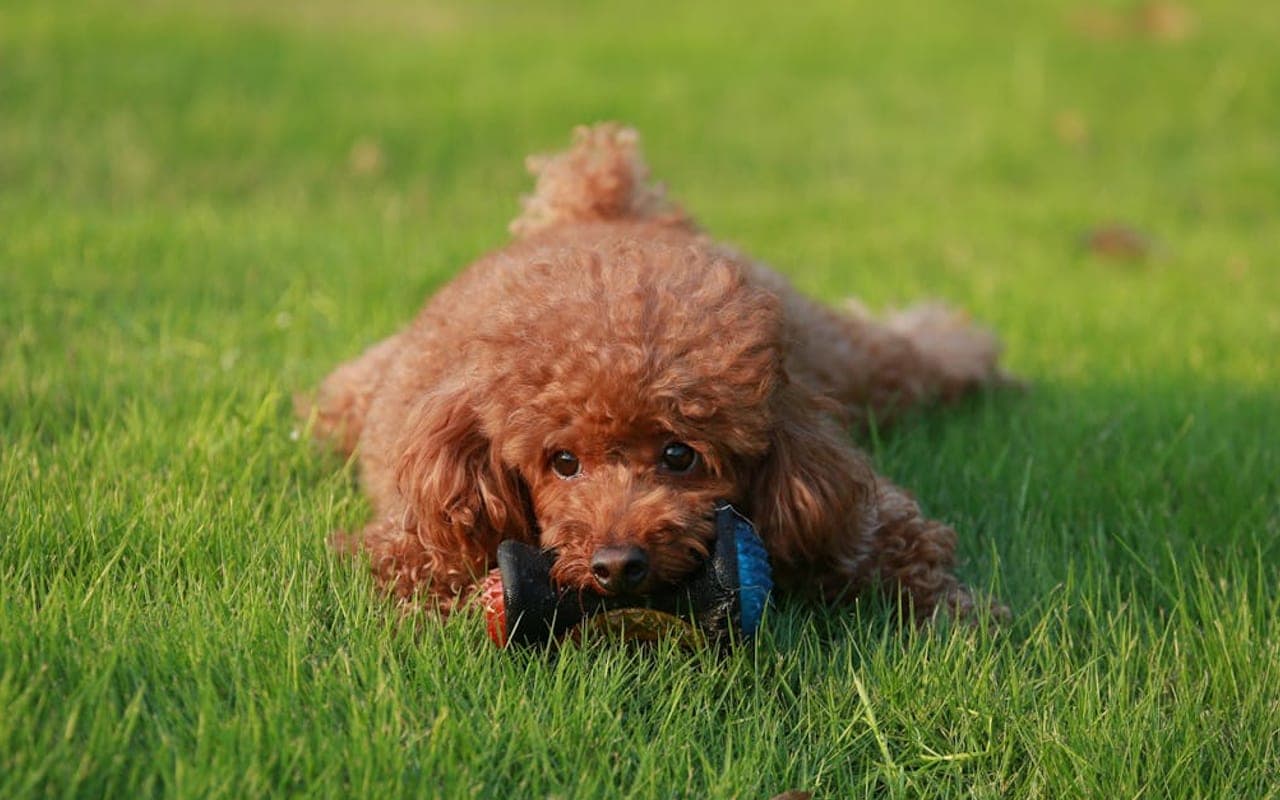
Poodle (Toy)
Also in the Toy group, with different care and temperament tradeoffs.
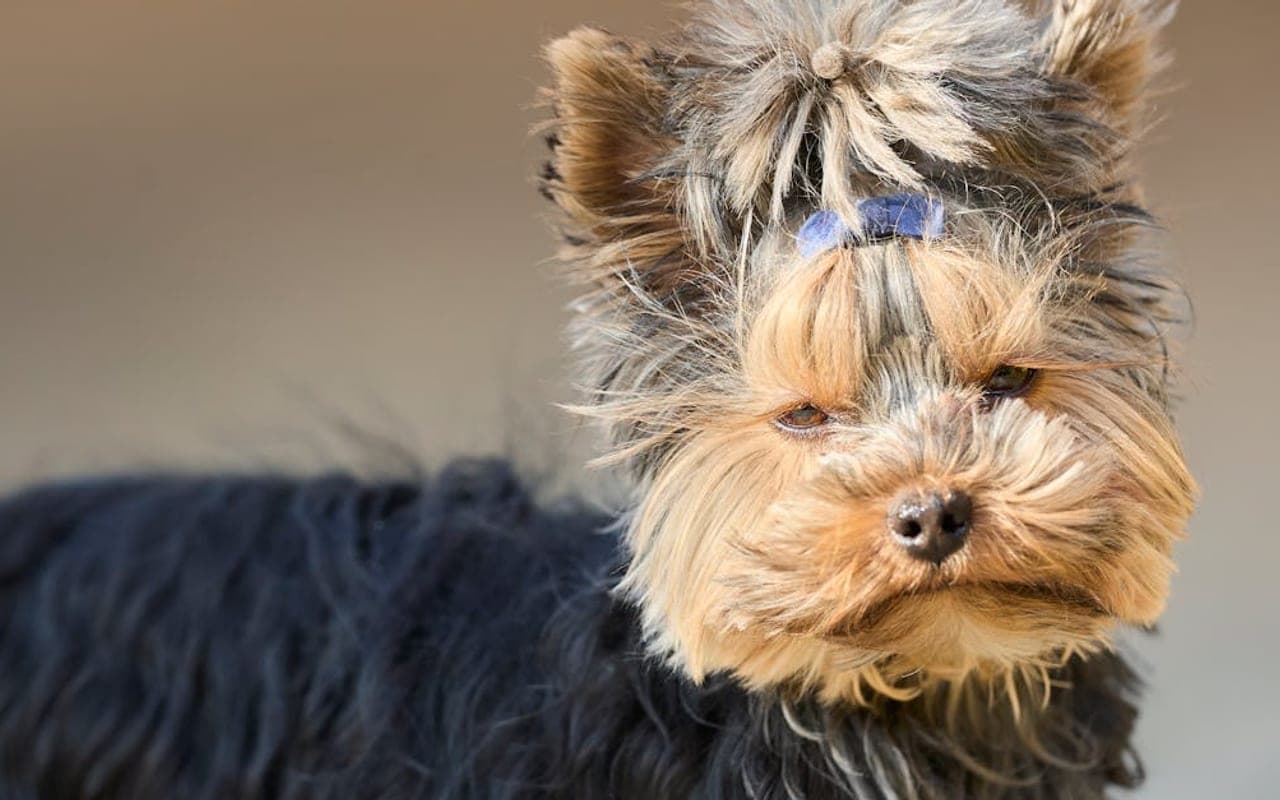
Yorkshire Terrier
Also in the Toy group, with different care and temperament tradeoffs.
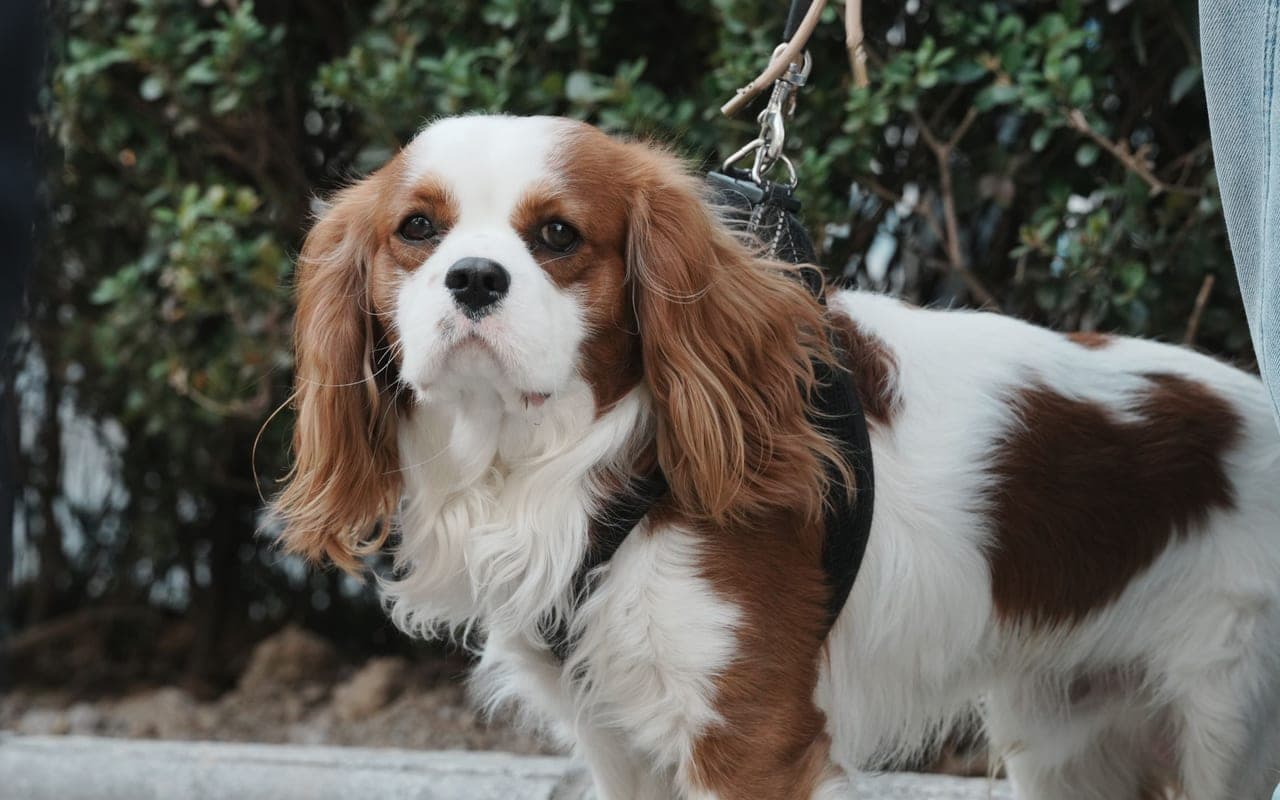
Cavalier King Charles Spaniel
Also in the Toy group, with different care and temperament tradeoffs.
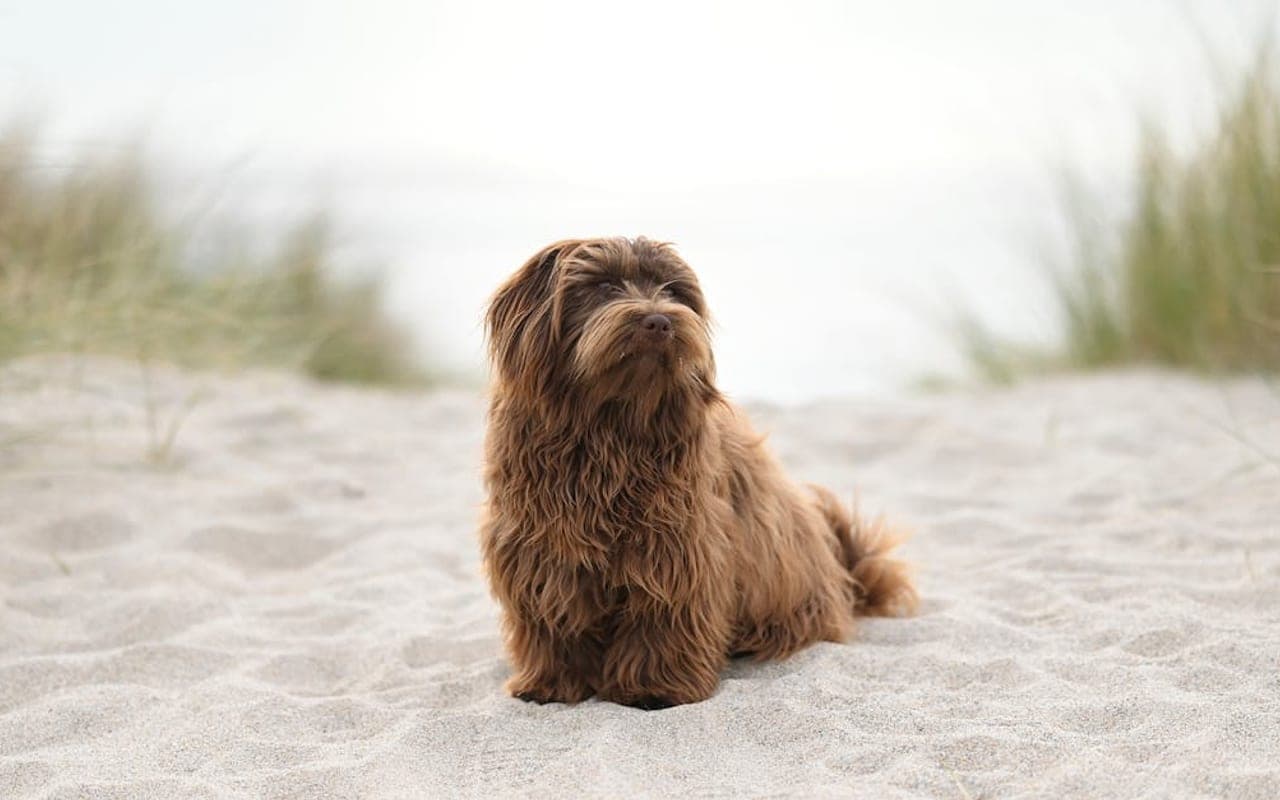
Havanese
Also in the Toy group, with different care and temperament tradeoffs.
Explore More About Russian Toy
Dive deeper into everything Russian Toy — costs, care, and expert insights.
Large Dog Care Guide: Everything Over 50 lbs
Owning a large or giant breed dog means accepting one of biology's...
Puppy Teething & Biting: Timeline and What Actually Works
A puppy has all 28 deciduous ("baby") teeth by roughly eight weeks of age, and...
Considering a cat instead?
Browse Cats