
Foundation Stock Service group
Schapendoes
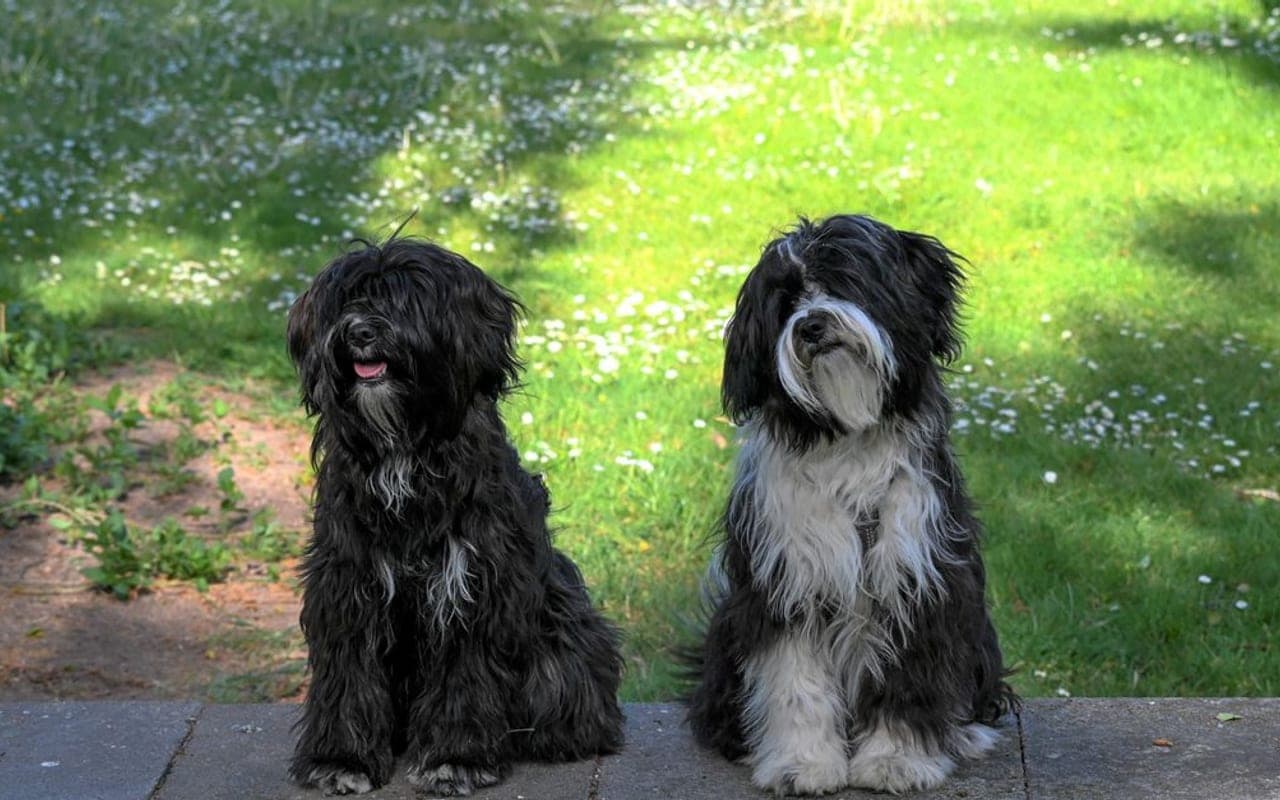
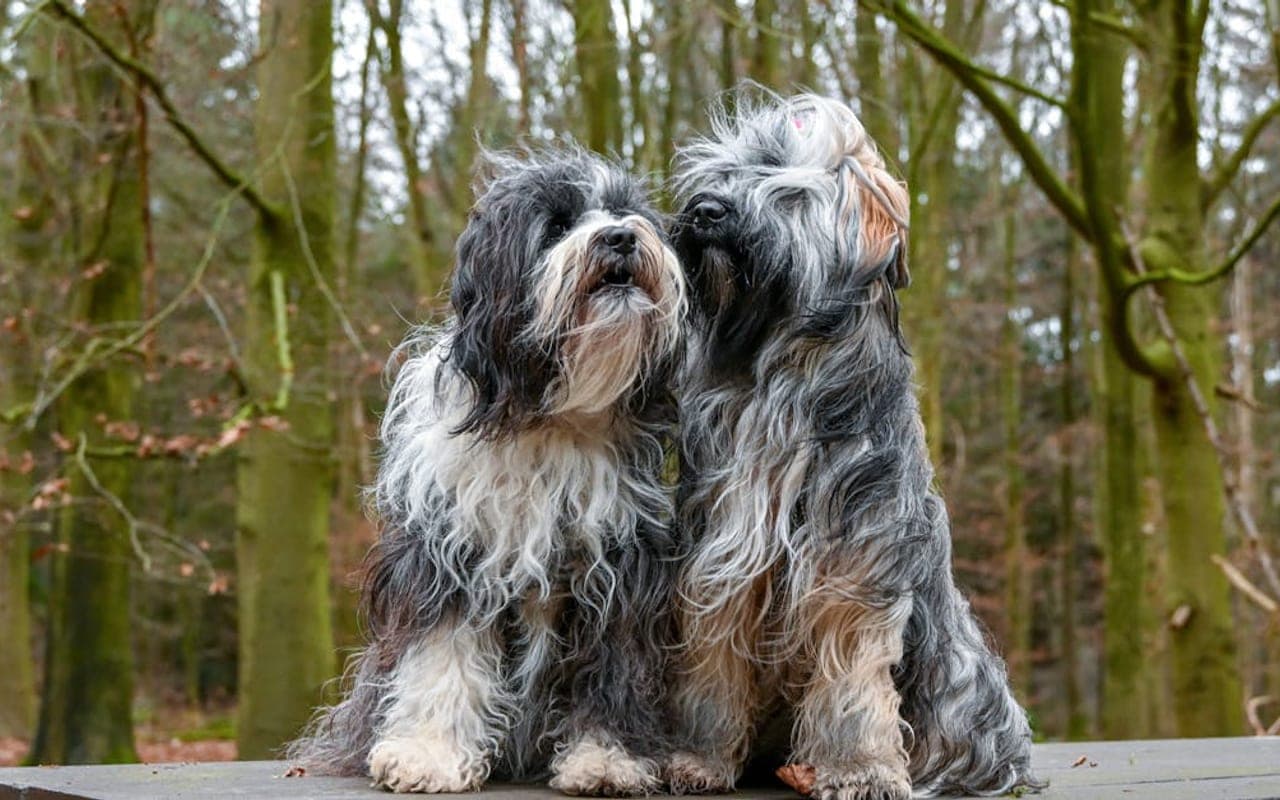
The Schapendoes — the Dutch Sheepdog — is a shaggy, lightly built herding dog the size of a Border Collie but with a personality closer to a clown than a workaholic.

Size
26-55 lb
Lifespan
12-15 years
Exercise
30-60 minutes
Shedding
Moderate
Experience
Match to owner routine
Decision first
Is a Schapendoes right for you?
Start with fit before history or trivia. These are ownership signals, not guarantees about any individual dog.
Best suited for
- Households with children.
- Homes with other compatible pets.
- Apartment homes with a consistent routine.
- Owners seeking a manageable daily exercise routine.
Think carefully if
- You need a dog with almost no daily routine.
- You cannot keep up with grooming and preventive care.
- The dog will spend most days alone without support.
Conditional fit
Apartment fit depends on exercise, enrichment, noise management, and outdoor access.
Daily reality
Schapendoes commitment snapshot
Daily exercise
30-60 minutes
Match activity to age, health, weather, and training goals.
Coat care
Moderate
Grooming needs vary by coat, shedding, and lifestyle.
Time alone
Needs planning
Most dogs need gradual alone-time conditioning and support.
Structured facts
Schapendoes at a glance
The measurements and traits that most affect day-to-day life with this breed.
Group
Foundation Stock Service
Weight
26-55 lb
Height
16-20 in
Lifespan
12-15 years
Temperament
Friendly | Watchful | Lively
View all characteristics and methodology
Lifestyle fit
- Apartment suitability
- Likely fit
- Child friendliness
- Often good, with socialisation and supervision
- Other-pet fit
- Often compatible with careful introductions
Owner commitment
- Exercise
- 30-60 minutes
- Grooming
- Moderate
- Shedding
- Moderate
- Training
- Moderate
Environment and health
- Health risk
- Needs planning
Ratings combine structured breed data, visible breed fields, and editorial context. They are planning aids, not predictions for an individual dog.
Daily life
Schapendoes temperament and behavior
The Schapendoes — the Dutch Sheepdog — is a shaggy, lightly built herding dog the size of a Border Collie but with a personality closer to a clown than a workaholic. Adults stand roughly 16-20 inches and weigh about 26-55 lb depending on sex and line, under a long, slightly wavy double coat that hangs over the eyes and gives the breed its 'mop on the move' look. That coat is the headline feature and the headline commitment: it is not a wash-and-wear dog. What you are actually choosing is a near-extinct breed that survived on enthusiast effort. The Schapendoes was a common Dutch farm dog into the early 1900s, then collapsed in numbers as imported Border Collies replaced it. A 1947 breed club rebuilt the population from a tiny founder base, which is the single most important fact for a buyer: a small gene pool means health screening of the parents matters more here than in a numerically large breed. Temperament is the easy part. Schapendoes are cheerful, intelligent, affectionate with their family, and famously athletic jumpers — they excel at agility and flyball. They are watchful without being aggressive, generally good with children and other dogs when socialized, and they bond hard to their people. The trade-off is that this is a busy, opinionated herding brain that needs a job; under-exercised and under-stimulated, the same intelligence turns into barking, digging, and inventive mischief. Who the Schapendoes is right for: an active owner who wants a trainable, affectionate companion for agility or long daily activity, and who will commit to 2-3 brushing sessions a week for the life of the dog. Who it is wrong for: anyone wanting a low-maintenance coat, a calm couch dog, or a breed with a large, well-documented health database to lean on. Buy from a breeder who screens hips and eyes — that is the decision that protects you.
Friendly | Watchful | Lively
Friendly
A common Schapendoes temperament descriptor that should be interpreted alongside training, exercise, and household fit.
Watchful
A common Schapendoes temperament descriptor that should be interpreted alongside training, exercise, and household fit.
Lively
A common Schapendoes temperament descriptor that should be interpreted alongside training, exercise, and household fit.
Owner note
Temperament labels are starting points, not guarantees. Meet the individual dog and ask about behavior history whenever possible.
Care essentials
How to care for a Schapendoes
What looking after one actually involves: exercise, grooming, food, training, and routine health.
ExerciseAs needed
- Moderately active breed needing 30-60 minutes of daily exercise.
GroomingAs needed
- Brush 2-3 times per week.
TrainingAs needed
- Consistent, patient training works best.
NutritionAs needed
- Feed high-quality dog food appropriate for age, size, and activity level.
Veterinary CareAs needed
- Annual wellness exams, vaccinations, dental care, and parasite prevention.
Health planning
Schapendoes health risks and screening
Every breed has individual health variation. Use this profile for planning and discuss medical decisions with a veterinarian.
Responsible ownership
Finding a Schapendoes responsibly
What to ask a breeder or rescue is the same conversation for every breed, so we keep it in one place and keep it current.
Health documentation, meeting the parents or foster, contracts and return support, and the warning signs worth walking away from.
Original purpose
Schapendoes history
History is useful when it explains today's behavior, coat, exercise needs, and training style.
Read the breed history
The Schapendoes is an old Dutch landrace herding dog rather than a designed breed. For centuries it was simply the working sheepdog of the Netherlands' heaths and farms — valued for stamina and jumping ability over uniform looks. Its decline came not from disease or war directly but from competition: in the late 19th and early 20th centuries Dutch farmers imported Border Collies, and the native Schapendoes faded toward extinction. The breed owes its survival to one man's effort. Cynologist P.M.C. Toepoel championed the Schapendoes in the 1940s, and the Nederlandse Schapendoes breed club was founded in 1947, rebuilding the population from a small surviving founder group. The Dutch Kennel Club granted provisional recognition in 1952, a written standard followed in 1954, and a stud book was opened. For owners this matters concretely: a breed reconstructed from few founders carries a narrower gene pool, which is exactly why responsible breeders DNA-test for PRA and x-ray hips before breeding — the history is the reason the screening is not optional.
Gallery
Schapendoes photos
Images are cropped consistently and loaded progressively to keep the page responsive.
Lower-page context
Schapendoes dogs in culture
Where the breed shows up in film, sport, work and folklore — the enjoyable part, once the practical questions are answered.
Fun facts
- The Schapendoes belongs to the Foundation Stock Service.
- The average lifespan of a Schapendoes is 12 to 15 years.
- Schapendoes dogs are valued for their friendly, watchful, lively nature.
Schapendoes FAQs
How long do Schapendoes dogs live?
A healthy Schapendoes from screened lines typically lives 12-15 years, which is solid for a medium herding breed. Longevity here is driven less by luck and more by two controllable factors: keeping the dog lean (excess weight accelerates the hip wear the breed is screened for) and buying from parents tested clear of PRA. Because the breed was rebuilt from a small founder population, asking for documented hip and eye clearances does more for lifespan than any supplement.
Are Schapendoes good with children?
Yes — the Schapendoes is generally affectionate, playful, and tolerant with children it is raised alongside, and its sturdy-but-not-heavy build suits family life. The realistic caveat is herding instinct: some individuals may nip or circle running children, which is normal herding behavior, not aggression. Channel it with training and supervised play, teach kids to respect the dog's space, and the breed makes a cheerful, energetic family companion rather than a delicate one.
How much grooming does a Schapendoes really need?
A lot — this is the single biggest hidden cost of the breed. The long, fine double coat needs thorough brushing down to the skin 2-3 times a week, roughly 20-30 minutes per adult session, focusing on friction points behind the ears and in the armpits where mats form fastest. The standard coat is kept natural rather than clipped, so the workload does not shrink as the dog ages. Skip a week and you are paying a groomer to shave a matted coat.
How much exercise does a Schapendoes need?
Plan on 60-90 minutes of genuine daily activity plus mental work — this is a herding athlete and an exceptional jumper, not a low-energy companion. Agility, flyball, scent games, and structured training all suit it well. An under-exercised Schapendoes redirects that energy into barking, digging, and fence-jumping, so secure fencing is worth checking before you buy. A tired, mentally worked Schapendoes is a calm one indoors.
Is the Schapendoes a healthy breed?
Reasonably, but with an honest asterisk: the breed was reconstructed from a small founder base after near-extinction, so the gene pool is narrow and the documented health database is smaller than for popular breeds. The known concerns are progressive retinal atrophy (a DNA test exists), hip dysplasia, and occasional epilepsy. The practical takeaway is that breeder screening matters more than average here — insist on PRA-clear DNA results and hip x-ray scores for both parents before committing.
Are Schapendoes good for first-time owners?
Only for an active first-time owner who has researched the commitment. The temperament is forgiving — cheerful, people-focused, trainable — but the coat demands 2-3 deep brushings a week for 12-15 years, and the herding brain needs an hour-plus of daily activity and a job. A first-timer who wants an athletic project dog will do well; one expecting a low-maintenance, low-energy pet will struggle. Match the breed to your weekly time budget honestly before buying.
Sources
These are the published sources this page draws on. Each opens in a new tab so you can check it yourself.
American Kennel Club
Schapendoes — breed standard and profile(opens in a new tab)Supports: Breed standard and recognition details.
Similar breeds to consider
Jagdterrier
Also in the Foundation Stock Service group, with different care and temperament tradeoffs.
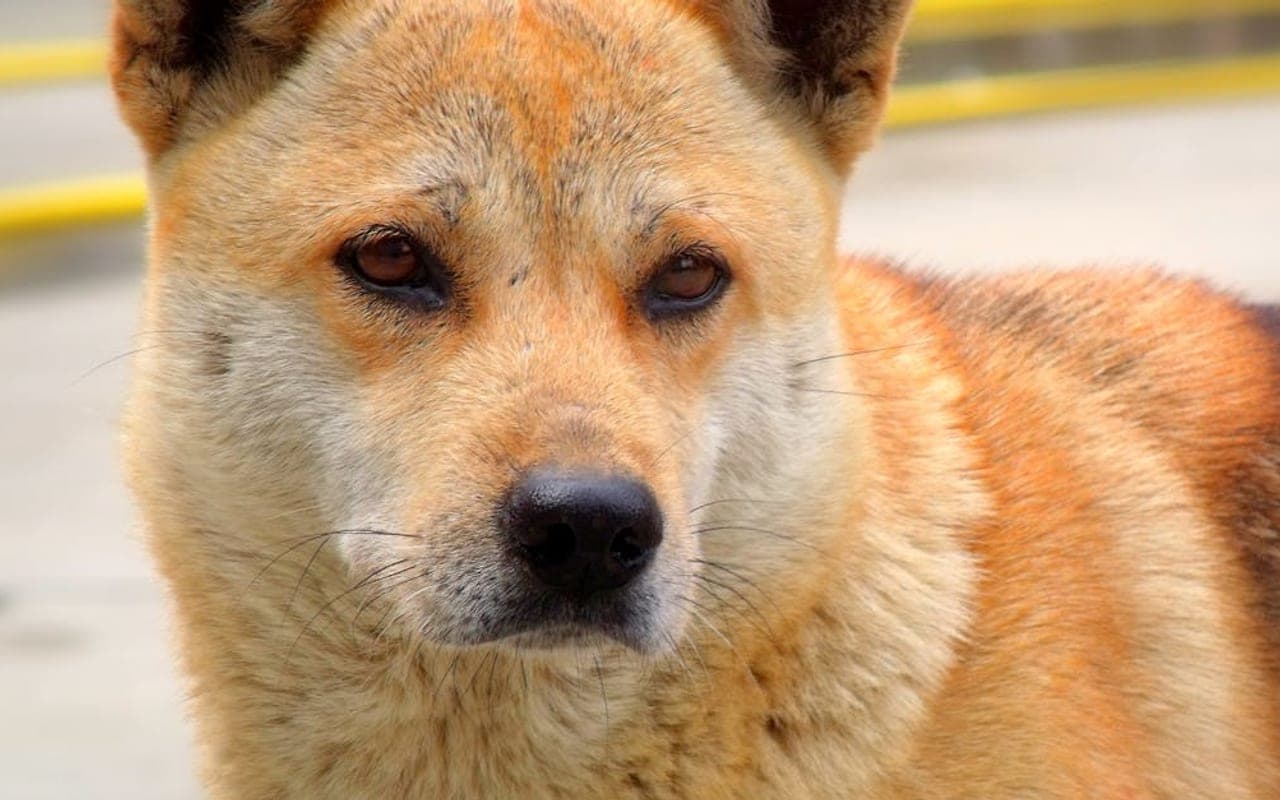
Jindo
Also in the Foundation Stock Service group, with different care and temperament tradeoffs.
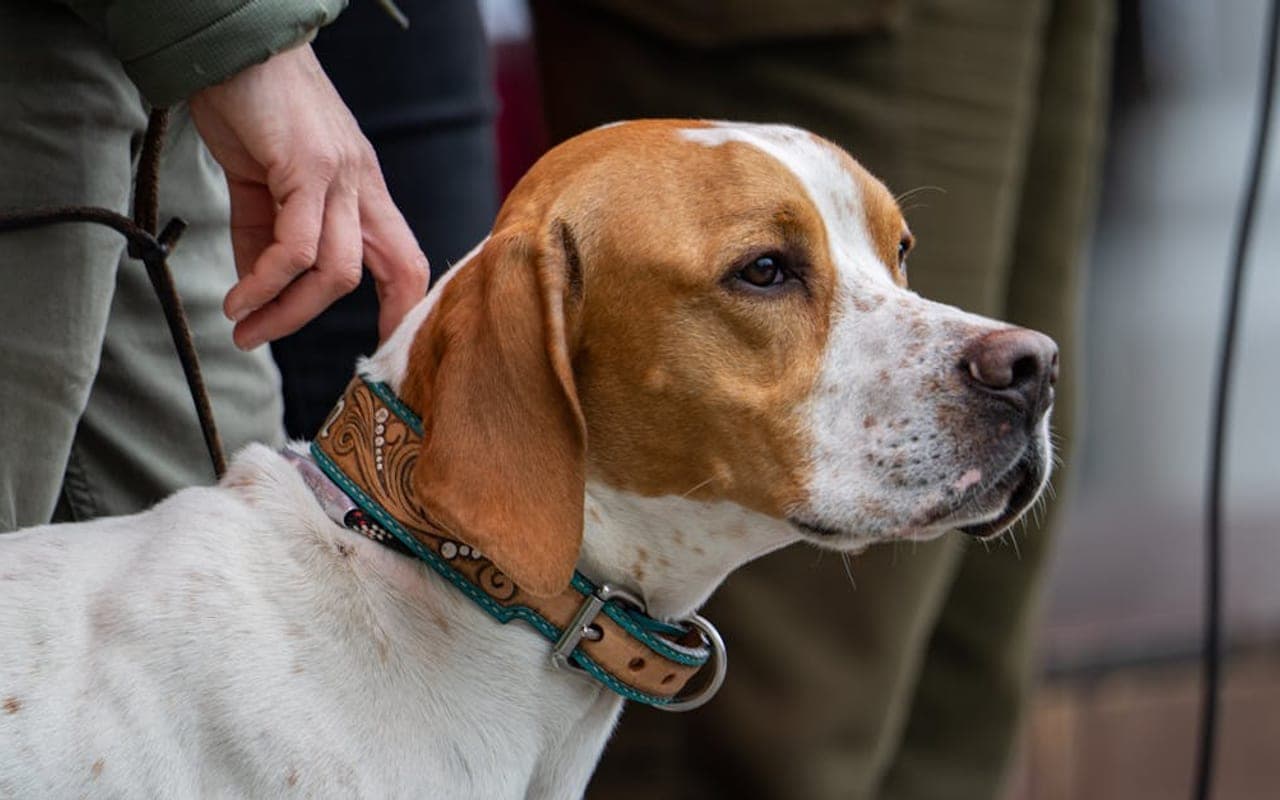
Portuguese Pointer
Also in the Foundation Stock Service group, with different care and temperament tradeoffs.
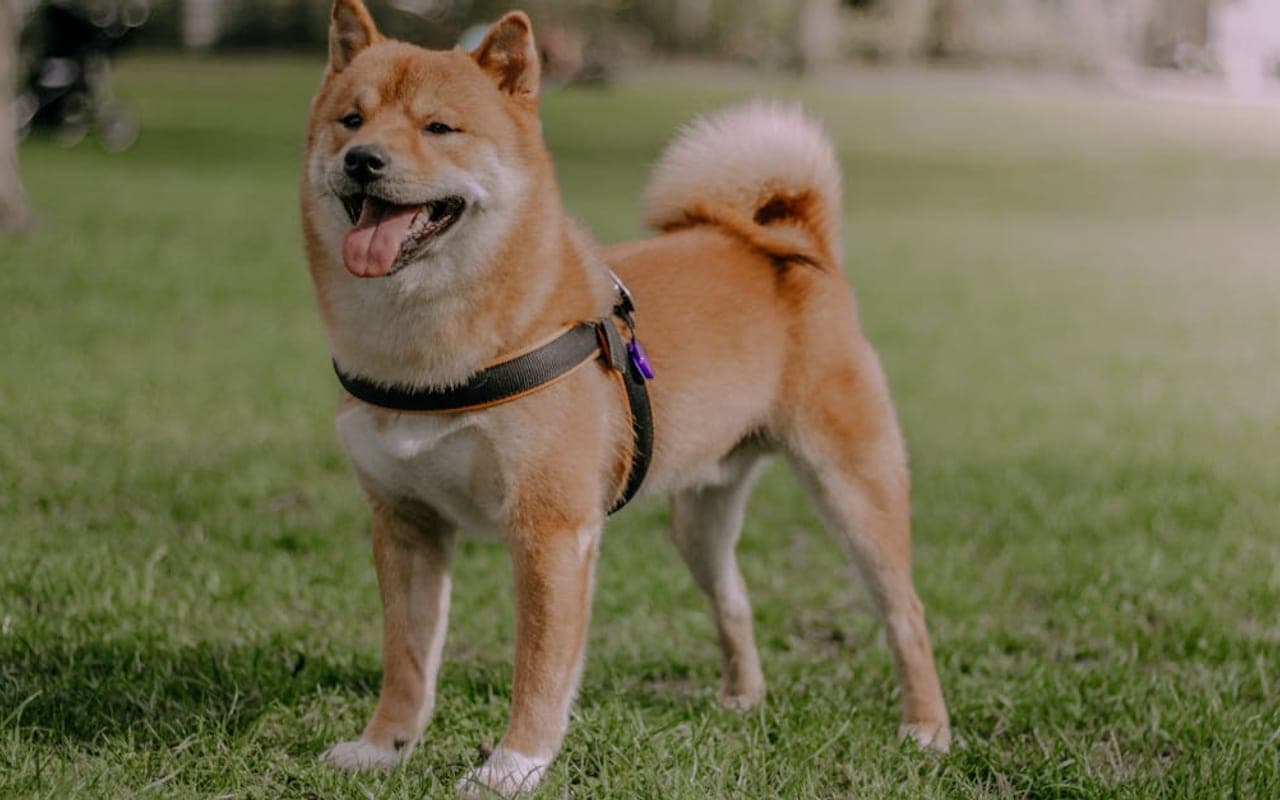
Kishu Ken
Also in the Foundation Stock Service group, with different care and temperament tradeoffs.
Explore More About Schapendoes
Dive deeper into everything Schapendoes — costs, care, and expert insights.
Large Dog Care Guide: Everything Over 50 lbs
Owning a large or giant breed dog means accepting one of biology's...
Puppy Teething & Biting: Timeline and What Actually Works
A puppy has all 28 deciduous ("baby") teeth by roughly eight weeks of age, and...
Considering a cat instead?
Browse Cats