
Terrier group
Sealyham Terrier
The Sealyham Terrier is a short-legged, heavily built working terrier from Wales, and the gap between its cute teddy-bear looks and its actual terrier wiring is the thing prospective owners most consistently misread.
Size
18-24 lb
Lifespan
12-14 years
Exercise
30-60 minutes
Shedding
Moderate
Experience
Match to owner routine
Decision first
Is a Sealyham Terrier right for you?
Start with fit before history or trivia. These are ownership signals, not guarantees about any individual dog.
Best suited for
- Households with children.
- Homes with other compatible pets.
- Apartment homes with a consistent routine.
- Owners seeking a manageable daily exercise routine.
Think carefully if
- You need a dog with almost no daily routine.
- You cannot keep up with grooming and preventive care.
- The dog will spend most days alone without support.
Conditional fit
Apartment fit depends on exercise, enrichment, noise management, and outdoor access.
Daily reality
Sealyham Terrier commitment snapshot
Daily exercise
30-60 minutes
Match activity to age, health, weather, and training goals.
Coat care
Moderate
Grooming needs vary by coat, shedding, and lifestyle.
Time alone
Needs planning
Most dogs need gradual alone-time conditioning and support.
Structured facts
Sealyham Terrier at a glance
The measurements and traits that most affect day-to-day life with this breed.
Group
Terrier
Weight
18-24 lb
Height
10-12 in
Lifespan
12-14 years
Temperament
Alert | Outgoing | Sense Of Humor
View all characteristics and methodology
Lifestyle fit
- Apartment suitability
- Likely fit
- Child friendliness
- Often good, with socialisation and supervision
- Other-pet fit
- Often compatible with careful introductions
Owner commitment
- Exercise
- 30-60 minutes
- Grooming
- Moderate
- Shedding
- Moderate
- Training
- Moderate
Environment and health
- Health risk
- Needs planning
Ratings combine structured breed data, visible breed fields, and editorial context. They are planning aids, not predictions for an individual dog.
Daily life
Sealyham Terrier temperament and behavior
The Sealyham Terrier is a short-legged, heavily built working terrier from Wales, and the gap between its cute teddy-bear looks and its actual terrier wiring is the thing prospective owners most consistently misread. A Sealy stands under 11 inches but weighs around 20-24 pounds — it is dense, muscular, and far stronger than its height suggests, built originally to go to ground after badger, otter and fox. Inside the comical bearded face is a confident, stubborn, big-bark terrier with a real prey drive and an independent streak, not a low-energy lap dog. That said, the Sealyham is the calmer end of the terrier spectrum. Compared with most working terriers it is less hyperactive, more adaptable, and content with moderate exercise — which is precisely why it suits people who like terrier character but cannot live with a Jack Russell's engine. It has a genuine sense of humor, is affectionate and loyal with its family, makes an excellent watchdog thanks to a deep bark, and can be aloof with strangers. The trade-offs are real: it is stubborn to train, will dig and chase small animals on instinct, and the harsh white coat needs deliberate grooming, not just brushing. Who the Sealyham Terrier is right for: an owner who wants a sturdy, characterful, adaptable small dog with watchdog instincts, can be patient and firm with terrier stubbornness, and will commit to hand-stripping or regular clipping. Who it is wrong for: anyone wanting an off-switch-free obedient dog, households with free-roaming small pets, owners unwilling to manage the coat, and anyone seduced purely by the face. This is also a numerically rare breed with eye conditions that are recessive and DNA-testable, so the only safe purchase is from a breeder who tests parents for the conditions below.
Alert | Outgoing | Sense Of Humor
Alert
A common Sealyham Terrier temperament descriptor that should be interpreted alongside training, exercise, and household fit.
Outgoing
A common Sealyham Terrier temperament descriptor that should be interpreted alongside training, exercise, and household fit.
Sense Of Humor
A common Sealyham Terrier temperament descriptor that should be interpreted alongside training, exercise, and household fit.
Owner note
Temperament labels are starting points, not guarantees. Meet the individual dog and ask about behavior history whenever possible.
Care essentials
How to care for a Sealyham Terrier
What looking after one actually involves: exercise, grooming, food, training, and routine health.
ExerciseAs needed
- Moderately active breed needing 30-60 minutes of daily exercise.
GroomingAs needed
- Brush 2-3 times per week.
TrainingAs needed
- Consistent, patient training works best.
NutritionAs needed
- Feed high-quality dog food appropriate for age, size, and activity level.
Veterinary CareAs needed
- Annual wellness exams, vaccinations, dental care, and parasite prevention.
Health planning
Sealyham Terrier health risks and screening
Every breed has individual health variation. Use this profile for planning and discuss medical decisions with a veterinarian.
Responsible ownership
Finding a Sealyham Terrier responsibly
What to ask a breeder or rescue is the same conversation for every breed, so we keep it in one place and keep it current.
Health documentation, meeting the parents or foster, contracts and return support, and the warning signs worth walking away from.
Original purpose
Sealyham Terrier history
History is useful when it explains today's behavior, coat, exercise needs, and training style.
Read the breed history
The Sealyham Terrier was developed in the mid-to-late 1800s by Captain John Edwardes at his Sealyham estate in Pembrokeshire, Wales, who set out to create a small but powerfully built, courageous terrier that could work in packs to go to ground after badger, otter and fox. The breed was line-bred from a mix that likely included now-extinct white terriers and other working types, selected hard for gameness, strong jaws, a digging build and a predominantly white coat so the dog could be told apart from the quarry underground. It was recognized in the early 20th century and enjoyed a fashionable peak in the 1920s-1930s, becoming a favorite of Hollywood figures and appearing widely in film and portraiture. Numbers then collapsed and the Sealyham is now one of the rarest native British breeds, classed as vulnerable by the UK Kennel Club. That working-terrier origin explains the modern dog's strength, prey drive, digging, stubbornness and watchdog bark, while the small surviving gene pool is why responsible health testing matters disproportionately.
Gallery
Sealyham Terrier photos
Images are cropped consistently and loaded progressively to keep the page responsive.
Lower-page context
Sealyham Terriers in culture
Where the breed shows up in film, sport, work and folklore — the enjoyable part, once the practical questions are answered.
Fun facts
- The Sealyham Terrier belongs to the Terrier Group.
- The average lifespan of a Sealyham Terrier is 12 to 14 years.
- Sealyham Terrier dogs are valued for their alert, outgoing, sense of humor nature.
Sealyham Terrier FAQs
How long do Sealyham Terriers live?
A Sealyham Terrier typically lives 12-14 years, a solid lifespan for the breed. The biggest levers on those years are buying from a breeder who DNA-tests parents for primary lens luxation and screens eyes, keeping the dog lean to protect its long back, and managing skin and ear health. A well-bred, fit Sealy from health-tested lines commonly reaches the upper end of that range without major issues.
Are Sealyham Terriers good with children?
Generally yes with their own family — Sealys are sturdy, robust, affectionate and have a playful sense of humor that suits older children who handle dogs respectfully. The terrier caveats apply: they can be stubborn, do not tolerate rough handling or being teased, and have a watchdog bark. Supervise interactions with very young children, teach kids not to disturb the dog while eating or resting, and socialize the puppy early to household activity.
How much exercise does a Sealyham Terrier need?
Moderate — about 30-45 minutes of walking and play daily, plus some sniffing and digging outlets. This is one of the calmer terriers and does not need the relentless exercise of a Jack Russell, which is a key reason people choose it. But it retains a real prey drive and digging instinct, so a securely fenced area is needed and off-leash recall around small fast-moving animals should not be trusted — manage with fencing and a leash instead.
How much grooming does a Sealyham Terrier need?
More than the low shedding suggests. Brush the harsh double coat 2-3 times a week to prevent matting in the beard, facial fall and leg furnishings. The coat then needs either hand-stripping every few months to keep its correct harsh texture, or clipping every 6-8 weeks for an easier pet coat. Either way, budget for a recurring grooming commitment — regular professional grooming or learned hand-stripping is an ongoing cost owners frequently underestimate.
Are Sealyham Terriers easy to train?
They are intelligent but stubborn and independent, like most working terriers, so they are not effortless to train. They respond well to short, motivating, reward-based sessions started in puppyhood and respond poorly to repetition, harsh corrections and inconsistency. Expect a dog with opinions: house manners and basic obedience are achievable with patience, but reliable off-leash recall around prey is unrealistic, so manage that with environment rather than expecting full compliance.
What eye problem are Sealyham Terriers known for?
Primary lens luxation (PLL) is the breed's signature inherited eye disease. The fibers holding the lens in place break down, usually between 4-8 years, and the lens dislocates — an acutely painful event that can blind the eye within hours if not treated urgently. It is recessive and DNA-testable, so it is preventable by buying from a breeder who tests both parents. Watch for a sudden red, cloudy, painful or watering eye and treat it as a same-day emergency.
Sources
These are the published sources this page draws on. Each opens in a new tab so you can check it yourself.
American Kennel Club
Sealyham Terrier — breed standard and profile(opens in a new tab)Supports: Breed standard and recognition details.
Similar breeds to consider

Miniature Schnauzer
Also in the Terrier group, with different care and temperament tradeoffs.
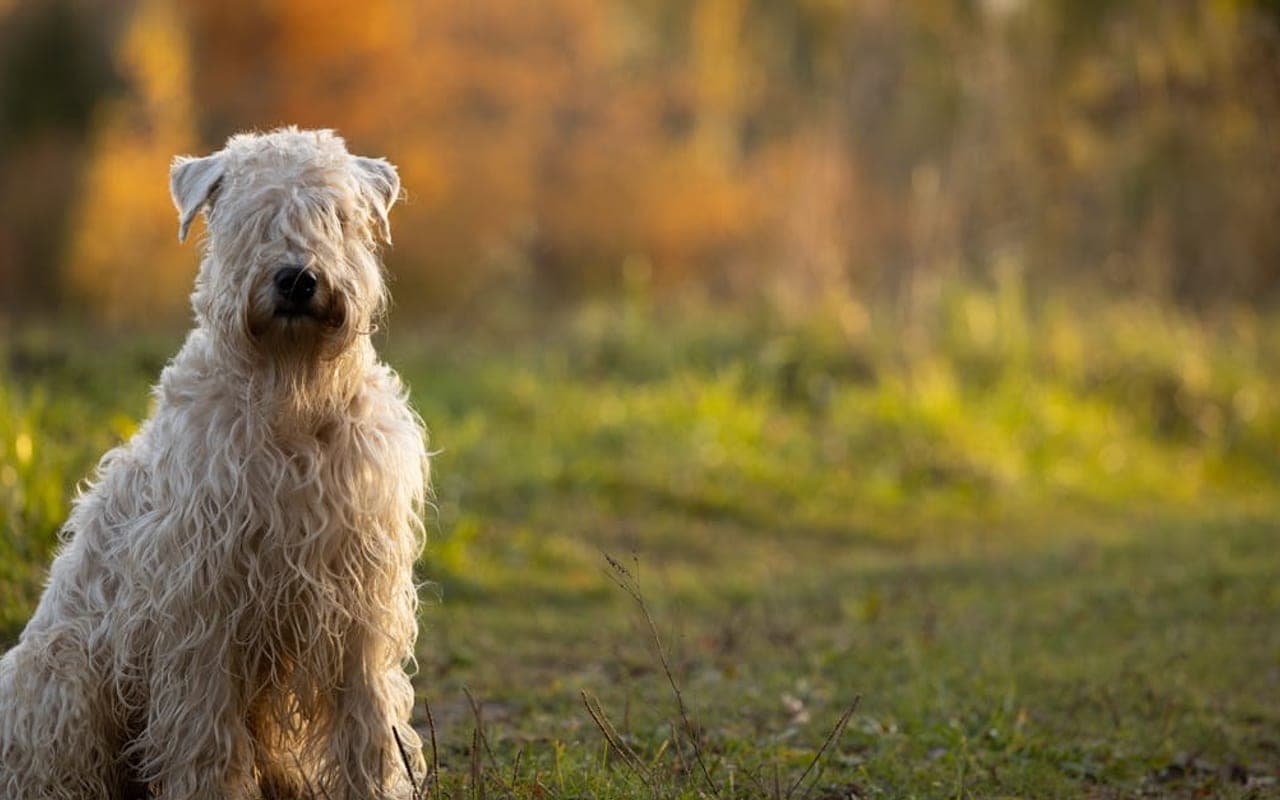
Soft Coated Wheaten Terrier
Also in the Terrier group, with different care and temperament tradeoffs.
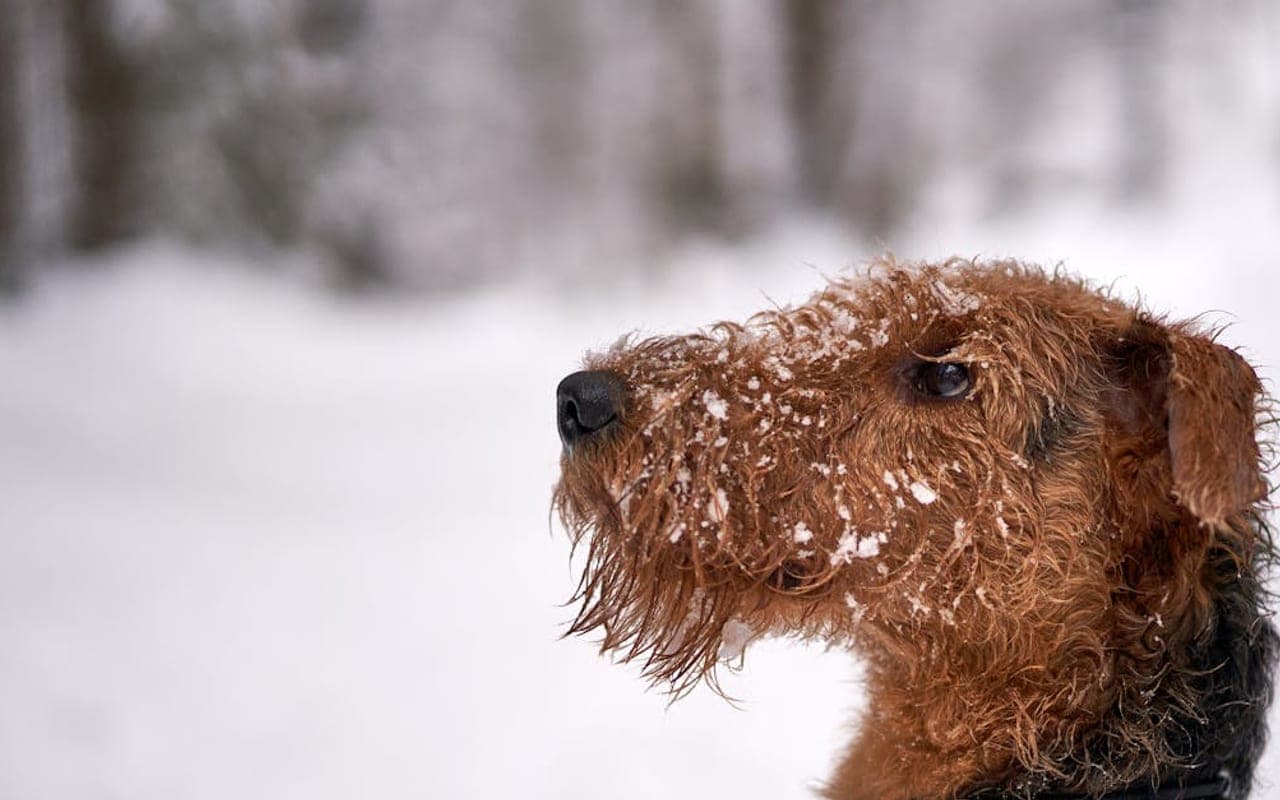
Airedale Terrier
Also in the Terrier group, with different care and temperament tradeoffs.
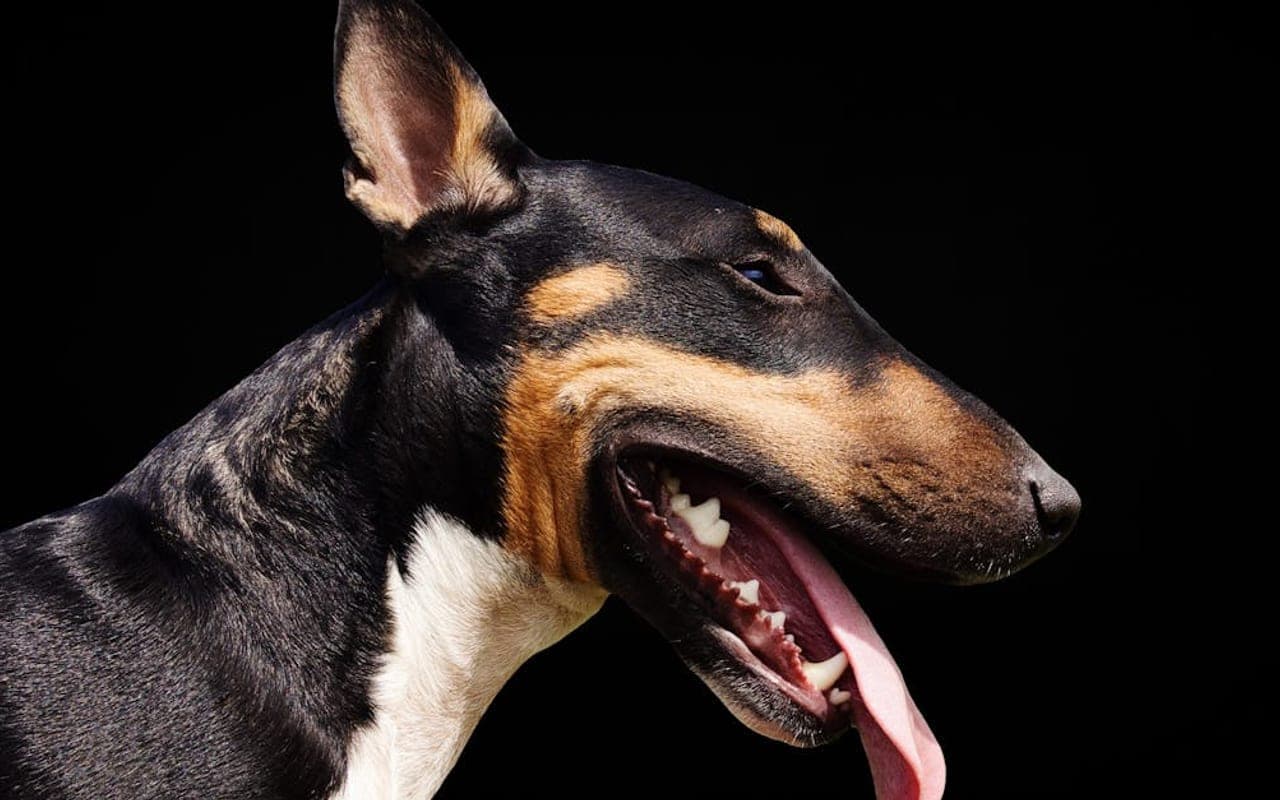
Bull Terrier
Also in the Terrier group, with different care and temperament tradeoffs.
Explore More About Sealyham Terrier
Dive deeper into everything Sealyham Terrier — costs, care, and expert insights.
Considering a cat instead?
Browse Cats