
Foundation Stock Service group
Segugio Italiano
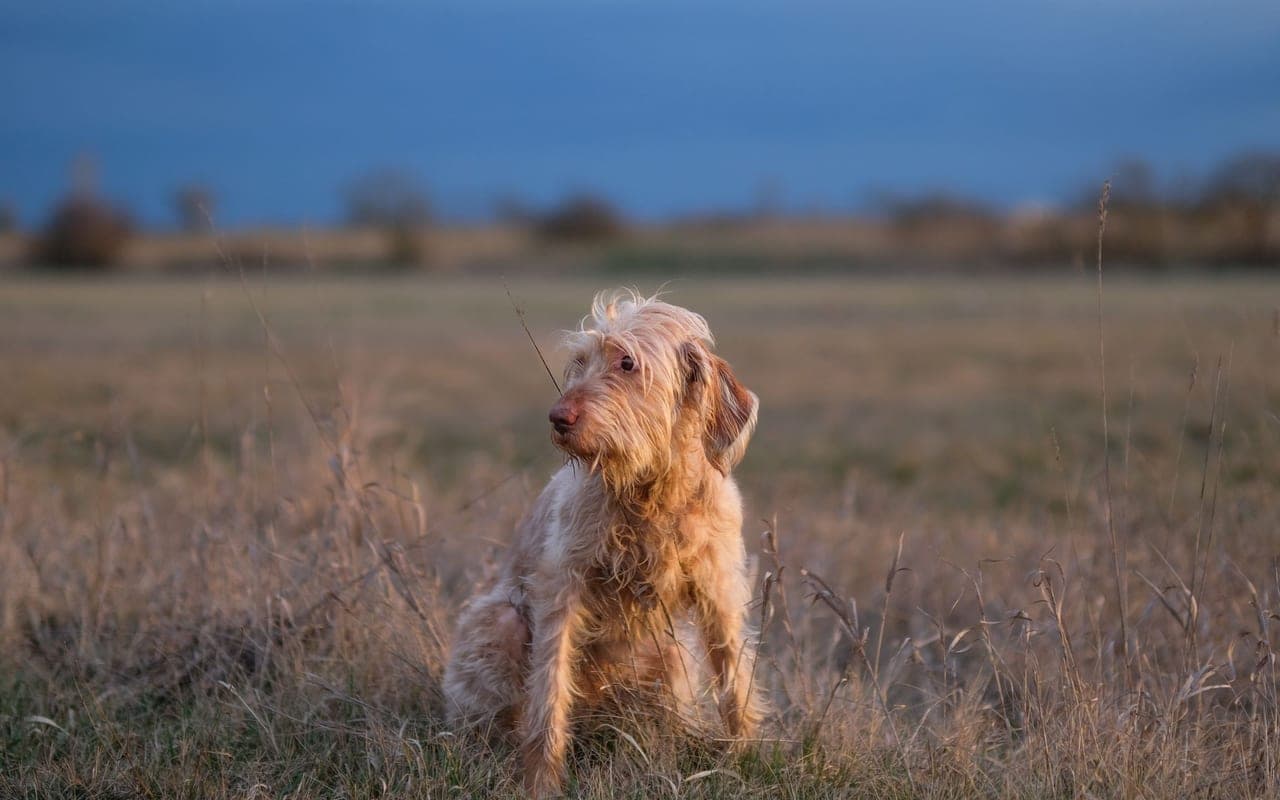
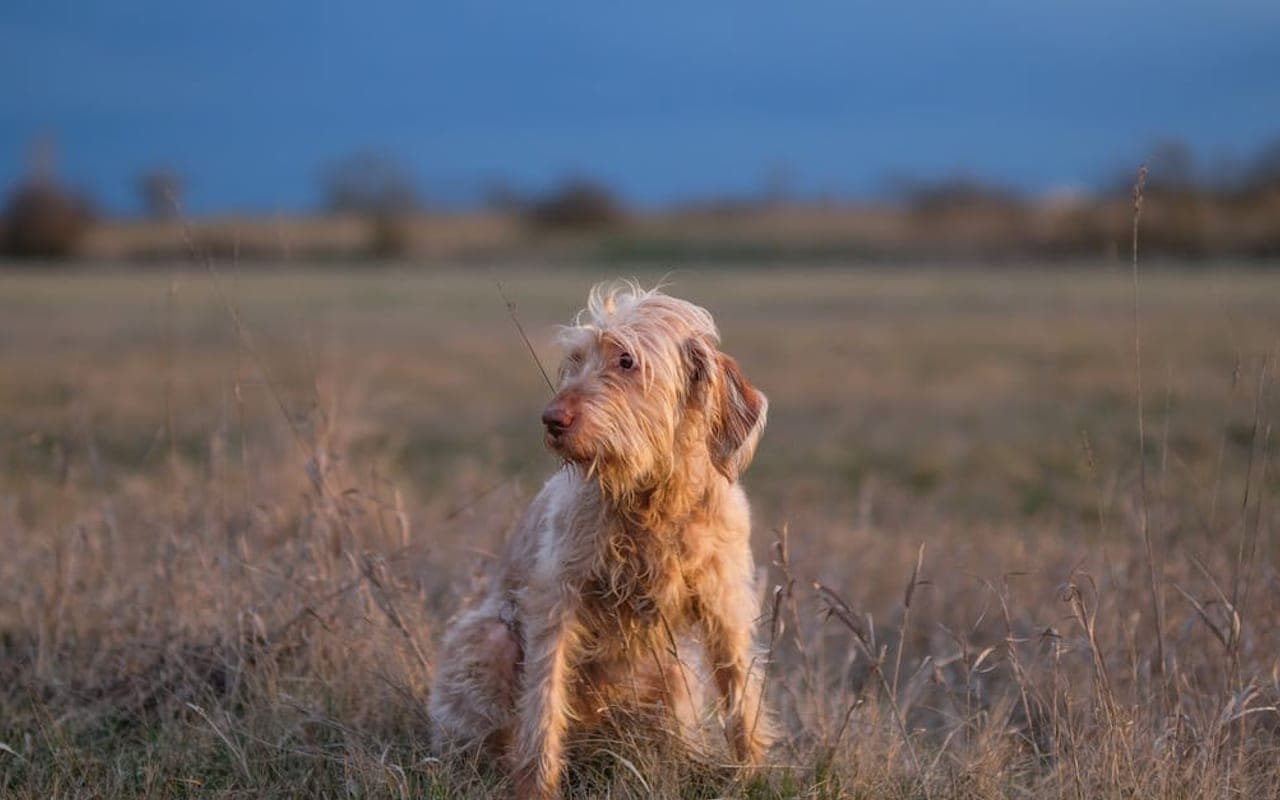
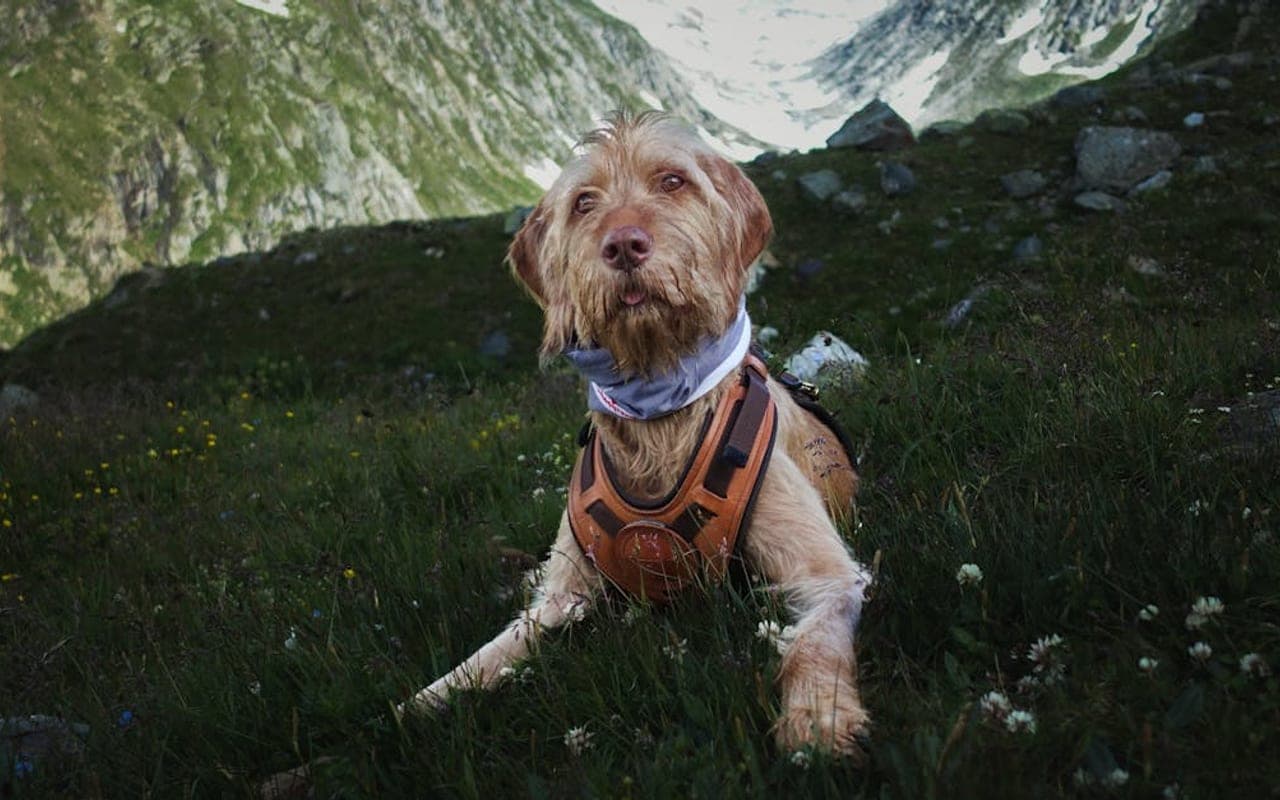
The Segugio Italiano is Italy's classic scent hound — an ancient, lean, deer-and-hare hunting dog that is one of the most numerous working hounds in its home country and almost unknown as a pet elsewhere.
Size
40-62 lb
Lifespan
11-13 years
Exercise
30-60 minutes
Shedding
Moderate
Experience
Match to owner routine
Decision first
Is a Segugio Italiano right for you?
Start with fit before history or trivia. These are ownership signals, not guarantees about any individual dog.
Best suited for
- Households with children.
- Homes with other compatible pets.
- Apartment homes with a consistent routine.
- Owners seeking a manageable daily exercise routine.
Think carefully if
- You need a dog with almost no daily routine.
- You cannot keep up with grooming and preventive care.
- The dog will spend most days alone without support.
Conditional fit
Apartment fit depends on exercise, enrichment, noise management, and outdoor access.
Daily reality
Segugio Italiano commitment snapshot
Daily exercise
30-60 minutes
Match activity to age, health, weather, and training goals.
Coat care
Moderate
Grooming needs vary by coat, shedding, and lifestyle.
Time alone
Needs planning
Most dogs need gradual alone-time conditioning and support.
Structured facts
Segugio Italiano at a glance
The measurements and traits that most affect day-to-day life with this breed.
Group
Foundation Stock Service
Weight
40-62 lb
Height
19-23 in
Lifespan
11-13 years
Temperament
Friendly | Intelligent | Eager to Please
View all characteristics and methodology
Lifestyle fit
- Apartment suitability
- Likely fit
- Child friendliness
- Often good, with socialisation and supervision
- Other-pet fit
- Often compatible with careful introductions
Owner commitment
- Exercise
- 30-60 minutes
- Grooming
- Moderate
- Shedding
- Moderate
- Training
- Low
Environment and health
- Health risk
- Needs planning
Ratings combine structured breed data, visible breed fields, and editorial context. They are planning aids, not predictions for an individual dog.
Daily life
Segugio Italiano temperament and behavior
The Segugio Italiano is Italy's classic scent hound — an ancient, lean, deer-and-hare hunting dog that is one of the most numerous working hounds in its home country and almost unknown as a pet elsewhere. Adults stand roughly 19-23 inches and weigh around 40-62 lb, built light and athletic with a long muzzle, long drop ears, and either a short, dense coat or the harsher wirehaired variety (Segugio Italiano a pelo forte). It is a hound built for endurance over a full day's hunt, and that single fact drives everything an owner needs to know. Temperament splits in two depending on context. In the field this is a tenacious, independent, scent-driven hunter that will follow a trail with single-minded focus and selective hearing. In the home, with its family, it is calm, gentle, affectionate, and surprisingly docile — a quiet housemate, not a hyperactive one. The contradiction to plan for is recall: a dog bred to work a scent line independently is not naturally obedient off-lead, and 'come' competes with a hot trail it will usually lose. The practical headline is this: the Segugio Italiano is generally a robust, healthy breed with a long potential lifespan, but it is a working hound first. It needs substantial daily exercise and secure containment, and it is happiest with a job or at least long, structured activity. It is gentle enough for families and good with respectful children, but it is not a low-exercise apartment companion dressed up as one. Who the Segugio Italiano is right for: an active owner who hikes, runs, or hunts, who will use a long line or secure fencing, and who wants a calm, affectionate house dog that is genuinely athletic outdoors. Who it is wrong for: anyone wanting reliable off-lead recall, a sedentary lifestyle, or a small-space pet.
Friendly | Intelligent | Eager to Please
Friendly
A common Segugio Italiano temperament descriptor that should be interpreted alongside training, exercise, and household fit.
Intelligent
A common Segugio Italiano temperament descriptor that should be interpreted alongside training, exercise, and household fit.
Eager to Please
A common Segugio Italiano temperament descriptor that should be interpreted alongside training, exercise, and household fit.
Owner note
Temperament labels are starting points, not guarantees. Meet the individual dog and ask about behavior history whenever possible.
Care essentials
How to care for a Segugio Italiano
What looking after one actually involves: exercise, grooming, food, training, and routine health.
ExerciseAs needed
- Moderately active breed needing 30-60 minutes of daily exercise.
GroomingAs needed
- Brush 2-3 times per week.
TrainingAs needed
- Consistent, patient training works best.
NutritionAs needed
- Feed high-quality dog food appropriate for age, size, and activity level.
Veterinary CareAs needed
- Annual wellness exams, vaccinations, dental care, and parasite prevention.
Health planning
Segugio Italiano health risks and screening
Every breed has individual health variation. Use this profile for planning and discuss medical decisions with a veterinarian.
Responsible ownership
Finding a Segugio Italiano responsibly
What to ask a breeder or rescue is the same conversation for every breed, so we keep it in one place and keep it current.
Health documentation, meeting the parents or foster, contracts and return support, and the warning signs worth walking away from.
Original purpose
Segugio Italiano history
History is useful when it explains today's behavior, coat, exercise needs, and training style.
Read the breed history
The Segugio Italiano is among the oldest of European scent hounds, with roots traced to hounds depicted in ancient Italy and refined over centuries for hunting hare and deer across varied Italian terrain. It exists in two coat types — the short-haired (a pelo raso) and the wirehaired (a pelo forte) — long regarded as variants of the same hunting dog rather than separate breeds. Unlike many old breeds that survive mainly in show rings, the Segugio remained a genuine working hound: it is one of the most commonly registered hunting dogs in Italy, with thousands registered annually with the Italian Kennel Club. That working continuity matters for owners. A breed kept primarily for function, not appearance, tends to retain a sound, athletic structure and strong drive — which is good for health and bad for the assumption that it will behave like a sedentary companion. The Segugio's enduring popularity in Italy as a field dog, rather than a pet, is precisely why its instincts (stamina, independence, scent obsession) are so intact in the dogs sold today.
Gallery
Segugio Italiano photos
Images are cropped consistently and loaded progressively to keep the page responsive.
Lower-page context
Segugio Italianos in culture
Where the breed shows up in film, sport, work and folklore — the enjoyable part, once the practical questions are answered.
Fun facts
- The Segugio Italiano belongs to the Foundation Stock Service.
- The average lifespan of a Segugio Italiano is 11 to 13 years.
- Segugio Italiano dogs are valued for their friendly, intelligent, eager to please nature.
Segugio Italiano FAQs
How long do Segugio Italiano dogs live?
A healthy Segugio Italiano typically lives 11-13 years, with sturdy, well-managed individuals reaching the upper end and beyond. This is generally a robust working breed without a single dominant killer condition, so longevity is driven mainly by controllable factors: keeping the dog lean to protect the hips, managing bloat risk with split meals, and sourcing from parents screened for hip disease and the breed's recommended DNA tests. Working-bred lines are often structurally sound, but documentation still matters.
Are Segugio Italiano dogs good with children and families?
Yes, with the right household. In the home the breed is calm, gentle, affectionate, and notably docile — a quiet, undemanding housemate that does well with respectful children and other dogs. The realistic caveat is energy outlet, not temperament: a family that cannot meet its 60-90 minute daily exercise need will see a restless, vocal, escape-prone dog. With sufficient activity it is an easygoing family companion; without it, the same dog becomes a problem.
Can a Segugio Italiano be trusted off-lead?
Usually not, and this is the most important behavioural fact about the breed. It is a scent hound bred to follow a trail independently for hours, so when it locks onto a scent, recall competes with hardwired instinct and usually loses. Exercise off-property on a long line or in secure fencing, build recall early with high-value rewards, and microchip the dog. Treating it as a reliable off-lead pet is the single most common mistake new owners make.
How much exercise does a Segugio Italiano need?
A lot — at least 60-90 minutes of vigorous daily activity, ideally including scent or tracking work that engages the nose, not just leash walks. This is an endurance hunting hound bred to work a full day in the field, and that drive does not switch off in a pet home. An under-exercised Segugio becomes restless, vocal, and prone to escaping to self-exercise. Mental scent games tire it more efficiently than distance alone, so combine both.
Is the Segugio Italiano a healthy breed?
Largely yes — its long working history and function-first breeding have kept it structurally sound, with no single dominant inherited disease. The realistic concerns are hip and elbow dysplasia, bloat (it is deep-chested), recurrent ear infections from the drop ears, and screenable genetic conditions including PRA-prcd, hyperuricosuria, and degenerative myelopathy. Because DNA tests exist for several of these, the practical safeguard is asking for the parents' hip scores and DNA panel results before buying.
Why does my Segugio keep getting ear infections?
It is the breed's anatomy plus its lifestyle, not bad luck. The long, low-hanging drop ears restrict airflow and trap moisture and debris, and this is an active outdoor dog that works in grass, mud, and water. That combination makes otitis common. The fix is routine, not medical heroics: check and clean the ears weekly, dry them thoroughly after any wet or muddy activity, and treat persistent head-shaking, odour, or discharge as a prompt vet visit before it becomes chronic.
Sources
These are the published sources this page draws on. Each opens in a new tab so you can check it yourself.
American Kennel Club
Segugio Italiano — breed standard and profile(opens in a new tab)Supports: Breed standard and recognition details.
Similar breeds to consider
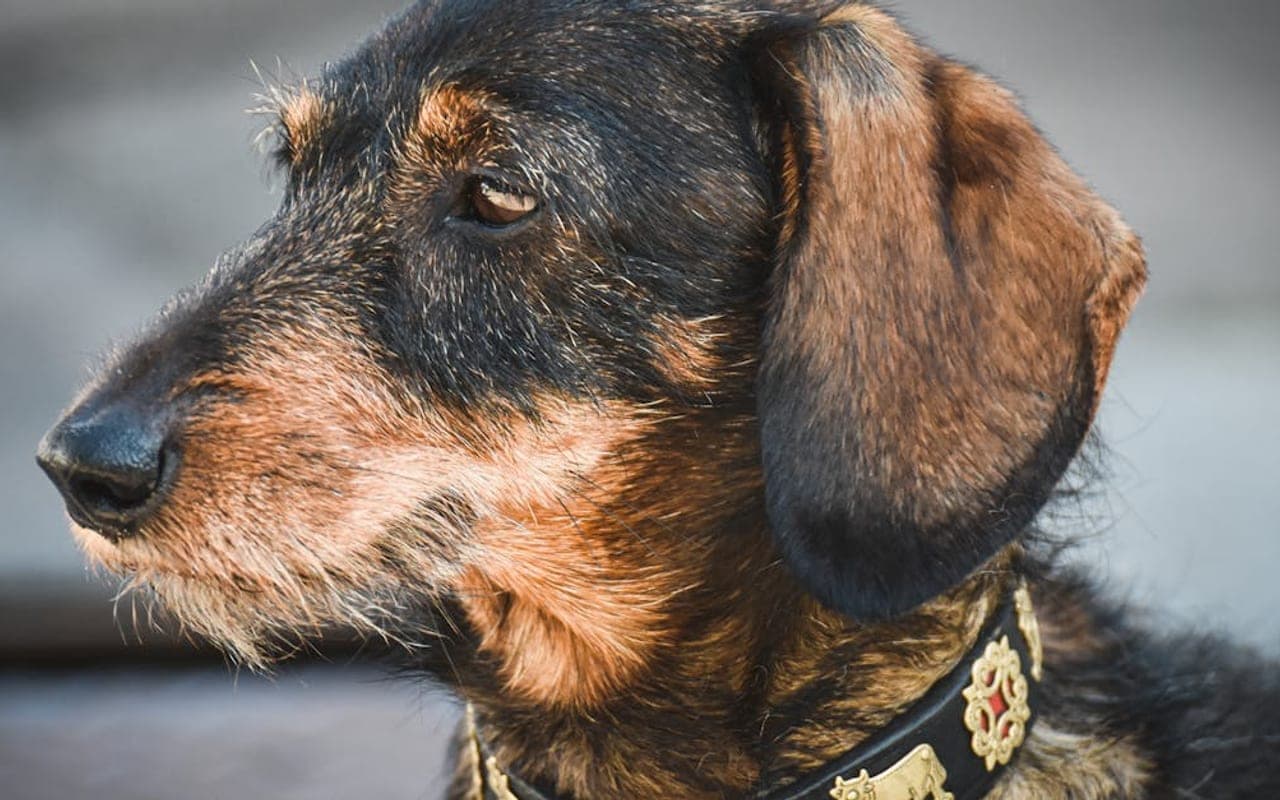
Jagdterrier
Also in the Foundation Stock Service group, with different care and temperament tradeoffs.
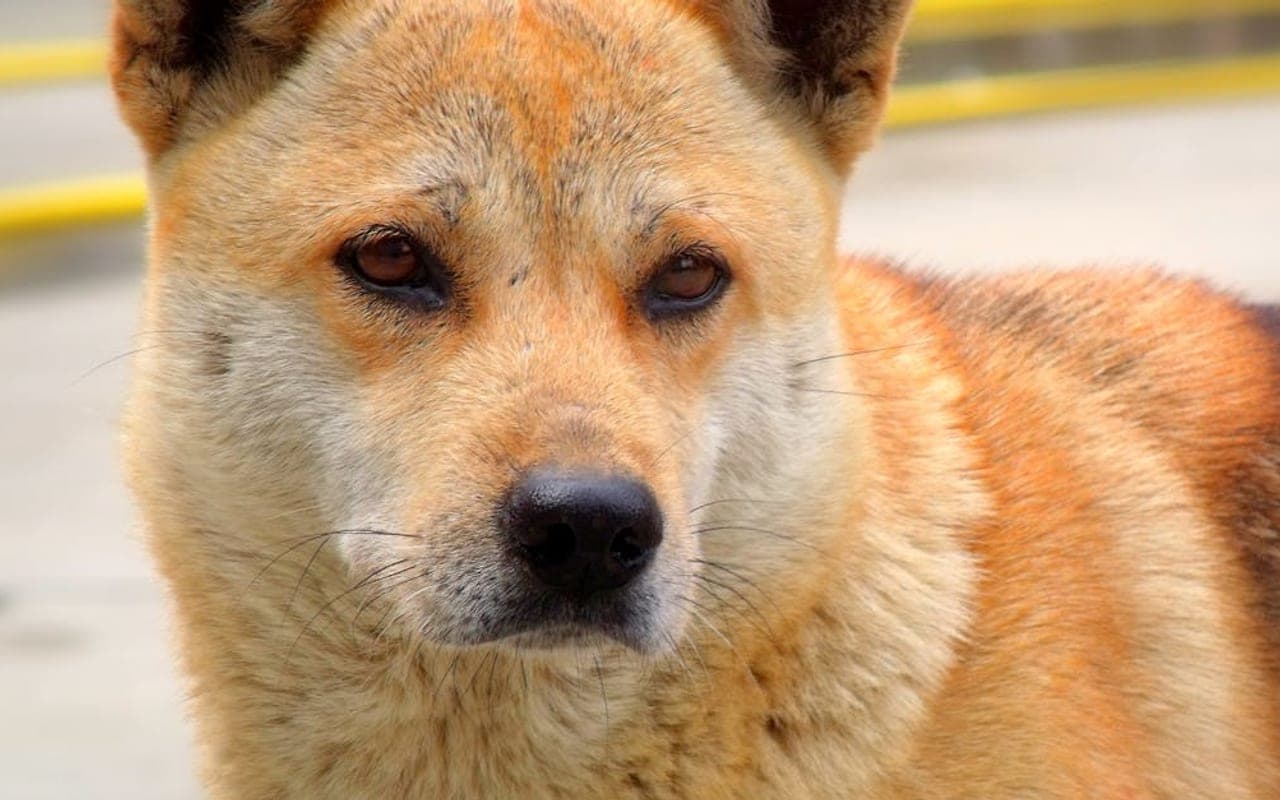
Jindo
Also in the Foundation Stock Service group, with different care and temperament tradeoffs.
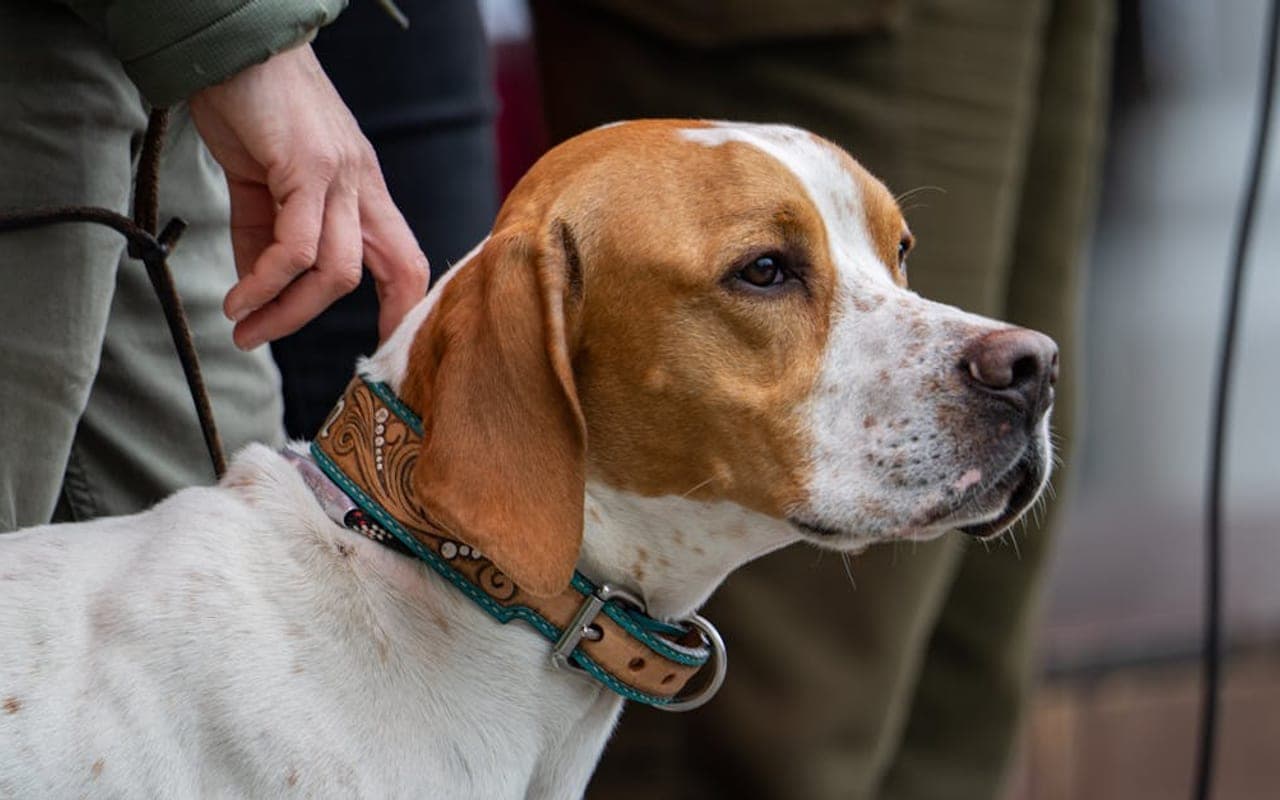
Portuguese Pointer
Also in the Foundation Stock Service group, with different care and temperament tradeoffs.
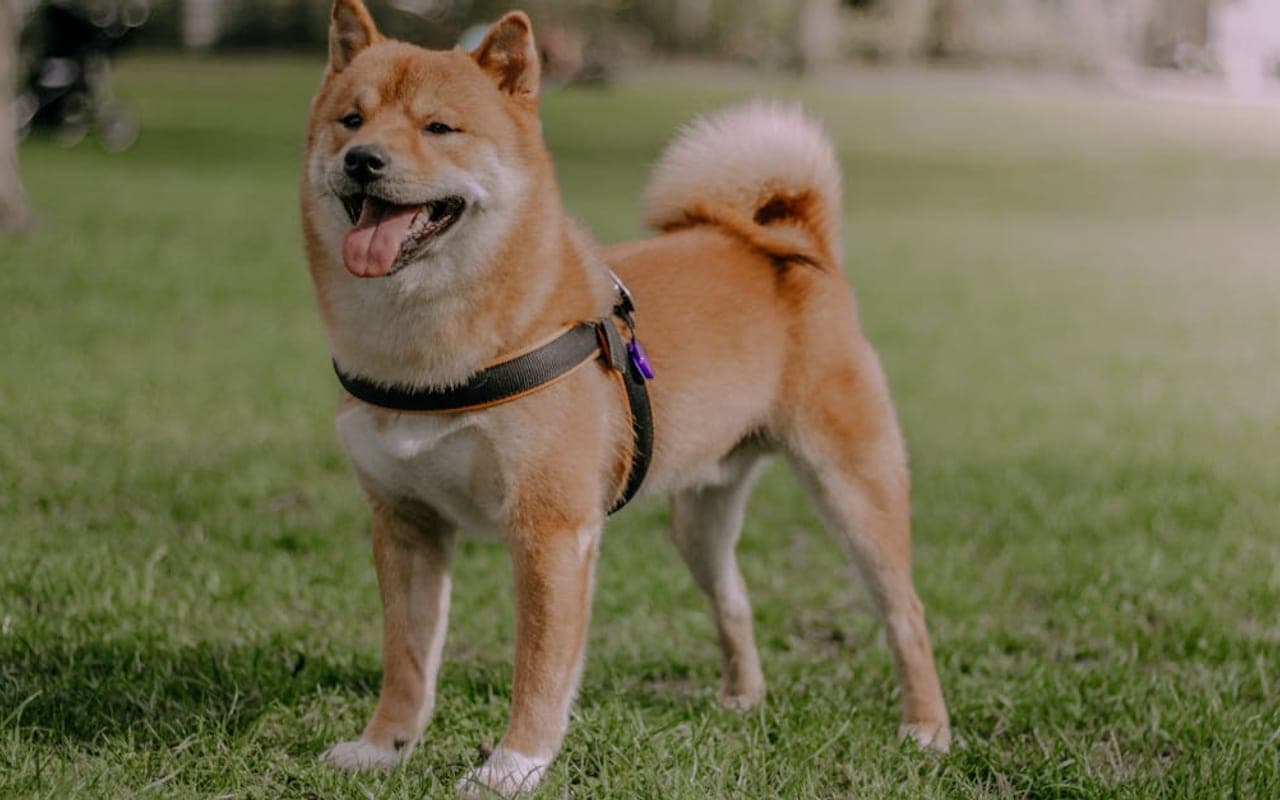
Kishu Ken
Also in the Foundation Stock Service group, with different care and temperament tradeoffs.
Explore More About Segugio Italiano
Dive deeper into everything Segugio Italiano — costs, care, and expert insights.
Large Dog Care Guide: Everything Over 50 lbs
Owning a large or giant breed dog means accepting one of biology's...
Puppy Teething & Biting: Timeline and What Actually Works
A puppy has all 28 deciduous ("baby") teeth by roughly eight weeks of age, and...
Considering a cat instead?
Browse Cats