
Herding group
Shetland Sheepdog
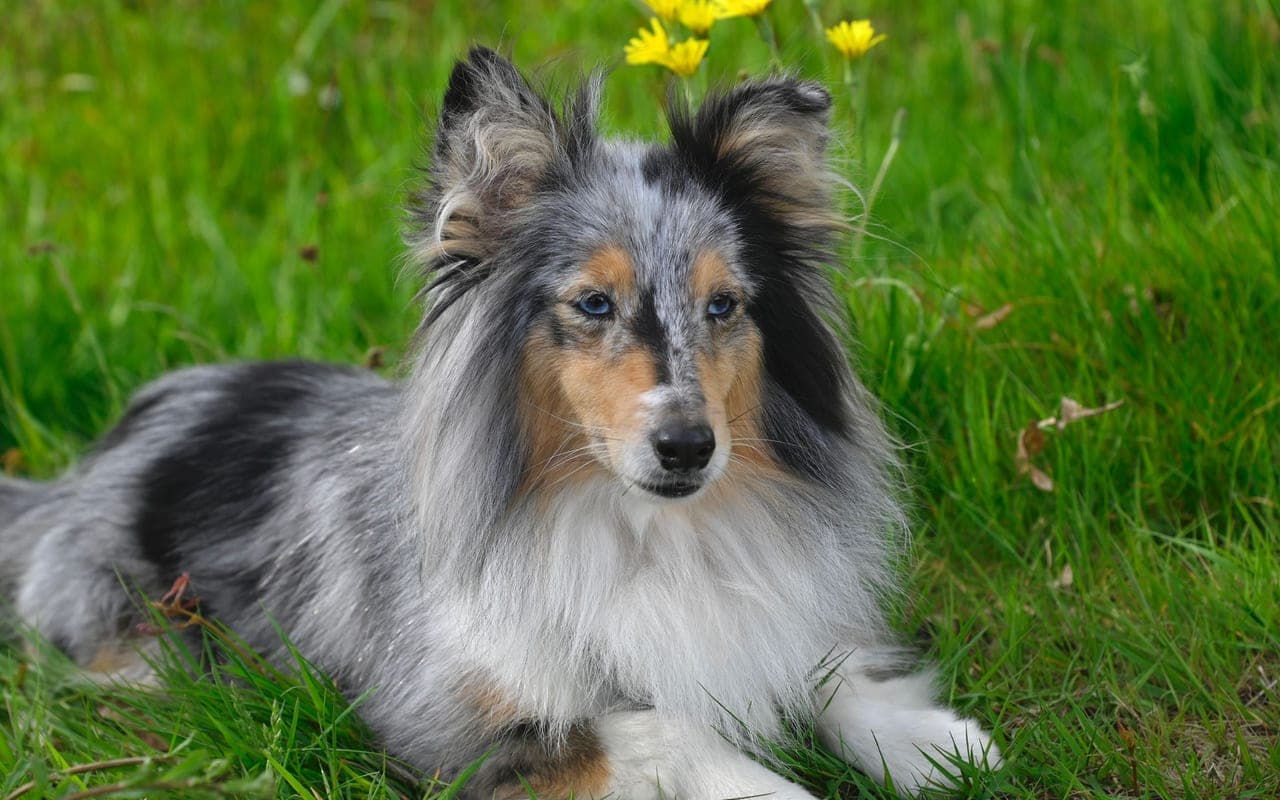
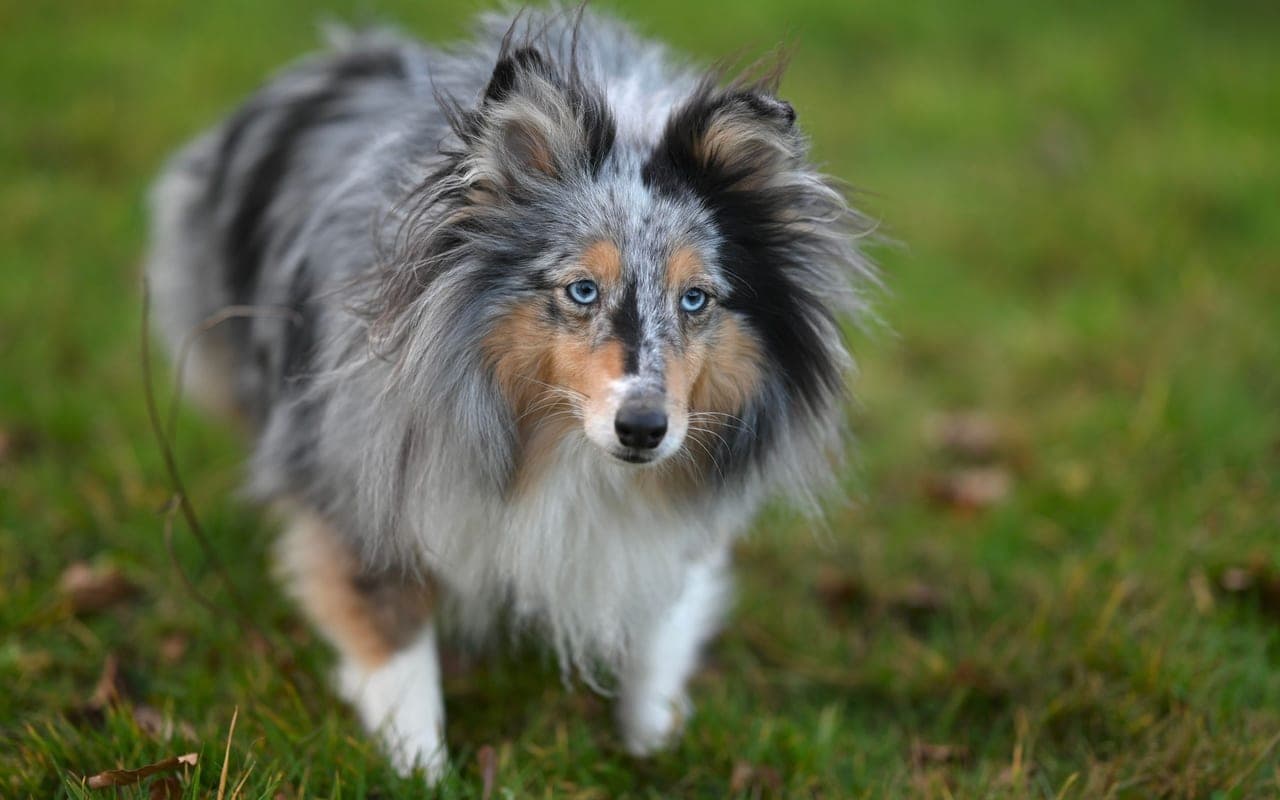
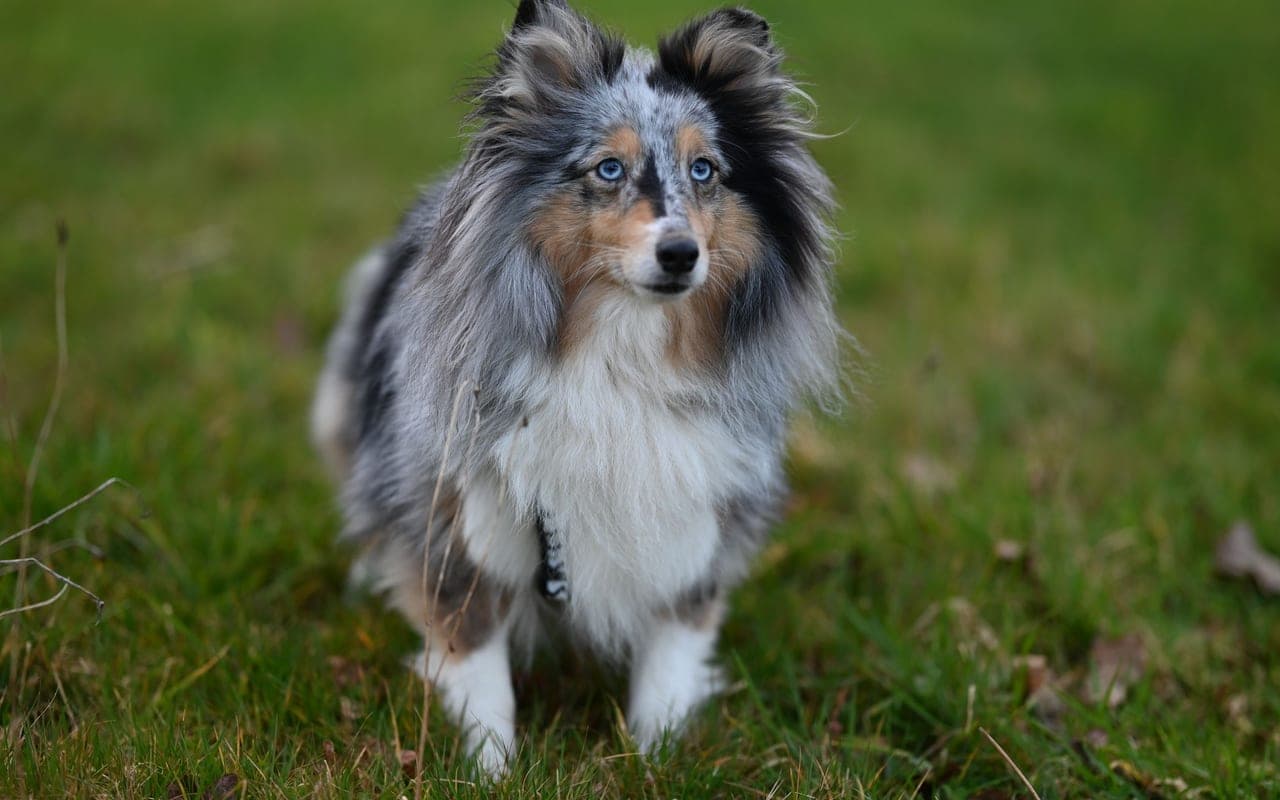
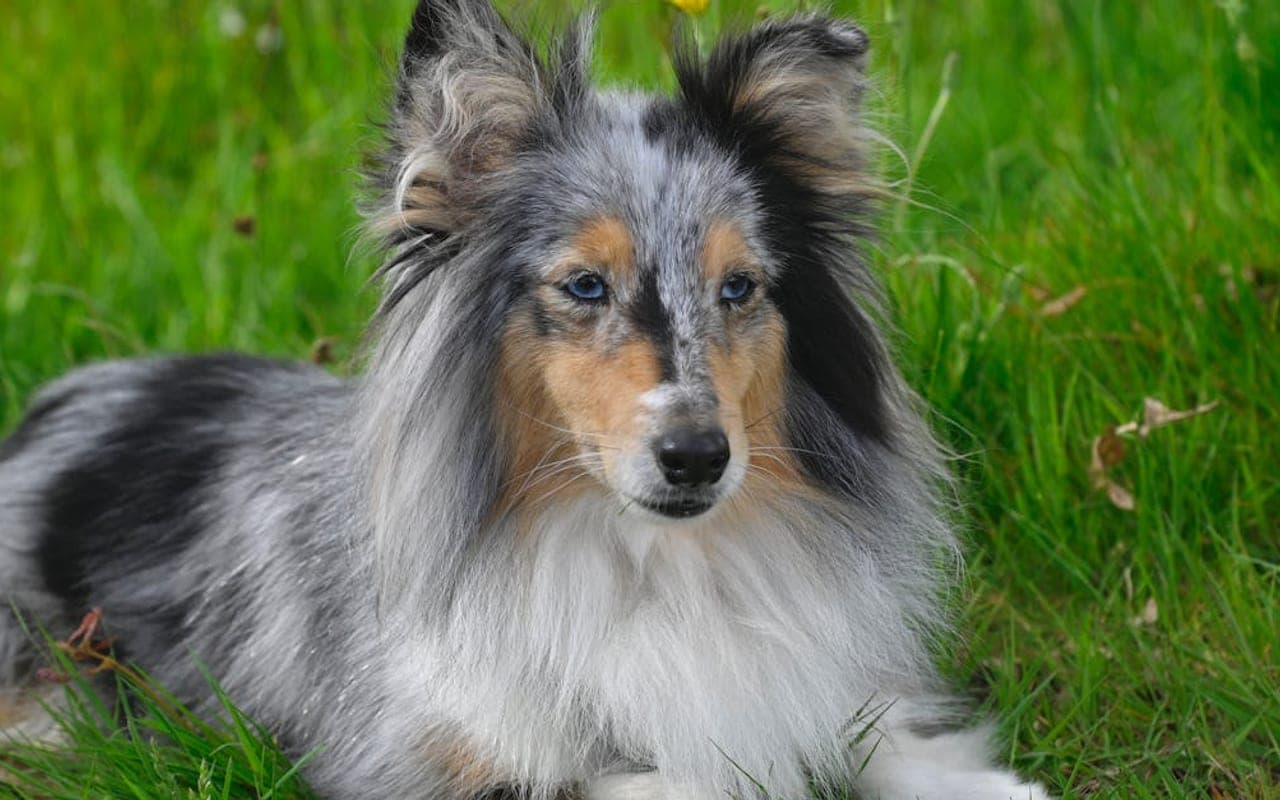
The Shetland Sheepdog — the 'Sheltie' — is a small herding dog from Scotland's Shetland Islands, typically 15 to 25 pounds and 13 to 16 inches tall, that looks like a miniature Rough Collie but is a distinct breed with its own working history.
Size
13-26 lb
Lifespan
12-15 years
Exercise
60-90 minutes
Shedding
High
Experience
Match to owner routine
Decision first
Is a Shetland Sheepdog right for you?
Start with fit before history or trivia. These are ownership signals, not guarantees about any individual dog.
Best suited for
- Households with children.
- Homes with other compatible pets.
- Active owners who enjoy daily outdoor exercise.
Think carefully if
- You cannot provide substantial daily exercise.
- You want a very low-shedding home.
- The dog will spend most days alone without support.
Conditional fit
Apartment living may be difficult unless the owner can meet the breed's exercise, training, and space needs.
Daily reality
Shetland Sheepdog commitment snapshot
Daily exercise
60-90 minutes
Match activity to age, health, weather, and training goals.
Time alone
Needs planning
Most dogs need gradual alone-time conditioning and support.
Structured facts
Shetland Sheepdog at a glance
The measurements and traits that most affect day-to-day life with this breed.
Origin
Scotland
Group
Herding
Weight
13-26 lb
Height
13-16 in
Lifespan
12-15 years
Temperament
Also known as 'Shelties,' these small herding dogs resemble miniature Collies and are known for their intelligence and trainability
View all characteristics and methodology
Lifestyle fit
- Apartment suitability
- Needs caution
- Child friendliness
- Often good, with socialisation and supervision
- Other-pet fit
- Often compatible with careful introductions
Owner commitment
- Exercise
- 60-90 minutes
- Shedding
- High
- Training
- Very high
Environment and health
- Health risk
- Needs planning
Ratings combine structured breed data, visible breed fields, and editorial context. They are planning aids, not predictions for an individual dog.
Daily life
Shetland Sheepdog temperament and behavior
The Shetland Sheepdog — the 'Sheltie' — is a small herding dog from Scotland's Shetland Islands, typically 15 to 25 pounds and 13 to 16 inches tall, that looks like a miniature Rough Collie but is a distinct breed with its own working history. Before anything else a prospective owner should know one breed-defining medical fact: the Sheltie carries the MDR1 gene mutation at high frequency, and that single fact must shape every veterinary decision you ever make for this dog. MDR1 (the multidrug-resistance gene) means an affected Sheltie can suffer severe, sometimes fatal neurological reactions to ordinary, otherwise-safe drugs — certain dewormers (ivermectin at high doses), some anti-diarrheals (loperamide), and several anesthetic and chemotherapy agents. Every Sheltie should be DNA-tested for MDR1, and the result should be in the chart before any vet medicates or anesthetizes the dog. With that understood, the Sheltie is one of the most trainable, biddable companion breeds in existence — consistently ranked among the most intelligent dogs. They are sensitive, eager to please, fast learners, and excel at obedience and agility. They are devoted, gentle with children, and make alert watchdogs. The trade-offs are mostly behavioral and coat-related. Shelties are vocal — bred to bark at moving things, many bark a lot, which is an apartment and neighbor issue you must train early. They carry a heavy double coat that sheds and needs real maintenance. They are soft-tempered and noise-sensitive, so harsh training backfires, and many are reserved or shy with strangers without early socialization. They also retain a herding instinct that can show up as chasing children, cyclists, or cars. Who the Sheltie is right for: an owner who wants a highly trainable, affectionate, athletic small dog and will commit to MDR1 testing, early socialization, bark training, and weekly coat care. Who it is wrong for: someone wanting a quiet, low-maintenance, hands-off dog, or anyone who won't insist on MDR1-aware veterinary care.
Also known as 'Shelties,' these small herding dogs resemble miniature Collies and are known for their intelligence and trainability
Also known as 'Shelties,' these small herding dogs resemble miniature Collies and are known for their intelligence and trainability
A common Shetland Sheepdog temperament descriptor that should be interpreted alongside training, exercise, and household fit.
Owner note
Temperament labels are starting points, not guarantees. Meet the individual dog and ask about behavior history whenever possible.
Care essentials
How to care for a Shetland Sheepdog
What looking after one actually involves: exercise, grooming, food, training, and routine health.
HealthAs needed
- Shetland Sheepdogs are generally healthy with good longevity, but they're prone to several breed-specific health concerns. Eye conditions include Collie Eye Anomaly (CEA), Progressive Retinal Atrophy (PRA), and cataracts. Orthopedic issues may include hip dysplasia and patellar luxation. The breed can also experience certain skin conditions and allergies. Like many herding breeds, Shelties may carry the MDR1 mutation, which causes sensitivity to certain medications. They can also be prone to thyroid disorders and von Willebrand's disease, a bleeding disorder. Reputable breeders screen for these conditions to minimize risks. Regular veterinary check-ups, maintaining appropriate weight, proper dental care, and regular exercise contribute significantly to their health and longevity. With proper care, many Shelties live well into their early to mid-teens.
ExerciseAs needed
- Shetland Sheepdogs are active, energetic dogs that require regular exercise to maintain physical and mental health. Plan for at least 30-60 minutes of activity daily, which might include walks, play sessions, or structured activities like agility training—at which they excel. While not as demanding as some working breeds, Shelties benefit from having a secure area to run and explore. Their high intelligence means they also need mental stimulation; training exercises, puzzle toys, and interactive games help prevent boredom. Despite their energy, they adapt well to different living situations as long as their exercise needs are met. Shelties particularly enjoy activities that engage their herding instincts and problem-solving abilities.
GroomingAs needed
- The Shetland Sheepdog's magnificent double coat requires consistent grooming attention. Brush thoroughly at least 2-3 times weekly with a pin brush and slicker brush to prevent matting and remove loose hair, especially during seasonal shedding periods when daily brushing may be necessary. Pay special attention to areas prone to tangles: behind the ears, under the elbows, and around the collar area. Regular but infrequent bathing (every 4-6 weeks) helps maintain coat health without stripping natural oils. Standard care includes weekly ear checks, regular teeth brushing, and nail trims as needed. Professional grooming every few months can help maintain the coat's appearance. Despite consistent grooming, Sheltie owners should expect some dog hair on clothing, furniture, and around the house. This is not a breed for those seeking a low-shedding or hypoallergenic dog.
TrainingAs needed
- Few breeds are as trainable as the Shetland Sheepdog. Their remarkable intelligence, eagerness to please, and sensitivity make them highly responsive to positive reinforcement techniques. Begin training early with gentle, consistent methods—harsh corrections are unnecessary and counterproductive with this perceptive breed. Shelties excel in obedience, agility, rally, herding trials, and even therapy work. Their sensitivity means they respond best to praise and rewards rather than criticism; they can actually become discouraged by stern training approaches. Early socialization is essential to prevent shyness or sound sensitivity, common traits in the breed. Mental stimulation through training challenges helps satisfy their problem-solving drive. Properly trained Shelties consistently rank among the top performers in various dog sports and working activities.
NutritionAs needed
- Shetland Sheepdogs thrive on high-quality dog food appropriate for their age, size, and activity level. Given their smaller size and moderate activity needs, portion control is important to prevent weight gain, which can strain their joints and affect overall health. Adult Shelties typically need between 3/4 to 2 cups of quality dry food daily, divided into two meals, though exact amounts depend on the individual dog's metabolism and activity level. Some Shelties can be prone to food sensitivities, so watch for any adverse reactions when introducing new foods. As with all breeds, clean, fresh water should be available at all times, and treats should be given in moderation, especially during training sessions where their eagerness to please might lead to multiple rewards.
Health planning
Shetland Sheepdog health risks and screening
Every breed has individual health variation. Use this profile for planning and discuss medical decisions with a veterinarian.
Ownership cost
How much does a Shetland Sheepdog cost?
Cost figures are structured so first-year and lifetime estimates do not conflict with the underlying line items.
| Acquisition | $800-$2,500 |
|---|---|
| Routine monthly | About $100/month |
| Routine annual | About $1,200/year |
| First-year estimate | $2,000-$3,700 |
| Lifetime routine estimate | $14,400-$18,000 routine costs |
Currency: USD. Region: United States. Typical ranges for this breed. Equipment, insurance, emergency veterinary care, boarding and training are NOT included: we hold no sourced figures for them, and estimating them would be a guess presented as data.
Responsible ownership
Finding a Shetland Sheepdog responsibly
What to ask a breeder or rescue is the same conversation for every breed, so we keep it in one place and keep it current.
Health documentation, meeting the parents or foster, contracts and return support, and the warning signs worth walking away from.
Original purpose
Shetland Sheepdog history
History is useful when it explains today's behavior, coat, exercise needs, and training style.
Read the breed history
The Shetland Sheepdog originated on the rugged, resource-scarce Shetland Islands off northern Scotland, the same harsh environment that produced the diminutive Shetland pony and Shetland sheep. Island farmers needed a small, hardy, intelligent dog to herd and guard small livestock — sheep, ponies, and poultry — on limited forage, so a compact working collie-type developed. In the 19th and early 20th centuries the island dogs were crossed with various breeds, including the Rough Collie, which fixed the modern Sheltie's collie-like appearance. The breed was first recognized by the Kennel Club (UK) in 1909 as the 'Shetland Collie,' a name dropped after Collie breeders objected, and the American Kennel Club recognized it in 1911. Although it looks like a scaled-down show Collie, the Sheltie is a separate breed with its own island working ancestry, and its intelligence and trainability — the traits that made it a useful all-purpose island farm dog — remain its hallmark today in obedience and agility competition.
Gallery
Shetland Sheepdog photos
Images are cropped consistently and loaded progressively to keep the page responsive.
Lower-page context
Shetland Sheepdogs in culture
Where the breed shows up in film, sport, work and folklore — the enjoyable part, once the practical questions are answered.
Movies and TV
- Lassie Come Home (1943)
While this film featured a Rough Collie, it increased interest in similar-looking Shetland Sheepdogs.
- The Shaggy Dog (1959)
A Shetland Sheepdog appeared in this classic Disney film starring Fred MacMurray.
Fun facts
- Shetland Sheepdogs are often ranked among the top 10 most intelligent dog breeds, able to learn new commands in as few as 5 repetitions.
- Despite their small size, Shelties were used to herd not only sheep but also ponies and chickens on the Shetland Islands.
- Many Shelties have a distinctive vocalization called the 'Sheltie spin' where they bark while turning in circles when excited.
- The breed's coat colors include sable (ranging from golden to mahogany), tricolor (black with tan and white markings), and blue merle (a silvery-blue marbled with black).
- Shelties were originally called 'Toonie Dogs' in the Shetland Islands—'toon' being the local word for farm.
Shetland Sheepdog FAQs
What is MDR1 and why does it matter so much in Shelties?
MDR1 is a gene mutation that lets certain drugs cross into the brain at toxic levels. Shelties carry it at high frequency, so an affected dog can have severe or fatal neurological reactions to standard doses of common drugs like high-dose ivermectin, loperamide, and some anesthetics and chemotherapy agents. The practical rule is simple and lifesaving: DNA-test your Sheltie, put the result in its veterinary file, and confirm the vet checks it before any medication or anesthesia.
Do Shetland Sheepdogs bark a lot?
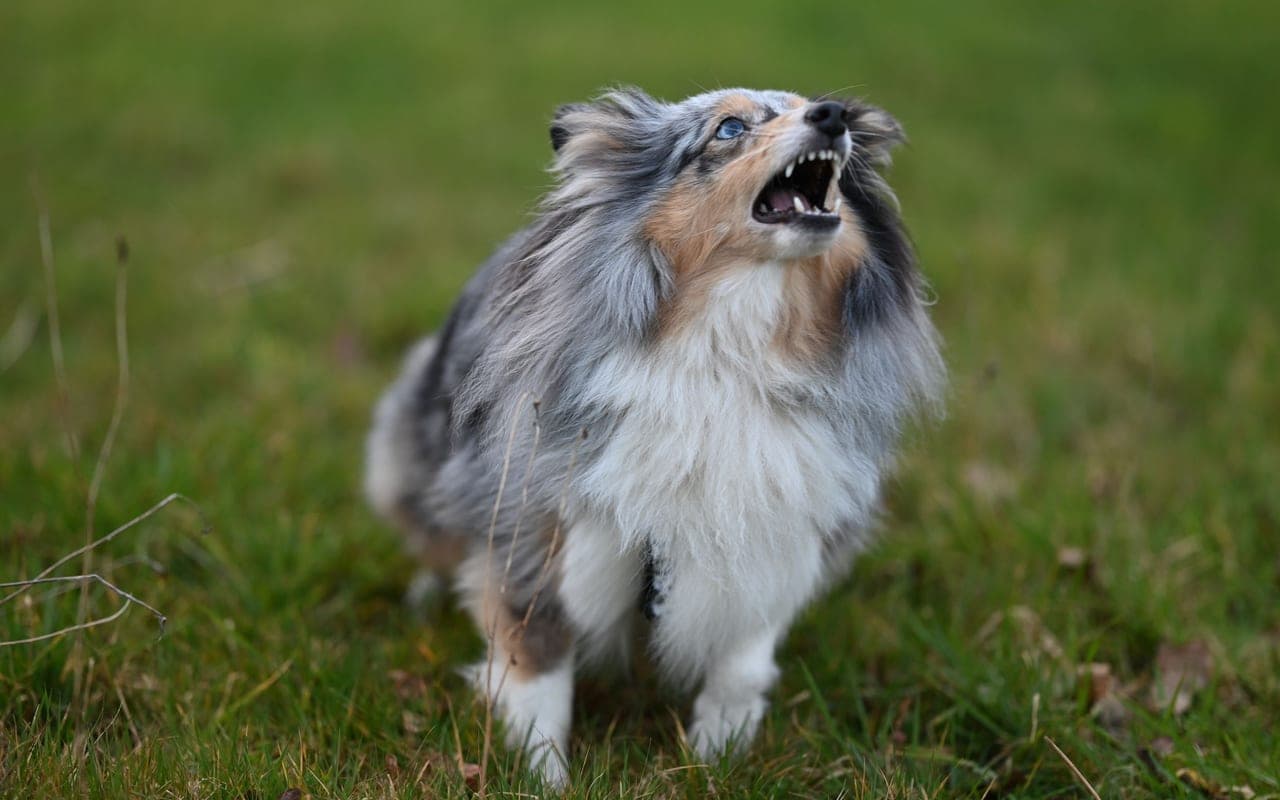
Yes — this is the breed's most common complaint and a leading rehoming reason. Shelties were bred to alert and move livestock by barking, so most are naturally vocal at movement, sounds, and visitors. It is manageable but not eliminable: start a trained 'quiet' cue in puppyhood, meet their daily exercise and mental-work needs, and avoid leaving them bored. An under-stimulated Sheltie in an apartment will likely become a barking problem with neighbors.
How long do Shelties live and are they generally healthy?
Shelties typically live 12 to 15 years, a strong lifespan for the size. They are reasonably hardy but carry specific inherited risks: MDR1 drug sensitivity, eye disease (Collie eye anomaly and PRA), hypothyroidism, and some hip dysplasia. Most of these are screenable. Buying from a breeder who DNA-tests for MDR1 and CEA, screens hips and eyes, and keeping the dog lean handles the majority of the breed's predictable health risk.
Are Shelties good for first-time owners and apartments?
They can be, with eyes open. They are small, devoted, and among the most trainable breeds, which suits attentive first-time owners. But they need 45-60 minutes of daily exercise plus mental work, they shed a heavy double coat, and they bark by design — the barking specifically makes apartment living workable only with early, consistent training. A passive owner who wants a quiet, low-effort dog will struggle with this breed.
How much grooming does a Shetland Sheepdog need?
Moderate and ongoing. The double coat needs line-brushing to the skin 2-3 times a week — focus on the friction zones behind the ears, on the legs, and the rear skirt where mats form — rising to near-daily during the heavy spring and fall sheds. Budget 5-15 minutes per session. Never shave a Sheltie: the double coat does not regrow properly and shaving removes its insulation against both heat and cold.
Are Shelties good with children and other pets?
Generally yes — they are gentle, devoted, and patient with respectful children and usually fine with other pets when socialized. Two caveats: their herding instinct can make them chase and nip at running children, cyclists, or other animals, which needs training to redirect; and they are soft-tempered and noise-sensitive, so chaotic households or harsh handling can make them anxious. Early socialization and teaching kids to interact calmly solves most of this.
Sources
These are the published sources this page draws on. Each opens in a new tab so you can check it yourself.
American Kennel Club
Shetland Sheepdog — breed standard and profile(opens in a new tab)Supports: Breed standard and recognition details.
Similar breeds to consider
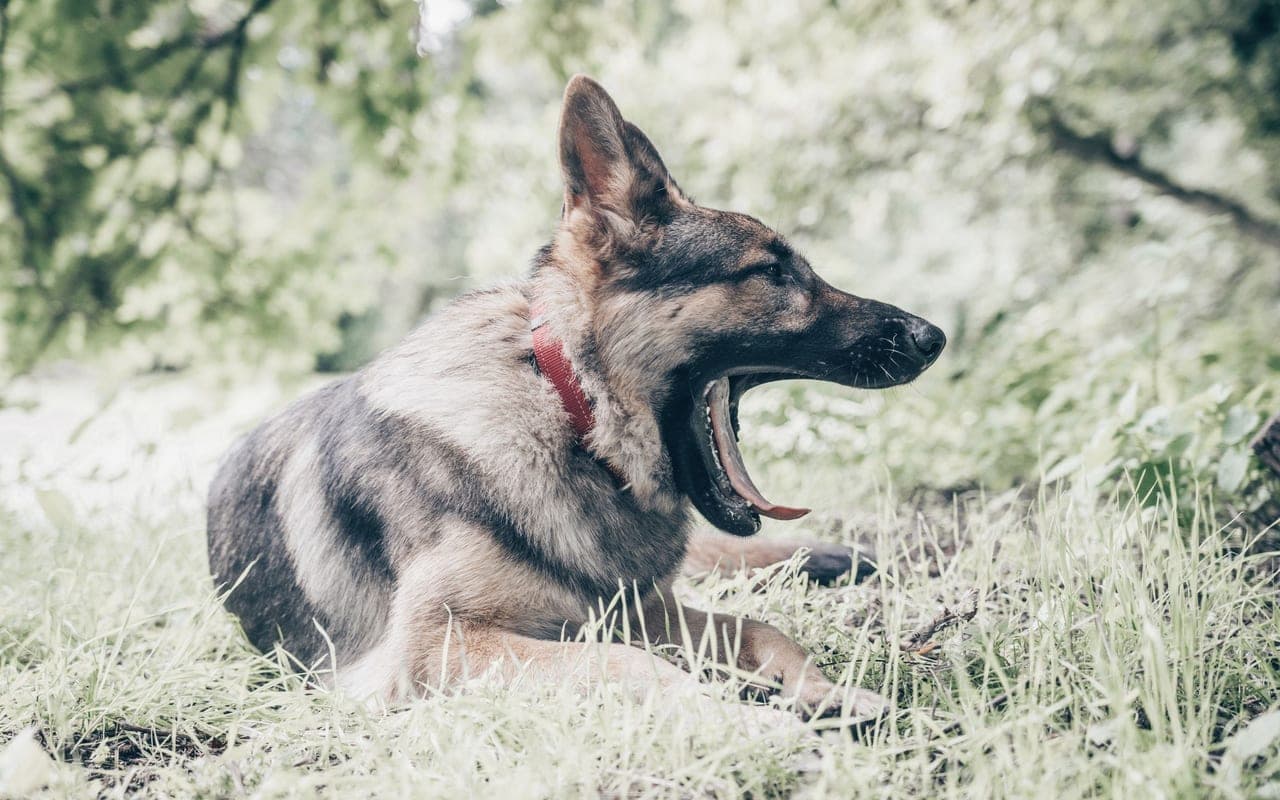
German Shepherd
Also in the Herding group, with different care and temperament tradeoffs.
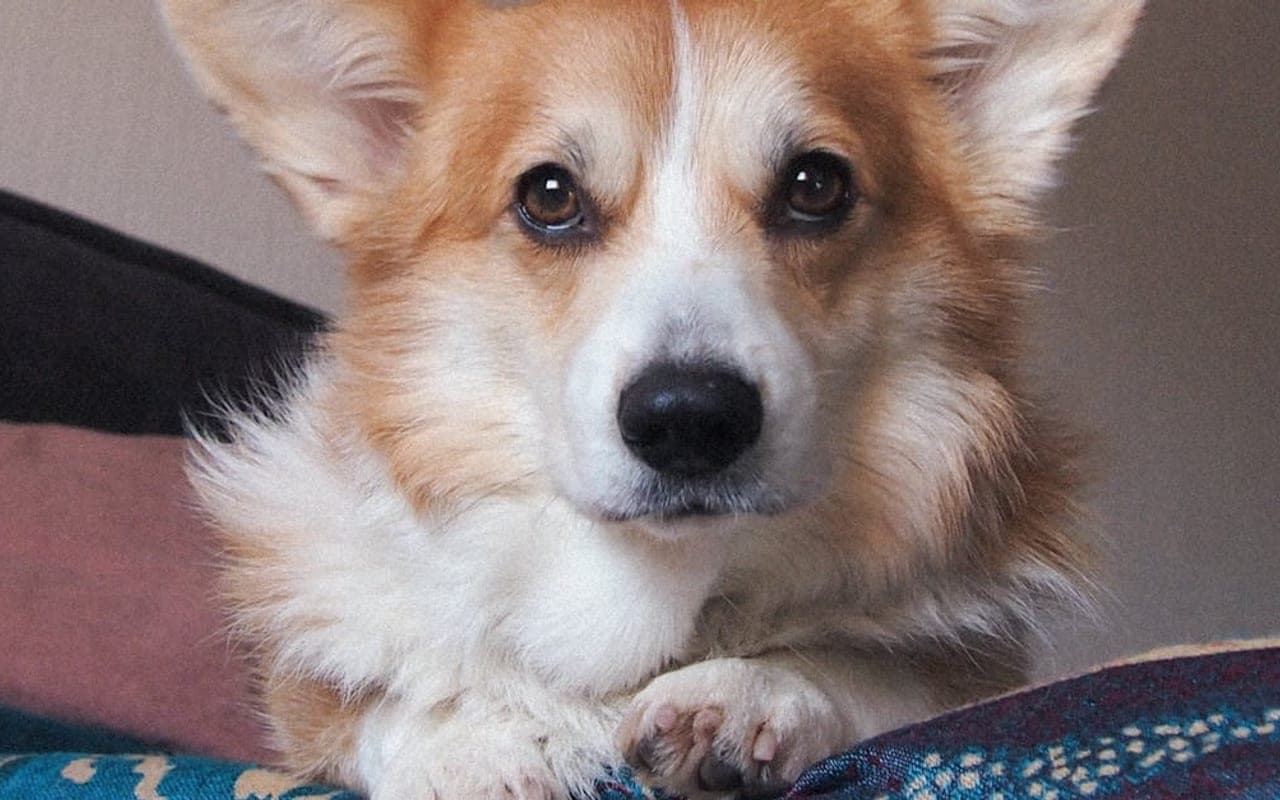
Pembroke Welsh Corgi
Also in the Herding group, with different care and temperament tradeoffs.
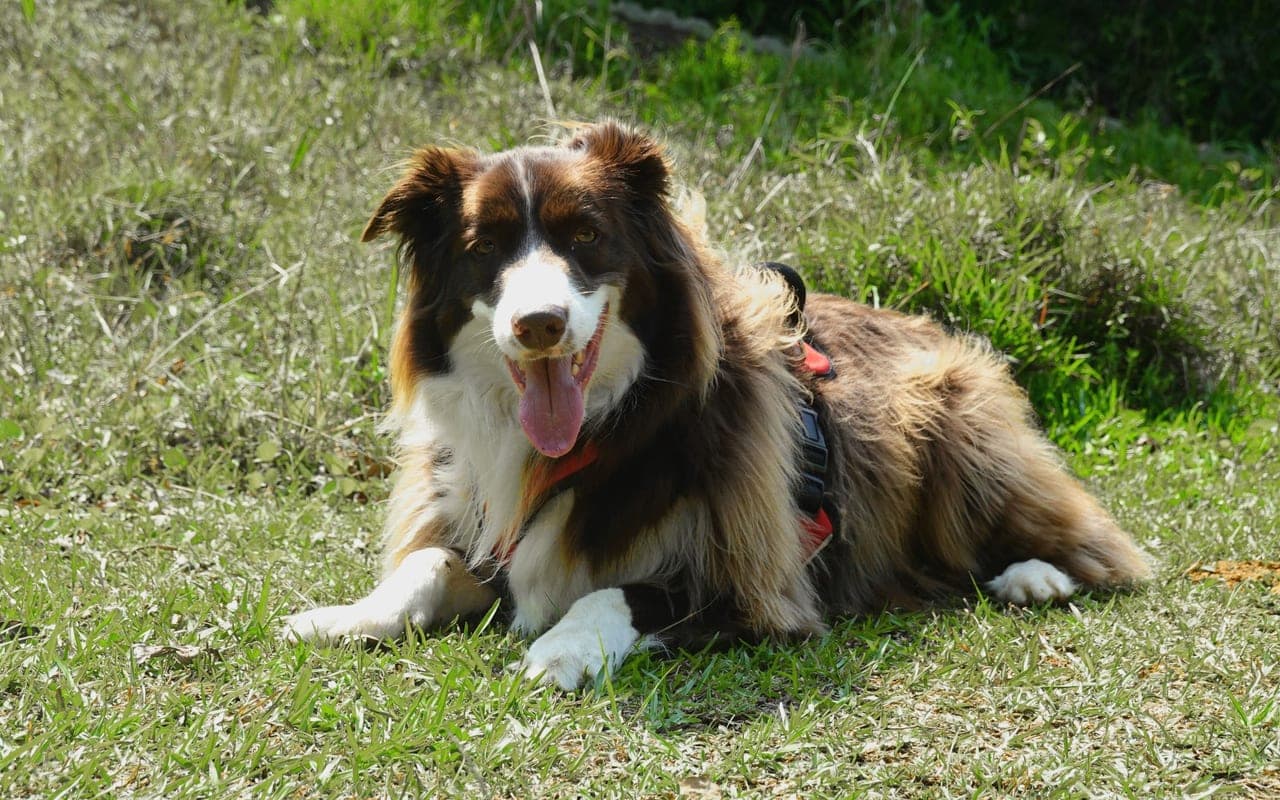
Border Collie
Also in the Herding group, with different care and temperament tradeoffs.
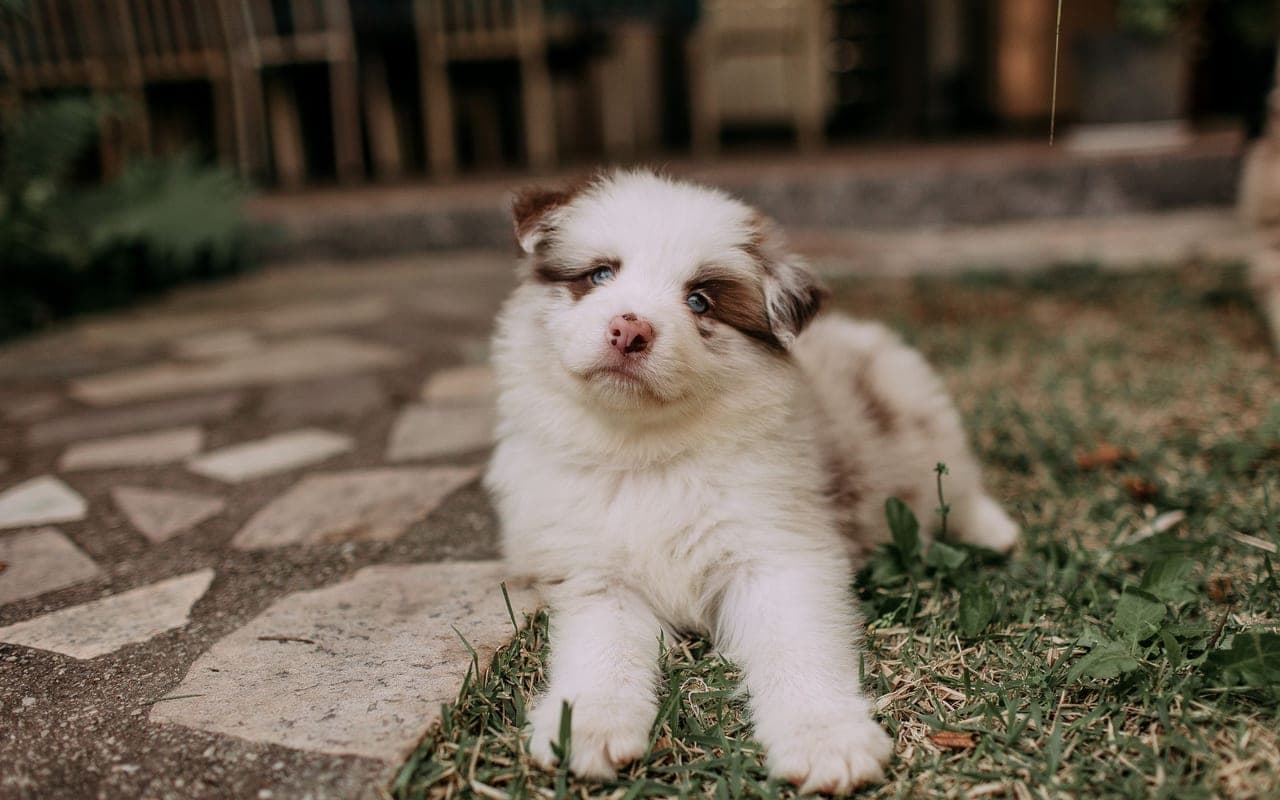
Australian Shepherd
Also in the Herding group, with different care and temperament tradeoffs.
Explore More About Shetland Sheepdog
Dive deeper into everything Shetland Sheepdog — costs, care, and expert insights.
How Much Does a Shetland Sheepdog Cost?
Purchase price, monthly costs, and lifetime expenses
Shetland Sheepdog Care Guide
This Shetland Sheepdog care guide gives owners a practical plan...
Considering a cat instead?
Browse Cats