
Foundation Stock Service group
Shikoku
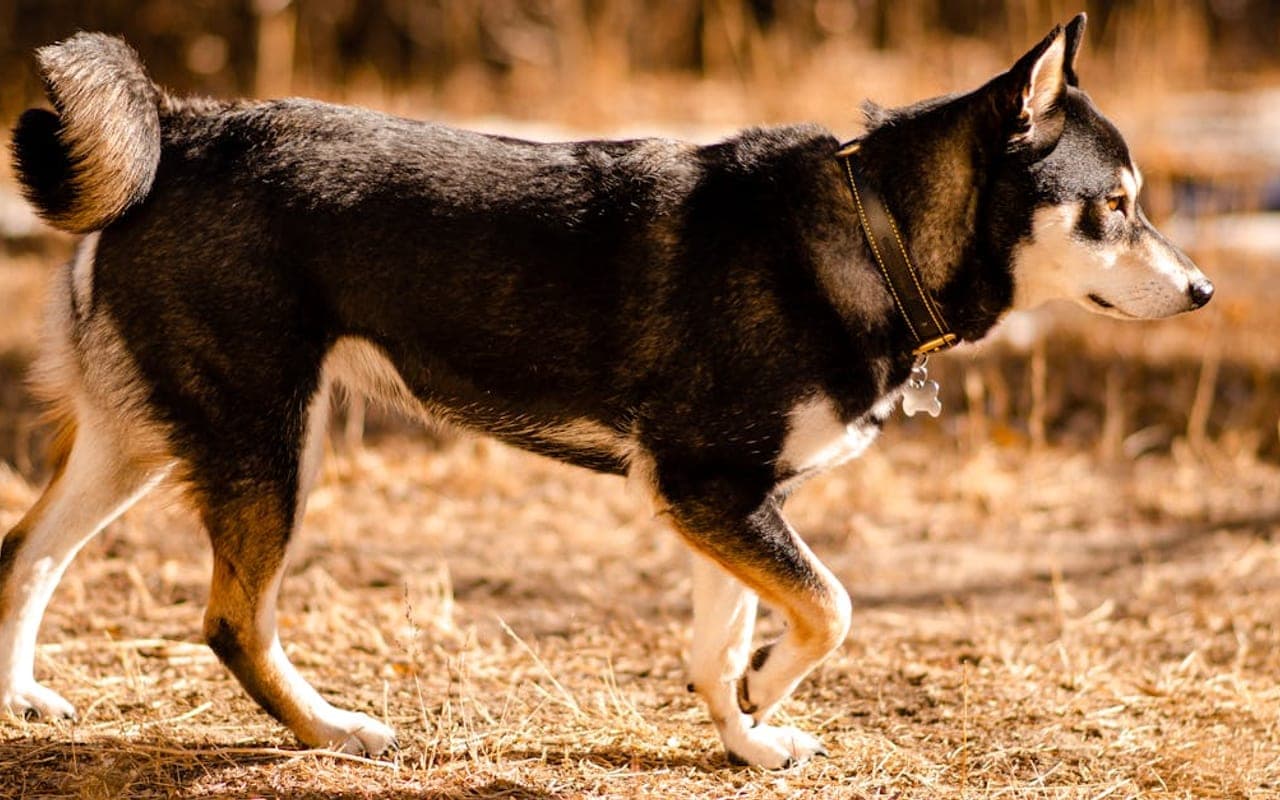
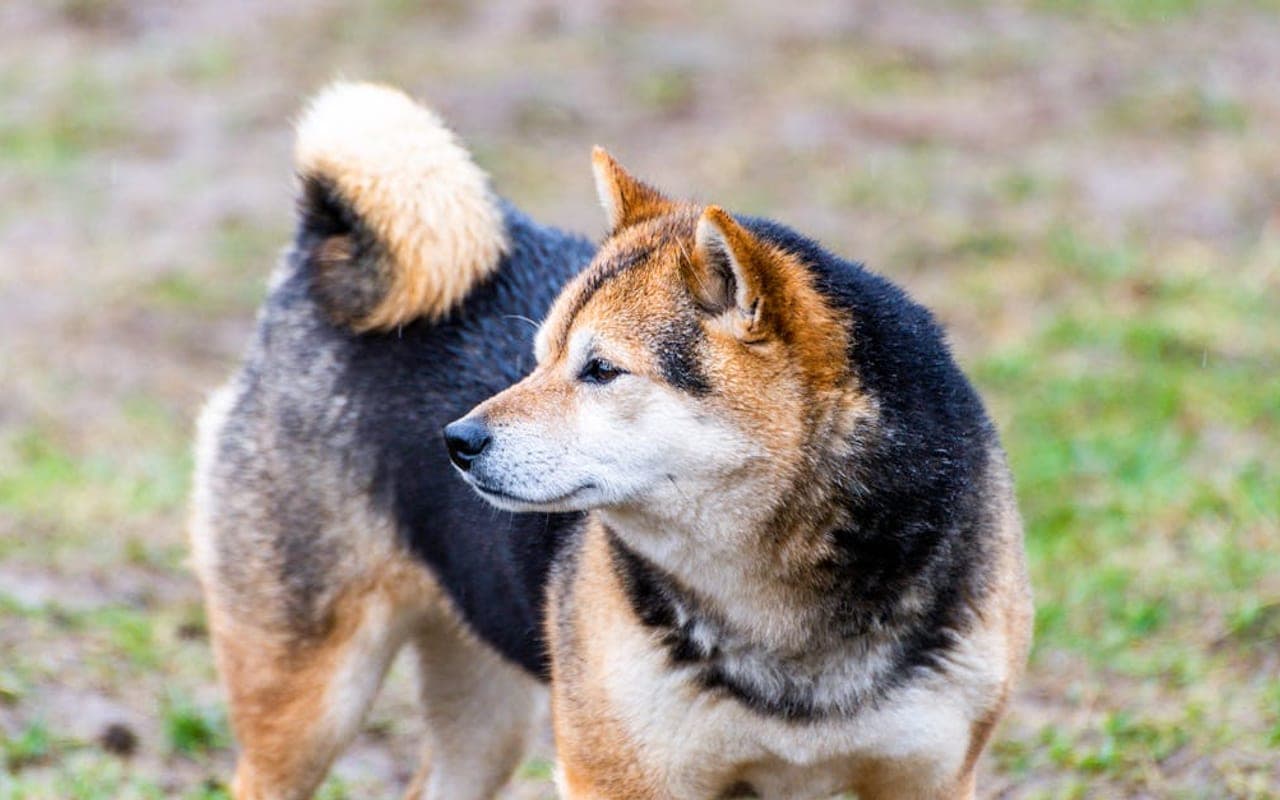
The Shikoku, also called the Kochi-ken, is a medium Japanese Nihon Ken — typically 16-25 kg and built like a compact, hard-muscled spitz with prick ears and a curled or sickle tail.

Size
35-55 lb
Lifespan
10-12 years
Exercise
30-60 minutes
Shedding
Moderate
Experience
Match to owner routine
Decision first
Is a Shikoku right for you?
Start with fit before history or trivia. These are ownership signals, not guarantees about any individual dog.
Best suited for
- Households with children.
- Homes with other compatible pets.
- Owners seeking a manageable daily exercise routine.
Think carefully if
- You need a dog with almost no daily routine.
- You cannot keep up with grooming and preventive care.
- The dog will spend most days alone without support.
Conditional fit
Apartment living may be difficult unless the owner can meet the breed's exercise, training, and space needs.
Daily reality
Shikoku commitment snapshot
Daily exercise
30-60 minutes
Match activity to age, health, weather, and training goals.
Coat care
Moderate
Grooming needs vary by coat, shedding, and lifestyle.
Time alone
Needs planning
Most dogs need gradual alone-time conditioning and support.
Structured facts
Shikoku at a glance
The measurements and traits that most affect day-to-day life with this breed.
Group
Foundation Stock Service
Weight
35-55 lb
Height
18-22 in
Lifespan
10-12 years
Temperament
Energetic | Alert | Enthusiastic
View all characteristics and methodology
Lifestyle fit
- Apartment suitability
- Needs caution
- Child friendliness
- Often good, with socialisation and supervision
- Other-pet fit
- Often compatible with careful introductions
Owner commitment
- Exercise
- 30-60 minutes
- Grooming
- Moderate
- Shedding
- Moderate
- Training
- Moderate
Environment and health
- Health risk
- Needs planning
Ratings combine structured breed data, visible breed fields, and editorial context. They are planning aids, not predictions for an individual dog.
Daily life
Shikoku temperament and behavior
The Shikoku, also called the Kochi-ken, is a medium Japanese Nihon Ken — typically 16-25 kg and built like a compact, hard-muscled spitz with prick ears and a curled or sickle tail. It was bred by Matagi (traditional Japanese hunters) in the mountains of Kochi Prefecture to track and bay wild boar over steep terrain, and that working landrace origin is the key to understanding it: this is a hardy, primitive, intensely athletic dog, not a soft companion spitz, and one of its real assets is that it is genuinely robust rather than over-engineered. Temperament is classic Nihon Ken. The Shikoku is energetic, alert, and deeply bonded — described in its standard as docile toward its master but with a 'naive', honest character. It is more biddable and handler-focused than a Shiba and less aloof, but it retains the independence, high prey drive and same-sex dog intolerance typical of primitive Japanese breeds. It bonds hard to its family, is reserved (not friendly) with strangers, and is a poor candidate for off-lead freedom near wildlife or small animals. The double coat — harsh straight outer, soft dense undercoat, in red, sesame, or black and tan — is weather-hardy and self-cleaning but blows heavily twice a year. The honest framing: the Shikoku is, by rare-breed standards, a relatively healthy and uncomplicated dog physically. The complexity is behavioral. A high-drive boar-hunting landrace needs real exercise, secure containment (it can climb and jump), early and ongoing socialization, and an owner who respects its prey drive rather than wishing it away. Who the Shikoku is right for: an active owner who wants a hardy, loyal, primitive working-type dog and can provide a secure yard, daily vigorous exercise, and dog-aware management. Who it is wrong for: dog-park regulars, multi-same-sex-dog homes, free-roaming small-pet households, and owners expecting Labrador-style social ease.
Energetic | Alert | Enthusiastic
Energetic
A common Shikoku temperament descriptor that should be interpreted alongside training, exercise, and household fit.
Alert
A common Shikoku temperament descriptor that should be interpreted alongside training, exercise, and household fit.
Enthusiastic
A common Shikoku temperament descriptor that should be interpreted alongside training, exercise, and household fit.
Owner note
Temperament labels are starting points, not guarantees. Meet the individual dog and ask about behavior history whenever possible.
Care essentials
How to care for a Shikoku
What looking after one actually involves: exercise, grooming, food, training, and routine health.
ExerciseAs needed
- Moderately active breed needing 30-60 minutes of daily exercise.
GroomingAs needed
- Brush 2-3 times per week.
TrainingAs needed
- Consistent, patient training works best.
NutritionAs needed
- Feed high-quality dog food appropriate for age, size, and activity level.
Veterinary CareAs needed
- Annual wellness exams, vaccinations, dental care, and parasite prevention.
Health planning
Shikoku health risks and screening
Every breed has individual health variation. Use this profile for planning and discuss medical decisions with a veterinarian.
Responsible ownership
Finding a Shikoku responsibly
What to ask a breeder or rescue is the same conversation for every breed, so we keep it in one place and keep it current.
Health documentation, meeting the parents or foster, contracts and return support, and the warning signs worth walking away from.
Original purpose
Shikoku history
History is useful when it explains today's behavior, coat, exercise needs, and training style.
Read the breed history
The Shikoku is a Japanese landrace from the mountainous interior of Kochi Prefecture on Shikoku Island, developed and maintained by Matagi hunters to track and bay wild boar across steep, forested terrain. Its relative isolation in the mountains kept the type pure and hardy — selection was by working ability and survival, not by show point, which is why the breed remains physically sound and unexaggerated. Historically three regional strains (Awa, Hongawa, Hata) were recognized, with the remote Hongawa line considered the least crossed. The breed was designated a 'Living Natural Monument' of Japan in 1937, is preserved by the Nihon Ken Hozonkai (NIPPO), and remains rare outside Japan; it entered the AKC Foundation Stock Service for record-keeping. For owners this history is the practical point: a landrace selected for centuries by hunting performance in harsh country tends to be healthier and tougher than heavily refined breeds, but it also retains full working drive, independence and prey instinct — that is the deal, by design.
Gallery
Shikoku photos
Images are cropped consistently and loaded progressively to keep the page responsive.
Lower-page context
Shikokus in culture
Where the breed shows up in film, sport, work and folklore — the enjoyable part, once the practical questions are answered.
Fun facts
- The Shikoku belongs to the Foundation Stock Service.
- The average lifespan of a Shikoku is 10 to 12 years.
- Shikoku dogs are valued for their energetic, alert, enthusiastic nature.
Shikoku FAQs
How long do Shikoku dogs live?
Typically 10-12 years, and many reach the upper end because the breed is a relatively sound working landrace rather than a heavily exaggerated type. The main influences on a Shikoku's lifespan are keeping it lean (this hardy breed gets fat easily from over-feeding), enough real exercise, and early workup of the breed's uncommon-but-real concerns — epilepsy and orthopedic issues — rather than a wait-and-see approach.
Are Shikoku dogs good with children and other pets?
Good with respectful children in its own family, with supervision — it is loyal and bonded but primitive and not infinitely tolerant of rough handling. With other animals it is harder: the Shikoku has a strong prey drive (it was bred to hunt boar) and notable same-sex dog intolerance. It can live with animals it is raised with under management, but small free-roaming pets and another intact same-sex dog are high-friction combinations. Lifelong socialization is essential, not optional.
How much exercise does a Shikoku need?
A lot — plan for at least 60 minutes of vigorous daily activity plus mental work. This is a boar-hunting landrace with the stamina and drive to match; a couple of short street walks will not satisfy it, and an under-exercised Shikoku turns destructive, vocal and escape-focused. Hiking, trail running, scent work and structured play suit it well. It is an excellent active-owner dog and a poor sedentary-household dog.
Is the Shikoku easy to train?
More trainable than a Shiba and genuinely handler-focused, but still a primitive, independent breed — it cooperates with a respected handler rather than blindly obeying. Use early, consistent, reward-based training and heavy socialization. The hardest item is recall: high prey drive means you should not rely on off-lead reliability around wildlife, livestock or small animals regardless of training. Treat secure containment as the real solution, not perfect obedience.
Is the Shikoku a healthy breed?
Comparatively, yes. As a working Japanese landrace selected for performance rather than appearance, it is physically robust and relatively free of the exaggerated-conformation problems that plague many refined breeds. It is not problem-free: hip dysplasia, patellar luxation, idiopathic epilepsy and allergies do occur. The honest summary is 'hardy but not immune' — buy from health-tested parents and do not let the breed's toughness become an excuse to skip screening or to over-feed.
Can a Shikoku live in an apartment?
It is not ideal but it is possible for a committed, active owner who delivers the exercise and mental work the breed needs daily — the limiting factor is the dog's energy and drive, not its size. Without that outlet an apartment Shikoku becomes vocal and destructive. Containment also matters: this is an agile, escape-prone breed, so balconies, doors and any access points must be genuinely secure. A house with a tall-fenced yard suits the breed far better.
Sources
These are the published sources this page draws on. Each opens in a new tab so you can check it yourself.
American Kennel Club
Shikoku — breed standard and profile(opens in a new tab)Supports: Breed standard and recognition details.
Similar breeds to consider
Jagdterrier
Also in the Foundation Stock Service group, with different care and temperament tradeoffs.
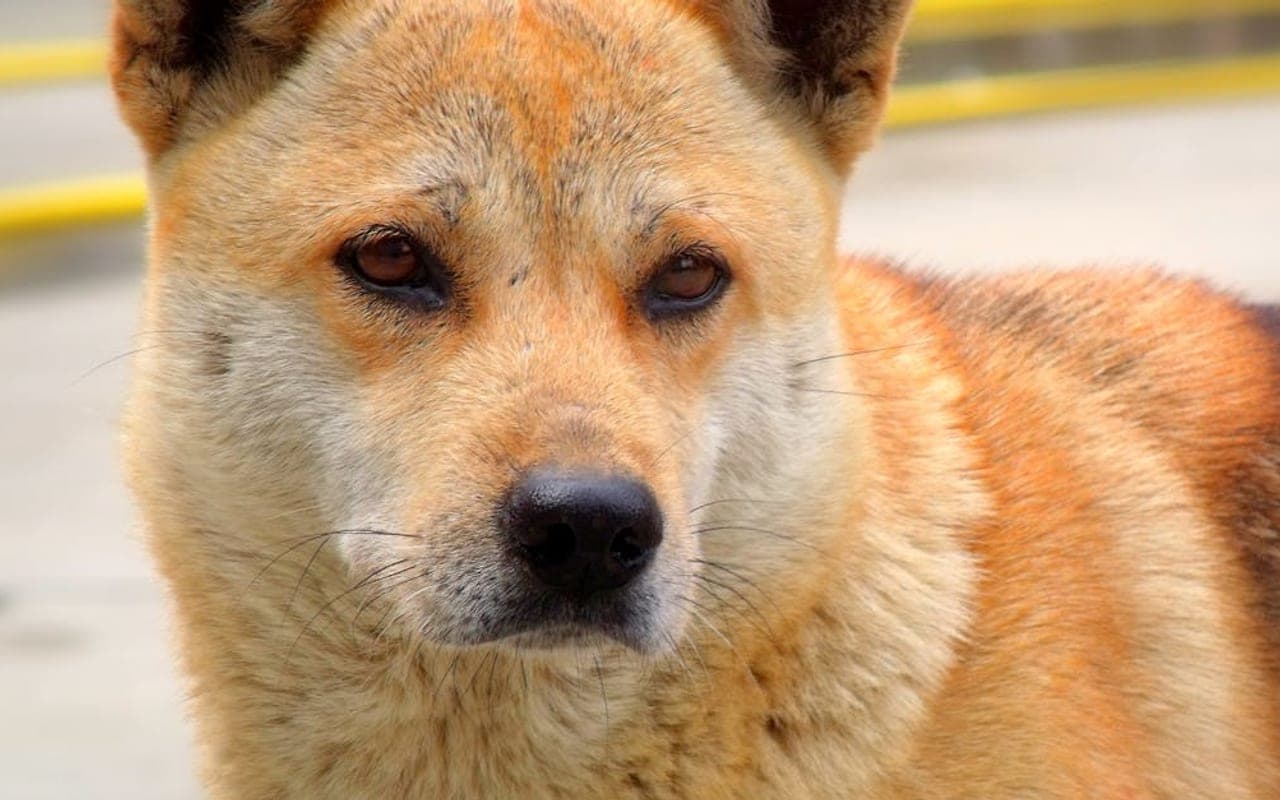
Jindo
Also in the Foundation Stock Service group, with different care and temperament tradeoffs.
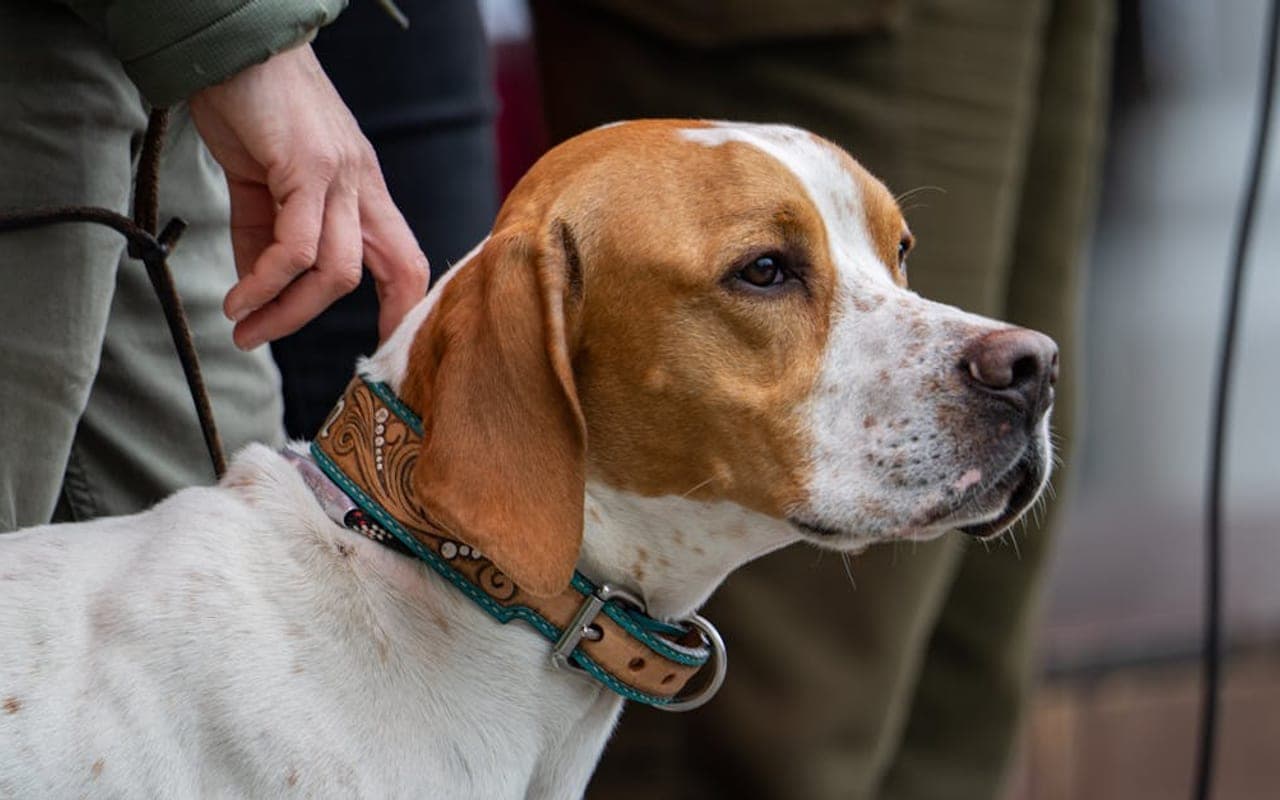
Portuguese Pointer
Also in the Foundation Stock Service group, with different care and temperament tradeoffs.
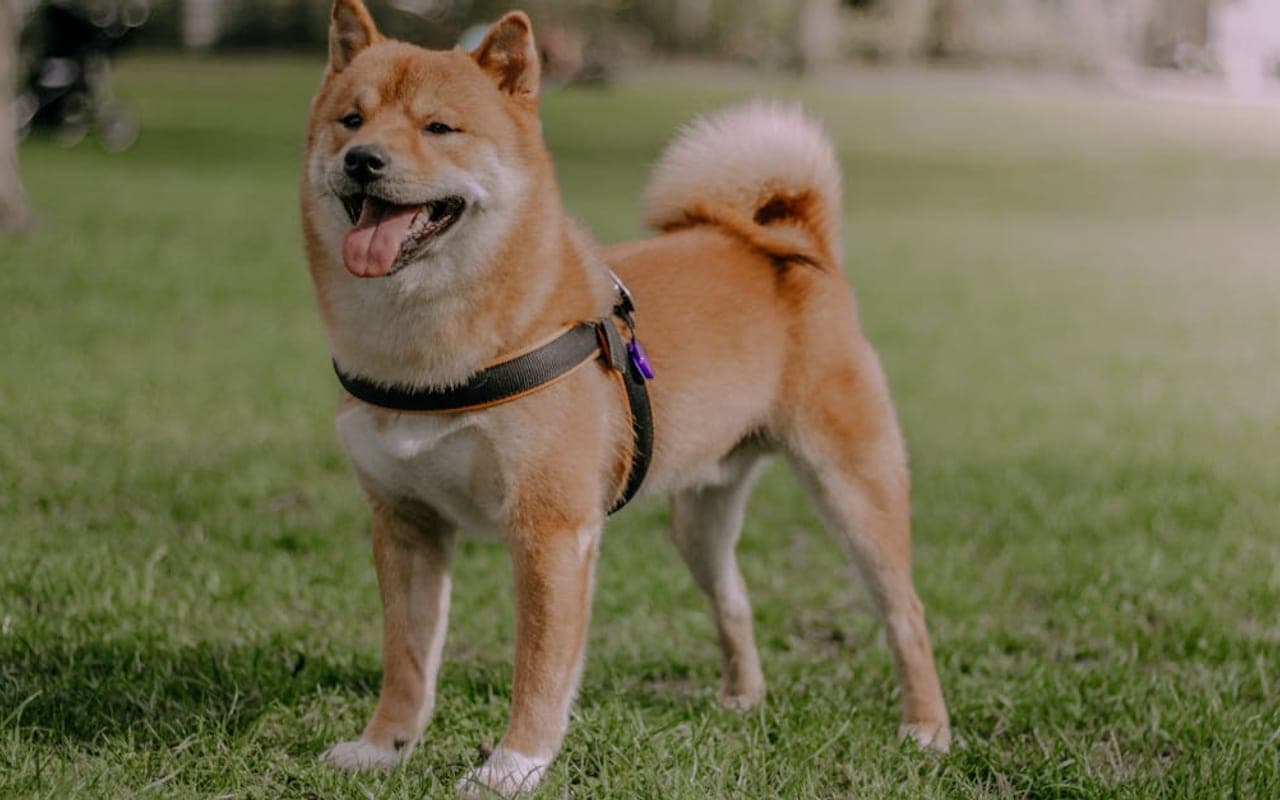
Kishu Ken
Also in the Foundation Stock Service group, with different care and temperament tradeoffs.
Explore More About Shikoku
Dive deeper into everything Shikoku — costs, care, and expert insights.
Large Dog Care Guide: Everything Over 50 lbs
Owning a large or giant breed dog means accepting one of biology's...
Puppy Teething & Biting: Timeline and What Actually Works
A puppy has all 28 deciduous ("baby") teeth by roughly eight weeks of age, and...
Considering a cat instead?
Browse Cats