
Toy group
Silky Terrier
The Silky Terrier is a true terrier in a 10-inch, 8-to-10-pound package — and the word 'toy' on the AKC group label is the single biggest source of buyer disappointment with this breed.
Size
8-11 lb
Lifespan
13-15 years
Exercise
30-60 minutes
Shedding
Moderate
Experience
Match to owner routine
Decision first
Is a Silky Terrier right for you?
Start with fit before history or trivia. These are ownership signals, not guarantees about any individual dog.
Best suited for
- Households with children.
- Homes with other compatible pets.
- Apartment homes with a consistent routine.
- Owners seeking a manageable daily exercise routine.
Think carefully if
- You need a dog with almost no daily routine.
- You cannot keep up with grooming and preventive care.
- The dog will spend most days alone without support.
Conditional fit
Apartment fit depends on exercise, enrichment, noise management, and outdoor access.
Daily reality
Silky Terrier commitment snapshot
Daily exercise
30-60 minutes
Match activity to age, health, weather, and training goals.
Coat care
Moderate
Grooming needs vary by coat, shedding, and lifestyle.
Time alone
Needs planning
Most dogs need gradual alone-time conditioning and support.
Structured facts
Silky Terrier at a glance
The measurements and traits that most affect day-to-day life with this breed.
Group
Toy
Weight
8-11 lb
Height
9-10 in
Lifespan
13-15 years
Temperament
Friendly | Quick | Keenly Alert
View all characteristics and methodology
Lifestyle fit
- Apartment suitability
- Likely fit
- Child friendliness
- Often good, with socialisation and supervision
- Other-pet fit
- Often compatible with careful introductions
Owner commitment
- Exercise
- 30-60 minutes
- Grooming
- Moderate
- Shedding
- Moderate
- Training
- Moderate
Environment and health
- Health risk
- Needs planning
Ratings combine structured breed data, visible breed fields, and editorial context. They are planning aids, not predictions for an individual dog.
Daily life
Silky Terrier temperament and behavior
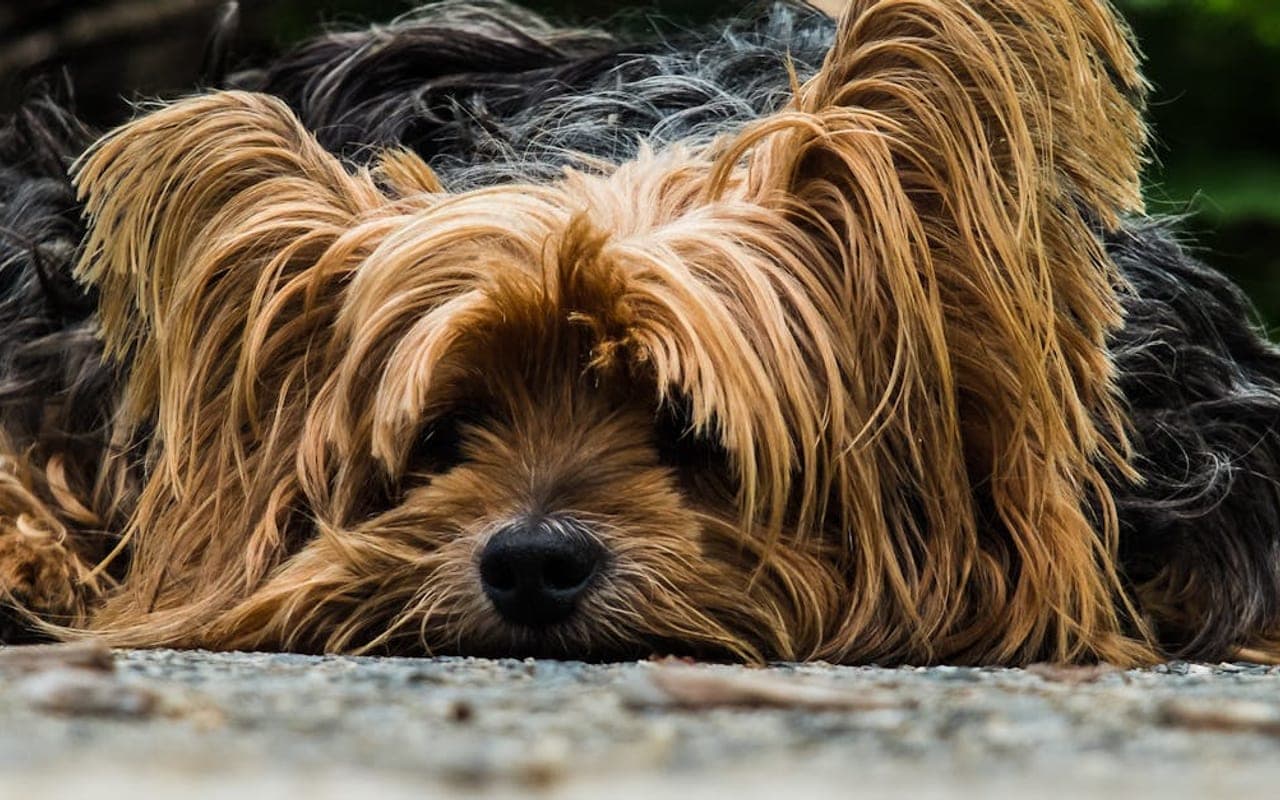
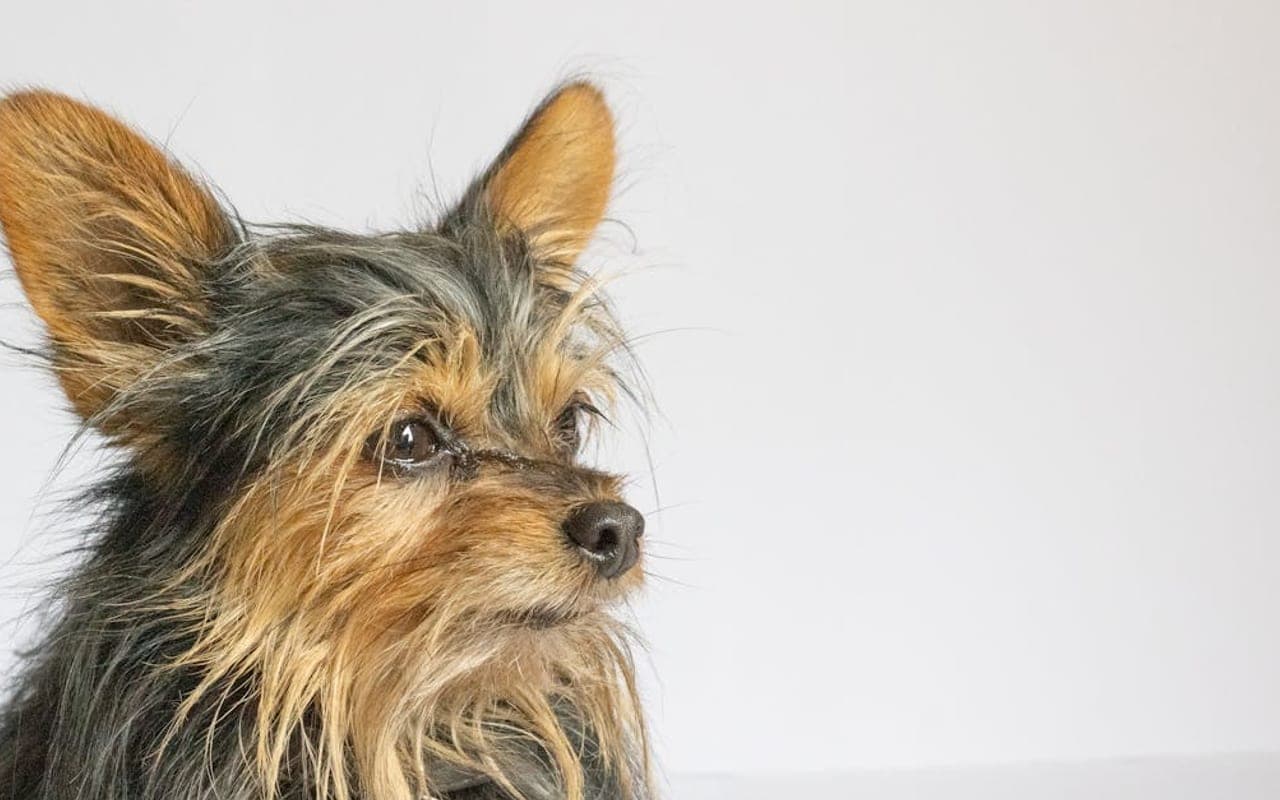
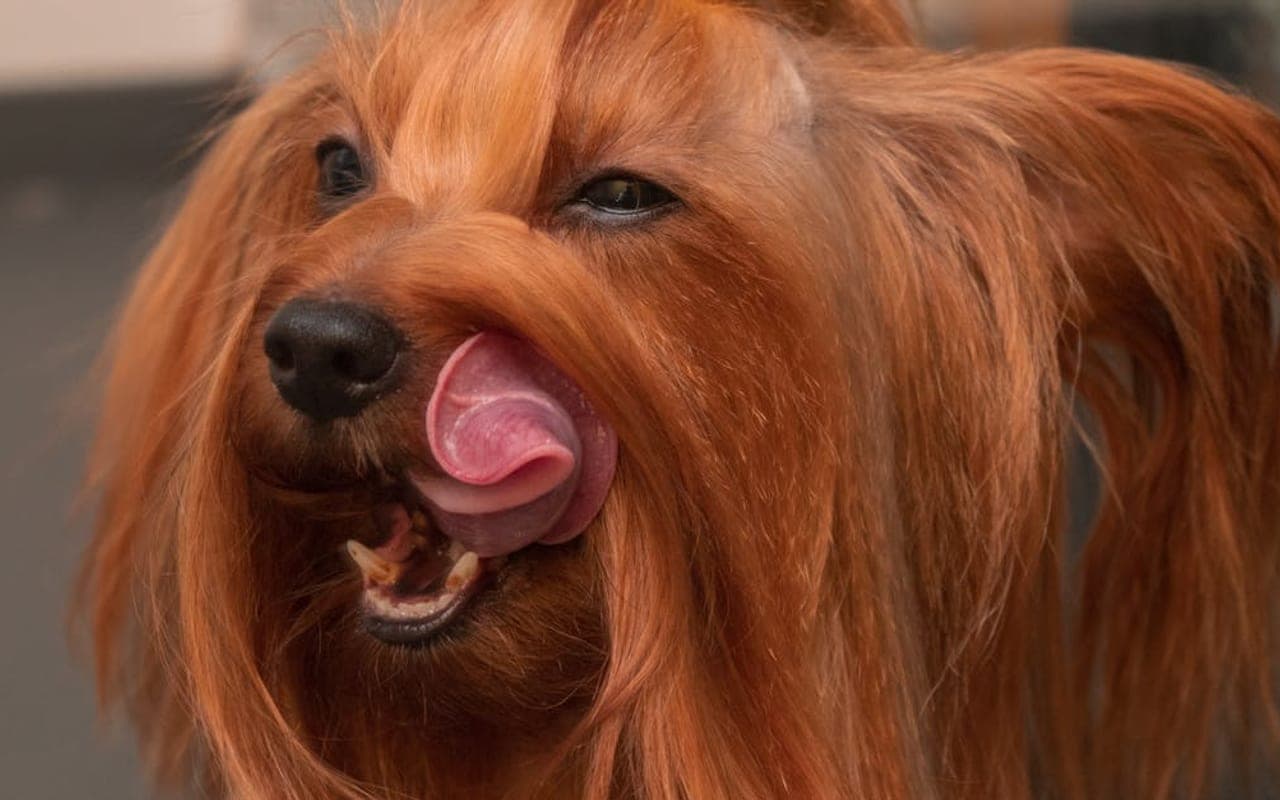
The Silky Terrier is a true terrier in a 10-inch, 8-to-10-pound package — and the word 'toy' on the AKC group label is the single biggest source of buyer disappointment with this breed. People see the silky blue-and-tan coat and the lap-size frame and expect a decorative companion dog. What they get is a fast, prey-driven earthdog with a high-prey-drive nervous system and a strong opinion about everything. The Silky is bigger, leggier, and considerably more terrier than its cousin the Yorkshire Terrier; it was bred in Sydney, Australia, by crossing Yorkshires with Australian Terriers to make a refined home companion that could still kill a rat in the garden. That ratting wiring did not go away. Physically, the breed is built like a small, agile working dog: a flat skull, V-shaped erect ears, almond eyes with a piercing keen expression, and a single-layered, hair-like coat (not fur) that reaches the floor in show condition. The coat sheds very little but mats fast and needs real maintenance. Temperament is the deciding factor. Silkys are alert, busy, bold, and vocal — they will tell you about the mail carrier, the doorbell, and the neighbor's cat at volume. They bond intensely to their household, are clever enough to train but stubborn enough to negotiate, and they need a job or they invent one (usually digging or barking). Who the Silky is right for: an active owner or family with older children who wants an interactive, low-shedding small dog and will commit to daily exercise, training, and serious coat care. Who it is wrong for: anyone wanting a quiet decorative lap dog, a first dog for a household that cannot tolerate barking, or a family with toddlers who will pull that long coat. Decide on the terrier underneath, not the silk on top.
Friendly | Quick | Keenly Alert
Friendly
A common Silky Terrier temperament descriptor that should be interpreted alongside training, exercise, and household fit.
Quick
A common Silky Terrier temperament descriptor that should be interpreted alongside training, exercise, and household fit.
Keenly Alert
A common Silky Terrier temperament descriptor that should be interpreted alongside training, exercise, and household fit.
Owner note
Temperament labels are starting points, not guarantees. Meet the individual dog and ask about behavior history whenever possible.
Care essentials
How to care for a Silky Terrier
What looking after one actually involves: exercise, grooming, food, training, and routine health.
ExerciseAs needed
- Moderately active breed needing 30-60 minutes of daily exercise.
GroomingAs needed
- Brush 2-3 times per week.
TrainingAs needed
- Consistent, patient training works best.
NutritionAs needed
- Feed high-quality dog food appropriate for age, size, and activity level.
Veterinary CareAs needed
- Annual wellness exams, vaccinations, dental care, and parasite prevention.
Health planning
Silky Terrier health risks and screening
Every breed has individual health variation. Use this profile for planning and discuss medical decisions with a veterinarian.
Responsible ownership
Finding a Silky Terrier responsibly
What to ask a breeder or rescue is the same conversation for every breed, so we keep it in one place and keep it current.
Health documentation, meeting the parents or foster, contracts and return support, and the warning signs worth walking away from.
Original purpose
Silky Terrier history
History is useful when it explains today's behavior, coat, exercise needs, and training style.
Read the breed history
The Silky Terrier was developed in Sydney, Australia, in the late 19th and early 20th centuries by crossing Yorkshire Terriers imported from Britain with the native Australian Terrier. The breeders' goal was a refined city companion that kept the Yorkshire's glamorous long coat and small size while gaining the hardier constitution and ratting ability of the Australian Terrier. The result was originally called the Sydney Silky Terrier, and for decades it competed with the Australian Terrier and Yorkshire for clarity of type — early litters could contain all three. A breed standard was set in Australia in the early 1900s to fix type and separate the Silky as its own breed. It reached the United States with returning servicemen after World War II and was recognized by the AKC in 1959, placed in the Toy Group despite its working-terrier function and instincts — a classification that still misleads buyers today.
Gallery
Silky Terrier photos
Images are cropped consistently and loaded progressively to keep the page responsive.
Lower-page context
Silky Terriers in culture
Where the breed shows up in film, sport, work and folklore — the enjoyable part, once the practical questions are answered.
Fun facts
- The Silky Terrier belongs to the Toy Group.
- The average lifespan of a Silky Terrier is 13 to 15 years.
- Silky Terrier dogs are valued for their friendly, quick, keenly alert nature.
Silky Terrier FAQs
How long do Silky Terriers live?
A healthy Silky Terrier typically lives 13-15 years, which is long even for a small dog. The main thing that shortens that span in this breed is diabetes — Silkys are one of the most diabetes-prone breeds, and poorly controlled diabetes drives down both lifespan and quality of life. Keeping the dog lean from puppyhood, feeding measured meals rather than free-feeding, and catching the early signs (excess drinking and urination) is the single biggest lever you have on longevity here.
Are Silky Terriers good with children?
Better with older children than with toddlers. Silkys are sturdy, playful, and energetic enough to keep up with active kids who throw a ball and respect the dog. The problems come with very young children: the long single coat invites pulling, the dog is small enough to be injured by a drop or a fall, and the terrier temperament will not tolerate rough handling indefinitely. With school-age children who have been taught gentle handling and supervised early on, the breed does well as a family dog.
How much grooming does a Silky Terrier really need?
More than most people expect — this is the breed's hidden cost. The coat is single-layered and hair-like, so it sheds very little but mats within days if not maintained. Plan on brushing and combing to the skin 3-4 times a week, a bath every 2-3 weeks, and a professional groom every 6-10 weeks. If you do not want that commitment, having the coat clipped into a short pet trim is a completely legitimate choice that cuts grooming time and cost dramatically without harming the dog.
Do Silky Terriers bark a lot?
Yes. The Silky is an alert, vocal terrier that announces visitors, sounds, and movement at volume, and barking can escalate into a habit if it goes unaddressed or if the dog is under-exercised and bored. This is the most common reason Silkys are surrendered or returned. It is manageable with daily exercise, mental work, and consistent training from puppyhood, but you should not buy this breed if a barky dog is a dealbreaker in your home or building.
Are Silky Terriers easy to train and house-train?
They are intelligent and capable but independent and stubborn — a classic terrier combination. They learn commands quickly when motivated with food and play, but they will test inconsistency and negotiate. House-training is moderate; small terriers can be slower than average and benefit from strict crate-and-schedule routines rather than free roaming during the process. Firm, consistent, reward-based training started early works; harsh corrections backfire and make the dog more reactive.
How much exercise does a Silky Terrier need?
Plan on 45-60 minutes a day split across two sessions, plus mental enrichment. Despite the toy-group label, this is a working terrier and a single short walk will not satisfy it. Two brisk 20-minute walks plus a training or puzzle-toy session keeps the dog physically and mentally settled. Under-exercised Silkys redirect that energy into digging, barking, and destructive chewing — the exercise requirement is not optional, it is the price of a well-behaved dog.
Sources
These are the published sources this page draws on. Each opens in a new tab so you can check it yourself.
American Kennel Club
Silky Terrier — breed standard and profile(opens in a new tab)Supports: Breed standard and recognition details.
Similar breeds to consider
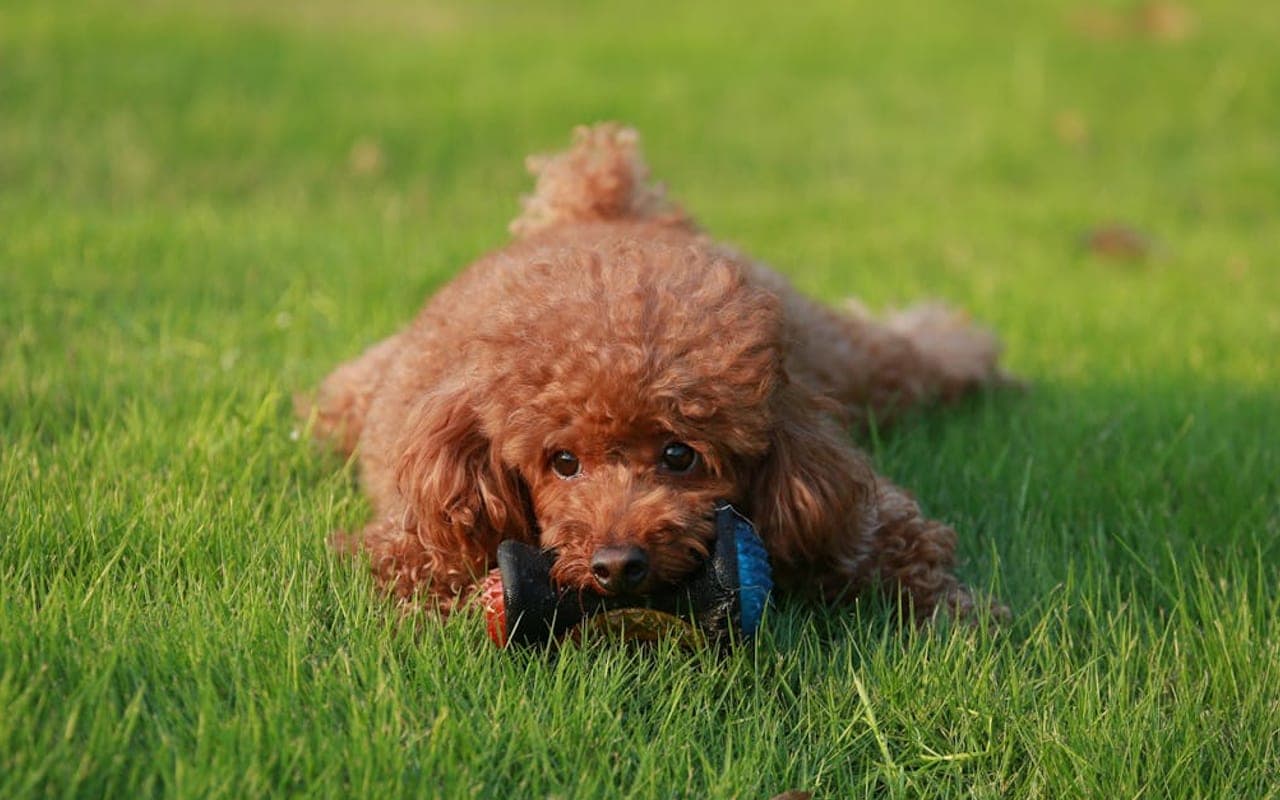
Poodle (Toy)
Also in the Toy group, with different care and temperament tradeoffs.
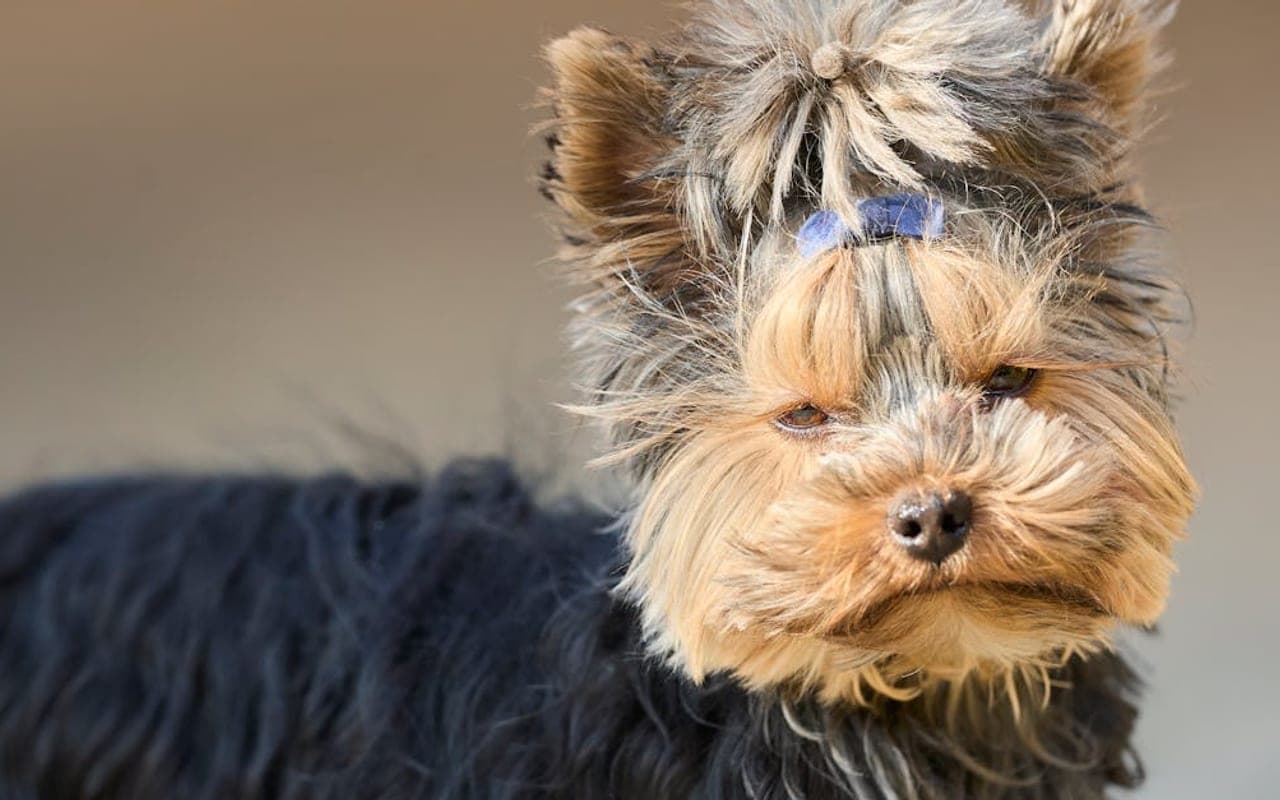
Yorkshire Terrier
Also in the Toy group, with different care and temperament tradeoffs.
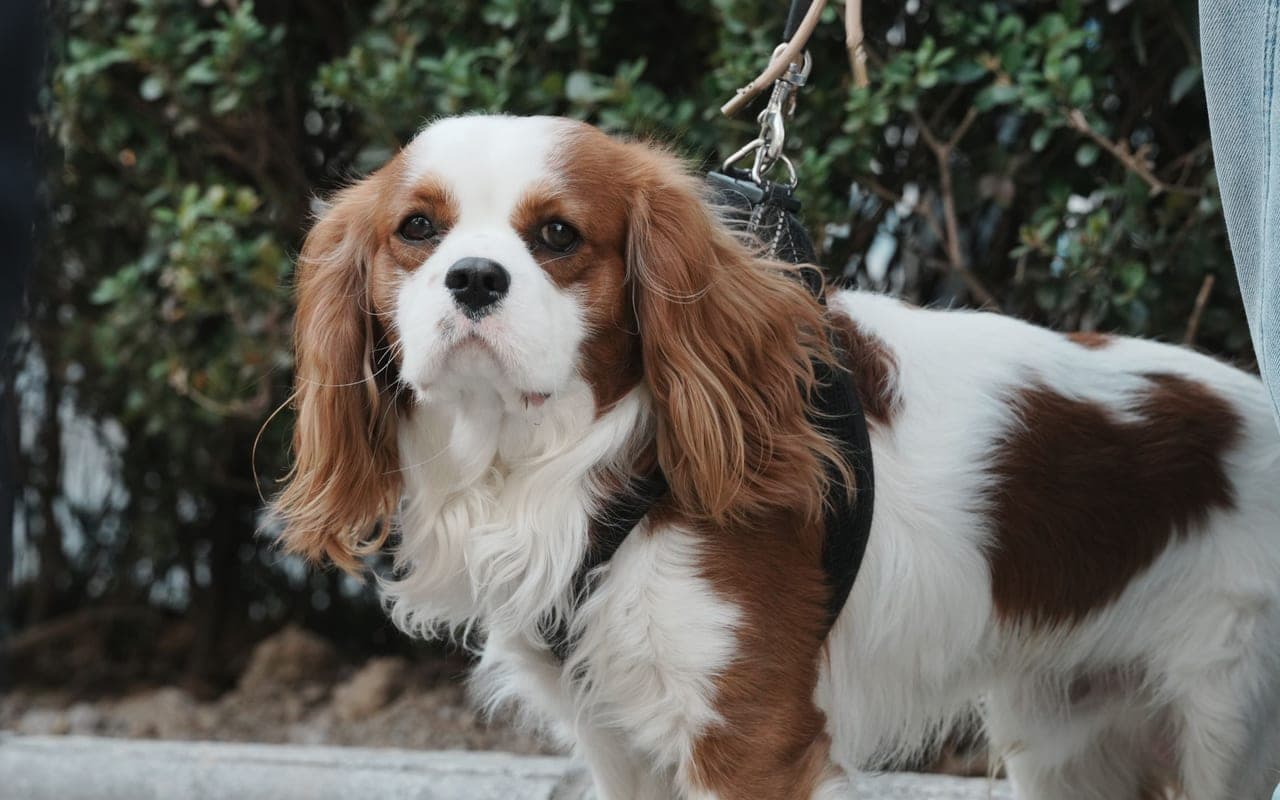
Cavalier King Charles Spaniel
Also in the Toy group, with different care and temperament tradeoffs.
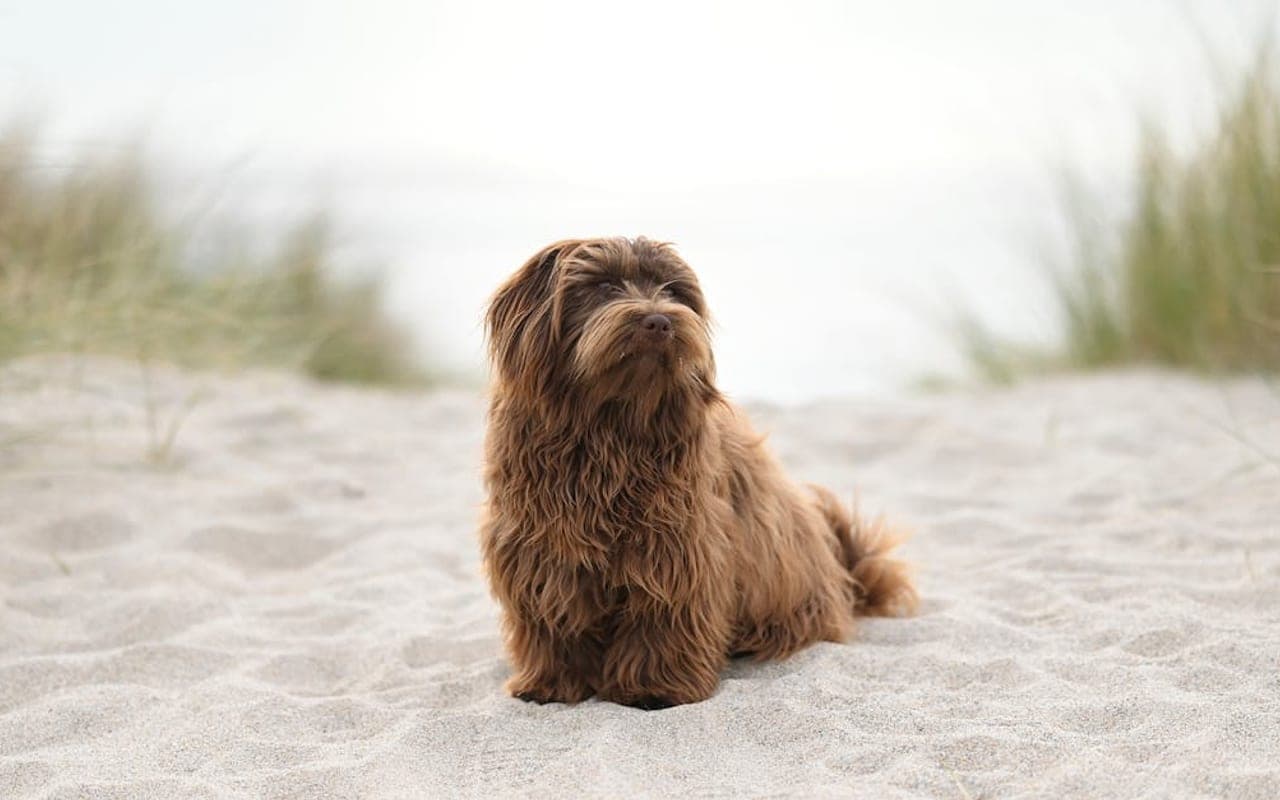
Havanese
Also in the Toy group, with different care and temperament tradeoffs.
Explore More About Silky Terrier
Dive deeper into everything Silky Terrier — costs, care, and expert insights.
Considering a cat instead?
Browse Cats