
Terrier group
Skye Terrier
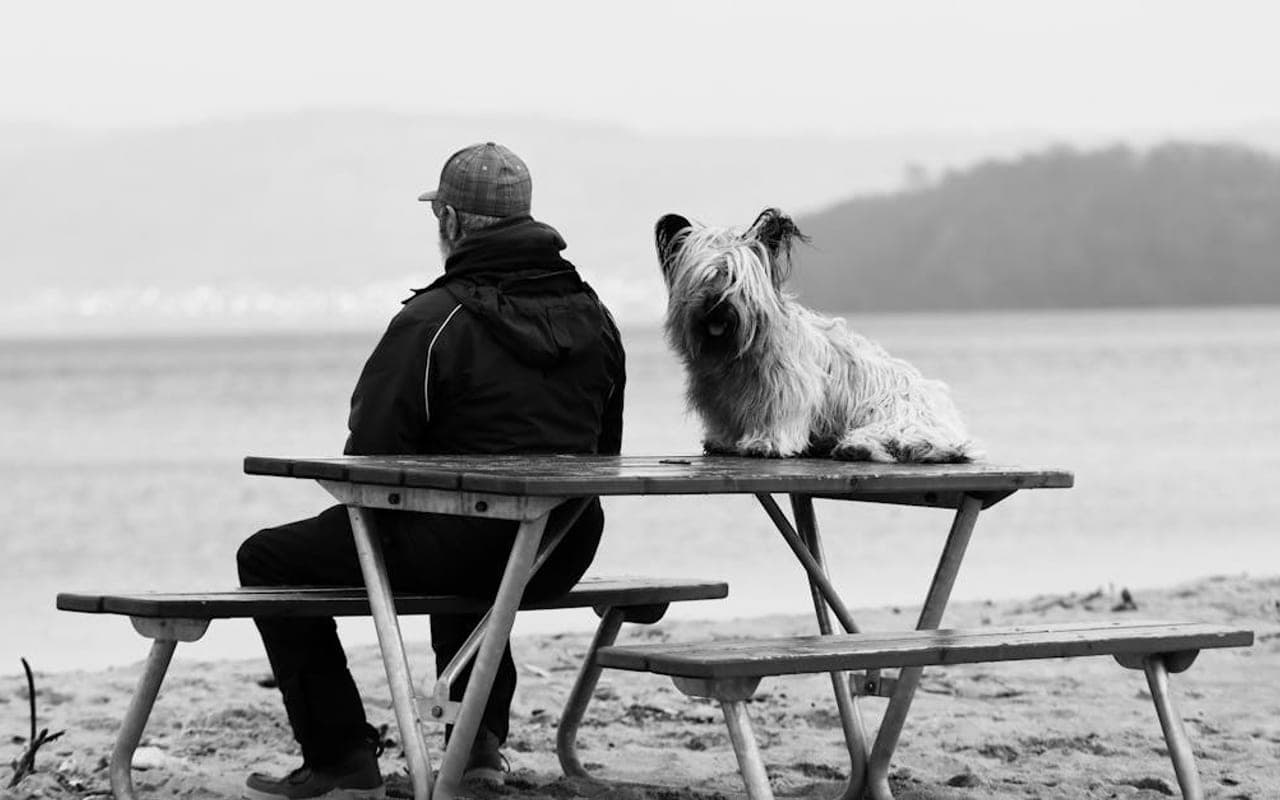
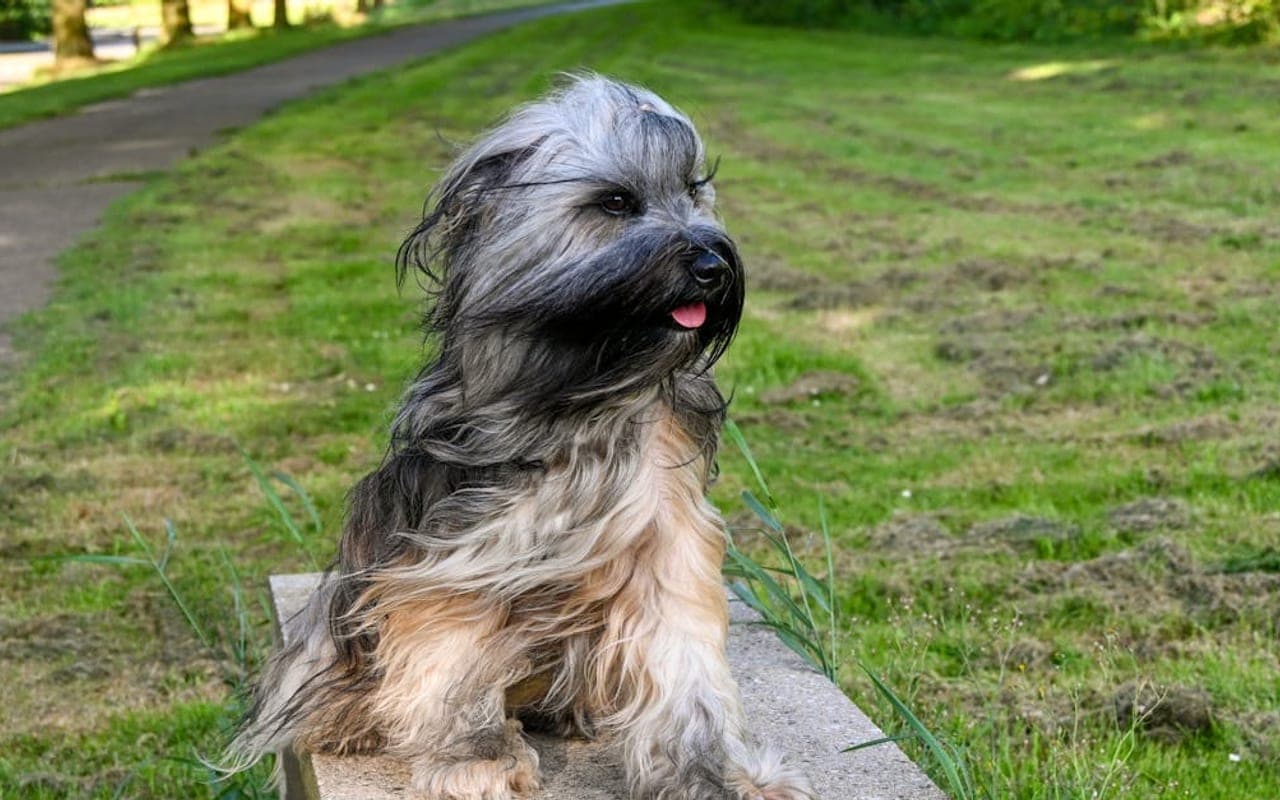
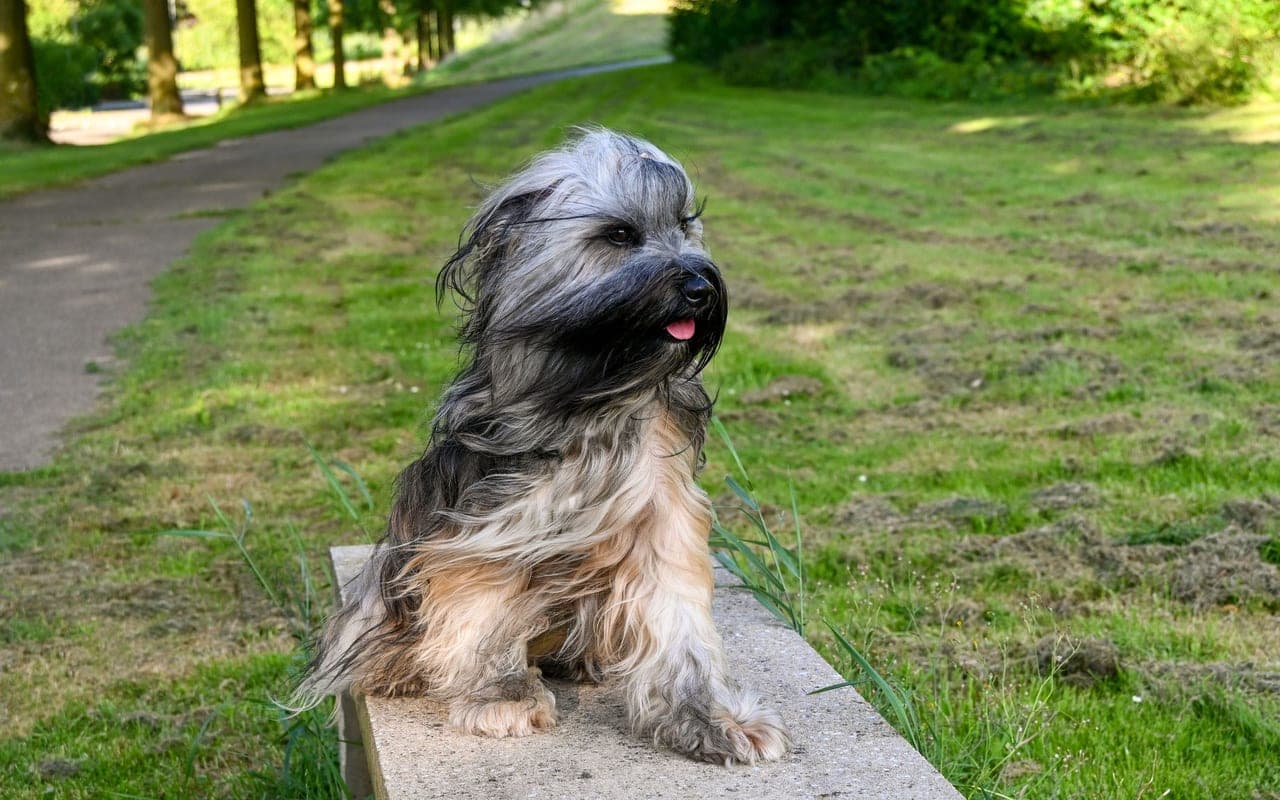
The Skye Terrier is a long, low, heavily coated earthdog standing about 9 to 10 inches tall but stretching twice as long as it is high, weighing 35 to 45 pounds — far heavier and more substantial than the small height suggests.

Size
25-45 lb
Lifespan
12-14 years
Exercise
30-60 minutes
Shedding
Moderate
Experience
Match to owner routine
Decision first
Is a Skye Terrier right for you?
Start with fit before history or trivia. These are ownership signals, not guarantees about any individual dog.
Best suited for
- Households with children.
- Homes with other compatible pets.
- Apartment homes with a consistent routine.
- Owners seeking a manageable daily exercise routine.
Think carefully if
- You need a dog with almost no daily routine.
- You cannot keep up with grooming and preventive care.
- The dog will spend most days alone without support.
Conditional fit
Apartment fit depends on exercise, enrichment, noise management, and outdoor access.
Daily reality
Skye Terrier commitment snapshot
Daily exercise
30-60 minutes
Match activity to age, health, weather, and training goals.
Coat care
Moderate
Grooming needs vary by coat, shedding, and lifestyle.
Time alone
Needs planning
Most dogs need gradual alone-time conditioning and support.
Structured facts
Skye Terrier at a glance
The measurements and traits that most affect day-to-day life with this breed.
Group
Terrier
Weight
25-45 lb
Height
9-10 in
Lifespan
12-14 years
Temperament
Courageous | Good-Tempered | Canny
View all characteristics and methodology
Lifestyle fit
- Apartment suitability
- Likely fit
- Child friendliness
- Often good, with socialisation and supervision
- Other-pet fit
- Often compatible with careful introductions
Owner commitment
- Exercise
- 30-60 minutes
- Grooming
- Moderate
- Shedding
- Moderate
- Training
- Moderate
Environment and health
- Health risk
- Needs planning
Ratings combine structured breed data, visible breed fields, and editorial context. They are planning aids, not predictions for an individual dog.
Daily life
Skye Terrier temperament and behavior
The Skye Terrier is a long, low, heavily coated earthdog standing about 9 to 10 inches tall but stretching twice as long as it is high, weighing 35 to 45 pounds — far heavier and more substantial than the small height suggests. The flat-lying double coat, the curtain of hair over the eyes, and the dramatic prick or drop ears make it one of the most recognizable and least common terriers in the world. It is critically rare: among the most endangered native British breeds, with only a few dozen puppies registered annually in some countries, which shapes both price and availability. Understand the build and the loyalty before the looks. The long spine over short legs is the breed's defining structural trade-off — elegant, functional for its original den-work, and a mechanical liability for disc disease. The temperament is the other defining trait: the Skye is famously a one-family, sometimes one-person dog, deeply devoted, dignified, and reserved-to-suspicious with strangers. This is not a wiggly greet-everyone terrier. Day to day a Skye is calmer and more aloof than most terriers — courageous, canny, good-tempered with its people, but stubborn, sensitive to harsh handling, and prone to wariness or guarding if under-socialized. Early, thorough socialization is not optional polish; it is what separates a dignified companion from a fearful, snappy one. Who the Skye is right for: an experienced, patient owner who wants a devoted, low-volume companion, will socialize hard from puppyhood, can hand-strip or pay for grooming, will manage a vulnerable back, and can find and wait for a litter of a genuinely endangered breed. Who it is wrong for: anyone wanting a social butterfly, a pushover, an off-leash athlete, or a quick, cheap, available terrier. The devotion is real; so is the rarity and the spine.
Courageous | Good-Tempered | Canny
Courageous
A common Skye Terrier temperament descriptor that should be interpreted alongside training, exercise, and household fit.
Good-Tempered
A common Skye Terrier temperament descriptor that should be interpreted alongside training, exercise, and household fit.
Canny
A common Skye Terrier temperament descriptor that should be interpreted alongside training, exercise, and household fit.
Owner note
Temperament labels are starting points, not guarantees. Meet the individual dog and ask about behavior history whenever possible.
Care essentials
How to care for a Skye Terrier
What looking after one actually involves: exercise, grooming, food, training, and routine health.
ExerciseAs needed
- Moderately active breed needing 30-60 minutes of daily exercise.
GroomingAs needed
- Brush 2-3 times per week.
TrainingAs needed
- Consistent, patient training works best.
NutritionAs needed
- Feed high-quality dog food appropriate for age, size, and activity level.
Veterinary CareAs needed
- Annual wellness exams, vaccinations, dental care, and parasite prevention.
Health planning
Skye Terrier health risks and screening
Every breed has individual health variation. Use this profile for planning and discuss medical decisions with a veterinarian.
Responsible ownership
Finding a Skye Terrier responsibly
What to ask a breeder or rescue is the same conversation for every breed, so we keep it in one place and keep it current.
Health documentation, meeting the parents or foster, contracts and return support, and the warning signs worth walking away from.
Original purpose
Skye Terrier history
History is useful when it explains today's behavior, coat, exercise needs, and training style.
Read the breed history
The Skye Terrier was bred on the Isle of Skye and the rugged islands and Highlands of western Scotland to hunt fox, badger, and otter, going to ground after quarry in rocky dens — work that produced the long, low, flexible body and the dense protective coat. It is one of the oldest recognized Scottish terriers, documented for several centuries and a favorite of the British aristocracy, including Queen Victoria, whose patronage made it briefly fashionable in the 1800s. Its enduring fame rests on Greyfriars Bobby, the Skye Terrier said to have guarded its owner's grave in Edinburgh for fourteen years — a story that cemented the breed's reputation for extreme loyalty. Despite that history the Skye never became a common pet and is now among the most endangered native British breeds. The den-hunting heritage directly explains the modern dog's courage, prey drive, stubborn independence, and the spine-stressing conformation that defines its care.
Gallery
Skye Terrier photos
Images are cropped consistently and loaded progressively to keep the page responsive.
Lower-page context
Skye Terriers in culture
Where the breed shows up in film, sport, work and folklore — the enjoyable part, once the practical questions are answered.
Fun facts
- The Skye Terrier belongs to the Terrier Group.
- The average lifespan of a Skye Terrier is 12 to 14 years.
- Skye Terrier dogs are valued for their courageous, good-tempered, canny nature.
Skye Terrier FAQs
How long do Skye Terriers live?
A healthy Skye Terrier typically lives 12 to 14 years. Lifespan in this breed depends less on age and more on two things: whether the dog develops Skye Terrier hepatitis (a serious breed-associated liver disease that can strike in young to middle age) and how well the long back is protected from disc injury. Skyes from lines with no liver history, kept lean with proactive back care, often reach the upper range; an unmanaged liver or spinal crisis can cut it short, which is why breed-aware veterinary monitoring matters more here than in most terriers.
Are Skye Terriers good with children?
Best with older, respectful children in a family the dog knows. Skyes are deeply devoted to their own people but reserved or suspicious with strangers and can be touch-sensitive, so they suit calm households over chaotic ones. Two hard rules: socialize heavily from puppyhood so the natural wariness does not become snappiness, and protect the long spine — rough handling or being dropped is a direct disc-injury risk, not just a manners problem. Supervise young children for the dog's spinal safety as much as the child's.
How much grooming does a Skye Terrier need?
Substantial. The long, hard, flat double coat needs brushing 2-3 times a week all the way down to the skin, because mats form invisibly under the topcoat and surface brushing misses them, plus periodic trimming around the eyes, feet, and rear for hygiene. If you do not learn to do it yourself, professional grooming runs roughly $60-$90 per session. This is a committed-grooming breed; underestimating that is a common reason Skyes end up matted and uncomfortable.
Why are Skye Terriers so rare and expensive?
The Skye is one of the most endangered native British breeds, with only a few dozen puppies registered annually in some countries. Low supply and few breeders mean prices commonly run $2,000-$3,500+ with long waiting lists. The rarity also raises the stakes on responsible buying: a small gene pool makes choosing a breeder who screens for liver disease and tracks spinal and orthopedic history disproportionately important, because the health odds of the individual puppy you get depend heavily on the lines behind it.
What is Skye Terrier hepatitis and can I screen for it?
It is a serious breed-associated chronic liver disease (a copper-associated hepatopathy) that can affect young to middle-aged Skyes, causing progressive liver scarring, fluid in the abdomen, vomiting, and weight loss; it is managed lifelong, not cured. There is no single definitive genetic test yet because the cause appears to involve multiple genes, so the practical safeguards are buying from lines with no liver history, running baseline and periodic liver bloodwork, and treating unexplained vomiting, jaundice, or a swollen belly as an urgent workup rather than a wait-and-see.
Sources
These are the published sources this page draws on. Each opens in a new tab so you can check it yourself.
American Kennel Club
Skye Terrier — breed standard and profile(opens in a new tab)Supports: Breed standard and recognition details.
Similar breeds to consider
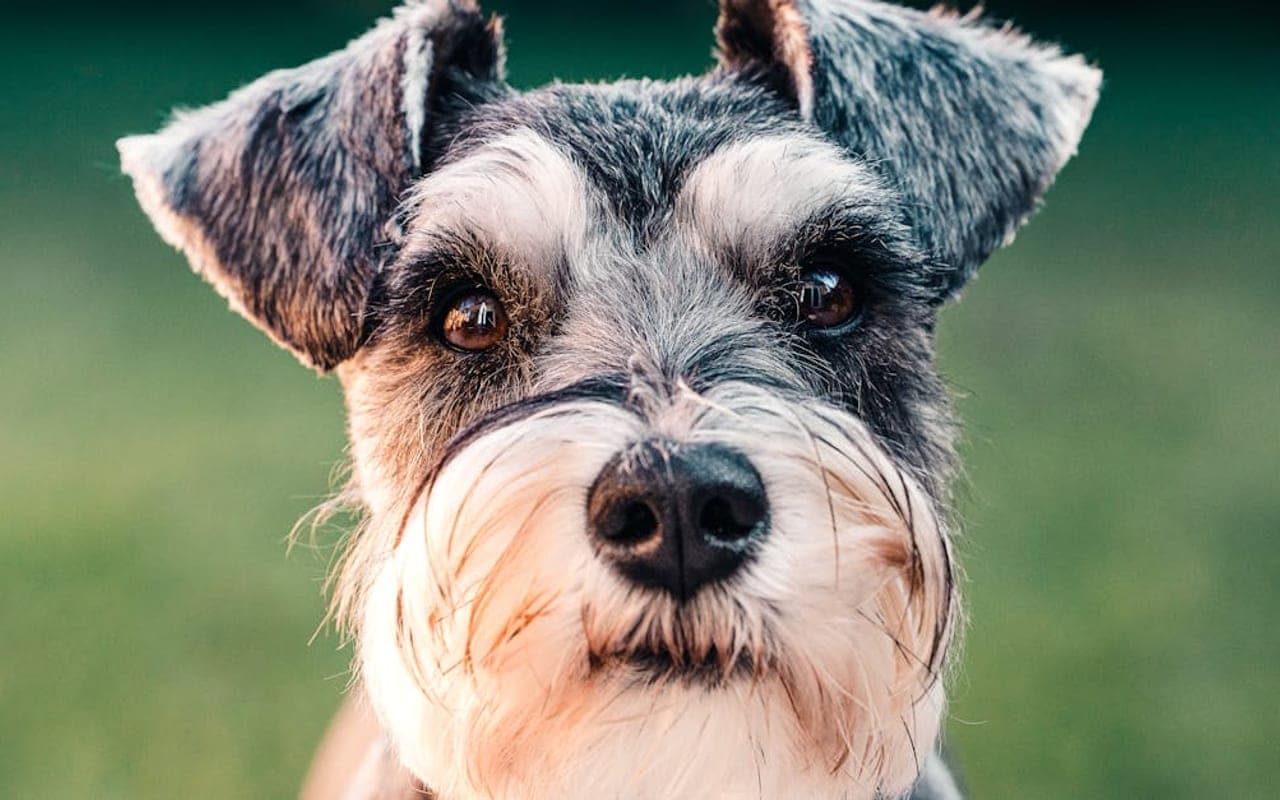
Miniature Schnauzer
Also in the Terrier group, with different care and temperament tradeoffs.
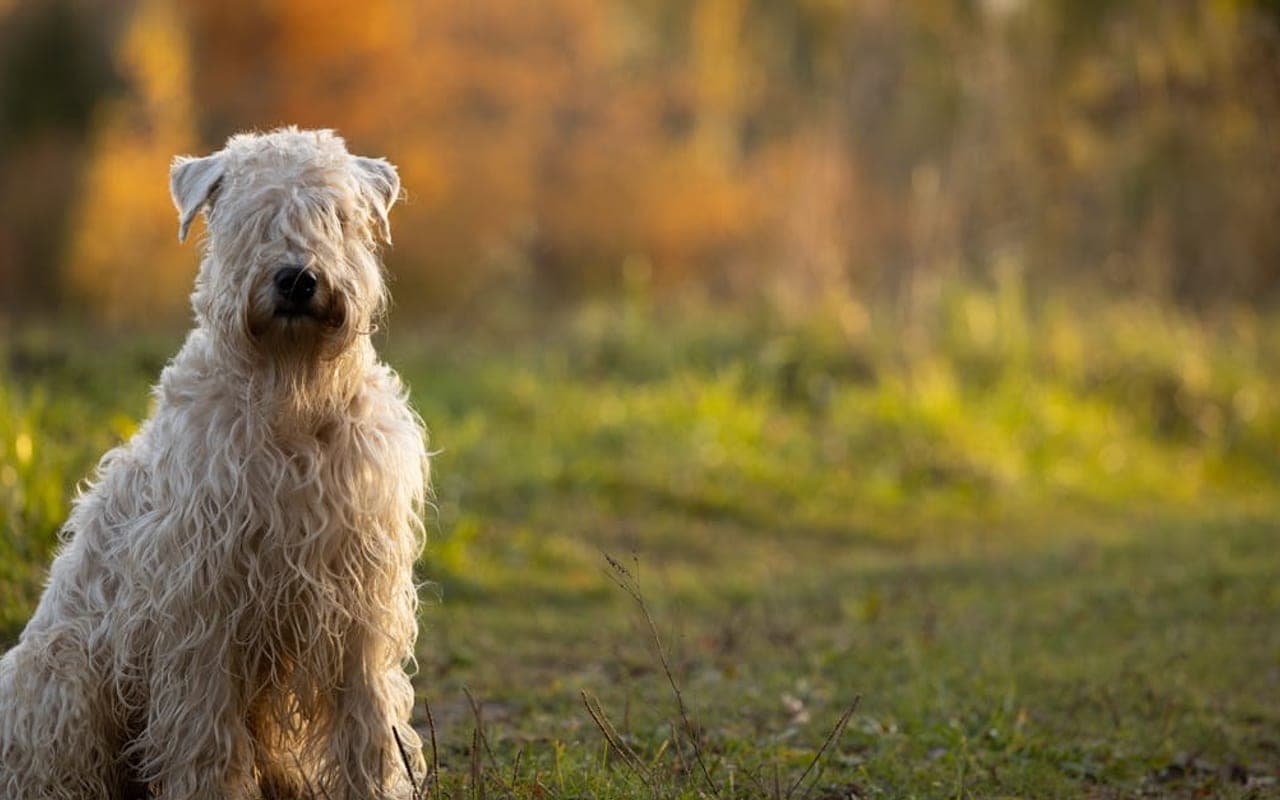
Soft Coated Wheaten Terrier
Also in the Terrier group, with different care and temperament tradeoffs.
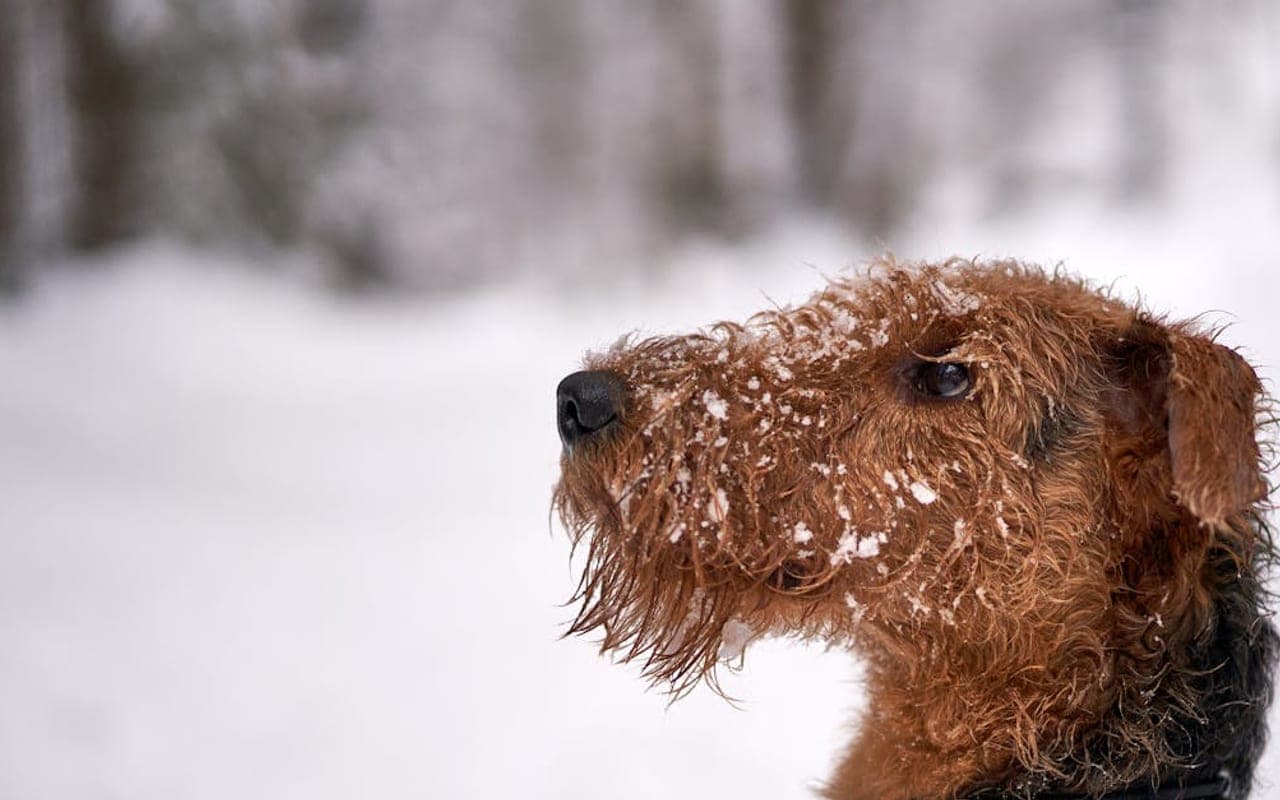
Airedale Terrier
Also in the Terrier group, with different care and temperament tradeoffs.
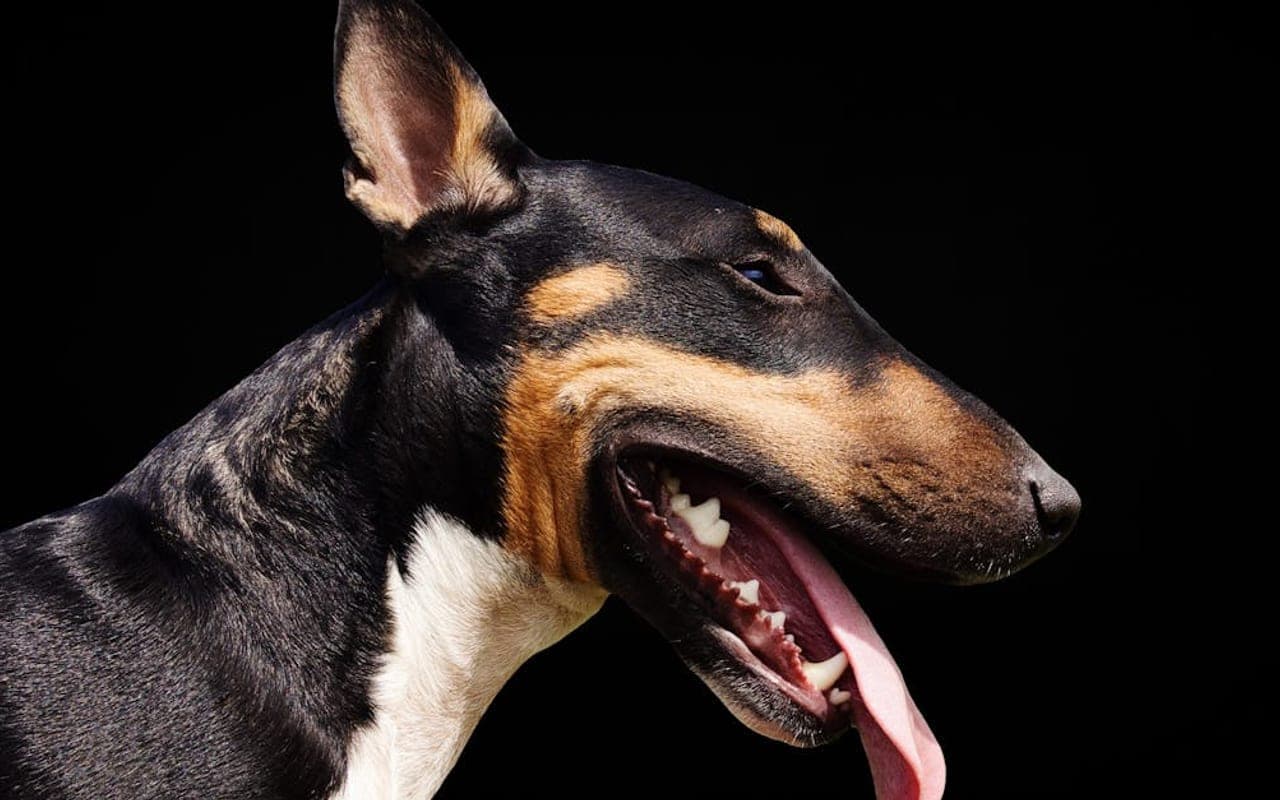
Bull Terrier
Also in the Terrier group, with different care and temperament tradeoffs.
Explore More About Skye Terrier
Dive deeper into everything Skye Terrier — costs, care, and expert insights.
Considering a cat instead?
Browse Cats