
Hound group
Sloughi
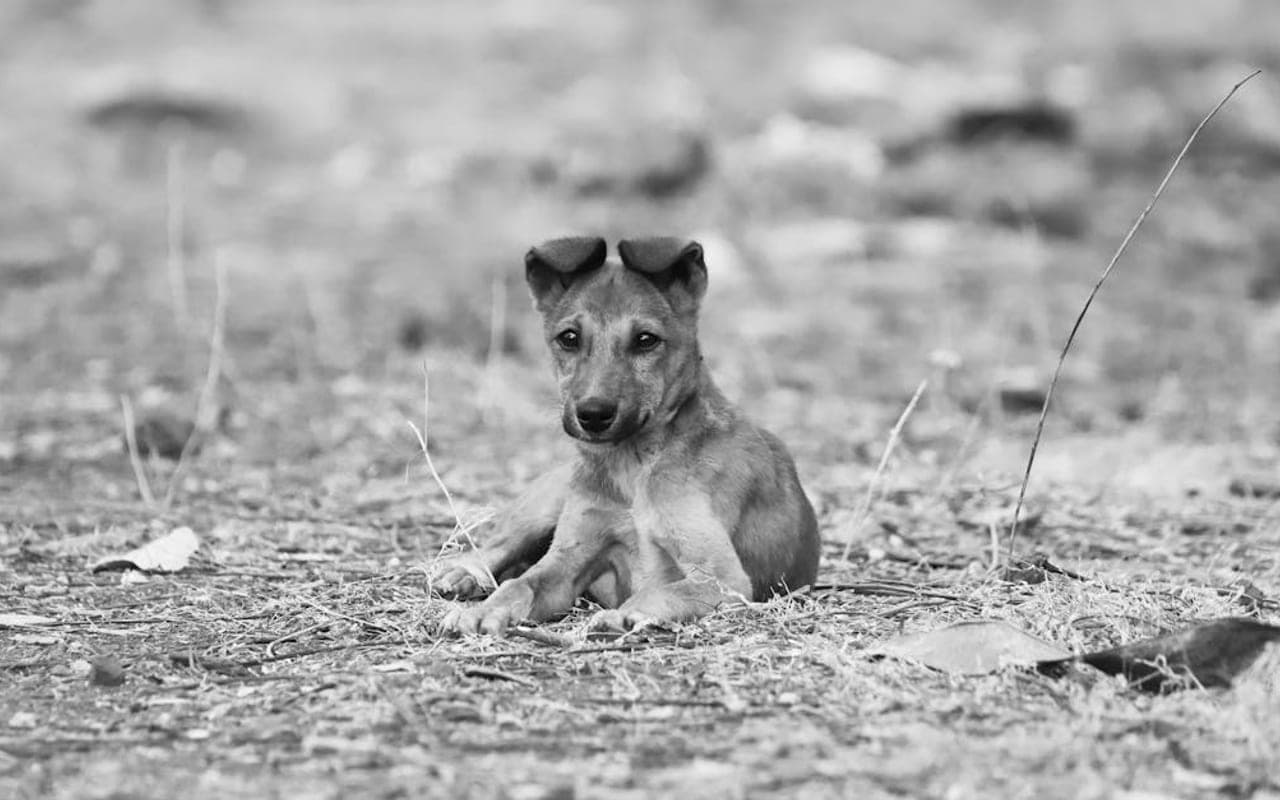
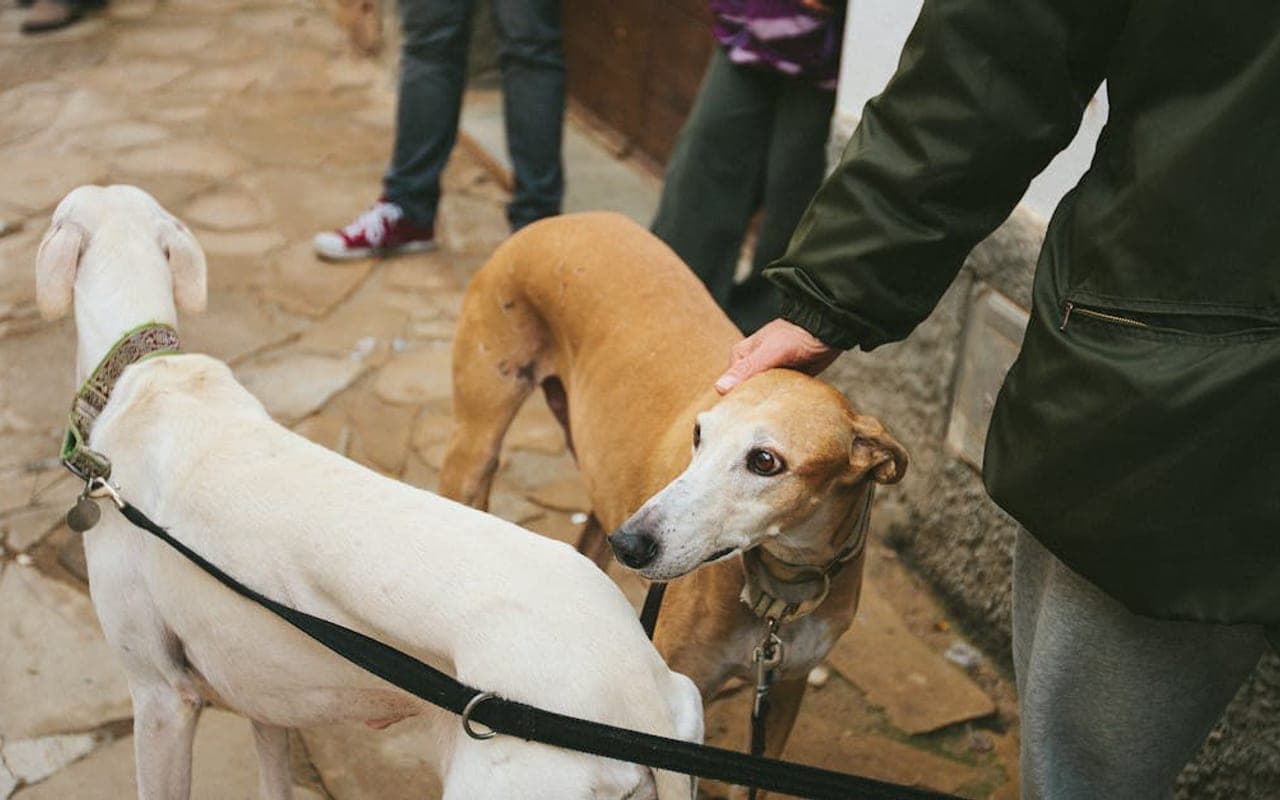
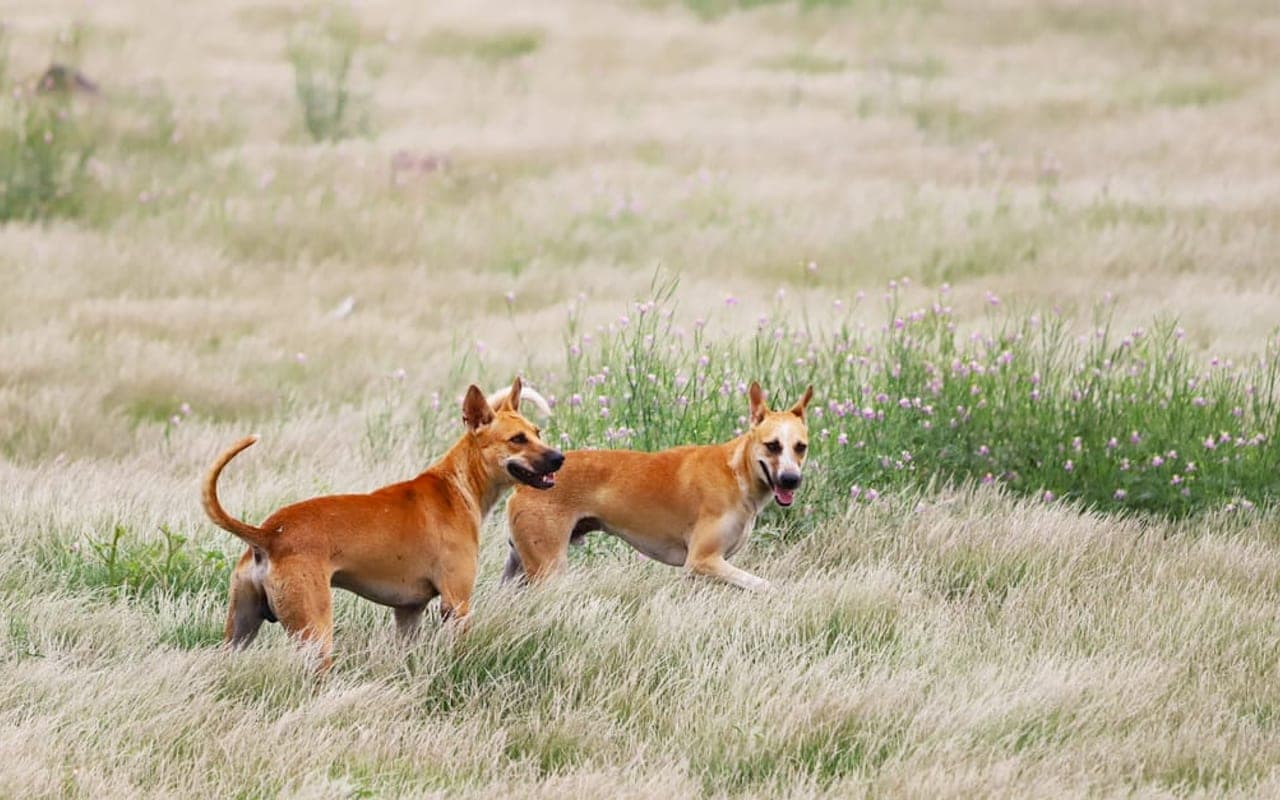
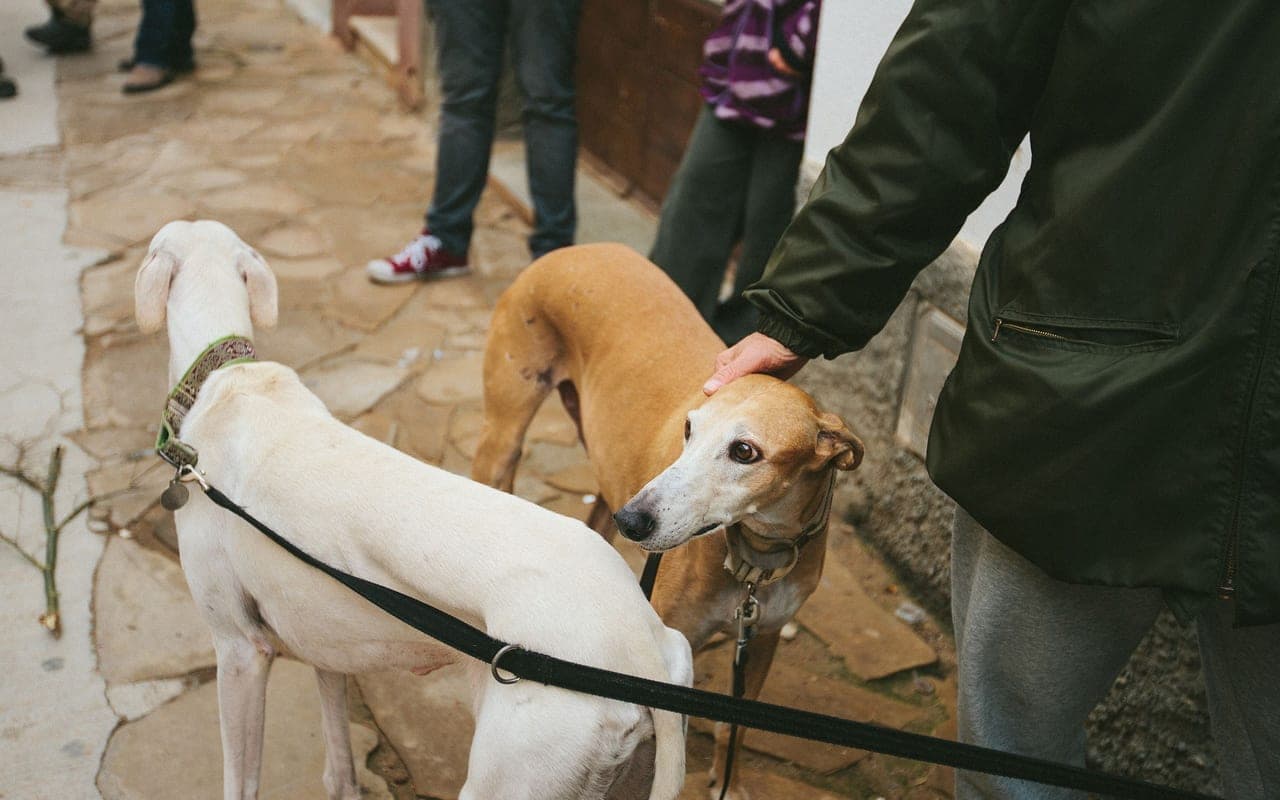
The Sloughi (pronounced SLOO-ghee) is the North African sighthound — the "Arabian Greyhound" — bred to course hare, fox, jackal, and gazelle across desert and mountain in Morocco, Tunisia, Algeria, and Libya.
Size
45-65 lb
Lifespan
10-15 years
Exercise
30-60 minutes
Shedding
Moderate
Experience
Match to owner routine
Decision first
Is a Sloughi right for you?
Start with fit before history or trivia. These are ownership signals, not guarantees about any individual dog.
Best suited for
- Households with children.
- Homes with other compatible pets.
- Apartment homes with a consistent routine.
- Owners seeking a manageable daily exercise routine.
Think carefully if
- You need a dog with almost no daily routine.
- You cannot keep up with grooming and preventive care.
- The dog will spend most days alone without support.
Conditional fit
Apartment fit depends on exercise, enrichment, noise management, and outdoor access.
Daily reality
Sloughi commitment snapshot
Daily exercise
30-60 minutes
Match activity to age, health, weather, and training goals.
Coat care
Moderate
Grooming needs vary by coat, shedding, and lifestyle.
Time alone
Needs planning
Most dogs need gradual alone-time conditioning and support.
Structured facts
Sloughi at a glance
The measurements and traits that most affect day-to-day life with this breed.
Group
Hound
Weight
45-65 lb
Height
24-29 in
Lifespan
10-15 years
Temperament
Reserved | Graceful | Noble
View all characteristics and methodology
Lifestyle fit
- Apartment suitability
- Likely fit
- Child friendliness
- Often good, with socialisation and supervision
- Other-pet fit
- Often compatible with careful introductions
Owner commitment
- Exercise
- 30-60 minutes
- Grooming
- Moderate
- Shedding
- Moderate
- Training
- Moderate
Environment and health
- Health risk
- Needs planning
Ratings combine structured breed data, visible breed fields, and editorial context. They are planning aids, not predictions for an individual dog.
Daily life
Sloughi temperament and behavior
The Sloughi (pronounced SLOO-ghee) is the North African sighthound — the "Arabian Greyhound" — bred to course hare, fox, jackal, and gazelle across desert and mountain in Morocco, Tunisia, Algeria, and Libya. It is a lean, hard, no-frills hound, 24-29 inches at the shoulder and roughly 35-50 pounds, with a short fawn-to-mahogany coat, often a black mask, and large dark eyes that breed descriptions universally call "melancholy." It is built for one thing: explosive, sustained speed in punishing terrain. The Sloughi's temperament is the part most people misjudge. This is not an aloof Greyhound clone — it is a deeply reserved, one-family dog that is genuinely standoffish, sometimes timid, with strangers, and forms an intense bond with its own people. It is sensitive, dignified, and does not bounce back easily from harsh handling or rough environments. Early, gentle, and persistent socialization is essential, not optional, or the natural reserve hardens into fearfulness. As a sighthound it carries a powerful prey drive and sight-triggered chase instinct. Recall around moving animals is unreliable by design, so off-leash freedom belongs only in securely fenced spaces. It is a sprinter, not an endurance athlete: it wants short, hard runs and then long hours sleeping on something soft. With its family it is gentle, calm indoors, and affectionate; with the wider world it is watchful and discreet. Who the Sloughi is right for: a calm, experienced, patient owner who wants a sensitive, devoted, low-grooming companion, can socialize diligently, provides a fenced sprint area, and will brief any vet on sighthound drug sensitivity. Who it is wrong for: anyone wanting an outgoing, biddable, off-leash, dog-park social butterfly, or a robust dog that shrugs off harsh handling. Match the temperament honestly or choose another breed.
Reserved | Graceful | Noble
Reserved
A common Sloughi temperament descriptor that should be interpreted alongside training, exercise, and household fit.
Graceful
A common Sloughi temperament descriptor that should be interpreted alongside training, exercise, and household fit.
Noble
A common Sloughi temperament descriptor that should be interpreted alongside training, exercise, and household fit.
Owner note
Temperament labels are starting points, not guarantees. Meet the individual dog and ask about behavior history whenever possible.
Care essentials
How to care for a Sloughi
What looking after one actually involves: exercise, grooming, food, training, and routine health.
ExerciseAs needed
- Moderately active breed needing 30-60 minutes of daily exercise.
GroomingAs needed
- Brush 2-3 times per week.
TrainingAs needed
- Consistent, patient training works best.
NutritionAs needed
- Feed high-quality dog food appropriate for age, size, and activity level.
Veterinary CareAs needed
- Annual wellness exams, vaccinations, dental care, and parasite prevention.
Health planning
Sloughi health risks and screening
Every breed has individual health variation. Use this profile for planning and discuss medical decisions with a veterinarian.
Responsible ownership
Finding a Sloughi responsibly
What to ask a breeder or rescue is the same conversation for every breed, so we keep it in one place and keep it current.
Health documentation, meeting the parents or foster, contracts and return support, and the warning signs worth walking away from.
Original purpose
Sloughi history
History is useful when it explains today's behavior, coat, exercise needs, and training style.
Read the breed history
The Sloughi is an ancient sighthound of North Africa, kept for centuries by Berber and Bedouin peoples across Morocco, Tunisia, Algeria, and Libya to course hare, fox, jackal, and gazelle and to guard camp and livestock. It was a prized possession, traditionally owned by nobility and tribal hunters and treated as a member of the household rather than mere working stock — a status reflected in its dignified, deeply bonded temperament today. Distinct from the rough-coated Saluki and the Azawakh of the Sahel, the Sloughi is the smooth-coated coursing hound of the Maghreb. It was largely unknown in the West until the late 20th century; colonial-era disruption and disease reduced numbers in its homeland, and dedicated breeders preserved the breed in Europe before it reached North America. The AKC granted full recognition in 2016. It remains rare worldwide, and its history as a closely held hunting and guarding dog of nomadic peoples explains both its prey drive and its reserved, family-centric nature.
Gallery
Sloughi photos
Images are cropped consistently and loaded progressively to keep the page responsive.
Lower-page context
Sloughis in culture
Where the breed shows up in film, sport, work and folklore — the enjoyable part, once the practical questions are answered.
Fun facts
- The Sloughi belongs to the Hound Group.
- The average lifespan of a Sloughi is 10 to 15 years.
- Sloughi dogs are valued for their reserved, graceful, noble nature.
Sloughi FAQs
How long do Sloughis live?
A healthy Sloughi typically lives 10 to 15 years, good longevity for a hound of its size. The breed is generally hardy and free of many common large-dog problems. What most affects lifespan is not slow decline but acute risk — particularly an unrecognized bloat episode or an anesthesia accident from non-sighthound dosing. Keep the dog lean, brief every vet on sighthound protocols, and learn the signs of bloat, and the upper end of that range is realistic.
Are Sloughis good with children?
With their own family, yes — Sloughis are gentle, calm indoors, and devoted. The honest caveat is their reserve: they are a sensitive, dignified breed that dislikes rough or chaotic handling and may withdraw rather than tolerate it. They suit households with older, calm children better than homes with boisterous toddlers. Supervise interactions, give the dog a quiet retreat, and never let children corner or roughhouse a Sloughi — its nature is discreet, not robust.
Can a Sloughi be let off-leash?
Only inside a high, secure fence. The Sloughi is a sighthound bred to chase moving prey at speed, and the instinct overrides recall the instant something runs — this is hardwired, not a training gap. Off-lead in open or unfenced areas it can be gone and out of sight in seconds. Treat a tall, escape-proof fenced run as permanent infrastructure, and keep the dog leashed everywhere else, regardless of how good its obedience looks at home.
Why does my vet need to know the Sloughi is a sighthound before surgery?
Because dosing it like an average dog can kill it. Sighthounds have very low body fat and a metabolism that handles certain anesthetics, sedatives, and barbiturates differently, so standard doses can cause dangerously prolonged or fatal reactions. Always tell the vet in advance so they can use sighthound-specific protocols. This single conversation is the most important health step a Sloughi owner can take — more so than for almost any other breed.
Are Sloughis easy to train?
They are intelligent but independent and highly sensitive, so 'easy' depends on method. Reward-based, gentle, consistent training works; repetition drilling and any harsh correction backfire and can produce a fearful, shut-down dog. Expect a hound that cooperates because it trusts you, not because it is eager to obey. Recall in particular will never be reliable around moving animals no matter how well it trains otherwise — plan around that rather than fighting it.
Does a Sloughi need a lot of grooming?
No — grooming is one of the easiest parts of owning this breed. The short, fine coat needs only a 5-minute weekly wipe-down or soft brush and sheds minimally. The real 'maintenance' is not coat care but comfort: because the breed has almost no body fat, budget for a warm coat in cold weather and thick, soft bedding indoors to prevent chilling and pressure sores. Those are routine needs in this breed, not optional extras.
Sources
These are the published sources this page draws on. Each opens in a new tab so you can check it yourself.
American Kennel Club
Sloughi — breed standard and profile(opens in a new tab)Supports: Breed standard and recognition details.
Similar breeds to consider
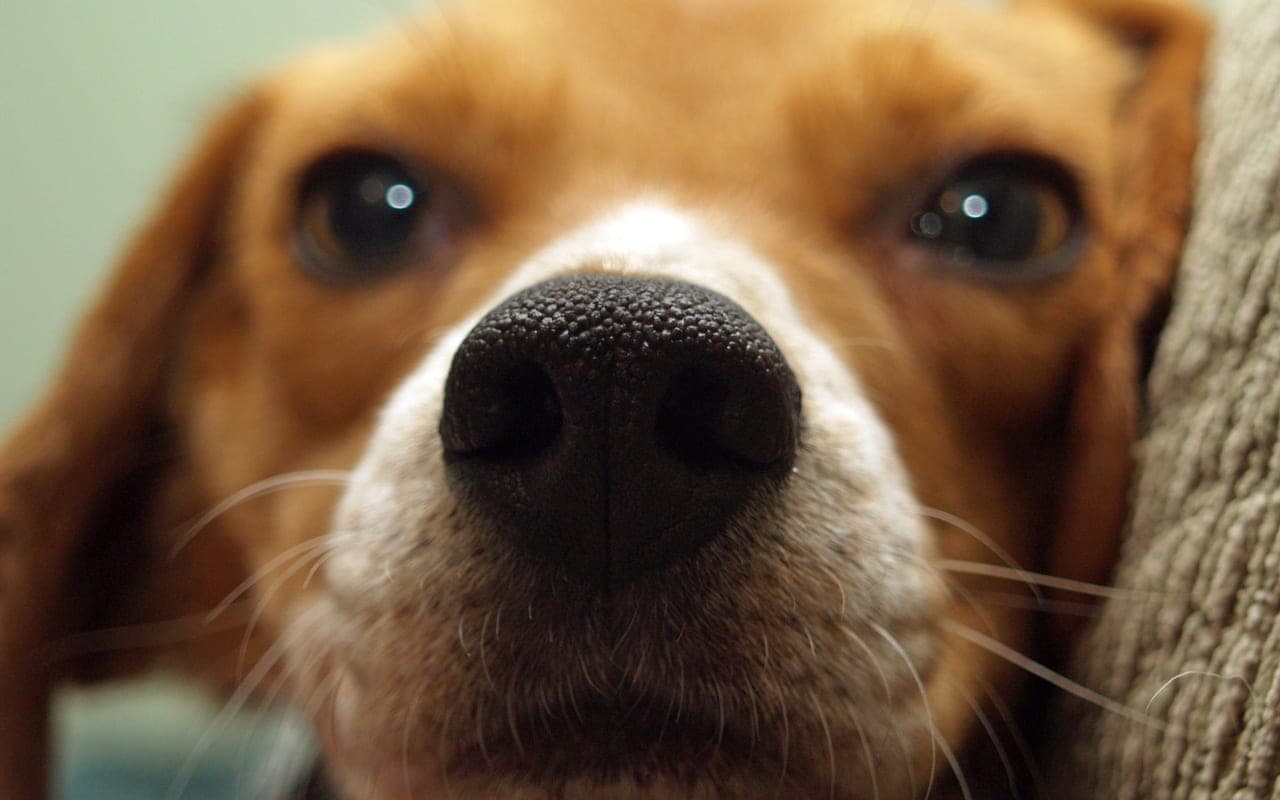
Beagle
Also in the Hound group, with different care and temperament tradeoffs.
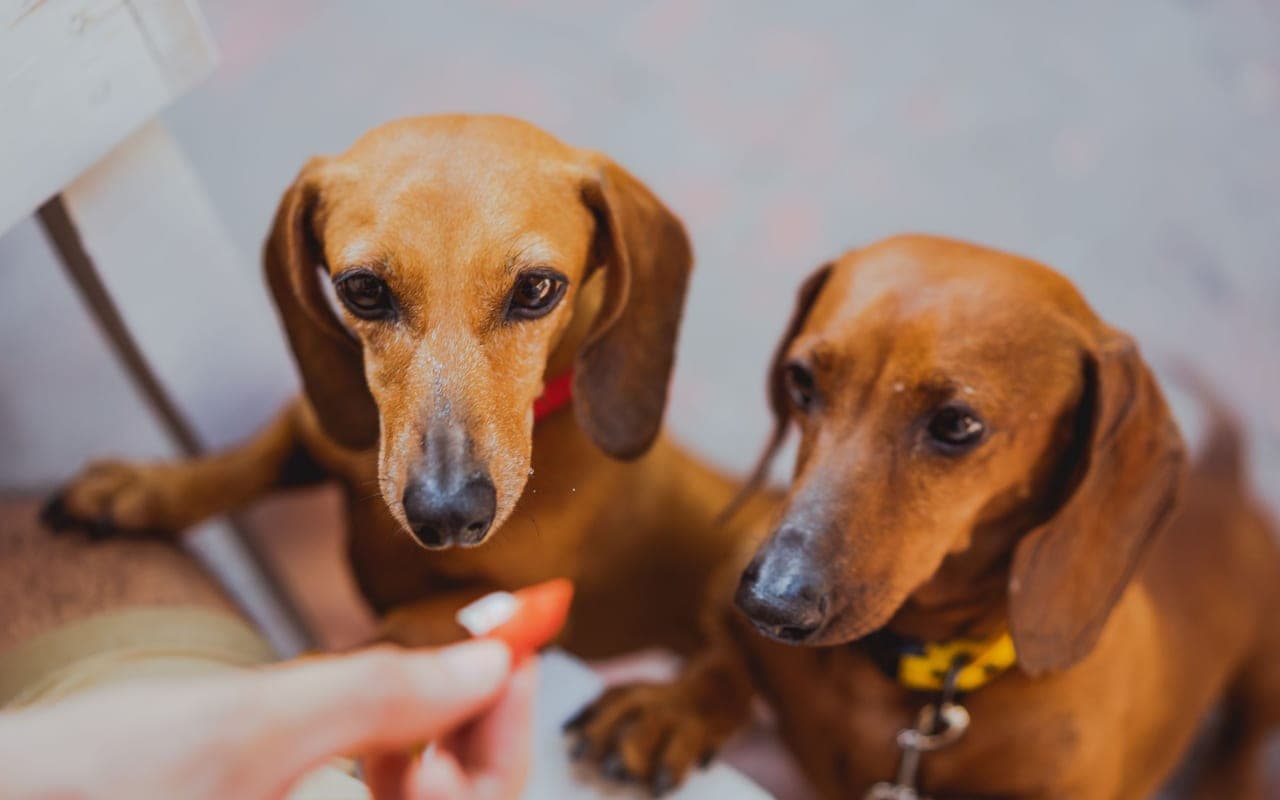
Dachshund
Also in the Hound group, with different care and temperament tradeoffs.
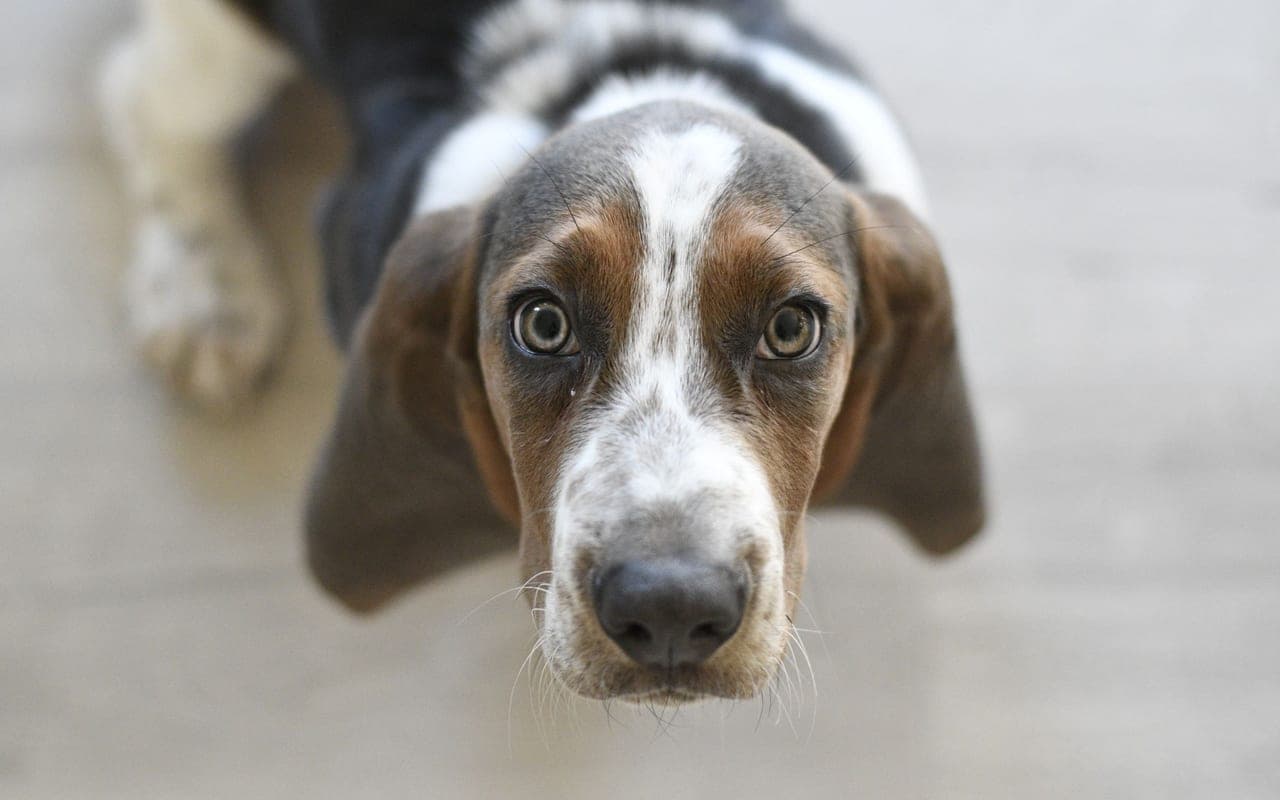
Basset Hound
Also in the Hound group, with different care and temperament tradeoffs.
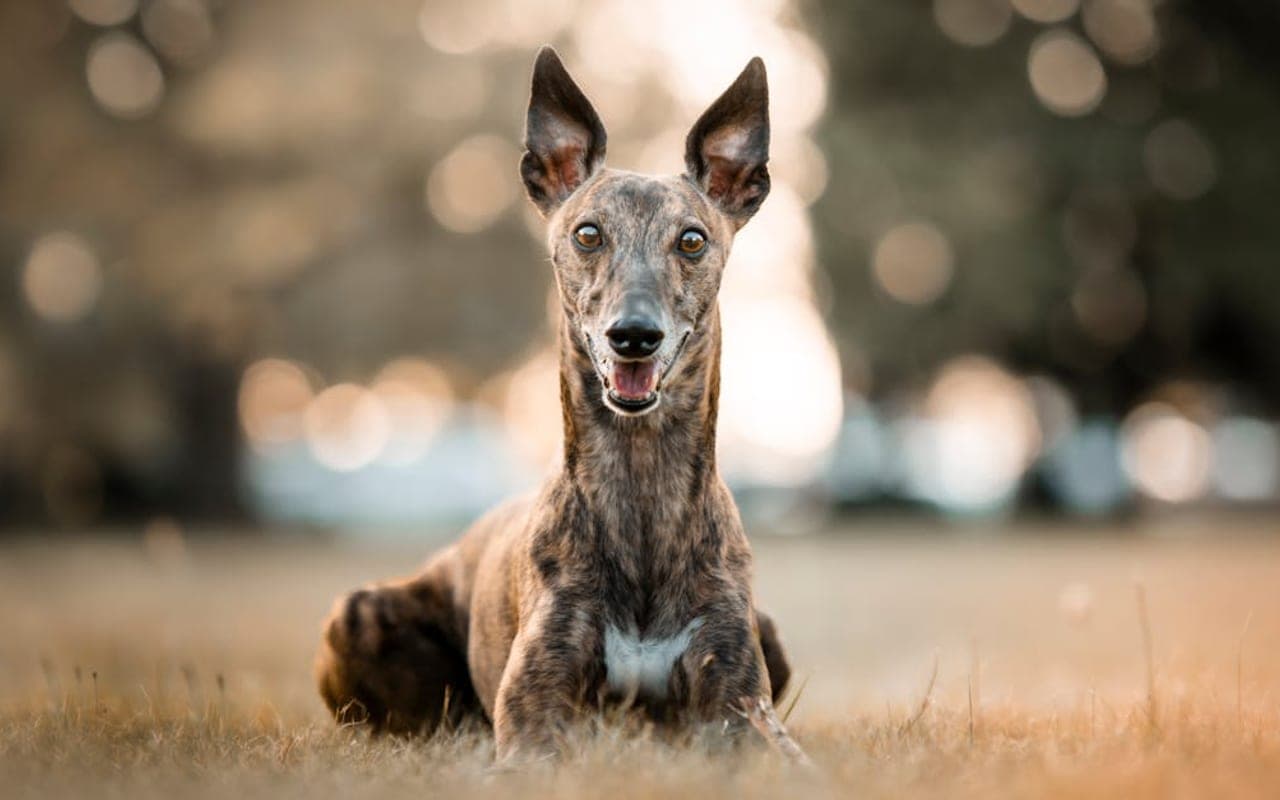
Greyhound
Also in the Hound group, with different care and temperament tradeoffs.
Explore More About Sloughi
Dive deeper into everything Sloughi — costs, care, and expert insights.
Large Dog Care Guide: Everything Over 50 lbs
Owning a large or giant breed dog means accepting one of biology's...
Puppy Teething & Biting: Timeline and What Actually Works
A puppy has all 28 deciduous ("baby") teeth by roughly eight weeks of age, and...
Considering a cat instead?
Browse Cats