
Foundation Stock Service group
Slovakian Wirehaired Pointer
The Slovakian Wirehaired Pointer — Slovenský hrubosrstý stavač in its home country — is a versatile hunting dog bred to point, track, and retrieve game on land and in water.
Size
51-79 lb
Lifespan
12-15 years
Exercise
30-60 minutes
Shedding
Moderate
Experience
Match to owner routine
Decision first
Is a Slovakian Wirehaired Pointer right for you?
Start with fit before history or trivia. These are ownership signals, not guarantees about any individual dog.
Best suited for
- Apartment homes with a consistent routine.
- Owners seeking a manageable daily exercise routine.
Think carefully if
- You need a dog with almost no daily routine.
- You cannot keep up with grooming and preventive care.
- The dog will spend most days alone without support.
Conditional fit
Apartment fit depends on exercise, enrichment, noise management, and outdoor access.
Daily reality
Slovakian Wirehaired Pointer commitment snapshot
Daily exercise
30-60 minutes
Match activity to age, health, weather, and training goals.
Coat care
Moderate
Grooming needs vary by coat, shedding, and lifestyle.
Time alone
Needs planning
Most dogs need gradual alone-time conditioning and support.
Structured facts
Slovakian Wirehaired Pointer at a glance
The measurements and traits that most affect day-to-day life with this breed.
Group
Foundation Stock Service
Weight
51-79 lb
Height
22-27 in
Lifespan
12-15 years
View all characteristics and methodology
Lifestyle fit
- Apartment suitability
- Likely fit
Owner commitment
- Exercise
- 30-60 minutes
- Grooming
- Moderate
- Shedding
- Moderate
- Training
- Moderate
Environment and health
- Health risk
- Needs planning
Ratings combine structured breed data, visible breed fields, and editorial context. They are planning aids, not predictions for an individual dog.
Daily life
Slovakian Wirehaired Pointer temperament and behavior
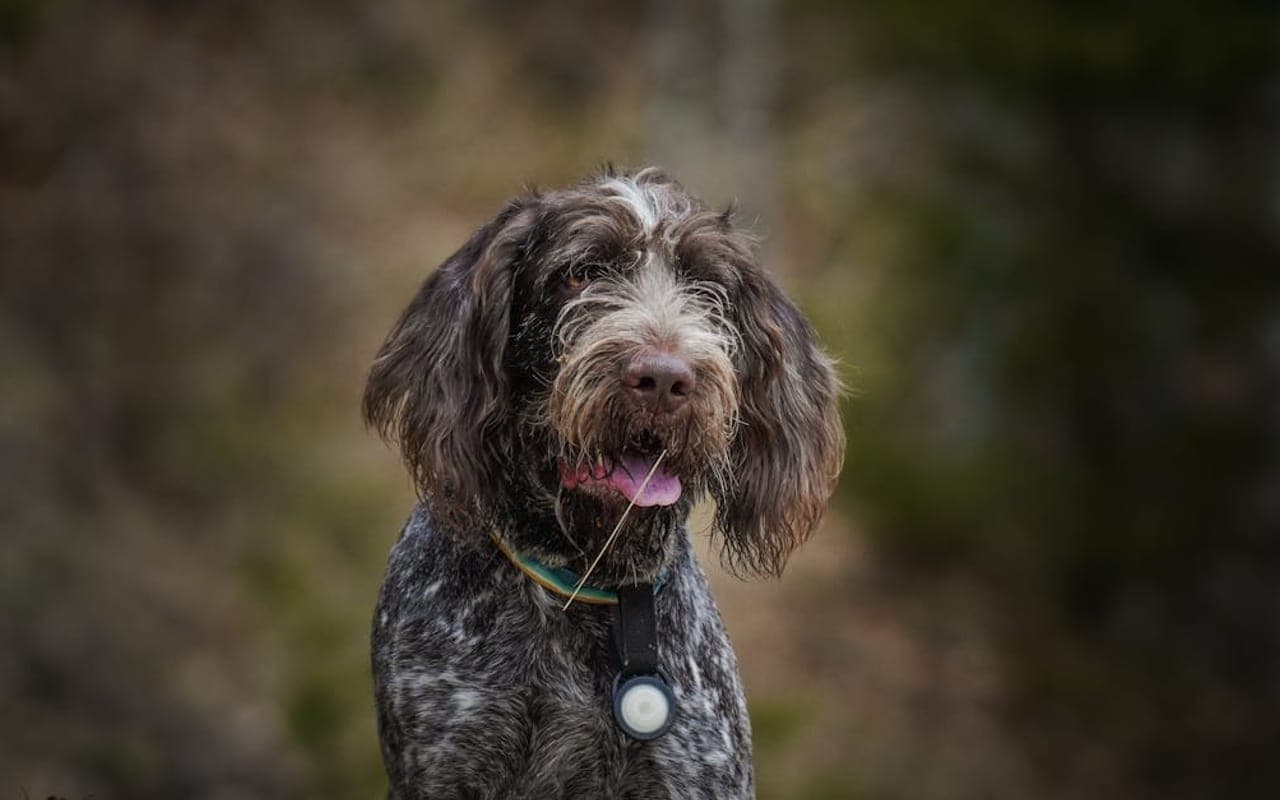
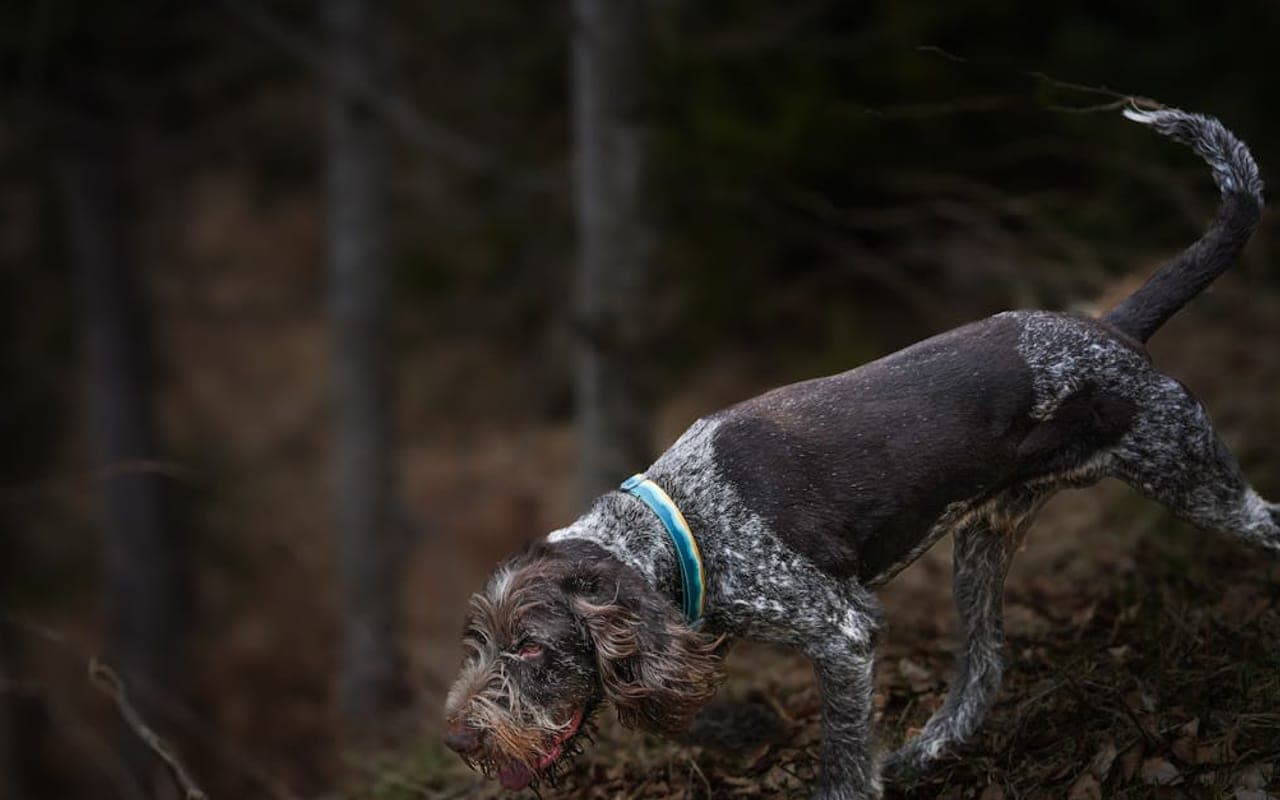
The Slovakian Wirehaired Pointer — Slovenský hrubosrstý stavač in its home country — is a versatile hunting dog bred to point, track, and retrieve game on land and in water. It is a medium-large dog: roughly 22-27 inches at the shoulder and around 55-77 lb, built lean and athletic rather than heavy, under a distinctive harsh grey wire coat with a beard and bushy eyebrows. The 'grey' colour is a breed signature, not a fault. This is a young, rare breed with a small population, and that is the most important context for a prospective owner. It was developed in Czechoslovakia after the Second World War, primarily from Wirehaired Vizsla, German Wirehaired Pointer, and Pudelpointer stock, to give Slovak hunters a single dog that could do everything. Because the gene pool is small and health data thin, you cannot lean on a deep breed health database — you lean on the screening records of the specific litter's parents. Temperament reflects the working brief: this is an obedient, biddable, intelligent gundog that bonds closely to its handler and is genuinely easy to train by pointing-breed standards. It is calm and gentle in the home with its family — but it is reserved with strangers and, critically, it is a high-drive working dog that needs a real job. This is not a breed that thrives mowing the lawn of a sedentary household. Who the Slovakian Wirehaired Pointer is right for: an active owner who hunts, runs canicross, or commits to 90+ minutes of structured daily exercise and training, and who wants a trainable, devoted partner. Who it is wrong for: an apartment owner, a first-time owner wanting a relaxed pet, or anyone who travels often — separation anxiety is a documented issue when this dog is left alone too long. Match the lifestyle honestly before the look wins you over.
Owner note
Temperament labels are starting points, not guarantees. Meet the individual dog and ask about behavior history whenever possible.
Care essentials
How to care for a Slovakian Wirehaired Pointer
What looking after one actually involves: exercise, grooming, food, training, and routine health.
ExerciseAs needed
- Moderately active breed needing 30-60 minutes of daily exercise.
GroomingAs needed
- Brush 2-3 times per week.
TrainingAs needed
- Consistent, patient training works best.
NutritionAs needed
- Feed high-quality dog food appropriate for age, size, and activity level.
Veterinary CareAs needed
- Annual wellness exams, vaccinations, dental care, and parasite prevention.
Health planning
Slovakian Wirehaired Pointer health risks and screening
Every breed has individual health variation. Use this profile for planning and discuss medical decisions with a veterinarian.
Responsible ownership
Finding a Slovakian Wirehaired Pointer responsibly
What to ask a breeder or rescue is the same conversation for every breed, so we keep it in one place and keep it current.
Health documentation, meeting the parents or foster, contracts and return support, and the warning signs worth walking away from.
Original purpose
Slovakian Wirehaired Pointer history
History is useful when it explains today's behavior, coat, exercise needs, and training style.
Read the breed history
The Slovakian Wirehaired Pointer is one of the youngest recognised gundog breeds. It was created in Czechoslovakia after the Second World War, when Slovak hunters and breeders set out to build a single versatile hunting dog that could point, track wounded game, and retrieve from land and water. The foundation stock was primarily the Wirehaired Vizsla, the German Wirehaired Pointer, and the Pudelpointer — breeds chosen for the harsh weatherproof coat and all-round hunting ability the new dog was meant to combine. The breed was developed and stabilised through the 1950s and 1960s and gained international recognition from the Fédération Cynologique Internationale in 1983. It remains rare outside Slovakia and the Czech Republic, with a small worldwide population. For owners this history has a practical edge: a recently created breed with a limited gene pool has a thinner published health record than long-established gundogs, which is precisely why scrutiny of the parents' hip and eye screening matters more than the breed name alone.
Gallery
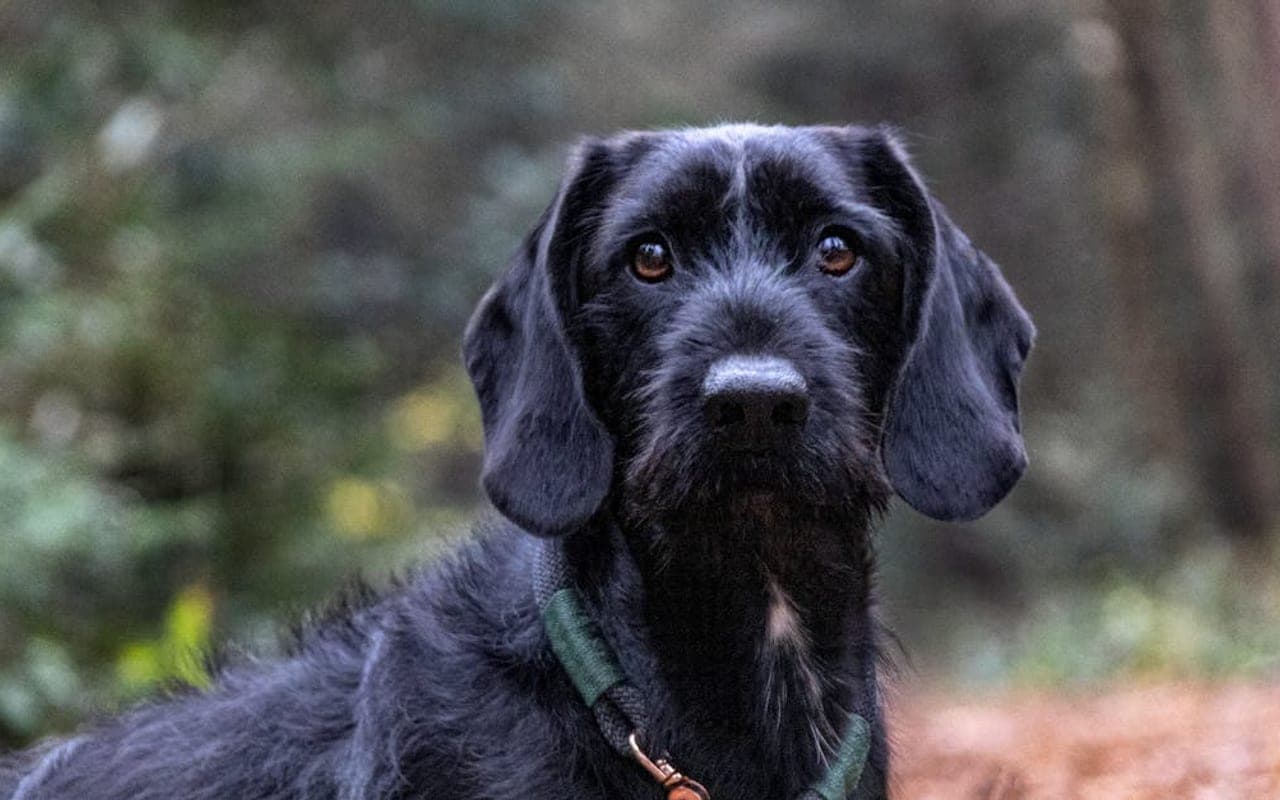
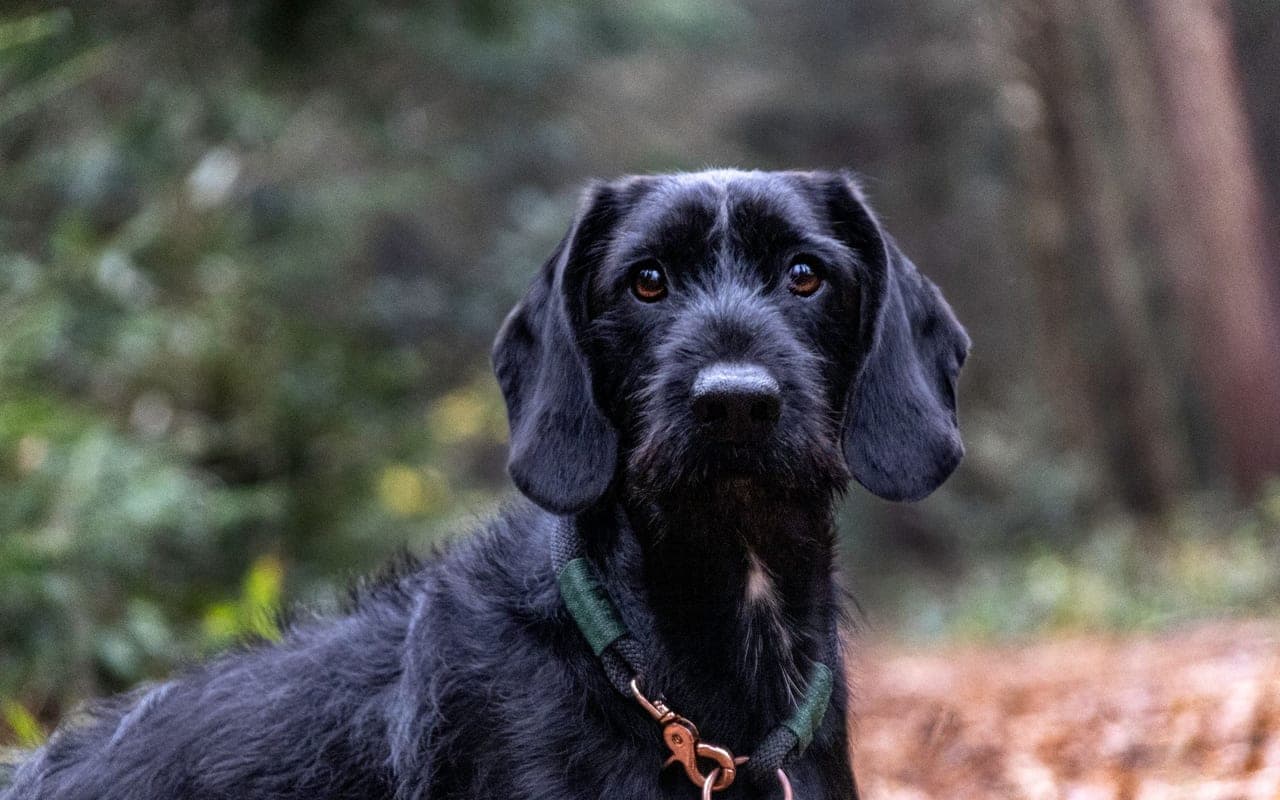
Slovakian Wirehaired Pointer photos
Images are cropped consistently and loaded progressively to keep the page responsive.
Lower-page context
Slovakian Wirehaired Pointers in culture
Where the breed shows up in film, sport, work and folklore — the enjoyable part, once the practical questions are answered.
Fun facts
- The Slovakian Wirehaired Pointer belongs to the Foundation Stock Service.
- The average lifespan of a Slovakian Wirehaired Pointer is 12 to 15 years.
- Slovakian Wirehaired Pointer dogs are valued for their loyal and loving nature.
Slovakian Wirehaired Pointer FAQs
How long do Slovakian Wirehaired Pointers live?
A well-bred, healthy-weight Slovakian Wirehaired Pointer from health-tested parents commonly lives 12-14 years. Published ranges vary widely (some sources cite 9-15) precisely because the breed is young and rare, so population health data is thin. Lifespan here is driven by keeping the dog lean to protect the hips and elbows, feeding to reduce bloat risk, and — most of all — sourcing from parents with documented hip and eye clearances rather than trusting a breed-average figure.
Are Slovakian Wirehaired Pointers easy to train?
Yes, by gundog standards this is one of the more biddable versatile breeds — intelligent, handler-focused, and bred specifically for obedience in the field. The realistic caveat is that trainability is not the same as low effort: the same brain that learns fast needs daily mental work or it finds its own jobs. Use positive, structured, consistent sessions and give it real tasks; an under-stimulated clever dog becomes an anxious or destructive one regardless of how trainable it is.
Do Slovakian Wirehaired Pointers need a lot of exercise?
Yes — this is the breed's defining cost. Plan a minimum of 90 minutes of vigorous daily activity plus mental engagement: running, retrieving, scent work, gundog training, or dog sport. A 20-minute walk does not meet the need of a versatile hunting dog bred for all-day field work. Owners who do not hunt must substitute structured sport or canicross. Under-exercised individuals develop destructive behaviour and separation anxiety, so honestly assess your weekly time before committing.
Are Slovakian Wirehaired Pointers good apartment dogs?
Generally no. They are calm indoors when their substantial exercise needs are met, but an apartment lifestyle rarely supplies the 90+ minutes of daily work and the secure space this active gundog needs, and the breed is prone to separation anxiety when left alone for long stretches — a common apartment scenario. A house with a secure yard and an active, often-present owner is a far better match. Apartment living can work only with an exceptionally committed exercise routine.
How much grooming does the wire coat need?
Moderate and specific rather than heavy. The harsh grey wire coat is brushed weekly and hand-stripped every few months to keep its protective texture and remove dead hair — it should not be clipped, which softens the coat. The beard needs wiping after meals to prevent muzzle-skin irritation, and the drop ears must be cleaned weekly and dried after swimming to prevent the ear infections the breed is prone to. Budget for occasional, not frequent, baths.
Is the Slovakian Wirehaired Pointer a healthy breed?
It is generally robust, but with an honest caveat: as a young, rare breed reconstructed from a few founding breeds, its gene pool and published health data are limited. The known concerns are hip and elbow dysplasia, bloat (it is deep-chested), and inherited eye disease such as cataracts and PRA. Because the breed-average data is thin, the meaningful protection is documented hip-scoring and eye clearances on the specific parents — that scrutiny matters more here than for a numerically large breed.
Sources
These are the published sources this page draws on. Each opens in a new tab so you can check it yourself.
American Kennel Club
Slovakian Wirehaired Pointer — breed standard and profile(opens in a new tab)Supports: Breed standard and recognition details.
Similar breeds to consider
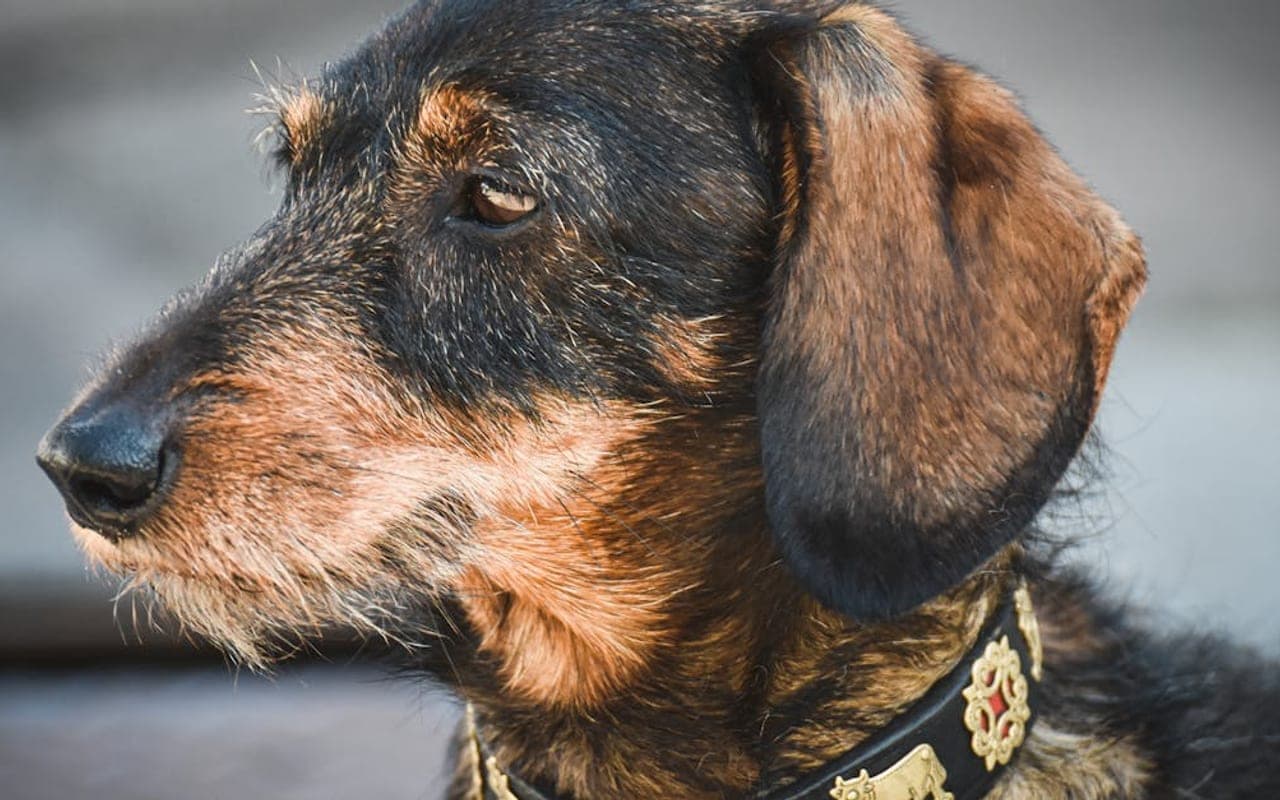
Jagdterrier
Also in the Foundation Stock Service group, with different care and temperament tradeoffs.
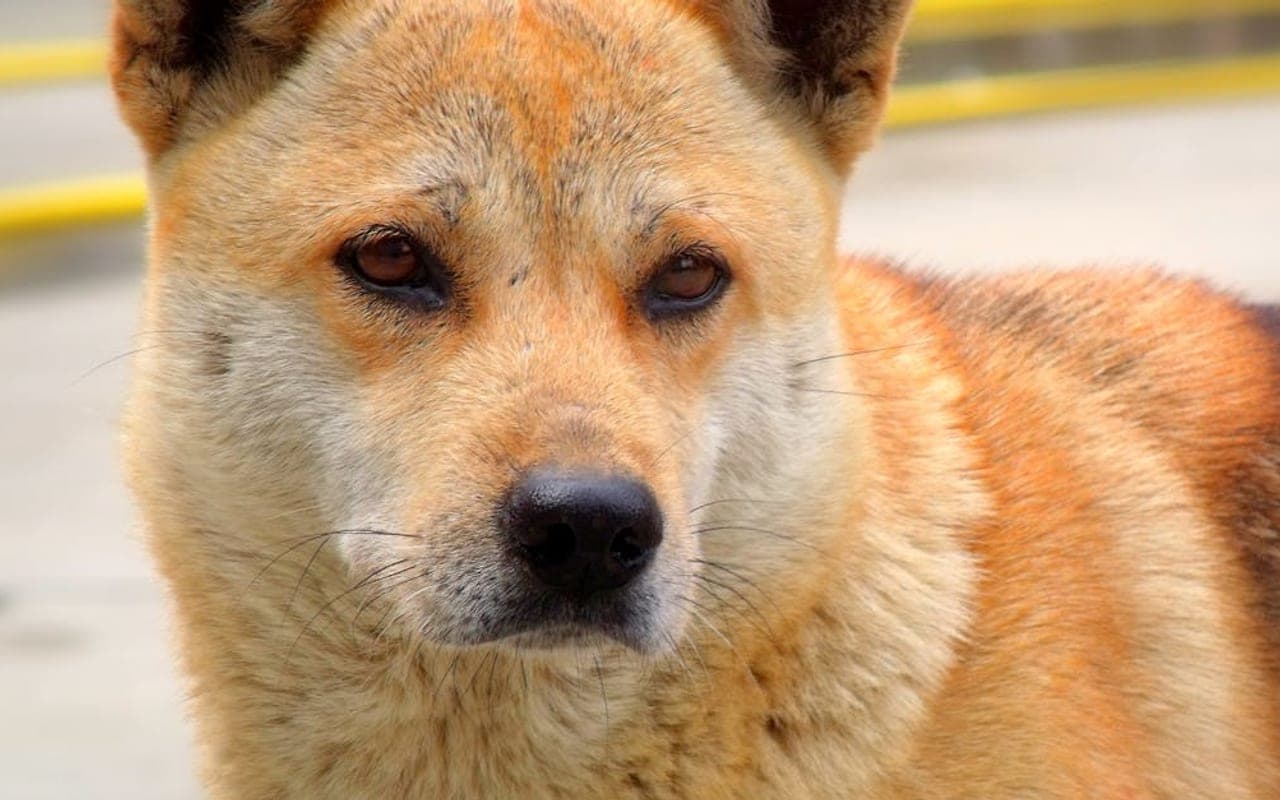
Jindo
Also in the Foundation Stock Service group, with different care and temperament tradeoffs.
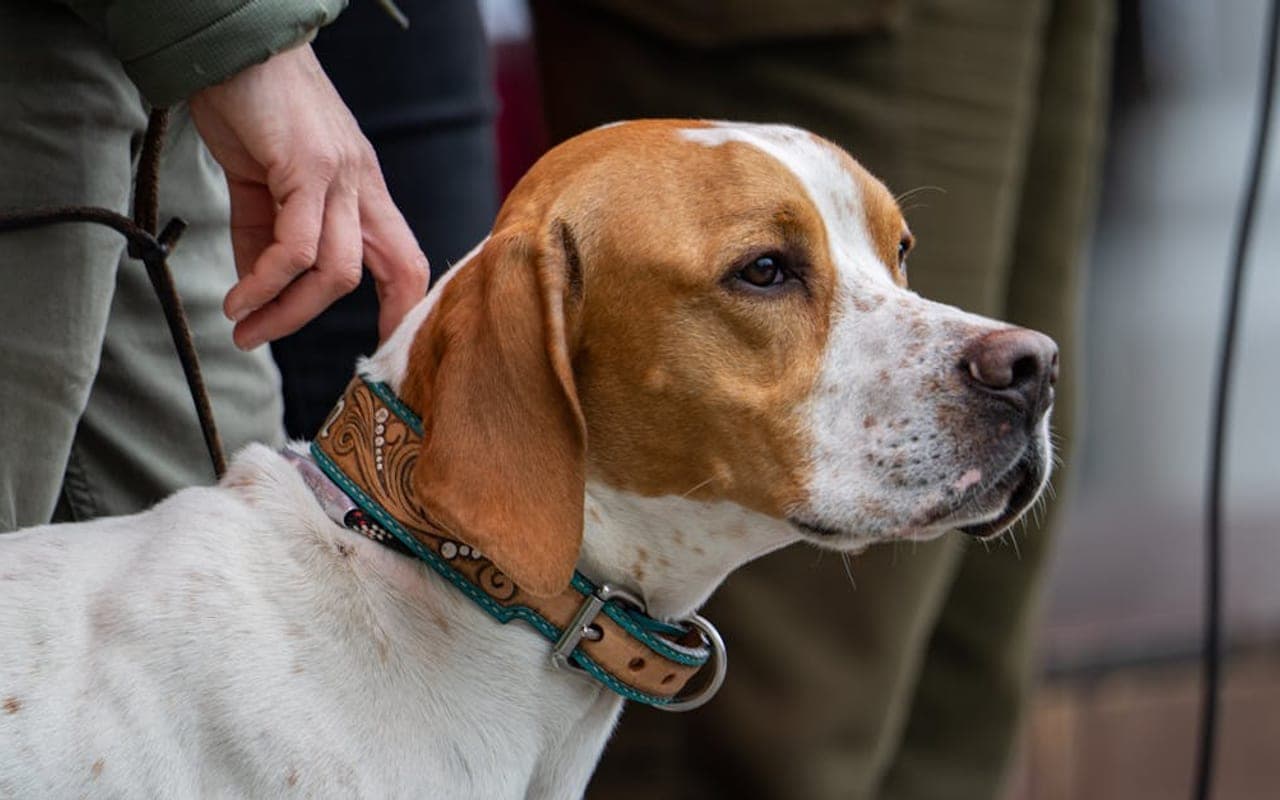
Portuguese Pointer
Also in the Foundation Stock Service group, with different care and temperament tradeoffs.
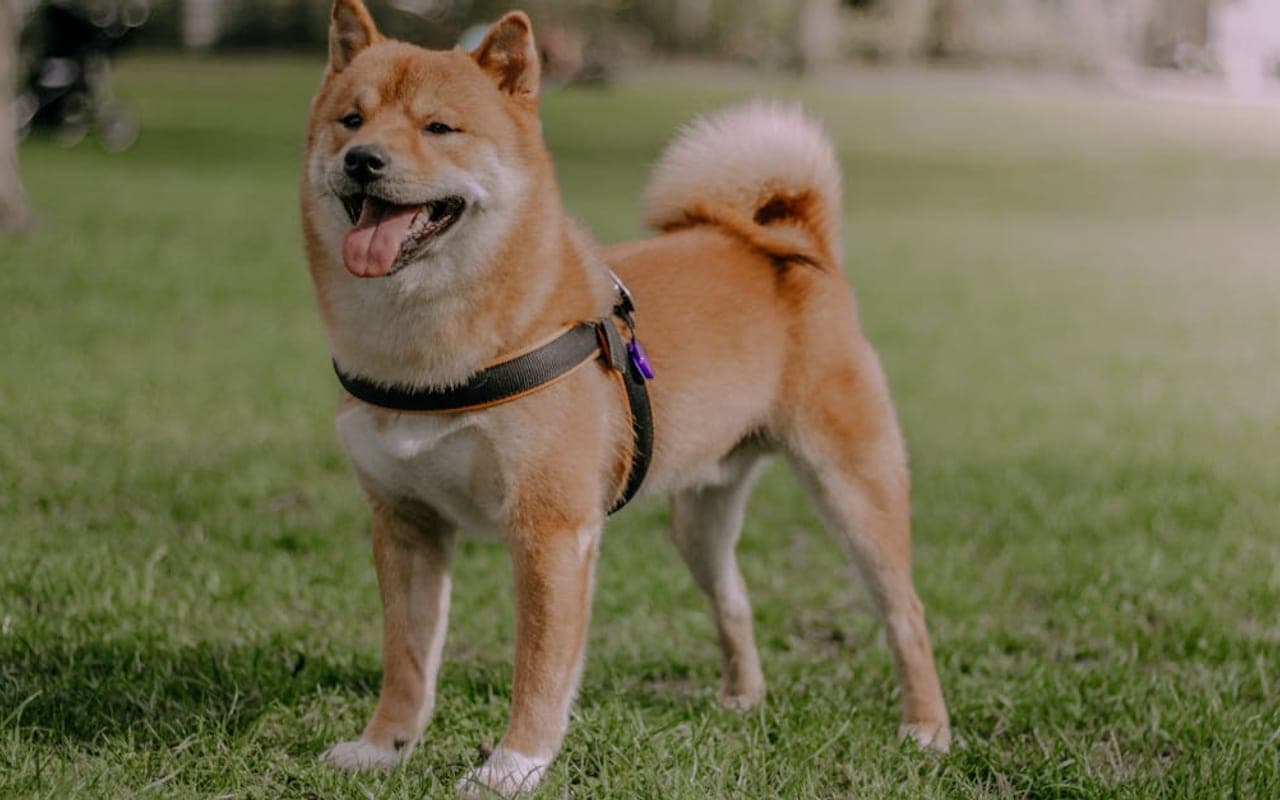
Kishu Ken
Also in the Foundation Stock Service group, with different care and temperament tradeoffs.
Explore More About Slovakian Wirehaired Pointer
Dive deeper into everything Slovakian Wirehaired Pointer — costs, care, and expert insights.
Large Dog Care Guide: Everything Over 50 lbs
Owning a large or giant breed dog means accepting one of biology's...
Puppy Teething & Biting: Timeline and What Actually Works
A puppy has all 28 deciduous ("baby") teeth by roughly eight weeks of age, and...
Considering a cat instead?
Browse Cats