
Foundation Stock Service group
Slovensky Kopov
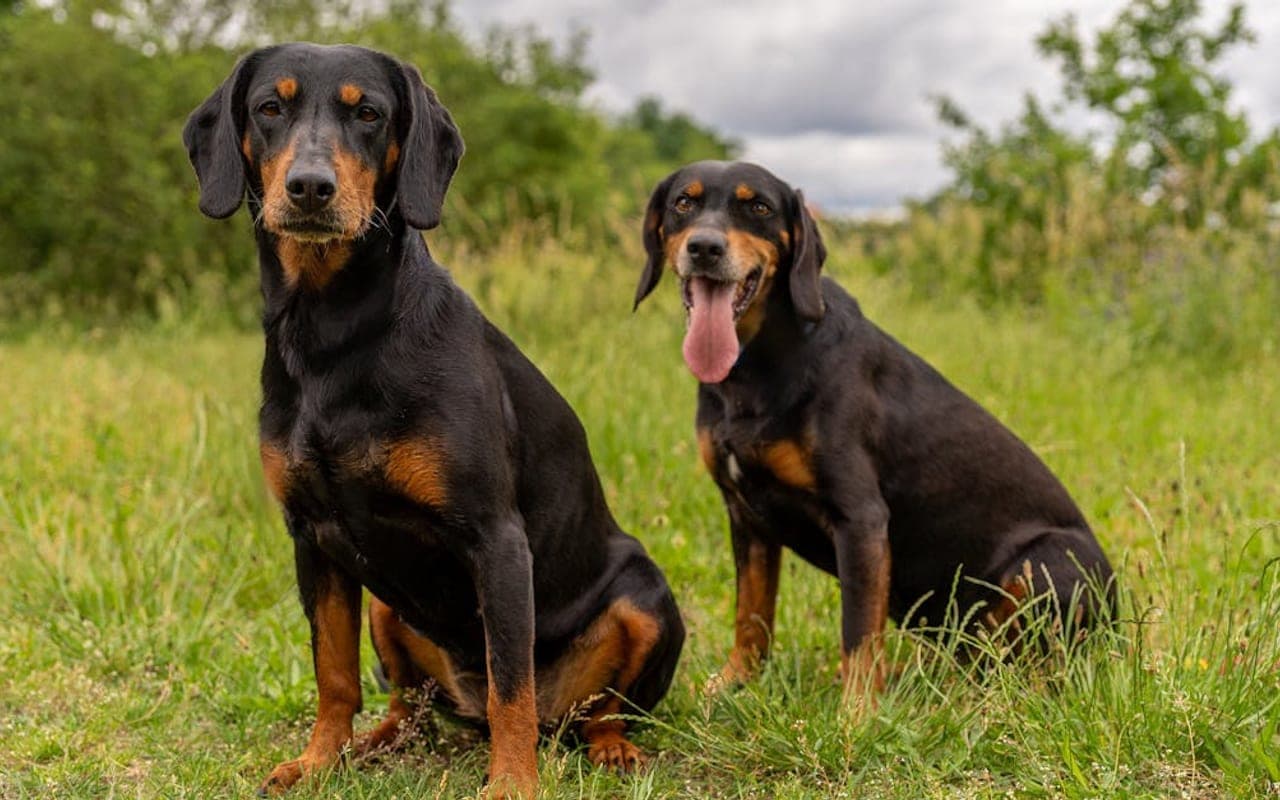
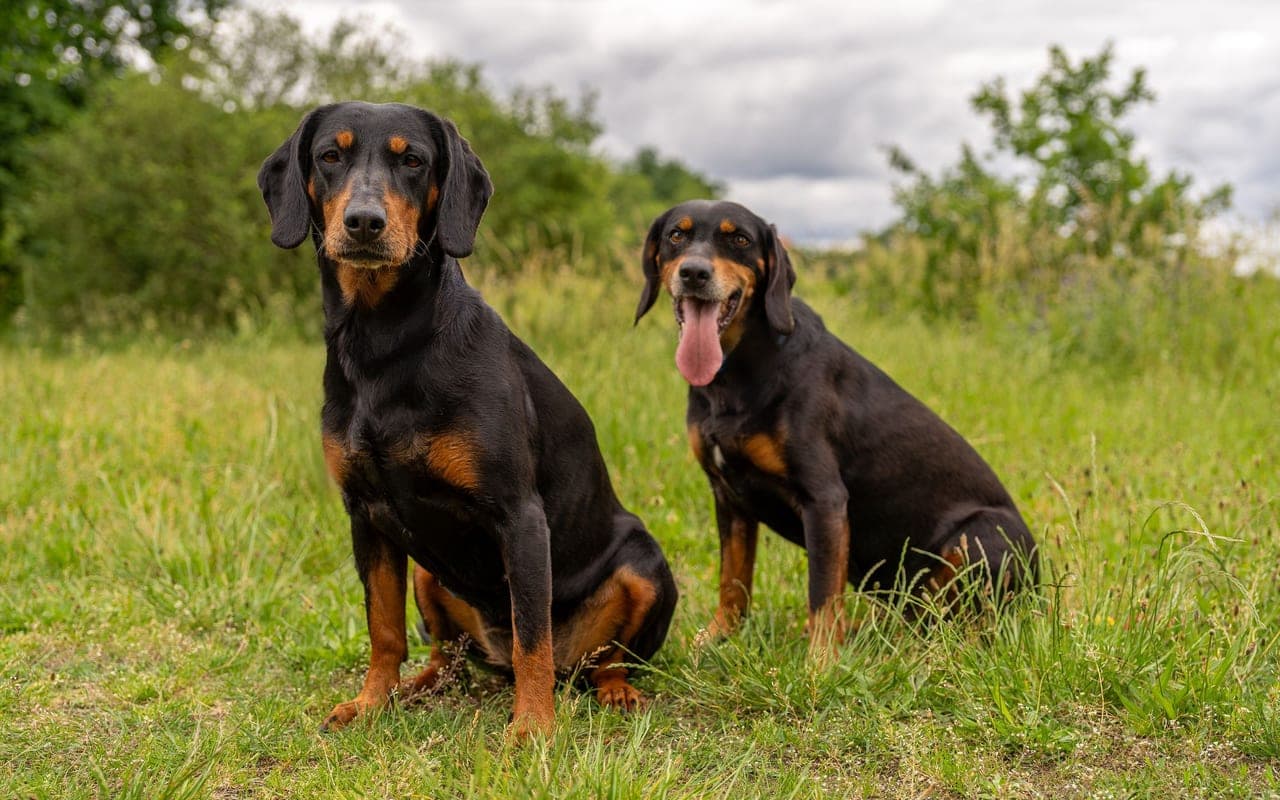
The Slovensky Kopov (Slovakian Hound) is a medium black-and-tan scent hound from Slovakia — typically 15-20 kg, light-boned but solid — bred for one demanding job: tracking and baying wild boar across hard mountain country for hours on end.
Size
33-44 lb
Lifespan
12-13 years
Exercise
30-60 minutes
Shedding
Moderate
Experience
Match to owner routine
Decision first
Is a Slovensky Kopov right for you?
Start with fit before history or trivia. These are ownership signals, not guarantees about any individual dog.
Best suited for
- Households with children.
- Homes with other compatible pets.
- Apartment homes with a consistent routine.
- Owners seeking a manageable daily exercise routine.
Think carefully if
- You need a dog with almost no daily routine.
- You cannot keep up with grooming and preventive care.
- The dog will spend most days alone without support.
Conditional fit
Apartment fit depends on exercise, enrichment, noise management, and outdoor access.
Daily reality
Slovensky Kopov commitment snapshot
Daily exercise
30-60 minutes
Match activity to age, health, weather, and training goals.
Coat care
Moderate
Grooming needs vary by coat, shedding, and lifestyle.
Time alone
Needs planning
Most dogs need gradual alone-time conditioning and support.
Structured facts
Slovensky Kopov at a glance
The measurements and traits that most affect day-to-day life with this breed.
Group
Foundation Stock Service
Weight
33-44 lb
Height
16-20 in
Lifespan
12-13 years
Temperament
Courageous | Alert | Determined
View all characteristics and methodology
Lifestyle fit
- Apartment suitability
- Likely fit
- Child friendliness
- Often good, with socialisation and supervision
- Other-pet fit
- Often compatible with careful introductions
Owner commitment
- Exercise
- 30-60 minutes
- Grooming
- Moderate
- Shedding
- Moderate
- Training
- Moderate
Environment and health
- Health risk
- Needs planning
Ratings combine structured breed data, visible breed fields, and editorial context. They are planning aids, not predictions for an individual dog.
Daily life
Slovensky Kopov temperament and behavior
The Slovensky Kopov (Slovakian Hound) is a medium black-and-tan scent hound from Slovakia — typically 15-20 kg, light-boned but solid — bred for one demanding job: tracking and baying wild boar across hard mountain country for hours on end. Any honest profile leads with that, because the breed's whole character is downstream of it. This is a hunting machine in a pet's body, and most of its 'problems' in a home are simply a working hound with nowhere to work. Temperament reflects the job. The Kopov is courageous, persistent, intensely scent-driven and independent — it was bred to follow a trail alone, far ahead of the hunter, and make its own decisions. With its family it is loyal and affectionate; with a scent it is single-minded and effectively deaf to recall. It is alert and makes a serious watchdog, and it can be reserved with strangers and assertive toward strange dogs. None of this is a defect; it is a relatively healthy, hardy working landrace doing exactly what it was selected to do. The coat is short-to-medium, close-fitting, dense and weather-hardy, always solid black with tan markings. It is genuinely low-maintenance — one of the few easy things about the breed. The trade-off you are accepting: high stamina, a powerful nose and strong independence mean this dog needs a job, serious daily exercise, secure containment, and an owner who manages recall by environment (long line, fenced area) rather than trusting obedience near game. Drop those and you get a vocal, escape-prone, destructive dog — not because it is bad, but because it is unemployed. Who the Slovensky Kopov is right for: an active owner (ideally a hunter or trail/scent-sport handler) with secure space who wants a hardy, low-grooming, driven hound. Who it is wrong for: sedentary or apartment homes, off-lead-park expectations, free-roaming small-pet households, and anyone wanting an easy, biddable companion.
Courageous | Alert | Determined
Courageous
A common Slovensky Kopov temperament descriptor that should be interpreted alongside training, exercise, and household fit.
Alert
A common Slovensky Kopov temperament descriptor that should be interpreted alongside training, exercise, and household fit.
Determined
A common Slovensky Kopov temperament descriptor that should be interpreted alongside training, exercise, and household fit.
Owner note
Temperament labels are starting points, not guarantees. Meet the individual dog and ask about behavior history whenever possible.
Care essentials
How to care for a Slovensky Kopov
What looking after one actually involves: exercise, grooming, food, training, and routine health.
ExerciseAs needed
- Moderately active breed needing 30-60 minutes of daily exercise.
GroomingAs needed
- Brush 2-3 times per week.
TrainingAs needed
- Consistent, patient training works best.
NutritionAs needed
- Feed high-quality dog food appropriate for age, size, and activity level.
Veterinary CareAs needed
- Annual wellness exams, vaccinations, dental care, and parasite prevention.
Health planning
Slovensky Kopov health risks and screening
Every breed has individual health variation. Use this profile for planning and discuss medical decisions with a veterinarian.
Responsible ownership
Finding a Slovensky Kopov responsibly
What to ask a breeder or rescue is the same conversation for every breed, so we keep it in one place and keep it current.
Health documentation, meeting the parents or foster, contracts and return support, and the warning signs worth walking away from.
Original purpose
Slovensky Kopov history
History is useful when it explains today's behavior, coat, exercise needs, and training style.
Read the breed history
The Slovensky Kopov is Slovakia's native scent hound, developed in the Carpathian region as a tough, weatherproof boar-hunting dog and likely descended from older Central European black-and-tan hounds (the Brandlbracke/Austrian Black and Tan and the Polish Hound among its relatives). It was bred strictly for working ability — endurance, courage, nose and independence on a trail — rather than for appearance, which is why it remains a hardy, unexaggerated landrace with relatively few conformation-driven health problems. The breed was stabilized to a written standard in the 20th century (FCI standard No. 244), is the national hunting hound of Slovakia where it is still widely worked on wild boar, and remains rare elsewhere, with records kept in the AKC Foundation Stock Service. For owners the practical lesson from that history is twofold: the breed's robustness is real and earned, but so is its drive — a dog selected for centuries to track game alone for hours does not become a low-need pet just because it now lives in a house.
Gallery
Slovensky Kopov photos
Images are cropped consistently and loaded progressively to keep the page responsive.
Lower-page context
Slovensky Kopovs in culture
Where the breed shows up in film, sport, work and folklore — the enjoyable part, once the practical questions are answered.
Fun facts
- The Slovensky Kopov belongs to the Foundation Stock Service.
- The average lifespan of a Slovensky Kopov is 12 to 13 years.
- Slovensky Kopov dogs are valued for their courageous, alert, determined nature.
Slovensky Kopov FAQs
How long do Slovensky Kopov dogs live?
Typically 12-14 years. As a working landrace selected for performance rather than looks, the breed is comparatively sound, so lifespan is driven less by inherited disease and more by management: enough real exercise, staying lean (this food-motivated hound fattens easily), and treating ear infections and any orthopedic signs early rather than waiting. A well-exercised, lean Kopov from health-checked parents tends to live a long, vigorous life.
Are Slovensky Kopov dogs good with children and other pets?
With its own family the Kopov is loyal and affectionate, and good with respectful children given supervision. Other animals are harder: it is a high-prey-drive hunting hound, so small free-roaming pets are a poor mix, and it can be assertive with strange dogs. It can coexist with animals it is raised with under management, but this is a driven hunting breed, not a naturally easy multi-pet dog — early socialization and realistic expectations are essential.
How much exercise does a Slovensky Kopov need?
A great deal — plan 60-90 minutes of vigorous daily activity plus scent and mental work. This is a boar-hunting hound bred to track for hours; short street walks do not come close, and an under-exercised Kopov turns destructive, vocal and escape-focused. It thrives with hunting, tracking, trail running or scent sport. It is an excellent dog for an active outdoor handler and a poor one for a sedentary household.
Is the Slovensky Kopov easy to train and can it be off-lead?
It is intelligent but independent — bred to work a trail alone and make its own decisions — so it cooperates with a respected handler rather than obeying instantly. The decisive issue is recall: once this dog locks onto a scent it is effectively deaf to commands, and no amount of training reliably overrides that instinct. Treat secure fencing, a long line and enclosed exercise as the real solution; do not bank on off-lead reliability near game or wildlife.
Is the Slovensky Kopov a healthy breed?
Comparatively, yes. As a working scent-hound landrace selected for endurance and ability rather than appearance, it is hardy and largely free of exaggerated-conformation disease. It is not problem-free: hip dysplasia, patellar luxation, hypothyroidism and especially recurrent ear infections do occur. The honest summary is 'robust but not immune' — buy from health-checked parents, stay on top of ear care, and do not let the breed's toughness become an excuse to over-feed or under-exercise it.
How much does a Slovensky Kopov cost to own?
Grooming is cheap — a weekly brush — but plan for the recurring costs that actually define this breed: ongoing ear care and the realistic chance of repeated otitis treatment (vet visits and medicated ear products add up over the years), plus the time and fuel cost of delivering 60-90 minutes of real daily exercise. Hypothyroidism, if it develops, means lifelong daily medication and periodic blood tests. Health-checked parents reduce the larger orthopedic surprises.
Sources
These are the published sources this page draws on. Each opens in a new tab so you can check it yourself.
American Kennel Club
Slovensky Kopov — breed standard and profile(opens in a new tab)Supports: Breed standard and recognition details.
Similar breeds to consider
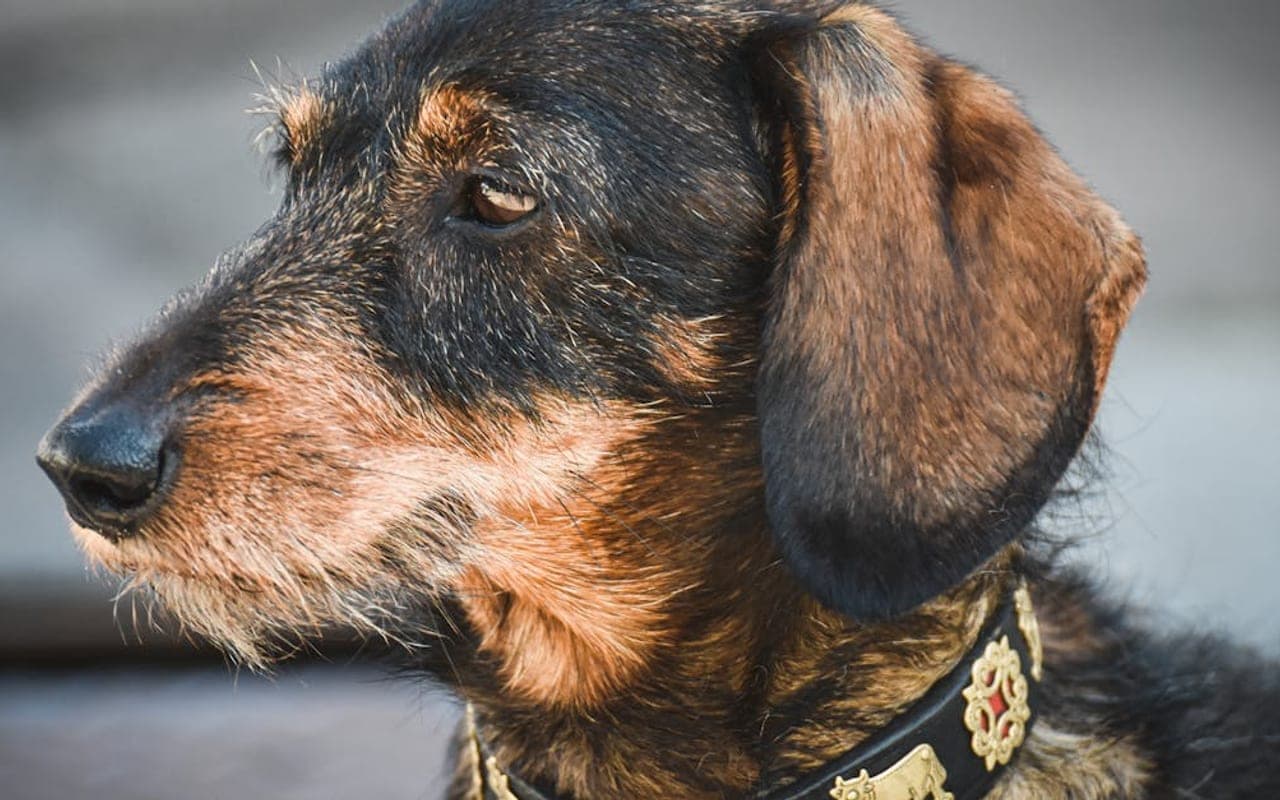
Jagdterrier
Also in the Foundation Stock Service group, with different care and temperament tradeoffs.
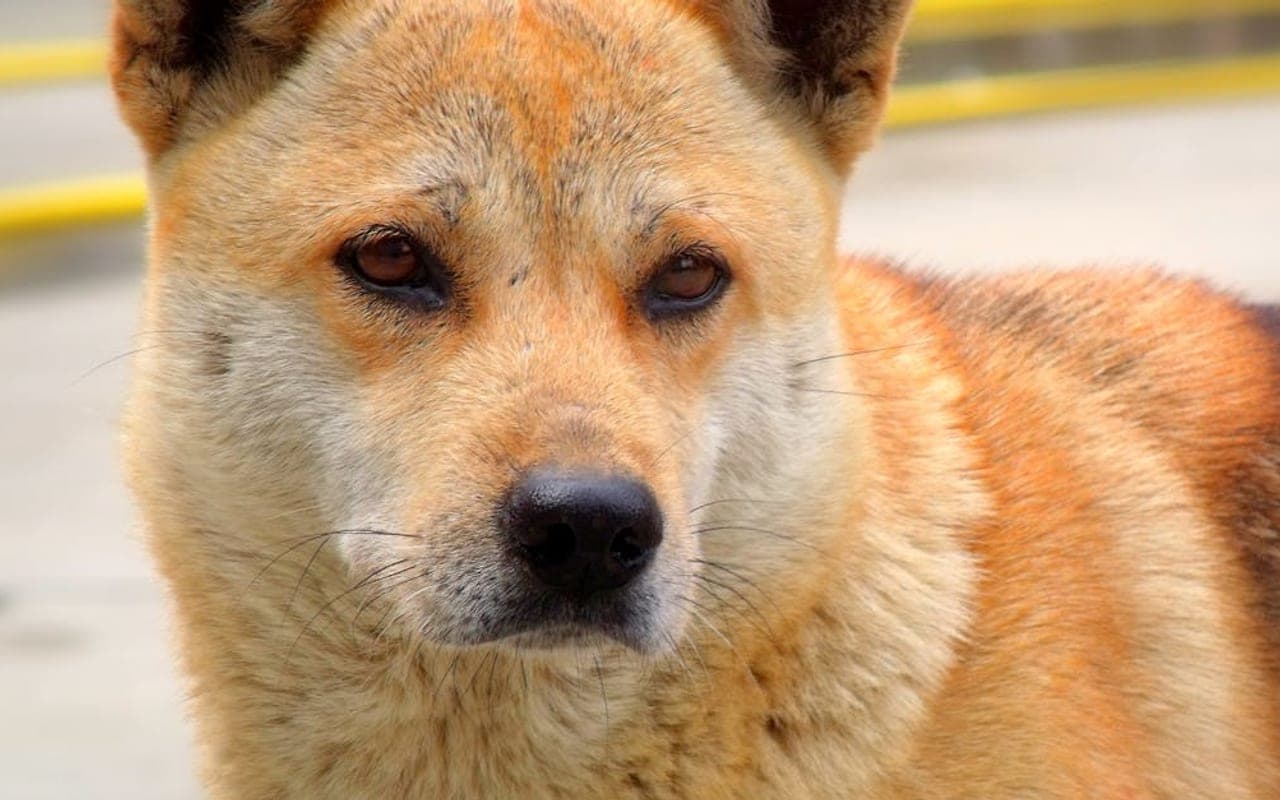
Jindo
Also in the Foundation Stock Service group, with different care and temperament tradeoffs.
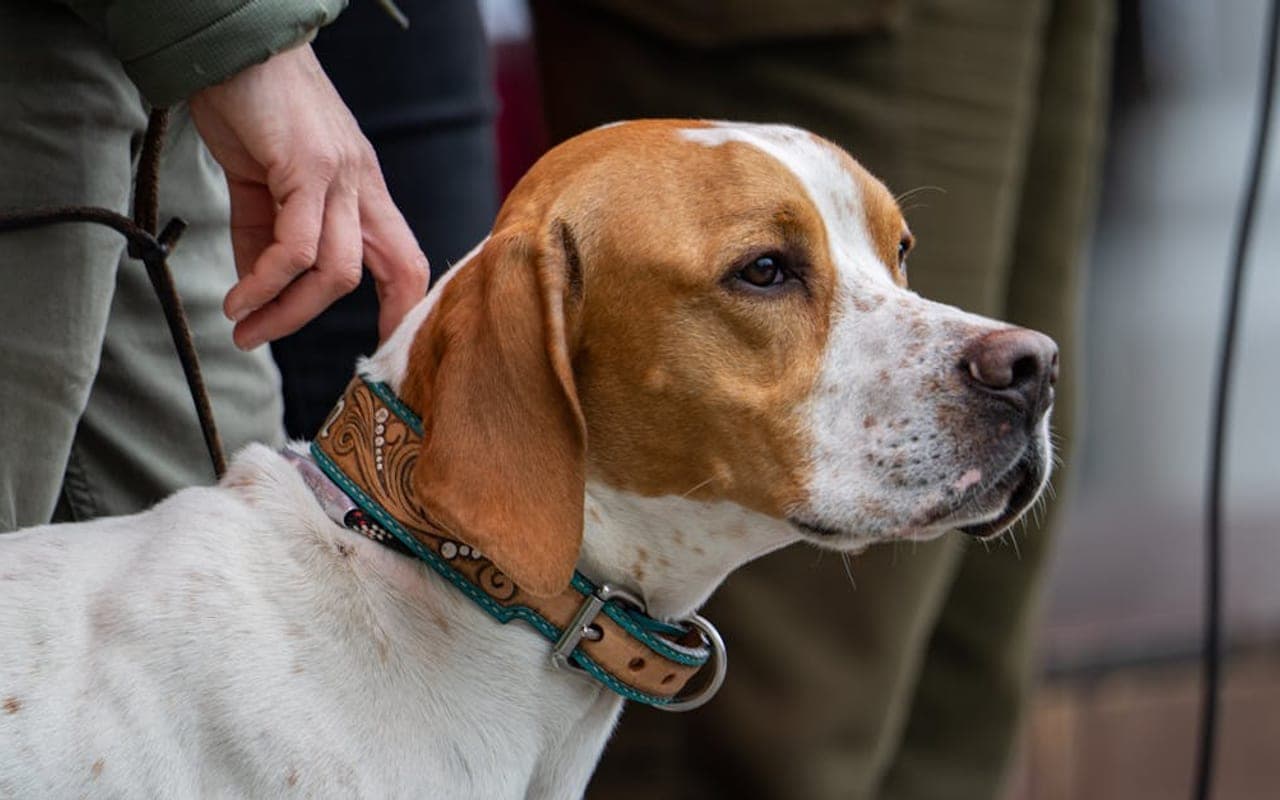
Portuguese Pointer
Also in the Foundation Stock Service group, with different care and temperament tradeoffs.
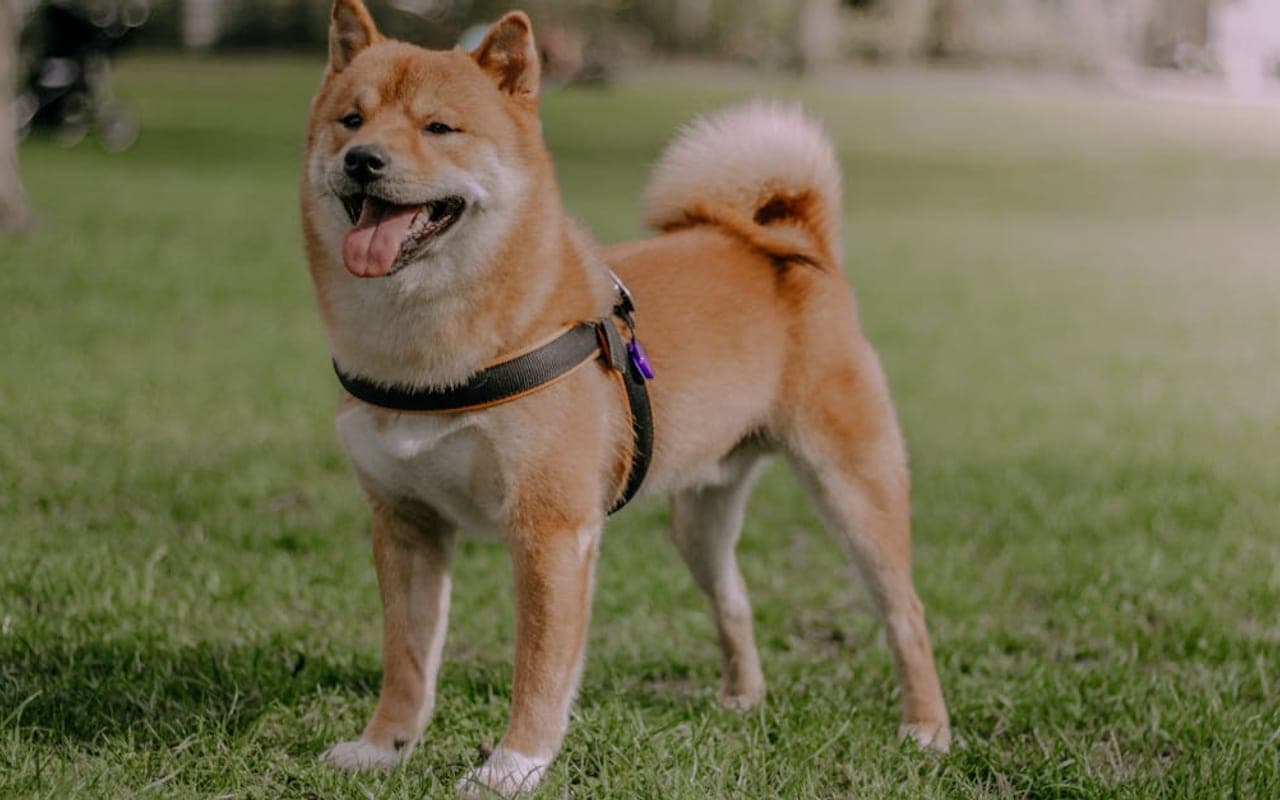
Kishu Ken
Also in the Foundation Stock Service group, with different care and temperament tradeoffs.
Explore More About Slovensky Kopov
Dive deeper into everything Slovensky Kopov — costs, care, and expert insights.
Considering a cat instead?
Browse Cats