
Terrier group
Smooth Fox Terrier
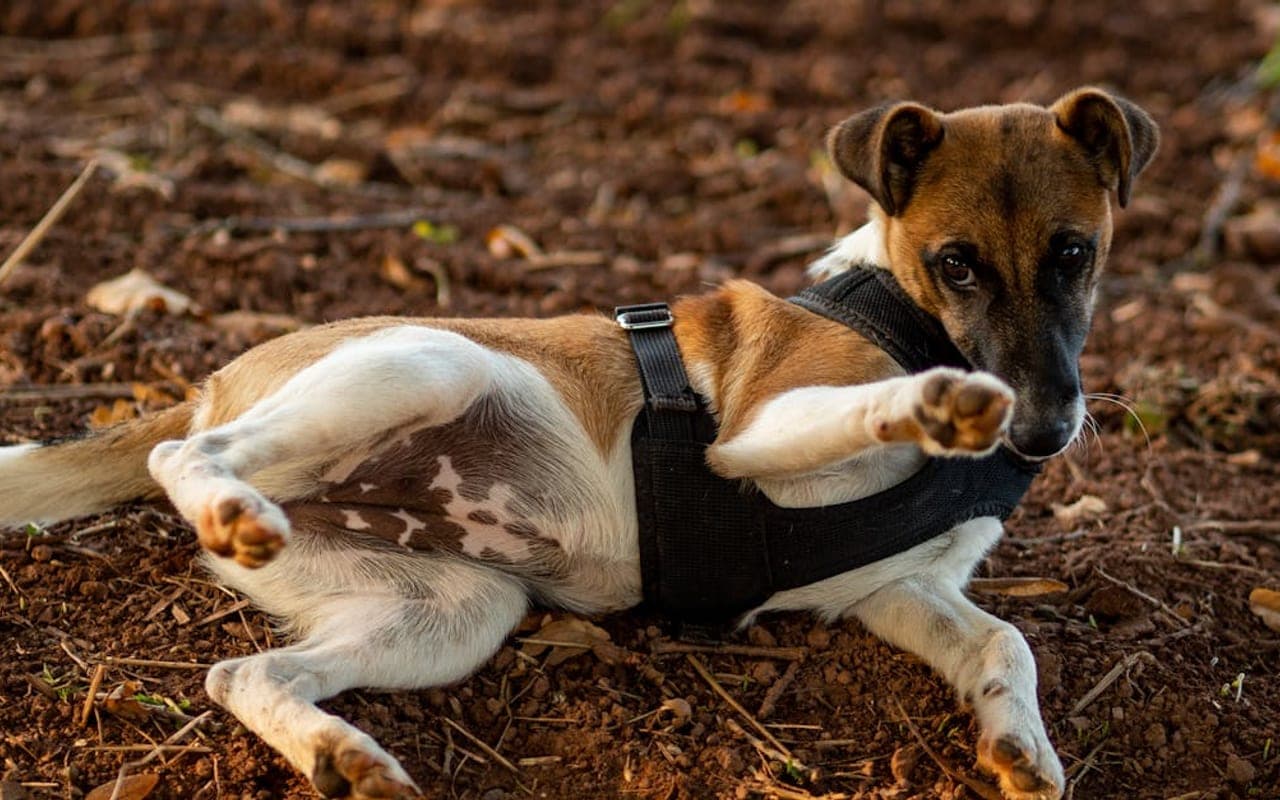
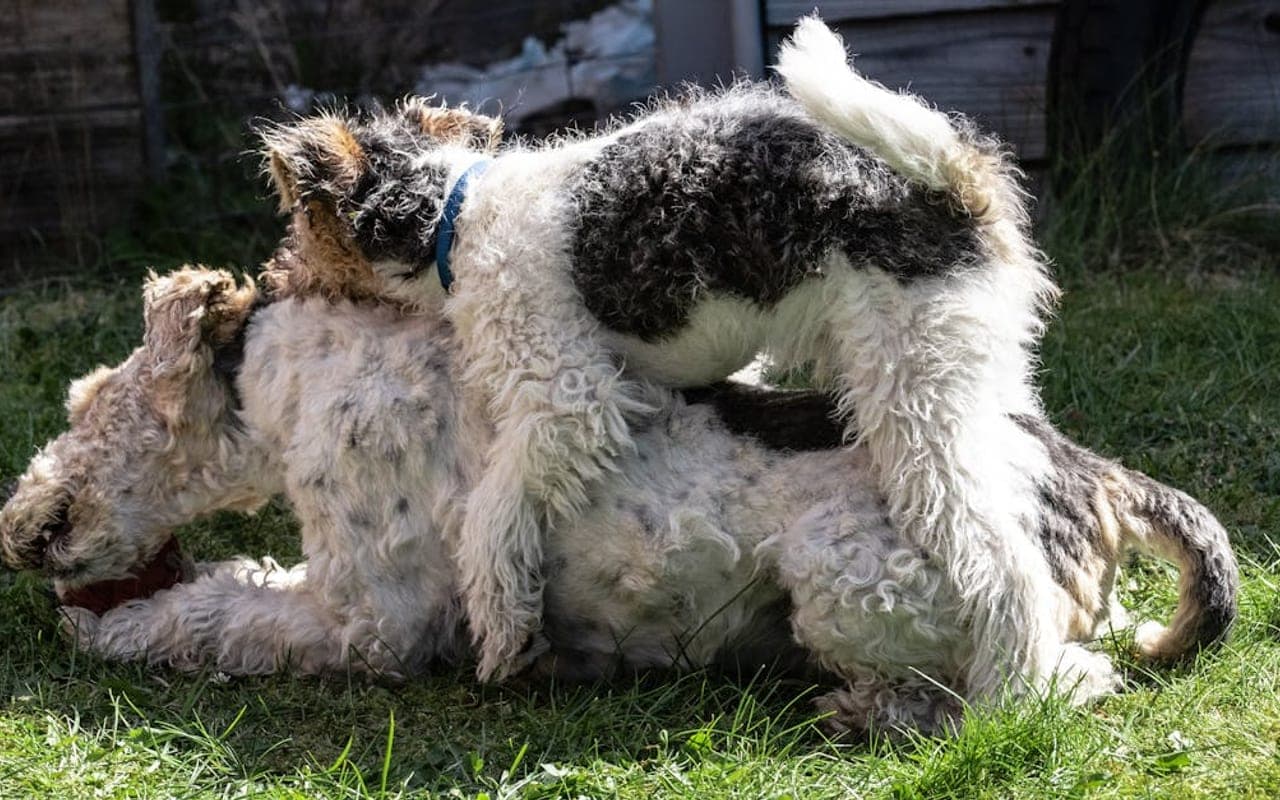
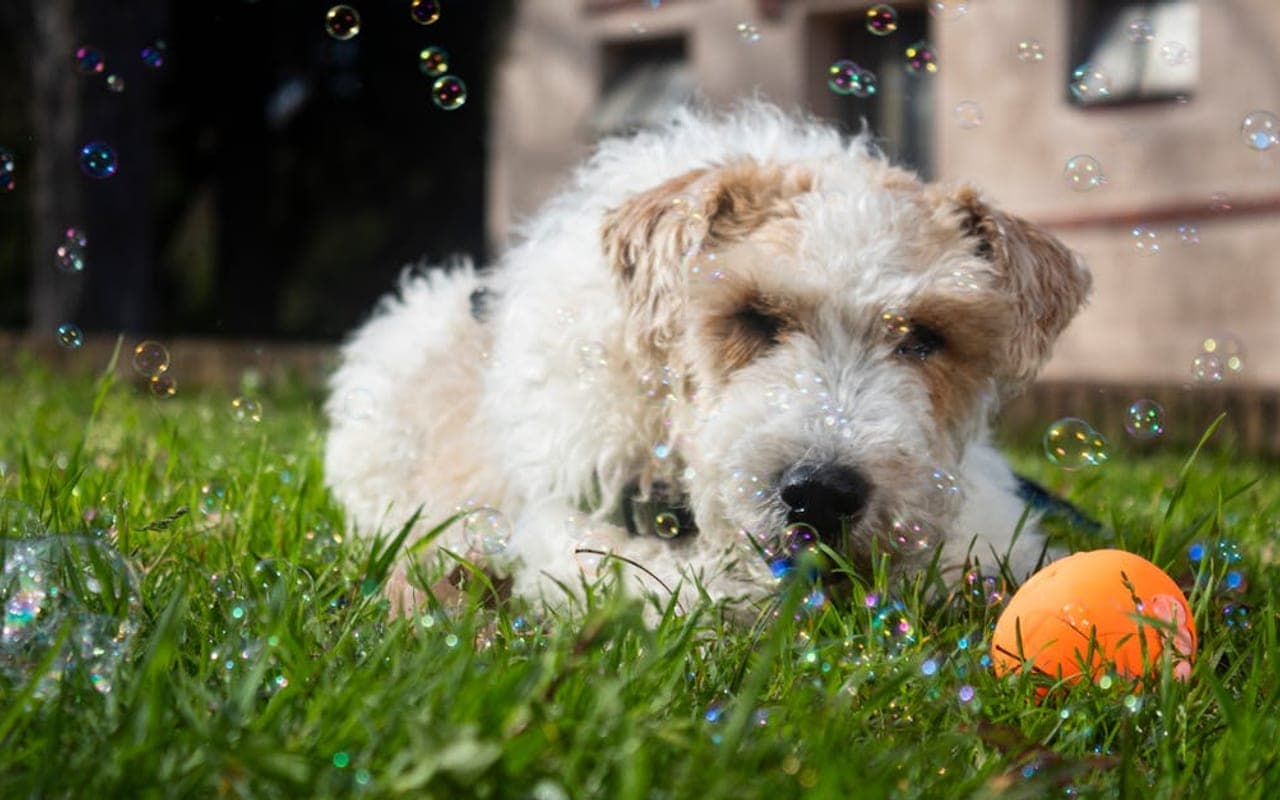
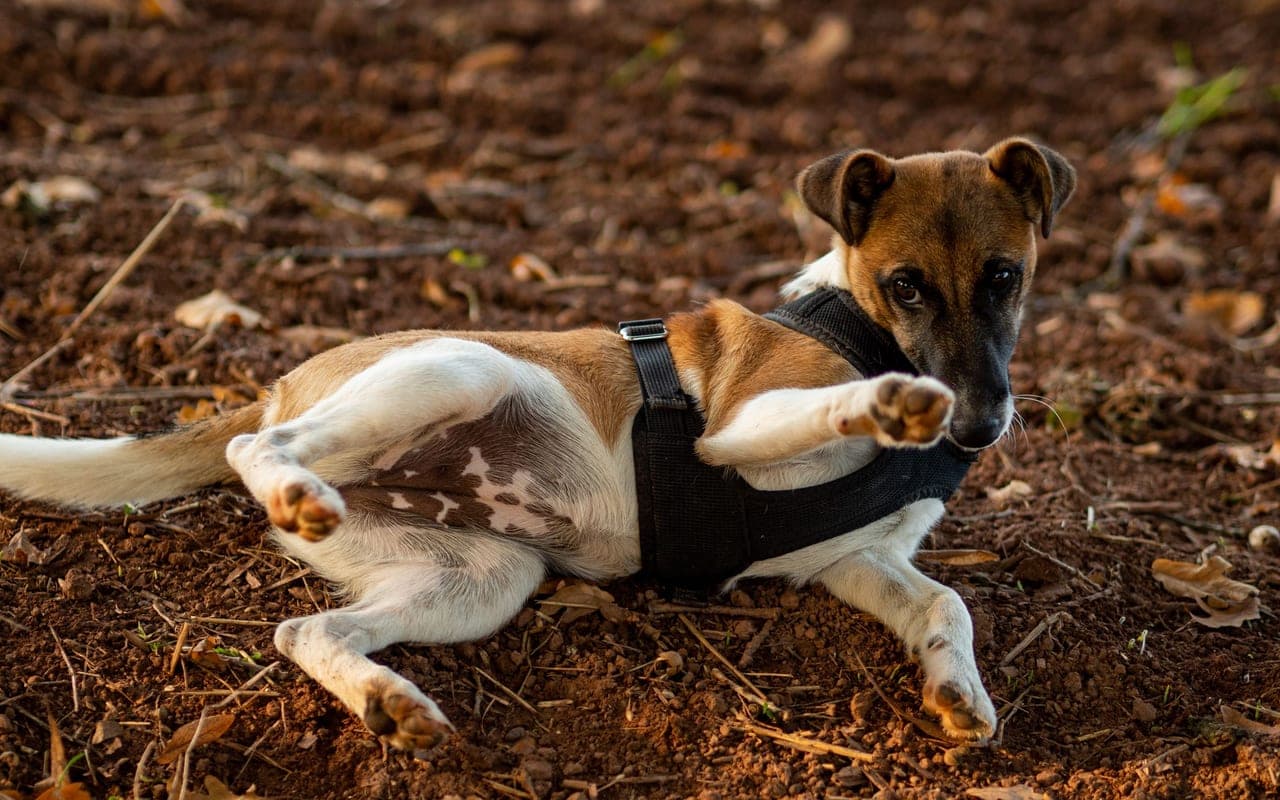
The Smooth Fox Terrier is a working earth dog bred in Britain to be sent underground after fox during the traditional hunt — to bolt or hold a quarry in its den.
Size
15-18 lb
Lifespan
12-15 years
Exercise
30-60 minutes
Shedding
Moderate
Experience
Match to owner routine
Decision first
Is a Smooth Fox Terrier right for you?
Start with fit before history or trivia. These are ownership signals, not guarantees about any individual dog.
Best suited for
- Households with children.
- Homes with other compatible pets.
- Apartment homes with a consistent routine.
- Owners seeking a manageable daily exercise routine.
Think carefully if
- You need a dog with almost no daily routine.
- You cannot keep up with grooming and preventive care.
- The dog will spend most days alone without support.
Conditional fit
Apartment fit depends on exercise, enrichment, noise management, and outdoor access.
Daily reality
Smooth Fox Terrier commitment snapshot
Daily exercise
30-60 minutes
Match activity to age, health, weather, and training goals.
Coat care
Moderate
Grooming needs vary by coat, shedding, and lifestyle.
Time alone
Needs planning
Most dogs need gradual alone-time conditioning and support.
Structured facts
Smooth Fox Terrier at a glance
The measurements and traits that most affect day-to-day life with this breed.
Group
Terrier
Weight
15-18 lb
Height
14-15 in
Lifespan
12-15 years
Temperament
Friendly | Independent | Amusing
View all characteristics and methodology
Lifestyle fit
- Apartment suitability
- Likely fit
- Child friendliness
- Often good, with socialisation and supervision
- Other-pet fit
- Often compatible with careful introductions
Owner commitment
- Exercise
- 30-60 minutes
- Grooming
- Moderate
- Shedding
- Moderate
- Training
- Moderate
Environment and health
- Health risk
- Needs planning
Ratings combine structured breed data, visible breed fields, and editorial context. They are planning aids, not predictions for an individual dog.
Daily life
Smooth Fox Terrier temperament and behavior
The Smooth Fox Terrier is a working earth dog bred in Britain to be sent underground after fox during the traditional hunt — to bolt or hold a quarry in its den. Every trait people love or struggle with traces to that job. This is a compact, hard, athletic terrier standing no more than about 15.5 inches at the shoulder and weighing roughly 15-19 lb (7-9 kg), with a dense flat coat that is predominantly white with black and/or tan markings and a head more V-shaped than its close cousin the Wire Fox Terrier. The Smooth Fox Terrier is right for you if you want a bold, funny, high-energy, intelligent companion, you have a securely fenced yard, you genuinely enjoy training a dog with strong opinions, and you understand that the prey drive and digging are features, not bugs. Engaged Smooths are athletic, entertaining, devoted, and famously characterful — the 'gentleman of the terrier world' has a comedian's timing and a hunter's intensity. The Smooth Fox Terrier is wrong for you if you want a placid, low-exercise, off-leash, small-pet-compatible dog. The breed was selected for centuries to chase and kill small animals — it is unsafe to trust off-leash near roads or wildlife, it can be a serious risk to cats, rabbits, and rodents, and it will dig, climb, and escape a poorly fenced yard. It is also a determined barker and can be scrappy with other dogs without early socialization. The Smooth is a terrific dog for an active, terrier-literate owner and a frustrating mismatch for anyone hoping the prey drive can be trained away. It cannot; it is the breed.
Friendly | Independent | Amusing
Friendly
A common Smooth Fox Terrier temperament descriptor that should be interpreted alongside training, exercise, and household fit.
Independent
A common Smooth Fox Terrier temperament descriptor that should be interpreted alongside training, exercise, and household fit.
Amusing
A common Smooth Fox Terrier temperament descriptor that should be interpreted alongside training, exercise, and household fit.
Owner note
Temperament labels are starting points, not guarantees. Meet the individual dog and ask about behavior history whenever possible.
Care essentials
How to care for a Smooth Fox Terrier
What looking after one actually involves: exercise, grooming, food, training, and routine health.
ExerciseAs needed
- Moderately active breed needing 30-60 minutes of daily exercise.
GroomingAs needed
- Brush 2-3 times per week.
TrainingAs needed
- Consistent, patient training works best.
NutritionAs needed
- Feed high-quality dog food appropriate for age, size, and activity level.
Veterinary CareAs needed
- Annual wellness exams, vaccinations, dental care, and parasite prevention.
Health planning
Smooth Fox Terrier health risks and screening
Every breed has individual health variation. Use this profile for planning and discuss medical decisions with a veterinarian.
Responsible ownership
Finding a Smooth Fox Terrier responsibly
What to ask a breeder or rescue is the same conversation for every breed, so we keep it in one place and keep it current.
Health documentation, meeting the parents or foster, contracts and return support, and the warning signs worth walking away from.
Original purpose
Smooth Fox Terrier history
History is useful when it explains today's behavior, coat, exercise needs, and training style.
Read the breed history
The Smooth Fox Terrier was developed in 18th- and 19th-century England as a hunting terrier for the mounted fox hunt. Its job was to be carried or to run with the pack and, when the fox went to ground, to be sent into the earth to bolt the fox so the hunt could continue, or to hold it at bay. The breed was selected purely for working ability: courage in a tight underground space, the drive to pursue and kill vermin, stamina to keep up, and the build to maneuver in a den. The Smooth and the Wire Fox Terrier were long considered varieties of one breed and were interbred historically; they were later separated into distinct breeds. The Smooth was among the earliest breeds recognized by the Kennel Club in Britain and became enormously popular as both a working dog and a companion. Its intensity, prey drive, digging, vocal alertness, and self-directed problem-solving are all direct inheritances from generations of selection for solo work underground against quarry.
Gallery
Smooth Fox Terrier photos
Images are cropped consistently and loaded progressively to keep the page responsive.
Lower-page context
Smooth Fox Terriers in culture
Where the breed shows up in film, sport, work and folklore — the enjoyable part, once the practical questions are answered.
Fun facts
- The Smooth Fox Terrier belongs to the Terrier Group.
- The average lifespan of a Smooth Fox Terrier is 12 to 15 years.
- Smooth Fox Terrier dogs are valued for their friendly, independent, amusing nature.
Smooth Fox Terrier FAQs
How long do Smooth Fox Terriers live?
A Smooth Fox Terrier typically lives 12-15 years, and many reach the top of that range because it is a hardy, structurally sound small breed. What erodes those years is usually specific rather than general decline: an untreated primary-lens-luxation crisis taking an eye, orthopedic problems (patellar luxation, Legg-Calvé-Perthes) limiting mobility, or later-life mitral valve disease. Screened parents — DNA-tested for lens luxation, BAER-tested for hearing, eye-cleared — plus lean weight and prompt attention to eye or limb changes are what actually protect the lifespan.
Are Smooth Fox Terriers good with cats and small pets?
Generally no, and this is a defining limitation rather than a training gap. The breed was selected for centuries specifically to pursue and kill small animals underground, so cats, rabbits, rodents, and even small dogs can trigger a serious, sometimes fatal, prey response. A Smooth raised from puppyhood with a specific cat may tolerate that individual cat, but the instinct toward strange small animals does not switch off. If you have or want small pets, plan for lifelong management — separation and supervision — not for the dog 'learning' to ignore them.
How much exercise does a Smooth Fox Terrier need?
A lot — realistically 60+ minutes a day of vigorous activity, not a casual walk. This is a working hunting terrier with high stamina and drive: brisk walks plus secure off-leash running, fetch, agility, flyball, or earthdog work all suit it. The practical consequence of under-exercising one is immediate and predictable — barking, digging, escaping, and destructiveness, because the energy and the working brain go somewhere regardless. If you cannot commit to daily real exercise plus mental work, this is the wrong breed.
Do Smooth Fox Terriers dig and escape?
Yes — both are core breed behaviors, not misbehavior. The Smooth was bred to dig into the earth after quarry, so digging is instinctive, and its drive and athleticism make it a determined escape artist that will tunnel under or climb over an inadequate fence in pursuit of prey or curiosity. The realistic response is structural: a secure fence sunk at the base and tall enough, off-leash only in fully enclosed areas, and a designated digging spot plus enough exercise and enrichment to reduce the motivation. You manage it; you do not eliminate it.
Are Smooth Fox Terriers easy to train?
They are intelligent and capable but independent and self-directed, because they were bred to make decisions alone underground without a handler. They learn quickly when motivated and excel at dog sports, but they will weigh whether your cue beats the squirrel — and the squirrel often wins. Use short, upbeat, reward-based sessions, start socialization and recall early, and manage prey drive with leash and fence rather than relying on obedience to override it. Expect a smart dog with opinions, not an automatically biddable one; harsh methods backfire.
Are Smooth Fox Terriers prone to deafness?
Yes — congenital deafness occurs in the breed and is linked to its predominantly white coat, the same pigment-related mechanism seen in some other mostly-white breeds. It can affect one ear (often unnoticed) or both, and it is present from birth rather than developing later. Responsible breeders BAER hearing-test puppies, so ask for results before buying. A unilaterally deaf dog generally lives a normal life; a bilaterally deaf dog is manageable with hand-signal and vibration training but is a significant commitment a buyer should understand upfront.
Sources
These are the published sources this page draws on. Each opens in a new tab so you can check it yourself.
American Kennel Club
Smooth Fox Terrier — breed standard and profile(opens in a new tab)Supports: Breed standard and recognition details.
Similar breeds to consider

Miniature Schnauzer
Also in the Terrier group, with different care and temperament tradeoffs.
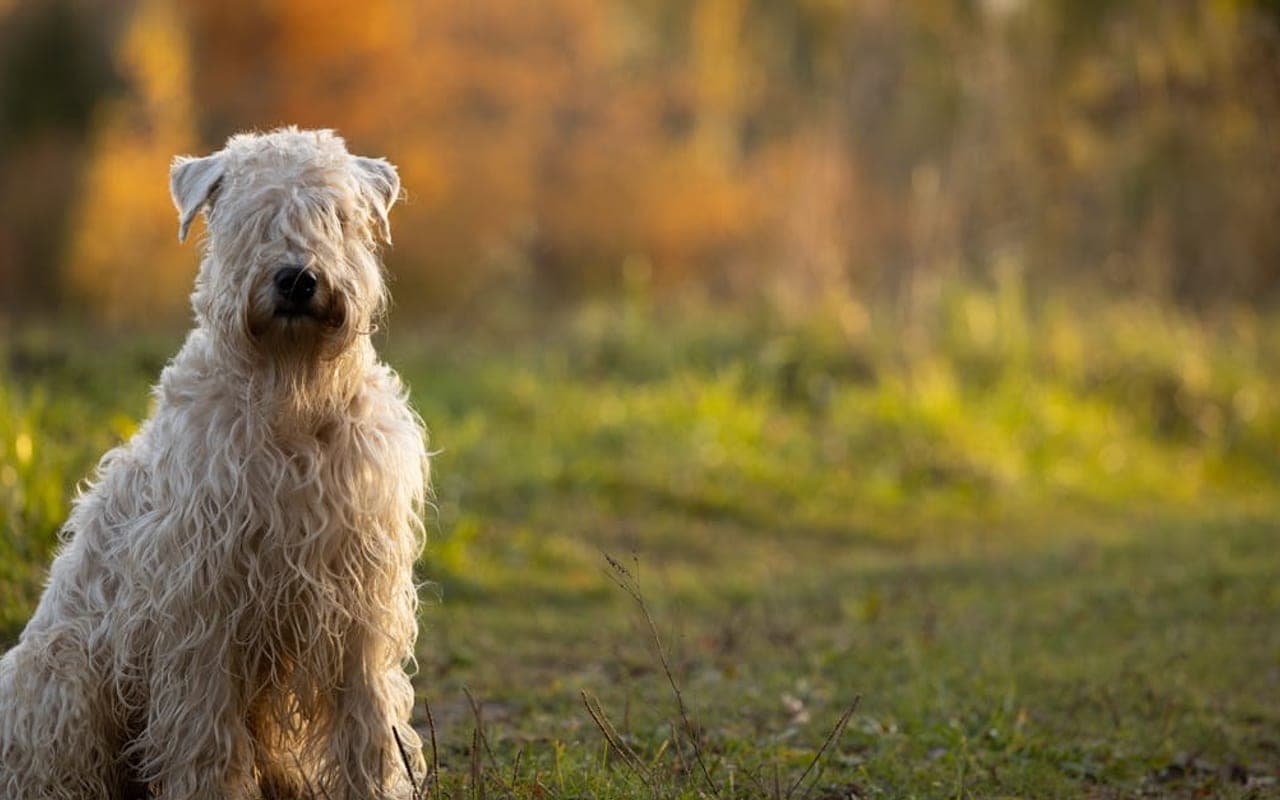
Soft Coated Wheaten Terrier
Also in the Terrier group, with different care and temperament tradeoffs.
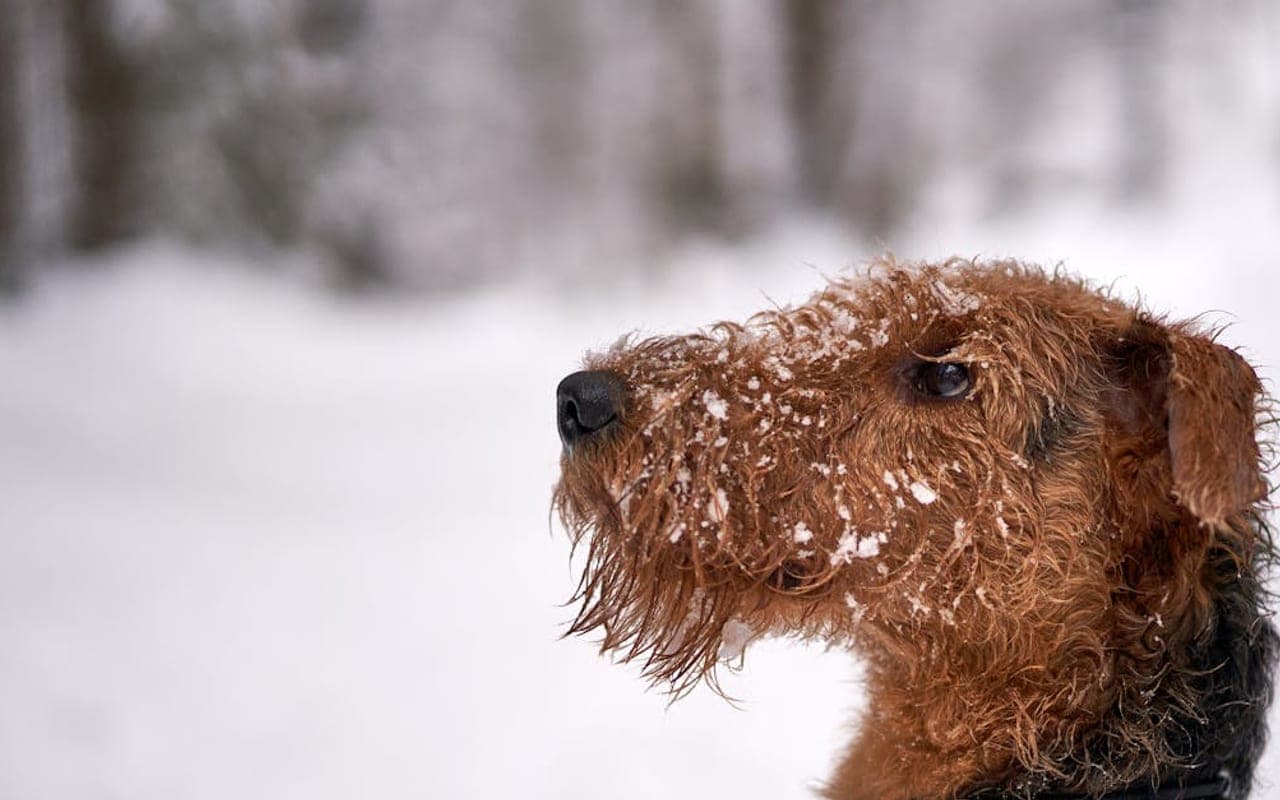
Airedale Terrier
Also in the Terrier group, with different care and temperament tradeoffs.
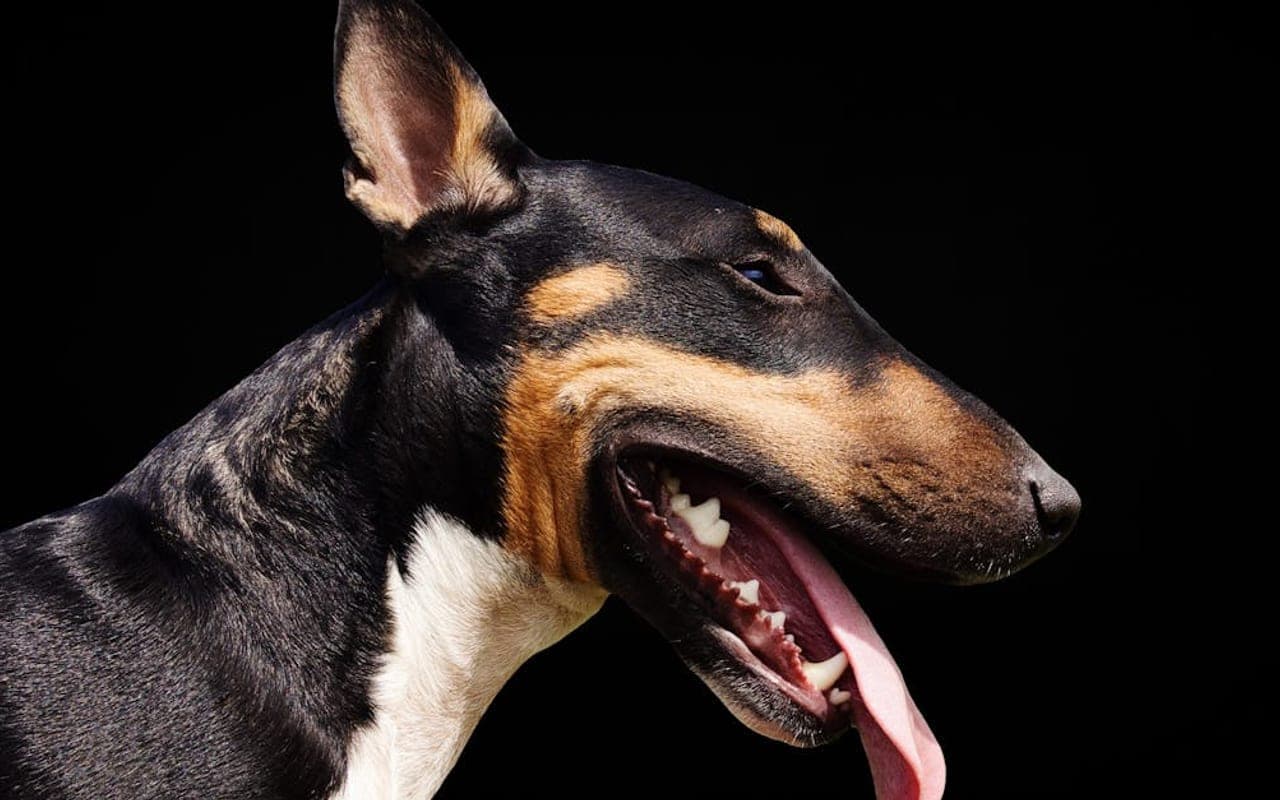
Bull Terrier
Also in the Terrier group, with different care and temperament tradeoffs.
Explore More About Smooth Fox Terrier
Dive deeper into everything Smooth Fox Terrier — costs, care, and expert insights.
Considering a cat instead?
Browse Cats