
Terrier group
Soft Coated Wheaten Terrier
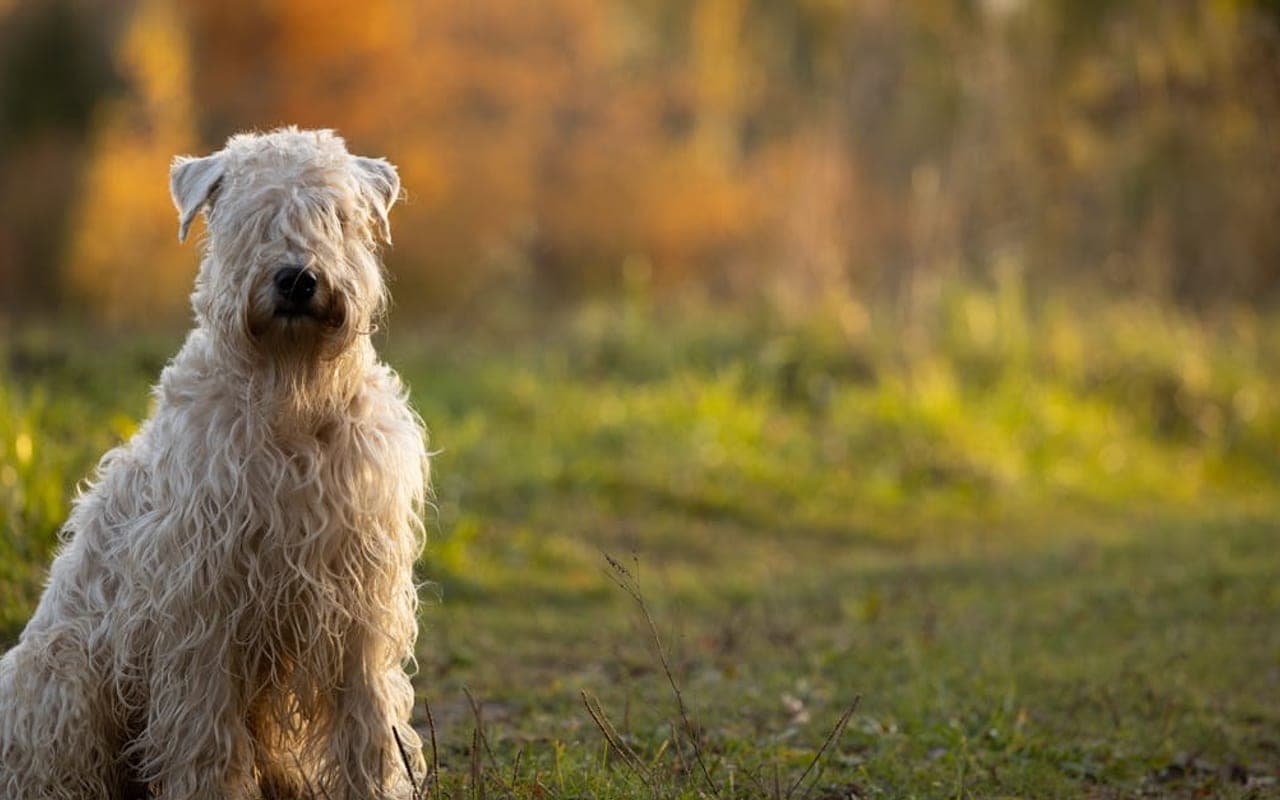
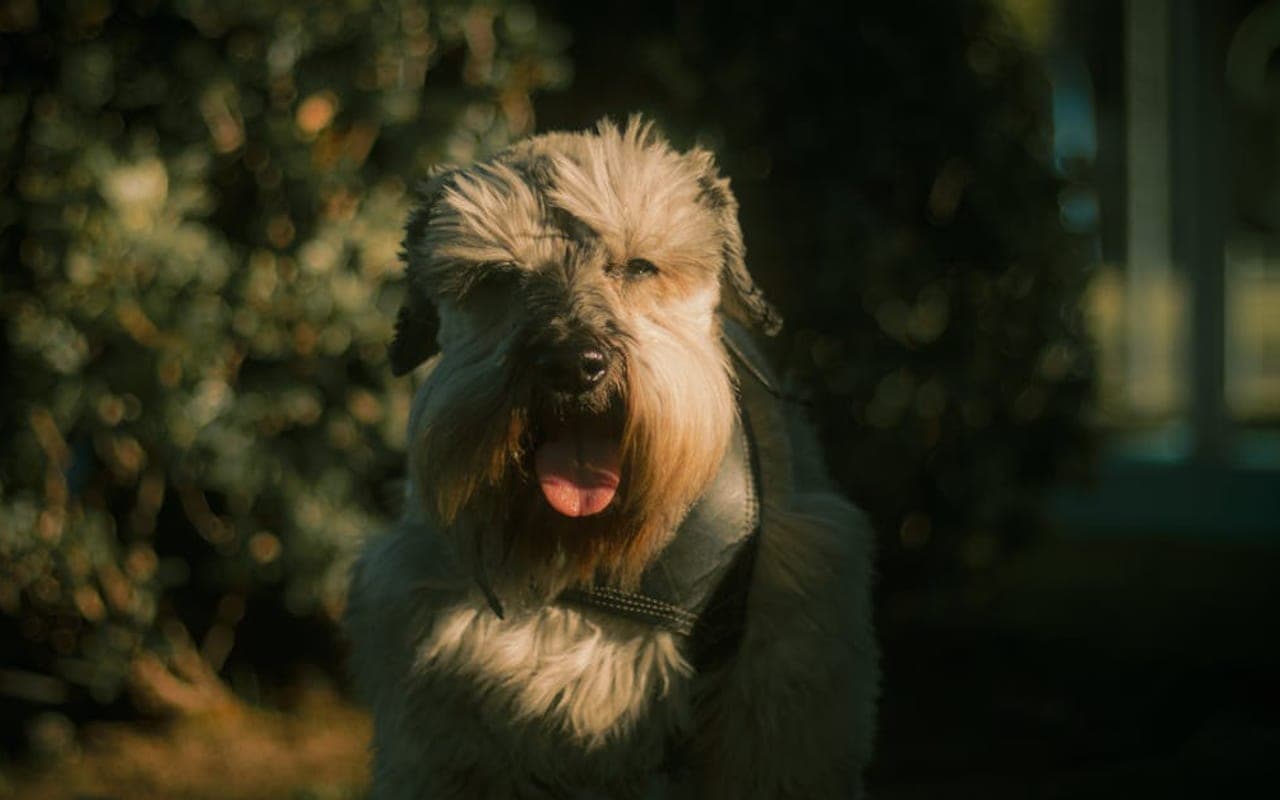
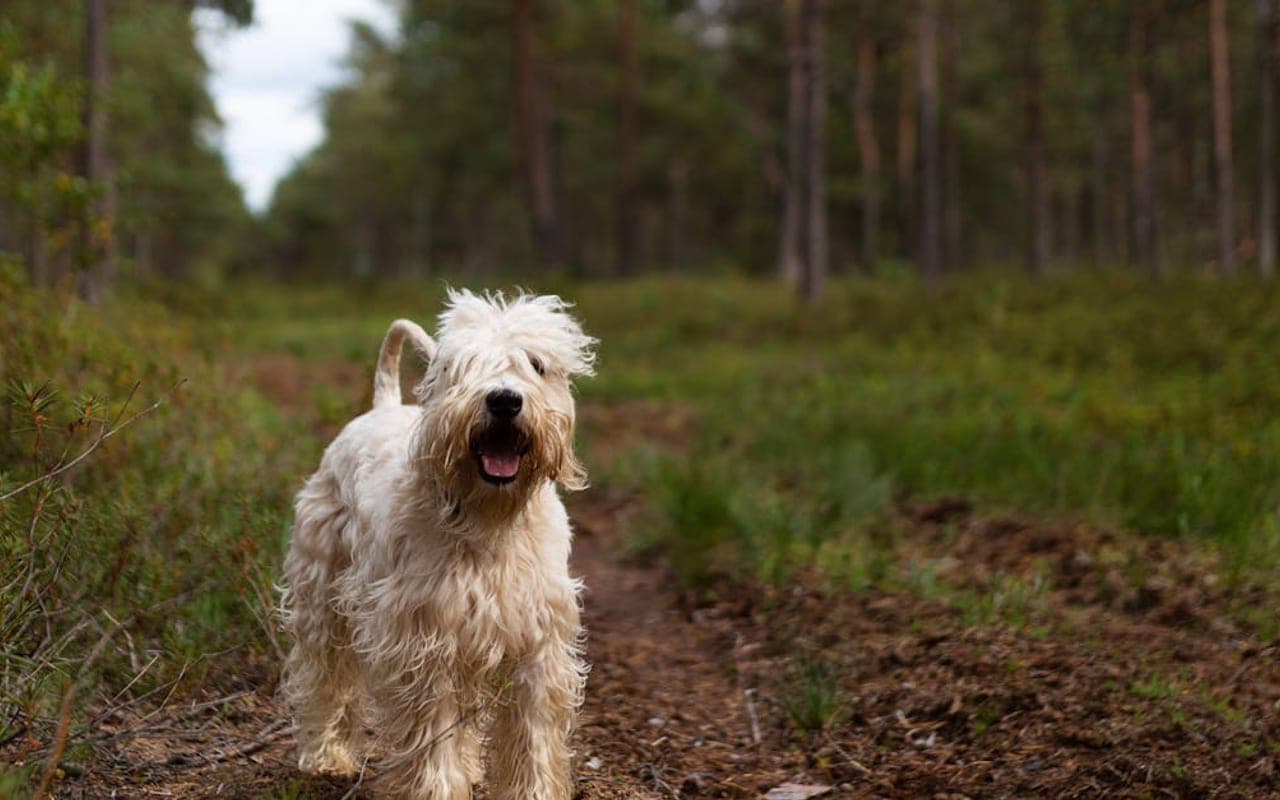
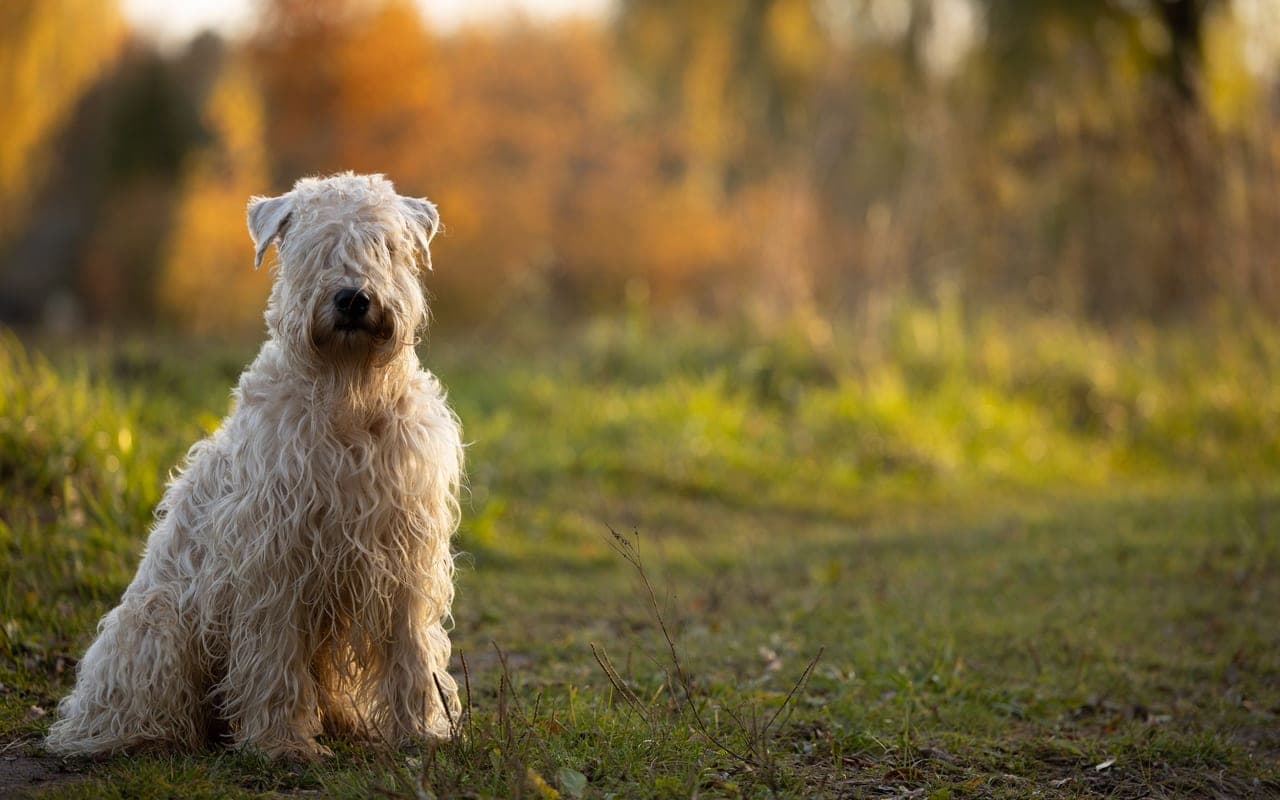
The Soft Coated Wheaten Terrier is a square, medium terrier — roughly 30-40 lb and 17-19 inches at the shoulder — and the headline is the coat: a single, silky, gently waving low-shedding coat the color of ripening wheat.
Size
30-40 lb
Lifespan
12-14 years
Exercise
30-60 minutes
Shedding
Moderate
Experience
Match to owner routine
Decision first
Is a Soft Coated Wheaten Terrier right for you?
Start with fit before history or trivia. These are ownership signals, not guarantees about any individual dog.
Best suited for
- Households with children.
- Homes with other compatible pets.
- Apartment homes with a consistent routine.
- Owners seeking a manageable daily exercise routine.
Think carefully if
- You need a dog with almost no daily routine.
- You cannot keep up with grooming and preventive care.
- The dog will spend most days alone without support.
Conditional fit
Apartment fit depends on exercise, enrichment, noise management, and outdoor access.
Daily reality
Soft Coated Wheaten Terrier commitment snapshot
Daily exercise
30-60 minutes
Match activity to age, health, weather, and training goals.
Coat care
Moderate
Grooming needs vary by coat, shedding, and lifestyle.
Time alone
Needs planning
Most dogs need gradual alone-time conditioning and support.
Structured facts
Soft Coated Wheaten Terrier at a glance
The measurements and traits that most affect day-to-day life with this breed.
Group
Terrier
Weight
30-40 lb
Height
17-19 in
Lifespan
12-14 years
Temperament
Friendly | Happy | Deeply Devoted
View all characteristics and methodology
Lifestyle fit
- Apartment suitability
- Likely fit
- Child friendliness
- Often good, with socialisation and supervision
- Other-pet fit
- Often compatible with careful introductions
Owner commitment
- Exercise
- 30-60 minutes
- Grooming
- Moderate
- Shedding
- Moderate
- Training
- Moderate
Environment and health
- Health risk
- Needs planning
Ratings combine structured breed data, visible breed fields, and editorial context. They are planning aids, not predictions for an individual dog.
Daily life
Soft Coated Wheaten Terrier temperament and behavior
The Soft Coated Wheaten Terrier is a square, medium terrier — roughly 30-40 lb and 17-19 inches at the shoulder — and the headline is the coat: a single, silky, gently waving low-shedding coat the color of ripening wheat. That coat is why people choose the breed and the single biggest reason they regret it, because 'low-shedding' is not 'low-maintenance.' This is a high-grooming dog wearing a hypoallergenic marketing label. Temperament-wise the Wheaten is the friendly extrovert of the terrier group. It is happy, people-driven, and notably less scrappy than most terriers, but it is still a terrier: confident, occasionally stubborn, and prone to the 'Wheaten greetin' — an exuberant, jumping, full-body welcome that is charming in a puppy and a problem in a 38 lb adult that knocks over a grandparent. They are sensitive to harsh handling and shut down or get evasive under heavy corrections; they respond to upbeat, consistent training and need it from day one. Who the Wheaten is right for: an owner who genuinely wants to brush a dog several times a week or pay a groomer every 6-8 weeks, who will train the jumping out early, who exercises 45-60 minutes a day, and — critically — who will buy only from a breeder who tests for the breed's serious protein-wasting kidney and gut diseases. Who it is wrong for: anyone who hears 'hypoallergenic, low-shedding' and assumes 'easy,' or who buys from a source that can't show PLN gene-variant test results on the parents. The grooming you can plan for. The protein-losing diseases you cannot reverse — so the purchase decision is where this breed is won or lost.
Friendly | Happy | Deeply Devoted
Friendly
A common Soft Coated Wheaten Terrier temperament descriptor that should be interpreted alongside training, exercise, and household fit.
Happy
A common Soft Coated Wheaten Terrier temperament descriptor that should be interpreted alongside training, exercise, and household fit.
Deeply Devoted
A common Soft Coated Wheaten Terrier temperament descriptor that should be interpreted alongside training, exercise, and household fit.
Owner note
Temperament labels are starting points, not guarantees. Meet the individual dog and ask about behavior history whenever possible.
Care essentials
How to care for a Soft Coated Wheaten Terrier
What looking after one actually involves: exercise, grooming, food, training, and routine health.
ExerciseAs needed
- Moderately active breed needing 30-60 minutes of daily exercise.
GroomingAs needed
- Brush 2-3 times per week.
TrainingAs needed
- Consistent, patient training works best.
NutritionAs needed
- Feed high-quality dog food appropriate for age, size, and activity level.
Veterinary CareAs needed
- Annual wellness exams, vaccinations, dental care, and parasite prevention.
Health planning
Soft Coated Wheaten Terrier health risks and screening
Every breed has individual health variation. Use this profile for planning and discuss medical decisions with a veterinarian.
Responsible ownership
Finding a Soft Coated Wheaten Terrier responsibly
What to ask a breeder or rescue is the same conversation for every breed, so we keep it in one place and keep it current.
Health documentation, meeting the parents or foster, contracts and return support, and the warning signs worth walking away from.
Original purpose
Soft Coated Wheaten Terrier history
History is useful when it explains today's behavior, coat, exercise needs, and training style.
Read the breed history
The Soft Coated Wheaten Terrier is an old Irish farm dog from the counties of Kerry and the surrounding south and west of Ireland, where it was the poor tenant farmer's all-purpose working terrier — a dog that herded and droved livestock, killed vermin, guarded the home, and was not the property of the gentry. It shares ancestry with the Kerry Blue and Irish Terrier as part of the native Irish terrier family. For centuries it was a strictly functional dog with no breed standard; the Irish Kennel Club did not recognize it until 1937 (notably, the story goes, on St. Patrick's Day), and the breed reached the United States in the 1940s, with AKC recognition following in 1973. Its long history as a do-everything smallholder's dog explains the modern temperament: less specialized and less aggressive than the gentry's terriers, more biddable and people-oriented, but still carrying genuine terrier drive and stamina that an owner has to channel.
Gallery
Soft Coated Wheaten Terrier photos
Images are cropped consistently and loaded progressively to keep the page responsive.
Lower-page context
Soft Coated Wheaten Terriers in culture
Where the breed shows up in film, sport, work and folklore — the enjoyable part, once the practical questions are answered.
Fun facts
- The Soft Coated Wheaten Terrier belongs to the Terrier Group.
- The average lifespan of a Soft Coated Wheaten Terrier is 12 to 14 years.
- Soft Coated Wheaten Terrier dogs are valued for their friendly, happy, deeply devoted nature.
Soft Coated Wheaten Terrier FAQs
Are Soft Coated Wheaten Terriers really hypoallergenic?
They are low-shedding, not allergen-free — no dog is truly hypoallergenic. The single, non-shedding coat traps loose hair and dander instead of dropping it around the house, which helps some allergy sufferers, but the allergens are still present in saliva and skin. Anyone allergic should spend extended time with adult Wheatens before buying, and understand that low-shedding comes bundled with very high grooming demand.
How long do Soft Coated Wheaten Terriers live?
A healthy Wheaten typically lives 12-14 years. The breed's lifespan is most often shortened by its protein-wasting diseases — protein-losing nephropathy and enteropathy — which can be silent until advanced. Buying from a line with PLN gene-variant test results on the parents and getting annual urine-protein and albumin screening from your vet are the two interventions that most directly protect a Wheaten's lifespan.
What health tests should a Soft Coated Wheaten Terrier breeder have done?
At minimum, ask for the PLN gene-variant test result on both the sire and dam (or on the puppy), an OFA hip evaluation, and a current eye clearance from a board-certified veterinary ophthalmologist. Reputable breeders also track protein-losing enteropathy, renal dysplasia, and Addison's in their lines via the parent-club Open Registry. A breeder who cannot produce PLN testing is the biggest avoidable health risk in this breed.
How much grooming does a Soft Coated Wheaten Terrier need?
A lot. The soft, silky coat mats faster than most owners expect — you need to brush and comb all the way to the skin three to four times a week, plus a professional groom roughly every 6-8 weeks at $70-$100 per visit, totaling $500-$800 a year. Skipping routine grooming does not save money; it results in a felted coat that has to be shaved off and the associated skin problems.
Are Soft Coated Wheaten Terriers good with children?
Yes, generally — they are one of the friendlier, more tolerant terriers and enjoy family activity. The realistic caution is the 'Wheaten greetin': an untrained adult will jump up at chest height to greet, which can knock down small children or older adults. Train the four-on-the-floor greeting from puppyhood and supervise interactions with toddlers, and the Wheaten makes a sturdy, affectionate family dog.
How much exercise does a Soft Coated Wheaten Terrier need?
Plan on 45-60 minutes of activity daily — a brisk walk plus play or training. They are terriers with a friendly, energetic engine: an under-exercised Wheaten becomes mouthy, bouncy, and harder to manage indoors. They are not a high-endurance working breed, but they do need consistent daily output and mental engagement, and they enjoy having something structured to do rather than just yard time.
Sources
These are the published sources this page draws on. Each opens in a new tab so you can check it yourself.
American Kennel Club
Soft Coated Wheaten Terrier — breed standard and profile(opens in a new tab)Supports: Breed standard and recognition details.
Similar breeds to consider

Miniature Schnauzer
Also in the Terrier group, with different care and temperament tradeoffs.
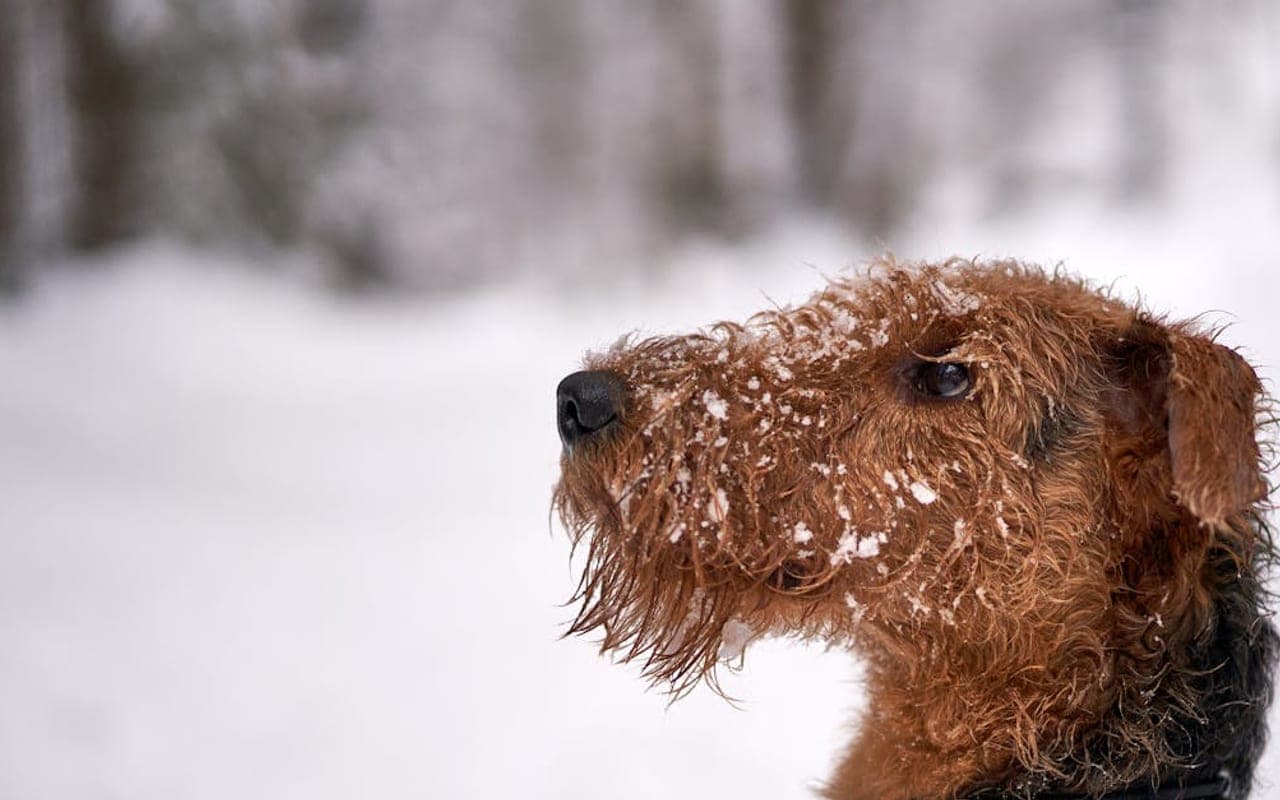
Airedale Terrier
Also in the Terrier group, with different care and temperament tradeoffs.
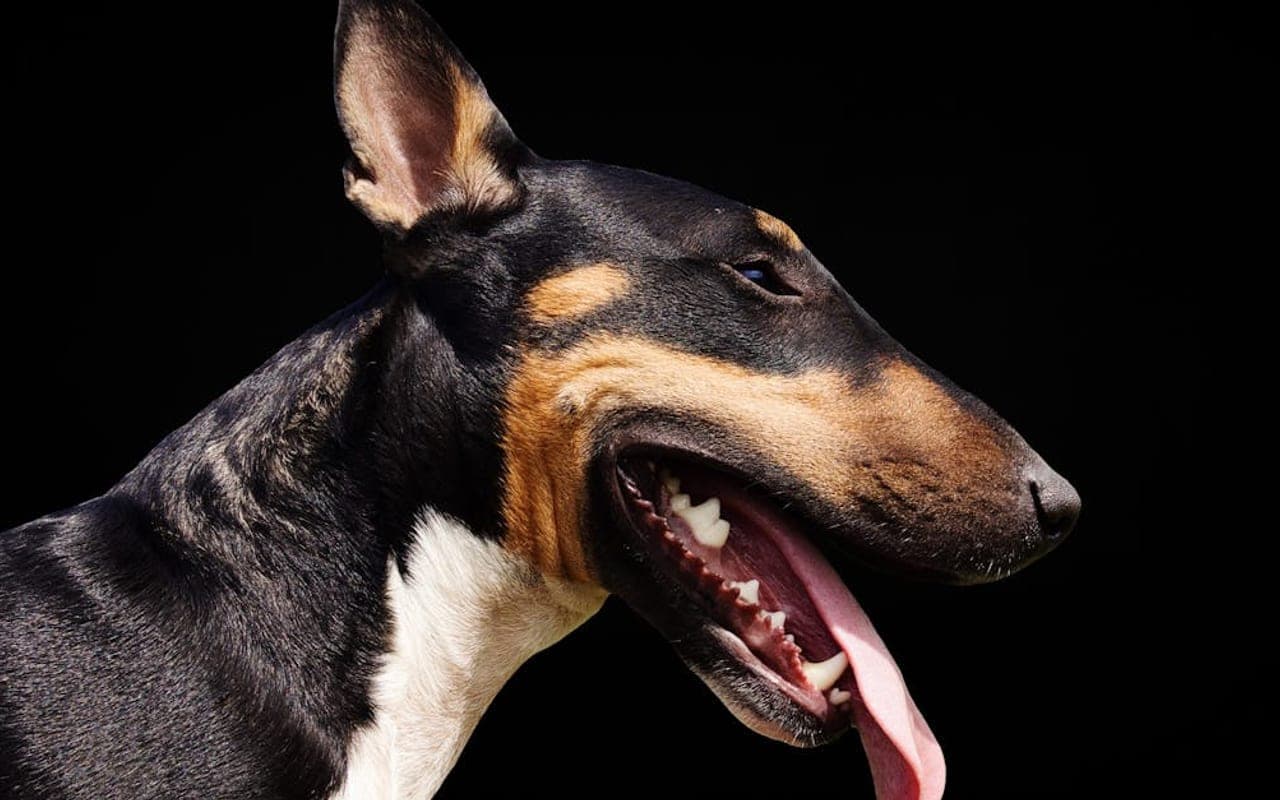
Bull Terrier
Also in the Terrier group, with different care and temperament tradeoffs.
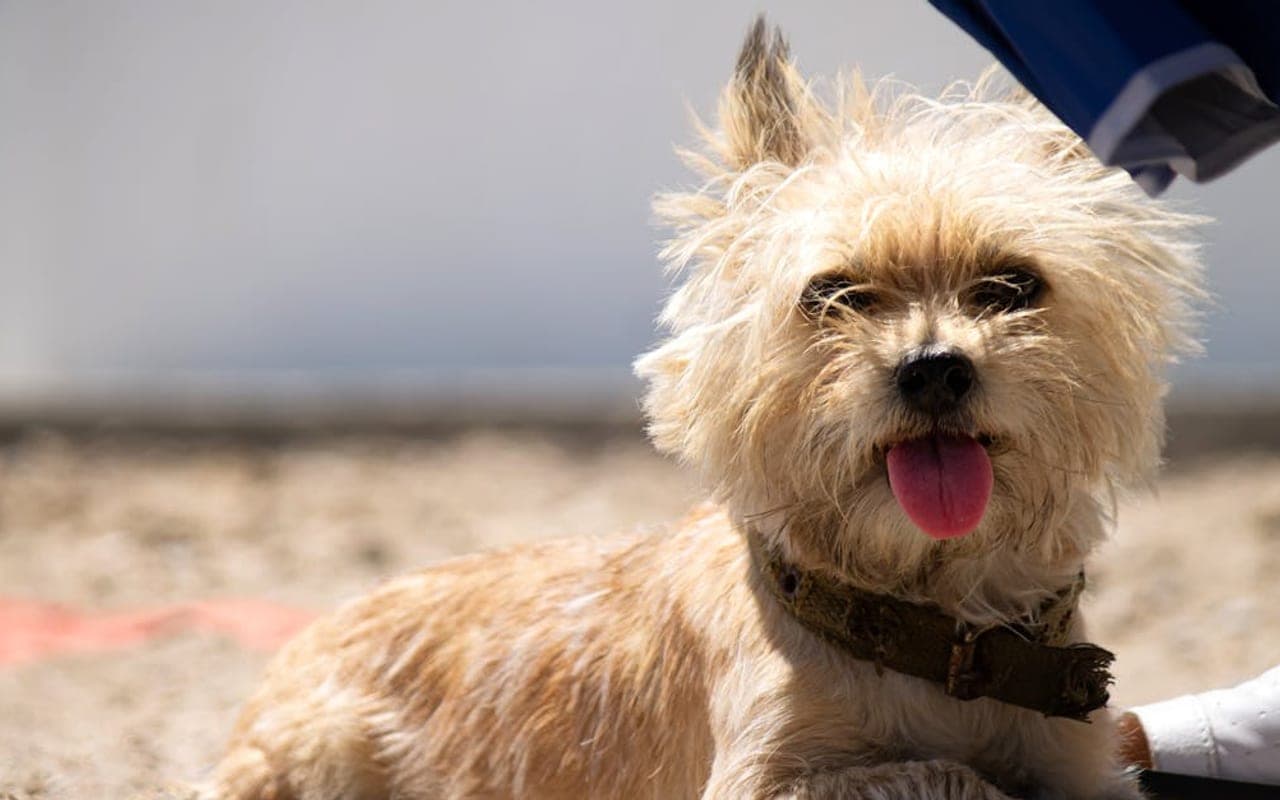
Cairn Terrier
Also in the Terrier group, with different care and temperament tradeoffs.
Explore More About Soft Coated Wheaten Terrier
Dive deeper into everything Soft Coated Wheaten Terrier — costs, care, and expert insights.
Considering a cat instead?
Browse Cats