
Foundation Stock Service group
Spanish Mastiff
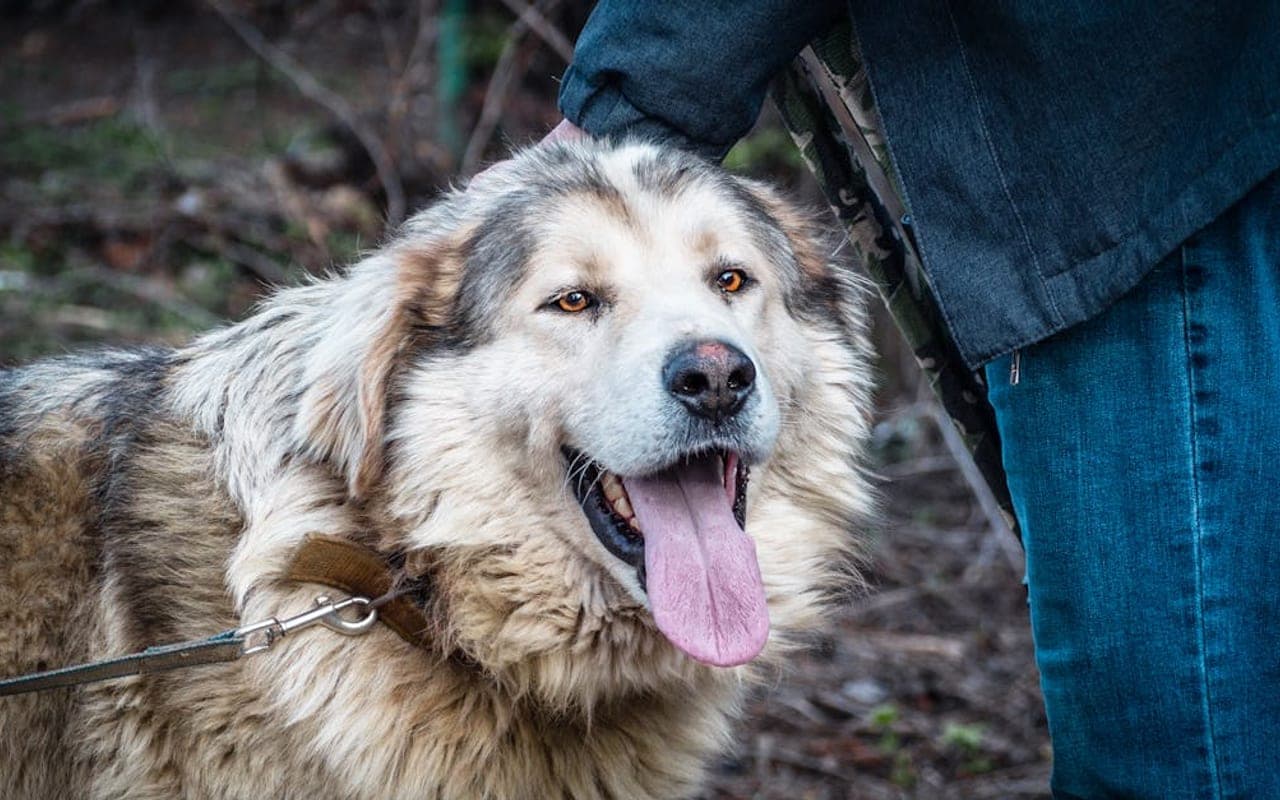
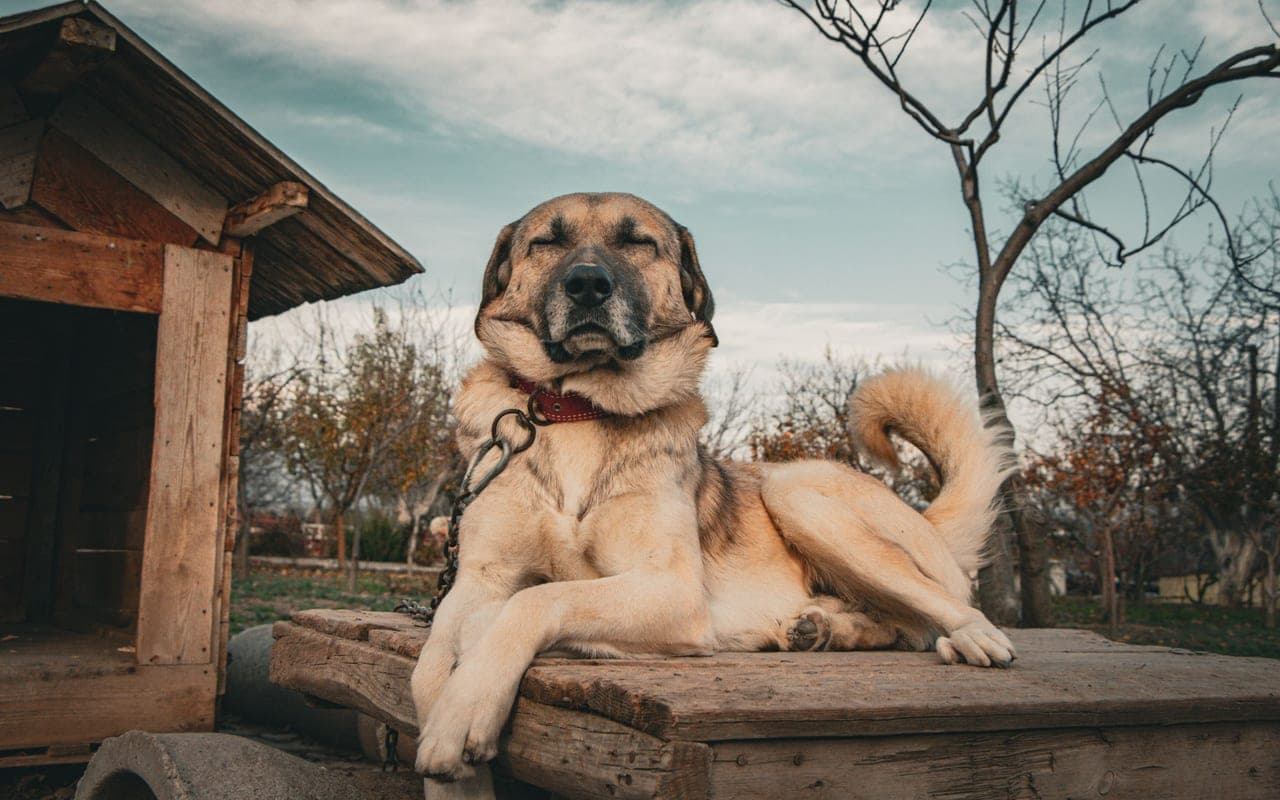
The Spanish Mastiff (Mastín Español) is a giant livestock-guardian dog, and the number every buyer must internalize first is the weight: a male commonly runs 140-200+ lb, a female 120-170 lb.


Size
110-198 lb
Lifespan
10-12 years
Exercise
30-60 minutes
Shedding
Moderate
Experience
Match to owner routine
Decision first
Is a Spanish Mastiff right for you?
Start with fit before history or trivia. These are ownership signals, not guarantees about any individual dog.
Best suited for
- Households with children.
- Homes with other compatible pets.
- Apartment homes with a consistent routine.
- Owners seeking a manageable daily exercise routine.
Think carefully if
- You need a dog with almost no daily routine.
- You cannot keep up with grooming and preventive care.
- The dog will spend most days alone without support.
Conditional fit
Apartment fit depends on exercise, enrichment, noise management, and outdoor access.
Daily reality
Spanish Mastiff commitment snapshot
Daily exercise
30-60 minutes
Match activity to age, health, weather, and training goals.
Coat care
Moderate
Grooming needs vary by coat, shedding, and lifestyle.
Time alone
Needs planning
Most dogs need gradual alone-time conditioning and support.
Structured facts
Spanish Mastiff at a glance
The measurements and traits that most affect day-to-day life with this breed.
Group
Foundation Stock Service
Weight
110-198 lb
Height
28-35 in
Lifespan
10-12 years
Temperament
Affectionate | Intelligent | Kind
View all characteristics and methodology
Lifestyle fit
- Apartment suitability
- Likely fit
- Child friendliness
- Often good, with socialisation and supervision
- Other-pet fit
- Often compatible with careful introductions
Owner commitment
- Exercise
- 30-60 minutes
- Grooming
- Moderate
- Shedding
- Moderate
- Training
- Moderate
Environment and health
- Health risk
- Needs planning
Ratings combine structured breed data, visible breed fields, and editorial context. They are planning aids, not predictions for an individual dog.
Daily life
Spanish Mastiff temperament and behavior
The Spanish Mastiff (Mastín Español) is a giant livestock-guardian dog, and the number every buyer must internalize first is the weight: a male commonly runs 140-200+ lb, a female 120-170 lb. This is not a big family dog — it is a working flock guardian the size of a person, with a deep, carrying bark and centuries of independent decision-making bred into it. The breed accompanied the Merino sheep migrations of the medieval Mesta, defending flocks from wolves with no shepherd directing each choice. That autonomy is the temperament you are signing up for. With its family the Spanish Mastiff is calm, affectionate, deeply loyal, and famously low-energy indoors — a giant that mostly wants to lie near its people. It is naturally watchful and territorial: reserved-to-suspicious with strangers and serious about its property. This is a guardian breed that thinks for itself, so it is not obedience-ring biddable; it weighs commands rather than snapping to them, and a poorly socialized one is a genuine liability given the size. The honest trade-offs are size, slobber, and presence. A Spanish Mastiff drools, sheds a heavy double coat, eats accordingly, costs more for everything (food, medication, boarding, surgery), and a guarding bark at 2 a.m. is doing its job. It needs early, extensive socialization and a securely fenced property — not an apartment, not a small yard. Who the Spanish Mastiff is right for: an experienced large-breed owner with land, a guardian need, and a realistic giant-breed budget who wants a calm, devoted protector. Who it is wrong for: first-time owners, small homes, and anyone expecting a trainable, hands-off pet. Decide on the size and the guarding instinct before anything else.
Affectionate | Intelligent | Kind
Affectionate
A common Spanish Mastiff temperament descriptor that should be interpreted alongside training, exercise, and household fit.
Intelligent
A common Spanish Mastiff temperament descriptor that should be interpreted alongside training, exercise, and household fit.
Kind
A common Spanish Mastiff temperament descriptor that should be interpreted alongside training, exercise, and household fit.
Owner note
Temperament labels are starting points, not guarantees. Meet the individual dog and ask about behavior history whenever possible.
Care essentials
How to care for a Spanish Mastiff
What looking after one actually involves: exercise, grooming, food, training, and routine health.
ExerciseAs needed
- Moderately active breed needing 30-60 minutes of daily exercise.
GroomingAs needed
- Brush 2-3 times per week.
TrainingAs needed
- Consistent, patient training works best.
NutritionAs needed
- Feed high-quality dog food appropriate for age, size, and activity level.
Veterinary CareAs needed
- Annual wellness exams, vaccinations, dental care, and parasite prevention.
Health planning
Spanish Mastiff health risks and screening
Every breed has individual health variation. Use this profile for planning and discuss medical decisions with a veterinarian.
Responsible ownership
Finding a Spanish Mastiff responsibly
What to ask a breeder or rescue is the same conversation for every breed, so we keep it in one place and keep it current.
Health documentation, meeting the parents or foster, contracts and return support, and the warning signs worth walking away from.
Original purpose
Spanish Mastiff history
History is useful when it explains today's behavior, coat, exercise needs, and training style.
Read the breed history
The Spanish Mastiff is an ancient Iberian livestock-guardian breed, tied to the medieval Mesta — the powerful association of Spanish sheep ranchers who moved enormous Merino flocks seasonally between grazing lands. The Spanish Mastiff walked with those flocks across Spain, defending them from wolves and bears without minute-to-minute direction from shepherds. That role bred a specific, durable temperament: large enough to face a predator, calm enough to live among sheep, and independent enough to judge a threat and act alone. The same dog guarded farms, properties, and people when not on the move. Centuries of selection for guarding function rather than show or obedience explain the modern animal precisely — its size, deep warning bark, territorial wariness of strangers, low indoor energy, and habit of evaluating rather than instantly obeying commands are the working blueprint, not training failures. Recognized today as a Foundation Stock Service breed in the US, it remains, at heart, a flock guardian, and prospective owners should read its history as a job description.
Gallery
Spanish Mastiff photos
Images are cropped consistently and loaded progressively to keep the page responsive.
Lower-page context
Spanish Mastiffs in culture
Where the breed shows up in film, sport, work and folklore — the enjoyable part, once the practical questions are answered.
Fun facts
- The Spanish Mastiff belongs to the Foundation Stock Service.
- The average lifespan of a Spanish Mastiff is 10 to 12 years.
- Spanish Mastiff dogs are valued for their affectionate, intelligent, kind nature.
Spanish Mastiff FAQs
How long do Spanish Mastiffs live?
A Spanish Mastiff typically lives 10-12 years, which is normal-to-good for a giant breed — large dogs age faster and live shorter lives than small ones. The dogs that reach the upper end are kept lean from puppyhood, grown slowly on a giant-breed diet, screened for hip and heart disease, and protected against bloat. In this breed, longevity is mostly bought through weight control and bloat prevention rather than luck.
Are Spanish Mastiffs good with children and families?
With its own family the Spanish Mastiff is calm, affectionate, deeply loyal, and gentle, and it is generally good with children it is raised with. The real cautions are size and guardian instinct, not aggression toward family: a 150+ lb dog can knock a toddler over without intent, and the breed's natural wariness of strangers means visiting children and their friends need careful management. Early, extensive socialization is essential, and interactions with small children should always be supervised.
How much exercise does a Spanish Mastiff need?
Less than most people expect. Adults are low-energy and need only moderate daily activity — a couple of relaxed walks plus access to a secure yard. Critically, do not force-exercise or jog a puppy or adolescent: this giant matures slowly over 18-24 months, and over-exercising a young dog accelerates hip, elbow, and bone disease. The goal is steady, low-impact fitness, never endurance work, especially before two years old.
Are Spanish Mastiffs easy to train?
Not in the obedience-ring sense. The Spanish Mastiff is intelligent but independent — bred to make its own guarding decisions, so it evaluates commands rather than reflexively obeying. It responds to calm, consistent, confident handling and early socialization, not repetition drills or harsh correction. Given its size and protective nature, basic reliable manners and broad socialization are non-negotiable; owners wanting a highly biddable dog should look at a different breed.
How much does it cost to own a Spanish Mastiff?
Expect roughly $1,500-$3,000+ for a puppy from a reputable breeder, but the purchase price is the small number. Everything scales with a 150+ lb dog: food, medication dosed by weight, boarding, and especially surgery and anesthesia. Budget realistically for possible orthopedic care, a preventive gastropexy, and giant-breed insurance — owners who underestimate the lifetime cost of a giant guardian are the ones who struggle.
Can a Spanish Mastiff live in a house or apartment?
A house with a securely fenced yard, yes; an apartment, realistically no. Indoors the breed is calm and low-energy and will happily lie near its family, so it is not hyperactive in the home. The problems are practical: the sheer size, the heavy shedding and drool, and most of all the territorial guarding bark, which is loud, deep, carries a long distance, and is doing exactly what the breed was built to do. A guardian this size needs space, secure containment, and neighbors who are not on the other side of a shared wall.
Sources
These are the published sources this page draws on. Each opens in a new tab so you can check it yourself.
American Kennel Club
Spanish Mastiff — breed standard and profile(opens in a new tab)Supports: Breed standard and recognition details.
Similar breeds to consider

Jagdterrier
Also in the Foundation Stock Service group, with different care and temperament tradeoffs.

Jindo
Also in the Foundation Stock Service group, with different care and temperament tradeoffs.
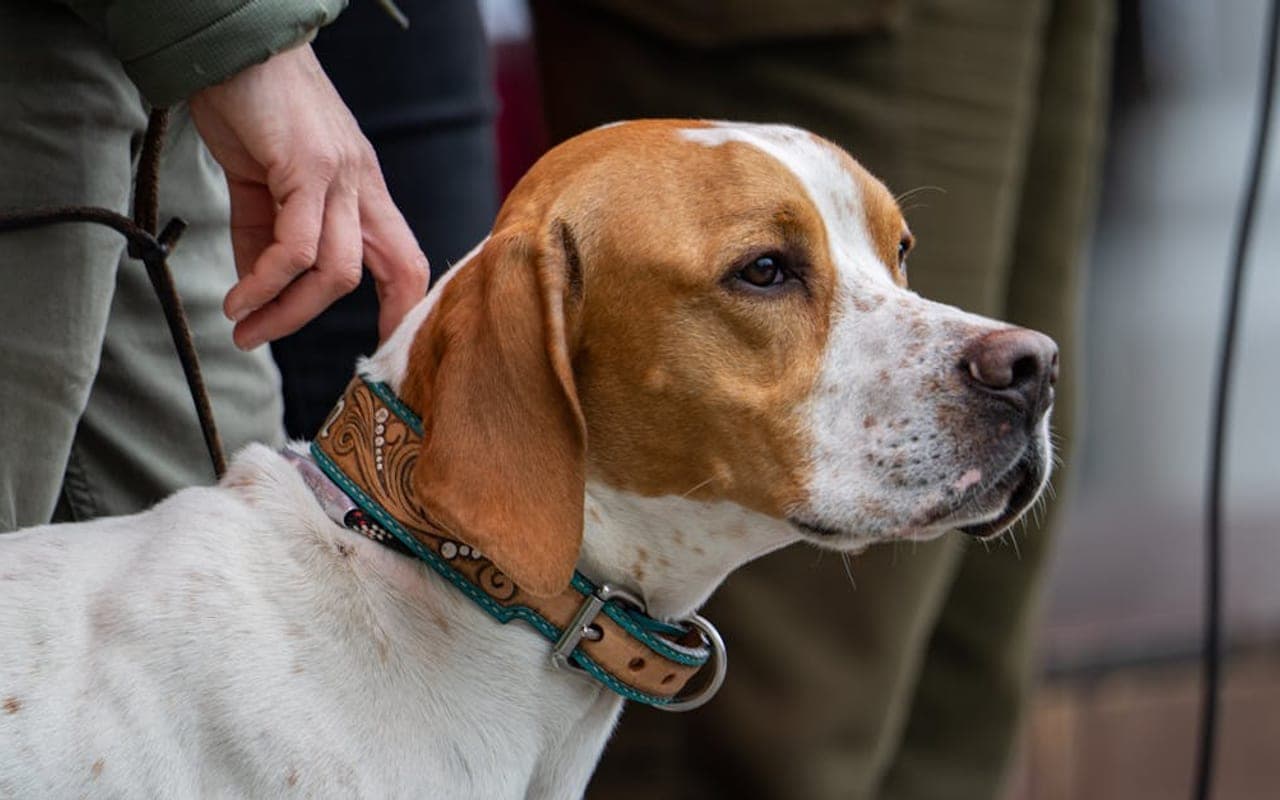
Portuguese Pointer
Also in the Foundation Stock Service group, with different care and temperament tradeoffs.
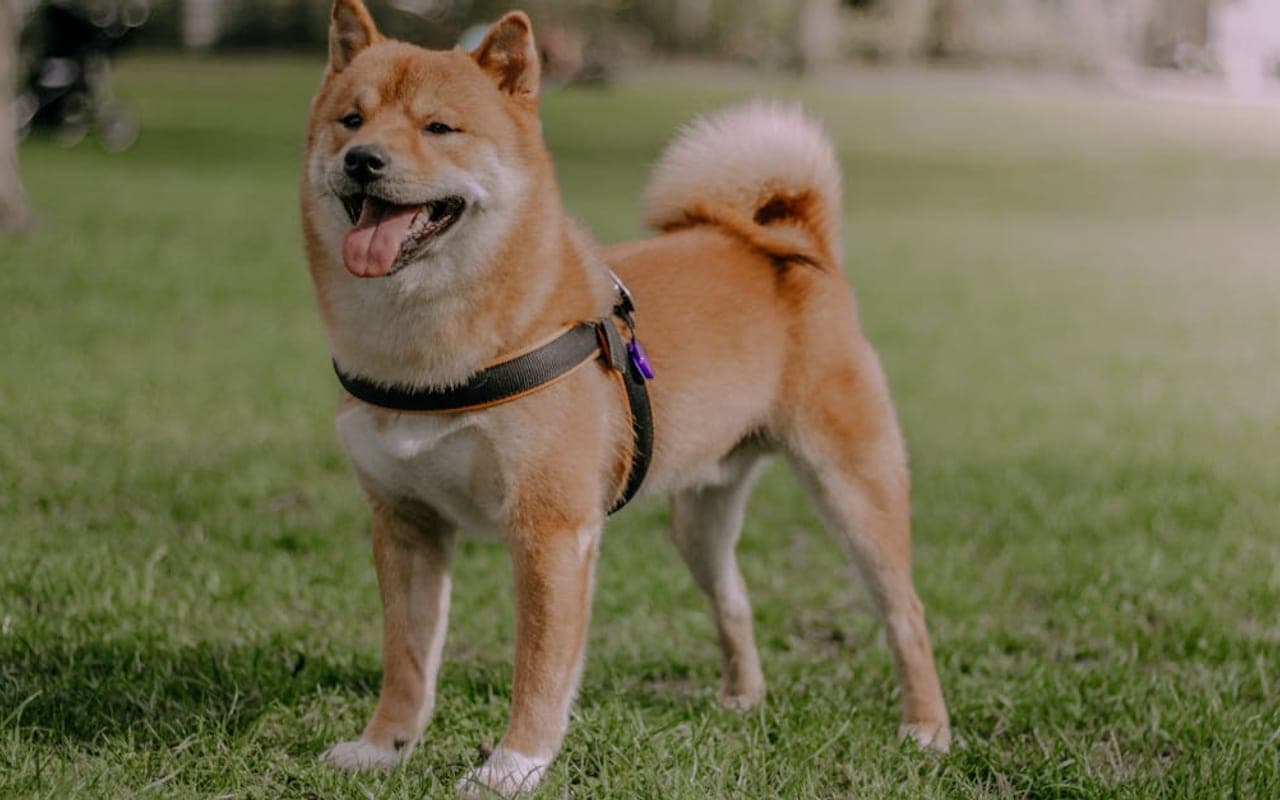
Kishu Ken
Also in the Foundation Stock Service group, with different care and temperament tradeoffs.
Explore More About Spanish Mastiff
Dive deeper into everything Spanish Mastiff — costs, care, and expert insights.
Large Dog Care Guide: Everything Over 50 lbs
Owning a large or giant breed dog means accepting one of biology's...
Puppy Teething & Biting: Timeline and What Actually Works
A puppy has all 28 deciduous ("baby") teeth by roughly eight weeks of age, and...
Considering a cat instead?
Browse Cats