
Herding group
Spanish Water Dog
The Spanish Water Dog (Perro de Agua Español) is a medium, rustic, wooly-coated working dog from Spain — about 15.
Size
31-49 lb
Lifespan
12-14 years
Exercise
30-60 minutes
Shedding
Moderate
Experience
Match to owner routine
Decision first
Is a Spanish Water Dog right for you?
Start with fit before history or trivia. These are ownership signals, not guarantees about any individual dog.
Best suited for
- Households with children.
- Homes with other compatible pets.
- Apartment homes with a consistent routine.
- Owners seeking a manageable daily exercise routine.
Think carefully if
- You need a dog with almost no daily routine.
- You cannot keep up with grooming and preventive care.
- The dog will spend most days alone without support.
Conditional fit
Apartment fit depends on exercise, enrichment, noise management, and outdoor access.
Daily reality
Spanish Water Dog commitment snapshot
Daily exercise
30-60 minutes
Match activity to age, health, weather, and training goals.
Coat care
Low
Grooming needs vary by coat, shedding, and lifestyle.
Time alone
Needs planning
Most dogs need gradual alone-time conditioning and support.
Structured facts
Spanish Water Dog at a glance
The measurements and traits that most affect day-to-day life with this breed.
Group
Herding
Weight
31-49 lb
Height
16-20 in
Lifespan
12-14 years
Temperament
Playful but also Work-Oriented. Very Active and Upbeat.
View all characteristics and methodology
Lifestyle fit
- Apartment suitability
- Likely fit
- Child friendliness
- Often good, with socialisation and supervision
- Other-pet fit
- Often compatible with careful introductions
Owner commitment
- Exercise
- 30-60 minutes
- Grooming
- Low
- Shedding
- Moderate
- Training
- Low
Environment and health
- Health risk
- Needs planning
Ratings combine structured breed data, visible breed fields, and editorial context. They are planning aids, not predictions for an individual dog.
Daily life
Spanish Water Dog temperament and behavior
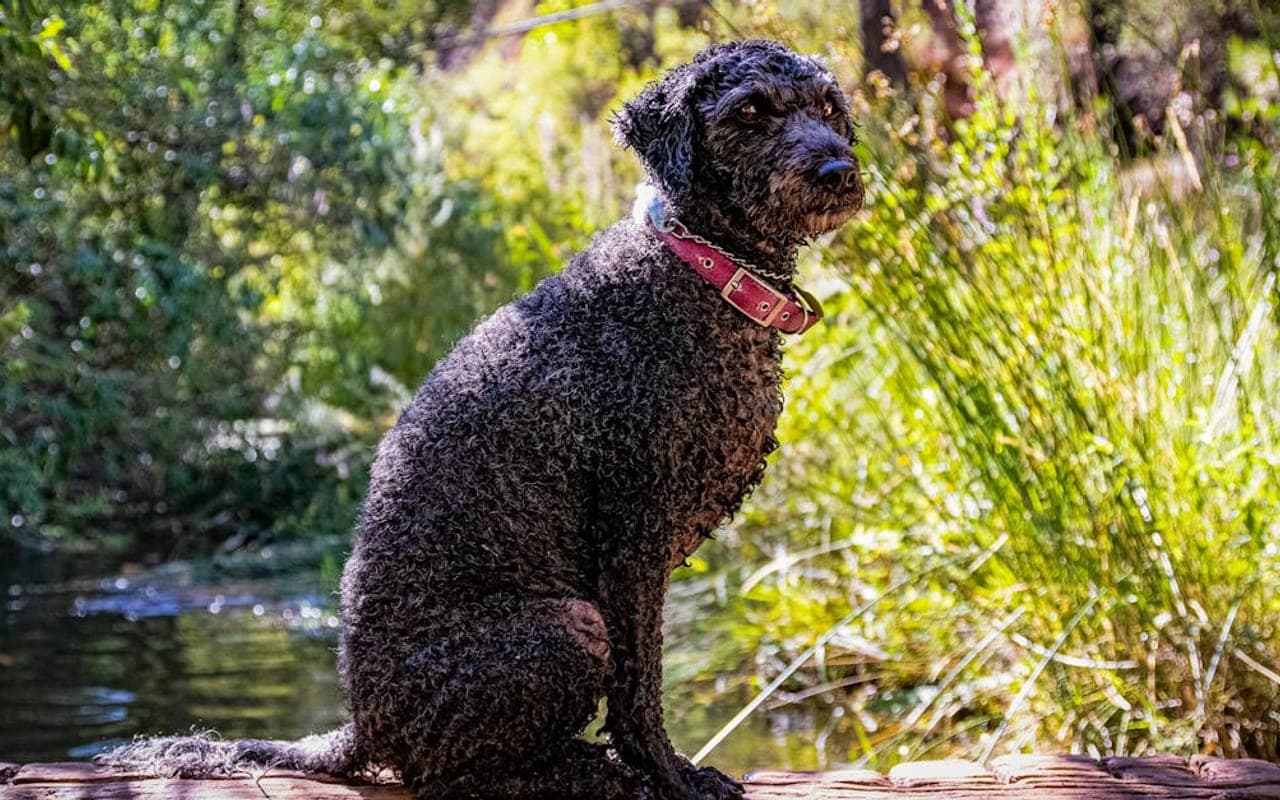
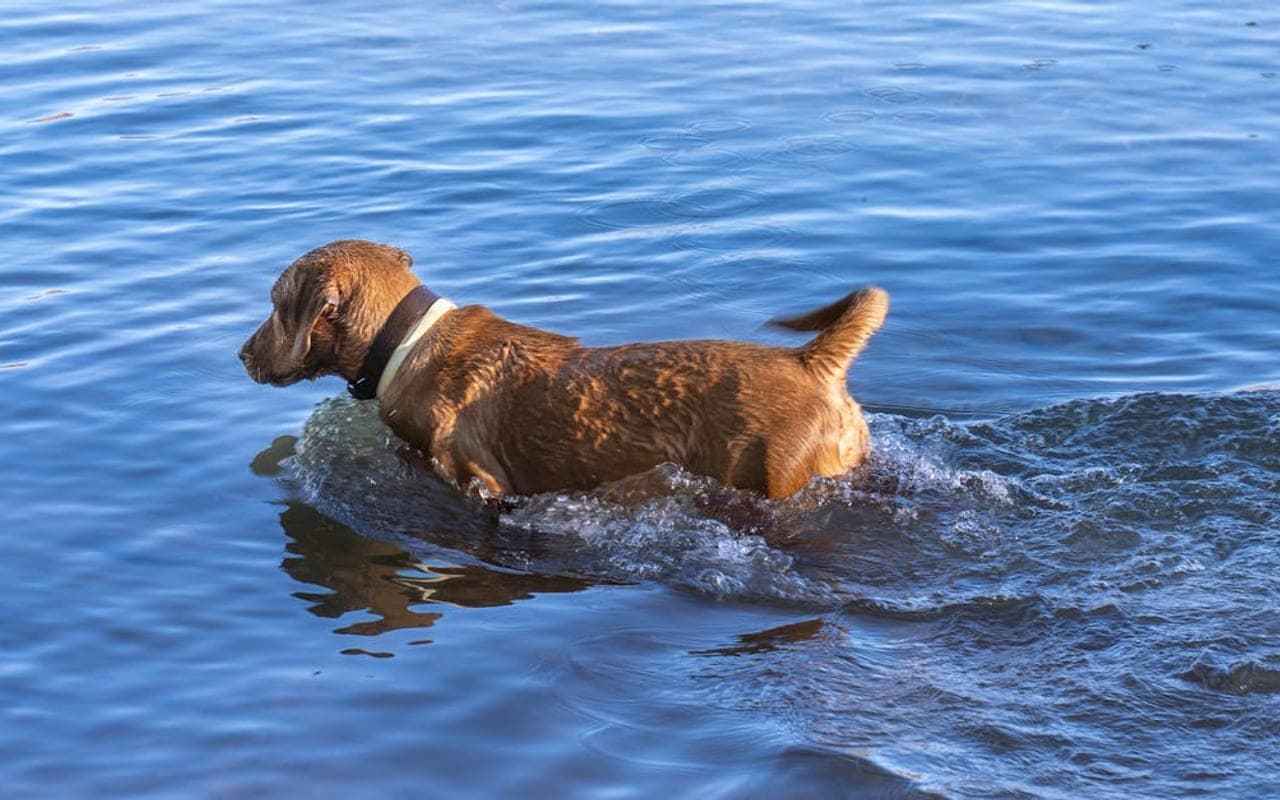
The Spanish Water Dog (Perro de Agua Español) is a medium, rustic, wooly-coated working dog from Spain — about 15.75-19.75 inches at the shoulder and 31-49 pounds — and it is genuinely dual-purpose: a livestock herder and a water retriever, depending on the region of Spain it worked. That double working heritage is the core of the decision. This is a high-energy, highly intelligent, biddable-but-intense dog bred to work all day, packaged in a curly coat that fools people into expecting a mellow companion. The look sells; the temperament is what you actually live with. What the herder-plus-waterdog heritage means in practice: serious daily exercise and mental-work needs, strong instinct to herd (sometimes the family or other pets), a tendency toward wariness of strangers that requires deliberate early socialization to avoid sliding into reactivity, and a velcro attachment to its person that makes it a poor fit for long solitary workdays. It is loyal, alert, an effective watchdog, and quick to learn — but that intelligence cuts both ways: an under-stimulated Spanish Water Dog is creatively destructive. The signature corded/curly single coat never stops growing and is not brushed; it is a specific commitment most buyers underestimate. Who the Spanish Water Dog is right for: an active owner who wants a trainable partner for dog sports, hiking, water work, or stockwork, will socialize early, accepts a shadow-like companion, and understands the unusual coat regime. Who it is wrong for: someone wanting a calm, easily-groomed, independent dog content to be alone all day — every one of those expectations fails against this breed's design.
Playful but also Work-Oriented. Very Active and Upbeat.
Playful but also Work-Oriented. Very Active and Upbeat.
A common Spanish Water Dog temperament descriptor that should be interpreted alongside training, exercise, and household fit.
Owner note
Temperament labels are starting points, not guarantees. Meet the individual dog and ask about behavior history whenever possible.
Care essentials
How to care for a Spanish Water Dog
What looking after one actually involves: exercise, grooming, food, training, and routine health.
ExerciseAs needed
- Moderately active breed needing 30-60 minutes of daily exercise.
GroomingAs needed
- Weekly brushing is sufficient.
TrainingAs needed
- Consistent, patient training works best.
NutritionAs needed
- Feed high-quality dog food appropriate for age, size, and activity level.
Veterinary CareAs needed
- Annual wellness exams, vaccinations, dental care, and parasite prevention.
Health planning
Spanish Water Dog health risks and screening
Every breed has individual health variation. Use this profile for planning and discuss medical decisions with a veterinarian.
Responsible ownership
Finding a Spanish Water Dog responsibly
What to ask a breeder or rescue is the same conversation for every breed, so we keep it in one place and keep it current.
Health documentation, meeting the parents or foster, contracts and return support, and the warning signs worth walking away from.
Original purpose
Spanish Water Dog history
History is useful when it explains today's behavior, coat, exercise needs, and training style.
Read the breed history
The Spanish Water Dog is an old working breed of the Iberian Peninsula, present in Spain for centuries and concentrated historically in Andalusia and the surrounding regions, where the same dog was used flexibly as a sheep and goat herder inland and as a fishing-boat and waterfowl retriever along the coast. It belongs to the broad family of European water dogs but developed as a rustic, all-purpose peasant working dog rather than a specialized gundog, valued for stamina, water aptitude, biddability, and a low-maintenance functional coat that protected it in water and brush. The breed was largely unknown outside rural Spain until enthusiasts began documenting and standardizing it in the 1970s-80s; it gained official recognition in Spain and later by international registries, and by the AKC in 2015. That combined herding-and-water working background — not a single specialized job — directly explains the modern dog's high drive, intelligence, water love, and herding instinct toward the family.
Gallery
Spanish Water Dog photos
Images are cropped consistently and loaded progressively to keep the page responsive.
Lower-page context
Spanish Water Dogs in culture
Where the breed shows up in film, sport, work and folklore — the enjoyable part, once the practical questions are answered.
Fun facts
- The Spanish Water Dog belongs to the Herding Group.
- The average lifespan of a Spanish Water Dog is 12 to 14 years.
- Spanish Water Dog dogs are valued for their playful but also work-oriented. very active and upbeat. nature.
Spanish Water Dog FAQs
How long do Spanish Water Dogs live?
A Spanish Water Dog typically lives 12-14 years. Several of the conditions that most affect quality of life — progressive retinal atrophy, glaucoma, hypothyroidism, and Addison's disease — are either DNA-testable or highly manageable once diagnosed, so the biggest levers are buying from a breeder who does the available genetic and hip screening and staying alert to early signs. Keeping the dog lean protects the hips, and the breed's heavy exercise and mental-work needs mean an engaged owner generally gets a healthier dog into old age.
How do you groom a Spanish Water Dog's coat?
Unlike almost any other breed: you do not brush or comb it. The single wooly coat is meant to curl or cord, and combing destroys that texture. Owners either separate the cords by hand as the coat grows or, more commonly, shear the entire dog down once or twice a year (roughly $60-$100 per professional session). Bathe sparingly and dry thoroughly to prevent skin issues. This is a specific, non-negotiable commitment, so decide which coat regime you want before buying rather than after.
Are Spanish Water Dogs good with children and other pets?
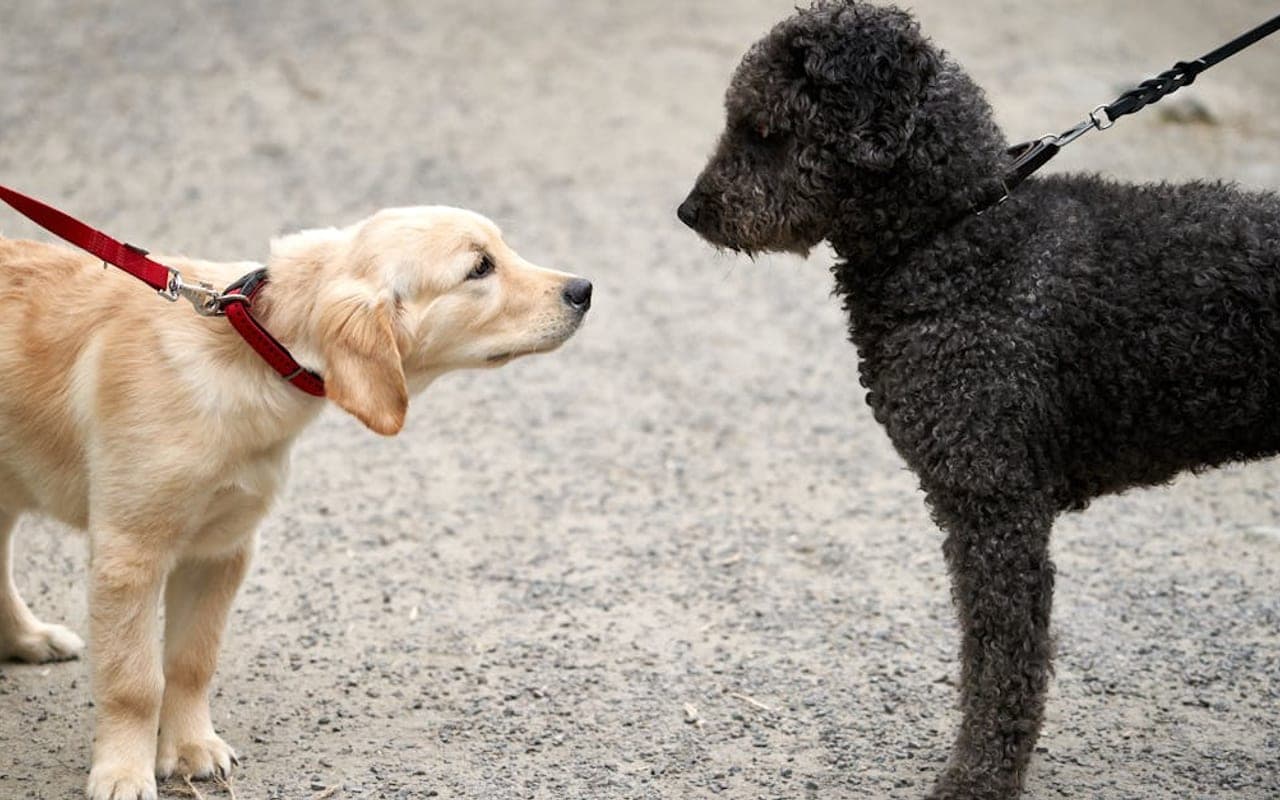
Generally yes with their own family's children when socialized, as they are loyal and devoted, but two traits need managing. The herding instinct can lead them to circle, nudge, or nip at running children or other pets — herding behavior, not aggression, but it needs redirecting. And their natural wariness of strangers means early, broad socialization is essential to prevent reactivity. They suit an active, engaged family far better than a sedentary or frequently-absent household.
How much exercise does a Spanish Water Dog need?
Plan on 60-90 minutes of vigorous daily exercise plus real mental work — training, dog sports, swimming, herding, or scent games. This is a dual-purpose working breed bred to labor all day; ordinary walks do not satisfy it, and an under-exercised, under-stimulated Spanish Water Dog becomes anxious and destructive. They excel at agility, obedience, water work, and herding trials, and an owner who cannot commit to daily physical and mental engagement is choosing the wrong breed.
Can a Spanish Water Dog be left alone during the workday?
Not comfortably without a real plan. The breed bonds intensely to its people and is essentially a shadow dog; routine eight-to-nine-hour solitary days commonly produce separation distress, vocalizing, and destruction. This breed fits a household where someone is home much of the day, or an owner committed to dog walkers, daycare, enrichment, and structured alone-time training. If the dog will routinely be alone all day, that is an honest reason to choose a more independent breed instead.
What health tests should a Spanish Water Dog breeder have done?
Ask for OFA or PennHIP hip evaluations on both parents (hip dysplasia is the breed's most common orthopedic problem) and DNA marker test results for the inherited eye diseases — prcd-PRA, early-onset PRA, and congenital hereditary glaucoma — since these are recessive and preventable through informed pairings. Thyroid testing is also worthwhile given how often hypothyroidism appears. Request the actual certificates rather than verbal assurances; the breed's smaller gene pool makes verifying the testing genuinely important.
Sources
These are the published sources this page draws on. Each opens in a new tab so you can check it yourself.
American Kennel Club
Spanish Water Dog — breed standard and profile(opens in a new tab)Supports: Breed standard and recognition details.
Similar breeds to consider
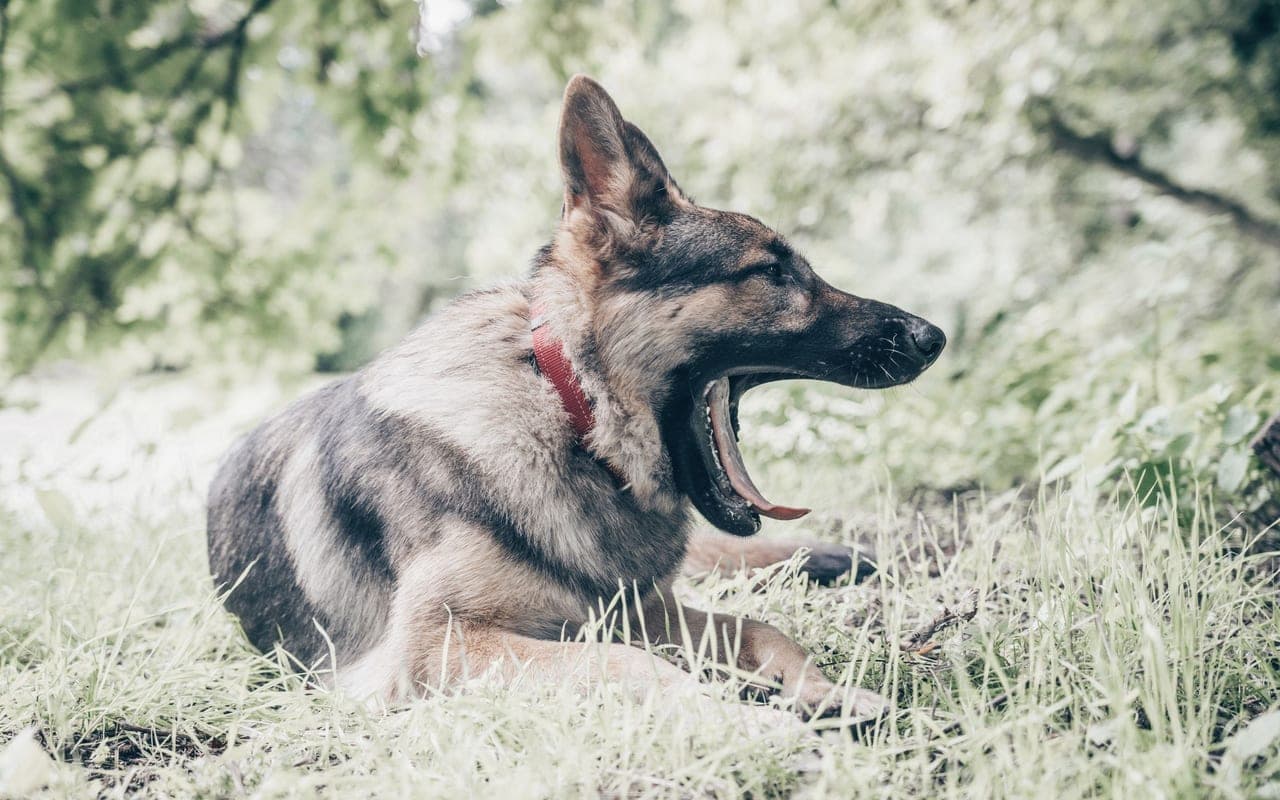
German Shepherd
Also in the Herding group, with different care and temperament tradeoffs.
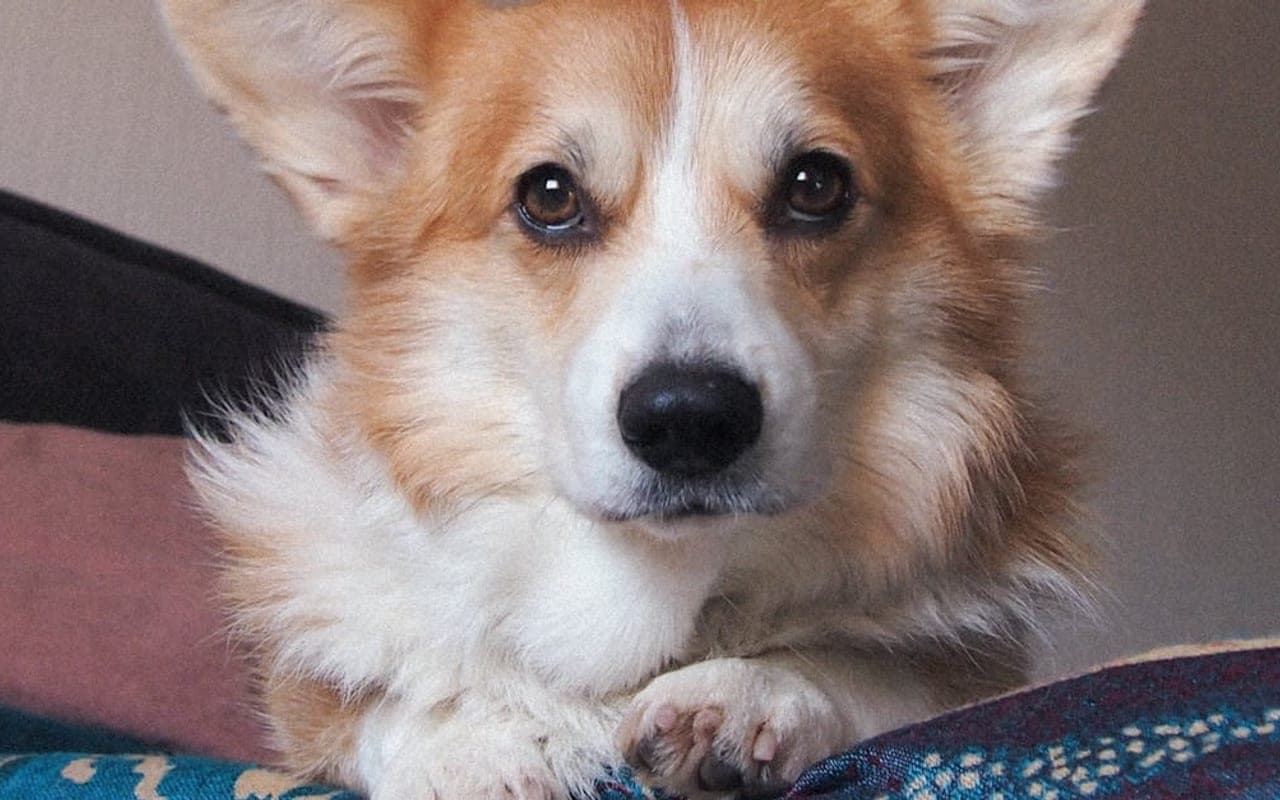
Pembroke Welsh Corgi
Also in the Herding group, with different care and temperament tradeoffs.
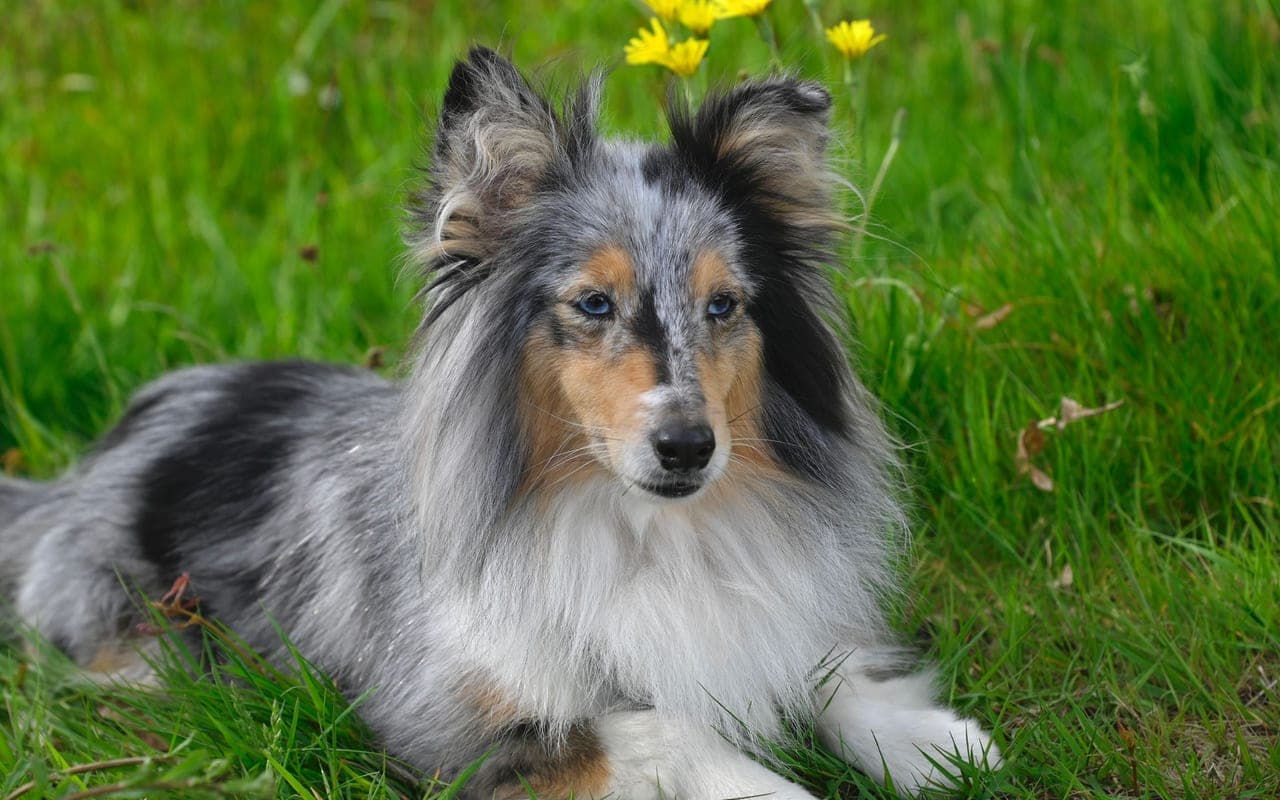
Shetland Sheepdog
Also in the Herding group, with different care and temperament tradeoffs.
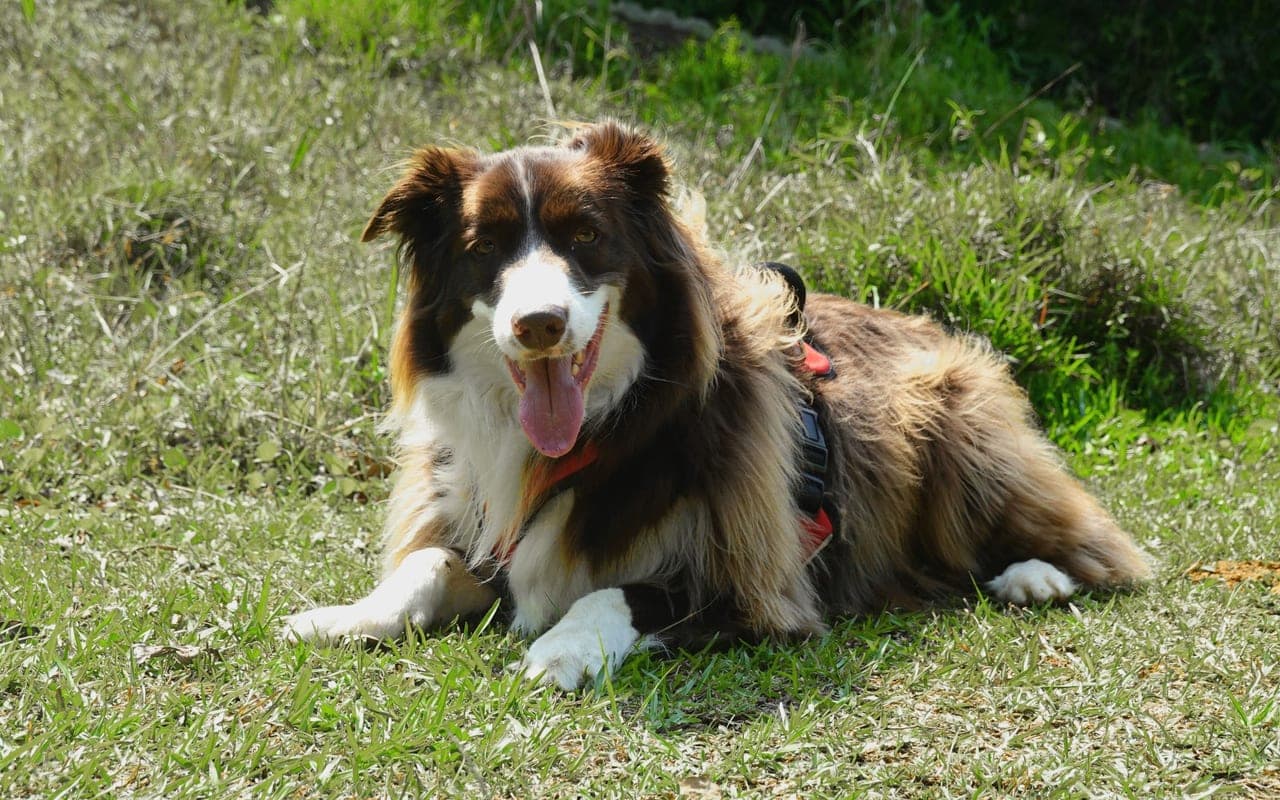
Border Collie
Also in the Herding group, with different care and temperament tradeoffs.
Explore More About Spanish Water Dog
Dive deeper into everything Spanish Water Dog — costs, care, and expert insights.
Large Dog Care Guide: Everything Over 50 lbs
Owning a large or giant breed dog means accepting one of biology's...
Puppy Teething & Biting: Timeline and What Actually Works
A puppy has all 28 deciduous ("baby") teeth by roughly eight weeks of age, and...
Considering a cat instead?
Browse Cats