
Sporting group
Spinone Italiano
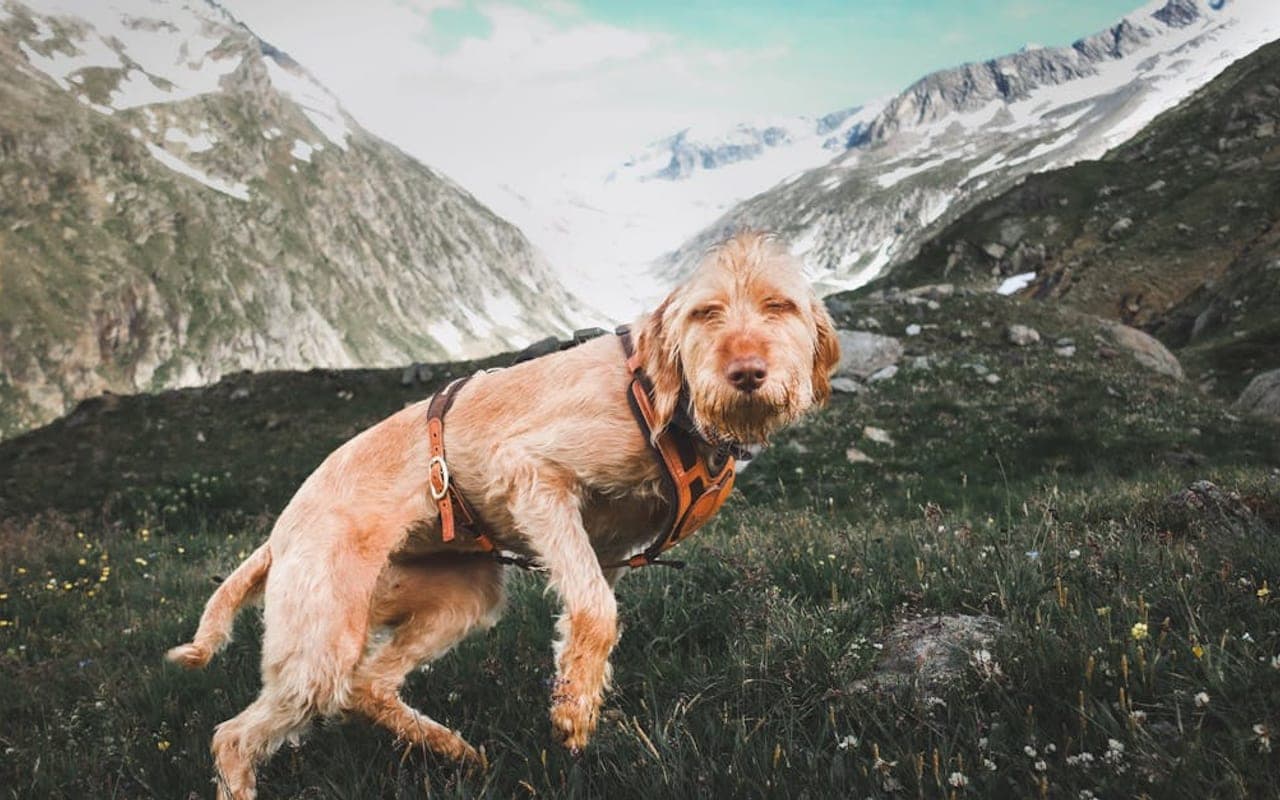
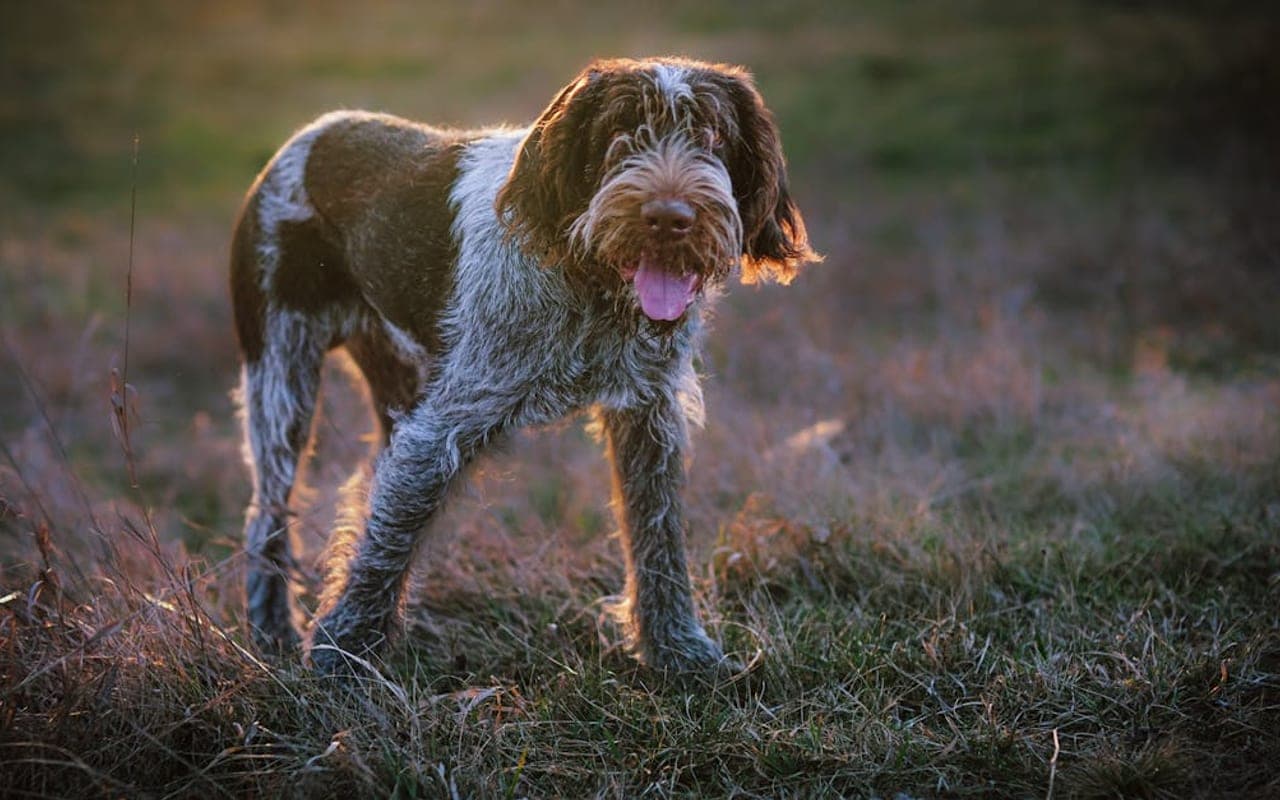
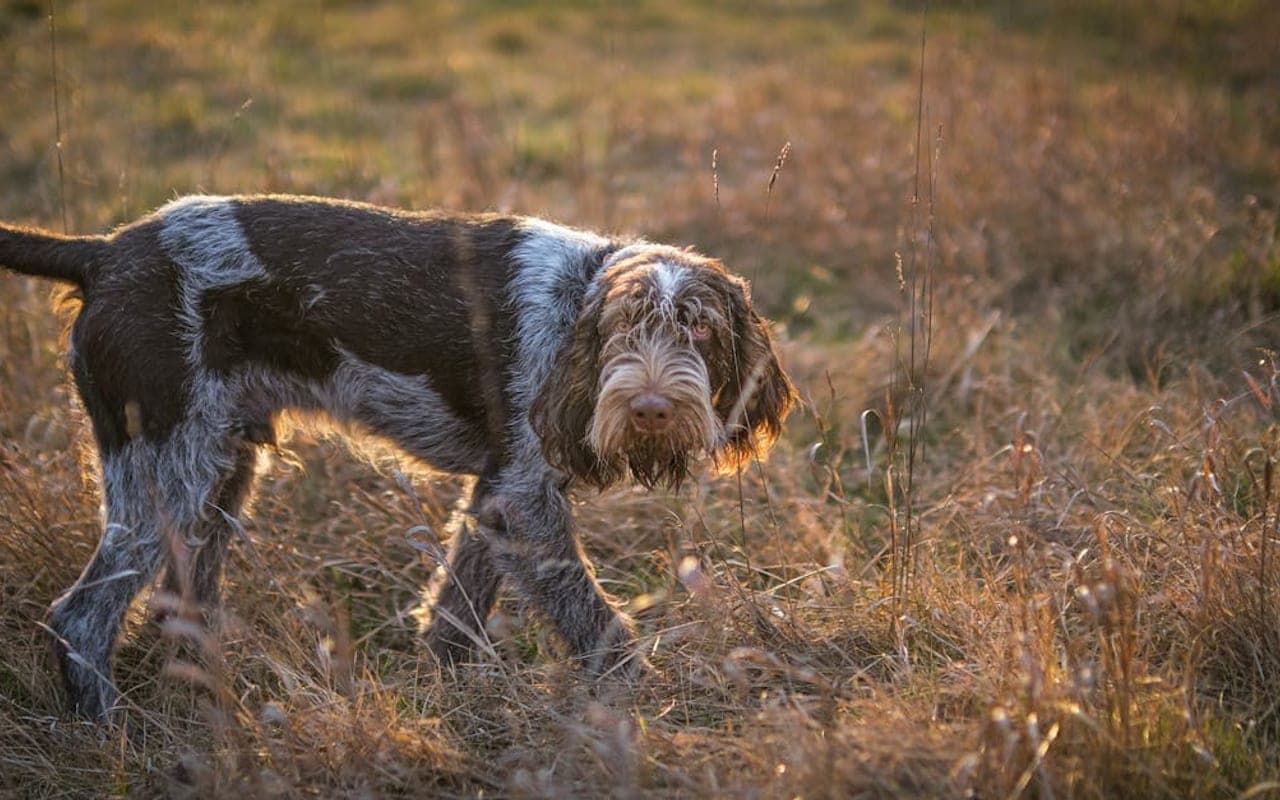
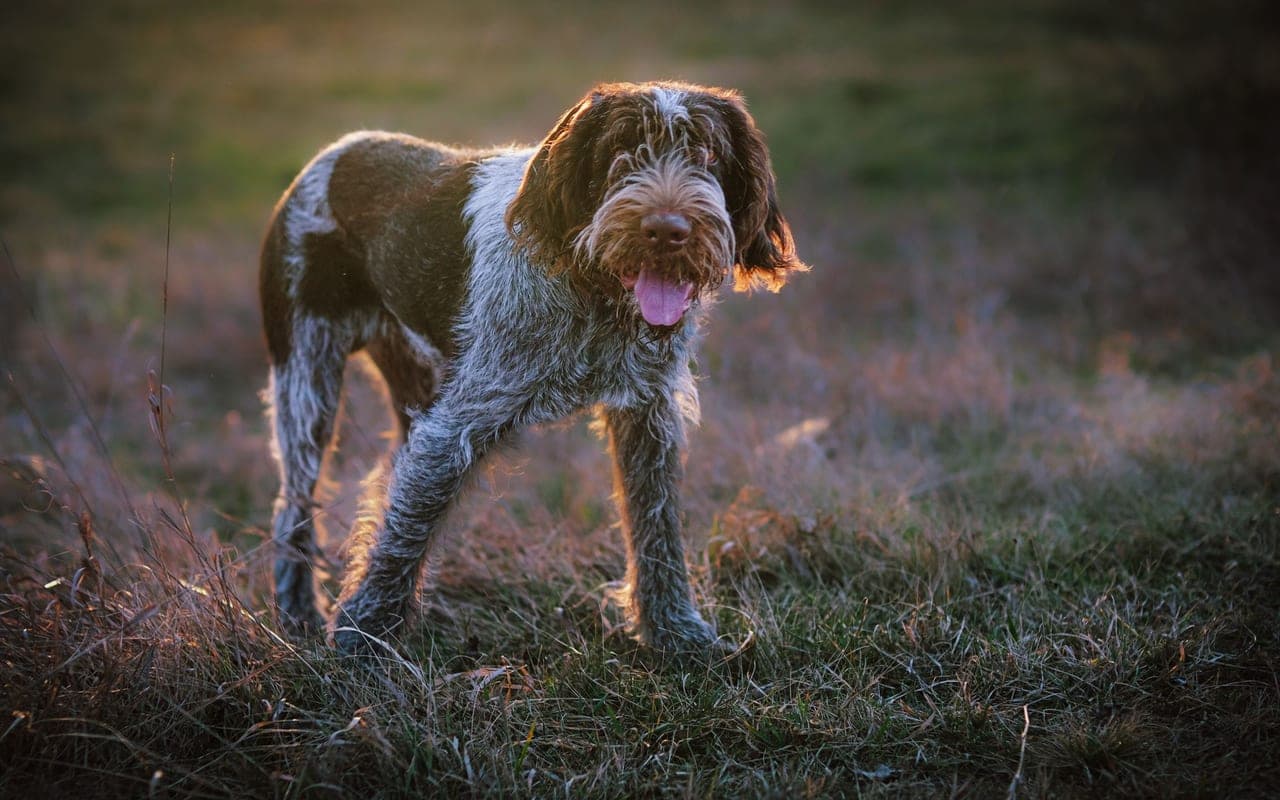
The Spinone Italiano is a large, square, densely wire-coated Italian hunting dog — males stand around 23-27 inches and weigh roughly 70-85 pounds — with a shaggy beard, soft expressive eyes, and a famously easygoing temperament.
Size
62-86 lb
Lifespan
10-12 years
Exercise
30-60 minutes
Shedding
Moderate
Experience
Match to owner routine
Decision first
Is a Spinone Italiano right for you?
Start with fit before history or trivia. These are ownership signals, not guarantees about any individual dog.
Best suited for
- Households with children.
- Homes with other compatible pets.
- Apartment homes with a consistent routine.
- Owners seeking a manageable daily exercise routine.
Think carefully if
- You need a dog with almost no daily routine.
- You cannot keep up with grooming and preventive care.
- The dog will spend most days alone without support.
Conditional fit
Apartment fit depends on exercise, enrichment, noise management, and outdoor access.
Daily reality
Spinone Italiano commitment snapshot
Daily exercise
30-60 minutes
Match activity to age, health, weather, and training goals.
Coat care
Moderate
Grooming needs vary by coat, shedding, and lifestyle.
Time alone
Needs planning
Most dogs need gradual alone-time conditioning and support.
Structured facts
Spinone Italiano at a glance
The measurements and traits that most affect day-to-day life with this breed.
Group
Sporting
Weight
62-86 lb
Height
23-28 in
Lifespan
10-12 years
Temperament
Sociable | Patient | Docile
View all characteristics and methodology
Lifestyle fit
- Apartment suitability
- Likely fit
- Child friendliness
- Often good, with socialisation and supervision
- Other-pet fit
- Often compatible with careful introductions
Owner commitment
- Exercise
- 30-60 minutes
- Grooming
- Moderate
- Shedding
- Moderate
- Training
- Moderate
Environment and health
- Health risk
- Needs planning
Ratings combine structured breed data, visible breed fields, and editorial context. They are planning aids, not predictions for an individual dog.
Daily life
Spinone Italiano temperament and behavior
The Spinone Italiano is a large, square, densely wire-coated Italian hunting dog — males stand around 23-27 inches and weigh roughly 70-85 pounds — with a shaggy beard, soft expressive eyes, and a famously easygoing temperament. Among the European versatile gundogs it is the gentle, deliberate one: built for endurance over speed, it works at a methodical trot rather than the frantic pace of a Pointer or a setter, and that calm carries into the house. People describe Spinoni as patient, sociable, and almost humanly affectionate, with a stubborn streak and a clownish sense of humour. This is one of the more genuinely mellow large gundogs you can own. That mellowness is real but it is not the same as low-maintenance. The Spinone still needs 60+ minutes of daily exercise — long walks, free running, swimming, or hunting work — to stay sound in body and mind. It is sensitive and bonds intensely to its family; it does poorly as a kennel or yard dog and can become anxious or destructive if isolated or under-exercised. The coat and the face are also more work than they look: the wiry coat needs regular hand-stripping, and the loose lips and beard mean a dog that drips water and trails food across your floor. Who the Spinone is right for: an active family or owner who wants a soft-tempered, people-oriented large dog, has space, will provide an hour-plus of daily exercise, and accepts the grooming, the mess, and a shorter large-breed lifespan (typically 10-12 years). Who it is wrong for: anyone wanting a low-exercise or outdoor-only dog, the houseproud (this breed is messy by design), and bargain shoppers, because the breed carries a serious, fatal puppy-onset neurological disease that only careful, tested breeding avoids. Decide on the exercise, the mess, and the breeder's testing — not the charming beard.
Sociable | Patient | Docile
Sociable
A common Spinone Italiano temperament descriptor that should be interpreted alongside training, exercise, and household fit.
Patient
A common Spinone Italiano temperament descriptor that should be interpreted alongside training, exercise, and household fit.
Docile
A common Spinone Italiano temperament descriptor that should be interpreted alongside training, exercise, and household fit.
Owner note
Temperament labels are starting points, not guarantees. Meet the individual dog and ask about behavior history whenever possible.
Care essentials
How to care for a Spinone Italiano
What looking after one actually involves: exercise, grooming, food, training, and routine health.
ExerciseAs needed
- Moderately active breed needing 30-60 minutes of daily exercise.
GroomingAs needed
- Brush 2-3 times per week.
TrainingAs needed
- Consistent, patient training works best.
NutritionAs needed
- Feed high-quality dog food appropriate for age, size, and activity level.
Veterinary CareAs needed
- Annual wellness exams, vaccinations, dental care, and parasite prevention.
Health planning
Spinone Italiano health risks and screening
Every breed has individual health variation. Use this profile for planning and discuss medical decisions with a veterinarian.
Responsible ownership
Finding a Spinone Italiano responsibly
What to ask a breeder or rescue is the same conversation for every breed, so we keep it in one place and keep it current.
Health documentation, meeting the parents or foster, contracts and return support, and the warning signs worth walking away from.
Original purpose
Spinone Italiano history
History is useful when it explains today's behavior, coat, exercise needs, and training style.
Read the breed history
The Spinone Italiano is one of the oldest of the European versatile pointing breeds, native to Italy — most strongly associated with the Piedmont region — with a documented presence going back centuries and probable roots in old coarse-haired setter and griffon-type stock. It was bred as an all-round hunter's dog for difficult terrain: it points, retrieves on land and from water, and works thick cover and marsh, all at a steady, tireless trot rather than a fast gallop, which suited a working hunter who walked behind the dog all day. The dense wire coat and thick skin protected it in briars, cold water, and rough country. The breed was nearly lost during and after the Second World War and was rebuilt by dedicated Italian breeders, with the Spinone Club of America now serving as the AKC parent club and running the breed's CHIC health-screening program. The Spinone's modern temperament — patient, methodical, soft, and deeply people-bonded — is a direct legacy of its job as a close-working, all-day hunting partner rather than a fast, independent field-trial dog.
Gallery
Spinone Italiano photos
Images are cropped consistently and loaded progressively to keep the page responsive.
Lower-page context
Spinone Italianos in culture
Where the breed shows up in film, sport, work and folklore — the enjoyable part, once the practical questions are answered.
Fun facts
- The Spinone Italiano belongs to the Sporting Group.
- The average lifespan of a Spinone Italiano is 10 to 12 years.
- Spinone Italiano dogs are valued for their sociable, patient, docile nature.
Spinone Italiano FAQs
How long do Spinone Italiano dogs live?
A healthy Spinone typically lives 10-12 years, which is normal-to-slightly-short for a large breed and a realistic expectation to plan around. The single most devastating threat is not old age but cerebellar ataxia, an inherited disease that kills affected puppies before their first birthday — and because a DNA test exists, it is entirely avoidable through tested breeding. Longevity in this breed is decided as much in the breeder's testing choices as in your care.
Are Spinone Italiano dogs calm and good for families?
Yes — the Spinone is one of the more genuinely mellow large gundogs, patient and tolerant with children and sociable with other dogs, which makes it an excellent family dog for an active household. The important caveats: it needs 60+ minutes of daily exercise to actually be calm indoors, it bonds intensely and does poorly left isolated, and it is messy (drips water and trails food from its beard). A well-exercised, included Spinone is wonderfully easygoing; a bored, isolated one is anxious.
How much exercise does a Spinone Italiano need?
At least 60 minutes a day of real activity — long walks, free running, swimming, or field work — because the breed was built as an all-day endurance hunting dog. It paces itself at a steady trot rather than sprinting, so it is calm in the house, but only when its exercise need is genuinely met. Under-exercised Spinoni become anxious and destructive. The mellow temperament is a result of adequate exercise, not a substitute for it.
How much grooming does a Spinone Italiano need?
More than the casual look suggests. The harsh wire coat is hand-stripped (not clipped) roughly every two months to keep its protective texture and shed dead hair, with a weekly brush in between. The beard holds water and food and needs regular wiping to prevent skin irritation, and the floppy ears need weekly cleaning because the breed is prone to ear infections, especially after swimming. Budget for stripping as a recurring skill or groomer cost, plus daily face-and-beard upkeep.
What is cerebellar ataxia and can it be avoided in a Spinone?
Cerebellar ataxia (CA) is an inherited, breed-specific neurological disease in which the cerebellum degenerates. Affected Spinone puppies are born normal but develop wobbling, tremors, and worsening incoordination within weeks to months, and the disease is fatal — most affected dogs are euthanized before one year. It is almost entirely avoidable: a DNA test identifies clear, carrier, and affected dogs, so a breeder who DNA-tests both parents (and never pairs carrier to carrier) effectively eliminates the risk. Always ask to see both parents' CA DNA results.
What health tests should a Spinone Italiano breeder have done?
At minimum: a DNA test for cerebellar ataxia on both parents (the non-negotiable one), OFA hip evaluation, and an annual ophthalmologist (CAER) eye exam — these are the breed's CHIC requirements. The parent club additionally recommends heart and thyroid screening. Because cerebellar ataxia is fatal, breed-specific, and DNA-testable, a breeder who cannot show both parents' CA results is one to walk away from, no matter how appealing the puppy.
Sources
These are the published sources this page draws on. Each opens in a new tab so you can check it yourself.
American Kennel Club
Spinone Italiano — breed standard and profile(opens in a new tab)Supports: Breed standard and recognition details.
Similar breeds to consider
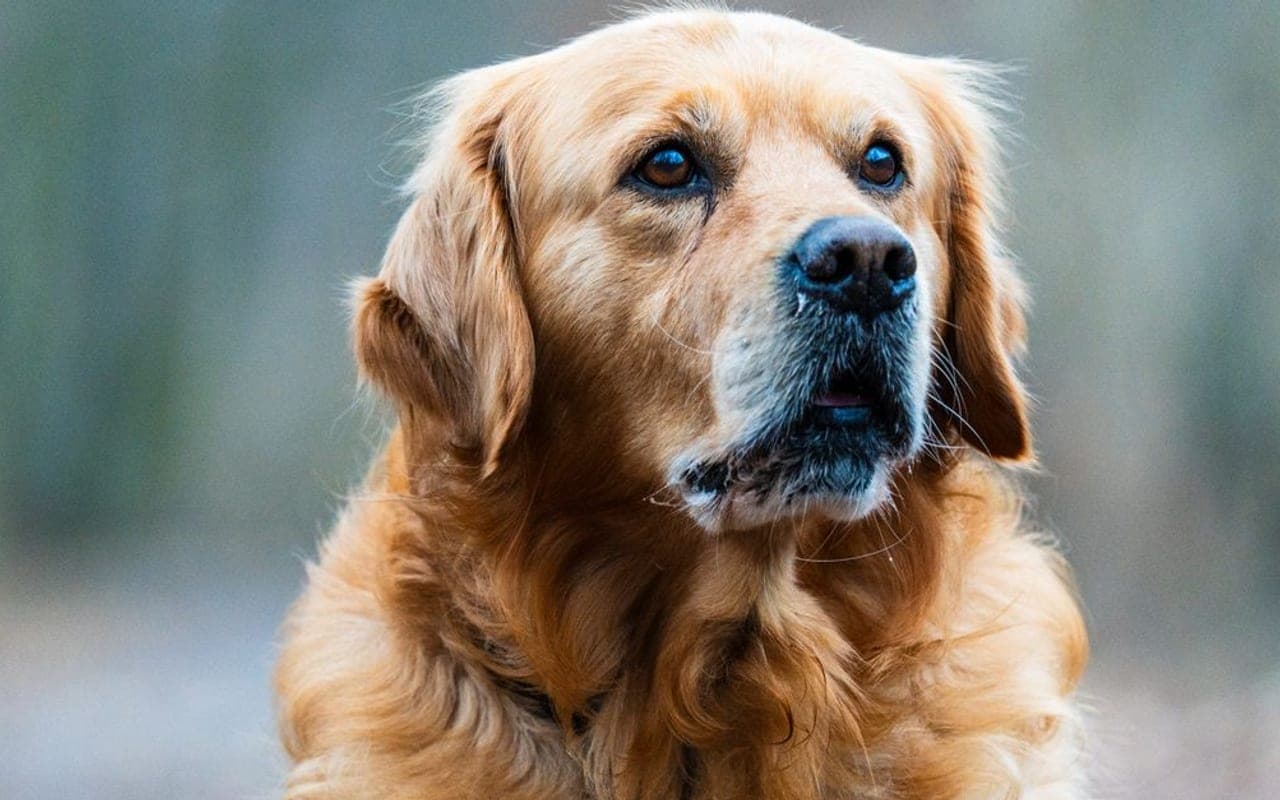
Golden Retriever
Also in the Sporting group, with different care and temperament tradeoffs.
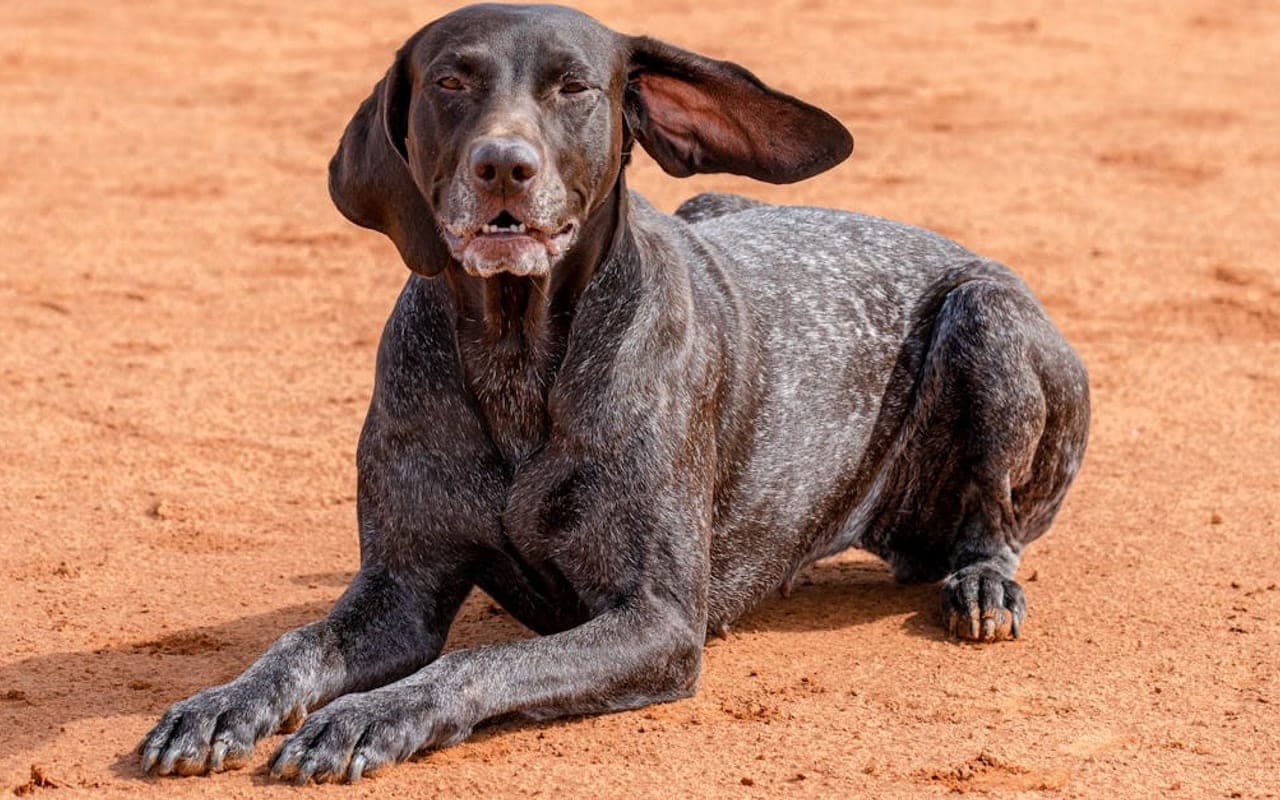
German Shorthaired Pointer
Also in the Sporting group, with different care and temperament tradeoffs.
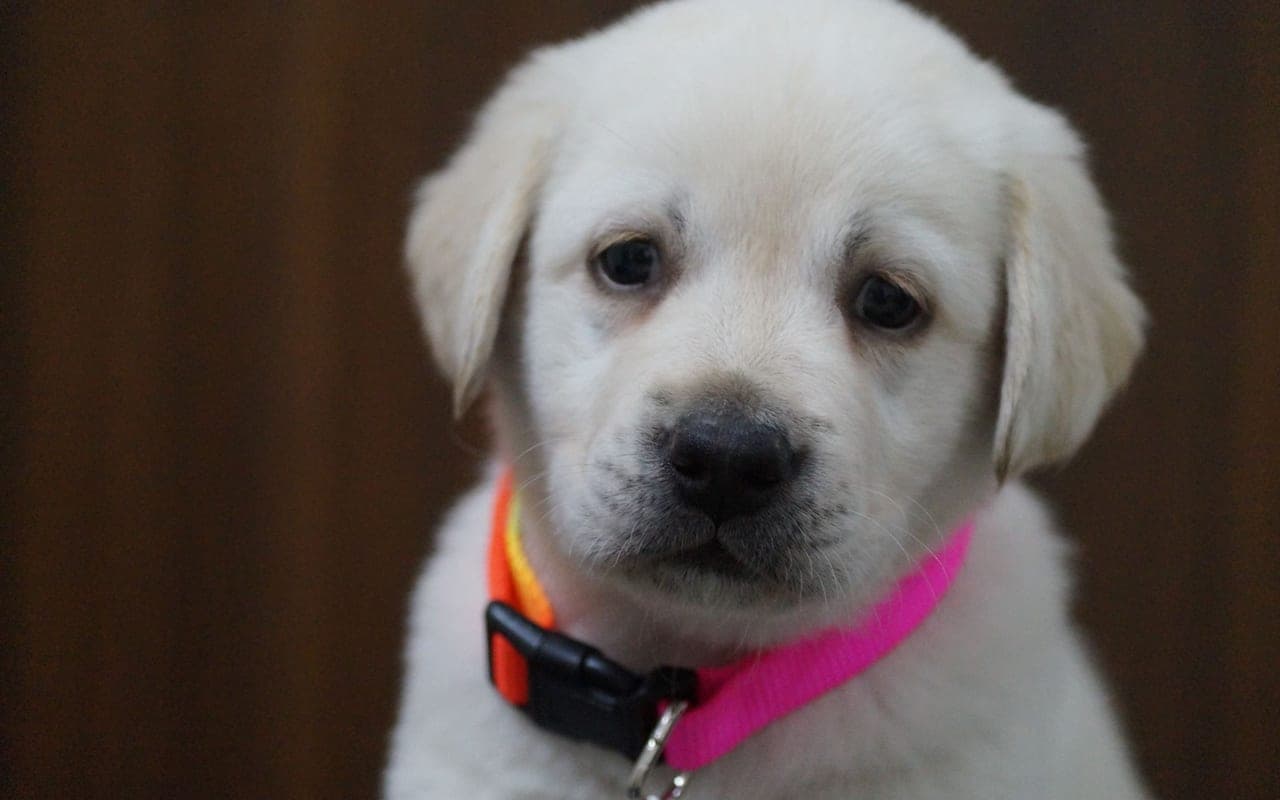
Labrador Retriever
Also in the Sporting group, with different care and temperament tradeoffs.
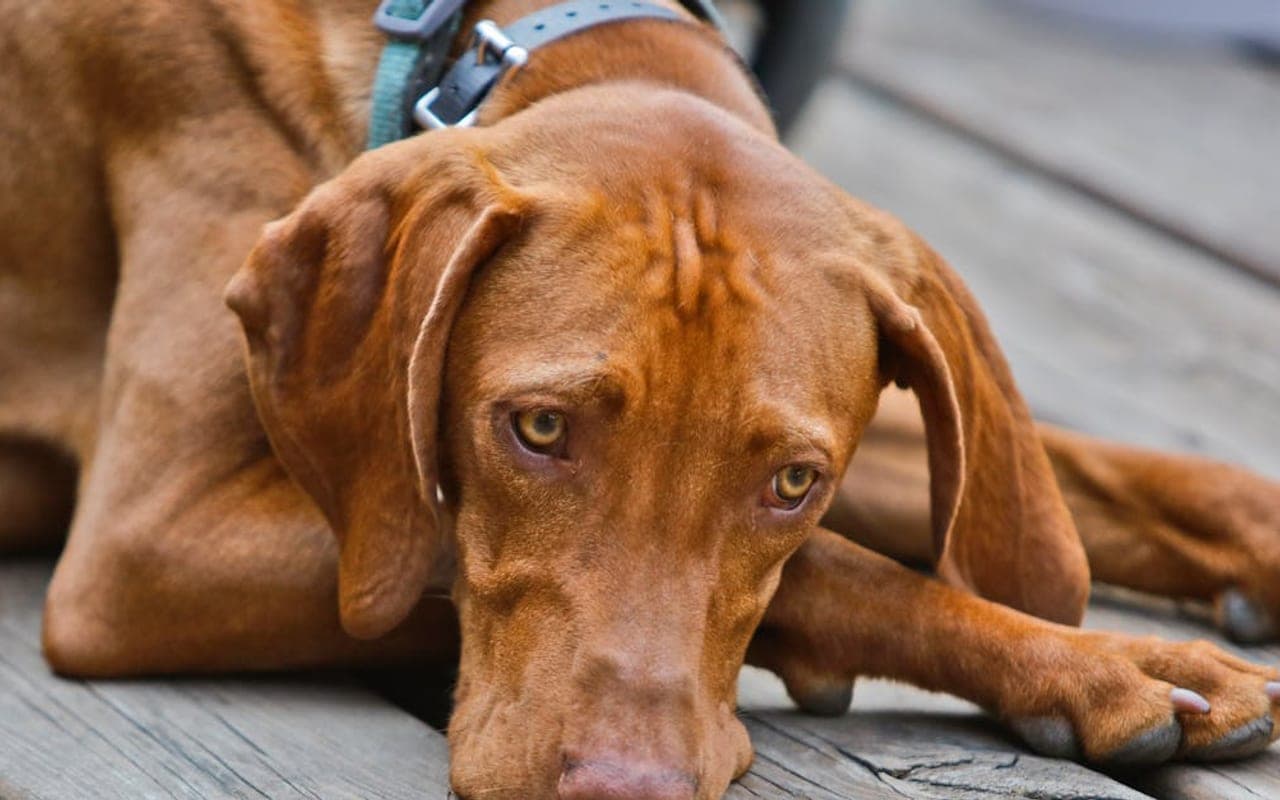
Vizsla
Also in the Sporting group, with different care and temperament tradeoffs.
Explore More About Spinone Italiano
Dive deeper into everything Spinone Italiano — costs, care, and expert insights.
Considering a cat instead?
Browse Cats