
Foundation Stock Service group
Stabyhoun
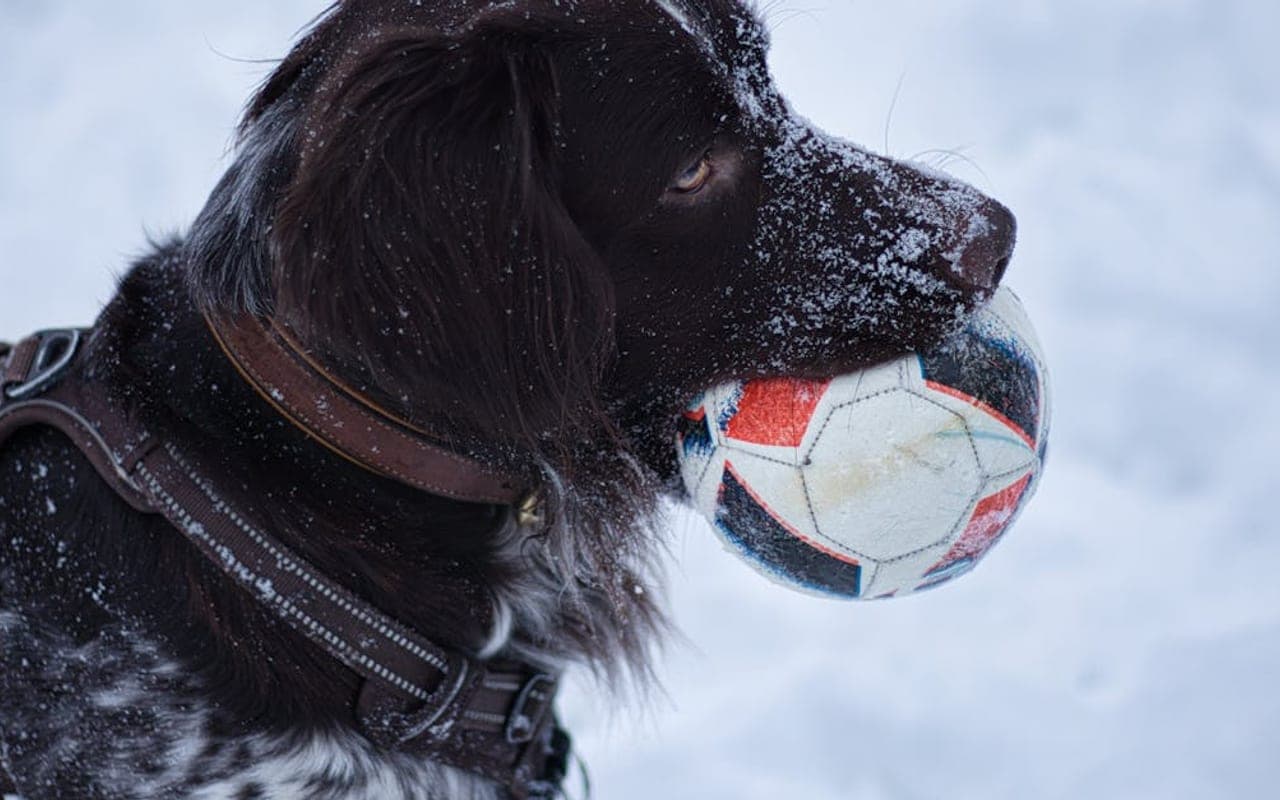
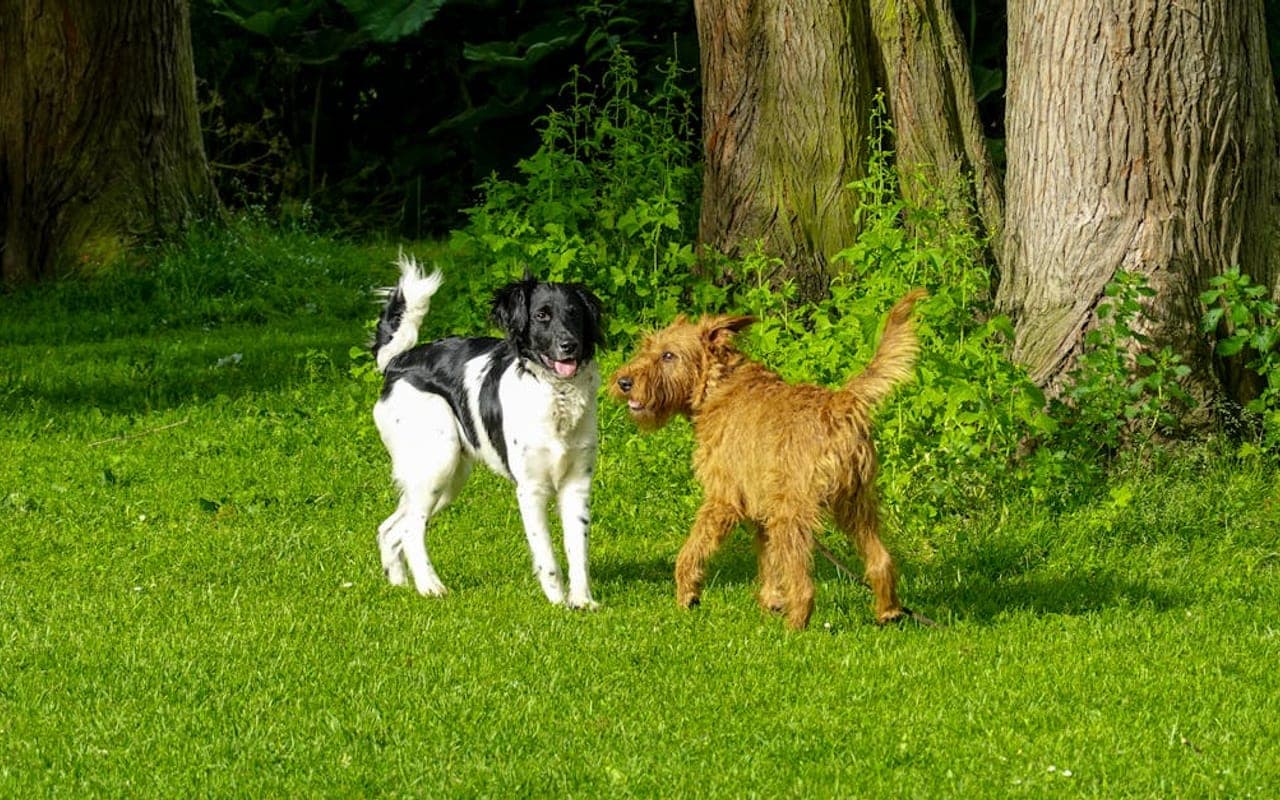
The Stabyhoun is one of the rarest dog breeds in the world — a Dutch all-around farm dog from the Friesland province, with a global population numbered in the low thousands.
Size
40-60 lb
Lifespan
13-15 years
Exercise
30-60 minutes
Shedding
Moderate
Experience
Match to owner routine
Decision first
Is a Stabyhoun right for you?
Start with fit before history or trivia. These are ownership signals, not guarantees about any individual dog.
Best suited for
- Households with children.
- Homes with other compatible pets.
- Apartment homes with a consistent routine.
- Owners seeking a manageable daily exercise routine.
Think carefully if
- You need a dog with almost no daily routine.
- You cannot keep up with grooming and preventive care.
- The dog will spend most days alone without support.
Conditional fit
Apartment fit depends on exercise, enrichment, noise management, and outdoor access.
Daily reality
Stabyhoun commitment snapshot
Daily exercise
30-60 minutes
Match activity to age, health, weather, and training goals.
Coat care
Moderate
Grooming needs vary by coat, shedding, and lifestyle.
Time alone
Needs planning
Most dogs need gradual alone-time conditioning and support.
Structured facts
Stabyhoun at a glance
The measurements and traits that most affect day-to-day life with this breed.
Group
Foundation Stock Service
Weight
40-60 lb
Height
19-21 in
Lifespan
13-15 years
Temperament
Intelligent | Responsive | Loving
View all characteristics and methodology
Lifestyle fit
- Apartment suitability
- Likely fit
- Child friendliness
- Often good, with socialisation and supervision
- Other-pet fit
- Often compatible with careful introductions
Owner commitment
- Exercise
- 30-60 minutes
- Grooming
- Moderate
- Shedding
- Moderate
- Training
- Moderate
Environment and health
- Health risk
- Needs planning
Ratings combine structured breed data, visible breed fields, and editorial context. They are planning aids, not predictions for an individual dog.
Daily life
Stabyhoun temperament and behavior
The Stabyhoun is one of the rarest dog breeds in the world — a Dutch all-around farm dog from the Friesland province, with a global population numbered in the low thousands. The Stabyhoun is a mid-size dog, roughly 40-55 lb and 19-21 inches, built longer than tall with a moderately long, non-excessive black-and-white (sometimes brown-and-white) coat. The first thing a buyer should understand is that rarity is the defining practical fact: waiting lists run a year or more, and the small gene pool makes choosing a health-conscious, registry-approved litter genuinely important. Functionally the Stabyhoun is a versatile working dog — pointer, soft-mouthed retriever, water dog, and vermin hunter — bred by frugal Frisian farmers who wanted one dog that did everything, including hunting moles and rabbits independently. That independence is a real trait: a Staby will follow a scent, dig in the garden, and investigate the world on its own initiative. It is also inquisitive to the point of mischief and will not sit quietly while something interesting happens. Temperament with family is the breed's selling point: gentle, patient, deeply affectionate, soft, and notably good with children. They are sensitive dogs that bond hard and do not tolerate harsh handling or long isolation; an under-engaged or lonely Staby becomes anxious and destructive. They are alert barkers but not aggressive guardians. Who the Stabyhoun is right for: an active family willing to wait for a health-tested puppy, provide 1-2 hours of daily activity and water access, and accept independent, slightly stubborn behavior with patience. Who it is wrong for: anyone wanting an instant, biddable, off-the-shelf dog. Decide on the wait and the workload before the looks.
Intelligent | Responsive | Loving
Intelligent
A common Stabyhoun temperament descriptor that should be interpreted alongside training, exercise, and household fit.
Responsive
A common Stabyhoun temperament descriptor that should be interpreted alongside training, exercise, and household fit.
Loving
A common Stabyhoun temperament descriptor that should be interpreted alongside training, exercise, and household fit.
Owner note
Temperament labels are starting points, not guarantees. Meet the individual dog and ask about behavior history whenever possible.
Care essentials
How to care for a Stabyhoun
What looking after one actually involves: exercise, grooming, food, training, and routine health.
ExerciseAs needed
- Moderately active breed needing 30-60 minutes of daily exercise.
GroomingAs needed
- Brush 2-3 times per week.
TrainingAs needed
- Consistent, patient training works best.
NutritionAs needed
- Feed high-quality dog food appropriate for age, size, and activity level.
Veterinary CareAs needed
- Annual wellness exams, vaccinations, dental care, and parasite prevention.
Health planning
Stabyhoun health risks and screening
Every breed has individual health variation. Use this profile for planning and discuss medical decisions with a veterinarian.
Responsible ownership
Finding a Stabyhoun responsibly
What to ask a breeder or rescue is the same conversation for every breed, so we keep it in one place and keep it current.
Health documentation, meeting the parents or foster, contracts and return support, and the warning signs worth walking away from.
Original purpose
Stabyhoun history
History is useful when it explains today's behavior, coat, exercise needs, and training style.
Read the breed history
The Stabyhoun comes from the Frisian woodland region of the Netherlands, where it has existed for centuries as the all-purpose dog of the small farmer. The name is often linked to a Frisian phrase meaning roughly 'stand by me dog,' and the role matched it: one affordable dog expected to point and retrieve game, hunt moles and rabbits to protect the farm, work water, and be a gentle family companion — frugal versatility, not specialization. The breed was nearly lost in the 20th century and survives today only because a dedicated Dutch breed association rebuilt and now tightly controls the population through a managed studbook and mandatory health screening, since the gene pool is small. That careful stewardship is why the breed is rare but relatively transparent on health. The history explains the modern dog directly: the independent, inquisitive, scent-and-water drive came from solo farm hunting, and the soft, child-friendly temperament came from living inside a farming family. Prospective owners should read the rarity and the managed breeding as a reason to buy only from a recognized registry.
Gallery
Stabyhoun photos
Images are cropped consistently and loaded progressively to keep the page responsive.
Lower-page context
Stabyhouns in culture
Where the breed shows up in film, sport, work and folklore — the enjoyable part, once the practical questions are answered.
Fun facts
- The Stabyhoun belongs to the Foundation Stock Service.
- The average lifespan of a Stabyhoun is 13 to 15 years.
- Stabyhoun dogs are valued for their intelligent, responsive, loving nature.
Stabyhoun FAQs
How long do Stabyhoun dogs live?
A Stabyhoun typically lives 13-15 years, which is excellent for a mid-size working breed and reflects the Dutch breed association's tightly managed, health-screened studbook. Longevity in this breed is helped by the mandatory hip, elbow, and cardiac screening that reduces inherited disease, plus owner control of weight. Buying from a recognized registry rather than an unscreened litter is the single most reliable lever on a long, healthy Staby life.
Are Stabyhouns good with children?
Yes — gentleness with children is one of the breed's strongest traits. Stabyhouns are patient, soft, affectionate, and tolerant, and they were bred to live inside a farming family, so household life suits them. The usual caveats apply: supervise interactions with toddlers, teach children to respect the dog, and remember a Staby is sensitive — rough handling erodes its trust. They are family dogs that do poorly with prolonged isolation.
How much exercise does a Stabyhoun need?
Plan on 1-2 hours of varied daily activity, ideally including water and brain work. This is a versatile farm dog bred to point, retrieve, swim, and hunt vermin, so walks alone are not enough — swimming, retrieving games, scent work, and dog sports satisfy it. An under-exercised Stabyhoun digs, barks, and becomes destructive, behavior that owners often misdiagnose as stubbornness when it is really an unmet activity need.
Are Stabyhouns easy to train?
Moderately. They are intelligent and want to please, but they are also independent and mildly stubborn — a Staby tends to verify that compliance is warranted before obeying, a legacy of solo farm hunting. They respond well to patient, consistent, positive training and poorly to harsh correction, which makes them shut down. Start recall early and use a long line outdoors, because the independent scent and prey drive can override a young dog's recall.
How hard is it to get a Stabyhoun and what does it cost?
This is one of the rarest breeds in the world, so the real cost is time: expect a waiting list of a year or more through a recognized registry, with puppy prices commonly in the $1,500-$3,000 range. The price reflects mandatory cardiac, hip, and elbow screening on a small, carefully managed gene pool. Resist buying from any source outside the recognized studbook — in a breed with PDA, epilepsy, and a fatal cerebral disorder, screening is the protection you are paying for.
Is a Stabyhoun a good first dog?
It can be, with eyes open, but it is not a beginner's convenience dog. The temperament is forgiving — gentle, soft, family-oriented, and not aggressive — which favors a thoughtful first-time owner. The complications are practical rather than behavioral: a year-plus wait for a health-screened puppy, an independent streak that makes recall and obedience slower than in a biddable breed, and a real daily exercise and engagement requirement. A first-time owner who is patient, active, and willing to train consistently does well; one wanting an instant, hands-off pet does not.
Sources
These are the published sources this page draws on. Each opens in a new tab so you can check it yourself.
American Kennel Club
Stabyhoun — breed standard and profile(opens in a new tab)Supports: Breed standard and recognition details.
Similar breeds to consider
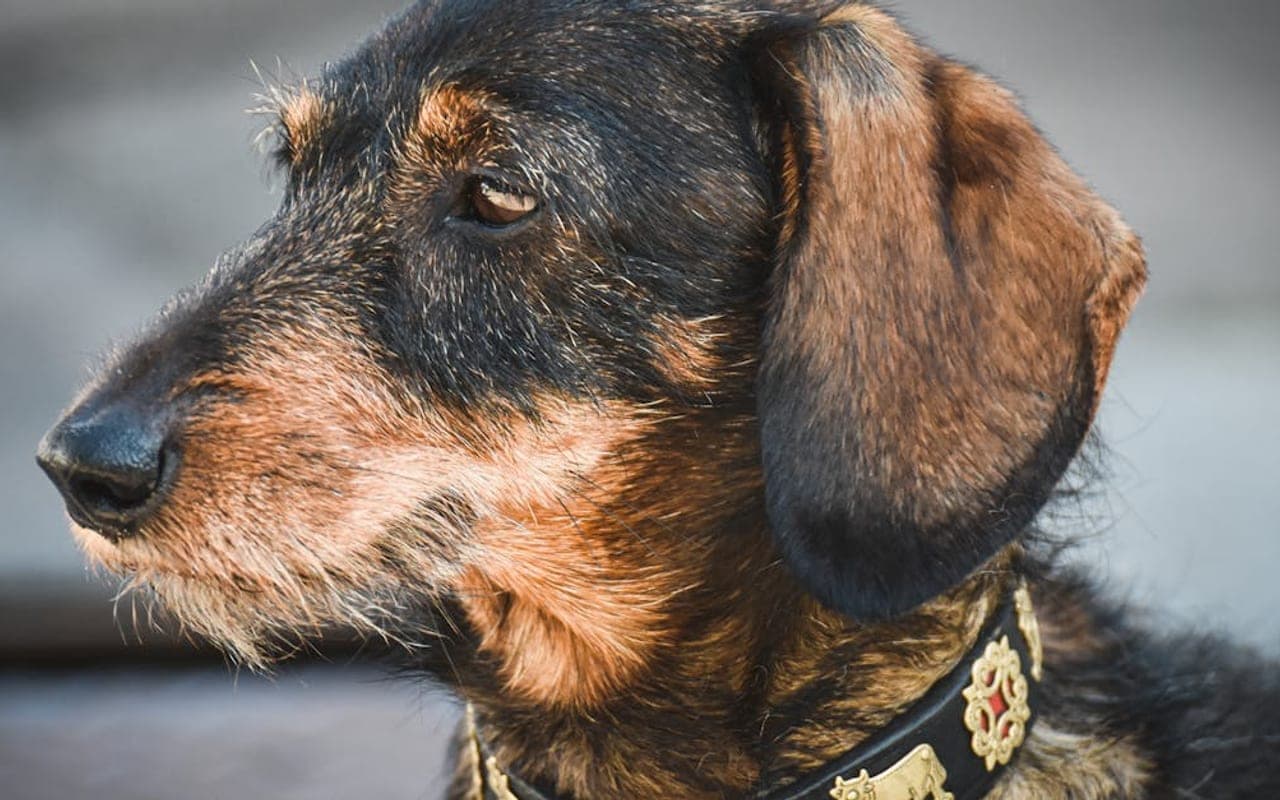
Jagdterrier
Also in the Foundation Stock Service group, with different care and temperament tradeoffs.
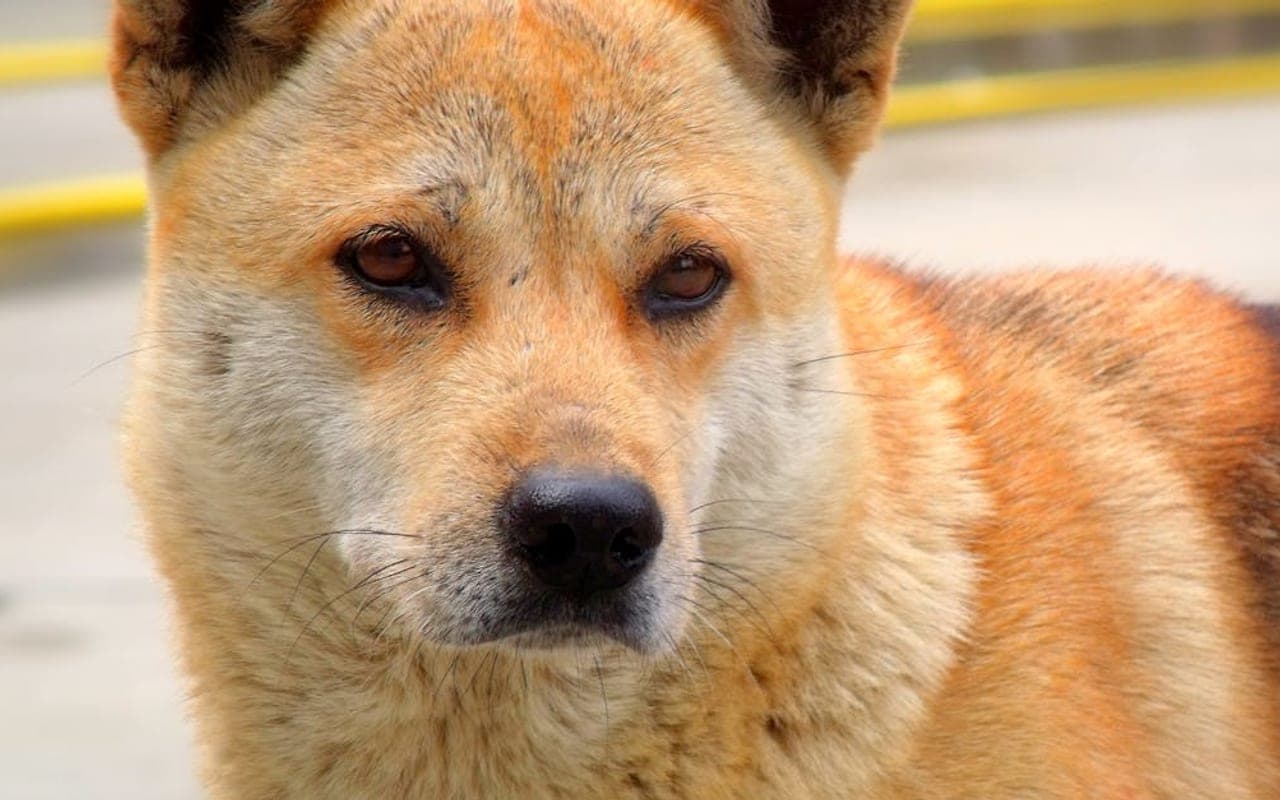
Jindo
Also in the Foundation Stock Service group, with different care and temperament tradeoffs.
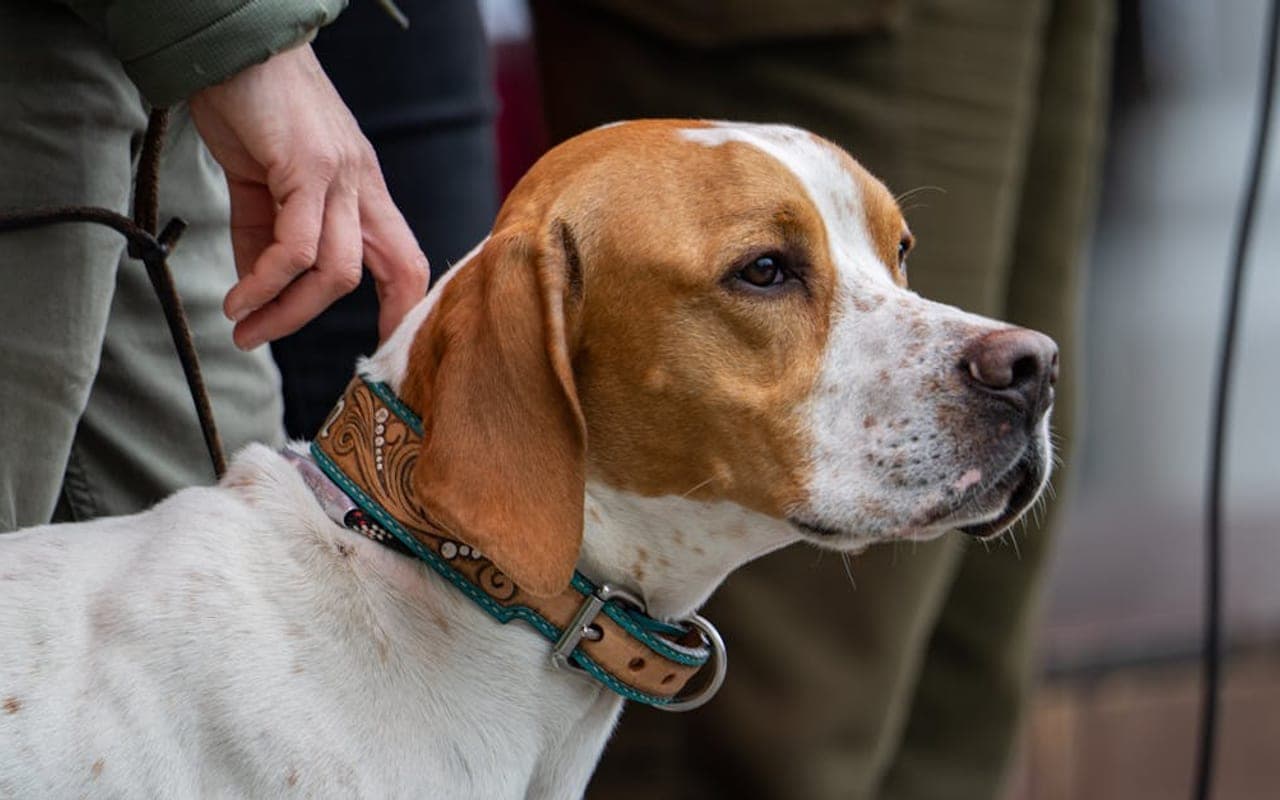
Portuguese Pointer
Also in the Foundation Stock Service group, with different care and temperament tradeoffs.
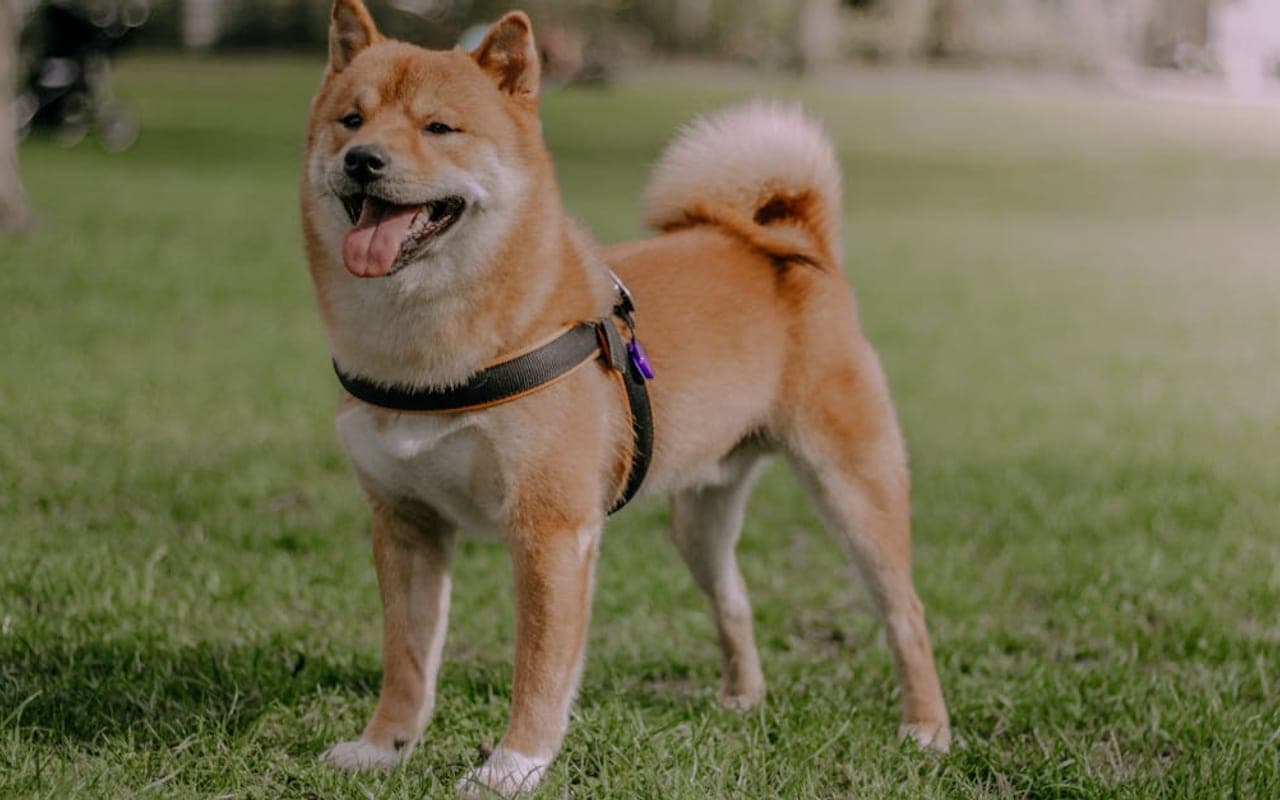
Kishu Ken
Also in the Foundation Stock Service group, with different care and temperament tradeoffs.
Explore More About Stabyhoun
Dive deeper into everything Stabyhoun — costs, care, and expert insights.
Considering a cat instead?
Browse Cats