
Terrier group
Staffordshire Bull Terrier
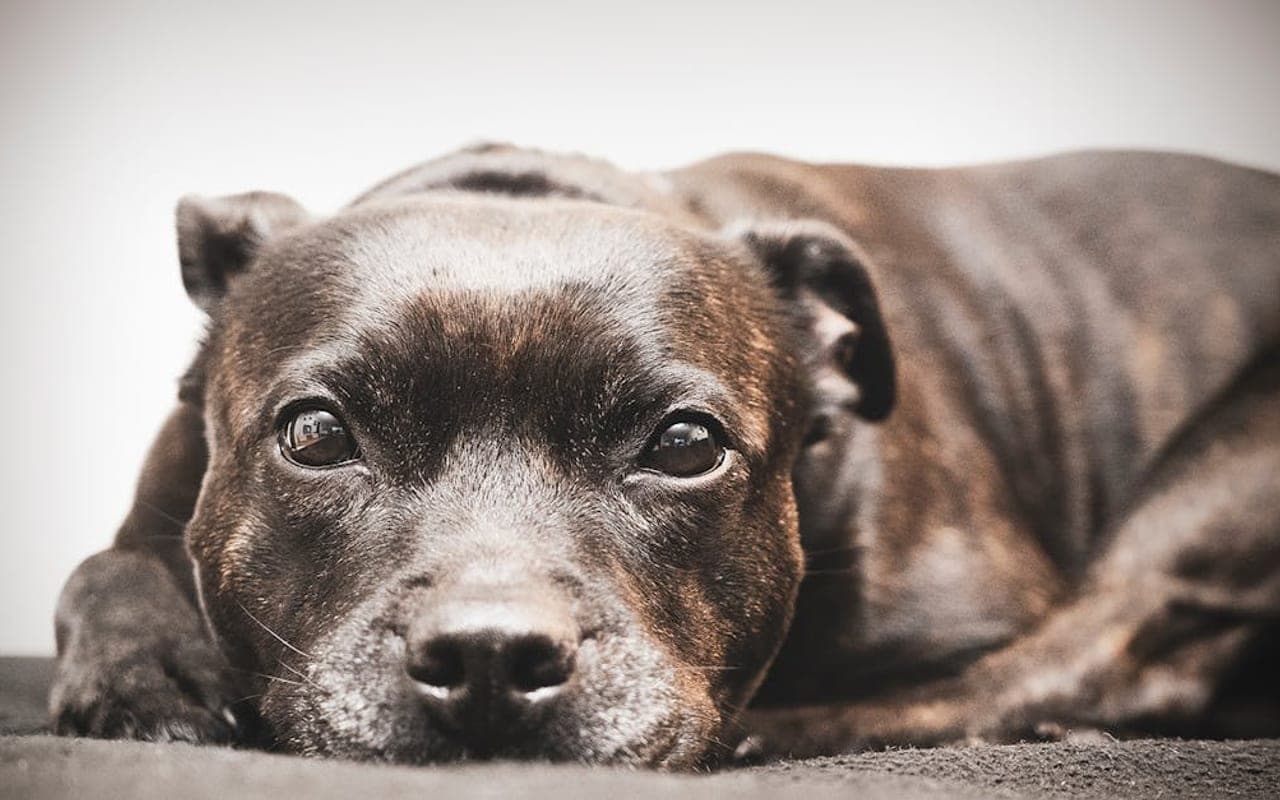
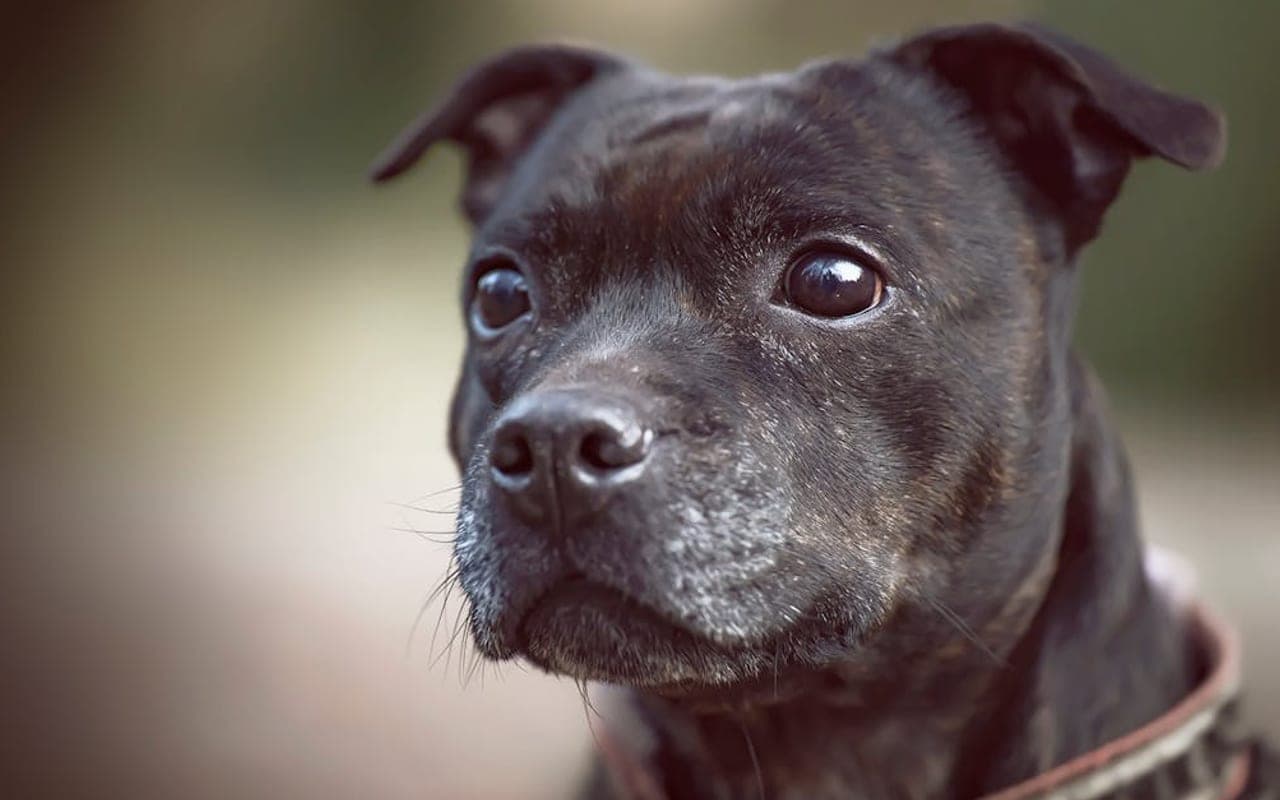
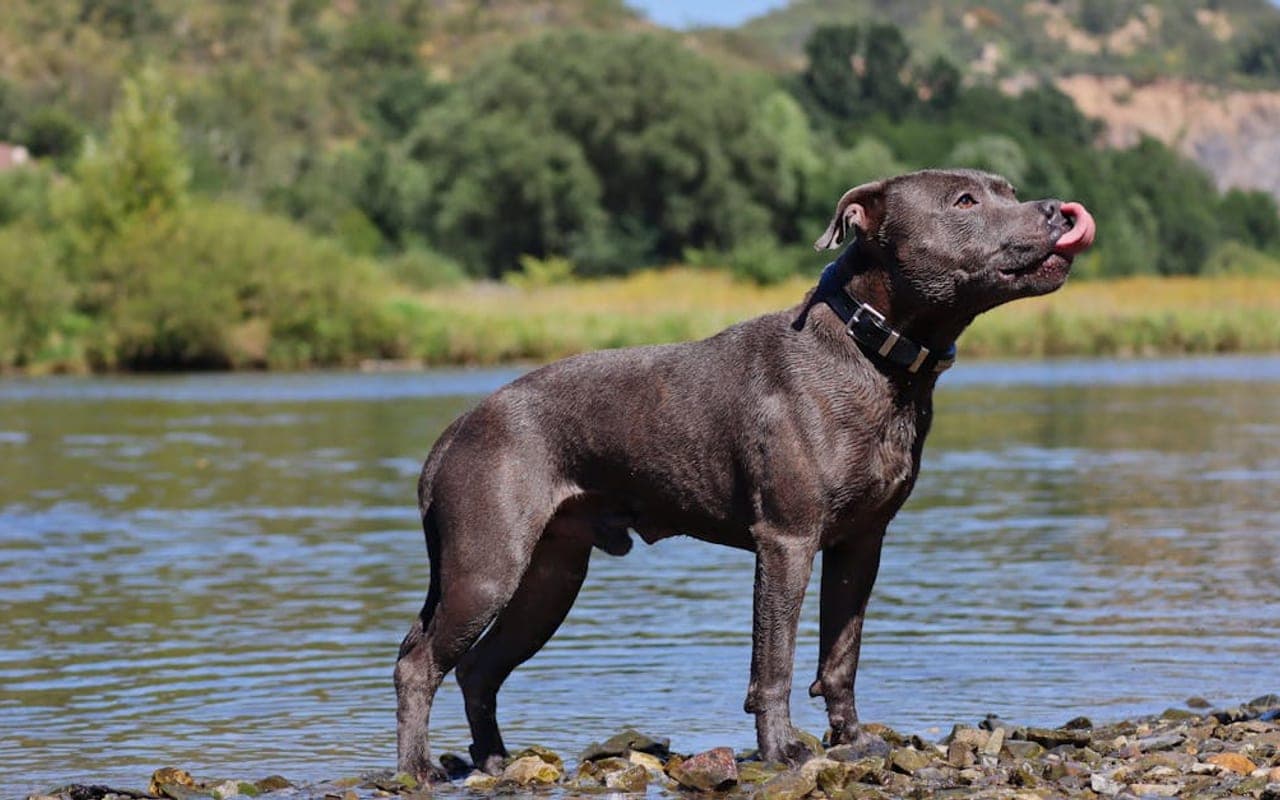
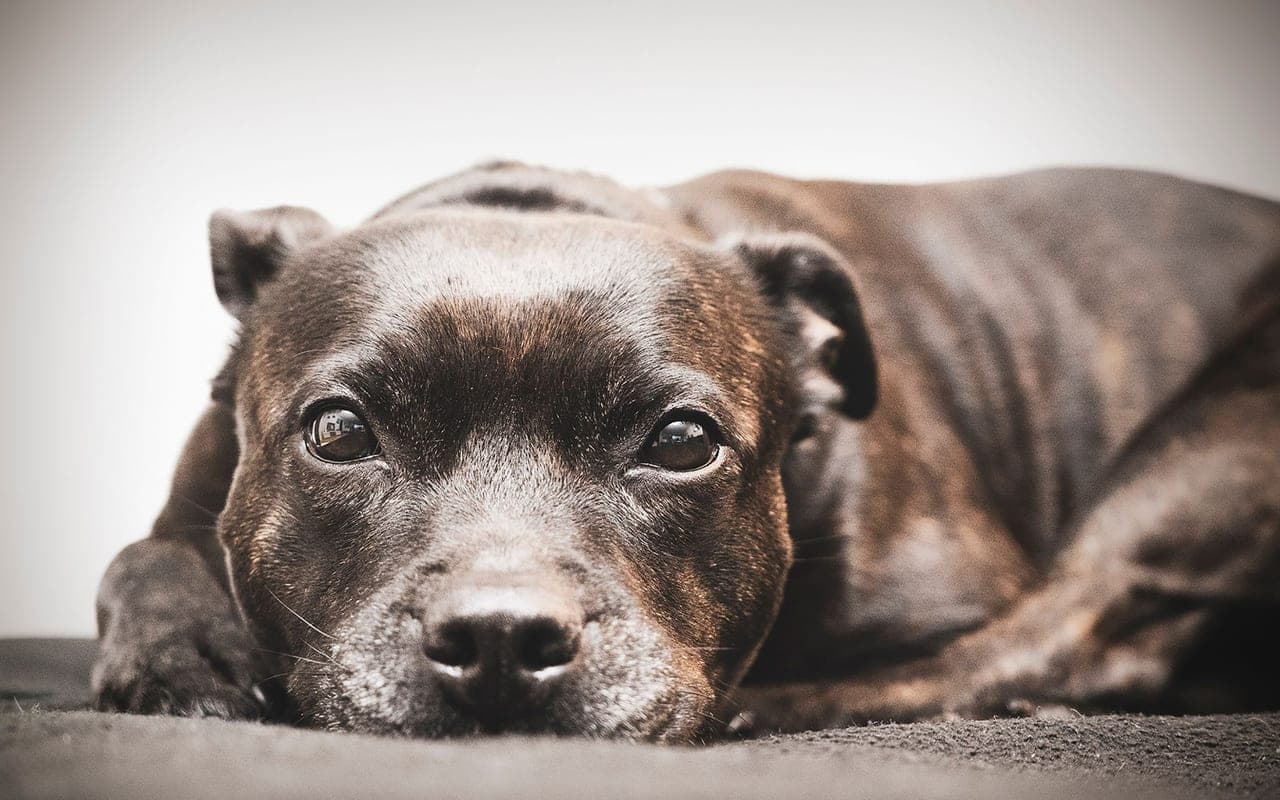
The Staffordshire Bull Terrier — the 'Staffie' or 'Stafford' — is a compact, muscular, deeply people-oriented dog whose reputation and reality are almost opposites, and a buyer needs to hold both in mind.
Size
24-37 lb
Lifespan
12-14 years
Exercise
30-60 minutes
Shedding
Moderate
Experience
Match to owner routine
Decision first
Is a Staffordshire Bull Terrier right for you?
Start with fit before history or trivia. These are ownership signals, not guarantees about any individual dog.
Best suited for
- Households with children.
- Homes with other compatible pets.
- Apartment homes with a consistent routine.
- Owners seeking a manageable daily exercise routine.
Think carefully if
- You need a dog with almost no daily routine.
- You cannot keep up with grooming and preventive care.
- The dog will spend most days alone without support.
Conditional fit
Apartment fit depends on exercise, enrichment, noise management, and outdoor access.
Daily reality
Staffordshire Bull Terrier commitment snapshot
Daily exercise
30-60 minutes
Match activity to age, health, weather, and training goals.
Coat care
Moderate
Grooming needs vary by coat, shedding, and lifestyle.
Time alone
Needs planning
Most dogs need gradual alone-time conditioning and support.
Structured facts
Staffordshire Bull Terrier at a glance
The measurements and traits that most affect day-to-day life with this breed.
Group
Terrier
Weight
24-37 lb
Height
14-16 in
Lifespan
12-14 years
Temperament
Clever | Brave | Tenacious
View all characteristics and methodology
Lifestyle fit
- Apartment suitability
- Likely fit
- Child friendliness
- Often good, with socialisation and supervision
- Other-pet fit
- Often compatible with careful introductions
Owner commitment
- Exercise
- 30-60 minutes
- Grooming
- Moderate
- Shedding
- Moderate
- Training
- Moderate
Environment and health
- Health risk
- Needs planning
Ratings combine structured breed data, visible breed fields, and editorial context. They are planning aids, not predictions for an individual dog.
Daily life
Staffordshire Bull Terrier temperament and behavior
The Staffordshire Bull Terrier — the 'Staffie' or 'Stafford' — is a compact, muscular, deeply people-oriented dog whose reputation and reality are almost opposites, and a buyer needs to hold both in mind. Bred from bull-and-terrier stock, it carries genuine physical power and terrier tenacity; bred for generations also as a family companion, it is one of the most affectionate, child-devoted breeds in existence — so much so that it is traditionally nicknamed the 'nanny dog,' a phrase to take as a description of its love of children, not as a substitute for supervision. Adults stand 14-16 inches and weigh 24-38 pounds (males larger), packed onto a low, broad, athletic frame. Temperament: clever, brave, tenacious, exuberantly affectionate with its own people, and notably good and tolerant with children. The honest complication is dog-directed behavior — the breed's history means many Staffords are not reliably dog-social, especially with same-sex dogs, even when they adore humans. They are strong, enthusiastic, and physically robust; recall and impulse control need real training. They are emotionally needy and dislike isolation. Who the Staffordshire Bull Terrier is right for: an active owner who wants a powerful, devoted, fun, people-first companion, will socialize and train consistently, can manage a dog that may not love other dogs, and understands breed-specific legislation may apply where they live. Who it is wrong for: anyone wanting a dog-park social butterfly by default, owners who leave a dog alone all day, sedentary homes, or anyone unwilling to do the leadership and exercise work. Judge the individual dog and invest in training; the breed's gift is its bond with people.
Clever | Brave | Tenacious
Clever
A common Staffordshire Bull Terrier temperament descriptor that should be interpreted alongside training, exercise, and household fit.
Brave
A common Staffordshire Bull Terrier temperament descriptor that should be interpreted alongside training, exercise, and household fit.
Tenacious
A common Staffordshire Bull Terrier temperament descriptor that should be interpreted alongside training, exercise, and household fit.
Owner note
Temperament labels are starting points, not guarantees. Meet the individual dog and ask about behavior history whenever possible.
Care essentials
How to care for a Staffordshire Bull Terrier
What looking after one actually involves: exercise, grooming, food, training, and routine health.
ExerciseAs needed
- Moderately active breed needing 30-60 minutes of daily exercise.
GroomingAs needed
- Brush 2-3 times per week.
TrainingAs needed
- Consistent, patient training works best.
NutritionAs needed
- Feed high-quality dog food appropriate for age, size, and activity level.
Veterinary CareAs needed
- Annual wellness exams, vaccinations, dental care, and parasite prevention.
Health planning
Staffordshire Bull Terrier health risks and screening
Every breed has individual health variation. Use this profile for planning and discuss medical decisions with a veterinarian.
Responsible ownership
Finding a Staffordshire Bull Terrier responsibly
What to ask a breeder or rescue is the same conversation for every breed, so we keep it in one place and keep it current.
Health documentation, meeting the parents or foster, contracts and return support, and the warning signs worth walking away from.
Original purpose
Staffordshire Bull Terrier history
History is useful when it explains today's behavior, coat, exercise needs, and training style.
Read the breed history
The Staffordshire Bull Terrier originated in the Black Country and Staffordshire region of 19th-century England, bred from bulldog and terrier crosses to produce a smaller, faster, terrier-typed bull-and-terrier. Its early uses are part of an honest history: the breed descends from dogs used in the now-illegal blood sports of bull-baiting and dog fighting, which selected for power, tenacity, and — crucially — extreme tractability and gentleness toward the human handlers who worked closely with them in the pit. When those sports were banned, breed enthusiasts in the Staffordshire area developed and standardized the dog primarily as a companion and showed it; The Kennel Club recognized the Staffordshire Bull Terrier in 1935. That dual heritage — physical power and dog-directed history on one side, profound human affection on the other — explains both the breed's family devotion and the breed-specific legislation it faces in some jurisdictions.
Gallery
Staffordshire Bull Terrier photos
Images are cropped consistently and loaded progressively to keep the page responsive.
Lower-page context
Staffordshire Bull Terriers in culture
Where the breed shows up in film, sport, work and folklore — the enjoyable part, once the practical questions are answered.
Fun facts
- The Staffordshire Bull Terrier belongs to the Terrier Group.
- The average lifespan of a Staffordshire Bull Terrier is 12 to 14 years.
- Staffordshire Bull Terrier dogs are valued for their clever, brave, tenacious nature.
Staffordshire Bull Terrier FAQs
Are Staffordshire Bull Terriers dangerous or good family dogs?
On temperament toward people, they are one of the most affectionate and child-devoted breeds, which is why they were nicknamed 'nanny dogs.' That nickname describes their love of children, not a license to leave any dog unsupervised with kids — always supervise. The legitimate caution is not human aggression but dog-directed behavior: many Staffords are variable or unreliable with other dogs. They make excellent family companions with socialization, training, and responsible management.
Are Staffordshire Bull Terriers good with other dogs?
Variably, and this is the breed's honest trade-off. They are intensely people-social but, owing to their bull-and-terrier ancestry, many are not reliably dog-social, especially with same-sex dogs, even when raised well. Some live happily with other dogs; many do better as the only dog or with careful management. Plan for proactive socialization from puppyhood, controlled introductions, and not assuming dog-park suitability. Manage the dog you have, not the one the cute photos imply.
How much exercise does a Staffie need?
At least 60 minutes of vigorous daily exercise — brisk walking, fetch, tug, and structured play for a compact but powerful, high-stamina dog — plus mental work like training or scent games. Under-exercised Staffords become bored, mouthy, and destructive, which owners often misread as a behavior flaw rather than unmet need. Important caveat: their shortish muzzle reduces heat tolerance, so exercise in the cool of the day in warm weather and watch hard for overheating.
How long do Staffordshire Bull Terriers live?
Typically 12 to 14 years, good for a robust medium breed. The factors that most affect that span are buying from parents DNA-tested clear for L-2-HGA and hereditary cataract, keeping the dog lean to protect hips, prompt evaluation of any skin lumps for mast cell tumors, and preventing heatstroke. A genetically tested, lean, well-managed Stafford has a strong chance of a long, healthy life; the inherited diseases are largely avoidable with the right breeder.
What is L-2-hydroxyglutaric aciduria and can it be avoided?
L-2-HGA is an inherited metabolic disease almost specific to the Staffordshire Bull Terrier: a missing enzyme lets an acid build up in the nervous system, causing seizures, a wobbly gait, tremors, and behavior change, usually emerging between 6 months and a year. It is recessive and there is a reliable DNA test, so it is one of the most avoidable breed diseases — insist on proof that both parents are DNA-tested clear or are a tested non-affected pairing, and the risk to your puppy is effectively eliminated.
Is the Staffordshire Bull Terrier a banned or restricted breed?
It is not banned in the UK, but Staffords are sometimes confused with restricted bull-type breeds, and breed-specific legislation, insurance restrictions, and housing or travel limits do exist in various countries, US states, and municipalities. Before acquiring one, check your local laws, your homeowner or renter insurance, and any housing or airline rules, because these can create real, expensive constraints later. This is a practical ownership cost worth confirming up front, not after.
Sources
These are the published sources this page draws on. Each opens in a new tab so you can check it yourself.
American Kennel Club
Staffordshire Bull Terrier — breed standard and profile(opens in a new tab)Supports: Breed standard and recognition details.
Similar breeds to consider
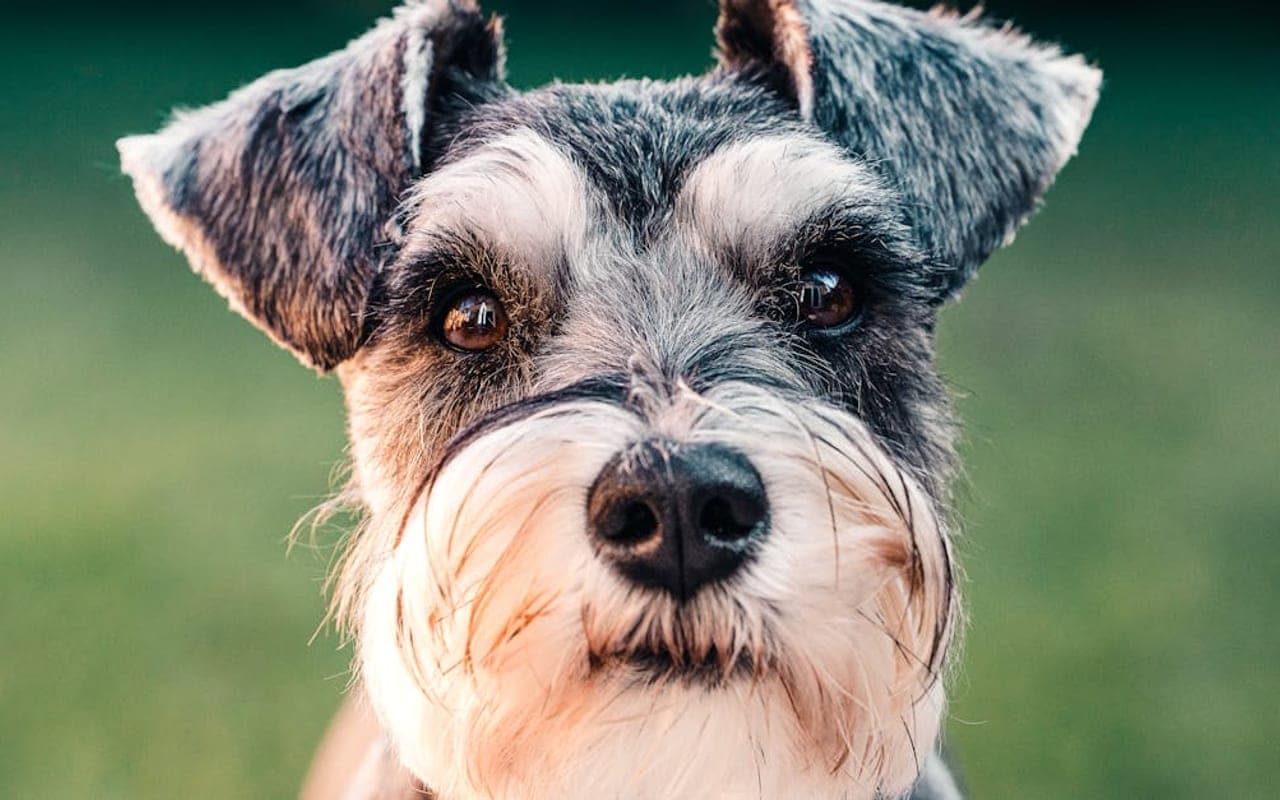
Miniature Schnauzer
Also in the Terrier group, with different care and temperament tradeoffs.
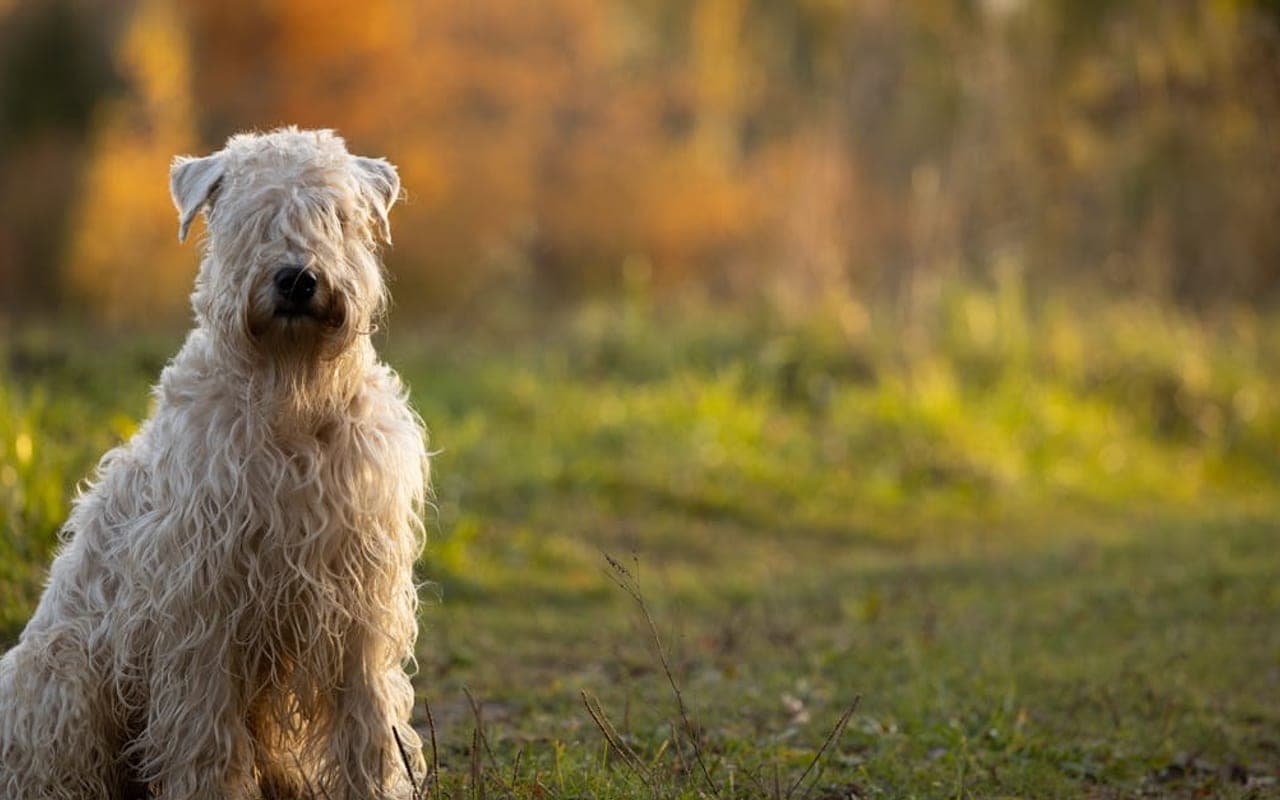
Soft Coated Wheaten Terrier
Also in the Terrier group, with different care and temperament tradeoffs.
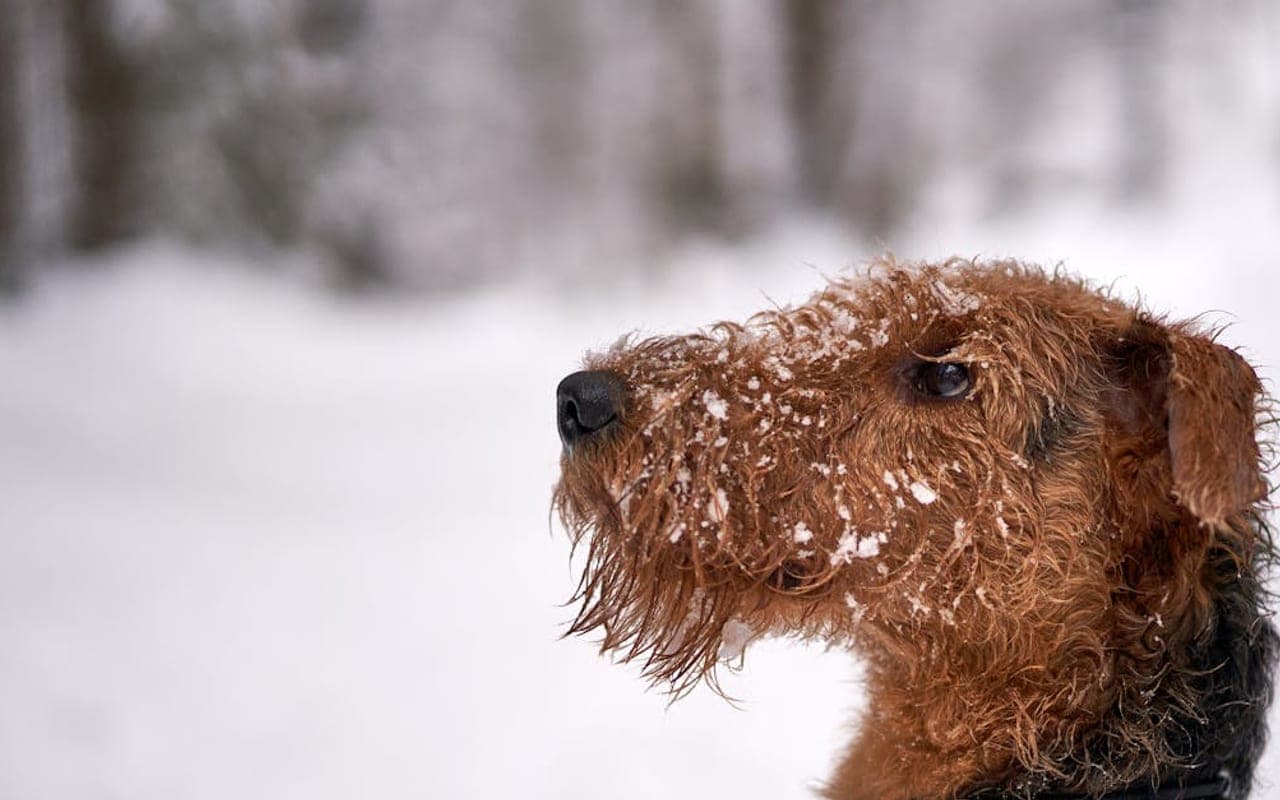
Airedale Terrier
Also in the Terrier group, with different care and temperament tradeoffs.
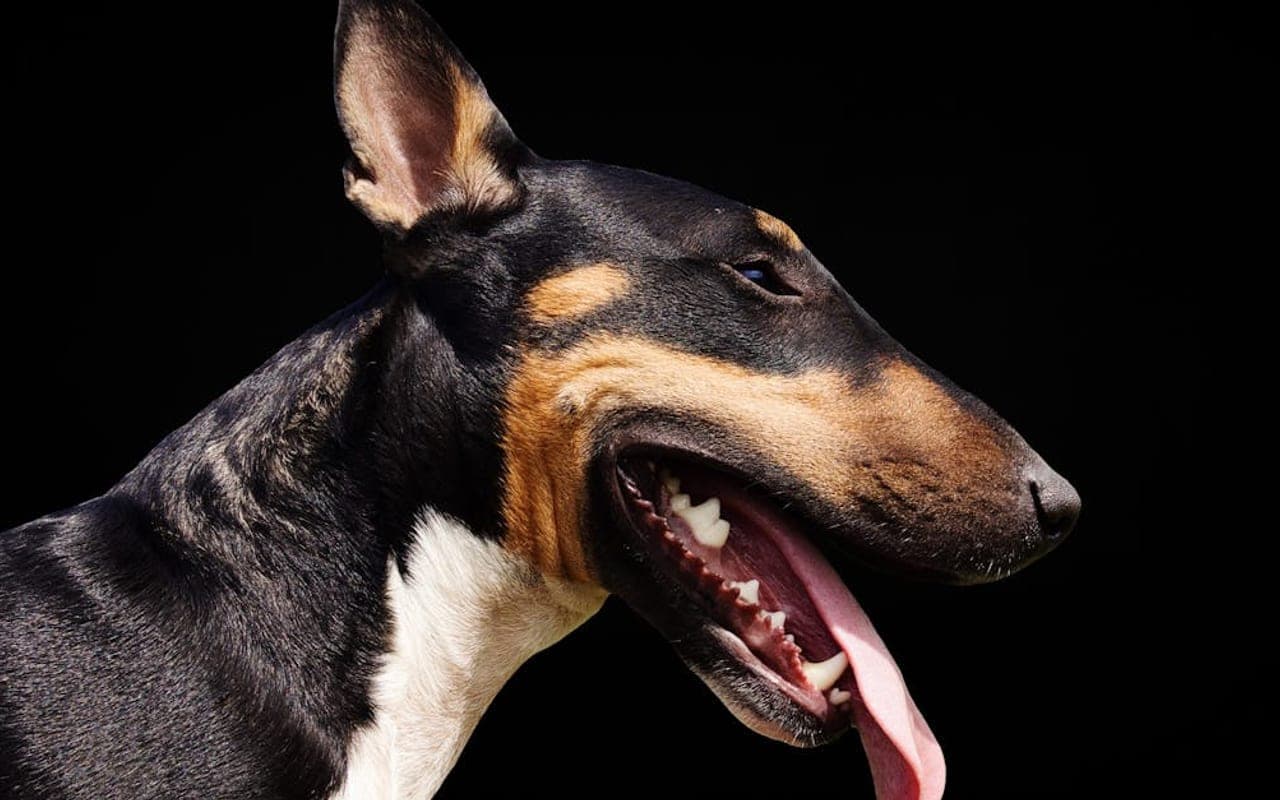
Bull Terrier
Also in the Terrier group, with different care and temperament tradeoffs.
Explore More About Staffordshire Bull Terrier
Dive deeper into everything Staffordshire Bull Terrier — costs, care, and expert insights.
Considering a cat instead?
Browse Cats