
Working group
Standard Schnauzer
The Standard Schnauzer is the original Schnauzer — the medium-sized German farm and guard dog from which the Miniature and Giant were later developed.
Size
31-44 lb
Lifespan
13-16 years
Exercise
30-60 minutes
Shedding
Moderate
Experience
Match to owner routine
Decision first
Is a Standard Schnauzer right for you?
Start with fit before history or trivia. These are ownership signals, not guarantees about any individual dog.
Best suited for
- Households with children.
- Homes with other compatible pets.
- Apartment homes with a consistent routine.
- Owners seeking a manageable daily exercise routine.
Think carefully if
- You need a dog with almost no daily routine.
- You cannot keep up with grooming and preventive care.
- The dog will spend most days alone without support.
Conditional fit
Apartment fit depends on exercise, enrichment, noise management, and outdoor access.
Daily reality
Standard Schnauzer commitment snapshot
Daily exercise
30-60 minutes
Match activity to age, health, weather, and training goals.
Coat care
Moderate
Grooming needs vary by coat, shedding, and lifestyle.
Time alone
Needs planning
Most dogs need gradual alone-time conditioning and support.
Structured facts
Standard Schnauzer at a glance
The measurements and traits that most affect day-to-day life with this breed.
Group
Working
Weight
31-44 lb
Height
17-20 in
Lifespan
13-16 years
Temperament
Fearless | Smart | Spirited
View all characteristics and methodology
Lifestyle fit
- Apartment suitability
- Likely fit
- Child friendliness
- Often good, with socialisation and supervision
- Other-pet fit
- Often compatible with careful introductions
Owner commitment
- Exercise
- 30-60 minutes
- Grooming
- Moderate
- Shedding
- Moderate
- Training
- Moderate
Environment and health
- Health risk
- Needs planning
Ratings combine structured breed data, visible breed fields, and editorial context. They are planning aids, not predictions for an individual dog.
Daily life
Standard Schnauzer temperament and behavior
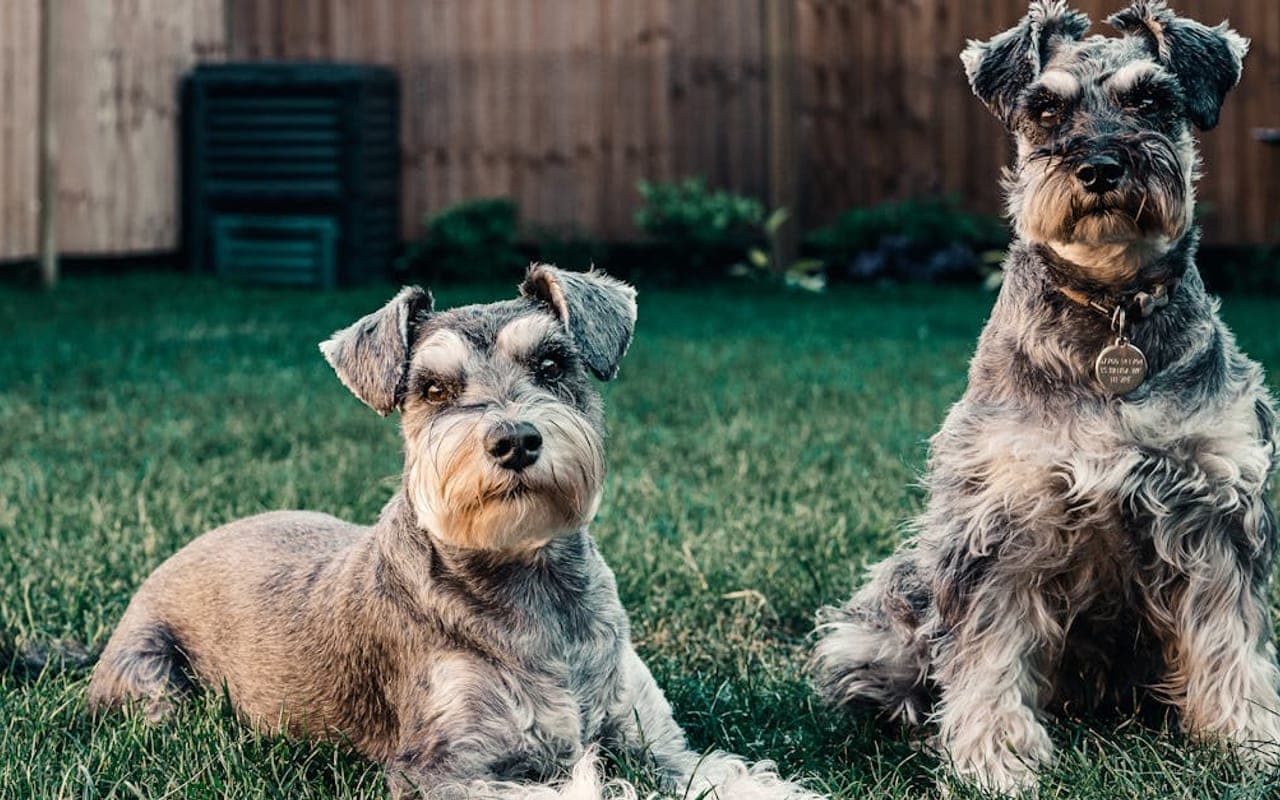
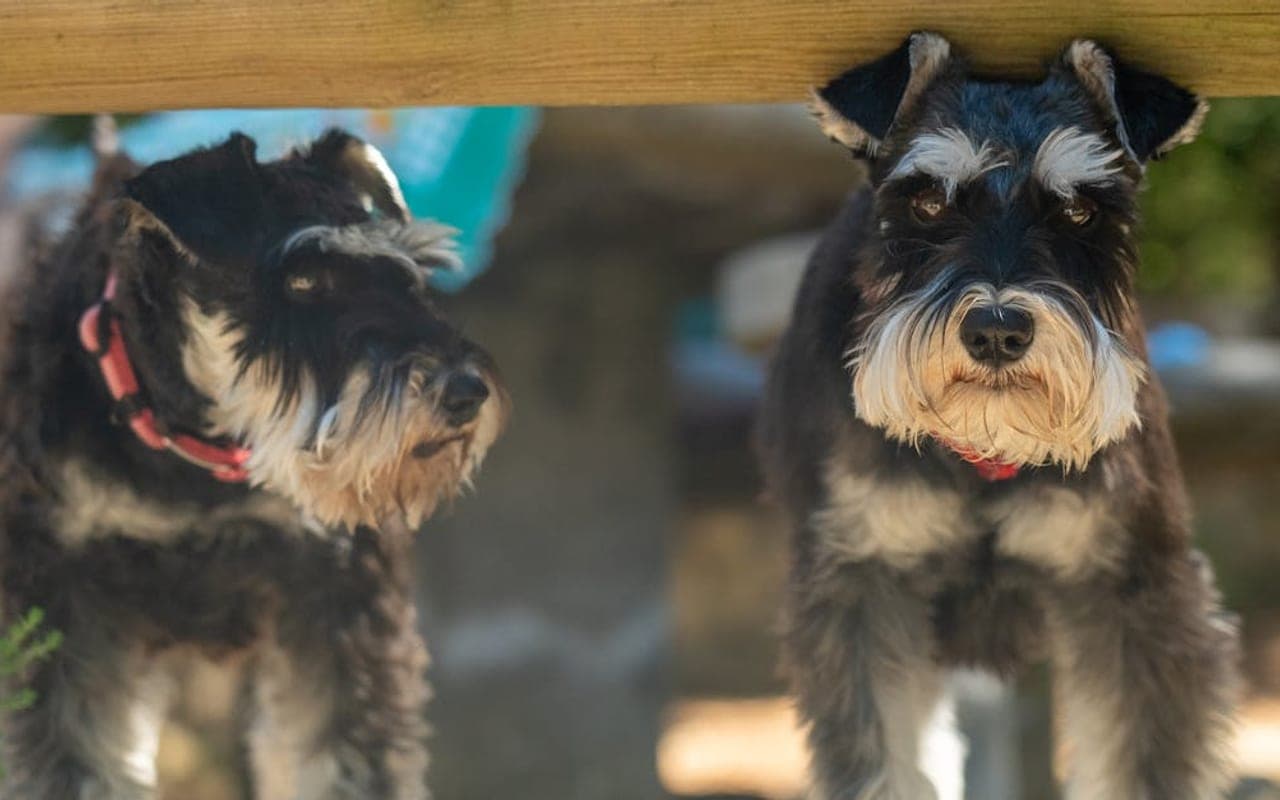
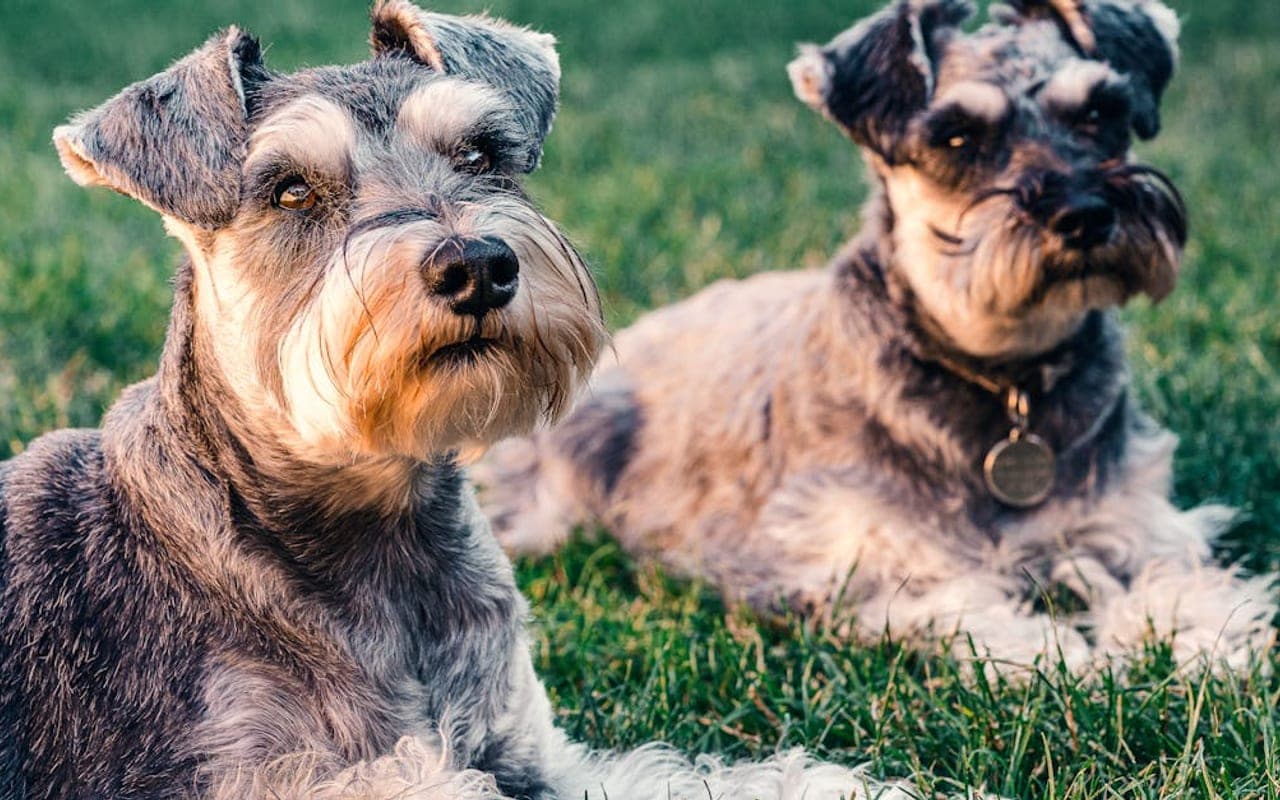
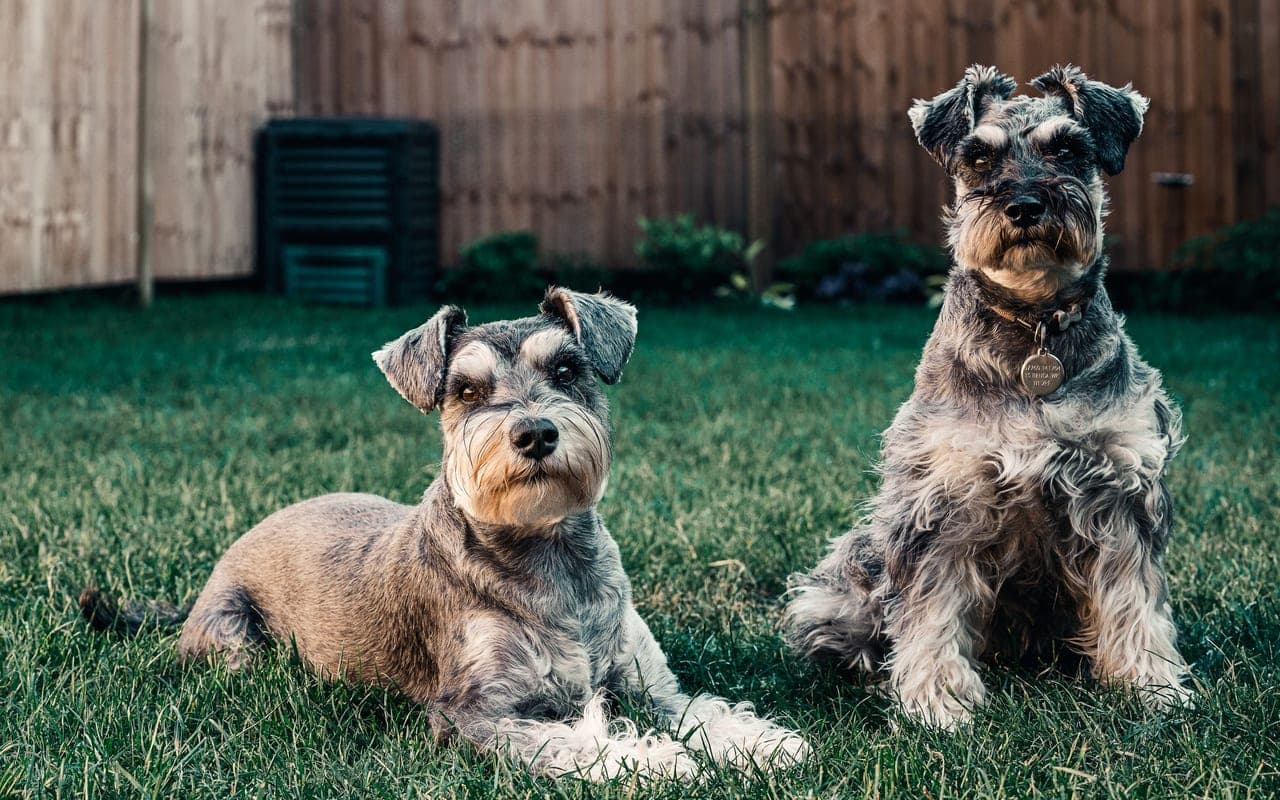
The Standard Schnauzer is the original Schnauzer — the medium-sized German farm and guard dog from which the Miniature and Giant were later developed. It stands 17.5-19.5 inches and weighs 30-50 pounds, with a square, robust build, a wiry double coat in solid black or 'pepper-and-salt,' and the breed's signature arched eyebrows and bristly beard. The buying decision starts with understanding the original job: this is a versatile working dog bred to rat the barn, guard the property, and drive the cart — high-energy, sharply intelligent, and strongly protective, not a low-key companion breed. Physically the Standard is built for endurance and weather: the harsh double coat is low-shedding but high-maintenance, requiring hand-stripping for the correct texture or regular clipping for convenience, plus near-constant beard care. The breed is often described as low-shedding and is sometimes tolerated better by people with allergies, but no dog is truly hypoallergenic. Temperament is the breed's draw and its demand. Standards are bright, fast-learning, and trainable — among the more intelligent breeds — but also bold, willful, energetic, and naturally watchful. They bond intensely with their family ('velcro' dogs), are reserved with strangers, alert-bark readily, and need a job. Properly raised they are excellent, playful, protective family dogs and good with children they are raised with; under-exercised or under-trained, their intelligence and guarding drive turn into barking, mischief, and stubbornness. Who the Standard Schnauzer is right for: an active owner who wants a smart, trainable, protective companion, will provide daily exercise plus mental work, commit to coat maintenance, and lead a willful dog consistently. Who it is wrong for: a sedentary or first-time owner wanting an easygoing low-maintenance pet, or anyone unwilling to budget time and money for the coat.
Fearless | Smart | Spirited
Fearless
A common Standard Schnauzer temperament descriptor that should be interpreted alongside training, exercise, and household fit.
Smart
A common Standard Schnauzer temperament descriptor that should be interpreted alongside training, exercise, and household fit.
Spirited
A common Standard Schnauzer temperament descriptor that should be interpreted alongside training, exercise, and household fit.
Owner note
Temperament labels are starting points, not guarantees. Meet the individual dog and ask about behavior history whenever possible.
Care essentials
How to care for a Standard Schnauzer
What looking after one actually involves: exercise, grooming, food, training, and routine health.
ExerciseAs needed
- Moderately active breed needing 30-60 minutes of daily exercise.
GroomingAs needed
- Brush 2-3 times per week.
TrainingAs needed
- Consistent, patient training works best.
NutritionAs needed
- Feed high-quality dog food appropriate for age, size, and activity level.
Veterinary CareAs needed
- Annual wellness exams, vaccinations, dental care, and parasite prevention.
Health planning
Standard Schnauzer health risks and screening
Every breed has individual health variation. Use this profile for planning and discuss medical decisions with a veterinarian.
Responsible ownership
Finding a Standard Schnauzer responsibly
What to ask a breeder or rescue is the same conversation for every breed, so we keep it in one place and keep it current.
Health documentation, meeting the parents or foster, contracts and return support, and the warning signs worth walking away from.
Original purpose
Standard Schnauzer history
History is useful when it explains today's behavior, coat, exercise needs, and training style.
Read the breed history
The Standard Schnauzer is a centuries-old German breed, the foundational Schnauzer type, developed in the rural regions of Bavaria and Wurttemberg as an all-purpose farm dog. Its jobs were ratting and vermin control in barns and stables, guarding the homestead and the farmer's cart and goods at market, and general property protection — a true multipurpose working dog. The breed's harsh weatherproof coat and bristly muzzle ('Schnauze' means snout or muzzle in German) suited the outdoor, hard-working life. It is depicted in European art going back centuries and was shown as the 'Wire-haired Pinscher' before the Schnauzer name took hold. During and after the World Wars, German Standards served as dispatch and aid dogs. The Miniature Schnauzer (crossed down with Affenpinscher and small Poodle-type stock) and the Giant Schnauzer (bred up for cattle driving and later police work) were both derived from the Standard. The AKC recognized the breed and places it in the Working Group, reflecting the guarding and utility heritage that still drives its protective, high-energy temperament today.
Gallery
Standard Schnauzer photos
Images are cropped consistently and loaded progressively to keep the page responsive.
Lower-page context
Standard Schnauzers in culture
Where the breed shows up in film, sport, work and folklore — the enjoyable part, once the practical questions are answered.
Fun facts
- The Standard Schnauzer belongs to the Working Group.
- The average lifespan of a Standard Schnauzer is 13 to 16 years.
- Standard Schnauzer dogs are valued for their fearless, smart, spirited nature.
Standard Schnauzer FAQs
How long do Standard Schnauzers live?
A Standard Schnauzer typically lives 13-16 years, which is long for a 30-50 pound dog. The realistic limiters are hip dysplasia, inherited eye disease (PRA and cataracts), and cardiac problems rather than early systemic illness. Buying from a breeder who screens hips, eyes, and heart, keeping the dog lean to protect joints and the pancreas, and staying current on dental and eye exams are the levers that most determine where in that range a dog ends up.
Are Standard Schnauzers good family dogs?
Yes, for an active, engaged family. Standards are intelligent, playful, devoted, and naturally protective, and good with children they are raised with. The caveats are that they are high-energy and need 60+ minutes of daily exercise plus mental work, they alert-bark and are reserved with strangers, and they are willful enough to need consistent training and early socialization. In a sedentary or hands-off home the same traits become barking, stubbornness, and destructive boredom.
Are Standard Schnauzers hypoallergenic?
No dog is truly hypoallergenic, but the Standard Schnauzer's wiry, low-shedding double coat means it releases less dander and loose hair into the home, and some allergy sufferers tolerate the breed better than heavy-shedding dogs. This advantage only holds with proper coat maintenance. Anyone buying specifically for allergies should spend extended time with an adult Standard before committing, since individual human reactions vary widely.
How much grooming does a Standard Schnauzer need?
A significant amount. The harsh double coat needs brushing 2-3 times a week plus either hand-stripping every few months to keep its correct texture and low shedding, or clipping every 6-8 weeks at roughly $60-$100 a session for convenience. The signature beard traps food and water and needs cleaning after meals to avoid odor and skin irritation. This ongoing time-or-money cost should be factored in before buying, not discovered after.
How much does a Standard Schnauzer cost?
Expect roughly $1,200-$2,500 for a puppy from a breeder who screens hips, eyes (for PRA and cataracts), and heart. The recurring hidden cost is grooming — clipping every 6-8 weeks at $60-$100 adds up to several hundred dollars a year — plus ophthalmology exams and the lifelong feeding discipline needed to protect a pancreatitis-prone breed. Buying from a fully health-tested line is the cheapest way to avoid the breed's costly inherited eye and joint disease, where a single cataract surgery can run $2,500-$4,000 per eye and lifelong pancreatitis management adds vet and prescription-diet costs every year that quietly exceed the original purchase price.
Sources
These are the published sources this page draws on. Each opens in a new tab so you can check it yourself.
American Kennel Club
Standard Schnauzer — breed standard and profile(opens in a new tab)Supports: Breed standard and recognition details.
Similar breeds to consider
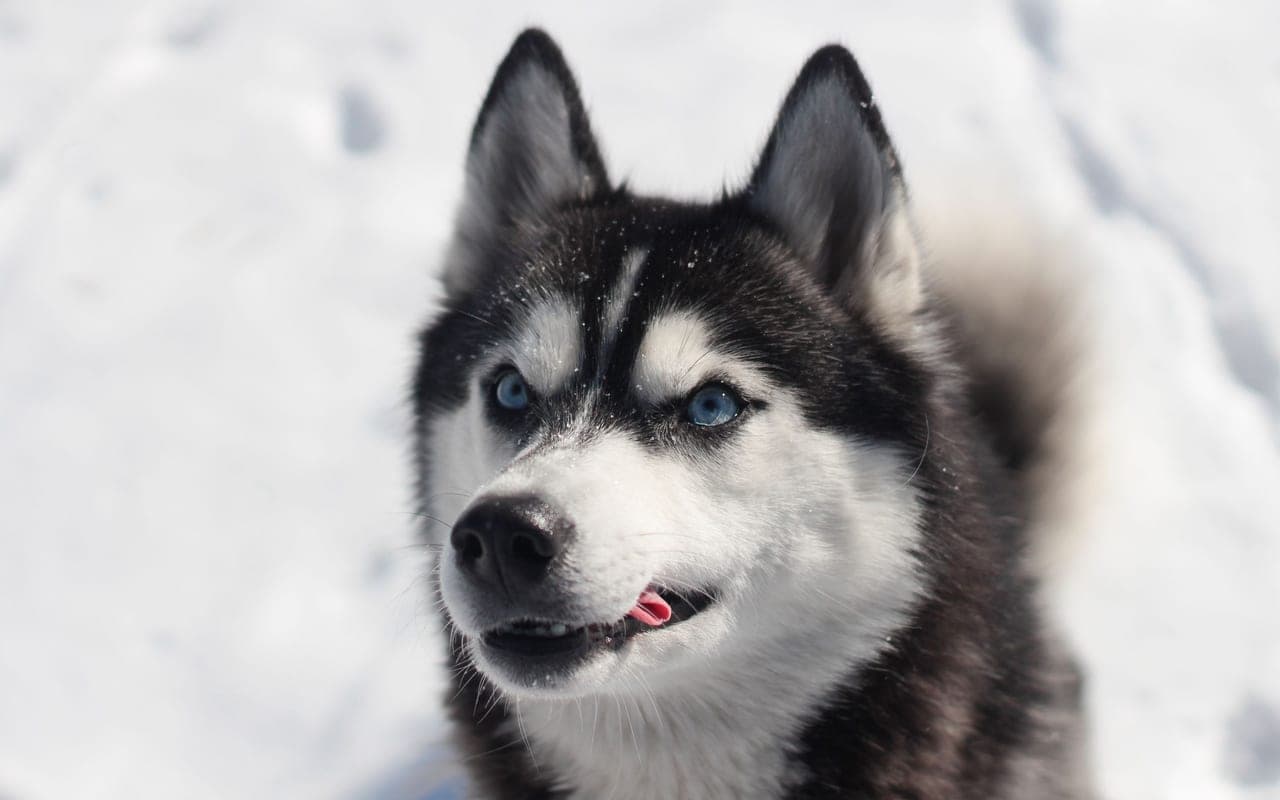
Siberian Husky
Also in the Working group, with different care and temperament tradeoffs.
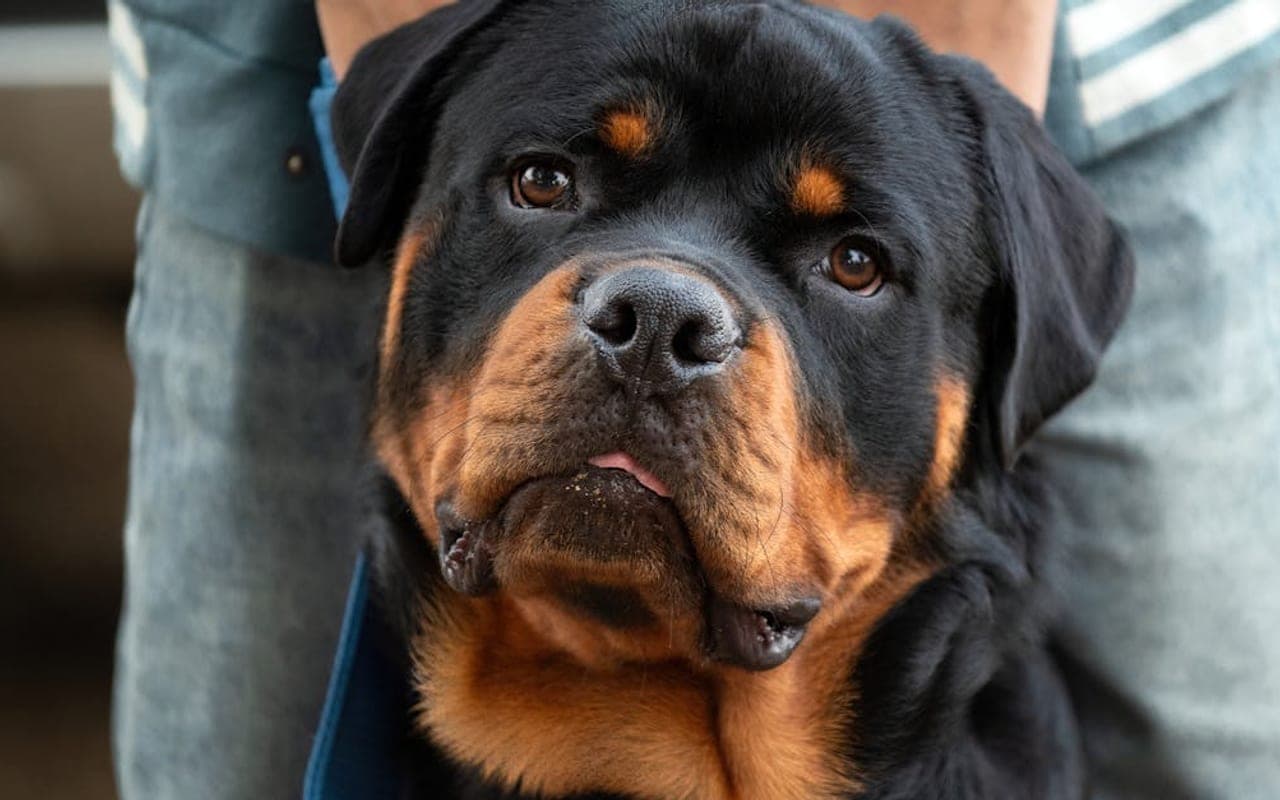
Rottweiler
Also in the Working group, with different care and temperament tradeoffs.
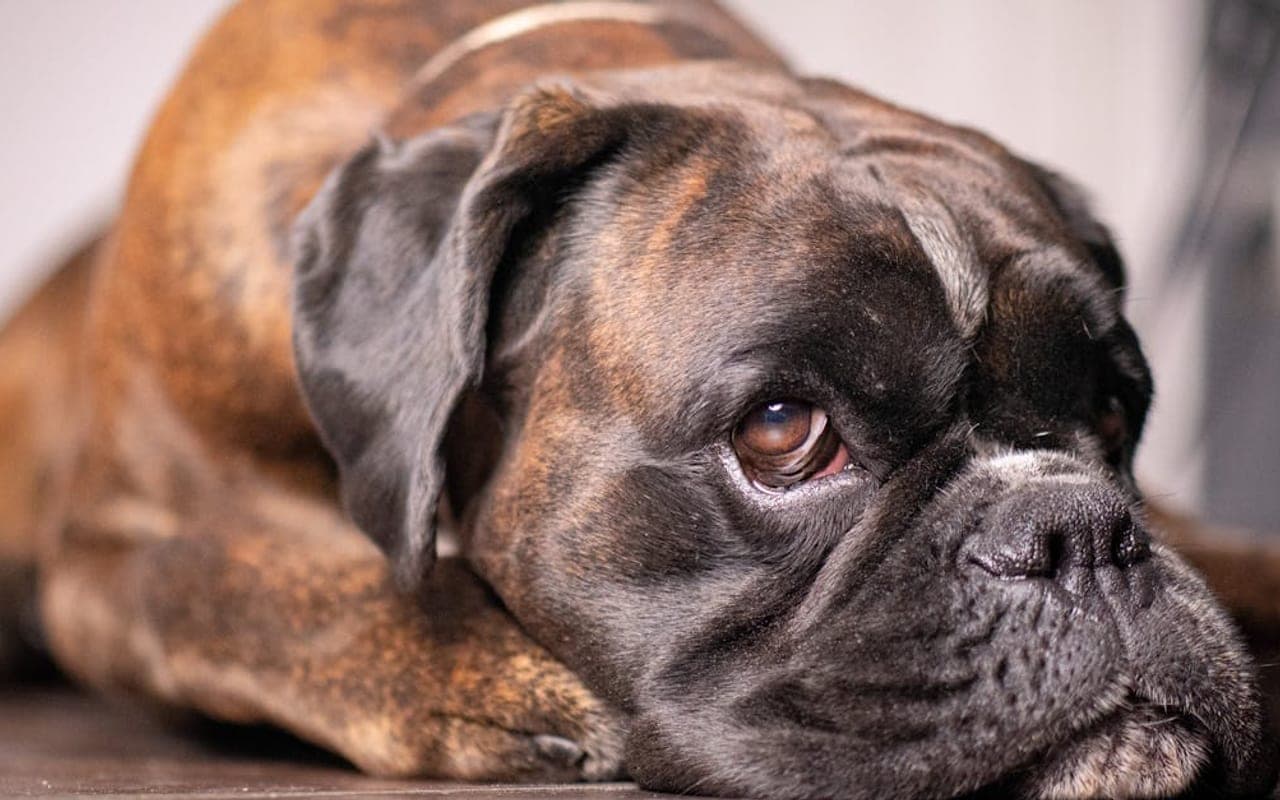
Boxer
Also in the Working group, with different care and temperament tradeoffs.
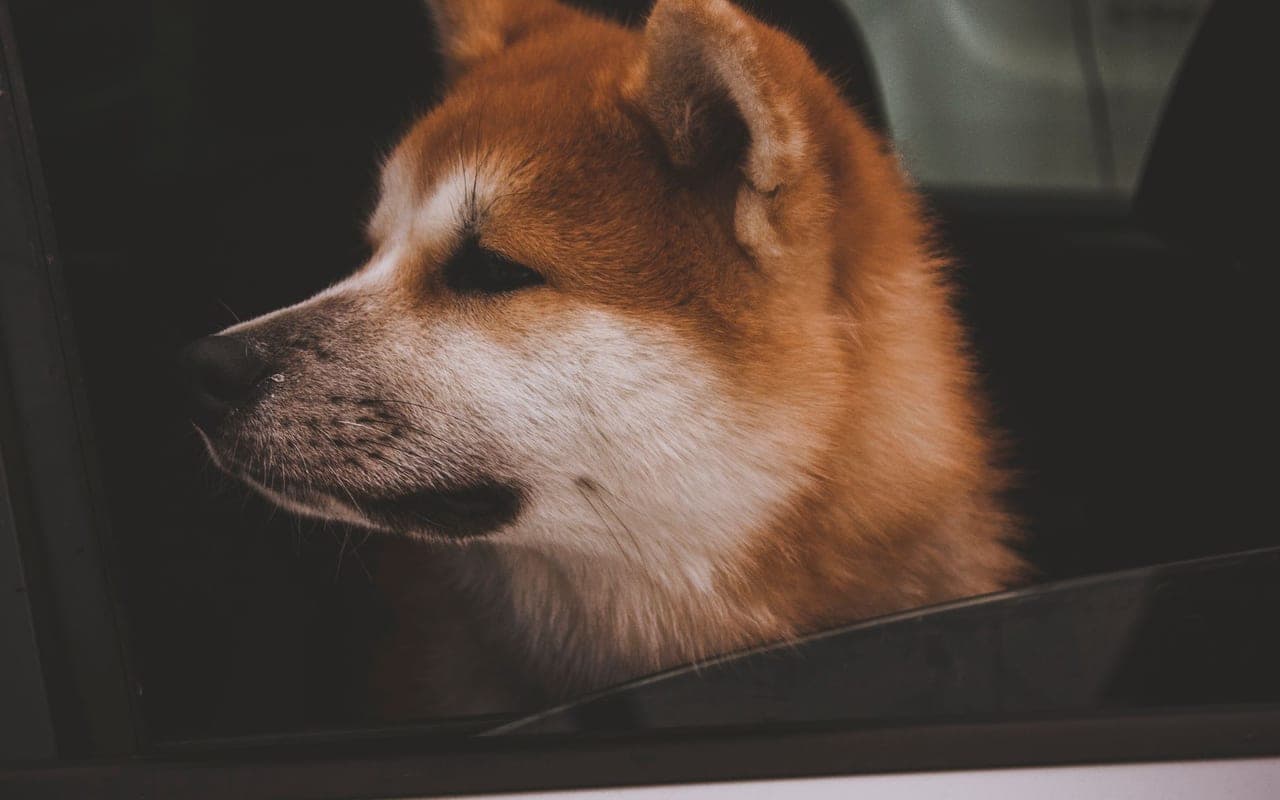
Akita
Also in the Working group, with different care and temperament tradeoffs.
Explore More About Standard Schnauzer
Dive deeper into everything Standard Schnauzer — costs, care, and expert insights.
Considering a cat instead?
Browse Cats