
Foundation Stock Service group
Swedish Lapphund
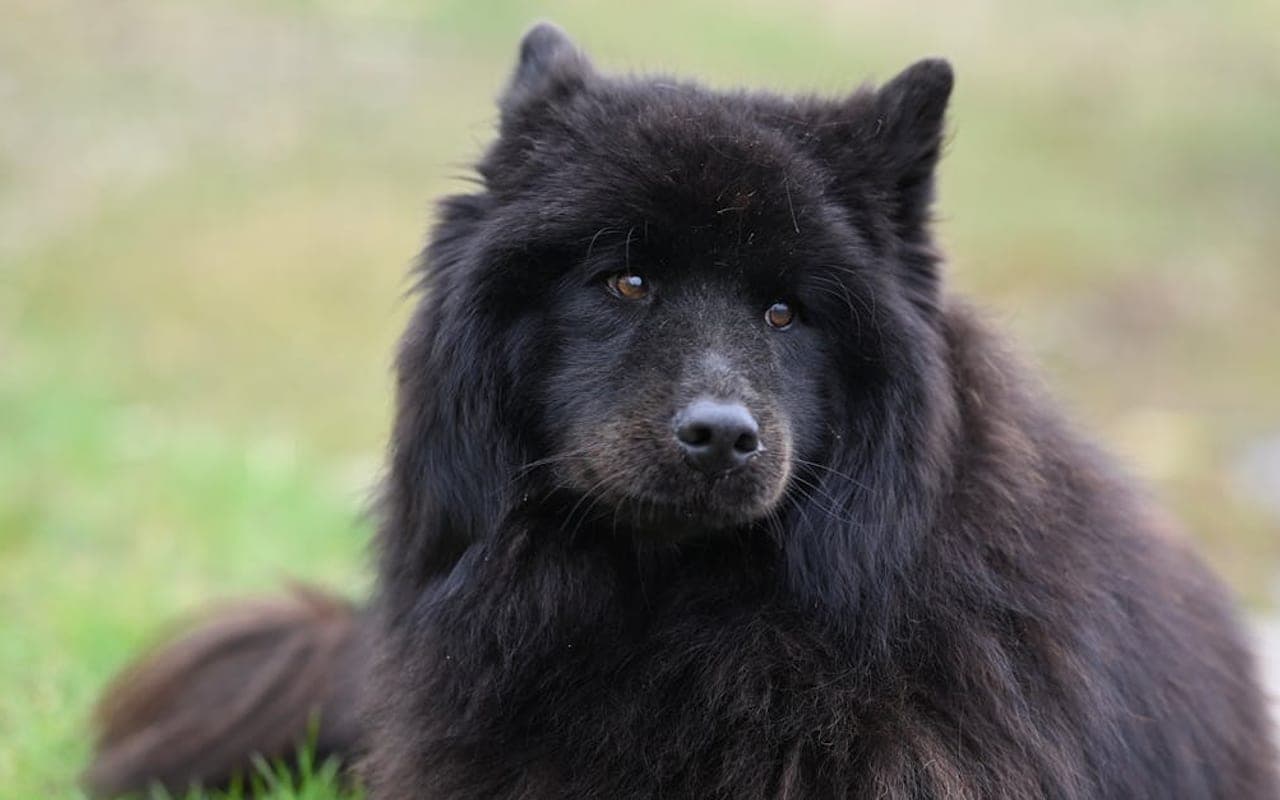
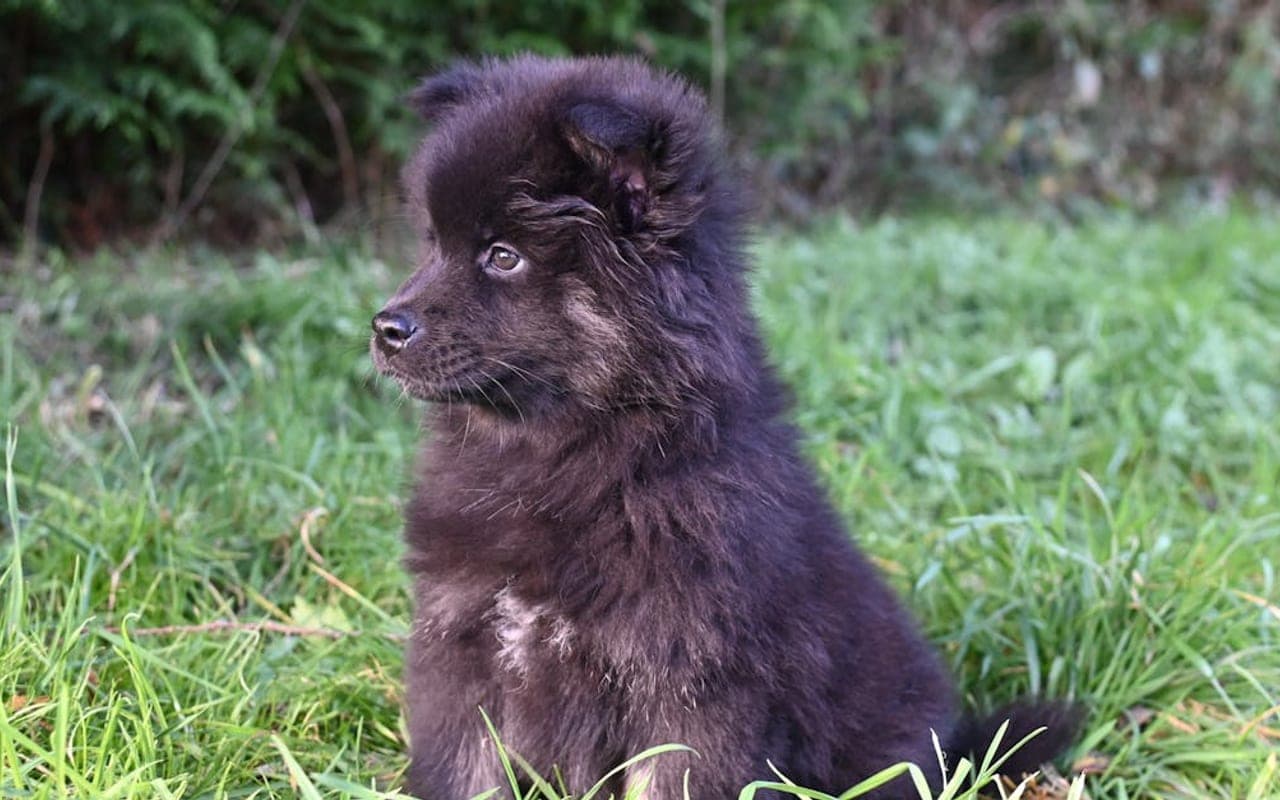
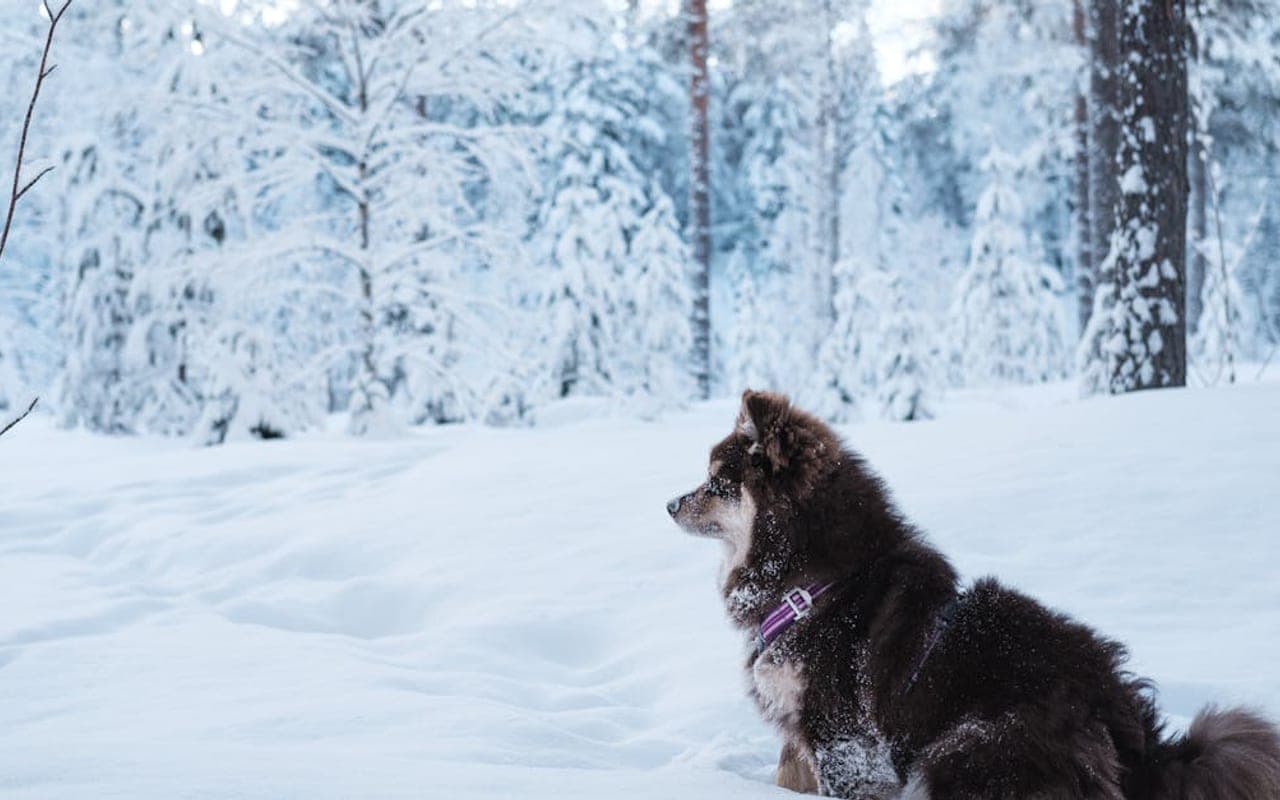
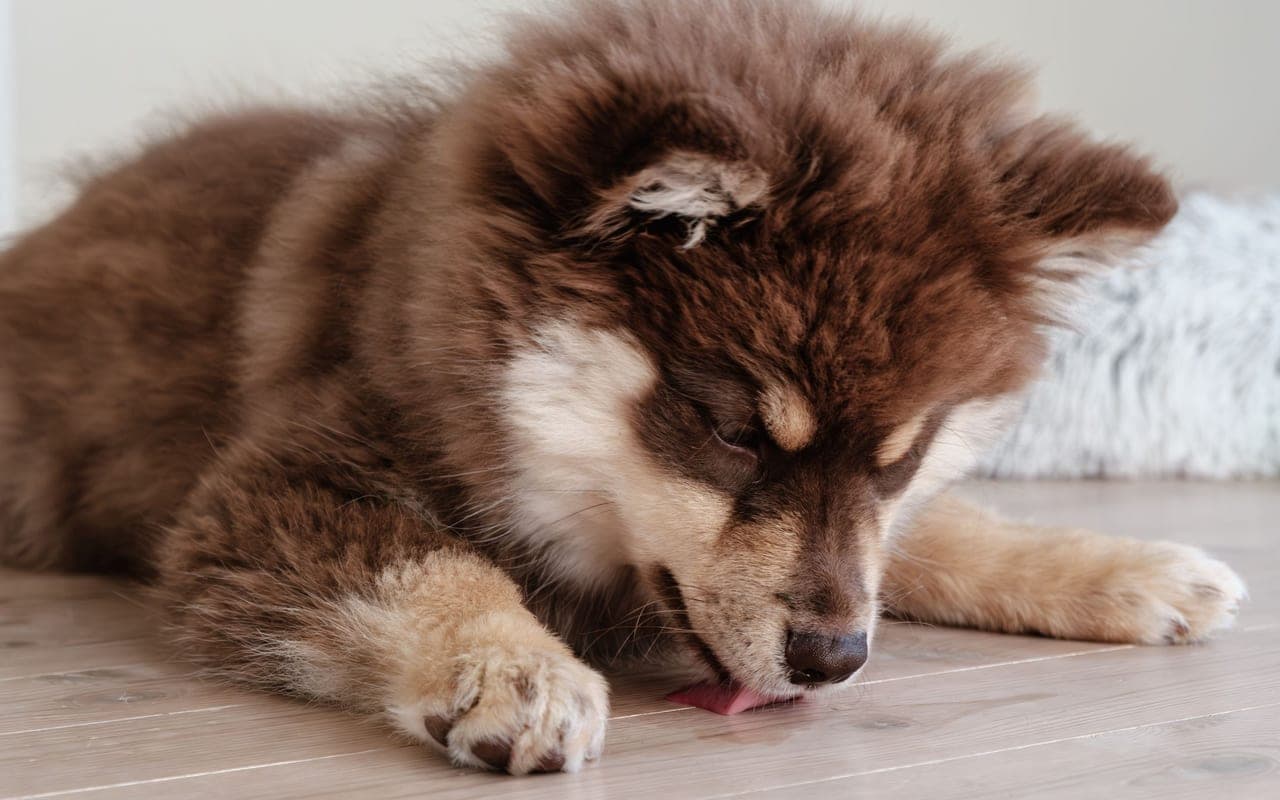
The Swedish Lapphund (Svensk Lapphund, 'the Lappie') is one of Sweden's oldest native breeds — a medium-sized spitz developed by the Sámi people to herd and guard reindeer in the Arctic.
Size
31-44 lb
Lifespan
12-14 years
Exercise
30-60 minutes
Shedding
Moderate
Experience
Match to owner routine
Decision first
Is a Swedish Lapphund right for you?
Start with fit before history or trivia. These are ownership signals, not guarantees about any individual dog.
Best suited for
- Households with children.
- Homes with other compatible pets.
- Apartment homes with a consistent routine.
- Owners seeking a manageable daily exercise routine.
Think carefully if
- You need a dog with almost no daily routine.
- You cannot keep up with grooming and preventive care.
- The dog will spend most days alone without support.
Conditional fit
Apartment fit depends on exercise, enrichment, noise management, and outdoor access.
Daily reality
Swedish Lapphund commitment snapshot
Daily exercise
30-60 minutes
Match activity to age, health, weather, and training goals.
Coat care
Moderate
Grooming needs vary by coat, shedding, and lifestyle.
Time alone
Needs planning
Most dogs need gradual alone-time conditioning and support.
Structured facts
Swedish Lapphund at a glance
The measurements and traits that most affect day-to-day life with this breed.
Group
Foundation Stock Service
Weight
31-44 lb
Height
16-20 in
Lifespan
12-14 years
Temperament
Playful | Intelligent | Lively
View all characteristics and methodology
Lifestyle fit
- Apartment suitability
- Likely fit
- Child friendliness
- Often good, with socialisation and supervision
- Other-pet fit
- Often compatible with careful introductions
Owner commitment
- Exercise
- 30-60 minutes
- Grooming
- Moderate
- Shedding
- Moderate
- Training
- Moderate
Environment and health
- Health risk
- Needs planning
Ratings combine structured breed data, visible breed fields, and editorial context. They are planning aids, not predictions for an individual dog.
Daily life
Swedish Lapphund temperament and behavior
The Swedish Lapphund (Svensk Lapphund, 'the Lappie') is one of Sweden's oldest native breeds — a medium-sized spitz developed by the Sámi people to herd and guard reindeer in the Arctic. The Lapphund runs roughly 30-45 lb at about 16-20 inches, a solid, weather-hardy dog under a thick black (sometimes brown) double coat. The defining trait a buyer must understand up front is the voice: this is a working herding spitz bred to control reindeer with attention-getting barking, and that bark did not go away when the job did. Temperament is lively, intelligent, affectionate, and alert, with a famous 'on/off switch' — a Lappie can run hard and then genuinely settle indoors, which makes it more livable than many high-drive breeds. But it is also independent-minded, can be stubborn, and retains strong guarding and herding instincts: alertness, territory awareness, and a readiness to bark at change. They are eager to please an owner who makes training engaging and dismissive of one who is dull or harsh. The honest trade-offs are barking, coat, and stimulation needs. A bored or under-exercised Lapphund barks, and it sheds a heavy double coat seasonally. They bond closely to their people, dislike isolation, and want to be part of the family's activities — rally, agility, herding, scent work, and hiking all suit them. Who the Swedish Lapphund is right for: an active owner who wants a hardy, trainable, affectionate companion and will manage the barking and coat. Who it is wrong for: noise-sensitive households and owners wanting a low-maintenance, low-vocal dog. Decide on the bark and the brushing before the cute spitz face.
Playful | Intelligent | Lively
Playful
A common Swedish Lapphund temperament descriptor that should be interpreted alongside training, exercise, and household fit.
Intelligent
A common Swedish Lapphund temperament descriptor that should be interpreted alongside training, exercise, and household fit.
Lively
A common Swedish Lapphund temperament descriptor that should be interpreted alongside training, exercise, and household fit.
Owner note
Temperament labels are starting points, not guarantees. Meet the individual dog and ask about behavior history whenever possible.
Care essentials
How to care for a Swedish Lapphund
What looking after one actually involves: exercise, grooming, food, training, and routine health.
ExerciseAs needed
- Moderately active breed needing 30-60 minutes of daily exercise.
GroomingAs needed
- Brush 2-3 times per week.
TrainingAs needed
- Consistent, patient training works best.
NutritionAs needed
- Feed high-quality dog food appropriate for age, size, and activity level.
Veterinary CareAs needed
- Annual wellness exams, vaccinations, dental care, and parasite prevention.
Health planning
Swedish Lapphund health risks and screening
Every breed has individual health variation. Use this profile for planning and discuss medical decisions with a veterinarian.
Responsible ownership
Finding a Swedish Lapphund responsibly
What to ask a breeder or rescue is the same conversation for every breed, so we keep it in one place and keep it current.
Health documentation, meeting the parents or foster, contracts and return support, and the warning signs worth walking away from.
Original purpose
Swedish Lapphund history
History is useful when it explains today's behavior, coat, exercise needs, and training style.
Read the breed history
The Swedish Lapphund is among the oldest dog breeds native to Sweden, developed over centuries by the Sámi people of Lapland as a herding and guard dog for semi-domesticated reindeer in a harsh Arctic environment. Its job shaped everything about it: the dense, weatherproof double coat for sub-zero work, the stamina and toughness for long days on the move, the alert attention-getting bark used to move and control a reindeer herd, and the independence to make decisions far from the handler. As reindeer husbandry modernized and motorized, the working need shrank and the breed declined, surviving largely through the efforts of Swedish breed enthusiasts and kennel-club stewardship of a small population. Today it competes in obedience, agility, herding, and scent work. For an owner, the history is the explanation behind the modern dog: the vocal nature, the herding-guard alertness, the independent streak, and the heavy seasonal coat are not quirks to train away but the engineered residue of a reindeer-herding job, and they set the breed's exercise, training, and grooming demands.
Gallery
Swedish Lapphund photos
Images are cropped consistently and loaded progressively to keep the page responsive.
Lower-page context
Swedish Lapphunds in culture
Where the breed shows up in film, sport, work and folklore — the enjoyable part, once the practical questions are answered.
Fun facts
- The Swedish Lapphund belongs to the Foundation Stock Service.
- The average lifespan of a Swedish Lapphund is 12 to 14 years.
- Swedish Lapphund dogs are valued for their playful, intelligent, lively nature.
Swedish Lapphund FAQs
How long do Swedish Lapphund dogs live?
A Swedish Lapphund typically lives 12-14 years, which is good for a medium-sized spitz and reflects a generally hardy working breed. The dogs that reach the upper end are the lean ones with DNA-screened parents — keeping weight off directly lowers the breed's notable diabetes risk and protects the joints. In this breed, longevity is mostly a function of weight control plus buying from PRA- and Pompe-tested lines.
Are Swedish Lapphunds good with children and families?
Yes — they are affectionate, lively, people-bonded dogs that thrive when included in family activities, and they are generally good with children they are raised with. The two caveats are the herding instinct, which can show as nipping or circling that needs redirecting around young kids, and the barking, which a busy family must train rather than ignore. They do poorly with isolation; this is a dog that wants to be in the middle of things.
Do Swedish Lapphunds bark a lot?
Yes, this is the breed's single biggest management issue. They were bred to control reindeer with attention-getting barking, and that vocal drive remains; an under-exercised, under-stimulated, or lonely Lapphund can become a chronic nuisance barker — the most common reason they are rehomed. The fix is proactive: adequate daily exercise and mental work, a 'quiet' cue trained early, and not leaving the dog alone and bored for long periods.
How much exercise does a Swedish Lapphund need?
Plan on 60-90 minutes of daily activity split between physical exercise and mental work. This is a herding spitz with real stamina and intelligence, so walks plus a job — agility, rally, herding, scent work, or trick training — produce the breed's famous calm 'off switch' indoors. Skip the stimulation and the off switch disappears: the dog barks, paces, and becomes restless. Mental engagement is as important as mileage for this breed.
How much grooming does a Swedish Lapphund need?
Moderate but seasonally intense. The dense double coat needs a 15-minute brush once or twice a week most of the year, rising to several sessions a week during the heavy spring and autumn 'coat blow' when it sheds profusely. Never shave the double coat — it insulates against heat as well as cold and can regrow incorrectly. Bathe only when genuinely dirty; the coat is largely self-maintaining between sheds.
How much does a Swedish Lapphund cost and how do I buy one well?
Expect roughly $1,500-$3,000 for a puppy, and outside Scandinavia expect a wait, because this is a rare native breed with few litters. The price is less important than the testing: buy only from breeders who can show DNA results for PRA-prcd and Pompe (GSD II) on both parents plus hip screening, since both eye and storage diseases are fully avoidable through carrier testing. In a small-population breed, a screened, registry-bred litter is the single best protection against expensive, untreatable inherited disease.
Sources
These are the published sources this page draws on. Each opens in a new tab so you can check it yourself.
American Kennel Club
Swedish Lapphund — breed standard and profile(opens in a new tab)Supports: Breed standard and recognition details.
Similar breeds to consider
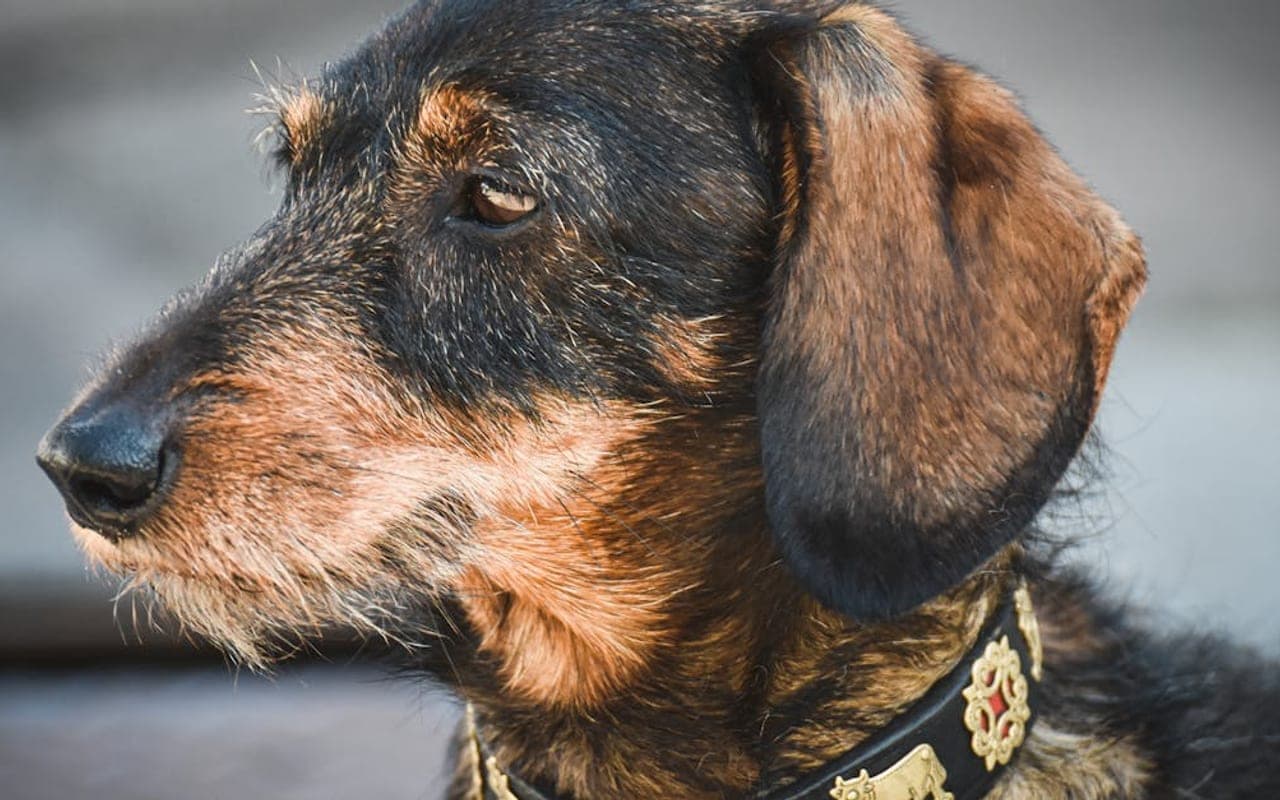
Jagdterrier
Also in the Foundation Stock Service group, with different care and temperament tradeoffs.
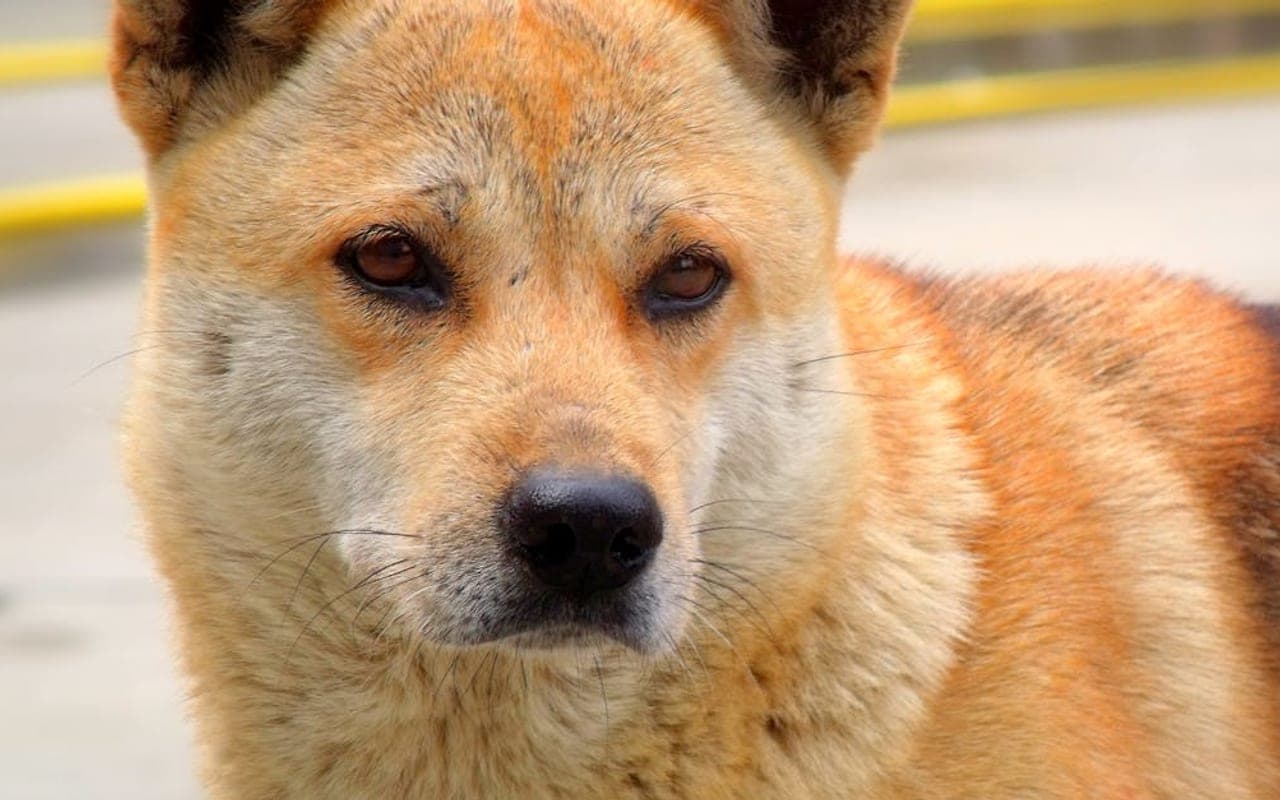
Jindo
Also in the Foundation Stock Service group, with different care and temperament tradeoffs.
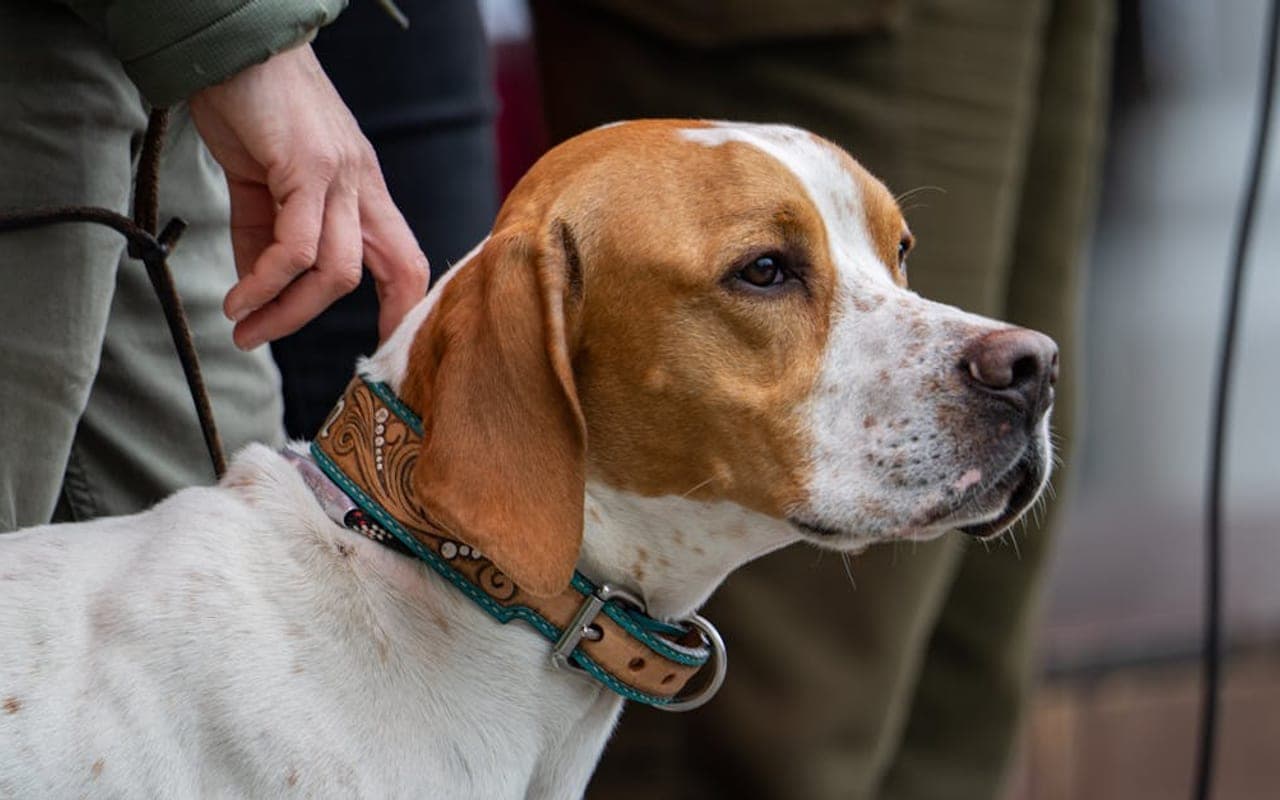
Portuguese Pointer
Also in the Foundation Stock Service group, with different care and temperament tradeoffs.
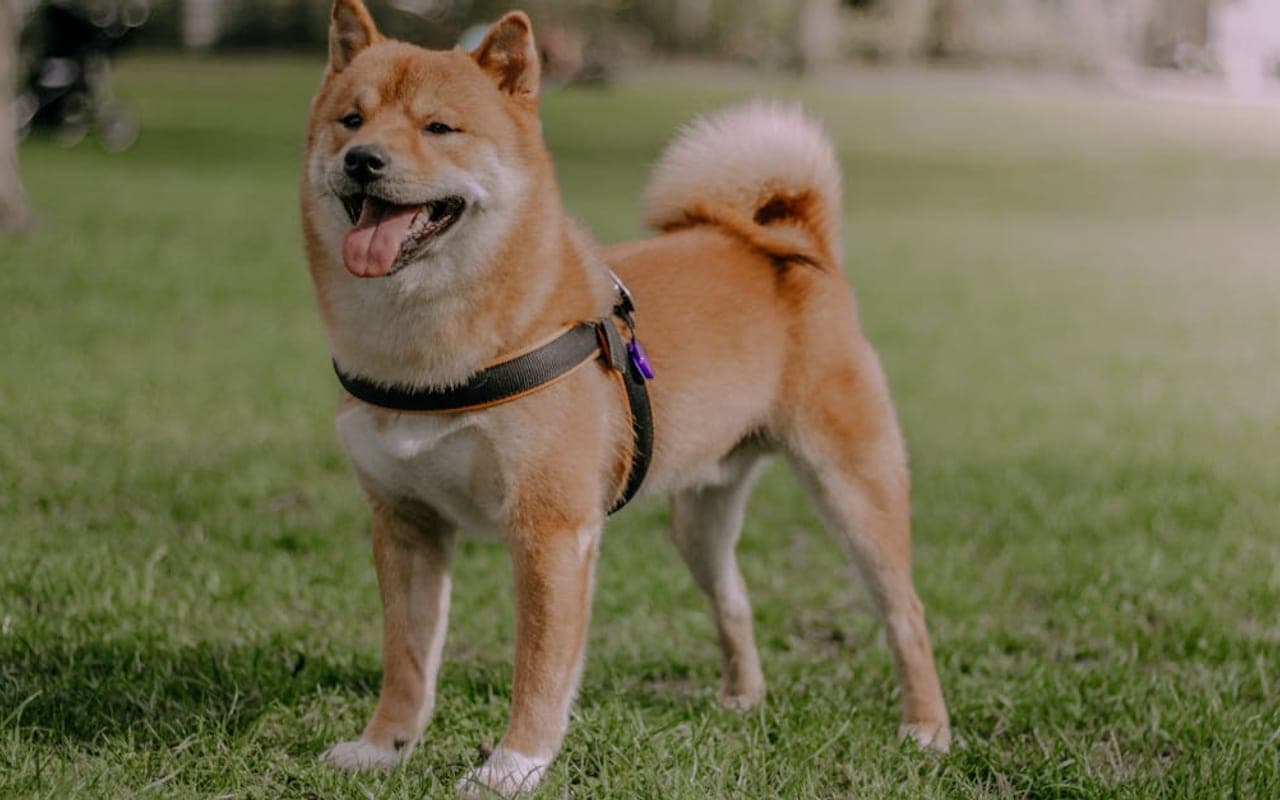
Kishu Ken
Also in the Foundation Stock Service group, with different care and temperament tradeoffs.
Explore More About Swedish Lapphund
Dive deeper into everything Swedish Lapphund — costs, care, and expert insights.
Large Dog Care Guide: Everything Over 50 lbs
Owning a large or giant breed dog means accepting one of biology's...
Puppy Teething & Biting: Timeline and What Actually Works
A puppy has all 28 deciduous ("baby") teeth by roughly eight weeks of age, and...
Considering a cat instead?
Browse Cats