
Herding group
Swedish Vallhund
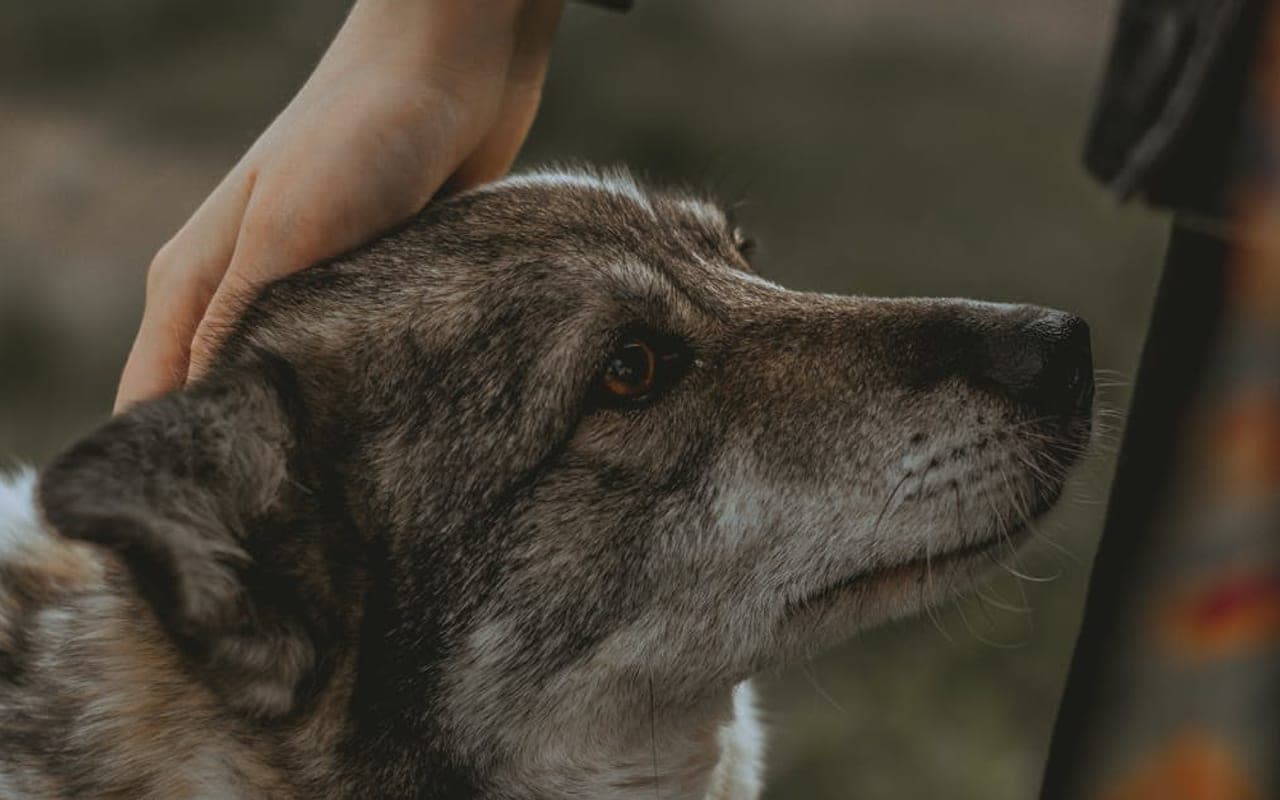
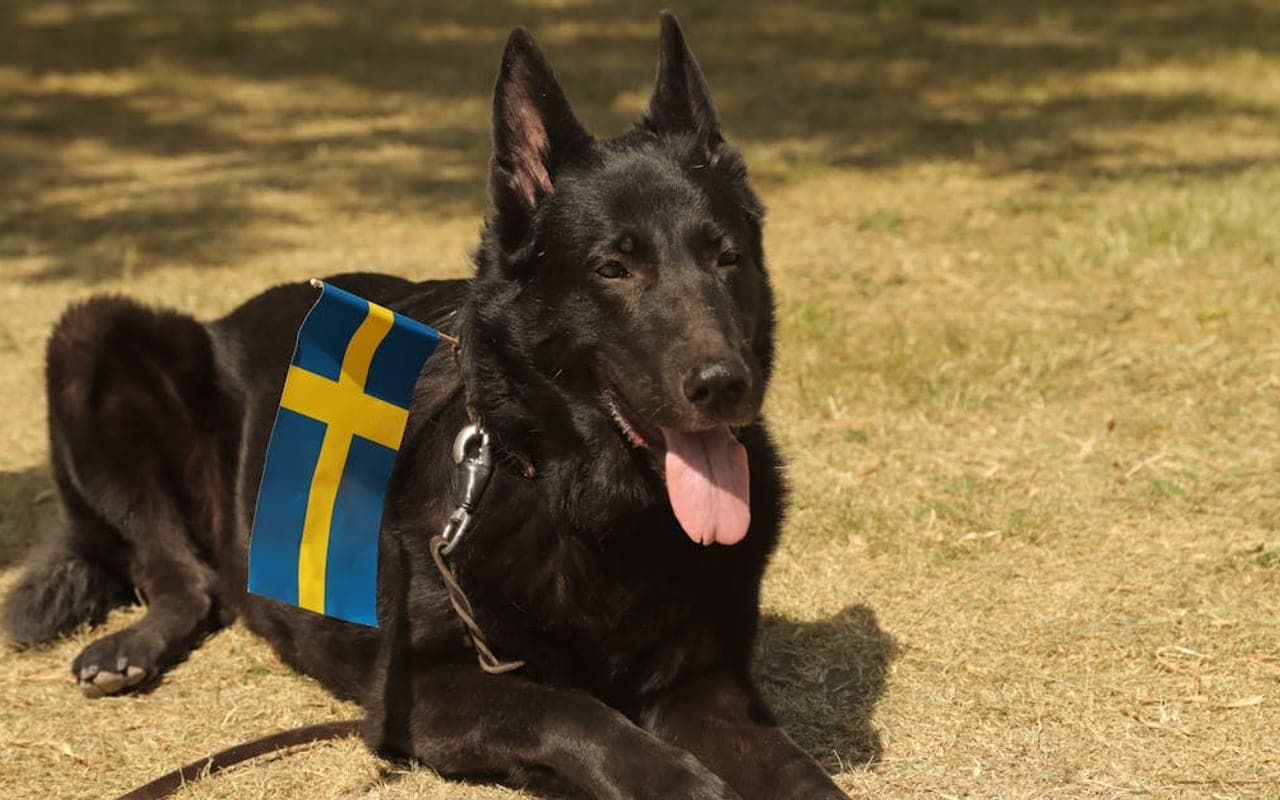
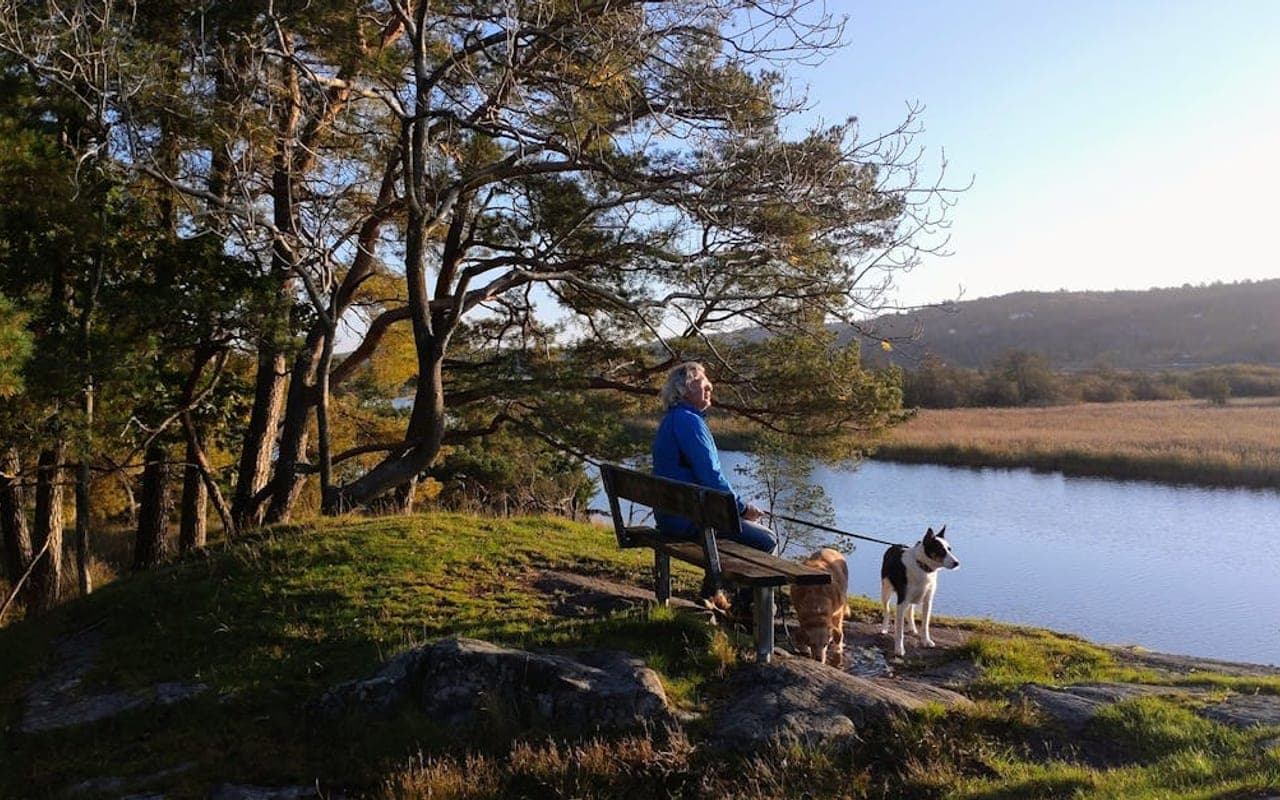
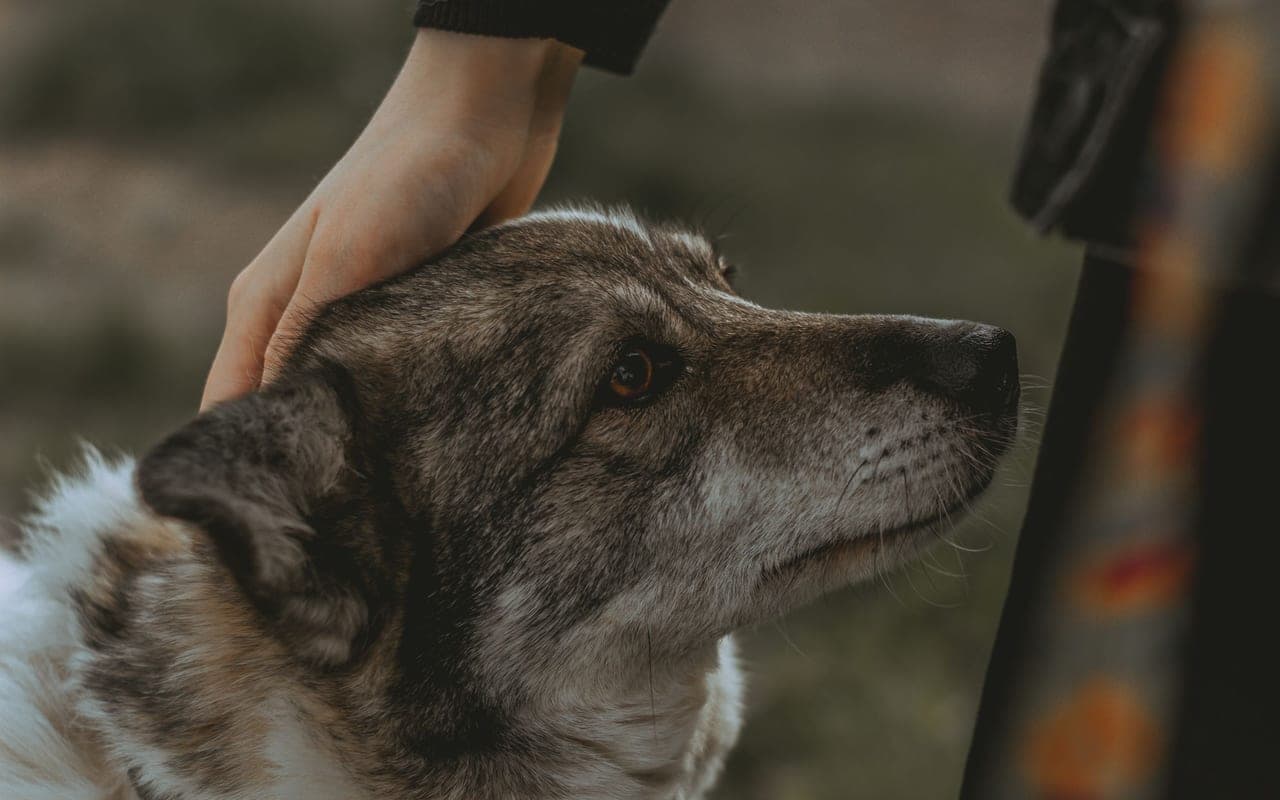
The Swedish Vallhund is a small, long-and-low herding dog — about 12 to 14 inches tall and 20 to 35 pounds — built on the same body plan as a corgi but a separate, older breed with its own job description: moving cattle by nipping heels and ducking kicks.
Size
25-35 lb
Lifespan
12-15 years
Exercise
20-40 minutes
Shedding
Moderate
Experience
Match to owner routine
Decision first
Is a Swedish Vallhund right for you?
Start with fit before history or trivia. These are ownership signals, not guarantees about any individual dog.
Best suited for
- Households with children.
- Homes with other compatible pets.
- Apartment homes with a consistent routine.
- Owners seeking a manageable daily exercise routine.
Think carefully if
- You need a dog with almost no daily routine.
- You cannot keep up with grooming and preventive care.
- The dog will spend most days alone without support.
Conditional fit
Apartment fit depends on exercise, enrichment, noise management, and outdoor access.
Daily reality
Swedish Vallhund commitment snapshot
Daily exercise
20-40 minutes
Match activity to age, health, weather, and training goals.
Coat care
Moderate
Grooming needs vary by coat, shedding, and lifestyle.
Time alone
Needs planning
Most dogs need gradual alone-time conditioning and support.
Structured facts
Swedish Vallhund at a glance
The measurements and traits that most affect day-to-day life with this breed.
Group
Herding
Weight
25-35 lb
Height
11-14 in
Lifespan
12-15 years
Temperament
Friendly | Energetic | Watchful
View all characteristics and methodology
Lifestyle fit
- Apartment suitability
- Likely fit
- Child friendliness
- Often good, with socialisation and supervision
- Other-pet fit
- Often compatible with careful introductions
Owner commitment
- Exercise
- 20-40 minutes
- Grooming
- Moderate
- Shedding
- Moderate
- Training
- Low
Environment and health
- Health risk
- Needs planning
Ratings combine structured breed data, visible breed fields, and editorial context. They are planning aids, not predictions for an individual dog.
Daily life
Swedish Vallhund temperament and behavior
The Swedish Vallhund is a small, long-and-low herding dog — about 12 to 14 inches tall and 20 to 35 pounds — built on the same body plan as a corgi but a separate, older breed with its own job description: moving cattle by nipping heels and ducking kicks. The Viking-era origin is real, not marketing; the breed traveled with Scandinavian farmers for over a thousand years. Underneath the harsh, weather-resistant sable double coat is a powerful, athletic dog that thinks it is a much bigger animal. The trait prospective owners most often underestimate is the herding-dog brain in a compact frame. The Vallhund is intelligent, opinionated, and intensely interactive. It is not a low-energy lap dog because it is small — it needs a job, daily exercise, and mental work, or it invents its own projects (usually involving your furniture or your ankles). It is also famously vocal: a cattle dog that uses sound as a tool. Many owners describe an entire vocabulary of barks, grumbles, and "talking." In an apartment with thin walls and a neighbor sensitive to noise, this is a real consideration, not a quirk. Vallhunds are friendly, affectionate, and people-bonded, generally good with children and other dogs when socialized, and watchful enough to make alert (vocal) watchdogs without being aggressive. They are sturdy and robust, with a long working lifespan, and they handle cold weather easily thanks to the double coat. Who the Swedish Vallhund is right for: an active owner who wants a small dog with a working brain, will provide 60+ minutes of exercise plus training games daily, and can tolerate or train down the vocalizations. Who it is wrong for: someone who wants a quiet, low-effort small companion, anyone in a noise-restricted home unwilling to train the barking, and anyone expecting the body of a corgi to mean the temperament of a couch dog — it does not.
Friendly | Energetic | Watchful
Friendly
A common Swedish Vallhund temperament descriptor that should be interpreted alongside training, exercise, and household fit.
Energetic
A common Swedish Vallhund temperament descriptor that should be interpreted alongside training, exercise, and household fit.
Watchful
A common Swedish Vallhund temperament descriptor that should be interpreted alongside training, exercise, and household fit.
Owner note
Temperament labels are starting points, not guarantees. Meet the individual dog and ask about behavior history whenever possible.
Care essentials
How to care for a Swedish Vallhund
What looking after one actually involves: exercise, grooming, food, training, and routine health.
ExerciseAs needed
- Lower-energy breed content with daily walks.
GroomingAs needed
- Brush 2-3 times per week.
TrainingAs needed
- Consistent, patient training works best.
NutritionAs needed
- Feed high-quality dog food appropriate for age, size, and activity level.
Veterinary CareAs needed
- Annual wellness exams, vaccinations, dental care, and parasite prevention.
Health planning
Swedish Vallhund health risks and screening
Every breed has individual health variation. Use this profile for planning and discuss medical decisions with a veterinarian.
Responsible ownership
Finding a Swedish Vallhund responsibly
What to ask a breeder or rescue is the same conversation for every breed, so we keep it in one place and keep it current.
Health documentation, meeting the parents or foster, contracts and return support, and the warning signs worth walking away from.
Original purpose
Swedish Vallhund history
History is useful when it explains today's behavior, coat, exercise needs, and training style.
Read the breed history
The Swedish Vallhund (Västgötaspets, "spitz of the West Geats") is a genuine Viking-age cattle dog from the Västergötland region of Sweden, where it worked farms for over a thousand years driving cattle, controlling vermin, and guarding the homestead. Its long-and-low build is convergent with the Welsh corgis — the two types were almost certainly linked by Viking sea travel between Scandinavia and Britain, though which influenced which is unresolved. The breed nearly died out by the 1940s and was rebuilt by Swedish breeders Björn von Rosen and K. G. Zettersten from a very small surviving population, which is why the modern gene pool is limited and breed-specific inherited disease screening matters. It remains an active herding and companion breed, recognized internationally in the second half of the 20th century, and its working drive and vocal "cattle-driving" temperament are direct inheritances from that farm history.
Gallery
Swedish Vallhund photos
Images are cropped consistently and loaded progressively to keep the page responsive.
Lower-page context
Swedish Vallhunds in culture
Where the breed shows up in film, sport, work and folklore — the enjoyable part, once the practical questions are answered.
Fun facts
- The Swedish Vallhund belongs to the Herding Group.
- The average lifespan of a Swedish Vallhund is 12 to 15 years.
- Swedish Vallhund dogs are valued for their friendly, energetic, watchful nature.
Swedish Vallhund FAQs
How long do Swedish Vallhund dogs live?
A healthy Swedish Vallhund typically lives 12 to 15 years, which is long for a working breed. Longevity is helped by its sturdy build and the fact that its main inherited risk, Swedish Vallhund retinopathy, does not shorten lifespan even though it causes blindness. The biggest controllable factor is weight: a lean Vallhund protects its hips, knees, and long back, while an overweight one accelerates joint and disc disease.
Are Swedish Vallhunds good apartment dogs?
They can be, with two honest caveats. First, they need 60+ minutes of real exercise and mental work daily regardless of home size — a small dog is not a low-energy dog here. Second, they are a vocal cattle-driving breed; without deliberate training, the barking and "talking" can be a serious problem in shared-wall housing. A trained, well-exercised Vallhund does fine in an apartment; an under-exercised, untrained one does not.
Why does my Swedish Vallhund bark and 'talk' so much?
Barking is a working trait, not a behavior problem. Vallhunds were bred to drive cattle using voice, so vocalization is hardwired and many use a wide range of grumbles and sounds to communicate. You manage it with early training (a reliable 'quiet' cue), enough daily exercise and mental work to reduce frustration barking, and by not accidentally rewarding demand barking. You can reduce it substantially, but expecting a silent dog from this breed is unrealistic.
How much grooming does a Swedish Vallhund need?
Low for most of the year — a thorough weekly brush of the double coat is enough. Twice a year, in spring and autumn, the breed sheds its undercoat heavily for 2 to 3 weeks; during those windows brush every other day and expect significant hair around the house. Never shave the double coat: it insulates against both cold and heat, and shaving can permanently damage the coat's regrowth and temperature regulation.
What is Swedish Vallhund retinopathy and can it be prevented?
It is a breed-specific inherited form of progressive retinal atrophy: a single mutation unique to the breed causes the retina's photoreceptors to degenerate, producing poor dim-light vision, then night blindness, then in severe cases total blindness. There is no treatment. It is preventable at the breeding level because a DNA test exists — buying from a breeder who DNA-tests breeding stock and avoids at-risk pairings is the only meaningful protection.
Are Swedish Vallhunds good with children and other pets?
Generally yes, when socialized early. They are friendly, sturdy, and people-bonded, and most do well with respectful school-age children and other dogs. The one herding-breed caveat is heel-nipping: cattle dogs may instinctively chase and nip moving children or pets. This is trainable and manageable with early redirection, but supervise young children and teach the dog an alternative behavior rather than assuming the instinct will not surface.
Sources
These are the published sources this page draws on. Each opens in a new tab so you can check it yourself.
American Kennel Club
Swedish Vallhund — breed standard and profile(opens in a new tab)Supports: Breed standard and recognition details.
Similar breeds to consider
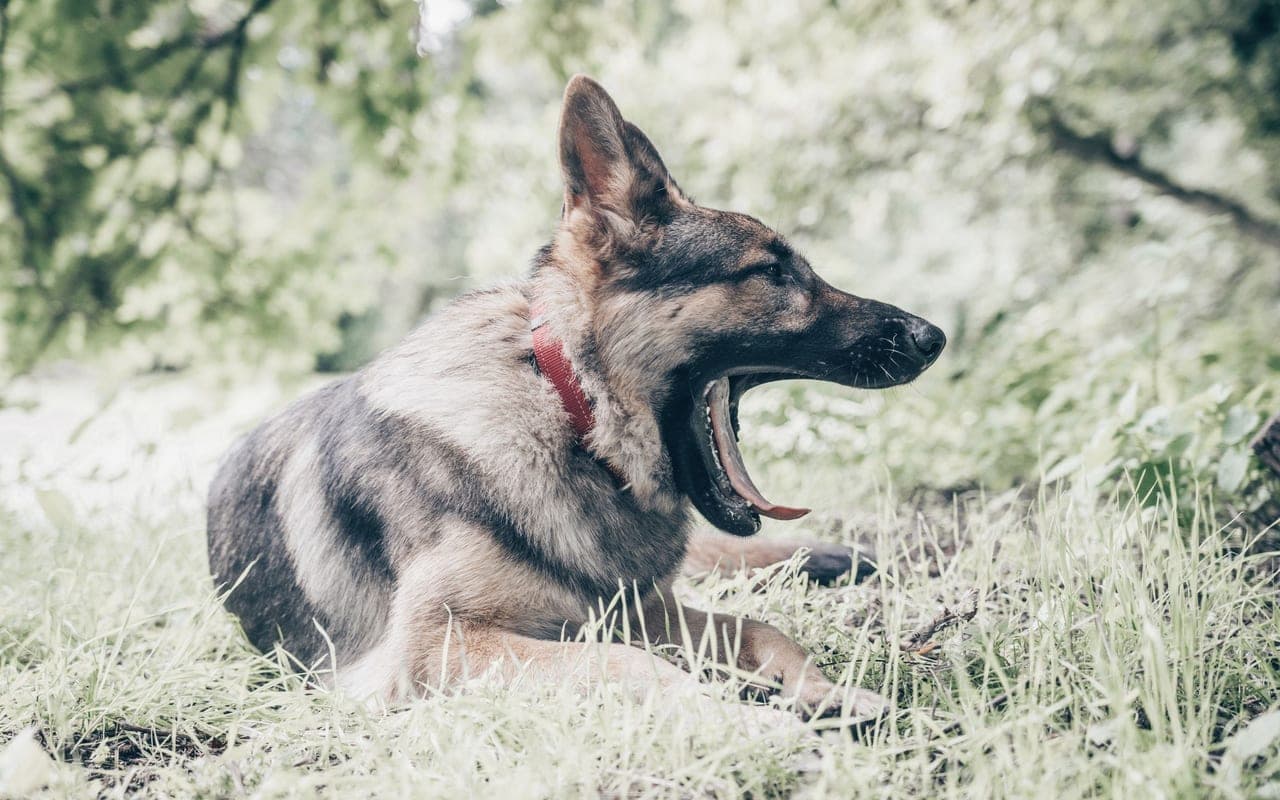
German Shepherd
Also in the Herding group, with different care and temperament tradeoffs.
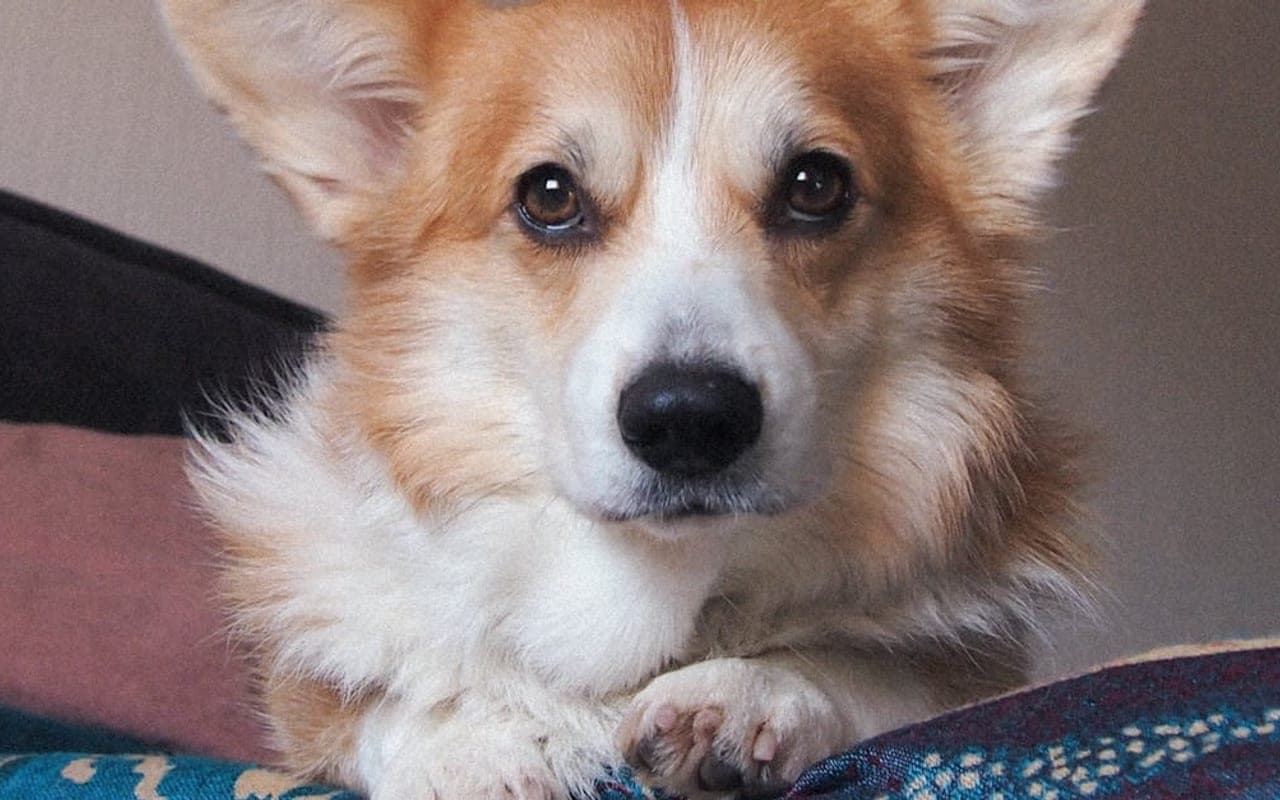
Pembroke Welsh Corgi
Also in the Herding group, with different care and temperament tradeoffs.
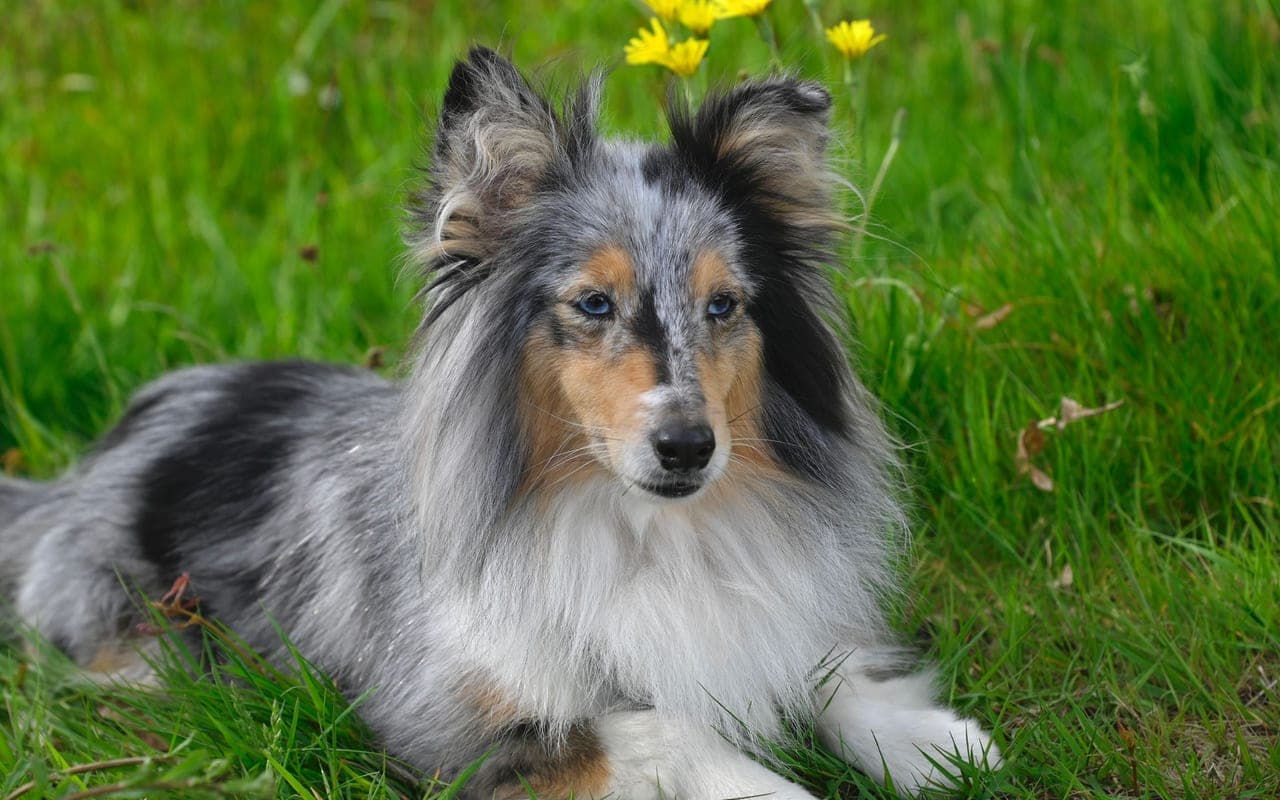
Shetland Sheepdog
Also in the Herding group, with different care and temperament tradeoffs.
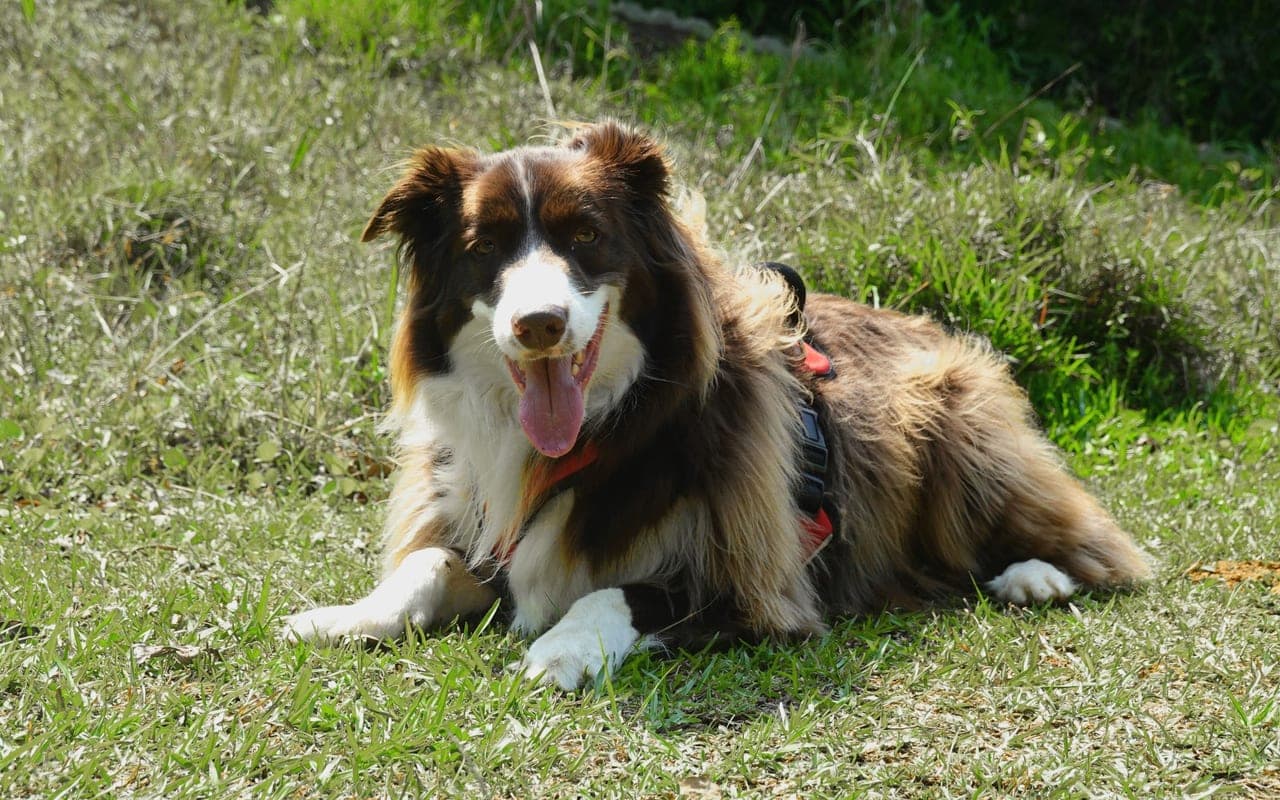
Border Collie
Also in the Herding group, with different care and temperament tradeoffs.
Explore More About Swedish Vallhund
Dive deeper into everything Swedish Vallhund — costs, care, and expert insights.
Large Dog Care Guide: Everything Over 50 lbs
Owning a large or giant breed dog means accepting one of biology's...
Puppy Teething & Biting: Timeline and What Actually Works
A puppy has all 28 deciduous ("baby") teeth by roughly eight weeks of age, and...
Considering a cat instead?
Browse Cats