
Foundation Stock Service group
Taiwan Dog
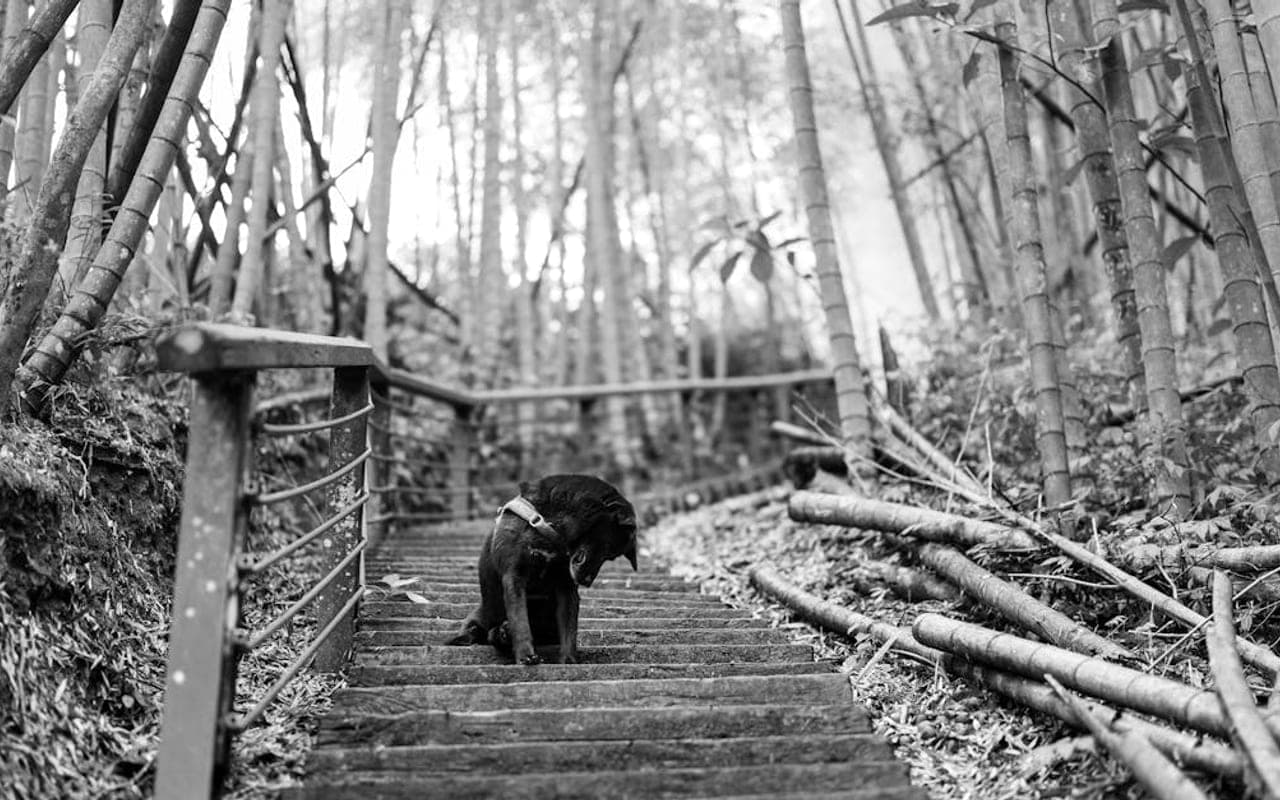
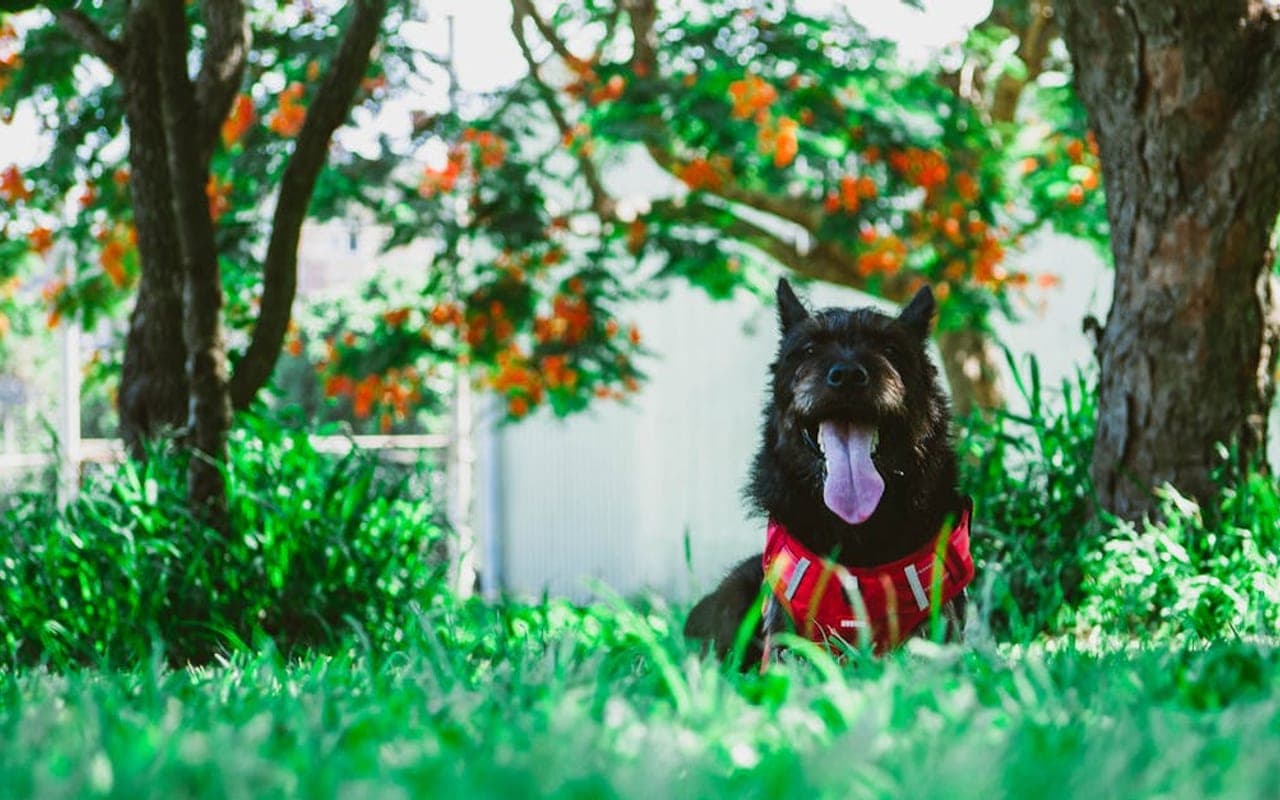
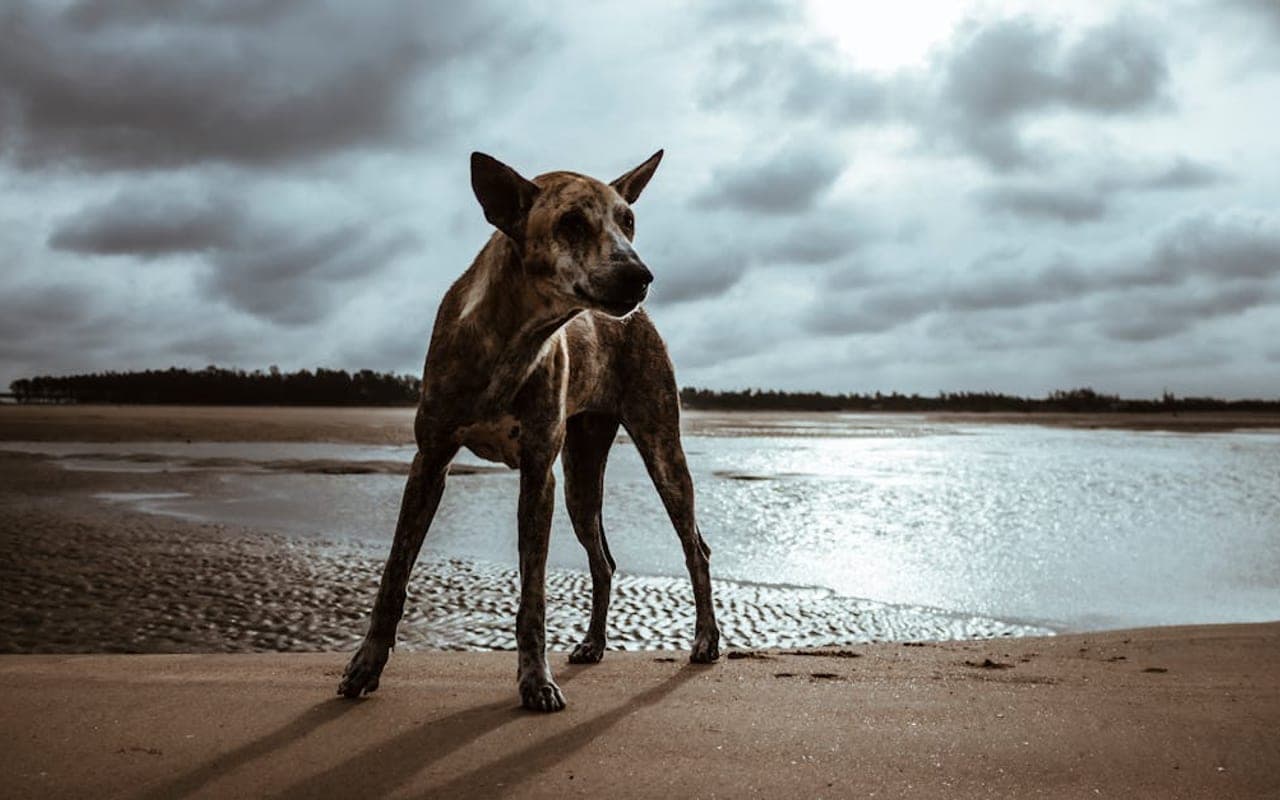
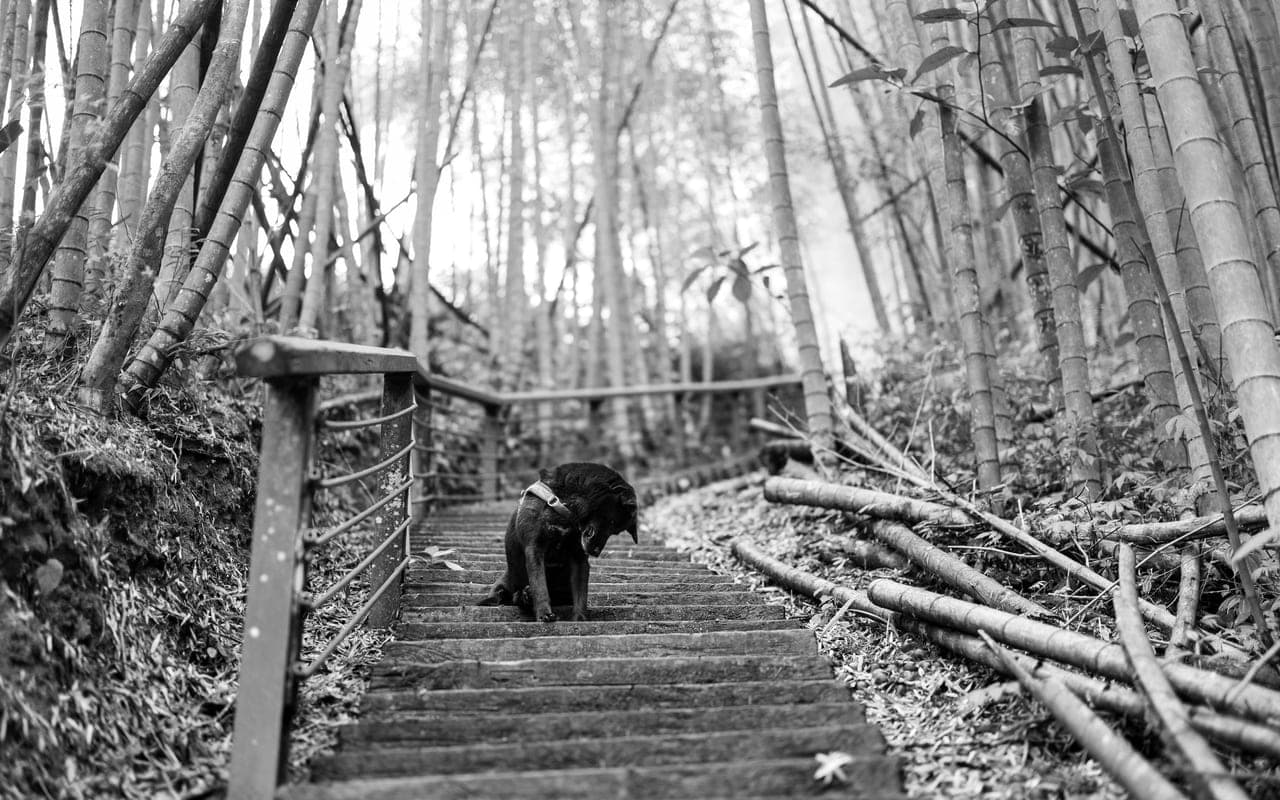
The Taiwan Dog — also called the Formosan Mountain Dog — is an ancient indigenous breed descended from the semi-wild hunting dogs of Taiwan's aboriginal peoples.
Size
26-40 lb
Lifespan
9-13 years
Exercise
20-40 minutes
Shedding
Moderate
Experience
Match to owner routine
Decision first
Is a Taiwan Dog right for you?
Start with fit before history or trivia. These are ownership signals, not guarantees about any individual dog.
Best suited for
- Households with children.
- Homes with other compatible pets.
- Apartment homes with a consistent routine.
- Owners seeking a manageable daily exercise routine.
Think carefully if
- You need a dog with almost no daily routine.
- You cannot keep up with grooming and preventive care.
- The dog will spend most days alone without support.
Conditional fit
Apartment fit depends on exercise, enrichment, noise management, and outdoor access.
Daily reality
Taiwan Dog commitment snapshot
Daily exercise
20-40 minutes
Match activity to age, health, weather, and training goals.
Coat care
Moderate
Grooming needs vary by coat, shedding, and lifestyle.
Time alone
Needs planning
Most dogs need gradual alone-time conditioning and support.
Structured facts
Taiwan Dog at a glance
The measurements and traits that most affect day-to-day life with this breed.
Group
Foundation Stock Service
Weight
26-40 lb
Height
17-21 in
Lifespan
9-13 years
Temperament
Loyal | Versatile | Intelligent
View all characteristics and methodology
Lifestyle fit
- Apartment suitability
- Likely fit
- Child friendliness
- Often good, with socialisation and supervision
- Other-pet fit
- Often compatible with careful introductions
Owner commitment
- Exercise
- 20-40 minutes
- Grooming
- Moderate
- Shedding
- Moderate
- Training
- Moderate
Environment and health
- Health risk
- Needs planning
Ratings combine structured breed data, visible breed fields, and editorial context. They are planning aids, not predictions for an individual dog.
Daily life
Taiwan Dog temperament and behavior
The Taiwan Dog — also called the Formosan Mountain Dog — is an ancient indigenous breed descended from the semi-wild hunting dogs of Taiwan's aboriginal peoples. It is a medium, lean, athletic dog: roughly 17-21 inches at the shoulder and around 26-40 lb, with a triangular head, almond eyes, prick ears, a sickle tail, and a short, hard, low-maintenance coat. It looks primitive because it is primitive — this is a landrace shaped by survival and small-game hunting in mountainous terrain, not by a kennel club. That origin defines the temperament, and any honest profile must lead with it. The Taiwan Dog is intensely loyal and bonds extremely hard — often to one person — keenly alert, bold, fearless, and naturally protective. With its family it is affectionate, sensitive, and highly responsive; toward strangers it is reserved to wary, and its guarding instinct is strong. This is not a social butterfly that loves everyone at the dog park; it is a vigilant companion that takes its family seriously. The trade-off to plan for is the primitive behaviour package: high intelligence paired with independence and stubbornness, strong prey drive, suspicion of strangers, and a need to live indoors as an integral family member rather than as a yard dog. Early, sustained socialisation is not a nice-to-have here — it is the single factor that determines whether the protective instinct becomes balanced confidence or reactive sharpness. Who the Taiwan Dog is right for: an experienced, active owner who will socialise heavily from puppyhood, provide firm consistent training and an hour-plus of daily exercise, and wants a deeply bonded, intelligent guardian-companion. Who it is wrong for: a first-time owner, a household wanting an instantly friendly dog, or anyone planning to keep it outside and apart from the family.
Loyal | Versatile | Intelligent
Loyal
A common Taiwan Dog temperament descriptor that should be interpreted alongside training, exercise, and household fit.
Versatile
A common Taiwan Dog temperament descriptor that should be interpreted alongside training, exercise, and household fit.
Intelligent
A common Taiwan Dog temperament descriptor that should be interpreted alongside training, exercise, and household fit.
Owner note
Temperament labels are starting points, not guarantees. Meet the individual dog and ask about behavior history whenever possible.
Care essentials
How to care for a Taiwan Dog
What looking after one actually involves: exercise, grooming, food, training, and routine health.
ExerciseAs needed
- Lower-energy breed content with daily walks.
GroomingAs needed
- Brush 2-3 times per week.
TrainingAs needed
- Consistent, patient training works best.
NutritionAs needed
- Feed high-quality dog food appropriate for age, size, and activity level.
Veterinary CareAs needed
- Annual wellness exams, vaccinations, dental care, and parasite prevention.
Health planning
Taiwan Dog health risks and screening
Every breed has individual health variation. Use this profile for planning and discuss medical decisions with a veterinarian.
Responsible ownership
Finding a Taiwan Dog responsibly
What to ask a breeder or rescue is the same conversation for every breed, so we keep it in one place and keep it current.
Health documentation, meeting the parents or foster, contracts and return support, and the warning signs worth walking away from.
Original purpose
Taiwan Dog history
History is useful when it explains today's behavior, coat, exercise needs, and training style.
Read the breed history
The Taiwan Dog is one of the oldest dog populations in Asia, descended from the semi-wild hunting dogs kept by Taiwan's aboriginal tribes in the island's central mountains. For generations these dogs were working partners for hunting small game in rugged terrain, selected by survival and function rather than appearance — which is why the breed retains a sound, primitive structure, sharp senses, and an intense bond to its handler. The breed was pushed to the brink during the 20th century as foreign breeds were introduced and crossbred, diluting the original landrace. Dedicated researchers and breeders, working from dogs still found in remote aboriginal communities, identified and preserved a relatively pure population, and the breed has since gained recognition from the FCI and a foundation-stock following abroad. For owners the lesson is direct: this is a recovered indigenous breed with intact primitive instincts and a narrow gene pool — its loyalty, wariness, and drive are features of that history, and early socialisation plus screening of the parents matter more than the breed's general reputation for robustness.
Gallery
Taiwan Dog photos
Images are cropped consistently and loaded progressively to keep the page responsive.
Lower-page context
Taiwan Dogs in culture
Where the breed shows up in film, sport, work and folklore — the enjoyable part, once the practical questions are answered.
Fun facts
- The Taiwan Dog belongs to the Foundation Stock Service.
- The average lifespan of a Taiwan Dog is 9 to 13 years.
- Taiwan Dog dogs are valued for their loyal, versatile, intelligent nature.
Taiwan Dog FAQs
How long do Taiwan Dogs live?
A healthy Taiwan Dog typically lives 9-13 years. The breed is widely regarded as robust thanks to its landrace origins and function-driven history, so there is no single dominant inherited killer. Longevity is mostly controllable: keep the dog lean to protect the hips and knees, stay current on dental care and parasite control to limit the skin and dental problems the breed is prone to, and use routine senior veterinary checks, since cancer is a notable late-life cause of death in the breed.
Are Taiwan Dogs good family dogs?
They can be excellent for the right family, but not automatically. The Taiwan Dog is intensely loyal, affectionate, and protective with its own people and often bonds hardest to one person. The honest caveats are that it is reserved-to-wary with strangers, has strong guarding and prey instincts, and needs to live indoors as part of the family. With heavy early socialisation and an experienced owner it is a devoted family guardian; without it, the protectiveness can tip into reactivity.
Is the Taiwan Dog good for first-time owners?
Generally not. The combination of high intelligence, independence and stubbornness, strong prey drive, and a naturally wary, protective temperament makes this a breed that rewards experience and consistency. A first-time owner who underestimates the socialisation and training demands can end up with a sharp, hard-to-manage adult. An experienced owner who provides firm, consistent positive training and intensive early socialisation, by contrast, gets a remarkably loyal and responsive partner.
How much exercise does a Taiwan Dog need?
At least 60 minutes of vigorous daily activity plus mental work — this is an athletic hunting-derived breed with real stamina. Hiking, running, tracking, and training all suit it well, and mental challenge tires it as much as distance. An under-exercised Taiwan Dog becomes restless and is more likely to test fences and chase prey. Secure fencing matters because the breed's athleticism and prey drive make escape attempts likely when it is bored or under-stimulated.
Why is early socialisation so critical for this breed?
Because the Taiwan Dog's defining traits — strong protectiveness, wariness of strangers, and a powerful bond to family — can develop into either balanced confidence or defensive reactivity depending almost entirely on early experience. Broad, positive exposure to people, dogs, and environments through puppyhood builds a stable adult; a sheltered puppy of this breed often becomes a suspicious, sharp adult. It is the single highest-leverage thing an owner controls, and the developmental window does not reopen later.
Does the Taiwan Dog need a lot of grooming?
No — this is the easy part of the breed. The short, hard coat is genuinely low-maintenance: weekly brushing to remove loose hair and infrequent baths are enough, with heavier shedding during seasonal changes. The grooming attention that does matter is skin and dental care, because the breed is prone to allergic and parasite-related skin inflammation and to dental disease. So budget time for parasite control, skin checks, and tooth brushing rather than for coat work.
Sources
These are the published sources this page draws on. Each opens in a new tab so you can check it yourself.
American Kennel Club
Taiwan Dog — breed standard and profile(opens in a new tab)Supports: Breed standard and recognition details.
Similar breeds to consider
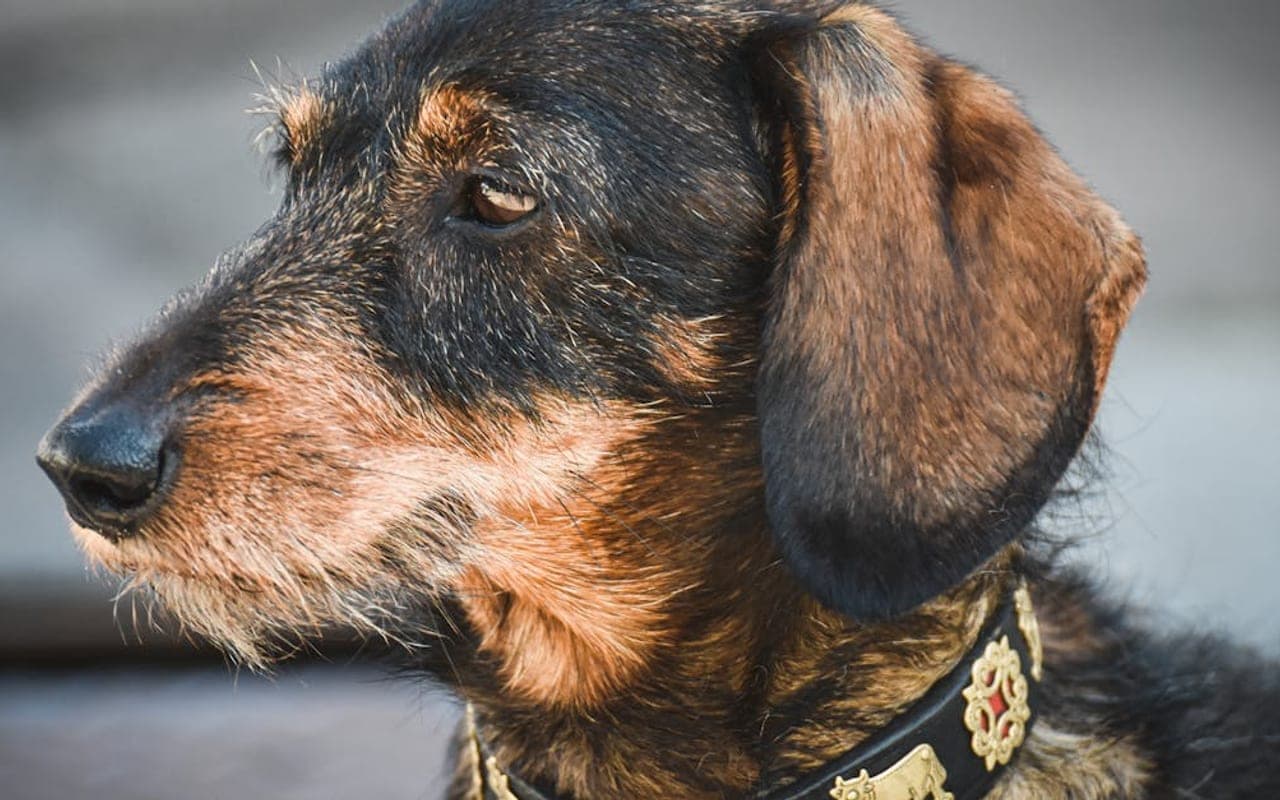
Jagdterrier
Also in the Foundation Stock Service group, with different care and temperament tradeoffs.
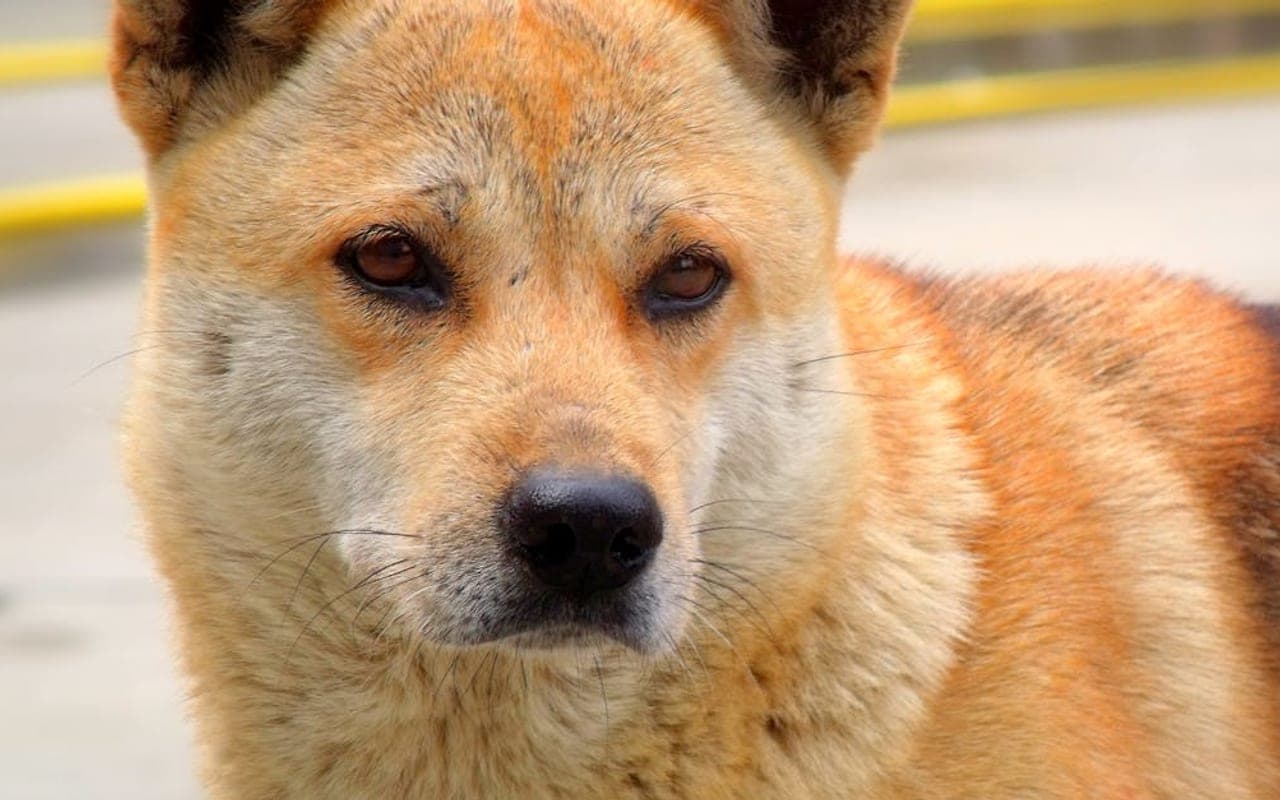
Jindo
Also in the Foundation Stock Service group, with different care and temperament tradeoffs.
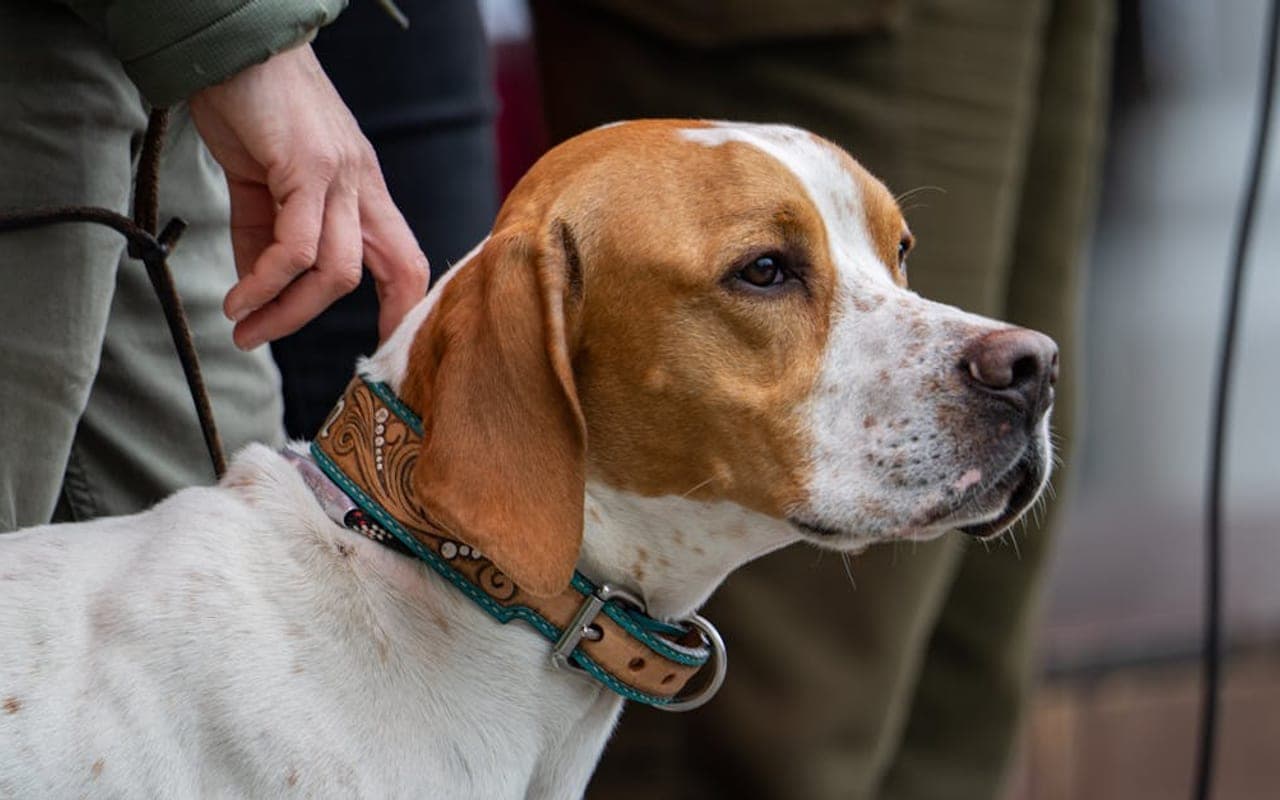
Portuguese Pointer
Also in the Foundation Stock Service group, with different care and temperament tradeoffs.
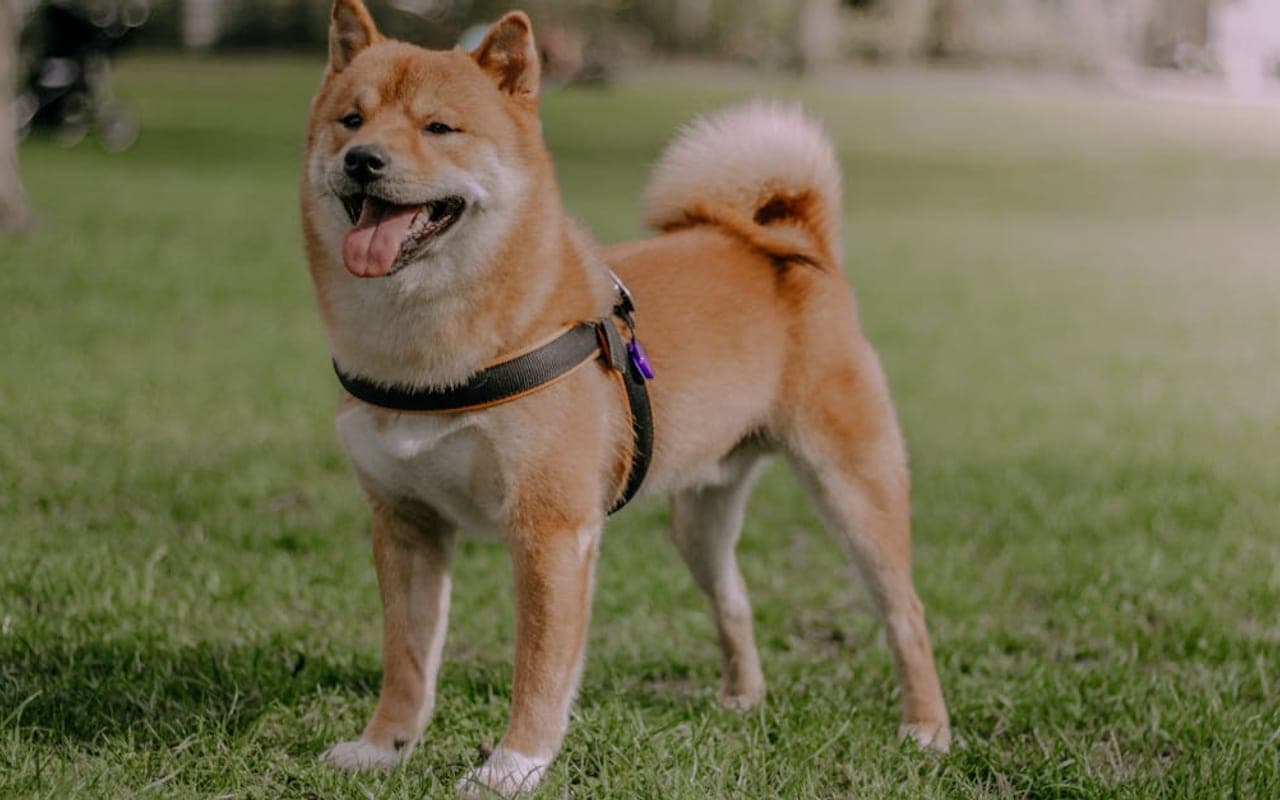
Kishu Ken
Also in the Foundation Stock Service group, with different care and temperament tradeoffs.
Explore More About Taiwan Dog
Dive deeper into everything Taiwan Dog — costs, care, and expert insights.
Large Dog Care Guide: Everything Over 50 lbs
Owning a large or giant breed dog means accepting one of biology's...
Puppy Teething & Biting: Timeline and What Actually Works
A puppy has all 28 deciduous ("baby") teeth by roughly eight weeks of age, and...
Considering a cat instead?
Browse Cats