
Terrier group
Teddy Roosevelt Terrier
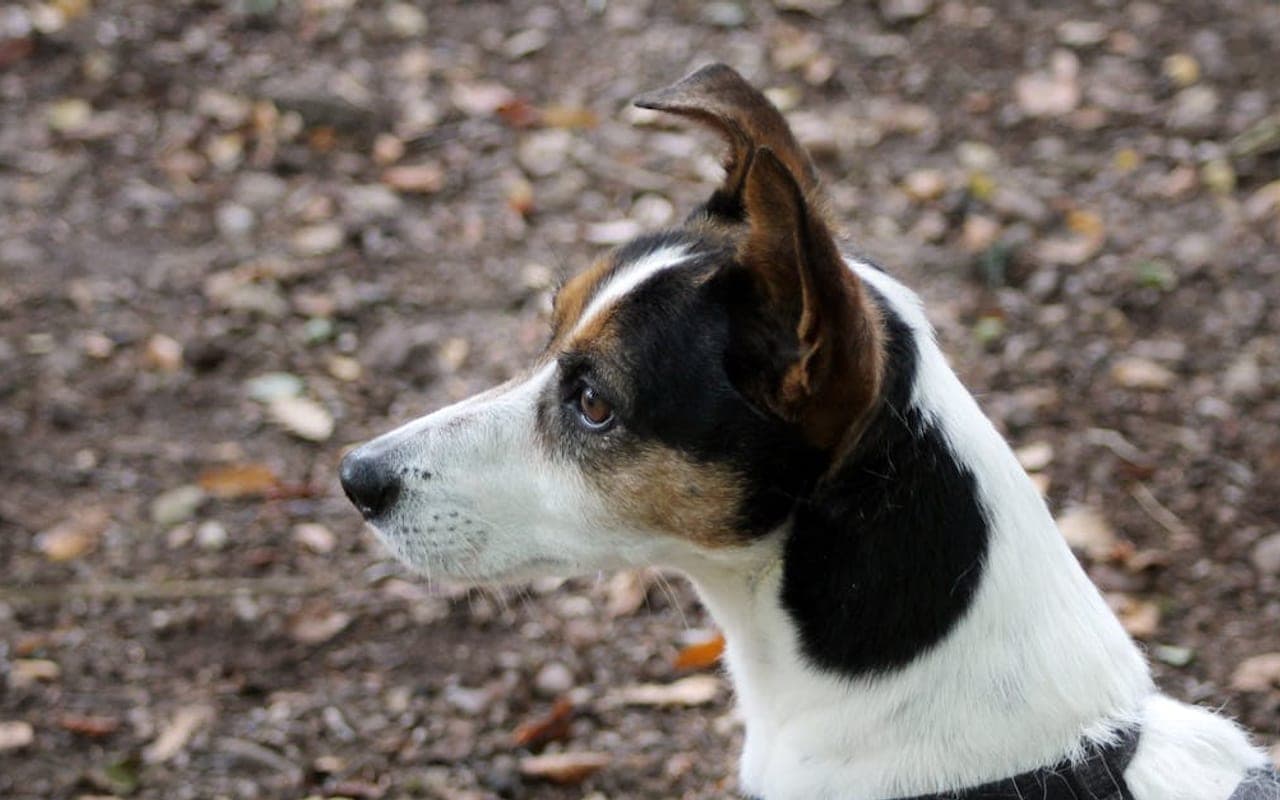
The Teddy Roosevelt Terrier is an American farm ratting dog — short-legged, low-set, muscular, and built closer to the ground than its cousin the Rat Terrier.


Size
8-25 lb
Lifespan
14-16 years
Exercise
30-60 minutes
Shedding
Moderate
Experience
Match to owner routine
Decision first
Is a Teddy Roosevelt Terrier right for you?
Start with fit before history or trivia. These are ownership signals, not guarantees about any individual dog.
Best suited for
- Households with children.
- Homes with other compatible pets.
- Apartment homes with a consistent routine.
- Owners seeking a manageable daily exercise routine.
Think carefully if
- You need a dog with almost no daily routine.
- You cannot keep up with grooming and preventive care.
- The dog will spend most days alone without support.
Conditional fit
Apartment fit depends on exercise, enrichment, noise management, and outdoor access.
Daily reality
Teddy Roosevelt Terrier commitment snapshot
Daily exercise
30-60 minutes
Match activity to age, health, weather, and training goals.
Coat care
Moderate
Grooming needs vary by coat, shedding, and lifestyle.
Time alone
Needs planning
Most dogs need gradual alone-time conditioning and support.
Structured facts
Teddy Roosevelt Terrier at a glance
The measurements and traits that most affect day-to-day life with this breed.
Group
Terrier
Weight
8-25 lb
Height
8-15 in
Lifespan
14-16 years
Temperament
Playful | Versatile | Intelligent
View all characteristics and methodology
Lifestyle fit
- Apartment suitability
- Likely fit
- Child friendliness
- Often good, with socialisation and supervision
- Other-pet fit
- Often compatible with careful introductions
Owner commitment
- Exercise
- 30-60 minutes
- Grooming
- Moderate
- Shedding
- Moderate
- Training
- Low
Environment and health
- Health risk
- Needs planning
Ratings combine structured breed data, visible breed fields, and editorial context. They are planning aids, not predictions for an individual dog.
Daily life
Teddy Roosevelt Terrier temperament and behavior
The Teddy Roosevelt Terrier is an American farm ratting dog — short-legged, low-set, muscular, and built closer to the ground than its cousin the Rat Terrier. A typical Teddy runs roughly 8-25 lb with a heavier-than-it-looks, dense little body and the distinctive 'bench-legged' (chondrodysplastic) build. The first thing a buyer should know is that the small size hides a serious working drive: this was bred to kill rats and squirrels on the farm, and the prey instinct is intact, not decorative. Temperament is lively, intelligent, affectionate, and tenacious. Teddies bond hard — often one-person or one-family — and can be reserved with strangers while being devoted at home. They have strong pack instincts, get along with dogs without picking fights, and tolerate cats they were raised with, but small pets like hamsters or rabbits are at genuine risk. They are confident, athletic, and high-stamina in a compact frame, and they excel at agility, obedience, barn hunt, and ratting trials. The honest trade-offs are prey drive, the one-person tendency, and the chondrodysplastic body. The short-legged conformation predisposes the breed to disc and joint stress, which shapes how you should exercise and handle the dog (no high jumps onto furniture, weight kept low). The strong bond can tip into separation anxiety if the dog is left alone too much. Who the Teddy Roosevelt Terrier is right for: an owner wanting a small, hardy, trainable, long-lived companion who can provide daily activity, secure containment, and joint-smart handling. Who it is wrong for: homes with free-roaming small pets or owners gone long hours expecting a hands-off dog. Decide on the prey drive and the bonded temperament first.
Playful | Versatile | Intelligent
Playful
A common Teddy Roosevelt Terrier temperament descriptor that should be interpreted alongside training, exercise, and household fit.
Versatile
A common Teddy Roosevelt Terrier temperament descriptor that should be interpreted alongside training, exercise, and household fit.
Intelligent
A common Teddy Roosevelt Terrier temperament descriptor that should be interpreted alongside training, exercise, and household fit.
Owner note
Temperament labels are starting points, not guarantees. Meet the individual dog and ask about behavior history whenever possible.
Care essentials
How to care for a Teddy Roosevelt Terrier
What looking after one actually involves: exercise, grooming, food, training, and routine health.
ExerciseAs needed
- Moderately active breed needing 30-60 minutes of daily exercise.
GroomingAs needed
- Brush 2-3 times per week.
TrainingAs needed
- Consistent, patient training works best.
NutritionAs needed
- Feed high-quality dog food appropriate for age, size, and activity level.
Veterinary CareAs needed
- Annual wellness exams, vaccinations, dental care, and parasite prevention.
Health planning
Teddy Roosevelt Terrier health risks and screening
Every breed has individual health variation. Use this profile for planning and discuss medical decisions with a veterinarian.
Responsible ownership
Finding a Teddy Roosevelt Terrier responsibly
What to ask a breeder or rescue is the same conversation for every breed, so we keep it in one place and keep it current.
Health documentation, meeting the parents or foster, contracts and return support, and the warning signs worth walking away from.
Original purpose
Teddy Roosevelt Terrier history
History is useful when it explains today's behavior, coat, exercise needs, and training style.
Read the breed history
The Teddy Roosevelt Terrier is a true American working breed, descended from the small mixed ratting terriers — including Rat Terrier stock — kept on American farms in the 19th and early 20th centuries to control rats, mice, and squirrels. It shares ancestry and history with the Rat Terrier; over time the shorter-legged, lower-set, more heavily bodied dogs were separated and bred as their own type, named in honor of President Theodore Roosevelt, who was associated with working terriers. Function drove the selection: a compact, powerful, ground-hugging body that could go to vermin in tight spaces, with the stamina and tenacity to keep working and the temperament to live in the farmhouse with the family. The American Teddy Roosevelt Terrier Club preserves the breed and supports health testing through the OFA/CHIC framework, with recommended cardiac, primary-lens-luxation, and chondrodystrophy evaluations. For an owner, the history explains the modern dog precisely: the intact prey drive, the toughness, the deep family bond, and the short-legged conformation that requires joint-smart handling are the working blueprint, not incidental traits.
Gallery
Teddy Roosevelt Terrier photos
Images are cropped consistently and loaded progressively to keep the page responsive.
Lower-page context
Teddy Roosevelt Terriers in culture
Where the breed shows up in film, sport, work and folklore — the enjoyable part, once the practical questions are answered.
Fun facts
- The Teddy Roosevelt Terrier belongs to the Miscellaneous Class.
- The average lifespan of a Teddy Roosevelt Terrier is 14 to 16 years.
- Teddy Roosevelt Terrier dogs are valued for their playful, versatile, intelligent nature.
Teddy Roosevelt Terrier FAQs
How long do Teddy Roosevelt Terriers live?
A Teddy Roosevelt Terrier typically lives 14-16 years, which is long even for a small dog and one of the breed's biggest draws. The dogs that reach the top of that range are kept lean, handled in a joint-smart way, and come from parents screened for cardiac disease and primary lens luxation. In this breed, longevity is mostly about weight control, back/joint protection, and buying from CHIC-tested lines rather than luck.
Are Teddy Roosevelt Terriers good with children and other pets?
With their family, including children they are raised with, Teddies are affectionate, playful, and protective, though they can be one-person dogs and reserved with strangers. They generally coexist well with dogs and with cats raised alongside them, but the intact ratting prey drive means small caged pets — hamsters, rabbits, gerbils — are genuinely at risk and should never be left accessible. Supervise play with very young children, as with any small, energetic terrier.
How much exercise does a Teddy Roosevelt Terrier need?
More than the short legs suggest — plan on 45-60 minutes of real daily activity plus mental work. This is an athletic farm ratter with high stamina; brisk walks, fetch, barn hunt, agility, and scent games satisfy it where a short stroll does not. An under-exercised Teddy redirects the drive into digging, barking, and destructive behavior, which owners often misread as a temperament fault rather than an unmet activity need.
Are Teddy Roosevelt Terriers easy to train?
They are intelligent and capable of learning quickly, but independent and strong-willed, so 'smart' does not mean 'automatically obedient.' They respond best to short, varied, reward-based sessions and poorly to repetitive drilling or harsh handling. Because they bond intensely and can develop separation anxiety, building structured alone-time tolerance early is as important as obedience work. Consistent, engaging training turns the drive into a real asset in sports.
Why do Teddy Roosevelt Terriers need special joint care?
Because the breed is chondrodysplastic — the short-legged, low-set body is true skeletal conformation, not just a look — which places extra stress on the spine and joints and raises the risk of intervertebral disc disease, patellar luxation, and Legg-Calvé-Perthes. Practically, that means keeping the dog lean, discouraging repeated jumps on and off high furniture, using ramps where practical, and supporting the body when lifting. These low-cost habits are the main defense against the breed's orthopedic problems.
Sources
These are the published sources this page draws on. Each opens in a new tab so you can check it yourself.
American Kennel Club
Teddy Roosevelt Terrier — breed standard and profile(opens in a new tab)Supports: Breed standard and recognition details.
Similar breeds to consider

Miniature Schnauzer
Also in the Terrier group, with different care and temperament tradeoffs.
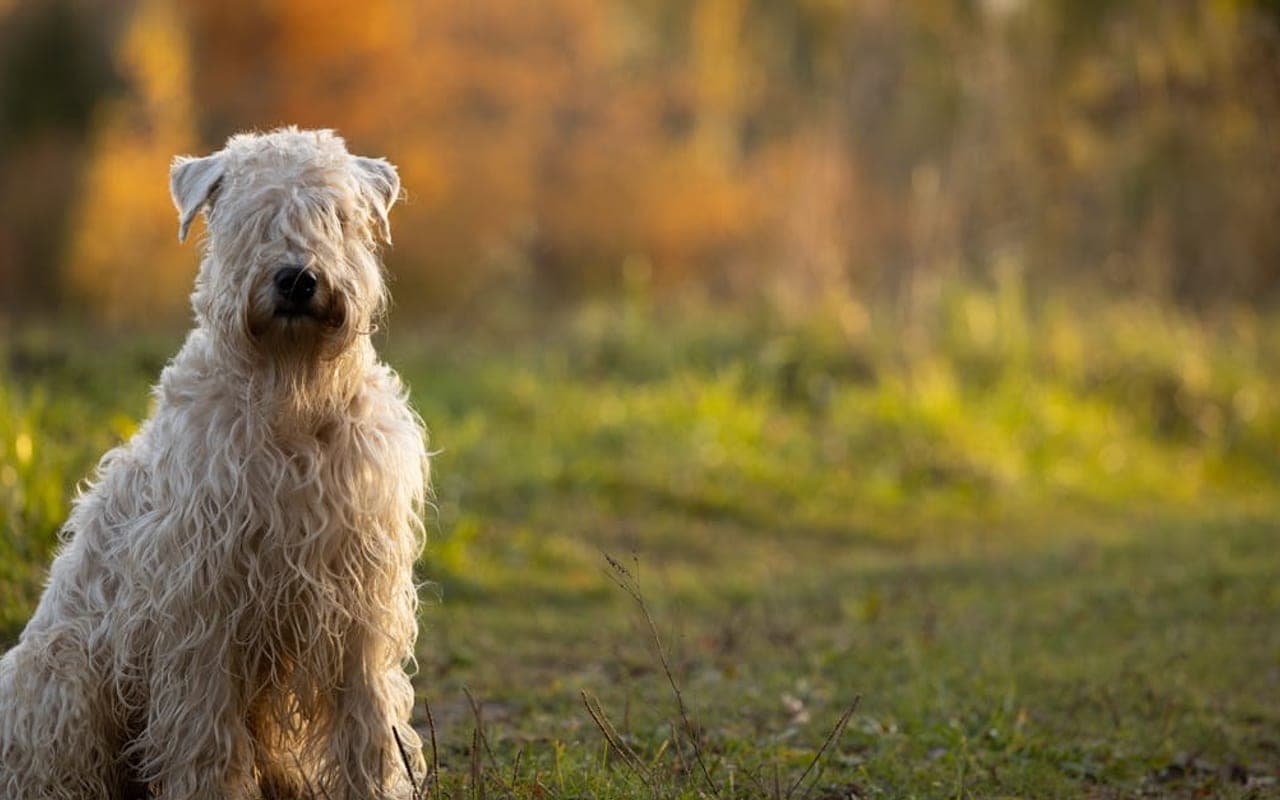
Soft Coated Wheaten Terrier
Also in the Terrier group, with different care and temperament tradeoffs.
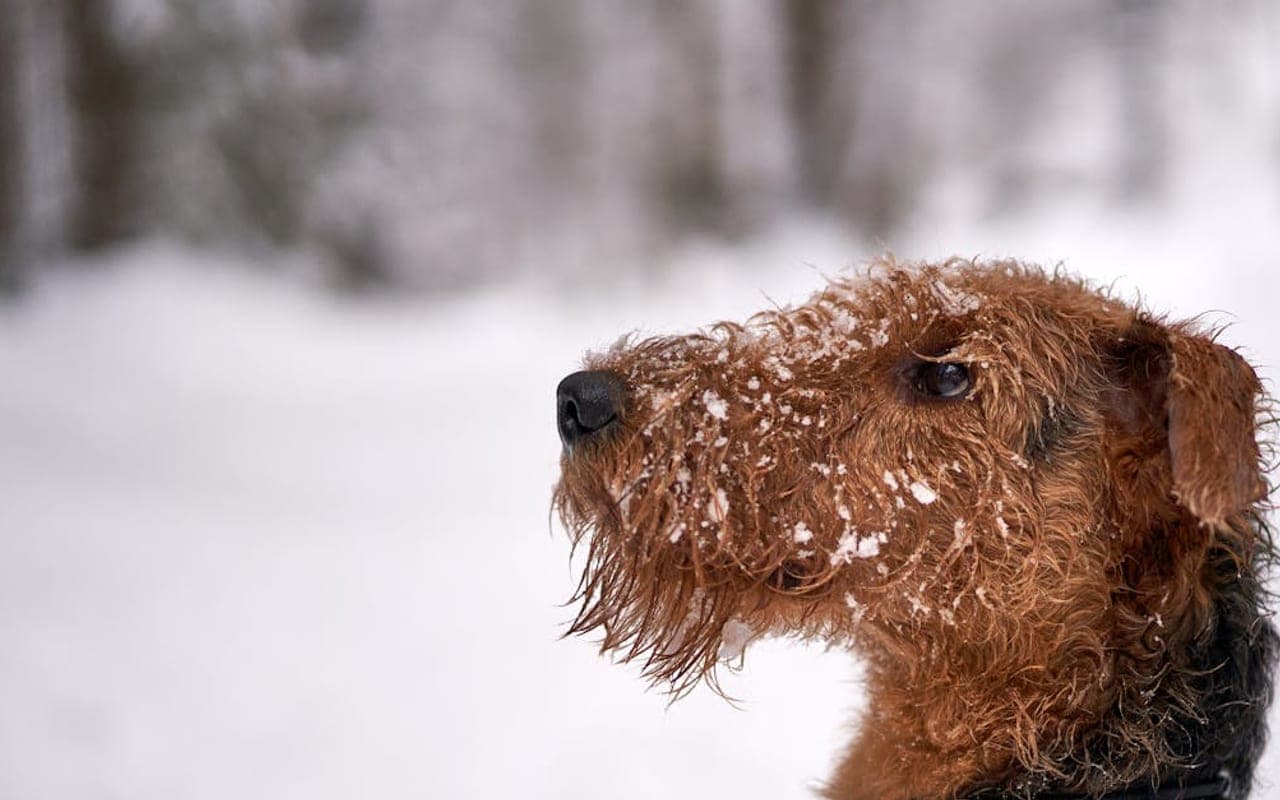
Airedale Terrier
Also in the Terrier group, with different care and temperament tradeoffs.
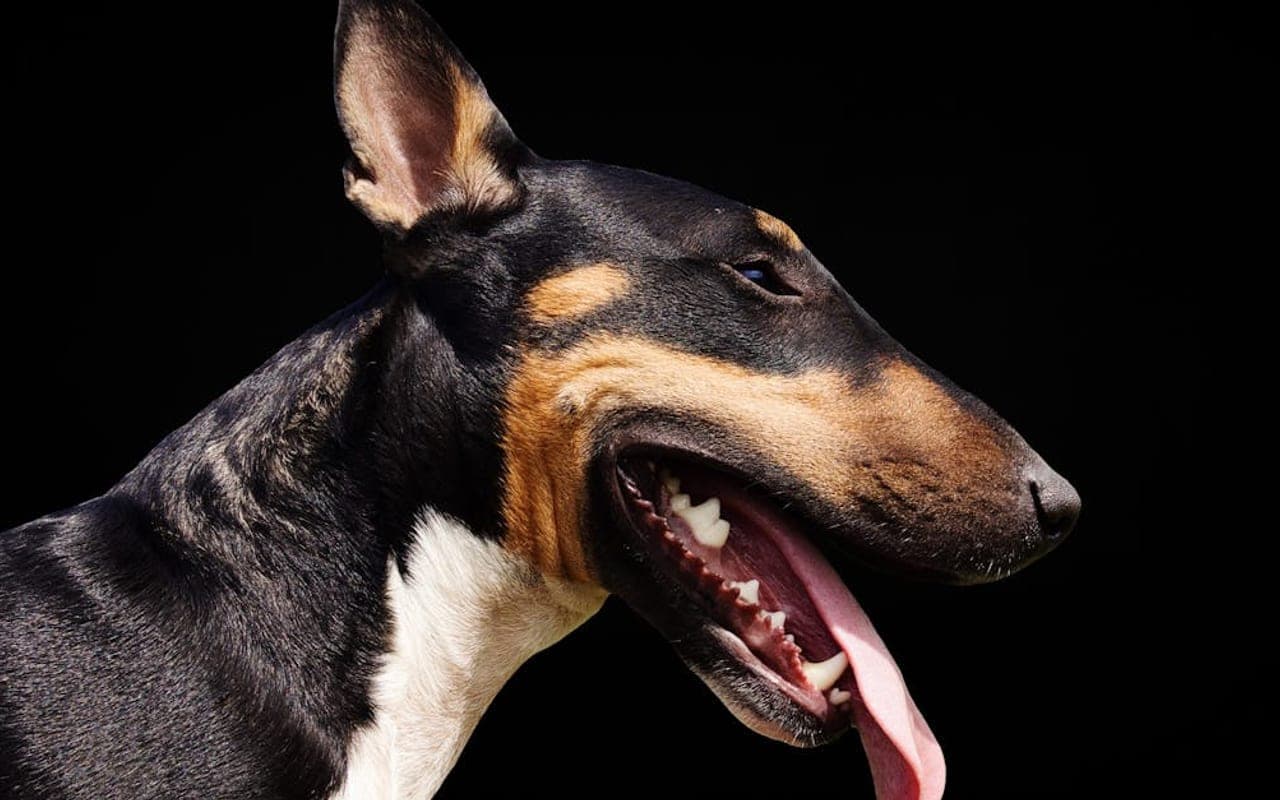
Bull Terrier
Also in the Terrier group, with different care and temperament tradeoffs.
Explore More About Teddy Roosevelt Terrier
Dive deeper into everything Teddy Roosevelt Terrier — costs, care, and expert insights.
Considering a cat instead?
Browse Cats